Lemon Crumb Cake
Lemon Crumb Cake is the kind of thing I turn to when I want something that feels both comforting and bright at once. The first time I baked it, I was wrestling with a gloomy afternoon and a bag of lemons that had started to look a little sad in the fruit bowl, so I decided to coax them into something joyful. The cake filled the house with a warm, citrus perfume that seemed to lift everyone’s mood, and by the time the crumb topping browned, I had a row of smiling neighbors at my door asking for a slice.
My approach to Lemon Crumb Cake is part memory and part experiment. I learned early on that the trick is to balance tang and tenderness, and that means treating ingredients like team players. The cake crumb needs to be tender enough to melt on the tongue, while the lemon curd keeps pockets of concentrated brightness. I love the little ritual of folding whipped egg whites into the batter, it always makes me feel like I’m coaxing something delicate into lightness. That texture contrast between soft cake and crunchy crumb is the reward for a bit of patience.
When I bring this cake to gatherings, it disappears fast. People often ask if I made a complicated glaze or spent hours fussing, and I always laugh because the real labor is mostly gentle mixing and waiting for the oven to do its work. The crumbs are forgiving, and the lemon curd can be made ahead, which makes this a recipe that fits both weeknight baking and weekend entertaining. Every time I slice into it, the combination of flour, butter, and bright lemon reminds me why simple classics deserve a permanent spot in the rotation.
Recipe Snapshot
1 hr 30 mins
45 mins
45 mins
Medium
350 kcal
American
Gluten-Free, Low FODMAP
Desserts
Electric mixer, 9 x 9 inch baking dish, Microwave safe bowl, Mixing bowls, Spatula
What Makes This Lemon Crumb Cake Special
Bright, balanced flavor
I love how Lemon Crumb Cake marries citrus punch with buttery sweetness. The tang of the lemon cuts through richness so each bite stays lively, not cloying. I find that the lemon components, both zest and juice, layer into the batter and curd, giving different intensities of flavor that play off one another.
Textural contrast that keeps you coming back
What keeps me hooked is the crumb topping versus the tender crumb beneath. The crunchy, sandy topping offers a satisfying snap against the cake’s soft interior. I always make sure the butter in the crumb is cold so it produces that ideal, slightly gritty texture that browns beautifully in the oven.
Make ahead flexibility
I often prepare the lemon curd a day or two ahead. That small bit of planning means I can assemble the cake quickly when guests arrive. The curd chills into a thick, spreadable jewel that swirls into the batter and keeps the cake moist. This recipe‘s pacing lets me stage work without feeling rushed.
Technique that elevates simple ingredients
Folding whipped egg whites into the batter is a small technique with a big payoff. It adds lightness without needing any special equipment beyond a mixer. Also, rubbing cold butter into the flour for the crumb produces pockets of richness that melt and caramelize in the oven, delivering flavor and color.
Approachable but impressive
I’ve served this for casual coffee mornings and for celebratory brunches. People assume it’s fussy, but the steps are straightforward. You end up with something that tastes like effort and care, without a lot of drama, and that always impresses guests.
Lemon Crumb Cake Ingredients
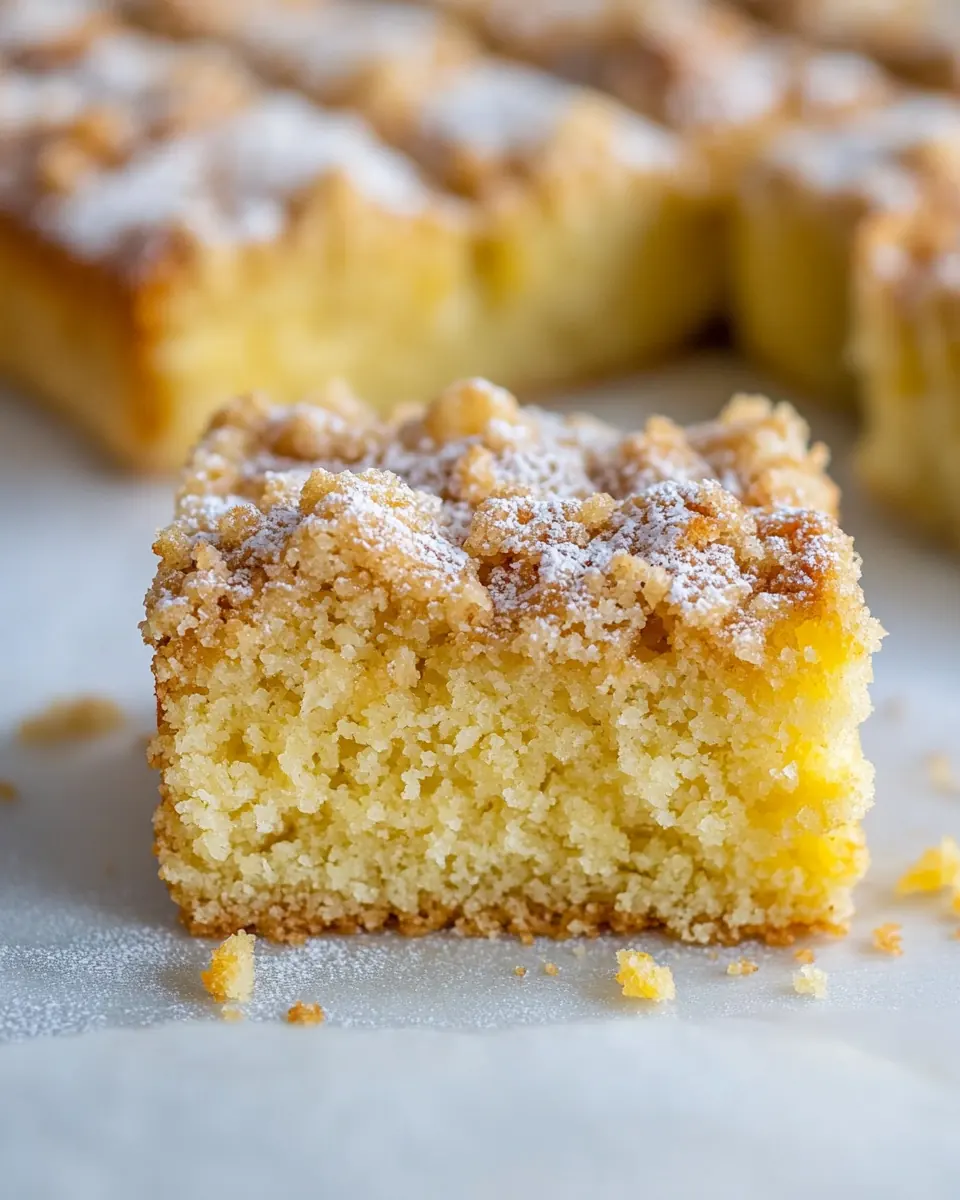
These ingredients are built around complementary roles. The dry flour is the structure, the butter adds tenderness and flavor, and the lemon elements lift everything with brightness. Egg whites contribute airiness while yolks add richness. I treat each item as a collaborator, so I measure and handle them to coax the best texture and flavor from the batter and crumb.
- 1 1/2 cups all-purpose flour: Provide structure and body to the cake by forming the main flour base; combines with liquids and leaveners to create the crumb and helps determine texture and chewiness.
- 1/2 cup granulated sugar: Contribute sweetness and help tenderize the crumb; dissolves into batters to assist browning and caramelization during baking for flavor and color.
- 1 tablespoon lemon zest: Offer bright citrus aroma and concentrated lemon oils that enhance overall flavor; dispersed through batter to yield fresh lemon notes and fragrance.
- pinch of salt: Enhance and balance flavors by sharpening sweetness and rounding out tastes; strengthens gluten development control and helps with overall seasoning.
- 1/2 cup cold butter, cut into pieces: Create flaky, tender crumb when cut into flour for a streusel or crust; cold butter provides pockets of fat that melt during baking for texture contrast.
- 1 1/2 cups all-purpose flour: Act as additional structural flour to bulk up either crumb or topping layers; pairs with fats and liquids to form dough or batter matrix and affects density.
- 1/2 teaspoon baking soda: Provide leavening by producing carbon dioxide when reacting with acidic ingredients; contributes to rise and lightness in the cake crumb when evenly distributed.
- 1/4 teaspoons salt: Add subtle seasoning and control flavor balance with a small amount of salt; helps enhance sweetness and strengthens gluten for overall texture.
- 1/2 cup unsalted butter, softened: Bring richness and moisture to the batter when softened and creamed; contributes to aeration when beaten with sugar and promotes tender crumb.
- 1 cup sugar: Supply bulk sweetness and assist aeration when creamed with butter; helps create structure, moisture retention, and a balanced sweet profile.
- 3 large eggs, separated: Introduce lift and lightness when egg whites are whipped and yolks add richness; contribute to structure, emulsification, and moisture in the cake.
- 1 teaspoon vanilla extract: Impart vanilla aroma and flavor depth to balance citrus notes; acts as a flavor enhancer that complements other extracts and batters.
- 1/2 teaspoon lemon extract: Deliver concentrated lemon flavor without additional liquid; intensifies citrus profile and works well alongside lemon zest and juice for bright taste.
- 1 tablespoon lemon zest: Provide additional citrus fragrance and flavor bursts throughout the batter or topping; finely grated zest distributes oils that intensify lemon character.
- 1/2 cup plain greek yogurt, I like full-fat or 2%: Add tangy moisture and slight acidity to tenderize the crumb; Greek yogurt contributes protein and fat for creaminess and a moist texture.
- 2 tablespoons sugar: Offer a small amount of sweetness and help balance acidity in fillings or toppings; used for light flavor adjustment without changing texture significantly.
- 3/4 cup lemon curd, (recipe below, if needed): Supply concentrated lemon flavor and a glossy filling layer; lemon curd adds both tartness and sweetness with a smooth, spreadable consistency.
- powdered sugar, for sprinkling: Provide a light decorative finish and additional sweetness when dusted over the finished cake; powdered sugar melts slightly for a delicate surface sheen.
- 1/2 cup butter, softened: Give richness and tenderness when creamed into batters or used in fillings; softened butter blends smoothly to improve mouthfeel and crumb softness.
- 2 cups sugar: Add significant sweetness and aid in creaming with butter to create volume; large sugar amounts influence texture, shelf life, and caramelization.
- 2 tablespoons lemon zest: Deliver intense lemon aroma and visual zest specks throughout batter or topping; freshly grated zest releases essential oils for bright flavor.
- 1 cup fresh lemon juice: Contribute fresh acidity and bright citrus flavor to batters, glazes, or curds; lemon juice reacts with leaveners and balances sweetness with tartness.
- 4 large eggs: Provide structure, richness, and emulsification; eggs bind ingredients, add moisture, and help create lift and a tender crumb when beaten and incorporated.
Recipe Steps for Lemon Crumb Cake
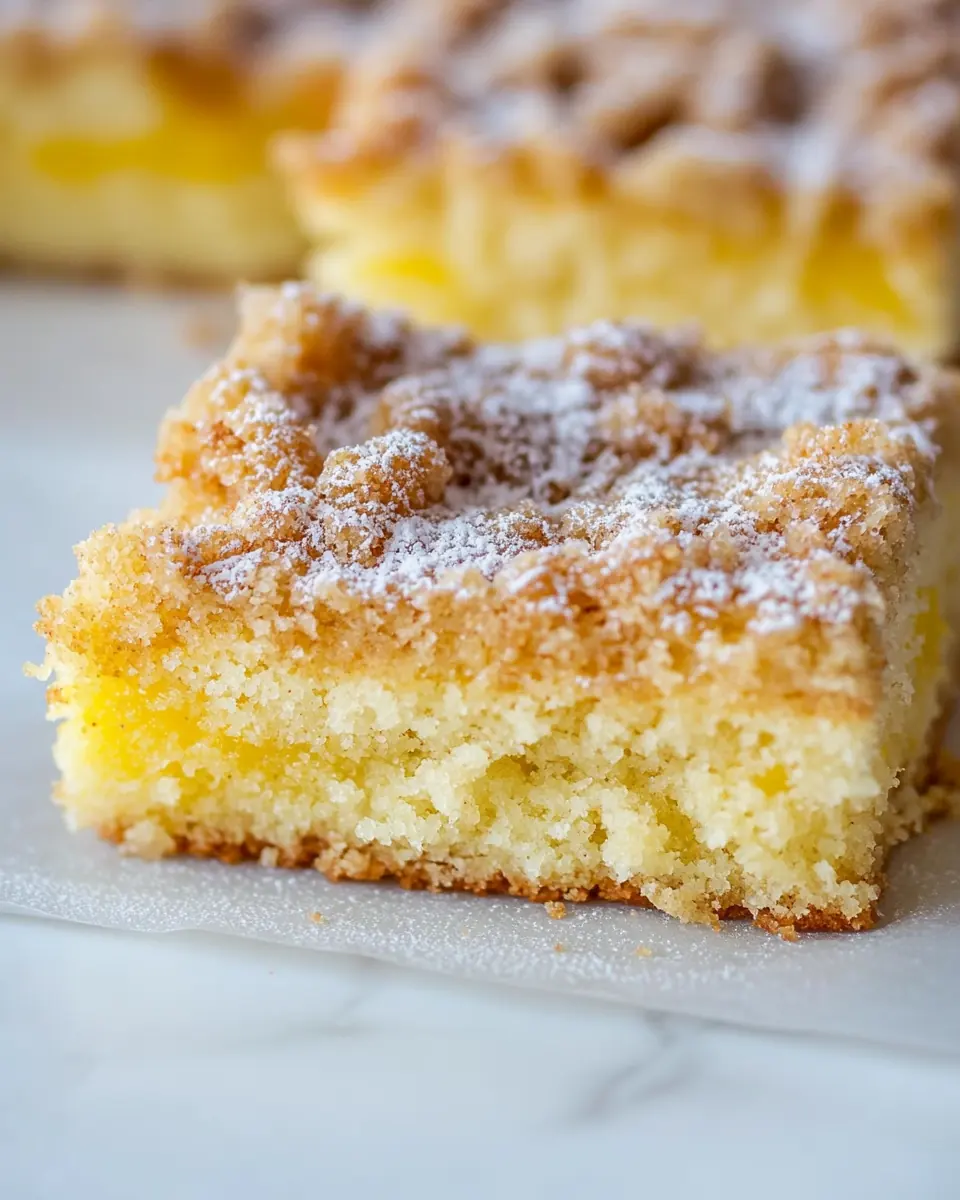
These steps are straightforward but rewarding, and I like to move through them deliberately so each element gets the attention it needs. The directions below follow the original order and expand with sensory cues, explanations, and troubleshooting so you can feel confident as you go.
- NOTE: if you are making the lemon curd from scratch, start with that first! It takes 2 to 4 hours to chill in the fridge. I suggest making it a day or two ahead of time.: if you are making the lemon curd from scratch, start with that first It takes 2 to 4 hours to chill in the fridge I suggest making it a day or two ahead of time : The kitchen will smell intensely of bright lemon as the curd cooks, a warm citrus perfume that signals the sugars and eggs are melding. Why this matters is simple, the curd needs time to cool and set so it swirls without melting into the batter during baking. A common mistake is rushing the cooling, which leaves the curd runny and it will sink into the cake rather than creating pockets of concentrated flavor. When the curd is done, its surface will look glossy and slightly thickened, and it will hold a gentle mound when scooped. Cover it with plastic pressed to the surface to prevent a skin from forming while it chills. If your curd seems too thin after chilling, brief additional chilling will firm it up.
- Preheat the oven to 350 degrees F. Spray a 9 x 9 inch baking dish with nonstick baking spray.: You should feel the steady, even warmth when you open the oven, and using a 350 F setting gives a predictable rise and browning. Preparing the pan is more than convenience, spritzing and lining prevents sticking so the delicate crumb lifts cleanly after baking. A common oversight is not letting the oven fully preheat, which can alter the cake's rise, causing uneven texture. I like to place the rack in the center to allow even browning on top and bottom. The pan edges should feel warm but not hot when handled briefly with protection.
- Whisk together the flour, sugar, lemon zest and salt. Add the cold butter and rub it into the flour with your fingers. You want to combine it for a few minutes until the butter is throughout all the flour and the texture almost resembles sand.: The aroma of lemon zest will bloom as you rub in the butter , releasing fragrant oils that scent the mixture. The goal here is a sandy, coarse texture where small flecks of butter remain. This creates the crumb's desirable little pockets of fat that melt and crisp in the oven. If you warm the butter with your hands too much, the mixture becomes greasy and the topping will not be crisp, so work briskly and chill if it heats up. When the mixture resembles coarse sand and holds a loose clump when pressed, it is ready to sprinkle over the batter later.
- In a bowl, stir together the flour, baking soda and salt.: You will notice the dry mixture smells neutral, but this step ensures even distribution of leavening so the cake rises uniformly. The fine baking soda must be evenly incorporated to avoid metallic pockets or uneven texture. A common slip is dumping baking soda directly onto the wet ingredients where it can clump; pre-mixing avoids that. The visual cue is a homogenous pale mixture with no streaks of soda or clumps of flour .
- In the bowl of your electric mixer, beat the butter and sugar together on high speed until creamy, about 3 to 4 minutes. Beat in the egg yolks one at a time. Beat in the extracts and lemon zest until combined.: As you cream softened butter and sugar , the mixture will lighten in color and develop a soft, pillowy texture. This aeration traps tiny air pockets that assist in lift. Adding the egg yolks one at a time ensures they emulsify smoothly, preventing separation. The scent will become richer as you beat, with bright citrus notes from the zest. A common problem is undercreaming, which yields denser cake, or overcreaming, which can cause collapse later. Stop when the mixture looks pale and holds soft peaks.
- Beat in half of the flour mixture until just combined. Beat in the greek yogurt. Beat in the remaining dry ingredients until just combined.: After adding the first portion of dry ingredients, the batter will thicken and smell of sweet butter and subtle lemon . The greek yogurt adds moisture and a slight tang that interacts with the leavening, creating tenderness. When you add the remaining dry ingredients, mix only until streaks disappear to avoid developing gluten. Overmixing is the usual pitfall here; the batter should be smooth but still soft and slightly thick. The batter's surface will be glossy and fall in a slow ribbon from the spoon.
- In a bowl, beat the egg whites with an electric hand mixer until foamy. Gradually add in the 2 tablespoons of sugar, beating until stiff peaks form. Fold the egg white mixture into the cake batter.: Whipping egg whites introduces air, and the addition of sugar stabilizes those soft peaks into glossy, stiff peaks that will lighten the final texture. The whites should look glossy and hold a firm tip when you lift the whisk. Folding is delicate work, use a gentle motion and scrape the sides to maintain volume. A common error is deflating the whites by stirring vigorously; use a gentle lift and turn motion until just integrated. The batter should now be noticeably lighter in feel.
- Spread the batter into the greased baking dish. Dollop the lemon curd on top and gently swirl it in with a knife.: As you spread the batter, it should move smoothly and hold slight ridges from your spatula. Dropping spoonfuls of chilled lemon curd across the surface and using a knife to swirl creates marbled pockets that stay distinct after baking. If the curd is too warm, it will sink and run, so ensure it is chilled. The swirl should be gentle, showing soft ribbons of curd without overmixing into the batter.
- Sprinkle the crumb mixture all over the batter. Bake for 40 to 45 minutes, or until a tester inserted in the center comes out clean. Remove from the oven and sprinkle the top with powdered sugar.: When you scatter the crumb, aim for even coverage so every slice has crunchy topping. As the cake bakes the kitchen will fill with a toasty, citrus buttery aroma, and the crumb will turn golden brown. The surface should spring back slightly and a toothpick in the center should come out clean or with a few moist crumbs. If the top browns too quickly, tent with foil to prevent overbrowning. After cooling briefly, a dusting of powdered sugar gives a soft finish and a hint of sweetness.
- Beat the butter and sugar in the bowl of your electric mixer until creamy. Add the eggs one at a time, beating until each is combined. Beat in the lemon zest. Stream in the lemon juice with the mixer on medium-low speed. The mixture will look curdled.: This instruction refers to making the curd, where butter and sugar are creamed until smooth, creating a base that feels velvety under whisking. Adding whole eggs gradually ensures a stable emulsion. When you stream in the fresh lemon juice , the mixture may appear curdled; that is normal because the acid interacts with the fats and proteins. Continue whisking and warming as directed to bring it together. A common worry is scrambling the eggs, so keep the speed moderate and keep heat gentle in the next step.
- Transfer the mixture to a microwave-safe bowl. Microwave for 5 minutes, stirring every 1 minute. Then microwave for 1 to 2 more minutes, stirring after each 30 second increment, until it coats the back of a spoon.: Heating in short intervals while stirring builds a thick, glossy curd without overheating. The sound will be quiet bubbling rather than vigorous boiling, and the texture should transform from thin to custardy. The back of a spoon should show a thick coating that leaves a clean line when wiped with a finger. If overheated, the curd can split or scramble, so use short bursts and stir thoroughly between intervals to distribute heat evenly. If it looks slightly lumpy, keep stirring off heat and the residual warmth often smooths it out.
- Place a piece of plastic wrap over the bowl, pressing it directly into the curd. Refrigerate for 2 to 4 hours, or until chilled and thick.: Pressing plastic wrap to the surface prevents a skin and keeps the curd silky. In the fridge the curd will cool and thicken, taking on a glossy, spoonable consistency. The aroma will mellow from sharp to rounder citrus notes. Avoid skipping this chill time, because warm curd can run into the batter and lose its distinct pockets. When fully chilled, it should hold shape and be easy to dollop onto the cake before baking.
Expert Tips about Lemon Crumb Cake
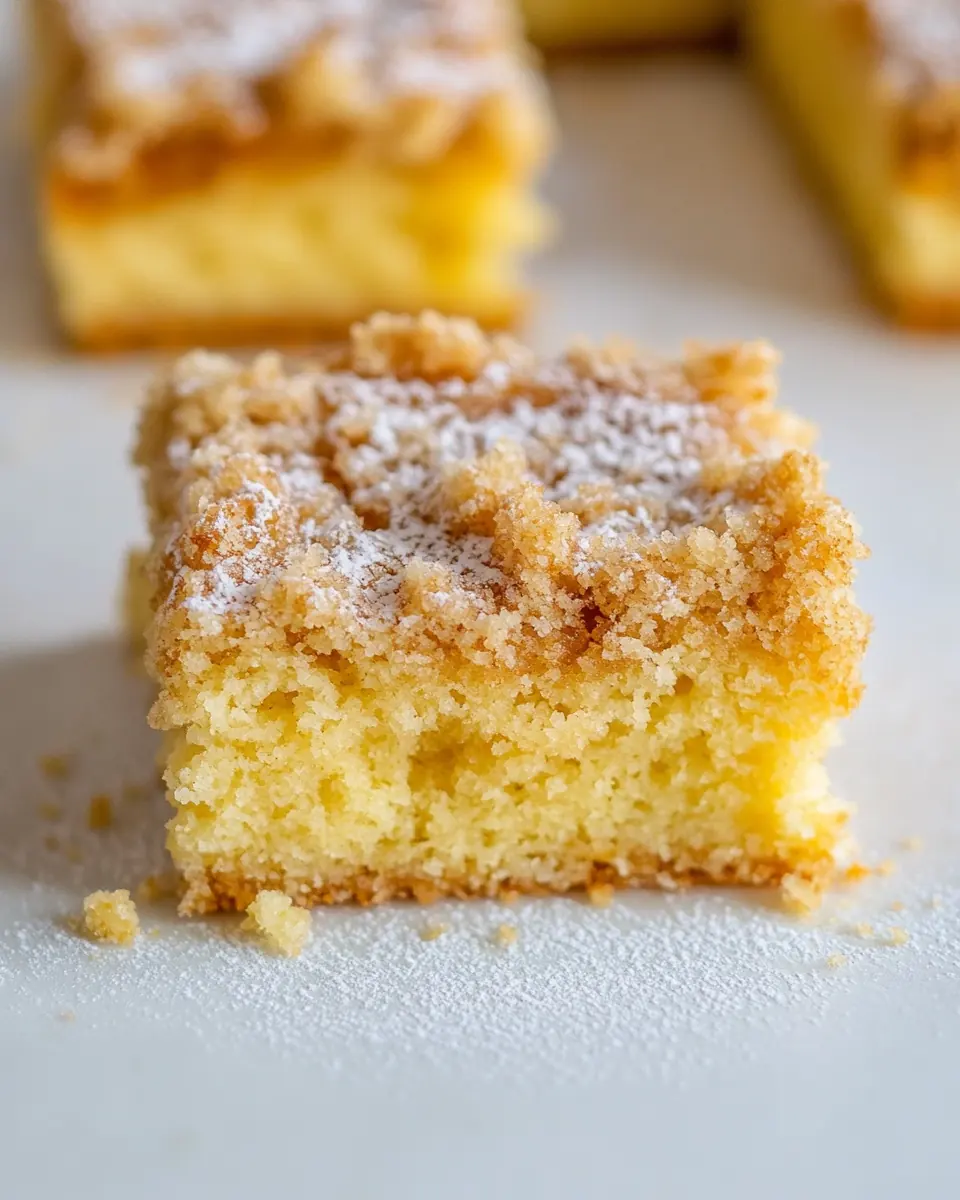
I like to think of these tips as ways to protect and amplify the flavors and textures you worked for. They draw on small details that make a big difference, from temperature to timing.
- Use room temperature eggs to ensure the whites whip properly and the yolks emulsify smoothly when creamed with butter and sugar.
- Keep the crumb butter cold while cutting it into the flour so you get sandy, pea sized bits that produce a crisp topping.
- Chill the lemon curd fully before swirling into the batter so it maintains pockets of bright flavor instead of melting away.
- Fold gently when incorporating whipped egg whites to retain volume and achieve a light, lift in the cake crumb.
- Measure flour correctly by spooning into the cup and leveling off to avoid a dry, dense cake.
- Tent with foil if the top browns too quickly to allow the interior to finish baking without burning the crumb.
What to Serve Alongside Lemon Crumb Cake
This cake pairs beautifully with simple beverages and light accompaniments. Consider the occasion and match textures and temperatures to create a balanced spread. Below are ideas for serving styles, occasions, and storage.
- Morning coffee or tea: Serve a slice warm or at room temperature with a cup of coffee or a bright tea to complement the citrus. This is perfect for brunch or a casual morning gathering.
- Afternoon gathering: Pair with fresh berries for a fruity contrast, and offer small plates for guests to enjoy a light dessert after lunch.
- Special brunch: Present alongside a cheese board featuring mild cheeses and fresh fruit, letting the cake act as the sweet centerpiece for a relaxed brunch menu.
- Storage: Store tightly covered in the fridge for up to 4 days, the chilled lemon curd pockets will help keep slices moist. For longer storage, freeze well wrapped for up to one month and thaw slowly in the fridge.
- Seasonal pairing: In spring, serve with a simple salad of greens and citrus segments or with a glass of sparkling non alcoholic beverage for a festive touch.
FAQ
Conclusion
This cake stands out because it pairs a tender, airy crumb with pockets of intensely bright lemon curd and a satisfying buttery topping. Give it a try the next time you want a dessert that reads both casual and thoughtfully made, and you will likely find it earns repeated requests. The recipe rewards a bit of planning, especially if you make the curd ahead, but the hands on time is pleasant and uncomplicated. Slice it for brunch or an afternoon tea and enjoy how the lemon lifts the room, bringing a fresh, comforting sweetness to the table.
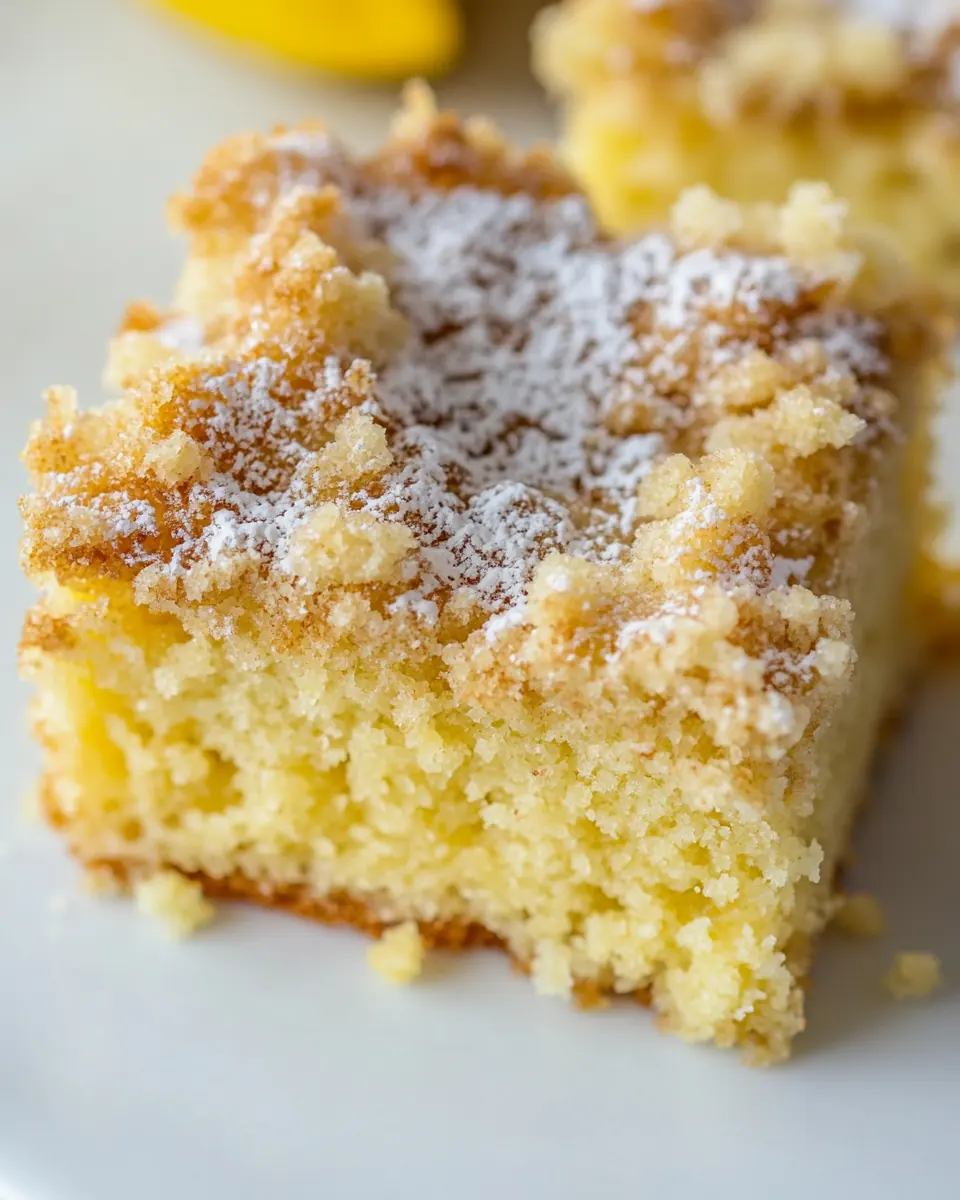
Lemon Crumb Cake
Ingredients
Equipment
Method
- NOTE: if you are making the lemon curd from scratch, start with that first! It takes 2 to 4 hours to chill in the fridge. I suggest making it a day or two ahead of time.: if you are making the lemon curd from scratch, start with that first It takes 2 to 4 hours to chill in the fridge I suggest making it a day or two ahead of time : The kitchen will smell intensely of bright lemon as the curd cooks, a warm citrus perfume that signals the sugars and eggs are melding. Why this matters is simple, the curd needs time to cool and set so it swirls without melting into the batter during baking. A common mistake is rushing the cooling, which leaves the curd runny and it will sink into the cake rather than creating pockets of concentrated flavor. When the curd is done, its surface will look glossy and slightly thickened, and it will hold a gentle mound when scooped. Cover it with plastic pressed to the surface to prevent a skin from forming while it chills. If your curd seems too thin after chilling, brief additional chilling will firm it up.
- Preheat the oven to 350 degrees F. Spray a 9 x 9 inch baking dish with nonstick baking spray.: You should feel the steady, even warmth when you open the oven, and using a 350 F setting gives a predictable rise and browning. Preparing the pan is more than convenience, spritzing and lining prevents sticking so the delicate crumb lifts cleanly after baking. A common oversight is not letting the oven fully preheat, which can alter the cake's rise, causing uneven texture. I like to place the rack in the center to allow even browning on top and bottom. The pan edges should feel warm but not hot when handled briefly with protection.
- Whisk together the flour, sugar, lemon zest and salt. Add the cold butter and rub it into the flour with your fingers. You want to combine it for a few minutes until the butter is throughout all the flour and the texture almost resembles sand.: The aroma of lemon zest will bloom as you rub in the butter , releasing fragrant oils that scent the mixture. The goal here is a sandy, coarse texture where small flecks of butter remain. This creates the crumb's desirable little pockets of fat that melt and crisp in the oven. If you warm the butter with your hands too much, the mixture becomes greasy and the topping will not be crisp, so work briskly and chill if it heats up. When the mixture resembles coarse sand and holds a loose clump when pressed, it is ready to sprinkle over the batter later.
- In a bowl, stir together the flour, baking soda and salt.: You will notice the dry mixture smells neutral, but this step ensures even distribution of leavening so the cake rises uniformly. The fine baking soda must be evenly incorporated to avoid metallic pockets or uneven texture. A common slip is dumping baking soda directly onto the wet ingredients where it can clump; pre-mixing avoids that. The visual cue is a homogenous pale mixture with no streaks of soda or clumps of flour .
- In the bowl of your electric mixer, beat the butter and sugar together on high speed until creamy, about 3 to 4 minutes. Beat in the egg yolks one at a time. Beat in the extracts and lemon zest until combined.: As you cream softened butter and sugar , the mixture will lighten in color and develop a soft, pillowy texture. This aeration traps tiny air pockets that assist in lift. Adding the egg yolks one at a time ensures they emulsify smoothly, preventing separation. The scent will become richer as you beat, with bright citrus notes from the zest. A common problem is undercreaming, which yields denser cake, or overcreaming, which can cause collapse later. Stop when the mixture looks pale and holds soft peaks.
- Beat in half of the flour mixture until just combined. Beat in the greek yogurt. Beat in the remaining dry ingredients until just combined.: After adding the first portion of dry ingredients, the batter will thicken and smell of sweet butter and subtle lemon . The greek yogurt adds moisture and a slight tang that interacts with the leavening, creating tenderness. When you add the remaining dry ingredients, mix only until streaks disappear to avoid developing gluten. Overmixing is the usual pitfall here; the batter should be smooth but still soft and slightly thick. The batter's surface will be glossy and fall in a slow ribbon from the spoon.
- In a bowl, beat the egg whites with an electric hand mixer until foamy. Gradually add in the 2 tablespoons of sugar, beating until stiff peaks form. Fold the egg white mixture into the cake batter.: Whipping egg whites introduces air, and the addition of sugar stabilizes those soft peaks into glossy, stiff peaks that will lighten the final texture. The whites should look glossy and hold a firm tip when you lift the whisk. Folding is delicate work, use a gentle motion and scrape the sides to maintain volume. A common error is deflating the whites by stirring vigorously; use a gentle lift and turn motion until just integrated. The batter should now be noticeably lighter in feel.
- Spread the batter into the greased baking dish. Dollop the lemon curd on top and gently swirl it in with a knife.: As you spread the batter, it should move smoothly and hold slight ridges from your spatula. Dropping spoonfuls of chilled lemon curd across the surface and using a knife to swirl creates marbled pockets that stay distinct after baking. If the curd is too warm, it will sink and run, so ensure it is chilled. The swirl should be gentle, showing soft ribbons of curd without overmixing into the batter.
- Sprinkle the crumb mixture all over the batter. Bake for 40 to 45 minutes, or until a tester inserted in the center comes out clean. Remove from the oven and sprinkle the top with powdered sugar.: When you scatter the crumb, aim for even coverage so every slice has crunchy topping. As the cake bakes the kitchen will fill with a toasty, citrus buttery aroma, and the crumb will turn golden brown. The surface should spring back slightly and a toothpick in the center should come out clean or with a few moist crumbs. If the top browns too quickly, tent with foil to prevent overbrowning. After cooling briefly, a dusting of powdered sugar gives a soft finish and a hint of sweetness.
- Beat the butter and sugar in the bowl of your electric mixer until creamy. Add the eggs one at a time, beating until each is combined. Beat in the lemon zest. Stream in the lemon juice with the mixer on medium-low speed. The mixture will look curdled.: This instruction refers to making the curd, where butter and sugar are creamed until smooth, creating a base that feels velvety under whisking. Adding whole eggs gradually ensures a stable emulsion. When you stream in the fresh lemon juice , the mixture may appear curdled; that is normal because the acid interacts with the fats and proteins. Continue whisking and warming as directed to bring it together. A common worry is scrambling the eggs, so keep the speed moderate and keep heat gentle in the next step.
- Transfer the mixture to a microwave-safe bowl. Microwave for 5 minutes, stirring every 1 minute. Then microwave for 1 to 2 more minutes, stirring after each 30 second increment, until it coats the back of a spoon.: Heating in short intervals while stirring builds a thick, glossy curd without overheating. The sound will be quiet bubbling rather than vigorous boiling, and the texture should transform from thin to custardy. The back of a spoon should show a thick coating that leaves a clean line when wiped with a finger. If overheated, the curd can split or scramble, so use short bursts and stir thoroughly between intervals to distribute heat evenly. If it looks slightly lumpy, keep stirring off heat and the residual warmth often smooths it out.
- Place a piece of plastic wrap over the bowl, pressing it directly into the curd. Refrigerate for 2 to 4 hours, or until chilled and thick.: Pressing plastic wrap to the surface prevents a skin and keeps the curd silky. In the fridge the curd will cool and thicken, taking on a glossy, spoonable consistency. The aroma will mellow from sharp to rounder citrus notes. Avoid skipping this chill time, because warm curd can run into the batter and lose its distinct pockets. When fully chilled, it should hold shape and be easy to dollop onto the cake before baking.
Notes
- Use room temperature eggs to ensure the whites whip properly and the yolks emulsify smoothly when creamed with butter and sugar.
- Keep the crumb butter cold while cutting it into the flour so you get sandy, pea sized bits that produce a crisp topping.
- Chill the lemon curd fully before swirling into the batter so it maintains pockets of bright flavor instead of melting away.
- Fold gently when incorporating whipped egg whites to retain volume and achieve a light, lift in the cake crumb.
- Measure flour correctly by spooning into the cup and leveling off to avoid a dry, dense cake.
- Tent with foil if the top browns too quickly to allow the interior to finish baking without burning the crumb.