Maple Custard Bread Pudding
Maple Custard Bread Pudding has been one of those comforting dishes that I turn to when the air feels crisp and I want something that hugs the senses.
My first memory of Maple Custard Bread Pudding is from a weekend visit to a friend who baked with quiet confidence, filling the house with a warm, sweet aroma that felt like a blanket. We sat at the kitchen table with mugs in hand while the steam curled from the baking dish, and the scent of maple syrup and nutmeg braided together in the air. That afternoon taught me that simple ingredients handled with care can feel indulgent and luxurious without fuss.
Over the years I’ve adapted that original version, learning to trust small techniques that make a big difference, like tempering eggs and giving day old bread time to soak. When I make Maple Custard Bread Pudding now, I think about texture first, then about how the custard should settle into every crevice of the cubes so each bite is creamy yet slightly yielding. It is not just about sweetness, it is about the balance between the custard and the toast of the bread.
Recipe Snapshot
1 hr 15 mins
30 mins
45 mins
Medium
300 kcal
American
Gluten-Free, Low FODMAP
Desserts
Oven, 1 1/2 quart baking dish, Larger roasting pan for water bath, Small saucepan, Mixing bowls, Hand mixer, Whisk
The Best Thing About This Maple Custard Bread Pudding
Comforting Texture
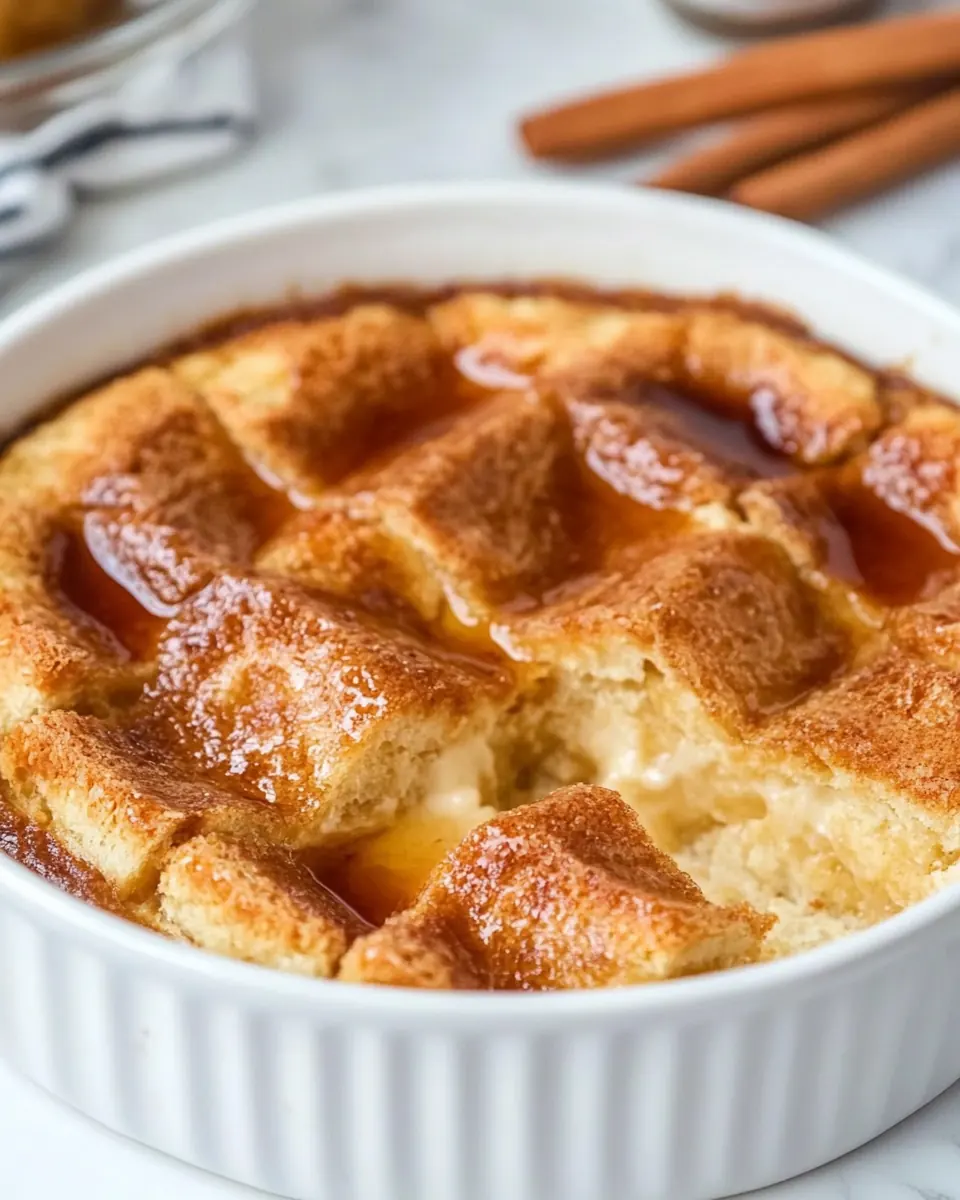
I love how Maple Custard Bread Pudding achieves a creamy interior and tender, slightly chewy bites of bread. The contrast between the soft custard and the toothsome edges of day old bread gives each mouthful a satisfying variety of textures that keeps me coming back for another spoonful.
Simple, High Impact Flavor
The flavor is straightforward yet powerful. With just maple syrup, a pinch of nutmeg, and a dash of salt, the custard sings. I appreciate recipes that let one high quality ingredient shine, so using pure maple syrup and good bakery bread makes a dramatic difference.
Make Ahead Friendly
One of my favorite things is that you can assemble this the night before and bake it the next day. That hands off convenience means you can spend time with guests instead of fussing in the kitchen. For gatherings I often prepare the dish in the morning so the oven does the final work while I relax.
Versatile Serving Options
Whether I serve it warm straight from the oven with extra maple syrup drizzled on top, or at room temperature alongside coffee, it works. It is flexible for breakfast, brunch, or dessert, which makes it a reliable recipe in my rotation.
Comfort with Technique
I enjoy the small technical wins this recipe offers, like folding beaten egg whites to lighten the custard, or using a water bath to prevent curdling. Those steps make the final texture feel elevated, and they are satisfying to execute.
What to Buy for Maple Custard Bread Pudding
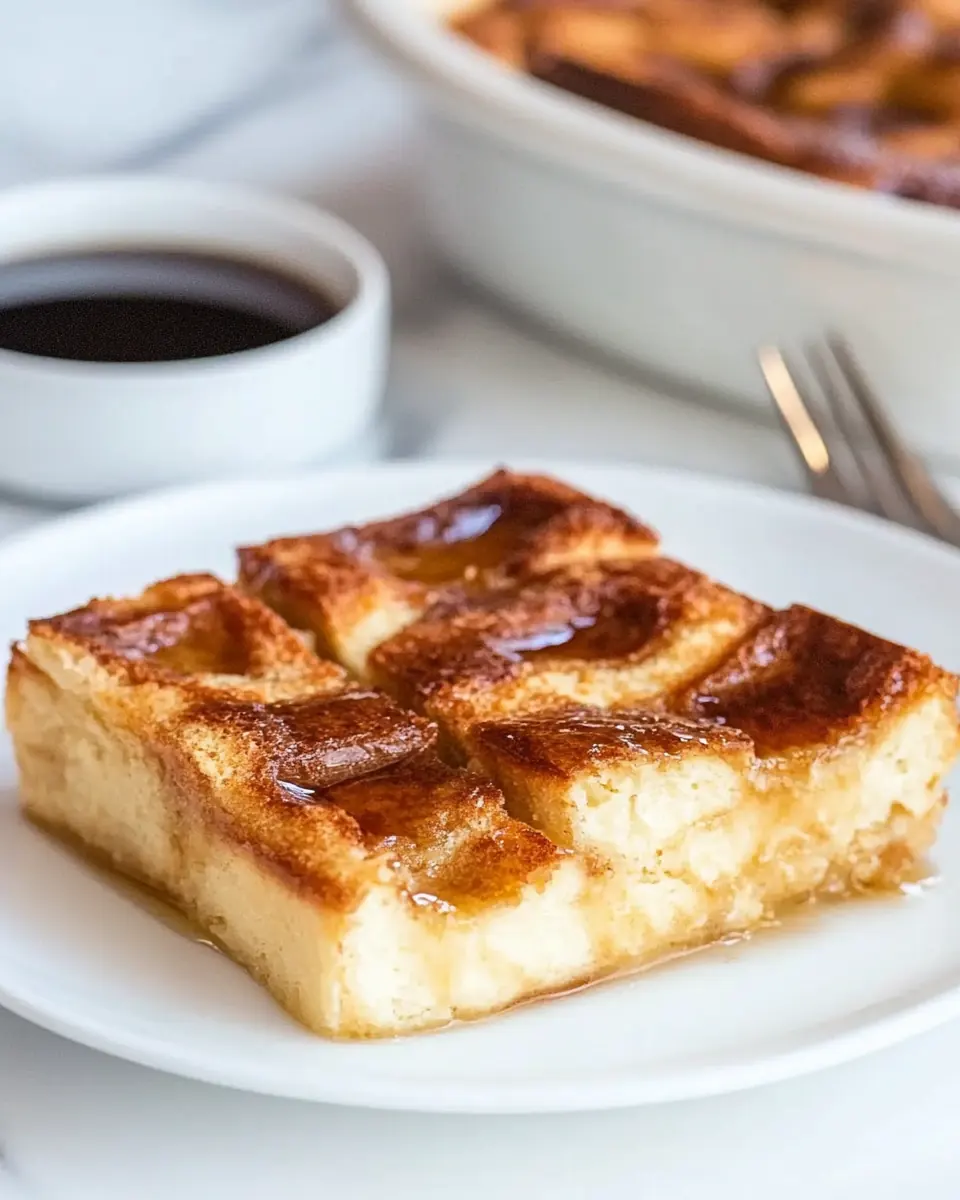
The ingredients here are quiet stars that work together to create a gentle, custardy base with a whisper of maple. The philosophy is simple: combine rich dairy with quality maple syrup and day old bread to let the custard soak and set. The key players are the milk and cream for body, the eggs for structure, and the maple syrup for character.
- 2 cups whole milk: Combine and warm gently to create the liquid base; adds creaminess and helps dissolve sugars while tempering eggs for custard.
- 1/2 cup heavy whipping cream: Whisk in for extra richness and a silkier texture; contributes fat that yields a tender, custard-like mouthfeel and deeper flavor.
- 4 large eggs, separated into yolks and whites: Separate yolks and whites and use both parts for different functions; yolks enrich and thicken the custard while whipped whites can lighten the final pudding when folded in.
- 1/2 cup pure maple syrup: Stir in for natural sweetness and characteristic maple flavor; sweetens the custard while contributing aromatic complexity and a touch of caramel-like depth when baked.
- dash of salt: Sprinkle sparingly to enhance and balance sweetness; amplifies other flavors and subtly elevates the custard’s overall taste profile.
- 5 slices day-old bread, cubed: Toss with custard mixture to absorb liquids and provide structure; day-old bread soaks up the custard best, creating tender pockets and a pleasing texture after baking.
- dash of nutmeg: Grate or dust lightly to add warm, aromatic notes; nutmeg complements maple flavors and enhances the dessert’s overall spiciness without overpowering.
- maple syrup, for serving () (optional): Drizzle optionally when serving to intensify sweetness and maple character; adds moisture and a glossy finish, allowing diners to control extra sweetness.
Step by Step Guide for Maple Custard Bread Pudding
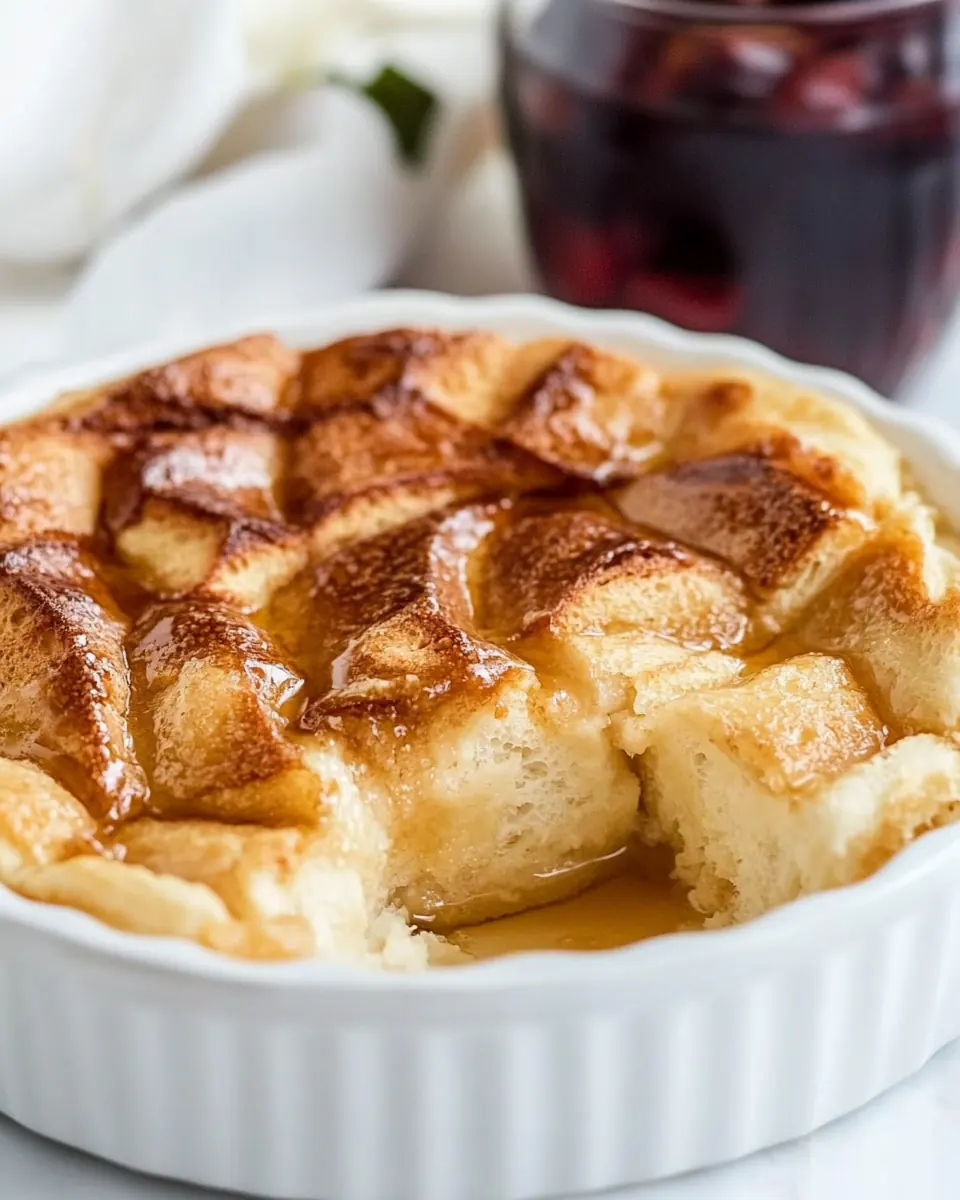
This recipe is approachable, and I’ll walk you through each stage so you can focus on sensations and timing. The directions below expand on the original steps with sensory cues, why the techniques matter, and common pitfalls to avoid.
- Preheat the oven to 350 degrees F. Butter a 1 1/2 quart baking dish. Take out a larger pan and be prepared to add about 1 inch of hot water in that dish when ready to bake. This will be the water bath for baking your bread pudding. The larger dish must be large enough to contain the baking dish you're using for the bread pudding.: As the oven warms, notice the gentle hum and the gradually warming kitchen air, a cue that the baking environment is stabilizing. A fully preheated oven ensures even rising and a consistent bake, preventing the custard from setting too slowly and becoming watery. A common mistake is starting with a cold oven, which can lengthen bake time and produce uneven texture, so wait until the temperature is reached before placing the dish inside.
- In a small saucepan heat the milk and cream together. Set aside to cool slightly.: The sound of butter spreading and the sight of a glossy surface tell you the dish is prepared for a nonstick finish. The butter helps the pudding to release cleanly and adds a subtle layer of flavor around the edges. If you skip this, the edges can stick and tear when serving; so be generous with the butter and coat the sides well.
- In a medium bowl, combine and whisk together the egg yolks, maple syrup, and salt. Very gradually whisk the milk mixture into the egg mixture. You don't want to scramble the eggs with hot milk, so do this slowly!: Lining up the water bath equipment gives you confidence during the transfer and prevents spills. The hot water will create steam and gentle, even heat around the baking dish, which produces a silky custard without curdling. A common trap is adding cold water, which can shock the custard and affect cooking times, so heat the water first.
- In a separate bowl, use a hand mixer to beat the egg whites to stiff-peak stage (not dry). Fold the beaten egg whites into the egg custard mixture.: As the liquid warms you will see small bubbles at the edge and sense a sweet dairy aroma, a sign the mixture is ready to temper into eggs. Heating melds the flavors and helps the custard cook evenly. Avoid boiling, because overheated dairy can scald and impart a cooked flavor, so stop just before simmering.
- Spread the bread cubes evenly in the prepared dish. Pour the egg custard mixture over the bread cubes and sprinkle nutmeg lightly on top. Place the baking dish in a larger pan filled with about 1 inch of hot water. You want enough water in the larger dish so the water comes up about halfway on the bread pudding baking dish when it's set into the water bath.: Allowing the warm dairy to cool for a short moment prevents scrambling when combined with eggs, and you will feel the tension ease as the mixture falls back in temperature. This pause preserves a smooth custard. Rushing this step risks scrambled eggs and a grainy texture, so be patient.
- Bake 40 to 45 minutes, or until a knife inserted into the center comes out clean.: Whisk until the mixture is unified and slightly thickened; the glossy look of the yolks signals readiness. This base is where richness and flavor concentrate, so mix thoroughly. Under-whisking can leave pockets of yolk or uneven sweetness, so take a few extra strokes until smooth.
- Very gradually whisk the milk mixture into the egg mixture: As you pour in the warm milk slowly while whisking, you will notice the mixture smoothing out and gaining a satiny sheen, which indicates proper tempering. Tempering prevents cooked bits of egg and yields a luxurious custard. The usual error is adding hot milk too quickly, which cooks the eggs, so go slowly and keep whisking.
- Beat the egg whites to stiff peak stage: When the beaters come out with peaks that stand tall yet still look glossy, you have the right consistency; this will lighten the custard. The beaten whites trap air that creates a lighter mouthfeel after baking. Overbeating to dry peaks will cause the whites to break and weep, so stop when they look satiny and hold shape.
- Fold the beaten egg whites into the egg custard mixture: Folding gently will keep the air in the whites while merging them with the denser custard, creating a tender lift. You should see soft swirls and a uniform color without streaks of white. Vigorous stirring will deflate the whipped whites and produce a denser pudding, so fold with a spatula using broad, gentle strokes.
- Spread the bread cubes evenly in the prepared dish: Arrange the cubed bread so custard contact is uniform, and visually you'll want an even layer that allows soaking from all sides. Well distributed bread prevents soggy pockets and dry spots. Piling too many cubes in one area can block custard penetration, so loosen the cubes so liquid can reach every piece.
- Pour the egg custard mixture over the bread cubes and sprinkle nutmeg lightly on top: As the custard soaks in you will notice the bread darken and soften, the aroma becoming warm and spiced from the nutmeg . The sprinkle adds fragrance and a subtle spice lift. A heavy hand with spice can overwhelm the maple notes, so use just a light dusting for balance.
- Place the baking dish in a larger pan filled with about 1 inch of hot water: Setting the dish into the water bath equalizes heat and creates a tender, custardy texture, and you may see gentle steam rising from the water during the bake. The water should come roughly halfway up the sides of the baking dish, which ensures slow, even cooking. Too little water reduces the effect and can lead to curdling, while too much risks splashing into the pudding, so aim for the halfway mark.
- Bake 40 to 45 minutes, or until a knife inserted into the center comes out clean: During baking you will see the top set to a light golden color and might hear faint bubbling at the edges, cues that the custard is nearing doneness. The knife test checks that the interior is set yet still moist; the center should feel slightly jiggly but not liquid. Overbaking dries the custard and makes it rubbery, so start checking near the lower end of the time range.
Ways to Adapt This Recipe
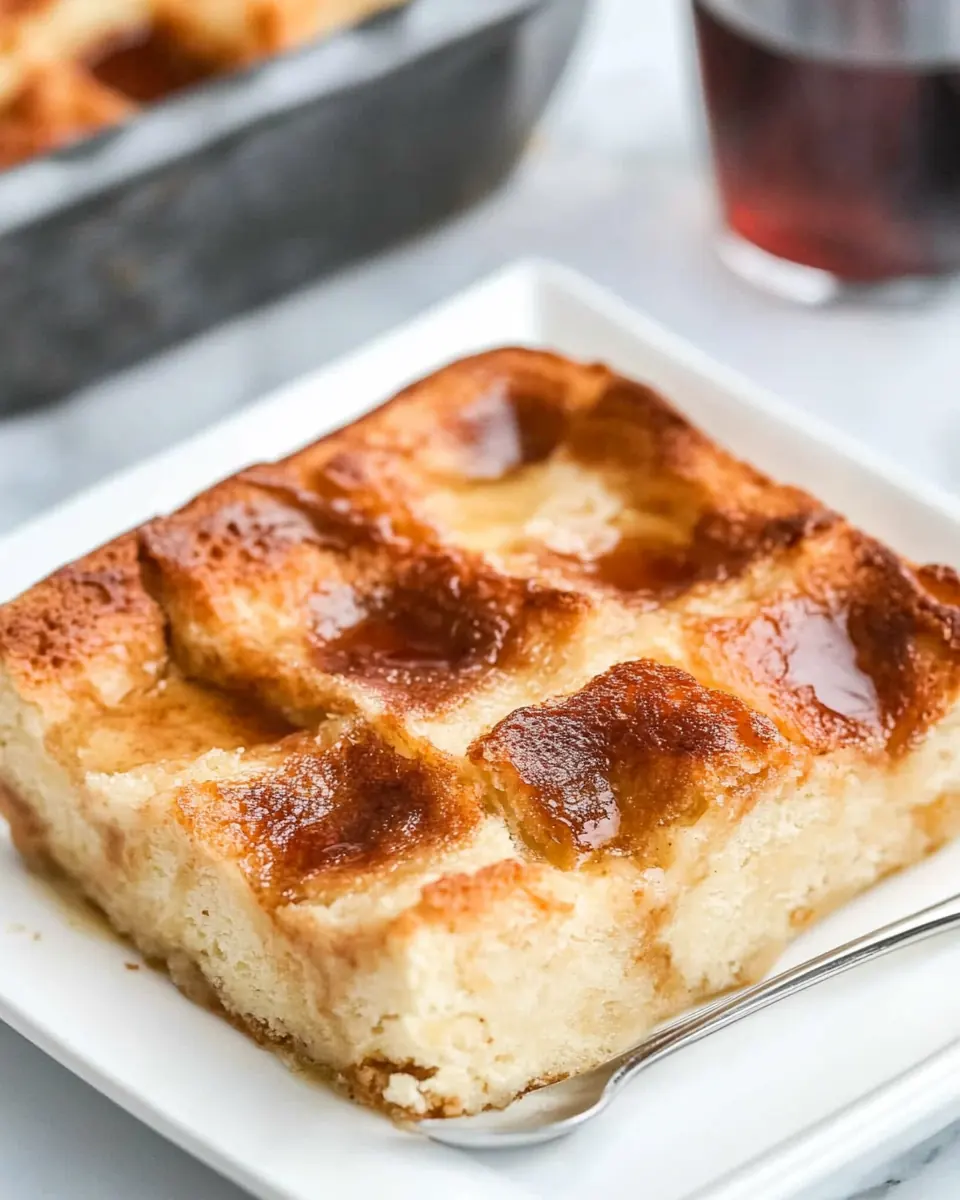
This section expands on a single practical note from the original data and offers approachable adjustments you can try without changing the soul of the dish. Each tip starts with a focused action and explains its effect on the final pudding.
- Use bakery quality bread: Sturdy, day old bakery bread soaks up custard and keeps texture, avoiding a gummy center; try tearing the slices into irregular cubes for pockets of soak and slightly toasted edges.
- Adjust richness with cream: Reduce the amount of heavy whipping cream if you prefer a lighter custard, keeping whole milk as the backbone so the structure remains intact while lowering fat.
- Control sweetness with maple amount: Taste the custard before folding in whites and add extra pure maple syrup in small increments if you want a more pronounced maple profile, because the final bake will soften sweetness slightly.
- Lighten the texture: Whip the egg whites to soft peaks instead of stiff if you prefer a more souffle like lift, but watch for over folding which can deflate the air and yield a denser result.
- Serve with extra syrup on the side: Offer additional maple syrup for guests who like a sweeter bite, drizzling it warm right before serving to add gloss and a fresh pop of flavor.
What to Pair With Maple Custard Bread Pudding
This dish shines on its own but pairs beautifully with simple companions. Think about contrasting textures and temperatures to elevate the experience. Below are thoughtful pairings, serving contexts, and storage notes that help you plan the perfect moment for this pudding.
- Fresh coffee or tea: A hot cup cuts through the sweetness and complements the custard, making this combination ideal for brunch or a cozy morning gathering.
- Light fruit compote: Serve a tart compote for contrast, the acidity balances the rich custard and refreshes the palate between bites.
- Whipped cream on the side: A small dollop of lightly sweetened whipped cream adds airiness and a silky mouthfeel that harmonizes with the custard.
- Seasonal occasions: This pudding is perfect for fall or holiday brunches where warm spices and maple notes feel timely and comforting.
- Storage tips: Cool completely before covering and refrigerate for up to three days; rewarm gently in a low oven to preserve texture and avoid drying out the custard.
- Serving style: Serve warm from the oven for a tender, just set center or at room temperature for a slice that is easier to plate and pairs well with drinks.
- Holiday table idea: Bring this to a family gathering for an easy yet elegant dessert that travels well when kept warm in an insulated carrier.
- Leftover use: Reheat slices in a skillet with a little butter for crisped edges and a warm center that mimics fresh baking.
FAQ
Conclusion
Maple Custard Bread Pudding stands out because it turns simple dairy, eggs, and day old bread into a comforting, elegant dish that feels special with minimal fuss. Give it a try on a crisp morning or after a long day; the warm maple notes and creamy texture make it a reliable crowd pleaser. I hope this recipe becomes one of your go to comforts, bringing warmth to your table and easy joy to your meal rotation.
Maple Custard Bread Pudding
Ingredients
Equipment
Method
- Preheat the oven to 350 degrees F. Butter a 1 1/2 quart baking dish. Take out a larger pan and be prepared to add about 1 inch of hot water in that dish when ready to bake. This will be the water bath for baking your bread pudding. The larger dish must be large enough to contain the baking dish you're using for the bread pudding.: As the oven warms, notice the gentle hum and the gradually warming kitchen air, a cue that the baking environment is stabilizing. A fully preheated oven ensures even rising and a consistent bake, preventing the custard from setting too slowly and becoming watery. A common mistake is starting with a cold oven, which can lengthen bake time and produce uneven texture, so wait until the temperature is reached before placing the dish inside.
- In a small saucepan heat the milk and cream together. Set aside to cool slightly.: The sound of butter spreading and the sight of a glossy surface tell you the dish is prepared for a nonstick finish. The butter helps the pudding to release cleanly and adds a subtle layer of flavor around the edges. If you skip this, the edges can stick and tear when serving; so be generous with the butter and coat the sides well.
- In a medium bowl, combine and whisk together the egg yolks, maple syrup, and salt. Very gradually whisk the milk mixture into the egg mixture. You don't want to scramble the eggs with hot milk, so do this slowly!: Lining up the water bath equipment gives you confidence during the transfer and prevents spills. The hot water will create steam and gentle, even heat around the baking dish, which produces a silky custard without curdling. A common trap is adding cold water, which can shock the custard and affect cooking times, so heat the water first.
- In a separate bowl, use a hand mixer to beat the egg whites to stiff-peak stage (not dry). Fold the beaten egg whites into the egg custard mixture.: As the liquid warms you will see small bubbles at the edge and sense a sweet dairy aroma, a sign the mixture is ready to temper into eggs. Heating melds the flavors and helps the custard cook evenly. Avoid boiling, because overheated dairy can scald and impart a cooked flavor, so stop just before simmering.
- Spread the bread cubes evenly in the prepared dish. Pour the egg custard mixture over the bread cubes and sprinkle nutmeg lightly on top. Place the baking dish in a larger pan filled with about 1 inch of hot water. You want enough water in the larger dish so the water comes up about halfway on the bread pudding baking dish when it's set into the water bath.: Allowing the warm dairy to cool for a short moment prevents scrambling when combined with eggs, and you will feel the tension ease as the mixture falls back in temperature. This pause preserves a smooth custard. Rushing this step risks scrambled eggs and a grainy texture, so be patient.
- Bake 40 to 45 minutes, or until a knife inserted into the center comes out clean.: Whisk until the mixture is unified and slightly thickened; the glossy look of the yolks signals readiness. This base is where richness and flavor concentrate, so mix thoroughly. Under-whisking can leave pockets of yolk or uneven sweetness, so take a few extra strokes until smooth.
- Very gradually whisk the milk mixture into the egg mixture: As you pour in the warm milk slowly while whisking, you will notice the mixture smoothing out and gaining a satiny sheen, which indicates proper tempering. Tempering prevents cooked bits of egg and yields a luxurious custard. The usual error is adding hot milk too quickly, which cooks the eggs, so go slowly and keep whisking.
- Beat the egg whites to stiff peak stage: When the beaters come out with peaks that stand tall yet still look glossy, you have the right consistency; this will lighten the custard. The beaten whites trap air that creates a lighter mouthfeel after baking. Overbeating to dry peaks will cause the whites to break and weep, so stop when they look satiny and hold shape.
- Fold the beaten egg whites into the egg custard mixture: Folding gently will keep the air in the whites while merging them with the denser custard, creating a tender lift. You should see soft swirls and a uniform color without streaks of white. Vigorous stirring will deflate the whipped whites and produce a denser pudding, so fold with a spatula using broad, gentle strokes.
- Spread the bread cubes evenly in the prepared dish: Arrange the cubed bread so custard contact is uniform, and visually you'll want an even layer that allows soaking from all sides. Well distributed bread prevents soggy pockets and dry spots. Piling too many cubes in one area can block custard penetration, so loosen the cubes so liquid can reach every piece.
- Pour the egg custard mixture over the bread cubes and sprinkle nutmeg lightly on top: As the custard soaks in you will notice the bread darken and soften, the aroma becoming warm and spiced from the nutmeg . The sprinkle adds fragrance and a subtle spice lift. A heavy hand with spice can overwhelm the maple notes, so use just a light dusting for balance.
- Place the baking dish in a larger pan filled with about 1 inch of hot water: Setting the dish into the water bath equalizes heat and creates a tender, custardy texture, and you may see gentle steam rising from the water during the bake. The water should come roughly halfway up the sides of the baking dish, which ensures slow, even cooking. Too little water reduces the effect and can lead to curdling, while too much risks splashing into the pudding, so aim for the halfway mark.
- Bake 40 to 45 minutes, or until a knife inserted into the center comes out clean: During baking you will see the top set to a light golden color and might hear faint bubbling at the edges, cues that the custard is nearing doneness. The knife test checks that the interior is set yet still moist; the center should feel slightly jiggly but not liquid. Overbaking dries the custard and makes it rubbery, so start checking near the lower end of the time range.
Notes
- Use bakery quality bread: Sturdy, day old bakery bread soaks up custard and keeps texture, avoiding a gummy center; try tearing the slices into irregular cubes for pockets of soak and slightly toasted edges.
- Adjust richness with cream: Reduce the amount of heavy whipping cream if you prefer a lighter custard, keeping whole milk as the backbone so the structure remains intact while lowering fat.
- Control sweetness with maple amount: Taste the custard before folding in whites and add extra pure maple syrup in small increments if you want a more pronounced maple profile, because the final bake will soften sweetness slightly.
- Lighten the texture: Whip the egg whites to soft peaks instead of stiff if you prefer a more souffle like lift, but watch for over folding which can deflate the air and yield a denser result.
- Serve with extra syrup on the side: Offer additional maple syrup for guests who like a sweeter bite, drizzling it warm right before serving to add gloss and a fresh pop of flavor.