Almond Flour Strawberry Scones
Almond Flour Strawberry Scones came into my life on an easy spring morning when I wanted something tender, bright, and not overloaded with refined flour. I remember standing at my counter with a bowl of plump strawberries and a bag of almond flour, feeling curious about whether a simple mix of pantry staples could yield something flaky and comforting. The first batch surprised me, delivering a nutty crumb and little pockets of juicy fruit that burst as you bit in, and I kept thinking about how perfect they are with a cup of tea.
Over the years I have tweaked the proportions and technique until these Almond Flour Strawberry Scones became a reliable send of weekend baking. I love how the recipe balances the gentle, sweet notes of maple syrup with the floral hint of almond extract when I use it, and how the texture stays tender without getting heavy. Friends have asked for the recipe after one bite, and I always smile because these scones feel like a small triumph that uses wholesome ingredients and light hands.
When you bake these, expect a bit of sticky dough that rewards patience and a forgiving oven. I often form the dough into triangles, but freeform drop shapes work beautifully too, which is perfect if you are short on time or prefer a rustic look. Every time I pull the tray from the oven and smell the warm, nutty aroma mingled with baked strawberries, I am reminded why simple recipes like this become favorites.
Recipe Snapshot
40 mins
15 mins
25 mins
Medium
200 kcal
American
Paleo, Gluten-Free
Breakfast
Large Baking Sheet
Why This Almond Flour Strawberry Scones Stands Out
1. Naturally gluten free and satisfying
I love that Almond Flour Strawberry Scones deliver a tender, moist crumb without wheat flour. The almond flour gives a pleasant, slightly sweet nuttiness that feels indulgent yet lighter than many traditional scones. For those avoiding gluten, this is a dish that does not sacrifice texture or flavor, and that alone makes it a recipe I return to again and again.
2. Bright seasonal fruit makes a big impact
Using fresh strawberries transforms these scones from plain to memorable. I find the small bursts of fruit add a juicy contrast to the rich almond base, and when strawberries are at their peak in spring, the difference is remarkable. You get sweet acidity, color, and an inviting aroma once they bake, which lifts the whole experience.
3. Flexible and forgiving method
The technique is straightforward, and the dough is forgiving. Whether you shape triangles or drop spoonfuls, the recipe adapts. I appreciate how small adjustments, like a touch more almond flour if the dough is overly sticky, save the batch from becoming too wet. That flexibility is why this recipe works for both casual bakers and those who love experimentation.
4. Clean ingredient list with pantry friendly swaps
Most ingredients are staples like eggs, maple syrup, and almond flour. I often keep these on hand so I can bake with little notice. The optional notes about making a vegan flax egg or using melted butter give you choices depending on dietary needs, making the scones accessible to more people without compromising texture.
5. Perfect for gatherings or quiet mornings
These scones hit the sweet spot between being special enough for guests and simple enough for weekday baking. I like to make them when friends stop by for tea, or when I want a breakfast treat that feels homemade and fresh. They travel well, and their nutty flavor pairs beautifully with a range of spreads if you choose to serve them that way.
Ingredients Required for Almond Flour Strawberry Scones
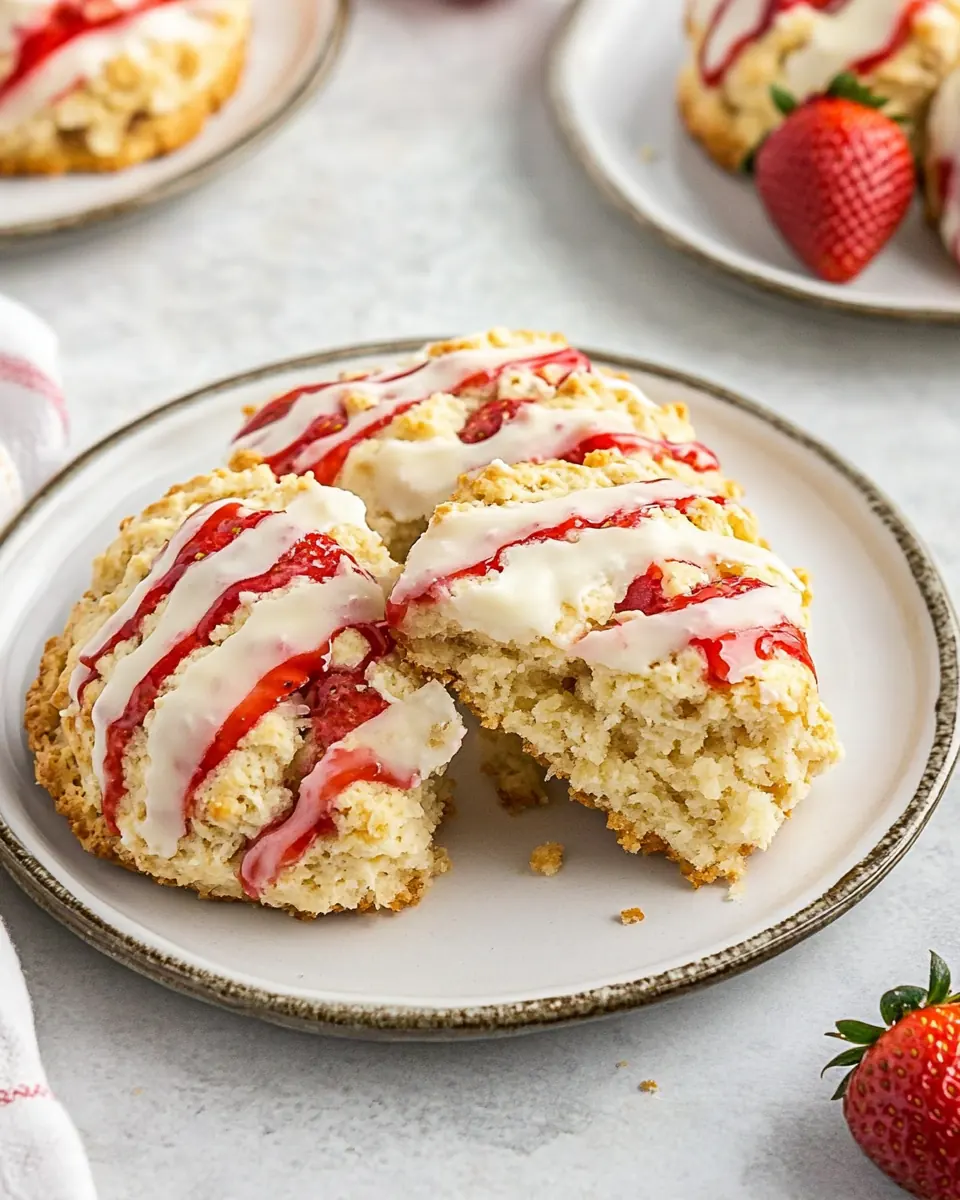
These ingredients are intentionally simple and focused on producing a tender, nutty scone with pops of fresh fruit. The philosophy here is that rich, ingredient driven baking yields the best texture. The key players are almond flour for structure and flavor, eggs and avocado oil for moisture and cohesion, and fresh strawberries for brightness. Small leaveners like baking powder and baking soda help with lift so the crumb is light rather than dense.
- 2 eggs: Provide structure and moisture while acting as a binding agent to hold the scone dough together; whisk to combine with liquids for an even texture and to help leaveners activate slightly during baking.
- 1/3 cup avocado oil: Contribute healthy fats and tenderness, replacing butter for a lighter, dairy-free crumb; mix with the eggs and sweeteners so the oil emulsifies and creates a moist scone interior.
- 3/4 cup pure maple syrup: Sweeten the dough while adding moisture and a subtle caramel note that enhances the almond and strawberry flavors; stir into wet ingredients until fully dissolved to ensure even sweetness.
- 1 tsp pure vanilla extract: Add a warm, familiar flavor that rounds out the sweetness and complements the almond flour and strawberries; incorporate into the wet mixture for consistent aromatic distribution.
- 1 tsp almond extract (optional): Lend a concentrated nutty aroma that intensifies the almond profile without overpowering when used sparingly; optional addition should be mixed into liquids to evenly flavor the batter.
- 5 cups almond flour: Form the bulk of the scone base, providing a nutty, tender crumb suitable for gluten-free baking; measure carefully and gently fold into wet ingredients to avoid overworking and creating a dense texture.
- 2 tsp baking powder: Supply lift and lightness by producing carbon dioxide with the wet acids, helping the scones rise and develop a tender interior; sift or whisk into the dry ingredients for even distribution.
- 1/4 tsp baking soda: Assist with gentle leavening and react with acidic components to fine-tune rise and texture; use sparingly and combine with other dry ingredients to prevent uneven pockets.
- 1/2 tsp sea salt: Enhance and balance sweetness while strengthening gluten-free dough structure slightly, improving flavor depth and seasoning; dissolve into dry mix to ensure uniform seasoning throughout the scones.
- 1 cup fresh strawberries chopped: Introduce fresh fruity brightness and bursts of flavor and moisture, creating contrast against the nutty base; fold in at the end to avoid crushing and bleeding color into the dough.
Preparation Steps for Almond Flour Strawberry Scones
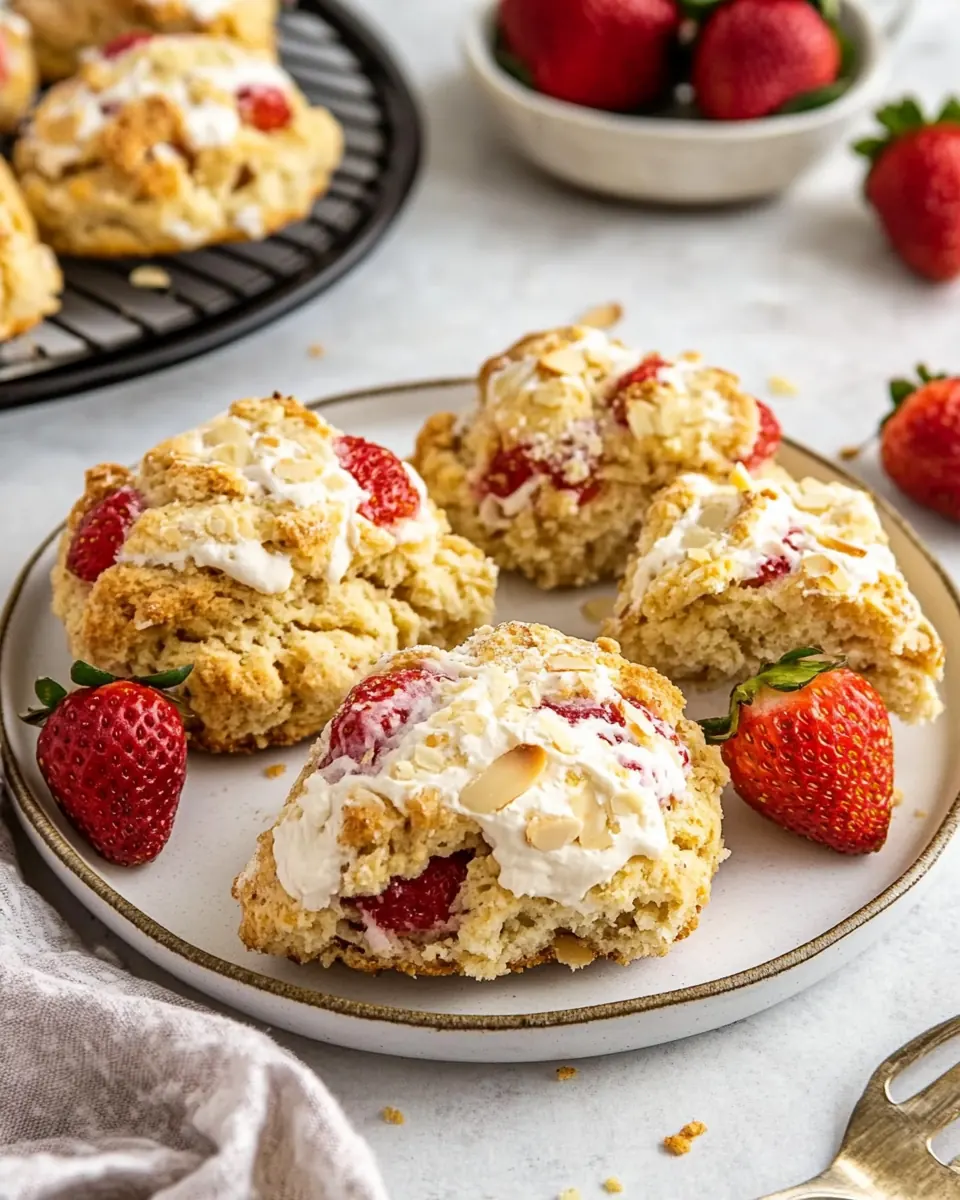
These steps are approachable and conversational, designed to guide you through texture cues and practical adjustments so you end up with tender scones dotted with juicy fruit. Read each step slowly and pay attention to sensory signals like stickiness, aroma, and color changes as you work.
- Preheat the oven to 375 degrees Fahrenheit. Line a large baking sheet with parchment paper.: As you set the oven, notice the faint hum and warmth building in the kitchen, which gives the scones an even environment to rise and brown. Preheating ensures the moment the scones hit the oven they start to set around the edges, producing that desirable crust contrast with the soft interior. A common mistake is placing cold dough into an oven that is not up to temperature, which causes uneven rise and a gummy center, so always wait until it signals it is ready. The parchment prevents sticking and helps with easy transfer, and you should see the oven light create a golden glow inside when the tray goes in.
- Chop the strawberries into small pieces. They should be smaller pieces than you would think – about the size of blueberries.: When you cut the strawberries , listen for the gentle yielding of the fruit, and aim for pieces about the size of blueberries so they distribute without creating big pockets of moisture. Smaller pieces mean more even bursts of flavor and less juice pooling that can make the dough sloppy. If the pieces are too large, they can puncture the scone surface and leak, so take your time with a sharp knife and a steady hand; blot very wet berries on a paper towel to remove excess juice if needed.
- Transfer the eggs, avocado oil, pure maple syrup, vanilla extract, and almond extract to a large mixing bowl and mix well until the wet ingredients are combined.: As you whisk these together, you will see the mixture become glossy and slightly thickened, a sign the liquids are marrying. The maple syrup will add viscosity, and the oil provides silkiness, while the extracts contribute aroma that blooms as you stir. Avoid overbeating which can introduce too much air and change texture; mix until uniformly combined and smelling fragrant, then stop. If the mixture separates or seems odd, scrape the bowl sides and rewhisk briefly for a smooth base.
- Add the dry ingredients (almond flour, baking powder, baking soda, and sea salt) to the large bowl and mix until a thick sticky dough forms. Stir in the chopped strawberries until they are well distributed throughout the scone dough. There's no need to mix the flour mixture in a separate bowl before mixing it into the wet ingredients, although you are welcome to if you'd like. The dough should be very sticky but not overly wet. If it appears as though it is too sticky to hold together, add 1/2 cup to 1 cup of additional almond flour.: Right away you will notice the texture shift from liquid to a dense, sticky mass as the almond flour absorbs moisture. Use a sturdy spoon or spatula, and fold gently until there are no large dry pockets, but do not overmix because the dough should remain slightly lumpy. The correct consistency is sticky yet cohesive enough to hold shape when scooped; if it feels impossibly gooey, add additional almond flour in small increments. A trap here is assuming more liquid will help, which only leads to heavier scones, so err on the side of adding dry ingredient to fix excess moisture.
- Drop mounds of scone dough onto the prepared baking sheet, making any shape you like. You can stick with drop scones that are freeform in shape, or make circles or triangles (I make triangles). Note that the scone mixture is very sticky so it will stick to your hands – this is normal. The strawberries will want to poke out of the dough – simply poke them back in. Nevertheless, if you're able to form the mixture into a ball of dough, an easy way of getting equal sized scones is by forming a disc shape out of the dough and using a knife to cut 8 equal sized triangles.: At this stage you should notice the dough studded with bright specks of red and a faint fragrant sweetness. Fold gently so the fruit stays intact and evenly dispersed; rigorous mixing will bruise the berries and release too much juice. The strawberries should peek through the surface occasionally, and when you press a bit of dough it should give with a soft, slightly tacky resistance. A typical error is overhandling which makes the dough warm and more prone to spreading, so keep your hands cool and work quickly.
- The scones spread while baking so give sure to give each lump of dough plenty of room to grow.: When you portion the dough, listen for the soft thud as it lands on the parchment, and notice how it holds shape despite being sticky. If you prefer uniform pieces, shape a disc and cut into triangles, but freeform drop scones give a rustic character. Space them well because they will spread during baking, and if you see fruit poking out, gently press it back in to avoid burning or excessive browning. One mistake is crowding the tray which causes the scones to bake together, so leave generous gaps for air and heat circulation.
- Bake scones on the center rack of the preheated oven for 20 to 25 minutes or until golden brown around the edges and the scones feel firm when gently poked.: You will observe that as they heat, the edges set and the centers puff slightly while aroma develops; this is the oven doing its job. Proper spacing lets the hot air flow evenly which creates consistent browning and texture. If scones are too close, the sides will steam rather than brown, resulting in a softer crust, so maintain adequate distance and use the center rack for even heat. Avoid opening the oven door frequently, as that causes temperature drops and uneven results.
- Remove the strawberry scones from the oven and allow them to cool for 10 minutes before moving them off of the cookie sheet. If you’d like, transfer the finished scones to a wire rack to finish cooling.: As they bake, you will see the edges take on a warm golden color and the kitchen will fill with a nutty, fruity aroma. The surface should look set and slightly cracked, and when you gently press the top it should spring back or feel firm, indicating doneness. Overbaking will dry them out, so start checking at the earlier time if your oven runs hot; underbaking leaves them soft and doughy inside. Rotate the tray halfway through if your oven has hot spots to ensure uniform color.
- Serve and Enjoy!: The cooling period is when the crumb finishes setting and the juices in the strawberries redistribute rather than leaking out. You will notice the aroma mellows into something cozy and warm as they rest. Move them carefully so the bottoms do not tear, and transfer to a wire rack if you want faster cooling. A common mistake is removing them immediately which can cause them to fall apart while still fragile, so give them that brief rest for stability.
- Serve and Enjoy: The final moment is gratifying, when you break a scone and see the tender interior with specks of strawberry . Serve warm to highlight the melt in your mouth texture and the fragrant notes from the extracts. If you plan to store them, let them cool completely to avoid condensation, then keep them in an airtight container. Avoid reheating in a microwave for long periods, as it can make them rubbery; a quick warm up in a low oven restores freshness nicely.
Pro Tips and Tweaks
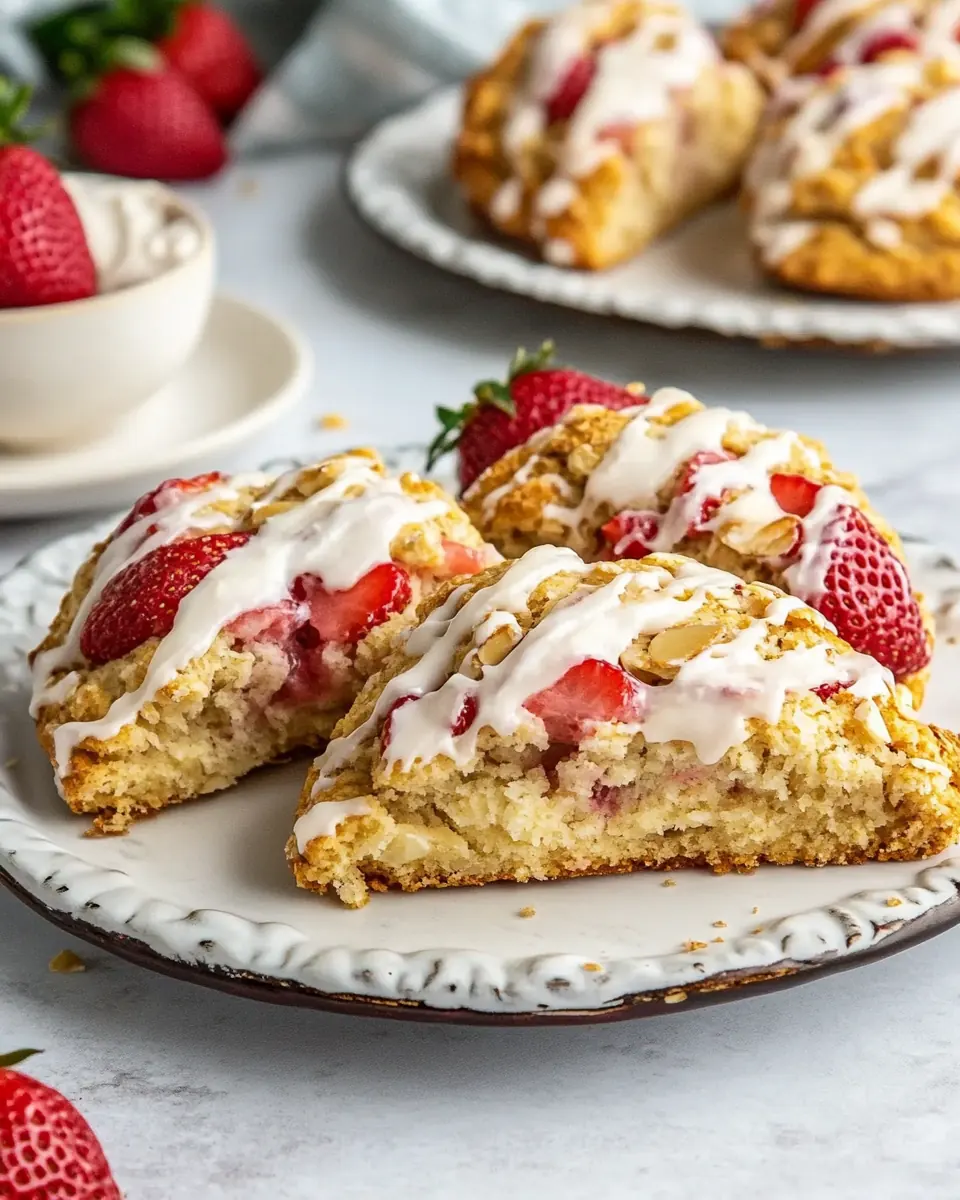
I like to keep a few straightforward tricks in mind when I bake Almond Flour Strawberry Scones. These suggestions boost texture, flavor, and make the process less fussy. Use them as flexible guidelines depending on your kitchen setup and ingredient availability.
- Measure almond flour by weight whenever possible for consistent results, because its density can vary and weighing prevents dry or overly wet dough.
- Chill the baking sheet briefly if your kitchen is warm, as cooler surfaces help the dough retain shape and slow spreading during the first minutes of baking.
- Use small fruit pieces to distribute flavor evenly and avoid large pockets of moisture which can make the crumb gummy.
- Freshness of leaveners matters, so check the date on your baking powder and baking soda to ensure reliable rise and light texture.
- Try a quick glaze with a tiny drizzle of maple syrup and powdered sugar alternative if you want a glossy finish, applied after cooling for a pretty presentation.
How to Serve Almond Flour Strawberry Scones
These scones are versatile and suit a range of serving occasions. Whether it is a relaxed brunch with friends or a cozy solo breakfast, they pair well with hot beverages and light accompaniments. Serve warm for the best texture, and consider small additions that complement rather than overpower the almond and strawberry flavors.
- Casual breakfast: Serve warm with a pot of tea or coffee, letting the nutty aroma of the almond flour shine and the strawberries offer fresh contrast.
- Brunch spread: Include alongside fresh fruit and mild spreads, offering simple options so each guest can choose how to enjoy the scones.
- Picnic or to-go: Cool completely, then pack in a single layer in an airtight container for transport; they hold up well for a few hours.
- Occasions: Perfect for spring gatherings, light celebrations, or whenever you want a delicate baked good that feels both homey and polished.
- Storage tips: Keep at room temperature in an airtight container for up to two days, or freeze for longer storage after cooling; gently rewarm in a low oven to refresh.
- Pairings: Mild spreads and soft cheeses that are allowed by the ingredient list will complement the scones without masking their natural flavors.
FAQ
Conclusion
Almond Flour Strawberry Scones are special because they combine a nutty, tender crumb with pops of fresh fruit for a treat that feels both wholesome and indulgent. I encourage you to give them a try whether you are baking for a weekend brunch or a quiet morning at home, because they are forgiving, flavorful, and rewarding to share. The gentle aroma of almond and maple and the bright sweetness of strawberries make these scones worth the few minutes of hands on time, and I hope they become a welcoming part of your baking rotation.

Almond Flour Strawberry Scones
Ingredients
Equipment
Method
- Preheat the oven to 375 degrees Fahrenheit. Line a large baking sheet with parchment paper.: As you set the oven, notice the faint hum and warmth building in the kitchen, which gives the scones an even environment to rise and brown. Preheating ensures the moment the scones hit the oven they start to set around the edges, producing that desirable crust contrast with the soft interior. A common mistake is placing cold dough into an oven that is not up to temperature, which causes uneven rise and a gummy center, so always wait until it signals it is ready. The parchment prevents sticking and helps with easy transfer, and you should see the oven light create a golden glow inside when the tray goes in.
- Chop the strawberries into small pieces. They should be smaller pieces than you would think – about the size of blueberries.: When you cut the strawberries , listen for the gentle yielding of the fruit, and aim for pieces about the size of blueberries so they distribute without creating big pockets of moisture. Smaller pieces mean more even bursts of flavor and less juice pooling that can make the dough sloppy. If the pieces are too large, they can puncture the scone surface and leak, so take your time with a sharp knife and a steady hand; blot very wet berries on a paper towel to remove excess juice if needed.
- Transfer the eggs, avocado oil, pure maple syrup, vanilla extract, and almond extract to a large mixing bowl and mix well until the wet ingredients are combined.: As you whisk these together, you will see the mixture become glossy and slightly thickened, a sign the liquids are marrying. The maple syrup will add viscosity, and the oil provides silkiness, while the extracts contribute aroma that blooms as you stir. Avoid overbeating which can introduce too much air and change texture; mix until uniformly combined and smelling fragrant, then stop. If the mixture separates or seems odd, scrape the bowl sides and rewhisk briefly for a smooth base.
- Add the dry ingredients (almond flour, baking powder, baking soda, and sea salt) to the large bowl and mix until a thick sticky dough forms. Stir in the chopped strawberries until they are well distributed throughout the scone dough. There's no need to mix the flour mixture in a separate bowl before mixing it into the wet ingredients, although you are welcome to if you'd like. The dough should be very sticky but not overly wet. If it appears as though it is too sticky to hold together, add 1/2 cup to 1 cup of additional almond flour.: Right away you will notice the texture shift from liquid to a dense, sticky mass as the almond flour absorbs moisture. Use a sturdy spoon or spatula, and fold gently until there are no large dry pockets, but do not overmix because the dough should remain slightly lumpy. The correct consistency is sticky yet cohesive enough to hold shape when scooped; if it feels impossibly gooey, add additional almond flour in small increments. A trap here is assuming more liquid will help, which only leads to heavier scones, so err on the side of adding dry ingredient to fix excess moisture.
- Drop mounds of scone dough onto the prepared baking sheet, making any shape you like. You can stick with drop scones that are freeform in shape, or make circles or triangles (I make triangles). Note that the scone mixture is very sticky so it will stick to your hands – this is normal. The strawberries will want to poke out of the dough – simply poke them back in. Nevertheless, if you're able to form the mixture into a ball of dough, an easy way of getting equal sized scones is by forming a disc shape out of the dough and using a knife to cut 8 equal sized triangles.: At this stage you should notice the dough studded with bright specks of red and a faint fragrant sweetness. Fold gently so the fruit stays intact and evenly dispersed; rigorous mixing will bruise the berries and release too much juice. The strawberries should peek through the surface occasionally, and when you press a bit of dough it should give with a soft, slightly tacky resistance. A typical error is overhandling which makes the dough warm and more prone to spreading, so keep your hands cool and work quickly.
- The scones spread while baking so give sure to give each lump of dough plenty of room to grow.: When you portion the dough, listen for the soft thud as it lands on the parchment, and notice how it holds shape despite being sticky. If you prefer uniform pieces, shape a disc and cut into triangles, but freeform drop scones give a rustic character. Space them well because they will spread during baking, and if you see fruit poking out, gently press it back in to avoid burning or excessive browning. One mistake is crowding the tray which causes the scones to bake together, so leave generous gaps for air and heat circulation.
- Bake scones on the center rack of the preheated oven for 20 to 25 minutes or until golden brown around the edges and the scones feel firm when gently poked.: You will observe that as they heat, the edges set and the centers puff slightly while aroma develops; this is the oven doing its job. Proper spacing lets the hot air flow evenly which creates consistent browning and texture. If scones are too close, the sides will steam rather than brown, resulting in a softer crust, so maintain adequate distance and use the center rack for even heat. Avoid opening the oven door frequently, as that causes temperature drops and uneven results.
- Remove the strawberry scones from the oven and allow them to cool for 10 minutes before moving them off of the cookie sheet. If you’d like, transfer the finished scones to a wire rack to finish cooling.: As they bake, you will see the edges take on a warm golden color and the kitchen will fill with a nutty, fruity aroma. The surface should look set and slightly cracked, and when you gently press the top it should spring back or feel firm, indicating doneness. Overbaking will dry them out, so start checking at the earlier time if your oven runs hot; underbaking leaves them soft and doughy inside. Rotate the tray halfway through if your oven has hot spots to ensure uniform color.
- Serve and Enjoy!: The cooling period is when the crumb finishes setting and the juices in the strawberries redistribute rather than leaking out. You will notice the aroma mellows into something cozy and warm as they rest. Move them carefully so the bottoms do not tear, and transfer to a wire rack if you want faster cooling. A common mistake is removing them immediately which can cause them to fall apart while still fragile, so give them that brief rest for stability.
- Serve and Enjoy: The final moment is gratifying, when you break a scone and see the tender interior with specks of strawberry . Serve warm to highlight the melt in your mouth texture and the fragrant notes from the extracts. If you plan to store them, let them cool completely to avoid condensation, then keep them in an airtight container. Avoid reheating in a microwave for long periods, as it can make them rubbery; a quick warm up in a low oven restores freshness nicely.
Notes
- Measure almond flour by weight whenever possible for consistent results, because its density can vary and weighing prevents dry or overly wet dough.
- Chill the baking sheet briefly if your kitchen is warm, as cooler surfaces help the dough retain shape and slow spreading during the first minutes of baking.
- Use small fruit pieces to distribute flavor evenly and avoid large pockets of moisture which can make the crumb gummy.
- Freshness of leaveners matters, so check the date on your baking powder and baking soda to ensure reliable rise and light texture.
- Try a quick glaze with a tiny drizzle of maple syrup and powdered sugar alternative if you want a glossy finish, applied after cooling for a pretty presentation.