Goat Cheese Potato Gratin
Goat Cheese Potato Gratin is the kind of dish that makes weeknights feel special and holidays feel effortless, it became my go to when I needed comfort that still felt a bit elegant.
I first made Goat Cheese Potato Gratin on a snowy evening when I wanted something that would warm the house and gather friends around the table, that night the house filled with a warm, savory aroma and we all kept sneaking tastes while it bubbled in the oven. The texture balance of tender potatoes and creamy cheese felt like the culinary hug I needed, and the tang from the goat cheese added brightness that stopped the dish from feeling heavy. I remember thinking how approachable it was to make without skimping on flavor, and how the leftovers re heated beautifully the next day, making it a reliable choice when I want a make ahead side that still impresses.
When I teach friends how to make this, I emphasize the small rituals that change the result, like slicing the potatoes uniformly and letting the sauce thicken to just the right point, those little touches turn this into something you want to serve again and again. Over time I learned to trust the simple ingredient lineup, letting each element sing while working together to create a lush, golden top and a silky interior. If you love layers of creamy potatoes with cheesy depth, you will find this recipe both comforting and reliably show stopping.
Recipe Snapshot
1 hr 45 mins
15 mins
90 mins
Medium
350 kcal
American
Gluten-Free, Low FODMAP
Dinner
9 x 13-inch baking dish, Medium saucepan, Mandolin or knife, Whisk, Cheese grater
What Makes This Goat Cheese Potato Gratin Special
Comforting and Elegant
I love that Goat Cheese Potato Gratin reads fancy but is utterly comforting, it makes any meal feel lifted without complicated steps. The texture contrast between the soft potatoes and the slightly tangy pockets of goat cheese creates a satisfying mouthfeel that guests always comment on.
Layered Flavors
The use of a simple white sauce with melted Gruyère cheese makes the dish creamy and savory, while the goat cheese adds a bright, tangy finish. I find that this combination keeps the gratin from tasting one dimensional, each bite reveals something slightly different.
Make Ahead Friendly
I often assemble this ahead of time and refrigerate, which makes hosting easier. The dish withstands resting and reheating well, so it is ideal for planning dinners or potlucks when you want something hands off in the final hour.
Simple Tools, Big Reward
You only need basic kitchen tools and a little patience, and the payoff is a luxurious casserole that looks impressive. I particularly appreciate how a mandolin or careful knife work rewards you with even cooking, producing uniformly tender potatoes.
Versatile for Occasions
This gratin transitions from cozy family dinners to holiday tables with ease, it pairs well with roasted vegetables or a simple green salad. I keep it in my rotation because it complements many mains while offering a rich, satisfying vegetable based side.
Essential Ingredients for Goat Cheese Potato Gratin
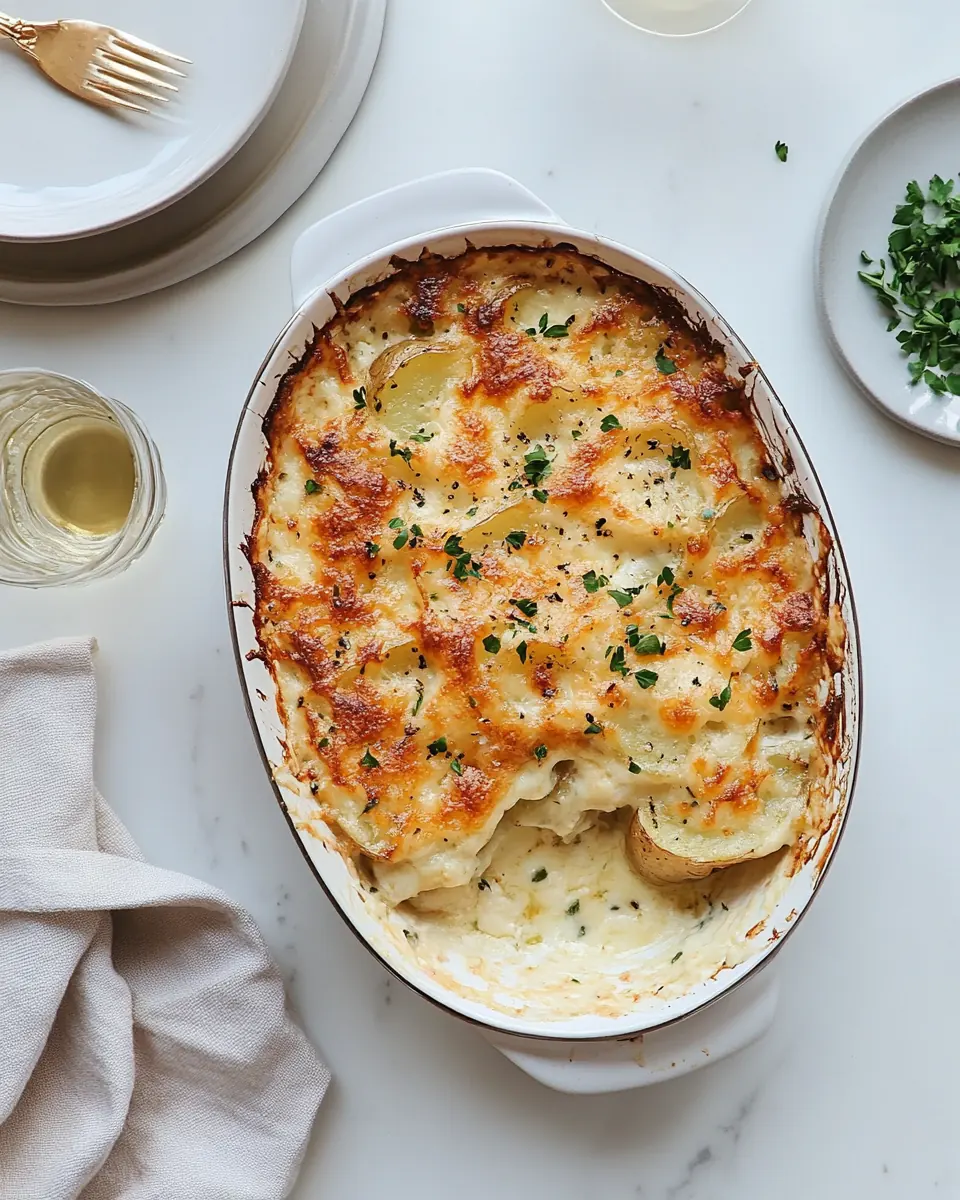
The philosophy behind these ingredients is straightforward, creamy, and focused on texture. The bulk of the dish is thinly sliced potatoes that become tender and silk like when baked in a rich cheese sauce. The dairy components, including whole milk, melted Gruyère cheese, and tangy goat cheese, create layers of flavor and a luscious mouthfeel. Aromatics like minced garlic build a savory backbone while simple seasonings let the main players shine.
- 5 pounds of Yukon Gold potatoes, peeled and thinly sliced with a mandolin or a knife: Peeled and thinly sliced to uniform thickness to ensure even cooking, providing a creamy, tender base and hearty texture for the gratin; Yukon Golds contribute a naturally buttery flavor and hold their shape while absorbing sauces.
- 1/4 cup unsalted butter: Cut into portions and melted to form a rich roux and glossy topping, bringing a silky mouthfeel and browned, savory notes when baked; unsalted butter allows precise control of seasoning in the dish.
- 6 garlic cloves, peeled and minced: Peeled and minced finely to release pungent aromatics that infuse the butter and milk base, creating depth and subtle sweetness; garlic balances the richness of cheeses and potatoes when cooked briefly to avoid bitterness.
- 1/4 cup all-purpose flour: Measured and whisked into melted butter to create a roux that thickens the milk into a smooth béchamel, stabilizing the sauce so it clings to potato slices and prevents a watery gratin.
- 3 cups whole milk: Heated and slowly incorporated into the roux to form a creamy béchamel, providing a luscious, milky body that melds with cheeses and coats the potatoes for a cohesive, velvety texture.
- Kosher salt: Added sparingly to taste to enhance and balance the gratin's flavors, helping to accentuate the natural sweetness of the potatoes and cut through the richness of butter and cheeses.
- Freshly ground pepper: Ground fresh and applied to taste to brighten and lift flavors with subtle heat, contributing contrast to the creamy components and helping define the overall seasoning profile.
- 6 ounces Gruyère cheese, shredded and divided (1/4 cup of cheese set aside for the topping): Shredded to melt into the béchamel and provide nutty, savory flavor and a stretchy, gratin-appropriate texture; reserving a quarter-cup for topping yields a golden, bubbling crust when baked.
- 4 ounces goat cheese: Crumpled and incorporated into the layers to impart tangy, creamy acidity that cuts richness, adding a bright, slightly earthy flavor and smooth creaminess that contrasts the Gruyère.
Step by Step Guide for Goat Cheese Potato Gratin
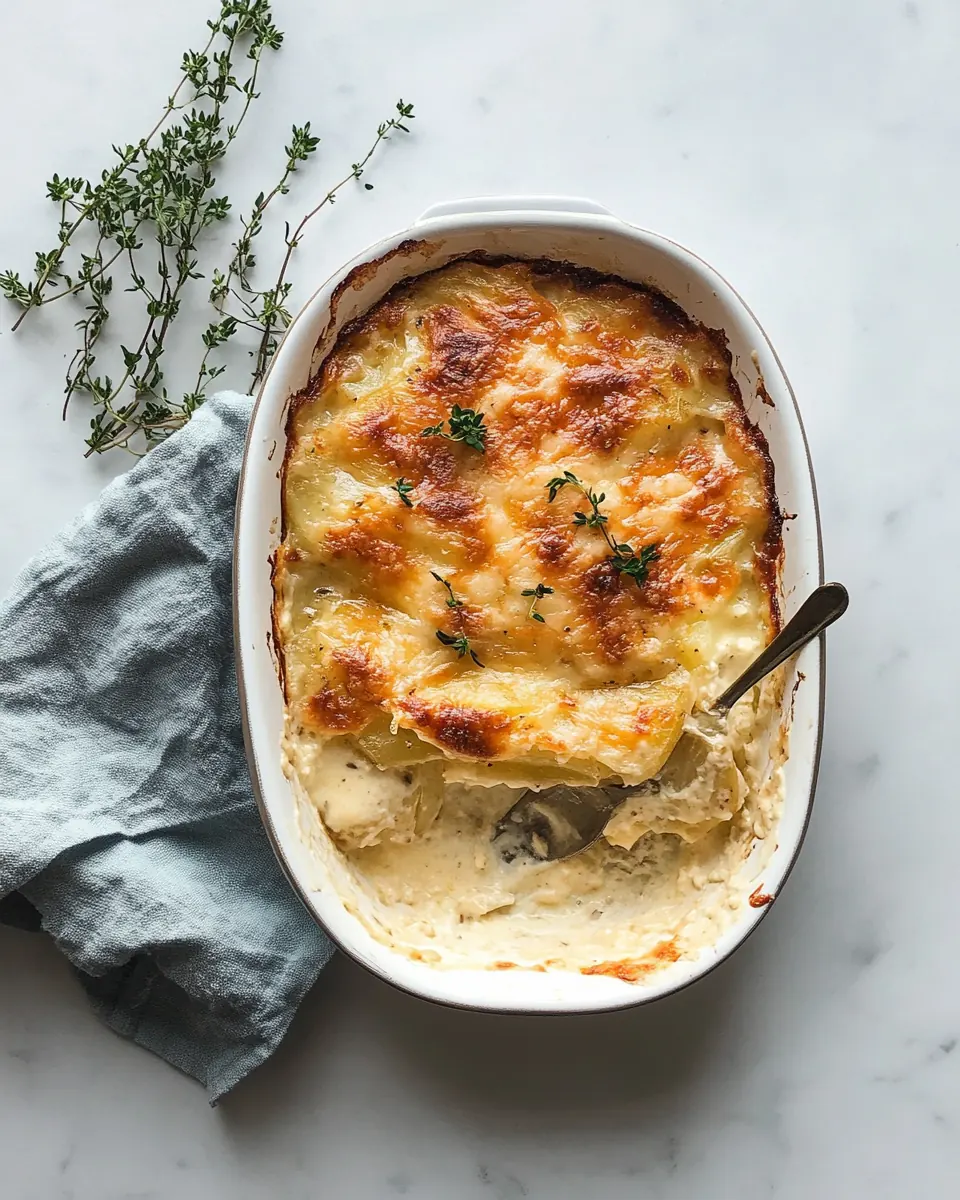
This is a relaxed but attentive bake, take it one step at a time and focus on textures and timing. The following steps expand the directions into sensory cues, troubleshooting pointers, and the reasons behind each technique so you end up with a silky interior and a golden topping.
- Preheat the oven to 350 degrees F. Get a 9 x 13-inch baking dish (or something equivalent) and set it aside.: As the oven warms, you will sense a dry heat building which promotes even baking and gentle bubbling without burning the top; properly preheating ensures the gratin sets evenly, and if you skip this you risk uneven cooking where edges finish before the center is done.
- To the medium saucepan, set over medium heat, add the butter. When melted, add the garlic and cook for about 1 minute, until fragrant. Add the flour and stir until combined with the butter; cook for 1 minute. Pour in the milk and bring to a simmer, stirring frequently in order to prevent any lumps. Cook until mixture begins to bubble and thicken, about 5 minutes.: The dish size dictates the thickness of the layers, using the recommended size helps the potatoes cook through in the allotted time, and a ceramic or glass dish will conduct heat differently than metal so adjust if your pan is much deeper which can trap extra moisture and lengthen cook time.
- Turn the heat off and mix in the Gruyère cheese, leaving 1/4 cup for the top. Stir until melted. Give it a taste and add salt and pepper to your liking. I added about 2 teaspoons of salt and a teaspoon of freshly ground pepper.: When the butter melts you should see it foam gently and smell a rich dairy aroma, this is the base for your roux that will bind the sauce, and avoid letting it brown which would shift the flavor profile toward nuttiness instead of the clean dairy backbone you want.
- To the baking dish, add an even layer of the potatoes. Add a few spoonfuls of the cheese sauce and top with a few dollops of goat cheese. Repeat until you’ve worked through all of the potatoes and cheese sauce. Cover with foil and transfer to the oven to bake for 1 hour and 15 minutes.: The sizzling and fragrant lift of the garlic signals that its oils are releasing, you want that aromatic note without browning which turns bitter; if the garlic darkens reduce the heat immediately to prevent off flavors.
- Remove the foil and sprinkle the last bit of cheese on top. Return to the oven and bake for an additional 15 minutes, until golden brown.: The flour should bloom in the fat, creating a slightly pasty texture that loses its raw smell, this step creates the thickening power for the milk and skipping it will leave a raw flour aftertaste, stir continuously so no lumps form.
- Pour in the milk and bring to a simmer stirring frequently to prevent any lumps: As the milk warms you will notice the sauce thinning then gradually thickening, gentle bubbling at the edges is your cue that gelatinization is happening, stir frequently and scrape the bottom to keep the texture smooth; if it scorches you will taste burnt dairy, so moderate the heat.
- Cook until mixture begins to bubble and thicken about 5 minutes: The sauce should coat the back of a spoon and show a glossy sheen, this indicates proper thickening which will cling to the potatoes ; under thickening will produce a runny gratin while over thickening can become pasty, so watch for this coating cue.
- Turn the heat off and mix in the Gruyère cheese leaving 1/4 cup for the top: As you stir the shredded Gruyère cheese into the hot sauce you will hear a soft melting sound and see the sauce smooth out, this melting step enriches the sauce and integrates savory depth, adding cheese to a too cool sauce will result in clumps instead of a silky texture.
- Stir until melted give it a taste and add salt and pepper to your liking: Taste will guide your seasoning, the combination of Kosher salt and freshly ground pepper balances the dairy; I typically add about 2 teaspoons salt and 1 teaspoon pepper but adjust to your palate, under seasoning is the usual mistake so taste before assembling.
- To the baking dish add an even layer of the potatoes: Lay the thinly sliced potatoes so they overlap slightly and form a smooth, even bed, this helps them cook uniformly and soak up the sauce; uneven placement can create thick spots that remain firm after baking.
- Add a few spoonfuls of the cheese sauce and top with a few dollops of goat cheese: The contrast between the warm, creamy sauce and the tangy, cool dollops of goat cheese creates flavor pockets, distribute them across the layers so each bite can have a tangy surprise, avoid placing all dollops in one area or you will get inconsistent flavor distribution.
- Repeat until you’ve worked through all of the potatoes and cheese sauce: Building uniform, alternating layers ensures every slice has balanced creaminess and tang, keep the layers consistent in thickness, a common error is piling too many slices in one layer which prevents even cooking.
- Cover with foil and transfer to the oven to bake for 1 hour and 15 minutes: Covered baking traps steam so the potatoes become tender and the sauce sets, you should hear gentle bubbling through the foil as the sauce simmers; baking uncovered too early will dry the top and prevent the interior from fully cooking.
- Remove the foil and sprinkle the last bit of cheese on top: Uncovering allows the surface to brown and the reserved Gruyère cheese to toast, you will see the top transform from pale to a warm, golden color and smell nutty, a misstep is leaving it covered, which keeps the top pale and soft instead of providing the desired golden crust.
- Return to the oven and bake for an additional 15 minutes until golden brown: In this final stage you will hear soft bubbling and see golden spots form, the finished gratin should be bubbling at the edges and have a satisfyingly crisp top while the interior remains creamy, watch carefully as a few extra minutes can quickly shift from golden to overly browned.
Recipe Tips about Goat Cheese Potato Gratin
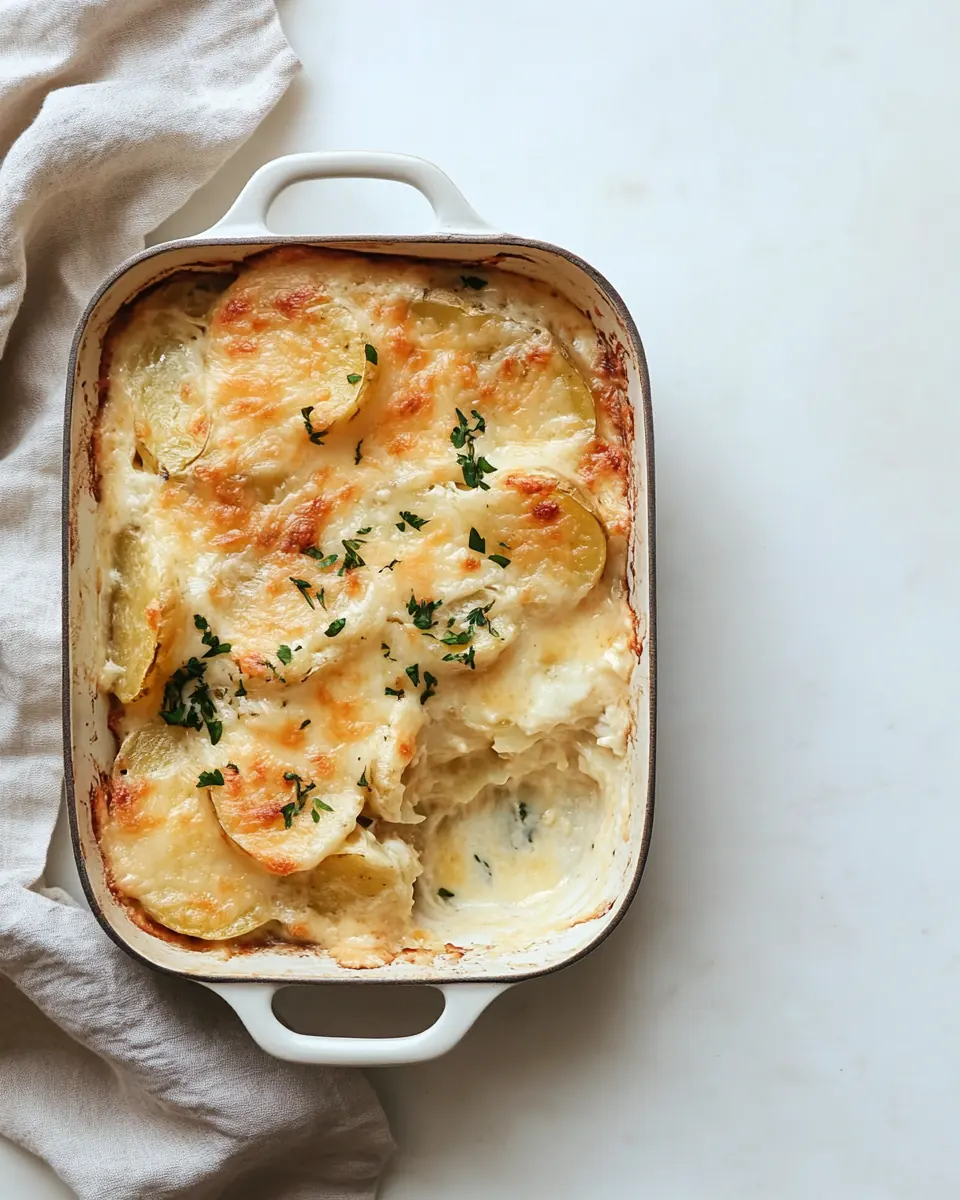
This intro explains practical tips that make the difference between ordinary and exceptional gratin. Read the list and apply what feels most helpful for your kitchen setup, each tip is focused on improving texture, flavor, and ease.
- Slice Consistently Use a mandolin or a careful knife technique to slice the potatoes evenly so they cook at the same rate and give a silky interior.
- Warm the Milk Gently warming the milk before adding it to the roux reduces the shock to the mixture and helps prevent lumps from forming.
- Don’t Overmix Cheese Fold in the shredded Gruyère cheese off the heat to achieve a glossy sauce and avoid grainy clumps.
- Distribute Goat Cheese Dot the layers with the goat cheese so each portion has tangy pockets rather than one concentrated area of flavor.
- Cover, Then Uncover Bake covered to set the layers, then uncover at the end to develop a golden top and slight crunch from the reserved Gruyère cheese.
What to Serve With Goat Cheese Potato Gratin
This dish pairs beautifully with simple mains and seasonal sides, choose contrasts in texture and acidity to balance the richness. Below are serving ideas, occasions, and storage suggestions to help you plan the full meal.
- Light Greens A crisp green salad with a bright vinaigrette provides refreshing acidity to cut through the creamy gratin, ideal for weeknight dinners.
- Roasted Vegetables Oven roasted root vegetables or Brussels sprouts add caramelized texture which complements the soft potatoes, great for fall and winter meals.
- Simple Protein Serve alongside a roasted chicken or a pan seared fish for a complete plate, the gratin works well as a hearty side for dinner gatherings.
- Holiday Table This gratin suits holiday menus where you want make ahead options, assemble in the morning and bake just before serving so guests get a fresh, hot dish.
- Storage Tips Cool completely before covering and refrigerating, the gratin will keep for up to three days and reheats well in a moderate oven to restore some crispness to the top.
- Seasonal Pairings In winter pair with roasted root vegetables and braised greens, in spring choose lighter salads and grilled vegetables for balance.
FAQ
Conclusion
This gratin stands out for its luxurious creamy layers and bright pockets of goat cheese, a balance of comfort and sophistication that always impresses. Give it a try when you want a side that feels special yet is straightforward to prepare, the assembly ahead and forgiving bake make it a reliable choice for gatherings. I hope you enjoy the warm, cheesy bites and that it becomes one of your dependable recipes for both weeknight dinners and holiday spreads.
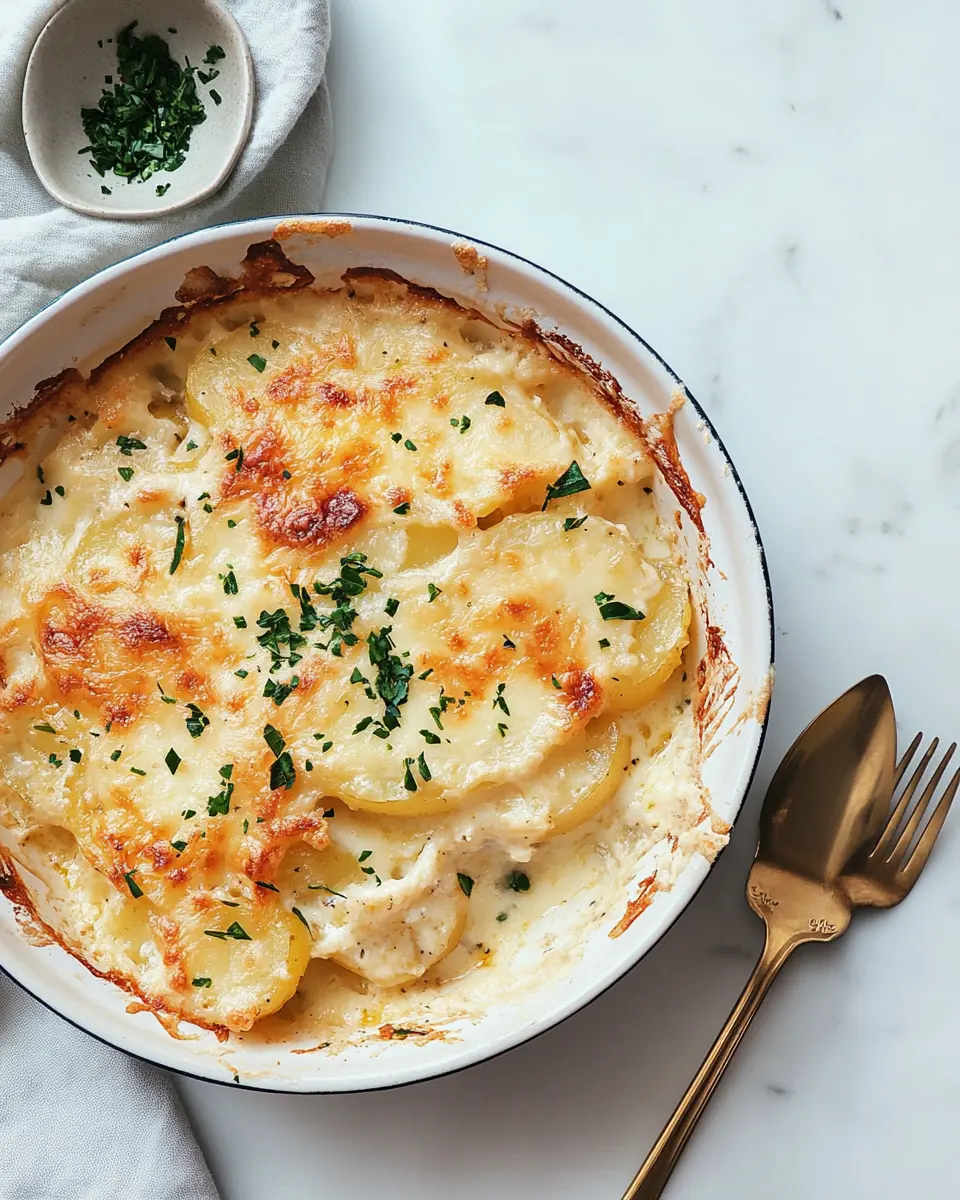
Goat Cheese Potato Gratin
Ingredients
Equipment
Method
- Preheat the oven to 350 degrees F. Get a 9 x 13-inch baking dish (or something equivalent) and set it aside.: As the oven warms, you will sense a dry heat building which promotes even baking and gentle bubbling without burning the top; properly preheating ensures the gratin sets evenly, and if you skip this you risk uneven cooking where edges finish before the center is done.
- To the medium saucepan, set over medium heat, add the butter. When melted, add the garlic and cook for about 1 minute, until fragrant. Add the flour and stir until combined with the butter; cook for 1 minute. Pour in the milk and bring to a simmer, stirring frequently in order to prevent any lumps. Cook until mixture begins to bubble and thicken, about 5 minutes.: The dish size dictates the thickness of the layers, using the recommended size helps the potatoes cook through in the allotted time, and a ceramic or glass dish will conduct heat differently than metal so adjust if your pan is much deeper which can trap extra moisture and lengthen cook time.
- Turn the heat off and mix in the Gruyère cheese, leaving 1/4 cup for the top. Stir until melted. Give it a taste and add salt and pepper to your liking. I added about 2 teaspoons of salt and a teaspoon of freshly ground pepper.: When the butter melts you should see it foam gently and smell a rich dairy aroma, this is the base for your roux that will bind the sauce, and avoid letting it brown which would shift the flavor profile toward nuttiness instead of the clean dairy backbone you want.
- To the baking dish, add an even layer of the potatoes. Add a few spoonfuls of the cheese sauce and top with a few dollops of goat cheese. Repeat until you’ve worked through all of the potatoes and cheese sauce. Cover with foil and transfer to the oven to bake for 1 hour and 15 minutes.: The sizzling and fragrant lift of the garlic signals that its oils are releasing, you want that aromatic note without browning which turns bitter; if the garlic darkens reduce the heat immediately to prevent off flavors.
- Remove the foil and sprinkle the last bit of cheese on top. Return to the oven and bake for an additional 15 minutes, until golden brown.: The flour should bloom in the fat, creating a slightly pasty texture that loses its raw smell, this step creates the thickening power for the milk and skipping it will leave a raw flour aftertaste, stir continuously so no lumps form.
- Pour in the milk and bring to a simmer stirring frequently to prevent any lumps: As the milk warms you will notice the sauce thinning then gradually thickening, gentle bubbling at the edges is your cue that gelatinization is happening, stir frequently and scrape the bottom to keep the texture smooth; if it scorches you will taste burnt dairy, so moderate the heat.
- Cook until mixture begins to bubble and thicken about 5 minutes: The sauce should coat the back of a spoon and show a glossy sheen, this indicates proper thickening which will cling to the potatoes ; under thickening will produce a runny gratin while over thickening can become pasty, so watch for this coating cue.
- Turn the heat off and mix in the Gruyère cheese leaving 1/4 cup for the top: As you stir the shredded Gruyère cheese into the hot sauce you will hear a soft melting sound and see the sauce smooth out, this melting step enriches the sauce and integrates savory depth, adding cheese to a too cool sauce will result in clumps instead of a silky texture.
- Stir until melted give it a taste and add salt and pepper to your liking: Taste will guide your seasoning, the combination of Kosher salt and freshly ground pepper balances the dairy; I typically add about 2 teaspoons salt and 1 teaspoon pepper but adjust to your palate, under seasoning is the usual mistake so taste before assembling.
- To the baking dish add an even layer of the potatoes: Lay the thinly sliced potatoes so they overlap slightly and form a smooth, even bed, this helps them cook uniformly and soak up the sauce; uneven placement can create thick spots that remain firm after baking.
- Add a few spoonfuls of the cheese sauce and top with a few dollops of goat cheese: The contrast between the warm, creamy sauce and the tangy, cool dollops of goat cheese creates flavor pockets, distribute them across the layers so each bite can have a tangy surprise, avoid placing all dollops in one area or you will get inconsistent flavor distribution.
- Repeat until you’ve worked through all of the potatoes and cheese sauce: Building uniform, alternating layers ensures every slice has balanced creaminess and tang, keep the layers consistent in thickness, a common error is piling too many slices in one layer which prevents even cooking.
- Cover with foil and transfer to the oven to bake for 1 hour and 15 minutes: Covered baking traps steam so the potatoes become tender and the sauce sets, you should hear gentle bubbling through the foil as the sauce simmers; baking uncovered too early will dry the top and prevent the interior from fully cooking.
- Remove the foil and sprinkle the last bit of cheese on top: Uncovering allows the surface to brown and the reserved Gruyère cheese to toast, you will see the top transform from pale to a warm, golden color and smell nutty, a misstep is leaving it covered, which keeps the top pale and soft instead of providing the desired golden crust.
- Return to the oven and bake for an additional 15 minutes until golden brown: In this final stage you will hear soft bubbling and see golden spots form, the finished gratin should be bubbling at the edges and have a satisfyingly crisp top while the interior remains creamy, watch carefully as a few extra minutes can quickly shift from golden to overly browned.
Notes
- Slice Consistently Use a mandolin or a careful knife technique to slice the potatoes evenly so they cook at the same rate and give a silky interior.
- Warm the Milk Gently warming the milk before adding it to the roux reduces the shock to the mixture and helps prevent lumps from forming.
- Don’t Overmix Cheese Fold in the shredded Gruyère cheese off the heat to achieve a glossy sauce and avoid grainy clumps.
- Distribute Goat Cheese Dot the layers with the goat cheese so each portion has tangy pockets rather than one concentrated area of flavor.
- Cover, Then Uncover Bake covered to set the layers, then uncover at the end to develop a golden top and slight crunch from the reserved Gruyère cheese.