Carrot Souffle
Carrot Souffle is one of those recipes that I reach for when I want something cozy, bright, and a little bit nostalgic.
My first memory of this dish comes from a Sunday afternoon when my grandmother and I sat in her tiny kitchen, steam fogging the window while she told me stories. We peeled a mountain of carrots together, and she hummed as she mashed them into that silky, sweet mash that became the base of the final dish. I still remember the warm, cinnamon perfume that drifted through the house as it baked, and how the top formed a light golden crust that cradled the tender interior.
Over the years I have tweaked the recipe, learning how to coax out the natural sweetness of the carrots without overwhelming the dish, and how a touch of vanilla and just the right amount of butter can make the texture ethereal. I love serving Carrot Souffle at holiday meals and weeknight dinners alike because it feels special yet is forgiving to make. Sometimes I blend it ultra smooth for a refined side, other times I leave a bit of texture for a homier result.
When I make this now, I often think about that quiet afternoon and how food can anchor memory. This recipe is simple enough for a weekday but elegant enough to bring to a holiday table. If you enjoy recipes that are both comforting and a little surprising, you are going to love making this one your own.
Recipe Snapshot
1 hr 10 mins
10 mins
60 mins
Medium
200 kcal
American
Gluten-Free, Low FODMAP
Side Dishes
2 quart baking dish, Food processor, Saucepan
What You’ll Enjoy About This Carrot Souffle
Comforting texture with a light touch
I adore how Carrot Souffle manages to be both airy and substantial. The eggs and a little flour give structure, while the pureed carrots keep it tender and moist. When you spoon into it, you get that gentle lift and a soft, custardy center that feels like a warm hug.
Natural sweetness that shines
One of the reasons I keep coming back to this recipe is the way the natural sugars in the carrots caramelize just enough during baking. With only a modest amount of added sugar, the sweetness feels true and not cloying. I appreciate recipes that let vegetables be the star, and this one does just that.
Versatile for meals and occasions
I’ve served Carrot Souffle at casual dinners and at holiday feasts, and it always fits. It can act as a hearty side dish for a big family meal, or be dressed up with a dusting of powdered sugar and extra cinnamon as a lighter dessert. Its adaptability is a big reason I recommend it to cooks of all levels.
Simple technique, impressive result
What I love most is how an everyday method like boiling and pureeing transforms into something elegant once it bakes. The process is forgiving, and even if your timing is a little off, the flavors still come together beautifully. For home cooks who want to impress without fuss, this is a go to.
Kid friendly and nostalgic
Finally, this recipe connects generations. Children tend to love the natural sweetness and creamy texture, while adults often appreciate the nuanced spices like cinnamon and nutmeg. It’s a dish that creates memories, which is perhaps the most compelling reason to make it again and again.
Recipe Ingredients for Carrot Souffle
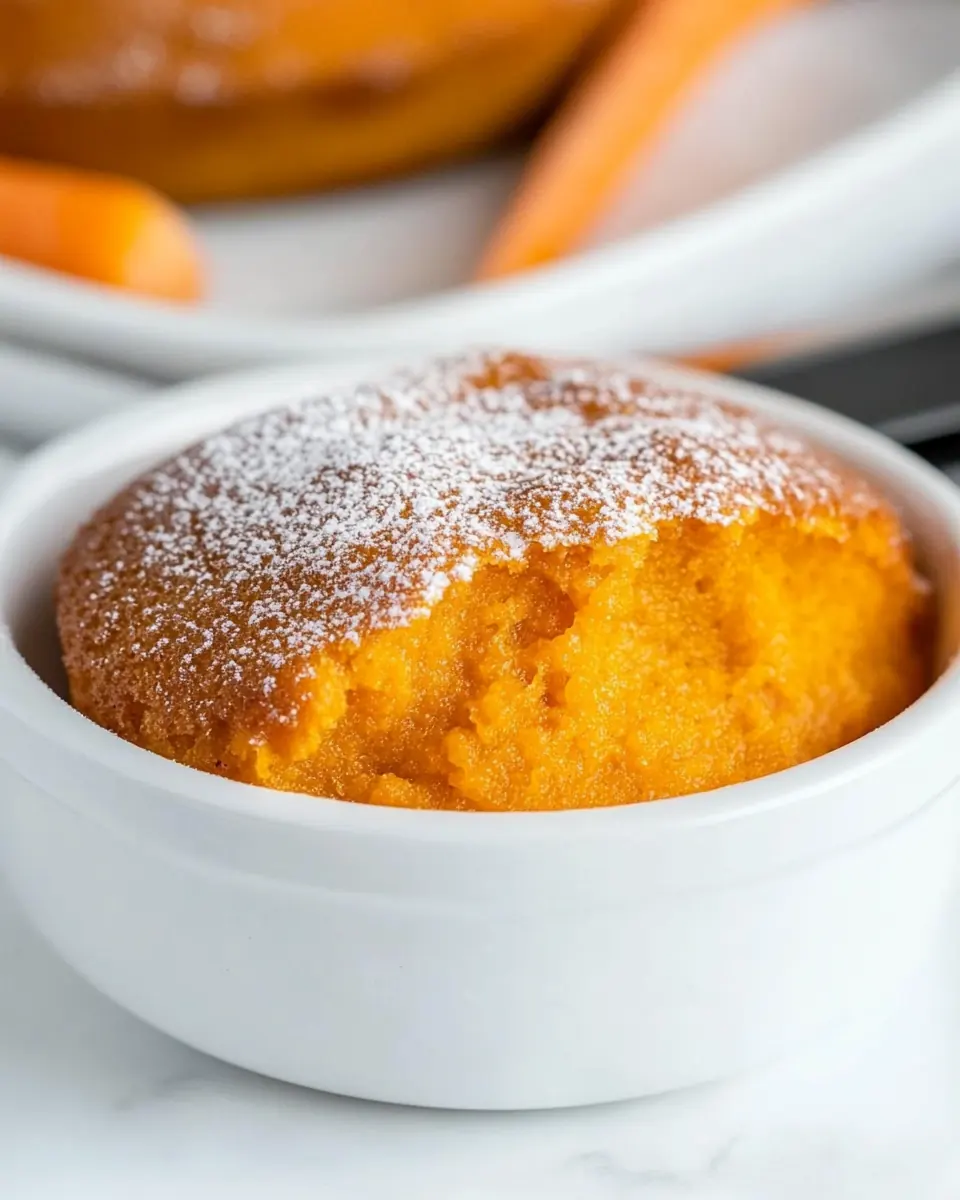
These ingredients are chosen to balance natural sweetness, structure, and flavor. The carrots are the primary flavor and provide moisture and sweetness. Eggs and a touch of all purpose flour form the framework so the souffle sets without being dense. A bit of butter and sugar round out the mouthfeel, while the spices add warmth.
- 1 pound (450 g) carrots peeled and chopped: Provide sweetness and body to the souffle while contributing moisture when cooked; simmered carrots combine with sugar to balance flavor and caramelize slightly for depth.
- 3 large eggs at room temperature: Bind the mixture and add lightness by incorporating air when beaten, helping the souffle set and giving it structure and a tender, airy crumb.
- 1/2 cup (100 g) granulated sugar: Sweeten and help tenderize the mixture by interacting with the eggs and butter; sugar also aids in browning and enhances the natural sweetness of the carrots.
- 1/2 teaspoon ground cinnamon: Impart warm, aromatic flavor that complements the carrots and sugar; cinnamon adds a familiar spice note and enhances overall aroma.
- 1/2 teaspoon ground nutmeg (optional): Lend a warm, slightly sweet and nutty spice note that deepens the flavor profile; include only if desired for added complexity and warmth.
- 1 teaspoon vanilla extract: Enhance and round out aromatic flavors while adding a subtle, sweet perfume; vanilla helps meld the spices, carrots, and sugar together.
- 1/4 cup (56 g) unsalted butter melted: Add richness, moisture, and a silky mouthfeel while contributing fat that helps create a tender texture and improved flavor depth.
- 3 tablespoons all-purpose flour (1:1 GF flour works great too): Thicken the batter and provide a little structure so the souffle holds its shape; flour also helps suspend grated or pureed carrot evenly.
- 1 teaspoon baking powder: Leaven slightly and help the souffle rise by producing gas during baking; baking powder contributes lift and lightness to the final texture.
- 1/2 teaspoon salt: Enhance and balance flavors by preventing the finished dish from tasting flat; salt also strengthens the perceived sweetness and spice notes.
- Powdered sugar for sprinkling/serving: Provide a light, decorative finish and a touch of extra sweetness when dusted on top; powdered sugar also adds visual appeal and contrast.
The Process for Making Carrot Souffle
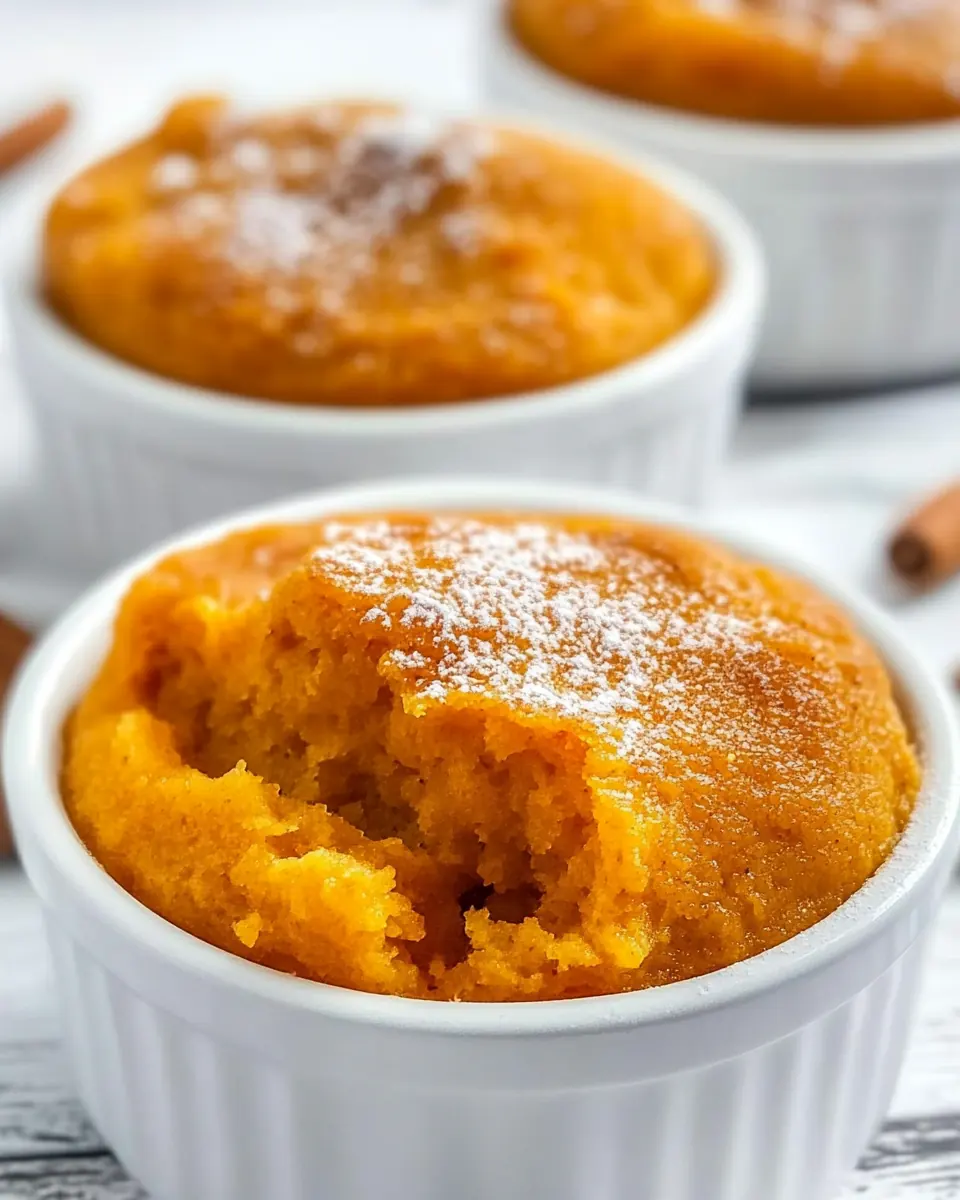
Let me walk you through this in a relaxed, conversational way. The method is straightforward, but attention to small details makes a big difference. I will guide you from softening the carrots to achieving that tender center and lightly golden top.
- Put your chopped carrots in a pot of water. Boil them until they’re soft, which should take about 20-25 minutes. Once the carrots are soft, drain the water and let them cool down. This is important before adding the eggs.: As the pot comes to a simmer, you will hear a gentle bubbling that signals the carrots are cooking; the kitchen will begin to smell sweet and earthy. Boiling softens them so they blend into a smooth purée, which is essential for a uniform texture. A common mistake is overcrowding the pot, which can make cooking uneven; give the pieces space and use enough water to cover them. Use a slotted spoon to check tenderness by piercing a piece; it should yield without resistance. If you overcook, the carrots can become waterlogged and dilute flavor, so aim for tender but not falling apart. Drain promptly to prevent soggy purée, and let them cool slightly so the heat does not scramble the eggs when mixed.
- Preheat your oven to 350°F (180°C), and grease a 2 quart baking dish with butter or cooking spray.: During this time the steam carries the vegetable aroma, and you may notice a slight deepening of color as the carrots break down. Cooking to the right point matters because undercooked pieces will leave unwanted texture, while overcooked ones can waterlog the mixture. Stir once or twice to ensure even cooking and test multiple pieces for consistency. A mistake to avoid is assuming the outer pieces are done; always check the center of a thicker piece. Timing can vary with size of pieces, so cut the carrots evenly for predictable results.
- Place the cooled carrots in a food processor and blend until smooth. Add the eggs, melted butter, granulated sugar, vanilla, ground cinnamon, nutmeg, all-purpose flour, baking powder, and salt to the food processor. Blend until smooth and everything is mixed together.: Cooling is an important step because adding warm carrots directly to the bowl with eggs risks cooking them prematurely, which can cause curdling. As they cool, the aroma will become more concentrated and the texture will firm slightly, helping them puree more predictably. A common slip is rushing this step; if you add eggs too soon you may end up with a grainy texture. Let the heat dissipate until the pieces are just warm to the touch before blending.
- Pour the carrot mixture into your greased baking dish.: A properly preheated oven ensures even baking, and greasing the dish helps release the souffle cleanly. You will feel confident when you hear the oven click at temperature and smell the hint of warmth. If the dish is not greased well, the edges can stick and tear when serving, so be thorough. Avoid placing the dish in an oven that has not reached the temperature; inconsistent heat can prevent the proper set and browning that make the top attractive.
- Place the baking dish in the oven and bake for 40-45 minutes or until the top begins to turn golden brown and no longer shiny. Remove from the oven, allow to cool for a few minutes and sprinkle with powdered sugar before serving.: As you blend, the texture becomes velvety and the sweet smell intensifies. The smoothness here determines the mouthfeel of the final souffle, so take your time to achieve a creamy consistency. If your processor struggles, pause and scrape down the sides to ensure everything is evenly pureed. A common error is underprocessing, which leaves fibrous bits that change the expected custardy texture. If you do not have a processor, a powerful blender or careful mashing will work though the texture will differ.
- Add the eggs, melted butter, granulated sugar, vanilla, ground cinnamon, nutmeg, all purpose flour, baking powder, and salt to the food processor: When these ingredients come together, the aroma becomes layered and warm, with hints of spice and vanilla. The eggs act as emulsifiers, creating a unified batter, while the butter enriches the mouthfeel and the flour provides subtle structure. Mixing thoroughly prevents pockets of dry flour and ensures the leavening is evenly distributed. A mistake people make is adding cold melted butter straight from the pan; let it cool a touch so it does not affect the eggs. Blend until homogeneous and silky, stopping to scrape down the sides as needed.
- Blend until smooth and everything is mixed together: You will notice the mixture become glossy and uniform, and a spoon dipped in will show a consistent texture without visible streaks. This cohesive batter will bake into an evenly set souffle with a tender crumb. If the mixture shows separation or lumps, keep blending and scrape the bowl to reincorporate. Overblending can introduce excess air which changes texture, so aim for smoothness without aerating too much. If the batter seems too loose, check measurements; too much liquid will prevent proper setting.
- Pour the carrot mixture into your greased baking dish: As you pour, the batter will settle and the surface should be relatively even; the glossy top is a good sign of proper emulsification. Gently smooth with a spatula if necessary, being careful not to press out any lightness you created. A common oversight is using a dish that is too large, which can make the souffle shallow and affect baking time. Make sure the batter fills the dish to an appropriate depth for an even bake.
- Place the baking dish in the oven and bake for 40 to 45 minutes or until the top begins to turn golden brown and no longer shiny: During baking you will see the surface transition from glossy to matte and the top take on a light golden color. The house fills with the scent of warmed carrots , cinnamon , and vanilla . The center should be set yet tender, and a thin knife inserted near the center should come out clean or with minimal moist crumbs. A mistake is opening the oven too often which can cause an uneven bake and prevent a good set. Trust the process and check toward the end of the time window for doneness.
- Remove from the oven, allow to cool for a few minutes and sprinkle with powdered sugar before serving: After removing it you will notice a gentle sigh of steam and the surface consolidating as it cools, which makes slicing easier. The brief rest lets residual heat finish the setting while preserving moisture. Dusting with powdered sugar adds a delicate sweetness and visual appeal. Cutting too soon can cause it to collapse slightly, so give it those few minutes of rest. Serve warm for the best sensory experience, enjoying the soft texture and aromatic spices.
Tips and Tricks about Carrot Souffle
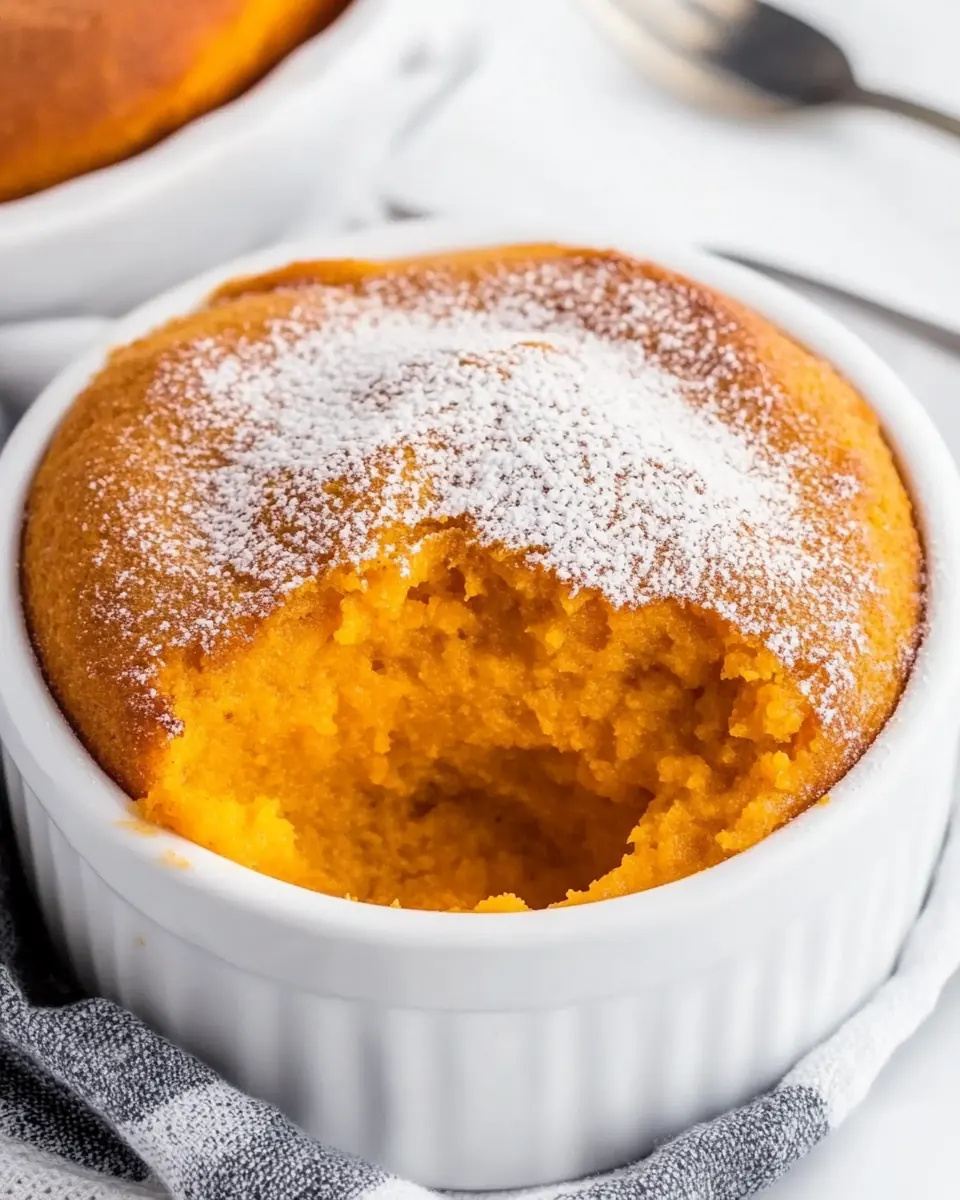
This section expands practical pointers to help you get excellent results. Each tip highlights a key action or variation to consider while making Carrot Souffle, and I include small reasons why these choices matter.
- Choose fresh carrots for the brightest flavor and color; older or limp carrots can be woody and less sweet, which changes the final taste.
- Bring eggs to room temperature so they incorporate smoothly and create a consistent, silky texture rather than causing separation or curdling.
- Use a food processor or good blender to achieve an ultra smooth puree; this gives the souffle its custard like mouthfeel that defines the dish.
- Measure flour carefully by spooning it into the cup and leveling; too much flour can make the souffle dense instead of tender and light.
- Don’t rush cooling of the boiled carrots before blending; adding eggs to hot carrots risks altering texture and can produce unwanted curdles.
- Adjust sugar for serving context if you plan to treat this as a dessert add up to an extra quarter cup of sugar, but keep it lower for savory sides.
- Let it rest briefly after baking to settle the interior and make slicing neater; immediate cutting can lead to a slightly collapsed appearance.
What to Serve With Carrot Souffle
This souffle pairs well with a range of mains and occasions. Below are thoughtful serving suggestions, seasonal notes, and storage ideas presented as a list so you can mix and match depending on your meal.
- Weeknight family dinners Serve the souffle alongside roasted or braised mains for a comforting, vegetable forward plate that appeals to all ages.
- Holiday gatherings Present it as a warm side at holiday tables such as Easter where its sweet spices and bright color add cheer to the spread.
- Light dessert option Finish the meal by dusting with extra powdered sugar and a sprinkle of cinnamon for a subtle, vegetable based dessert experience.
- Seasonal pairings In fall serve it with roasted root vegetables and maple glazed accents; its warm spice profile complements autumn flavors.
- Storage tips Refrigerate leftovers in an airtight container for up to three days; reheat gently in a low oven to preserve texture rather than microwaving which can dry it out.
- Occasion flexibility Great for potlucks and brunches because it travels well and can be served warm or at room temperature depending on logistics.
- Plating ideas Serve in individual ramekins for an elegant presentation, or in a single baking dish for family style serving; both look inviting.
FAQ
Conclusion
Carrot Souffle stands out for its comforting, custardy texture and the warm, natural sweetness of carrots, bolstered by subtle spices and a golden top. It brings together simple ingredients in a way that feels both homey and elegant, great for weeknights and holidays alike. I encourage you to give this recipe a try, whether you make it ultra smooth for a refined side or leave a little texture for a rustic touch. It is forgiving, satisfying, and a lovely way to let vegetables take center stage.
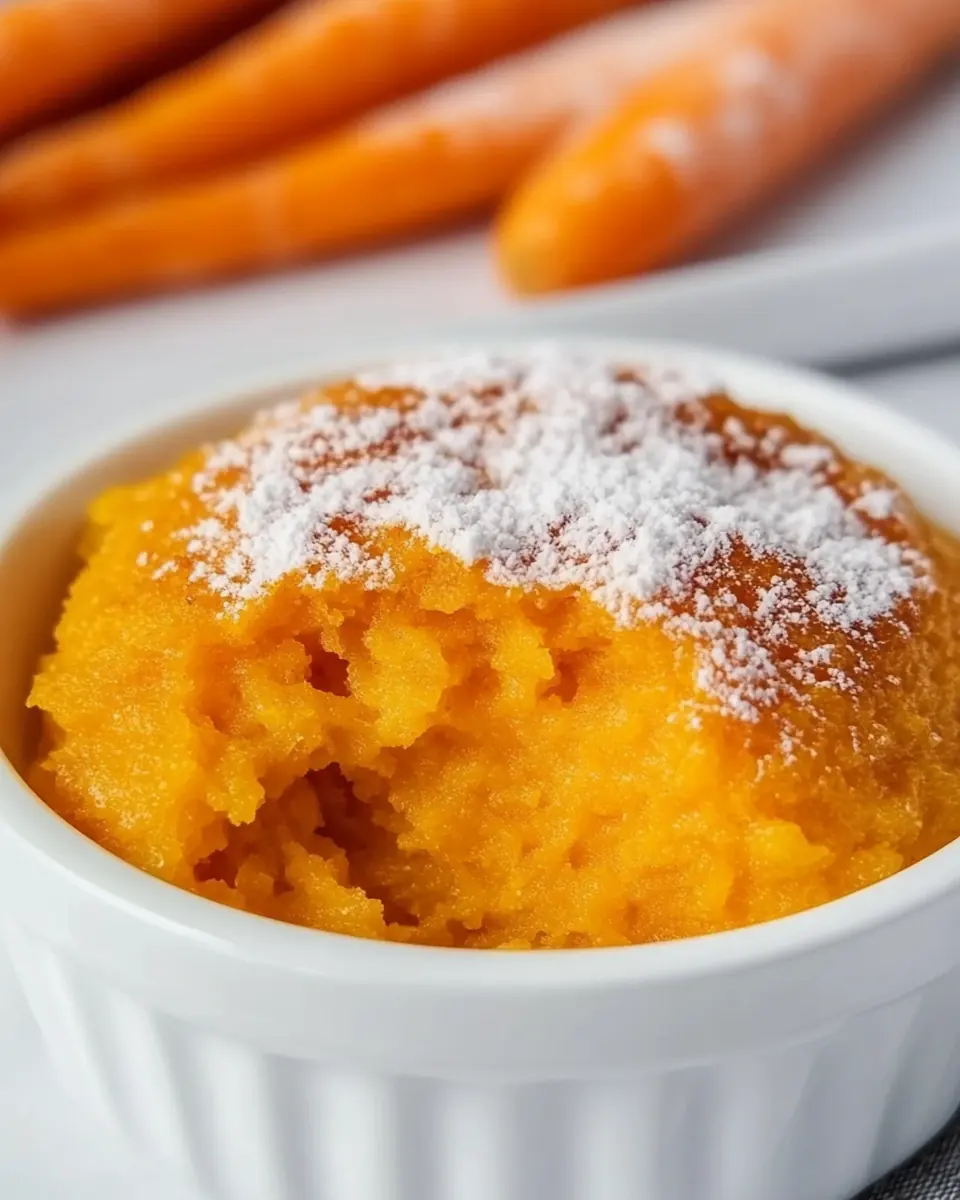
Carrot Souffle
Ingredients
Equipment
Method
- Put your chopped carrots in a pot of water. Boil them until they’re soft, which should take about 20-25 minutes. Once the carrots are soft, drain the water and let them cool down. This is important before adding the eggs.: As the pot comes to a simmer, you will hear a gentle bubbling that signals the carrots are cooking; the kitchen will begin to smell sweet and earthy. Boiling softens them so they blend into a smooth purée, which is essential for a uniform texture. A common mistake is overcrowding the pot, which can make cooking uneven; give the pieces space and use enough water to cover them. Use a slotted spoon to check tenderness by piercing a piece; it should yield without resistance. If you overcook, the carrots can become waterlogged and dilute flavor, so aim for tender but not falling apart. Drain promptly to prevent soggy purée, and let them cool slightly so the heat does not scramble the eggs when mixed.
- Preheat your oven to 350°F (180°C), and grease a 2 quart baking dish with butter or cooking spray.: During this time the steam carries the vegetable aroma, and you may notice a slight deepening of color as the carrots break down. Cooking to the right point matters because undercooked pieces will leave unwanted texture, while overcooked ones can waterlog the mixture. Stir once or twice to ensure even cooking and test multiple pieces for consistency. A mistake to avoid is assuming the outer pieces are done; always check the center of a thicker piece. Timing can vary with size of pieces, so cut the carrots evenly for predictable results.
- Place the cooled carrots in a food processor and blend until smooth. Add the eggs, melted butter, granulated sugar, vanilla, ground cinnamon, nutmeg, all-purpose flour, baking powder, and salt to the food processor. Blend until smooth and everything is mixed together.: Cooling is an important step because adding warm carrots directly to the bowl with eggs risks cooking them prematurely, which can cause curdling. As they cool, the aroma will become more concentrated and the texture will firm slightly, helping them puree more predictably. A common slip is rushing this step; if you add eggs too soon you may end up with a grainy texture. Let the heat dissipate until the pieces are just warm to the touch before blending.
- Pour the carrot mixture into your greased baking dish.: A properly preheated oven ensures even baking, and greasing the dish helps release the souffle cleanly. You will feel confident when you hear the oven click at temperature and smell the hint of warmth. If the dish is not greased well, the edges can stick and tear when serving, so be thorough. Avoid placing the dish in an oven that has not reached the temperature; inconsistent heat can prevent the proper set and browning that make the top attractive.
- Place the baking dish in the oven and bake for 40-45 minutes or until the top begins to turn golden brown and no longer shiny. Remove from the oven, allow to cool for a few minutes and sprinkle with powdered sugar before serving.: As you blend, the texture becomes velvety and the sweet smell intensifies. The smoothness here determines the mouthfeel of the final souffle, so take your time to achieve a creamy consistency. If your processor struggles, pause and scrape down the sides to ensure everything is evenly pureed. A common error is underprocessing, which leaves fibrous bits that change the expected custardy texture. If you do not have a processor, a powerful blender or careful mashing will work though the texture will differ.
- Add the eggs, melted butter, granulated sugar, vanilla, ground cinnamon, nutmeg, all purpose flour, baking powder, and salt to the food processor: When these ingredients come together, the aroma becomes layered and warm, with hints of spice and vanilla. The eggs act as emulsifiers, creating a unified batter, while the butter enriches the mouthfeel and the flour provides subtle structure. Mixing thoroughly prevents pockets of dry flour and ensures the leavening is evenly distributed. A mistake people make is adding cold melted butter straight from the pan; let it cool a touch so it does not affect the eggs. Blend until homogeneous and silky, stopping to scrape down the sides as needed.
- Blend until smooth and everything is mixed together: You will notice the mixture become glossy and uniform, and a spoon dipped in will show a consistent texture without visible streaks. This cohesive batter will bake into an evenly set souffle with a tender crumb. If the mixture shows separation or lumps, keep blending and scrape the bowl to reincorporate. Overblending can introduce excess air which changes texture, so aim for smoothness without aerating too much. If the batter seems too loose, check measurements; too much liquid will prevent proper setting.
- Pour the carrot mixture into your greased baking dish: As you pour, the batter will settle and the surface should be relatively even; the glossy top is a good sign of proper emulsification. Gently smooth with a spatula if necessary, being careful not to press out any lightness you created. A common oversight is using a dish that is too large, which can make the souffle shallow and affect baking time. Make sure the batter fills the dish to an appropriate depth for an even bake.
- Place the baking dish in the oven and bake for 40 to 45 minutes or until the top begins to turn golden brown and no longer shiny: During baking you will see the surface transition from glossy to matte and the top take on a light golden color. The house fills with the scent of warmed carrots , cinnamon , and vanilla . The center should be set yet tender, and a thin knife inserted near the center should come out clean or with minimal moist crumbs. A mistake is opening the oven too often which can cause an uneven bake and prevent a good set. Trust the process and check toward the end of the time window for doneness.
- Remove from the oven, allow to cool for a few minutes and sprinkle with powdered sugar before serving: After removing it you will notice a gentle sigh of steam and the surface consolidating as it cools, which makes slicing easier. The brief rest lets residual heat finish the setting while preserving moisture. Dusting with powdered sugar adds a delicate sweetness and visual appeal. Cutting too soon can cause it to collapse slightly, so give it those few minutes of rest. Serve warm for the best sensory experience, enjoying the soft texture and aromatic spices.
Notes
- Choose fresh carrots for the brightest flavor and color; older or limp carrots can be woody and less sweet, which changes the final taste.
- Bring eggs to room temperature so they incorporate smoothly and create a consistent, silky texture rather than causing separation or curdling.
- Use a food processor or good blender to achieve an ultra smooth puree; this gives the souffle its custard like mouthfeel that defines the dish.
- Measure flour carefully by spooning it into the cup and leveling; too much flour can make the souffle dense instead of tender and light.
- Don’t rush cooling of the boiled carrots before blending; adding eggs to hot carrots risks altering texture and can produce unwanted curdles.
- Adjust sugar for serving context if you plan to treat this as a dessert add up to an extra quarter cup of sugar, but keep it lower for savory sides.
- Let it rest briefly after baking to settle the interior and make slicing neater; immediate cutting can lead to a slightly collapsed appearance.