Champorado
Champorado has been my go to comfort bowl on chilly mornings when I crave something warm, chocolatey, and nostalgic.
I first learned to make Champorado from my grandmother, who would hum softly while she rinsed the glutinous rice and measured sugar by eye. We sat at her tiny kitchen table, the steam fogging the window, and she taught me how subtle changes in simmering make the texture sing. Over time I’ve tweaked the proportion of water and cocoa powder to get that silky body without losing the rice chew, and I still reach for a drizzle of evaporated milk when I want it extra indulgent.
When I make Champorado now, it feels like a warm note from the past, but with a few modern adjustments that keep it simple and approachable. I love serving it for a cozy breakfast or a late night snack, and it’s one of those recipes that comforts without fuss. The aroma of cocoa and the faintly sweet scent of cooked rice always draws everyone to the kitchen. I hope this version helps you recreate that same warm feeling in your home.
Recipe Snapshot
30 mins
5 mins
25 mins
Easy
250 kcal
Filipino
Gluten-Free, Low FODMAP
Desserts
Saucepan, Wooden spoon, Measuring cups
The Best Thing About This Champorado
Deep chocolate flavor without heaviness
I adore how Champorado balances intense unsweetened cocoa powder with the mild, creamy backbone of glutinous rice. The cocoa lifts the bowl into dessert territory, yet the rice keeps it comforting and substantive. This means you get big chocolate notes without feeling weighed down.
Textural delight
The sticky, slightly chewy grains of glutinous rice create a luxurious mouthfeel that pairs perfectly with the smooth cocoa broth. I like that every spoonful alternates between silky and pleasantly chewy, which keeps you engaged with every bite.
Quick and forgiving
With only a handful of ingredients and straightforward technique, Champorado is easy to make on weeknights. I often start it while I prep other things, and it rarely demands strict timing, which makes it friendly for cooks of all levels.
Customizable finish
I always keep cans of evaporated milk or condensed milk on hand to drizzle on top. They add creaminess or extra sweetness as needed, and you can adjust to your palate. This flexibility is one reason I reach for this recipe when feeding a crowd with mixed tastes.
Comfort food with cultural roots
Beyond flavor, I love that Champorado carries heritage, connecting everyday cooking to family memories. It sits somewhere between breakfast and dessert, making it versatile for special mornings or cozy evenings in.
Champorado Shopping List
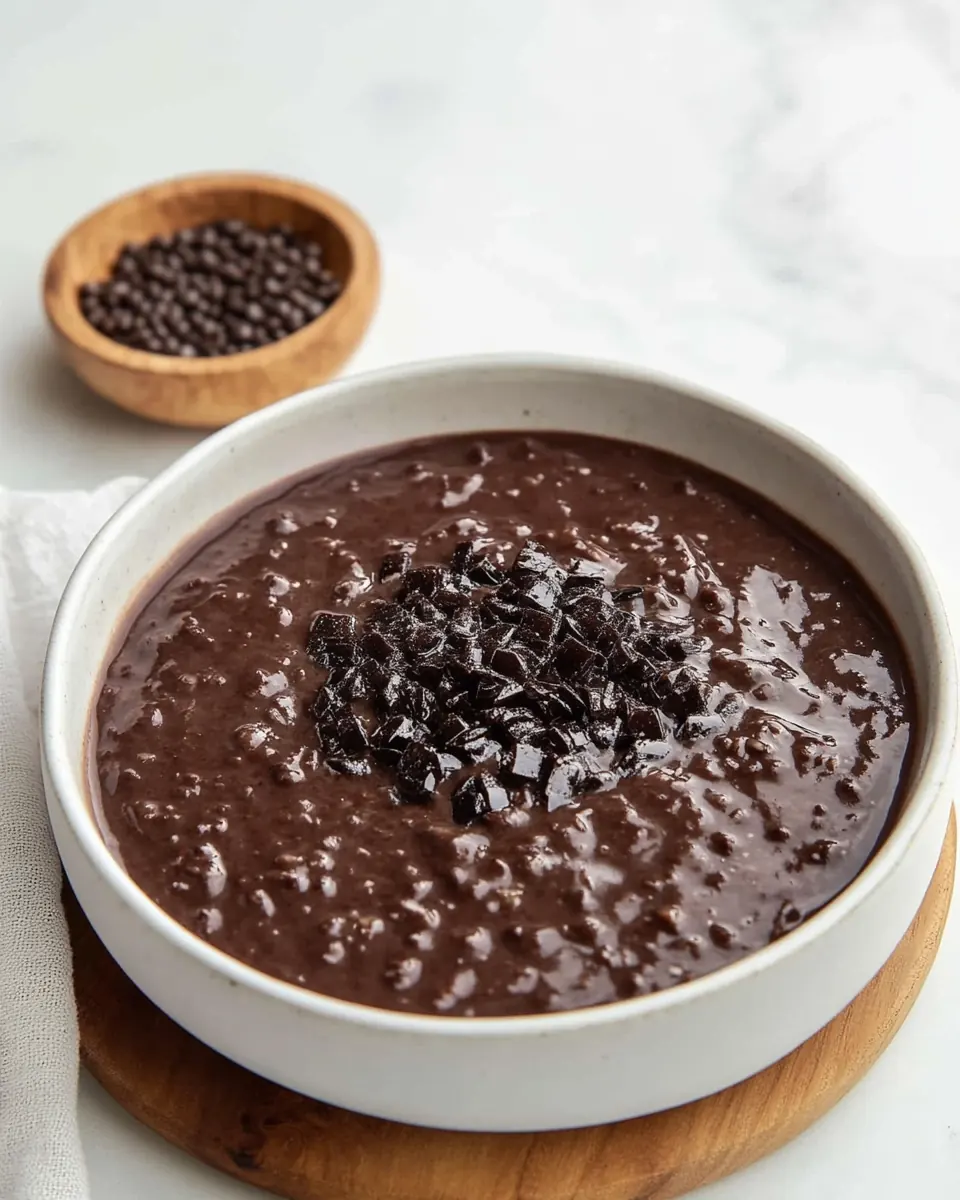
These ingredients are simple, but they work together with purpose. The chewy glutinous rice forms the body, while unsweetened cocoa powder brings deep chocolate notes. Water is the neutral canvas that lets other flavors shine, and the granulated sugar tunes the sweetness. A small amount of vanilla extract lifts aroma, and the optional milks add richness on top. Together they create a bowl that is both humble and indulgent.
- 1 cup glutinous rice: Provide a chewy, sticky base for the dish and absorb cooking liquid to create the porridge's thick texture; rinse before cooking to remove excess starch and prevent clumping. Soak briefly if desired to shorten cooking time and ensure even softness throughout the grains.
- 4 cups water: Supply the necessary cooking medium to hydrate the rice and dissolve cocoa and sugar, controlling the porridge's consistency by amount and simmering time. Adjust heat and occasional stirring to prevent scorching and achieve a smooth, lump-free texture.
- 1/2 cup unsweetened cocoa powder: Impart the chocolate flavor and dark color while contributing slight bitterness that balances the sweetness; sift or whisk into a small amount of liquid first to avoid lumps. Choose unsweetened cocoa to let added sugar control sweetness level and preserve authentic flavor.
- 1/4 teaspoon vanilla extract: Add a subtle aromatic note that enhances the overall flavor profile and rounds out the chocolate taste without overpowering it; stir in toward the end of cooking to preserve its fragrance. Use sparingly, as vanilla concentrates sweetness and aroma.
- 1/3 cup granulated sugar plus more to taste: Sweeten the porridge and help balance cocoa's bitterness while influencing overall sweetness level; dissolve gradually and taste as you go to avoid over-sweetening. Use the suggested amount as a starting point and adjust to personal preference for a comfortable balance.
- evaporated milk or condensed milk for topping (optional): Provide a creamy, rich finishing touch when drizzled on top, adding smoothness and a slightly sweet or milky contrast to the chocolate rice porridge. Offer evaporated milk for a lightly creamy finish or condensed milk for extra sweetness and indulgence.
Champorado Instructions
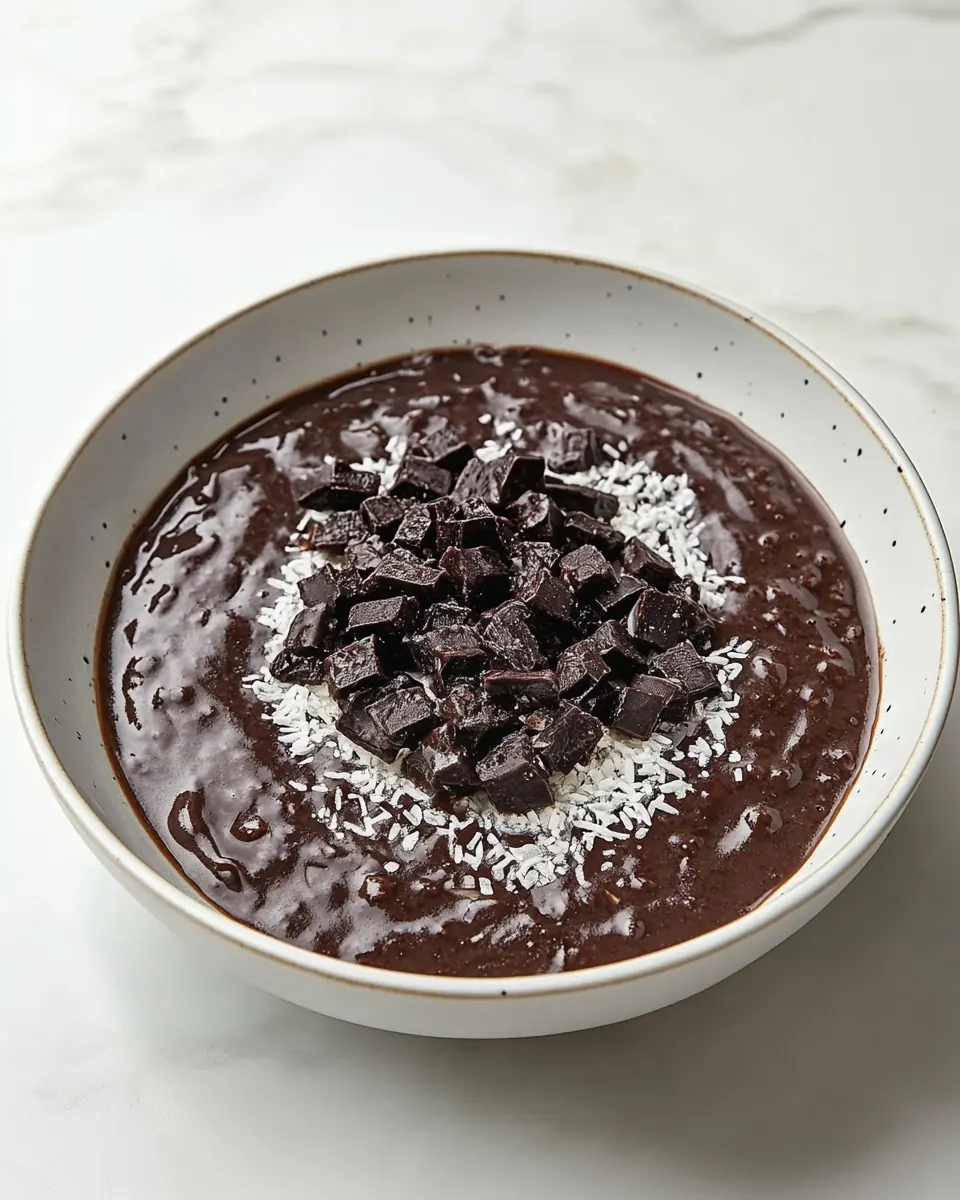
I like to approach the steps with patience and attention to texture, because small choices make a big difference in the final bowl. Below I expand each direction so you can rely on sensory clues, understand why each move matters, and avoid common missteps that can compromise the porridge.
- Rinse the glutinous rice under cold running water until the water runs clear.: As you rinse, notice the water changing from cloudy to clear, which signals surface starch being removed. This process prevents the final porridge from getting overly gluey while still allowing the rice to become pleasantly sticky. I usually swish the rice three to five times, feeling the grains separate under my fingers. A key why here is that excess starch causes uneven thickening and a gummy texture; if you skip rinsing you might end up with a porridge that is pasty rather than chewy. Be careful not to mash the grains while rinsing, or they will release extra starch and break down during cooking.
- In a saucepan, combine rinsed rice and 4 cups water. Bring to a boil over medium-high heat.: You'll first see steam and the surface begin to ripple as it approaches a boil, then larger bubbles will break steadily. This high initial heat helps the grains absorb water fairly quickly, starting the gelatinization that gives the rice its soft, chewy interior. I pay attention to the sound a rolling simmer makes, and when it reaches that stage I reduce heat next. A common mistake is keeping it at a full boil, which can cause the liquid to reduce too fast and the rice to stick to the pan, so monitor the flame and stir gently if the surface is frothy.
- Lower the heat to medium-low. Add the unsweetened cocoa powder and mix until dissolved.: When you lower the heat, the simmer will become gentler and the smell of warm cocoa will start to emerge. Sprinkle the unsweetened cocoa powder gradually and stir steadily so it fully dissolves into the cooking liquid, forming a glossy chocolate broth around the grains. The why is that adding cocoa at moderate heat prevents it from burning and keeps flavors bright. If cocoa is added in a lump or at very high heat, it can clump and create dry pockets of bitter powder; whisking ensures a uniform color and taste.
- Continue to cook, stirring occasionally to prevent sticking, until the rice is tender and the mixture has thickened, about 15-20 minutes.: During this phase the mixture will transition from soupy to porridge like, and you will see the grains swell and the liquid becoming viscous. Expect soft, chewy rice grains suspended in a glossy chocolate sauce; when you lift the spoon you should see the mixture coat it. The sensory cues are smell of toasted cocoa, gentle bubbling, and visual thickening. Stirring occasionally prevents the bottom from scorching and helps you monitor the texture. Avoid constant furious stirring since that can break the grains down; instead use a gentle fold every few minutes. Overcooking here leads to a too thick consistency that becomes gluey, while undercooking leaves the rice hard in the center.
- Mix in the vanilla extract and granulated sugar, adjusting to your preferred sweetness. Continue cooking for an additional 2 minutes, stirring until the sugar has completely dissolved.: Once the grains are tender, the sweet and aromatic finish begins. Add the vanilla extract so its floral note blooms in the warm liquid, and sprinkle in granulated sugar slowly, tasting as you go. The extra two minutes allow sugar to fully integrate and the flavors to meld. The smell will shift to a balanced chocolate sweetness, and the texture will smooth further. A common error is adding all the sugar at once without tasting, which can oversweeten the bowl; adjust gradually. Also avoid high heat during this step because sugar can scorch, altering the clean chocolate tone.
- Remove from heat. Ladle champorado into bowls, drizzle with evaporated or condensed milk if desired, and serve warm.: After removing from the heat, observe the porridge settling and the steam softening. Transfer to bowls while hot so the surface retains its shine and the aroma remains fresh. A swirl or drizzle of evaporated milk or condensed milk adds a creamy counterpoint and melts into ribbons over the warm chocolate. Serve immediately for the best textural contrast between warm porridge and cooler milk topping. One mistake to avoid is letting the porridge sit too long in the pot, which will thicken as it cools and may clump; if that happens, reheat gently with a splash of water to loosen it.
Making Adjustments
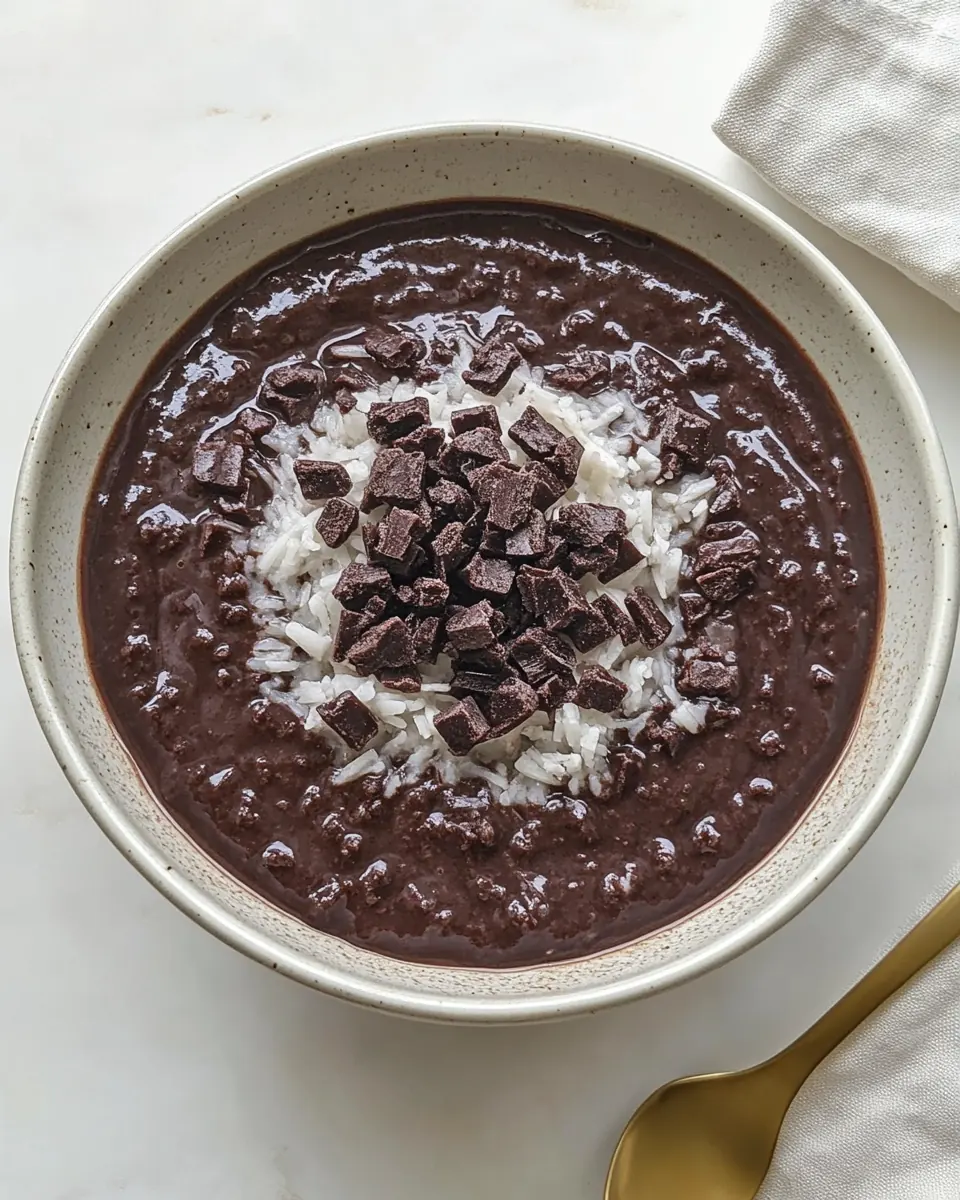
I like to think of adjustments as small nudges that shape the bowl. These tips help you customize sweetness, texture, and richness without losing the soul of Champorado. Below are practical suggestions you can use right away when you cook.
- Control texture: If your Champorado feels too thick after resting, stir in a splash of hot water and warm it gently while stirring to restore a creamy consistency.
- Balance sweetness: Start with the listed granulated sugar, then add in small increments. Taste after each addition since some unsweetened cocoa powder brands are more bitter than others.
- Smooth cocoa: To avoid lumps, whisk the unsweetened cocoa powder with a few tablespoons of warm water into a paste before adding it to the pot, ensuring an even chocolate color and no gritty bits.
- Gentle simmer: Keep the pot at medium low during most of cooking, so the glutinous rice cooks evenly without sticking or splattering, preserving a glossy finish.
- Milk topping choice: Drizzle evaporated milk for creaminess without extra sweetness, or use condensed milk if you prefer a richer, sweeter finish, adding it sparingly to taste.
Serving Suggestions
Champorado works beautifully as a warm breakfast, a cozy snack, or a light dessert after a simple meal. Below are ways I serve it for different occasions, plus storage and pairing ideas to keep it versatile and crowd friendly.
- Breakfast bowl: Serve warm in a deep bowl for a cozy morning meal, offering a small jug of evaporated milk on the side so each person can adjust creaminess.
- Late night snack: A single warmed bowl with a light drizzle of condensed milk feels indulgent without being heavy, perfect for unwinding.
- Ramadan iftar option: During fasting breaks, serve modest portions to gently replenish energy; the balance of carbs from glutinous rice and comforting warmth makes it a soothing choice.
- Seasonal pairing: In cooler months like winter, pair with a warm tea to balance the richness; the steam and chocolate aroma create a welcoming table moment.
- Storage tips: Keep leftover Champorado in an airtight container in the refrigerator for up to two days. Reheat gently with a splash of hot water to regain the porridge like consistency.
- Serving size: Offer modest portions, since the dish is rich; if serving a group, keep the toppings separate so guests can personalize sweetness.
- Occasion fit: It’s ideal for quiet family mornings, casual brunches, or as a nostalgic dessert after meals that are light in flavor.
FAQ
Conclusion
Champorado stands out because it combines a few humble ingredients into a deeply comforting, chocolate forward rice porridge that feels both nostalgic and satisfying. The interplay of chewy glutinous rice and glossy chocolate broth creates a cozy bowl that is easy to make and endlessly adjustable. I encourage you to give it a try, play with the sweetness to suit your taste, and enjoy it warm with a drizzle of milk. It’s one of those recipes that becomes a quick favorite the first time you make it.
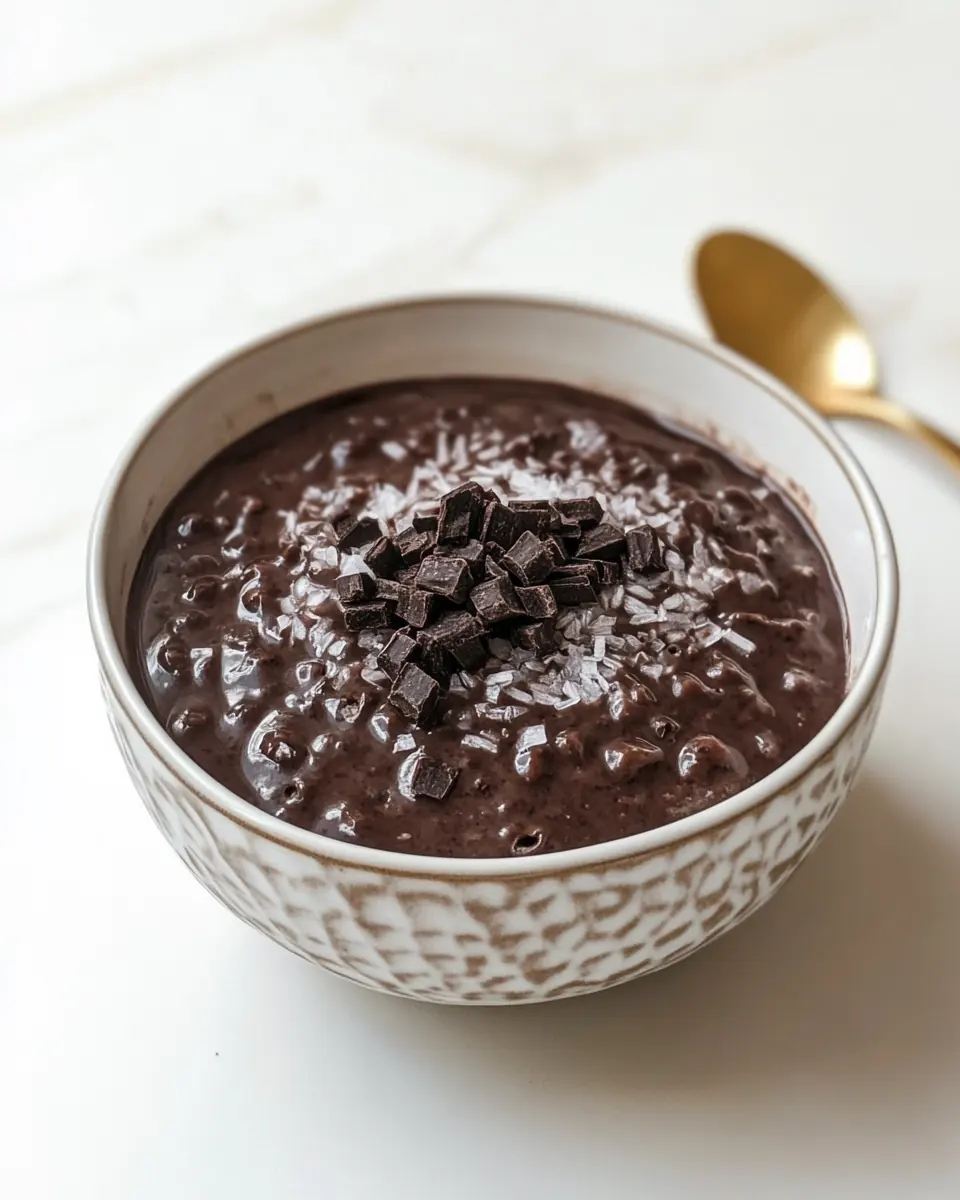
Champorado
Ingredients
Equipment
Method
- Rinse the glutinous rice under cold running water until the water runs clear.: As you rinse, notice the water changing from cloudy to clear, which signals surface starch being removed. This process prevents the final porridge from getting overly gluey while still allowing the rice to become pleasantly sticky. I usually swish the rice three to five times, feeling the grains separate under my fingers. A key why here is that excess starch causes uneven thickening and a gummy texture; if you skip rinsing you might end up with a porridge that is pasty rather than chewy. Be careful not to mash the grains while rinsing, or they will release extra starch and break down during cooking.
- In a saucepan, combine rinsed rice and 4 cups water. Bring to a boil over medium-high heat.: You'll first see steam and the surface begin to ripple as it approaches a boil, then larger bubbles will break steadily. This high initial heat helps the grains absorb water fairly quickly, starting the gelatinization that gives the rice its soft, chewy interior. I pay attention to the sound a rolling simmer makes, and when it reaches that stage I reduce heat next. A common mistake is keeping it at a full boil, which can cause the liquid to reduce too fast and the rice to stick to the pan, so monitor the flame and stir gently if the surface is frothy.
- Lower the heat to medium-low. Add the unsweetened cocoa powder and mix until dissolved.: When you lower the heat, the simmer will become gentler and the smell of warm cocoa will start to emerge. Sprinkle the unsweetened cocoa powder gradually and stir steadily so it fully dissolves into the cooking liquid, forming a glossy chocolate broth around the grains. The why is that adding cocoa at moderate heat prevents it from burning and keeps flavors bright. If cocoa is added in a lump or at very high heat, it can clump and create dry pockets of bitter powder; whisking ensures a uniform color and taste.
- Continue to cook, stirring occasionally to prevent sticking, until the rice is tender and the mixture has thickened, about 15-20 minutes.: During this phase the mixture will transition from soupy to porridge like, and you will see the grains swell and the liquid becoming viscous. Expect soft, chewy rice grains suspended in a glossy chocolate sauce; when you lift the spoon you should see the mixture coat it. The sensory cues are smell of toasted cocoa, gentle bubbling, and visual thickening. Stirring occasionally prevents the bottom from scorching and helps you monitor the texture. Avoid constant furious stirring since that can break the grains down; instead use a gentle fold every few minutes. Overcooking here leads to a too thick consistency that becomes gluey, while undercooking leaves the rice hard in the center.
- Mix in the vanilla extract and granulated sugar, adjusting to your preferred sweetness. Continue cooking for an additional 2 minutes, stirring until the sugar has completely dissolved.: Once the grains are tender, the sweet and aromatic finish begins. Add the vanilla extract so its floral note blooms in the warm liquid, and sprinkle in granulated sugar slowly, tasting as you go. The extra two minutes allow sugar to fully integrate and the flavors to meld. The smell will shift to a balanced chocolate sweetness, and the texture will smooth further. A common error is adding all the sugar at once without tasting, which can oversweeten the bowl; adjust gradually. Also avoid high heat during this step because sugar can scorch, altering the clean chocolate tone.
- Remove from heat. Ladle champorado into bowls, drizzle with evaporated or condensed milk if desired, and serve warm.: After removing from the heat, observe the porridge settling and the steam softening. Transfer to bowls while hot so the surface retains its shine and the aroma remains fresh. A swirl or drizzle of evaporated milk or condensed milk adds a creamy counterpoint and melts into ribbons over the warm chocolate. Serve immediately for the best textural contrast between warm porridge and cooler milk topping. One mistake to avoid is letting the porridge sit too long in the pot, which will thicken as it cools and may clump; if that happens, reheat gently with a splash of water to loosen it.
Notes
- Control texture: If your Champorado feels too thick after resting, stir in a splash of hot water and warm it gently while stirring to restore a creamy consistency.
- Balance sweetness: Start with the listed granulated sugar, then add in small increments. Taste after each addition since some unsweetened cocoa powder brands are more bitter than others.
- Smooth cocoa: To avoid lumps, whisk the unsweetened cocoa powder with a few tablespoons of warm water into a paste before adding it to the pot, ensuring an even chocolate color and no gritty bits.
- Gentle simmer: Keep the pot at medium low during most of cooking, so the glutinous rice cooks evenly without sticking or splattering, preserving a glossy finish.
- Milk topping choice: Drizzle evaporated milk for creaminess without extra sweetness, or use condensed milk if you prefer a richer, sweeter finish, adding it sparingly to taste.