Cheesy Chicken Stuffing Casserole
Cheesy Chicken Stuffing Casserole is one of those comforting, no fuss dishes I turn to when the week has been long and I want a warming, homey meal that feeds a crowd without drama.
I first made Cheesy Chicken Stuffing Casserole on a chilly evening when friends dropped by unexpectedly. I had a single package of stuffing mix and a couple of thawed chicken breasts, and I improvised a creamy topping with a can of soup and some slices of Mozzarella cheese. The house filled with the scent of melted cheese and butter as the casserole bubbled, and everyone claimed it as an instant favorite. That night taught me that this dish earns its place in the weeknight rotation, because it is forgiving, adaptable, and quietly impressive.
Since then I’ve tweaked the process to make it even simpler for busy evenings. I like recipes that give me results without hovering, and Cheesy Chicken Stuffing Casserole delivers golden crunchy topping, moist tender chicken, and a creamy interior with minimal hands on time. I’ll tell you how to read the textures and smells so you can serve it perfectly, and I’ll share why each ingredient plays an important role in delivering comfort on a plate.
Recipe Snapshot
1 hr 15 mins
15 mins
60 mins
Medium
350 kcal
American
Keto, Gluten-Free
Dinner
8×8 inch baking dish, Mixing bowl, Oven, Measuring cup, Instant read thermometer
What We Adore About This Cheesy Chicken Stuffing Casserole
Comfort food that actually cooks itself
I love how Cheesy Chicken Stuffing Casserole takes humble pantry staples and turns them into a dish that looks and tastes like effort went into it. The mix of creamy soup, melted Mozzarella cheese, and crunchy stuffing mix creates contrast in texture that feels indulgent without being heavy. I often praise recipes that let oven time do the work, and this one is a prime example.
Simple ingredients, big payoff
This recipe shines because the components are straightforward. The canned cream soup brings richness and a silky mouthfeel, the milk loosens the base so it is saucy but not soupy, and the melted butter baptized over the stuffing mix guarantees a toasted, golden top. I appreciate recipes where each ingredient has a clear job, and here they all sing together.
Flexible and forgiving
I find this casserole extremely forgiving with cook times and minor swaps. Use thighs if you want juicier chicken or change the cheese type to suit what you have on hand. Because the dish bakes covered by layers, it tolerates slight overcooking better than many straight proteins, which makes it great when timing with side dishes is unpredictable.
Great for family dinners and gatherings
When I need a crowd pleaser that travels well from oven to table, Cheesy Chicken Stuffing Casserole is my go to. It reheats beautifully, and the flavors deepen overnight, making it perfect for leftovers. I find the textural contrast between creamy interior and crunchy stuffing top is what keeps everyone going back for seconds.
Budget friendly and pantry driven
Between canned soup, a package of stuffing mix, and a block or bag of cheese, this casserole stretches proteins and delivers comfort without a big grocery run. I like that I can scale it up or down depending on how many people I need to feed, and the results are consistently satisfying.
What to Buy for Cheesy Chicken Stuffing Casserole
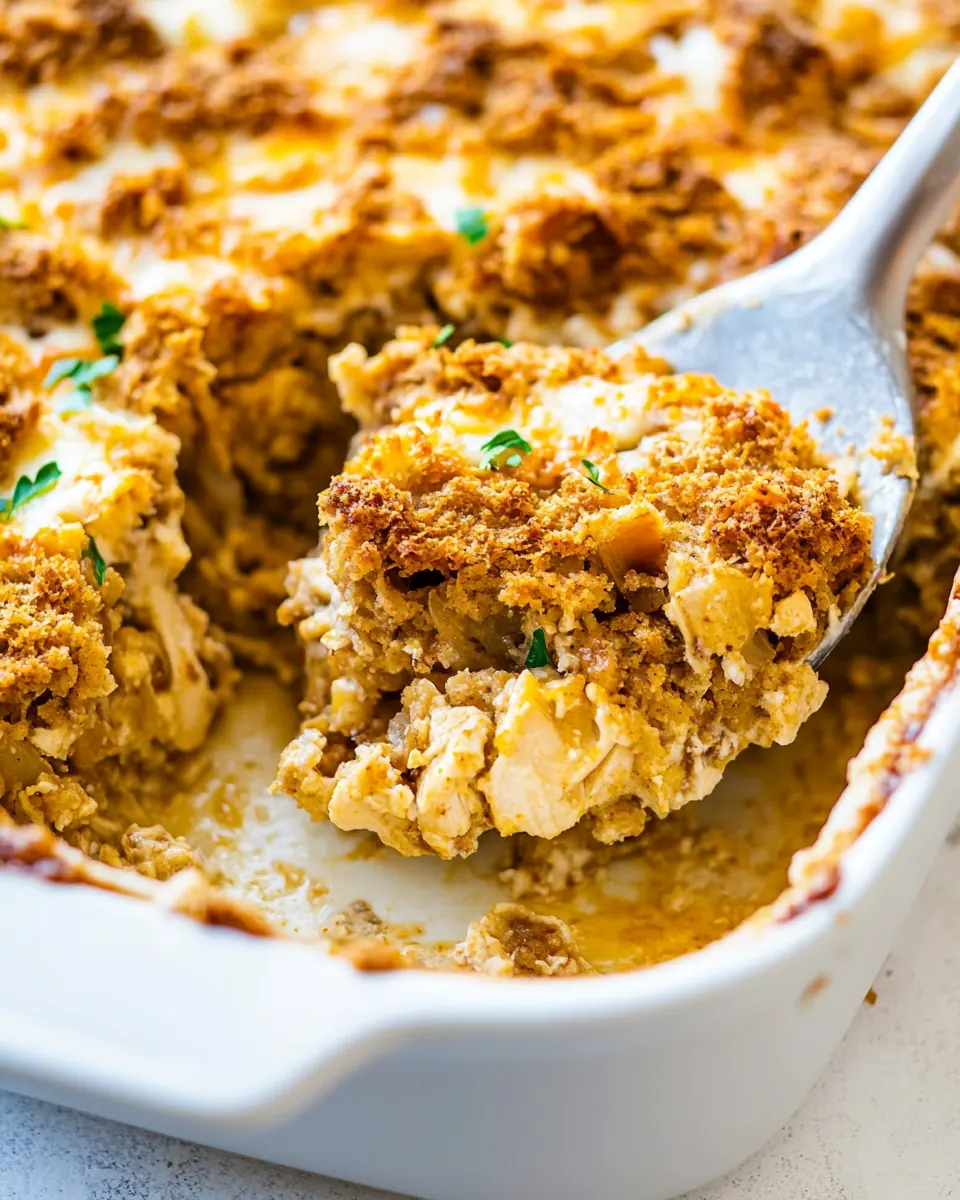
These ingredients are intentionally simple and purposeful. Each one contributes to the texture balance between creamy and crisp, and together they keep the dish approachable. The key players are the canned soup for richness, the stuffing mix for crunchy contrast, and the chicken for protein and structure.
- 10.75 oz can cream of chicken soup: Adds a savory, concentrated chicken-flavored base to the casserole and helps create a creamy sauce; stir with milk to achieve a smooth consistency. Provides seasoning and body so the casserole stays moist during baking, melding flavors with the chicken and cheese.
- 1/2 cup milk: Provides liquid to thin the condensed soup and create a cohesive sauce that soaks into the stuffing mix; adjust amount slightly for desired sauce thickness. Helps distribute flavors evenly and contributes to a tender texture throughout the casserole.
- 18 oz package Mozzarella cheese slices: Contributes a gooey, melty cheese layer that adds richness and stretch when baked; place slices over the assembled casserole to create a cheesy topping. Enhances savory flavor and visual appeal while binding the ingredients together for satisfying mouthfeel.
- 2 cups dry stuffing mix: Supplies bulk and a contrasting texture that absorbs the saucy mixture to form the casserole's hearty base; sprinkle or layer as directed to ensure even coverage. Introduces traditional seasoned bread flavor and helps the dish hold its shape when served.
- 1/2 cup buttermelted: Provides fat and moisture to enrich the stuffing and sauce, promoting a golden finish and smoother mouthfeel; incorporate thoroughly so it blends with the dry mix and liquids. Helps carry flavor and create a tender, slightly crisp texture on top when baked.
- 1 pound boneless skinless chicken breasts: Supplies lean protein and substantial texture to the casserole; cook or shred as preferred before combining so it integrates with the stuffing and sauce. Adds savory depth and balances richness from the cheese and soup, making the dish more filling and nutritious.
Step by Step Instructions for Cheesy Chicken Stuffing Casserole
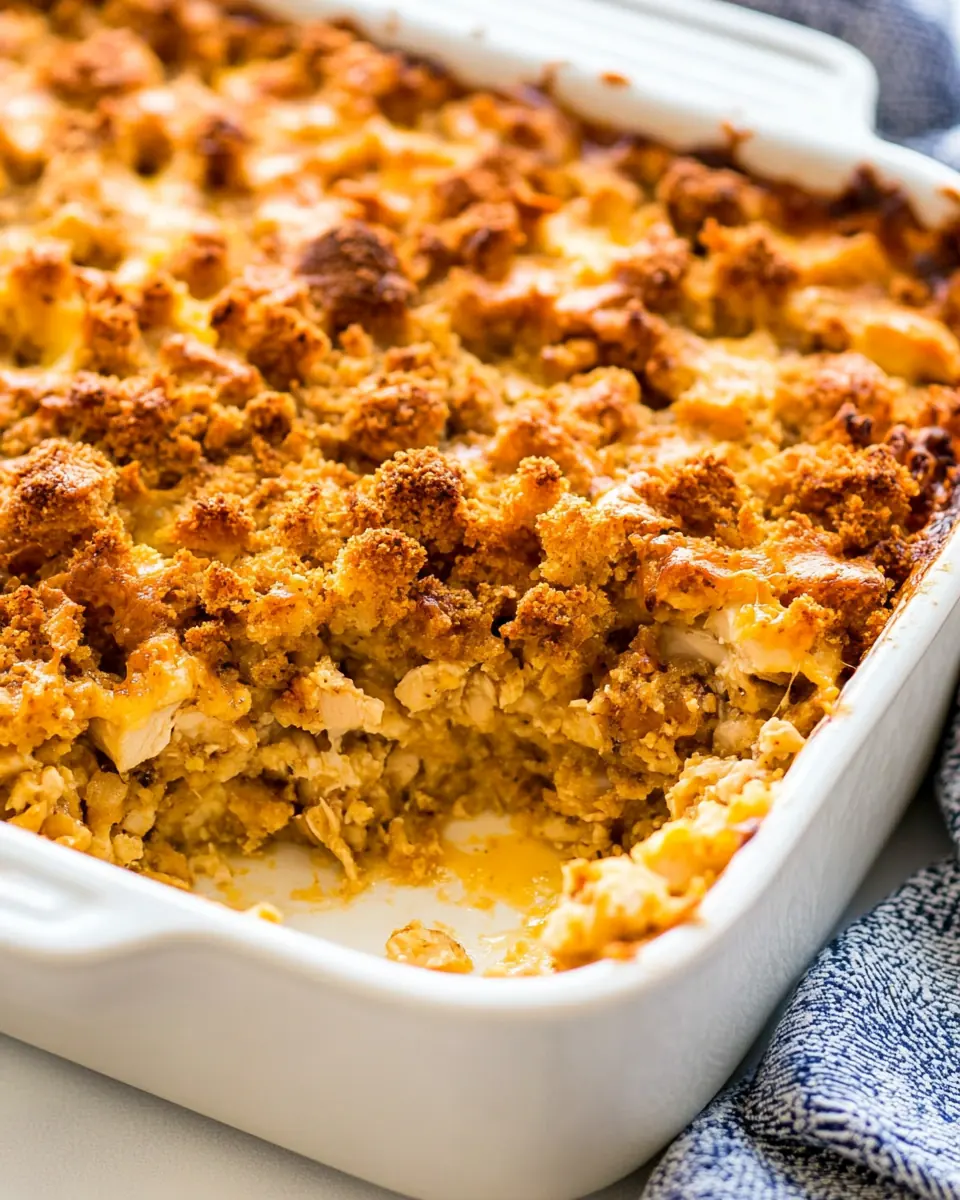
This recipe is straightforward, and the oven does most of the work. Below I expand each direction with sensory cues, why the action matters, and a troubleshooting tip so you can get perfect results without guesswork.
- Preheat oven to 350 degrees Fahrenheit. Spray a square 8×8 inch baking dish and set aside.: As the oven warms, you will notice a gentle warmth in the kitchen and the faint metallic hum of racks heating, which signals the environment is reaching steady heat. Preheating ensures that the casserole begins cooking immediately and the top crisps evenly rather than slowly steaming, which would make the stuffing soggy. A common mistake is sliding the dish into an oven that is not fully preheated, leading to longer cook times and uneven browning. To check readiness, give the oven at least 10 minutes after you set it, and place a rack in the center so heat circulates around the dish.
- In a medium sized mixing bowl mix together milk and cream of chicken soup.: The slick sound and sheen of the cooking spray on the glass are small comforts, and the nonstick coating keeps the baked casserole from sticking to the edges. Using an 8×8 dish creates the right depth for layers to meld while still allowing the top to brown; too deep a dish may lengthen the bake time significantly. Avoid skipping this step because if the casserole clings to the dish, you risk tearing the top when serving. If you do not have a sprayer, rub the dish with a little softened butter to achieve the same effect.
- Place chicken breasts in prepared glass baking dish. Pour chicken soup mixture over chicken breasts. Layer cheese on top and then sprinkle stuffing over the cheese. Pour butter over the stuffing mix.: When you stir the condensed cream of chicken soup into the milk , you should see it loosen into a velvety, glossy sauce with a smooth consistency, and light steam if the milk is warm. This mixture coats the chicken and interacts with the cheese and stuffing to keep everything moist. The reason we mix before pouring is to avoid lumps of undissolved soup in the finished dish, which can create pockets of heavy saltiness. If the sauce looks too thin, let it rest for a minute so the condensed soup absorbs some liquid, and whisk again to achieve a cohesive texture.
- Bake for 1 hour or until chicken is cooked through and stuffing is golden brown.: Lay the chicken breasts flat in the greased dish, giving each piece a little space so heat can flow around them as they cook. You should be able to see the pale pink dull to a slightly glossy surface that will transform in the oven. Proper placement ensures even cooking, whereas stacking or overcrowding leads to inconsistent doneness. If your breasts are unevenly thick, consider pounding them to a uniform thickness to avoid overcooking thin parts while waiting for the thick center to finish.
- Pour chicken soup mixture over chicken breasts: As you pour the sauce, it should pool around and over the chicken , filling the dish without submerging the top completely, which helps keep the meat moist while still allowing the cheese to melt properly. This step matters because the sauce transfers flavor into the chicken and prevents dryness. Be mindful not to over pour, as too much liquid can lead to a soggy topping. If you see excess pooling, spoon some back into the bowl to maintain balance.
- Layer cheese on top and then sprinkle stuffing over the cheese: Lay the slices of Mozzarella cheese evenly across the sauce so they overlap slightly and will melt into a unified blanket, then scatter the dry stuffing mix on top to form a crust. You should hear a soft rustling as the dry stuffing settles, and visually you will get a contrast between the white cheese and the coarse golden crumbs. This layering is essential because the melting cheese anchors the stuffing and creates the crunchy top. A common error is pressing the stuffing firmly into the cheese, which can compress it and prevent air pockets needed for crisping.
- Pour butter over the stuffing mix: Drizzling the warm, glossy melted butter across the top will soak into the bits of stuffing mix and promote browning and toasty aroma. The sizzling scent as the butter hits the hot layer when it first bakes is a good sign the top will crisp. Butter also adds flavor depth, and without it the stuffing may remain pale and soft. Pour evenly and avoid concentrating butter in one spot, which could leave other areas underbrowned.
- Bake for 1 hour or until chicken is cooked through and stuffing is golden brown: During the bake you will see the casserole bubble gently around the edges, hear a soft crackle as moisture escapes, and smell a savory, toasty aroma as the top caramelizes. The center should register an internal temperature of 165 degrees Fahrenheit for safe consumption, and the stuffing mix should be a warm golden brown with crisp edges. This baking period allows flavors to meld and textures to set. A common pitfall is relying solely on visual cues if your oven runs hot or cool; use a thermometer to confirm doneness. If the top is browning too quickly, tent loosely with foil for the final 10 to 15 minutes to prevent burning while the center finishes cooking.
Expert Tips about Cheesy Chicken Stuffing Casserole
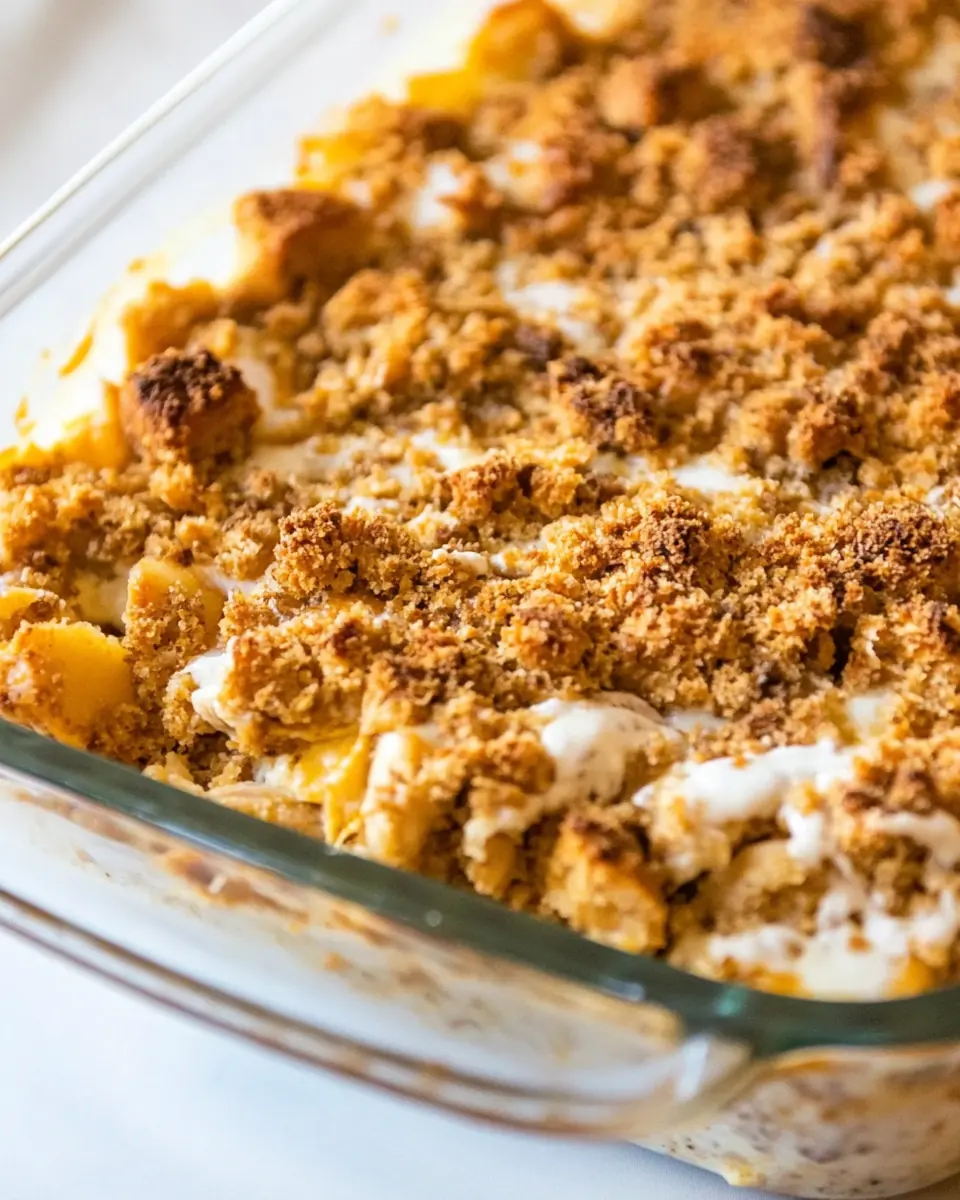
This recipe rewards small attentions. Below are focused tips that extend the dish’s flavor, texture, and reliability. Apply one or two depending on your pantry and schedule.
- Choose even chicken pieces: Trim or butterfly thick chicken breasts so they cook uniformly, preventing dry edges and underdone centers.
- Measure liquids carefully: Combine the canned soup and milk precisely so the sauce is creamy not soupy, which keeps the top from becoming soggy.
- Distribute butter evenly: Drizzle the melted butter over the stuffing mix in a grid to ensure consistent browning across the topping.
- Check with a thermometer: Use an instant read to confirm chicken reaches 165 degrees Fahrenheit, ensuring safety without overcooking.
- Let it rest: After baking, allow the casserole to sit for 10 minutes so the sauce thickens and slices hold their shape when served.
- Swap cheeses cautiously: If substituting the Mozzarella cheese, pick a melting cheese to maintain the gooey layer and avoid quick separation during baking.
What to Serve Alongside Cheesy Chicken Stuffing Casserole
This casserole pairs well with simple, bright sides that cut through the richness. Below are serving ideas, occasions, storage tips, and seasonal pairings to help you plan the whole meal.
- Light green salad: A crisp salad tossed with a tangy vinaigrette offers a refreshing counterpoint to the creamy casserole and brightens the plate.
- Steamed vegetables: Steamed broccoli or green beans complement the dish with vibrant color and subtle crunch, making it suitable for family dinners.
- Comfortable occasions: This casserole is ideal for weeknight family dinners, casual potlucks, or when hosting friends who appreciate a hearty, familiar dish.
- Leftover strategy: Store cooled portions in an airtight container for up to four days and reheat at 350 degrees Fahrenheit until bubbling to revive the crisp top by adding a few minutes under the broiler if needed.
- Seasonal pairing: In winter, pair it with roasted root vegetables and warm spiced drinks, while in spring a lemony salad helps lighten the plate.
- Portioning for gatherings: Double the recipe for larger groups and bake in a 9×13 inch pan, adjusting time upward and checking internal temperature for doneness.
FAQ
Conclusion
This recipe stands out for turning pantry staples into a satisfying, comforting main course that delivers creamy interior and a crunchy golden top. Give it a try when you want an easy, dependable dinner that impresses without stress. The combination of condensed soup, melting cheese, and buttery stuffing offers reliable texture contrast and flavor, making it a weeknight hero or a potluck favorite. I hope you enjoy how effortlessly this casserole fills the kitchen with warm aromas and brings people together around the table.
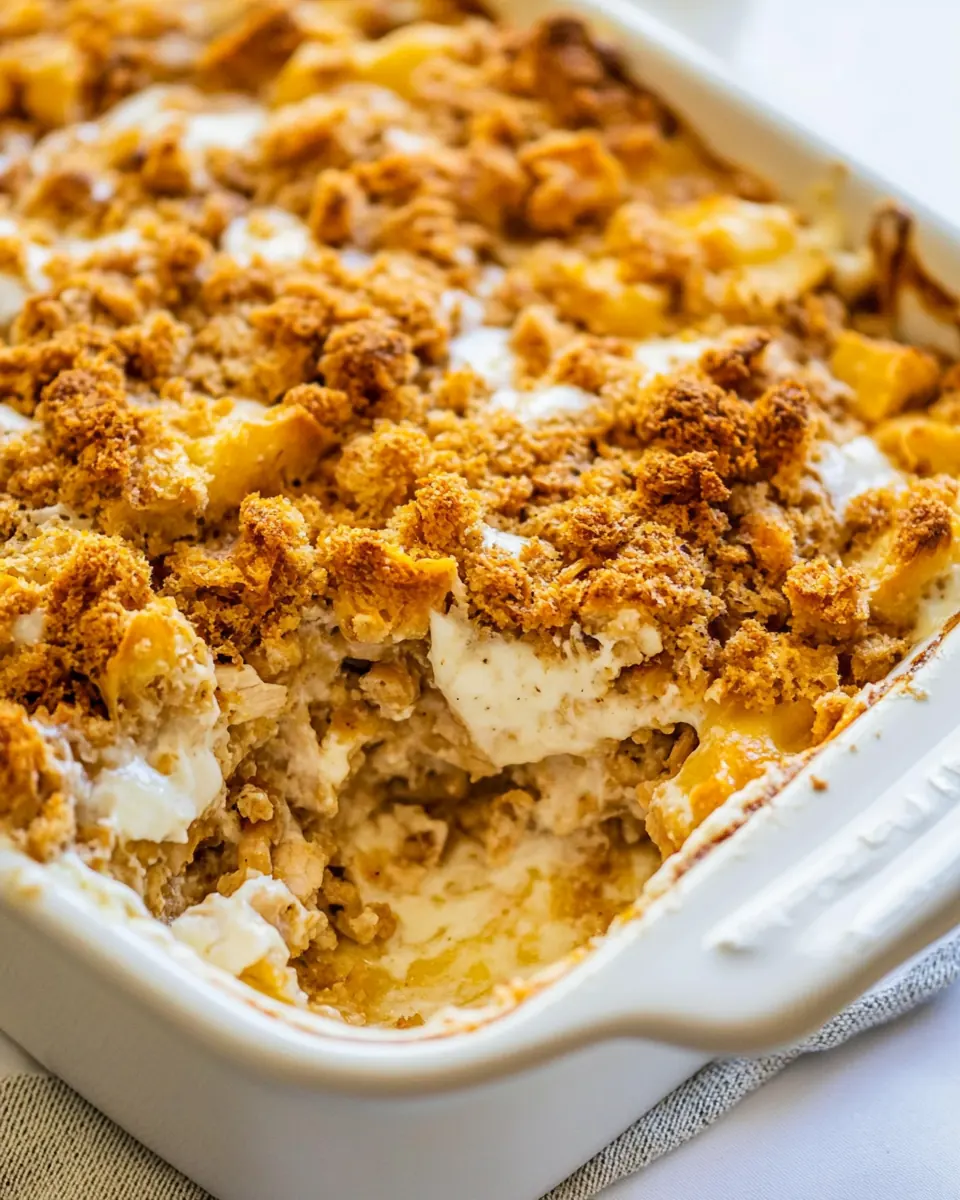
Cheesy Chicken Stuffing Casserole
Ingredients
Equipment
Method
- Preheat oven to 350 degrees Fahrenheit. Spray a square 8×8 inch baking dish and set aside.: As the oven warms, you will notice a gentle warmth in the kitchen and the faint metallic hum of racks heating, which signals the environment is reaching steady heat. Preheating ensures that the casserole begins cooking immediately and the top crisps evenly rather than slowly steaming, which would make the stuffing soggy. A common mistake is sliding the dish into an oven that is not fully preheated, leading to longer cook times and uneven browning. To check readiness, give the oven at least 10 minutes after you set it, and place a rack in the center so heat circulates around the dish.
- In a medium sized mixing bowl mix together milk and cream of chicken soup.: The slick sound and sheen of the cooking spray on the glass are small comforts, and the nonstick coating keeps the baked casserole from sticking to the edges. Using an 8×8 dish creates the right depth for layers to meld while still allowing the top to brown; too deep a dish may lengthen the bake time significantly. Avoid skipping this step because if the casserole clings to the dish, you risk tearing the top when serving. If you do not have a sprayer, rub the dish with a little softened butter to achieve the same effect.
- Place chicken breasts in prepared glass baking dish. Pour chicken soup mixture over chicken breasts. Layer cheese on top and then sprinkle stuffing over the cheese. Pour butter over the stuffing mix.: When you stir the condensed cream of chicken soup into the milk , you should see it loosen into a velvety, glossy sauce with a smooth consistency, and light steam if the milk is warm. This mixture coats the chicken and interacts with the cheese and stuffing to keep everything moist. The reason we mix before pouring is to avoid lumps of undissolved soup in the finished dish, which can create pockets of heavy saltiness. If the sauce looks too thin, let it rest for a minute so the condensed soup absorbs some liquid, and whisk again to achieve a cohesive texture.
- Bake for 1 hour or until chicken is cooked through and stuffing is golden brown.: Lay the chicken breasts flat in the greased dish, giving each piece a little space so heat can flow around them as they cook. You should be able to see the pale pink dull to a slightly glossy surface that will transform in the oven. Proper placement ensures even cooking, whereas stacking or overcrowding leads to inconsistent doneness. If your breasts are unevenly thick, consider pounding them to a uniform thickness to avoid overcooking thin parts while waiting for the thick center to finish.
- Pour chicken soup mixture over chicken breasts: As you pour the sauce, it should pool around and over the chicken , filling the dish without submerging the top completely, which helps keep the meat moist while still allowing the cheese to melt properly. This step matters because the sauce transfers flavor into the chicken and prevents dryness. Be mindful not to over pour, as too much liquid can lead to a soggy topping. If you see excess pooling, spoon some back into the bowl to maintain balance.
- Layer cheese on top and then sprinkle stuffing over the cheese: Lay the slices of Mozzarella cheese evenly across the sauce so they overlap slightly and will melt into a unified blanket, then scatter the dry stuffing mix on top to form a crust. You should hear a soft rustling as the dry stuffing settles, and visually you will get a contrast between the white cheese and the coarse golden crumbs. This layering is essential because the melting cheese anchors the stuffing and creates the crunchy top. A common error is pressing the stuffing firmly into the cheese, which can compress it and prevent air pockets needed for crisping.
- Pour butter over the stuffing mix: Drizzling the warm, glossy melted butter across the top will soak into the bits of stuffing mix and promote browning and toasty aroma. The sizzling scent as the butter hits the hot layer when it first bakes is a good sign the top will crisp. Butter also adds flavor depth, and without it the stuffing may remain pale and soft. Pour evenly and avoid concentrating butter in one spot, which could leave other areas underbrowned.
- Bake for 1 hour or until chicken is cooked through and stuffing is golden brown: During the bake you will see the casserole bubble gently around the edges, hear a soft crackle as moisture escapes, and smell a savory, toasty aroma as the top caramelizes. The center should register an internal temperature of 165 degrees Fahrenheit for safe consumption, and the stuffing mix should be a warm golden brown with crisp edges. This baking period allows flavors to meld and textures to set. A common pitfall is relying solely on visual cues if your oven runs hot or cool; use a thermometer to confirm doneness. If the top is browning too quickly, tent loosely with foil for the final 10 to 15 minutes to prevent burning while the center finishes cooking.
Notes
- Choose even chicken pieces: Trim or butterfly thick chicken breasts so they cook uniformly, preventing dry edges and underdone centers.
- Measure liquids carefully: Combine the canned soup and milk precisely so the sauce is creamy not soupy, which keeps the top from becoming soggy.
- Distribute butter evenly: Drizzle the melted butter over the stuffing mix in a grid to ensure consistent browning across the topping.
- Check with a thermometer: Use an instant read to confirm chicken reaches 165 degrees Fahrenheit, ensuring safety without overcooking.
- Let it rest: After baking, allow the casserole to sit for 10 minutes so the sauce thickens and slices hold their shape when served.
- Swap cheeses cautiously: If substituting the Mozzarella cheese, pick a melting cheese to maintain the gooey layer and avoid quick separation during baking.