Chicken Dumpling Soup
Chicken Dumpling Soup has been my go to comfort bowl on chilly evenings when I want something soothing and honest. The first time I made it was after a long day when I needed warmth that felt homemade, not fussy, and the memory of that steam rising from the pot still warms me on cold nights. I remember pulling the simple ingredients from the fridge and feeling grateful that a few humble pantry staples could make a meal that felt like an embrace.
Over the years I have adjusted little things, learned which textures I love and which I do not, and that tinkering is part of the joy. This version keeps the heart of the recipe intact, with tender chicken and pillowy dumplings that soak up the broth without turning gummy. I like the mix of aromatic onion and sweet carrot, and the tiny pop of peas when you stir a spoonful into your bowl.
Recipe Snapshot
35 mins
15 mins
20 mins
Easy
350 kcal
American
Gluten-Free, Low FODMAP
Soups
Large pot, Wooden spoon
Why We Love This Chicken Dumpling Soup
Comfort that feeds more than hunger
I fell for Chicken Dumpling Soup because it fills that exact need when you want food that soothes. The broth is gentle but flavorful, and the dumplings make every spoonful into a tiny celebration. I know a bowl of this will calm a busy mind and a tired body.
Simple pantry friendly ingredients
I love that the recipe uses basic items you probably already have like flour, butter, and chicken broth. That makes it an easy weeknight option when you need a satisfying meal without a grocery run. I often find the simplest components deliver the most satisfying results because they let each flavor shine.
Texture contrast that matters
The contrast between silky broth, tender chicken, and fluffy dumplings is what keeps me coming back. The dumplings are soft yet structured, not stodgy, and they float invitingly on top of the soup. When done right, they have a light chew that complements the meat and vegetables.
Flexible and forgiving
I appreciate how forgiving this recipe is. If your broth is a little thin, a quick flour slurry can thicken it. If you prefer more vegetables, you can add them without upsetting the balance. That flexibility makes it reliable when you are cooking for different appetites or feeding the family.
Family friendly and nostalgic
This soup is a keeper because it evokes family dinners and quiet Sunday lunches. It travels well from pot to bowl, and leftovers often taste even better the next day, once the flavors have had a moment to settle. I love sharing it with friends because it feels both humble and special.
What You Need for Chicken Dumpling Soup
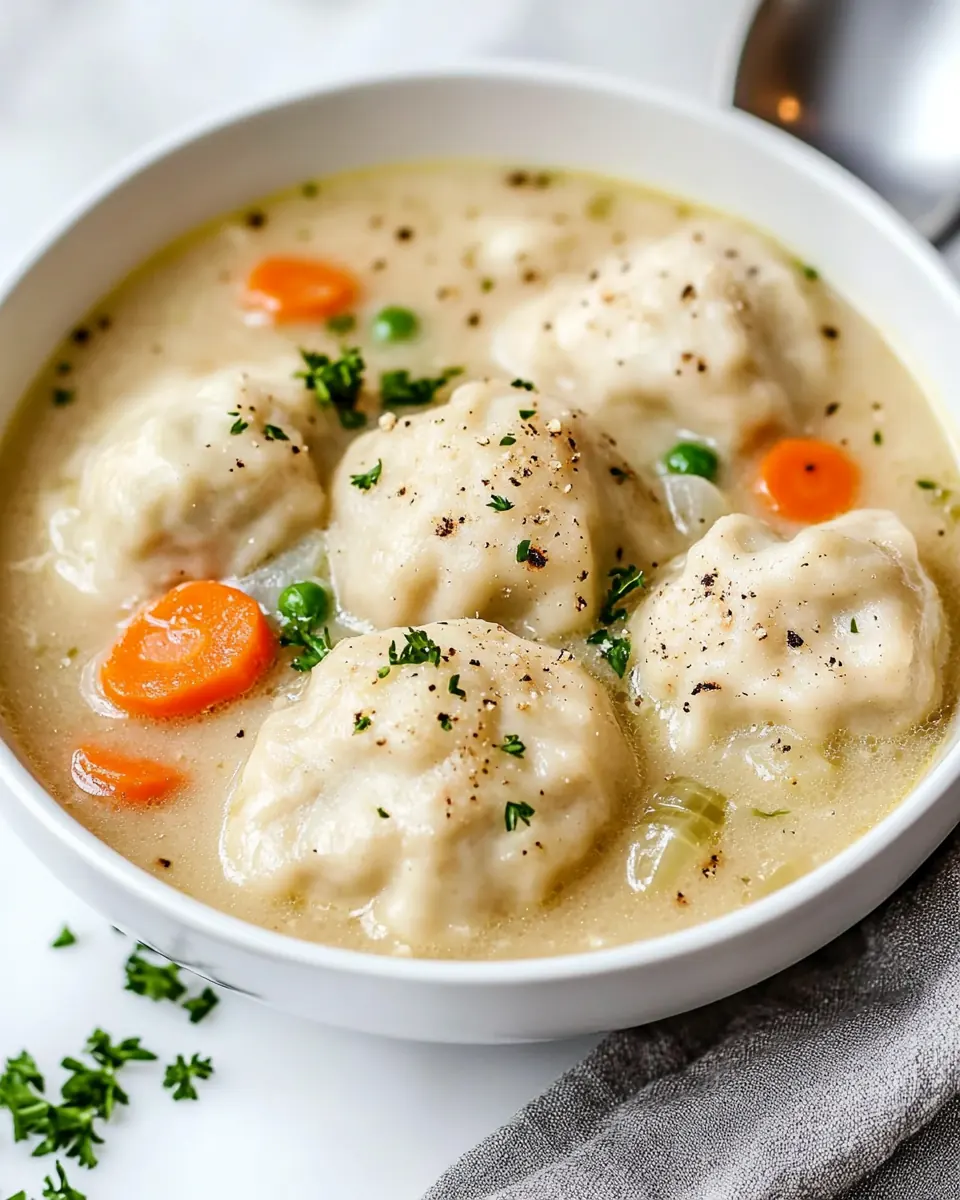
These ingredients come together to form a soup that is balanced between savory broth and tender dumplings. The key players are the chicken and the dumpling dough, while the aromatics like onion and garlic build the base flavor. Butter and flour are doing double duty, creating both flavor and body so the finished soup feels cohesive and comforting.
- 1 tablespoon butter: Melted to provide a rich cooking fat that helps soften aromatics and build the soup's base flavor; contributes a subtle buttery richness to the broth and helps prevent sticking while sautéing.
- 1 cup finely chopped onion: Finely chopped to release sweet, savory notes and form the aromatic foundation of the soup; softens during cooking to add body and a mild sweetness that balances savory elements.
- 3 celery, sliced: Sliced to add a mild, crunchy aromatic and vegetal depth; softens with simmering to contribute texture and a fresh celery flavor that complements the broth.
- 2 large carrots, sliced into thin rounds: Sliced into thin rounds to provide natural sweetness, color, and tender bite; cooks down to enrich the broth with carrot flavor and adds nutritional value.
- 1 teaspoon minced garlic: Minced to infuse a bright, pungent garlic aroma and savory depth; quickly releases flavor when sautéed and enhances overall savory complexity.
- 1 teaspoon kosher salt: Used to season and enhance all flavors throughout the soup; helps draw out other tastes and balances the sweetness of vegetables and richness of stock.
- 1/4 teaspoon pepper: Added to provide moderate heat and subtle complexity; balances the seasoning profile and enhances savory notes without overpowering other flavors.
- 1 teaspoon Italian seasoning: Sprinkled in to lend herbaceous, Mediterranean-inspired flavors and aromatic complexity; enhances the overall savory profile and pairs well with poultry.
- 1/2 cups peas: Stirred in to add pops of sweetness, color, and textural contrast; peas contribute vegetal freshness and small bursts of flavor in each spoonful.
- 1 bay leaf: Simmered with the broth to gently release a subtle herbal, slightly floral flavor that deepens the stock; removed before serving to avoid overpowering the soup.
- 1 pound chicken breast, cut into 1-inch pieces: Cut into 1-inch pieces to supply hearty protein and tender bites; cooks in the broth to infuse the soup with savory chicken flavor and satisfying substance.
- 5 6 cups chicken broth or stock, add extra cup for a thinner soup: Poured in as the primary liquid to create the soup base and concentrate flavors; amount adjusted to control soup thickness and to meld ingredients together.
- 1 cup flour, more for roux: Combined to make dumpling dough and thicken the roux; provides structure and a tender, slightly chewy texture to dumplings when mixed with liquids and leavening.
- 2 teaspoons baking powder: Measured to leaven the dumplings and provide lift; reacting with the wet ingredients yields light, fluffy dumplings that cook through in the simmering broth.
- 1/2 teaspoons salt: Added to season the dumpling dough at a slightly lower level than the soup to ensure balanced taste; helps bring out the flavors in the dough.
- 1/4 teaspoon pepper: Used to season the dumpling dough again for a balanced savory profile; pairs with other seasonings to ensure dumplings are well-flavored after cooking.
- 1/3 cup whole milk or buttermilk, more as needed: Poured in to hydrate the dumpling batter and contribute richness; whole milk or buttermilk adds moisture, fat, and a slightly tangy note if using buttermilk.
- 2 tablespoons butter, slightly melted: Slightly melted and folded into the dumpling dough to add richness and tenderness; enhances flavor and helps create a soft, flaky interior when cooked.
Instructions for Chicken Dumpling Soup
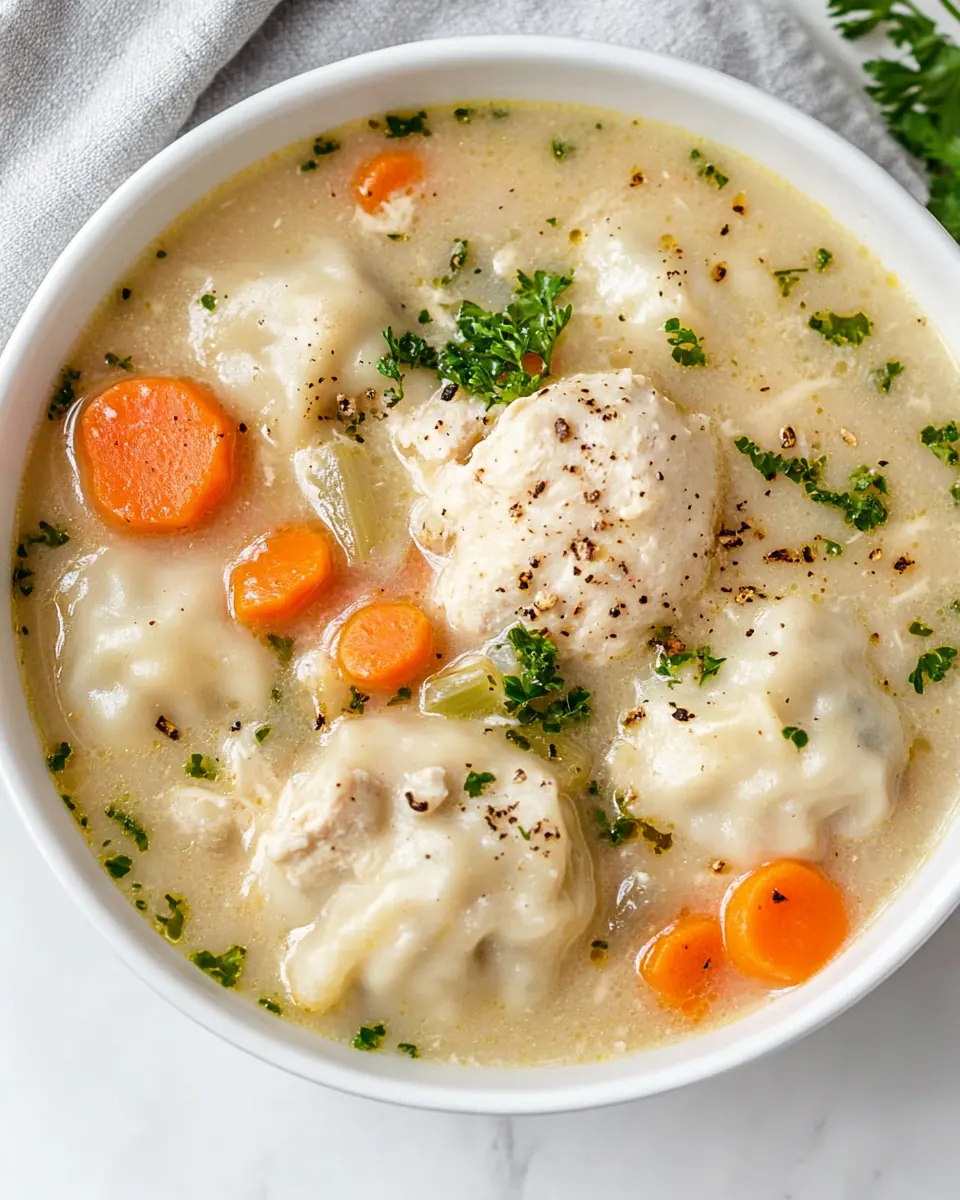
These directions will walk you through from the sizzling aromatics to pillowy dumplings in a comforting broth. I like to keep the mood relaxed, tasting as I go and paying attention to small cues like aroma and texture. Let the pot speak to you as flavors develop.
- Saute: Add 1 Tablespoon butter, 1 cup onions, 2 sliced carrots and 3 sliced celery stalks to a large pot. Allow to cook 2-3 minutes and then add in 1 teaspoon garlic, 1 teaspoon Italian seasoning and S&P to taste. Cook an additional minute. Add in 1 bay leaf, 1 pound chicken cut into pieces, 1/2 cup peas and 5-6 cups broth. Stir until combined and bring to a simmer for 8-10 minutes.: The air will fill with a gentle onion sweetness as the butter melts and the onion , carrot , and celery begin to soften. Listen for a quiet sizzle that turns steady, and watch the onion become translucent, a sign the natural sugars are releasing. The vegetables should smell fragrant and slightly sweet rather than burnt. This technique matters because properly softened aromatics build the base flavor without bitterness, and a common mistake here is rushing the heat, which leads to browned bits that can taste harsh. If you notice any dark browning, lower the heat and stir more frequently so everything sweats gently.
- Seasoning: Salt and pepper to taste. If you'd like to thicken the sauce, simply remove 1/4 cup of liquid from the pot and whisk in 1-2 Tablespoons of flour cornstarch. Then add back to the pot and let simmer a few more minutes.: After the vegetables have softened you will sense a warm herbal note when the garlic and Italian seasoning join the pot. The aromas should pop quickly, so keep the heat modest to avoid burning the garlic , which turns bitter. This brief step is crucial for layering flavor, and a typical error is adding salt only at the end, which can leave the dish underseasoned; taste the broth as it simmers and adjust gradually. If the broth seems thin, remove a small cup of liquid and whisk in a little extra flour or cornstarch until smooth, then stir it back to add body without clumps.
- Make dumplings: While the soup is cooking, whisk together 1 cup flour, 2 teaspoons baking powder, 1/2 teaspoon salt and 1/4 teaspoon pepper. Pour 1/3 cup milk and 2 Tablespoon butter into the flour mixture and use a wooden spoon to mix until combined (it will be a soft dough).: The dough comes together into a soft, slightly sticky mass when you combine flour , baking powder , salt , pepper , milk , and melted butter . You should feel a cohesive, tender dough that holds its shape when scooped. The texture matters because overworked dough can become tough, while underhydrated dough will not cook through evenly. Avoid the common trap of adding too much liquid at once; add it slowly and stop when the dough pulls away from the bowl. If the dough seems too wet, add a dusting of flour .
- Cook dough: Drop small amounts of the dough into the pot (about 1-2 teaspoons per ball), then cover the pot slightly with a lid. Simmer for 10-15 more minutes or until dough is cooked through the center.: When you drop the dumpling pieces into the simmering broth you will hear a soft plop and see them bob gently on the surface. Cover the pot slightly to trap steam, and you should notice a quiet simmer rather than a full boil. The smell at this point becomes cozy and homey, with the broth and dumplings melding together. This technique helps the dumplings steam through for an even, fluffy interior; a common mistake is boiling vigorously, which can break the dumplings apart and make them dense. Keep the heat steady and patient, and check one dumpling by splitting it to ensure it is cooked in the center.
- Serve: Ladle the soup into bowls and serve while warm.: Ladling the soup into bowls releases a final warm aroma of herbs and cooked chicken , and the dumplings present as soft pillows on the surface. Serve while hot so the dumplings are at their tender best. The finishing moment matters because the contrast of warm broth and soft dumplings is at its peak right away; a typical oversight is letting the soup sit too long, which causes dumplings to absorb too much liquid and swell. If you need to hold the soup, keep the dumplings separate and add them back when reheating to preserve texture.
Tips and Tricks about Chicken Dumpling Soup
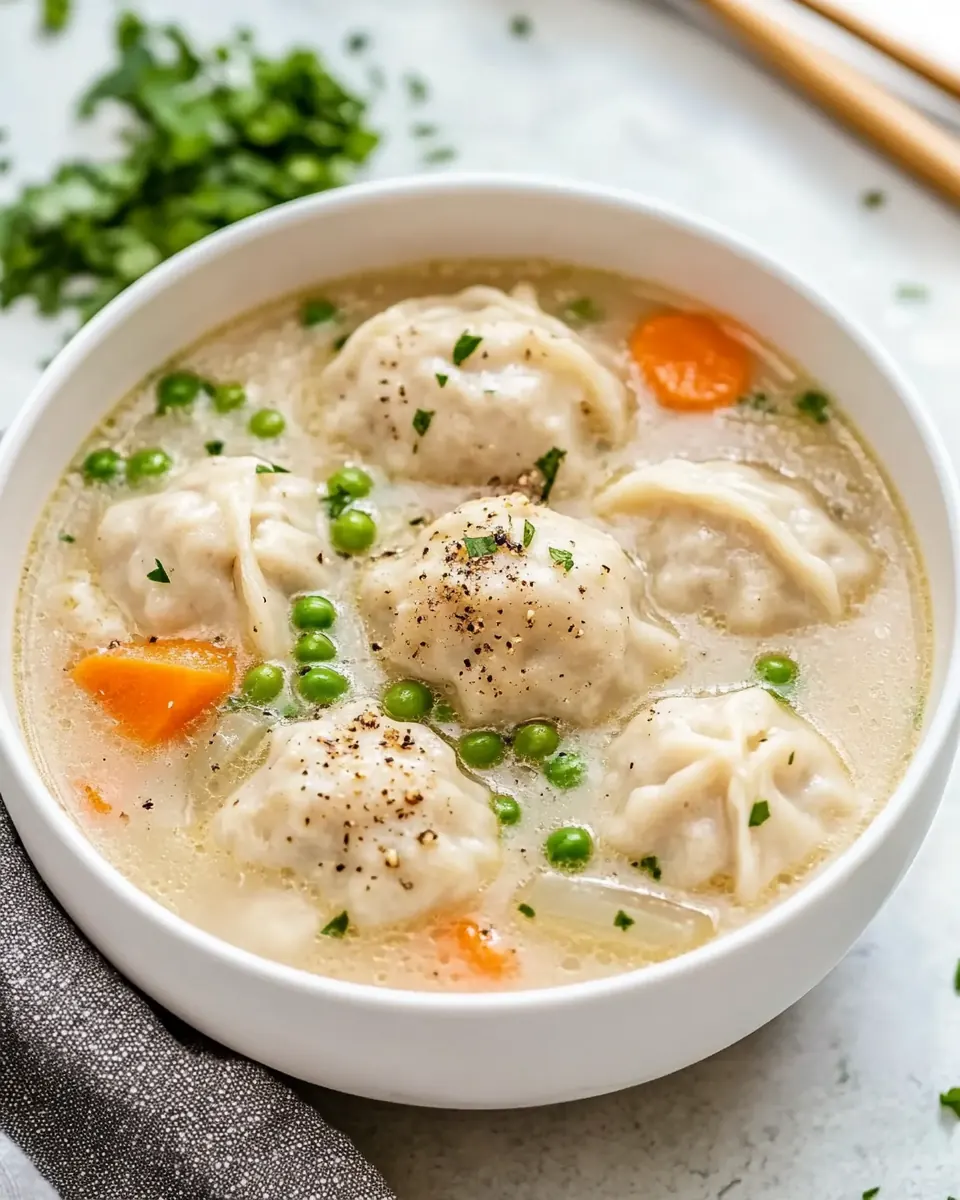
I like to gather small tips that make the process smoother and the result reliably comforting. These pointers reflect things I have learned by doing, tasting, and adjusting over time, helping you avoid little frustrations and enjoy the ritual.
- Start with room temperature milk when mixing the dumpling dough to help it combine more evenly without shocking the leavening into premature action.
- Keep the simmer gentle after adding dumplings so they steam through without breaking apart, a rolling boil will make them fall apart and become dense.
- Use a light hand with stirring once the dumplings are in the pot, excessive movement can cause them to disintegrate and leave a pasty texture in the broth.
- Reserve a little broth before thickening so you can make a smooth slurry, this prevents lumps and gives you control over final thickness.
- Test one dumpling before serving all of them, splitting it reveals if the center is set, preventing undercooked dough in the final bowls.
Great Combinations for Chicken Dumpling Soup
This soup pairs well with simple accompaniments that complement its warmth and comfort. For casual lunches or a cozy dinner, choose light sides and small touches that enhance the bowl without competing with it.
- Crusty bread for dipping into the broth, offering a satisfying textural contrast and a way to scoop up any remaining dumpling pieces.
- Simple green salad with a light vinaigrette to introduce freshness and brightness alongside the warm soup.
- Steamed seasonal vegetables for a heartier meal, roasted or steamed depending on preference and what is in season.
- Family dinner occasions like a relaxed weeknight or a comforting weekend lunch, this soup works well when you want something homey.
- Storage tips keep broth and dumplings separate when refrigerating, storing dumplings in an airtight container preserves texture when reheating.
- Seasonal pairings in winter this soup truly shines, offering warmth and body on cold days when you crave a filling, soothing bowl.
FAQ
Conclusion
This recipe is special because it combines a savory, well seasoned broth with tender chicken and airy dumplings that make every spoonful comforting and satisfying. Give it a try on a chilly evening or whenever you need a bowl that feels both simple and nurturing, and let the small rituals of stirring and simmering bring you calm. I hope it becomes one of those recipes you reach for often, bringing warmth to quiet nights and smiles around the table.
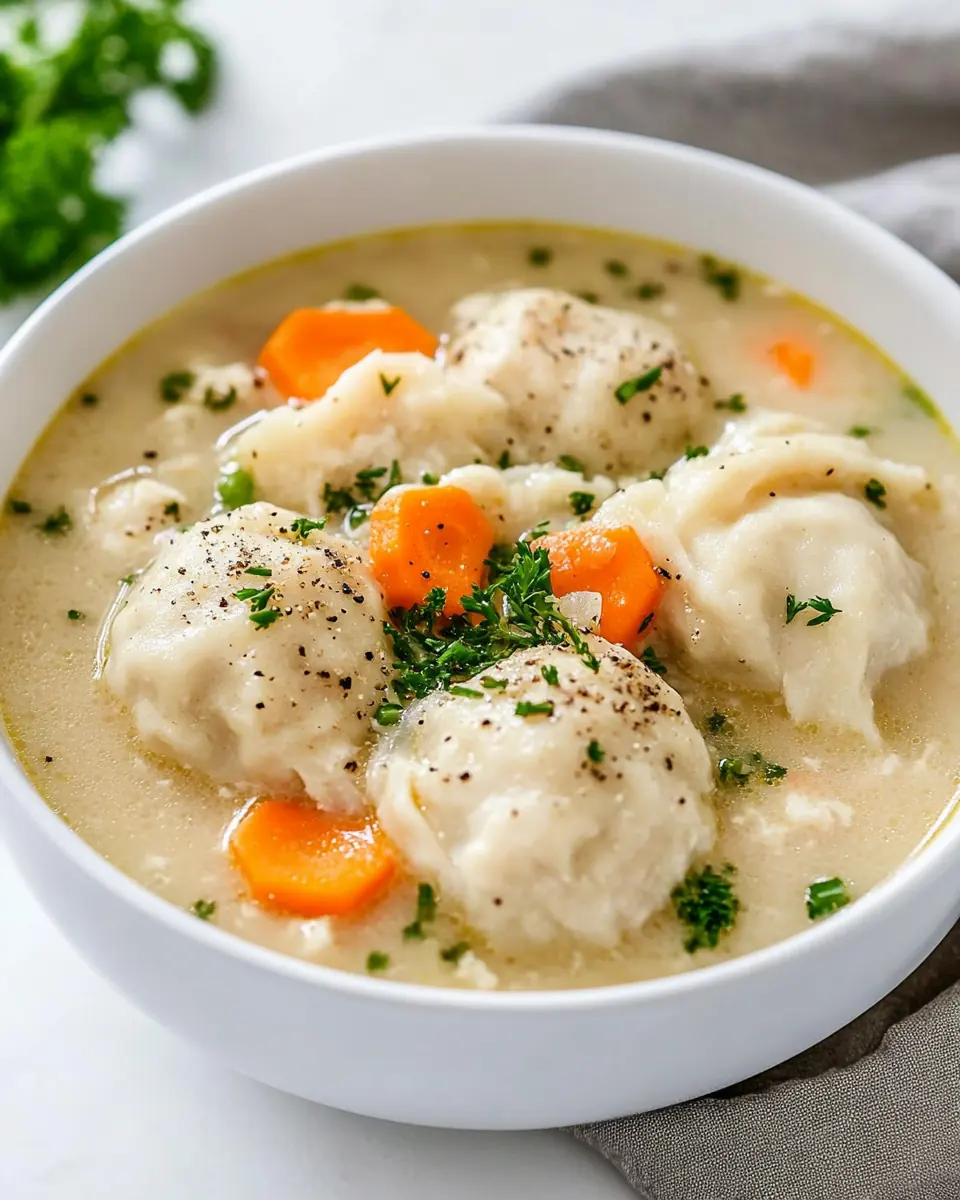
Chicken Dumpling Soup
Ingredients
Equipment
Method
- Saute: Add 1 Tablespoon butter, 1 cup onions, 2 sliced carrots and 3 sliced celery stalks to a large pot. Allow to cook 2-3 minutes and then add in 1 teaspoon garlic, 1 teaspoon Italian seasoning and S&P to taste. Cook an additional minute. Add in 1 bay leaf, 1 pound chicken cut into pieces, 1/2 cup peas and 5-6 cups broth. Stir until combined and bring to a simmer for 8-10 minutes.: The air will fill with a gentle onion sweetness as the butter melts and the onion , carrot , and celery begin to soften. Listen for a quiet sizzle that turns steady, and watch the onion become translucent, a sign the natural sugars are releasing. The vegetables should smell fragrant and slightly sweet rather than burnt. This technique matters because properly softened aromatics build the base flavor without bitterness, and a common mistake here is rushing the heat, which leads to browned bits that can taste harsh. If you notice any dark browning, lower the heat and stir more frequently so everything sweats gently.
- Seasoning: Salt and pepper to taste. If you'd like to thicken the sauce, simply remove 1/4 cup of liquid from the pot and whisk in 1-2 Tablespoons of flour cornstarch. Then add back to the pot and let simmer a few more minutes.: After the vegetables have softened you will sense a warm herbal note when the garlic and Italian seasoning join the pot. The aromas should pop quickly, so keep the heat modest to avoid burning the garlic , which turns bitter. This brief step is crucial for layering flavor, and a typical error is adding salt only at the end, which can leave the dish underseasoned; taste the broth as it simmers and adjust gradually. If the broth seems thin, remove a small cup of liquid and whisk in a little extra flour or cornstarch until smooth, then stir it back to add body without clumps.
- Make dumplings: While the soup is cooking, whisk together 1 cup flour, 2 teaspoons baking powder, 1/2 teaspoon salt and 1/4 teaspoon pepper. Pour 1/3 cup milk and 2 Tablespoon butter into the flour mixture and use a wooden spoon to mix until combined (it will be a soft dough).: The dough comes together into a soft, slightly sticky mass when you combine flour , baking powder , salt , pepper , milk , and melted butter . You should feel a cohesive, tender dough that holds its shape when scooped. The texture matters because overworked dough can become tough, while underhydrated dough will not cook through evenly. Avoid the common trap of adding too much liquid at once; add it slowly and stop when the dough pulls away from the bowl. If the dough seems too wet, add a dusting of flour .
- Cook dough: Drop small amounts of the dough into the pot (about 1-2 teaspoons per ball), then cover the pot slightly with a lid. Simmer for 10-15 more minutes or until dough is cooked through the center.: When you drop the dumpling pieces into the simmering broth you will hear a soft plop and see them bob gently on the surface. Cover the pot slightly to trap steam, and you should notice a quiet simmer rather than a full boil. The smell at this point becomes cozy and homey, with the broth and dumplings melding together. This technique helps the dumplings steam through for an even, fluffy interior; a common mistake is boiling vigorously, which can break the dumplings apart and make them dense. Keep the heat steady and patient, and check one dumpling by splitting it to ensure it is cooked in the center.
- Serve: Ladle the soup into bowls and serve while warm.: Ladling the soup into bowls releases a final warm aroma of herbs and cooked chicken , and the dumplings present as soft pillows on the surface. Serve while hot so the dumplings are at their tender best. The finishing moment matters because the contrast of warm broth and soft dumplings is at its peak right away; a typical oversight is letting the soup sit too long, which causes dumplings to absorb too much liquid and swell. If you need to hold the soup, keep the dumplings separate and add them back when reheating to preserve texture.
Notes
- Start with room temperature milk when mixing the dumpling dough to help it combine more evenly without shocking the leavening into premature action.
- Keep the simmer gentle after adding dumplings so they steam through without breaking apart, a rolling boil will make them fall apart and become dense.
- Use a light hand with stirring once the dumplings are in the pot, excessive movement can cause them to disintegrate and leave a pasty texture in the broth.
- Reserve a little broth before thickening so you can make a smooth slurry, this prevents lumps and gives you control over final thickness.
- Test one dumpling before serving all of them, splitting it reveals if the center is set, preventing undercooked dough in the final bowls.