Hot Fudge Pudding Cake
Hot Fudge Pudding Cake is one of those desserts that always makes an entrance at our table, the kind that pulls everyone to the kitchen with the first warm, chocolatey steam. I remember the first time I served this after a blustery day in winter, when we needed something comforting, rich, and effortless. The moment I lifted the lid, the aroma of cocoa powder and brown sugar filled the room, and people simply lingered, talking slower and smiling wider.
That afternoon I was short on time but wanted a dessert that felt made with love. The texture is what gets me every time the top bakes into a tender, cake like layer while a glossy, spoonable pudding forms underneath. It’s playful and comforting, and it freezes my most stubborn doubters into people who quietly ask for seconds. I like to serve it warm, with the sauce spooned over each portion, because the contrast between the slightly crisp top and the molten pudding sauce below is impossible to resist.
We often turn this into a small ritual, where one person cuts the first square while another drizzles the sauce, and someone always offers to wash the dish. The recipe is forgiving, which is why I reach for it on busy evenings and casual dinner parties. It’s simple enough that you can chat while assembling, but the resulting dessert tastes like you spent far more time fussing over it than you did. And honestly, seeing that glossy sauce ripple when you spoon it out never gets old.
Recipe Snapshot
50 mins
10 mins
40 mins
Medium
300 kcal
American
Gluten-Free, Low FODMAP
Desserts
Mixing bowl, Rubber spatula, 8 or 9 inch square baking dish, Measuring cups and spoons
What We Adore About This Hot Fudge Pudding Cake
Decadent contrast of textures
I love how Hot Fudge Pudding Cake delivers a delicate cake top with a silky pudding underlayer. I often tell friends that it behaves like two desserts in one, because the gentle crumb above and the saucy, chocolatey layer below create a textural duet. That contrast keeps each bite interesting, and it reads luxurious without the effort.
Speed without compromise
We don’t always have hours for dessert, and this recipe proves speed can still equal depth of flavor. From my kitchen to yours, it’s reassuring to make something that looks and tastes indulgent but comes together quickly. I value recipes that respect time yet reward with big flavors.
Minimal, pantry friendly ingredients
I reach for this when my pantry needs to be creative. The core players are everyday staples, and they cooperate beautifully. I’ve made this late at night with whatever I had on hand, and it still delivered. That makes it a reliable go to for hosting without stress.
Comfort food with an elegant finish
There’s something about serving warm chocolate sauce that reads like comfort and ceremony at once. I like that it can be casual for family or slightly dressed up for guests. The presentation is effortless, yet the experience feels elevated because of the hot, glossy sauce and tender cake.
Flexible and forgiving
I appreciate a recipe that forgives tiny errors, and this one does. Whether your pan is 8 or 9 inches, or your stirring is rustic, the dessert still turns out well. That forgiving nature makes it a staple in my repertoire when I want a reliable, crowd pleasing finish to a meal.
What’s In This Hot Fudge Pudding Cake
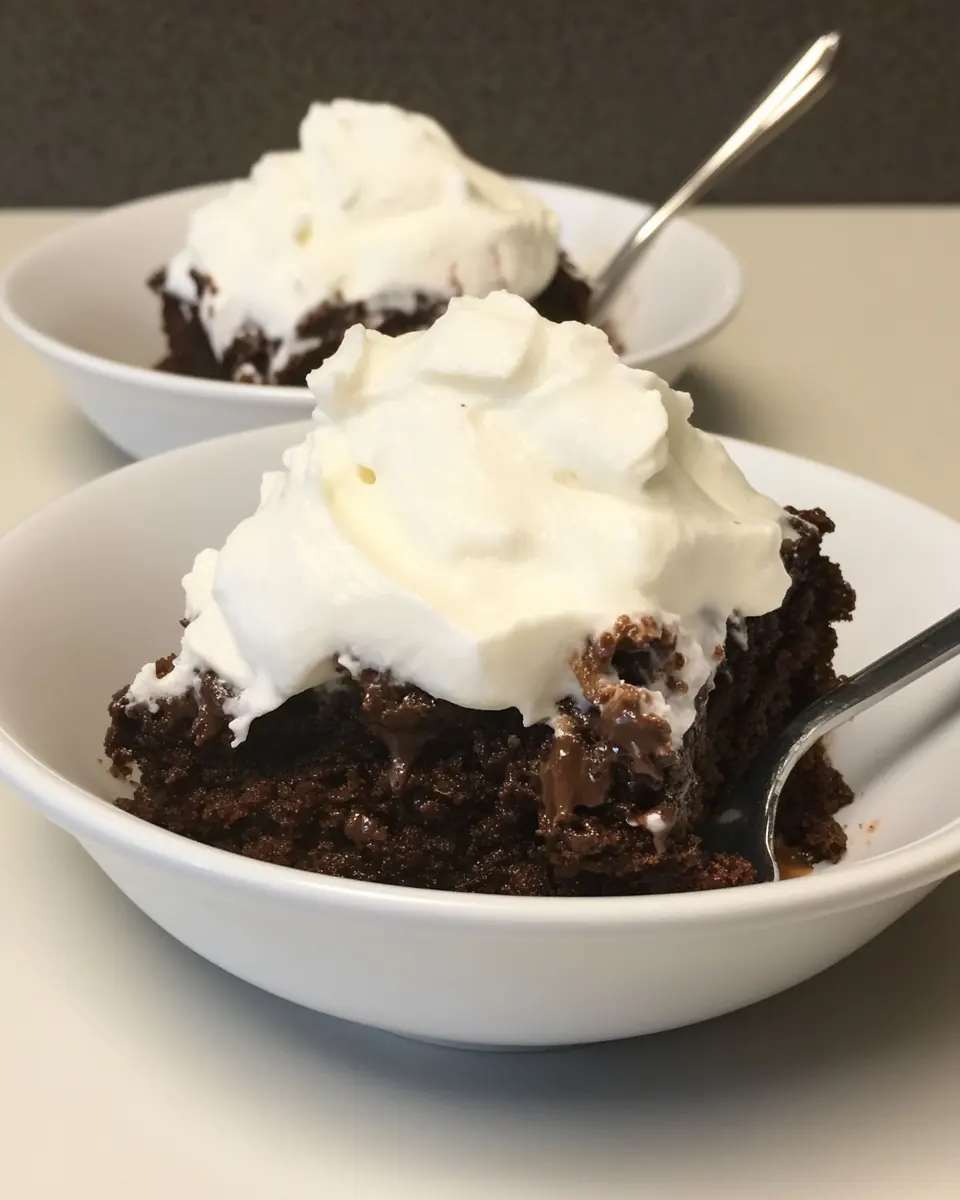
The philosophy behind these ingredients is simple, it’s balance. A tender cake top needs structure from all purpose flour and lift from baking powder, while granulated sugar and light brown sugar provide sweetness and depth. The two kinds of cocoa powder serve different roles, one integrated into the batter for chocolate flavor, another sitting on the surface to become molten sauce when hot water is added. A touch of salt sharpens the chocolate, while milk, vegetable oil, and vanilla extract bring moisture and richness. Optional chopped walnuts add crunch for contrast. Together they create a simple chemistry that yields that split personality of cakey top and pudding below.
- 1 cup (125 g) all-purpose flour: Provides structure and bulk to the cake batter, contributing gluten and starch for a tender crumb when combined with liquids and leavening agents. Sifts smoothly into dry mixes and helps trap air during mixing to give the pudding cake its body. Pairs with sugar and cocoa to form the cake's foundation and balances moisture from milk and oil.
- 3/4 cup (150 g) granulated sugar: Adds sweetness and assists with browning and moisture retention in the cake, helping to create a tender texture and rich flavor. Dissolves into the batter to feed yeast-free chemical leaveners and encourages caramelization on the surface during baking. Works alongside brown sugar to create layered sweetness between cake and sauce.
- 2 tablespoons unsweetened cocoa powder: Contributes cocoa flavor and deep chocolate notes, enhancing the overall chocolate profile of the cake. Helps color the batter and slightly dries the mixture, intensifying chocolate aroma when combined with liquids. Blends with both sugars to produce a balanced bittersweet taste in the finished pudding.
- 2 teaspoons baking powder: Leavens the batter by producing carbon dioxide when activated, providing lift and a light, tender crumb to the cake. Balances with acidic elements in the recipe to ensure proper rise without off-flavors. Should be evenly distributed in the dry ingredients to avoid uneven pockets of lift.
- 1/4 teaspoon (0.25 teaspoon) salt: Enhances flavor by balancing sweetness and strengthening gluten development slightly, while also supporting chemical leaveners. Maintains the brightness of the cake and helps control fermentation in recipes that include dairy. Requires accurate measurement because small amounts significantly affect overall taste.
- 1/2 cup (122 ml) whole milk: Adds moisture and richness to the batter while contributing to the cake's tenderness through its fat and protein content. Reacts with leavening agents and interacts with flour to form the crumb structure; warms slightly accelerates mixing. Can be swapped for other milks but will alter richness and final texture.
- 2 tablespoons vegetable oil: Provides fat that tenderizes the cake crumb and improves mouthfeel, helping create a moist texture that complements the pudding sauce. Blends with liquids to create an emulsion that aids in even baking and richness. Neutral in flavor so it does not compete with chocolate notes.
- 1 teaspoon vanilla extract: Imparts aromatic sweet vanilla notes that enhance the overall flavor profile and round out the sweetness. Small quantity concentrates flavor and pairs well with chocolate to add depth and complexity. Stirred into the batter late to preserve volatile aromatic compounds.
- 1 cup (117 g) chopped walnuts (optional): Adds crunchy texture and nutty flavor when included, offering contrast to the soft pudding and cake layers. Can be toasted to intensify flavor and folded into batter for even distribution. Optional inclusion provides variation in mouthfeel and additional richness from natural oils.
- 3/4 cup (165 g) light brown sugar: Contributes deep, caramel-like sweetness that enriches the sauce layer and enhances moistness when combined with hot water. Dissolves to form a rich syrup beneath the cake layer during baking, creating the signature hot fudge effect. Balances granulated sugar to produce layered sweetness and texture.
- 1/4 cup (21.5 g) unsweetened cocoa powder: Creates intense, dark chocolate flavor in the sauce layer while darkening and enriching the pudding beneath the cake. Mixes with brown sugar and hot water to make a concentrated chocolate sauce that permeates the baked dessert. Adds a more robust cocoa presence than the lighter cocoa in the batter.
- 1 1/2 cups (375 ml) hot water: Forms the hot fudge sauce when poured over dry ingredients, extracting sugars and cocoa into a thin, glossy syrup that floods under the cake. Provides the hot liquid necessary to activate the pudding effect during baking, creating distinct cake and sauce layers. Must be very hot to properly dissolve sugars and infuse chocolate flavor.
Cooking Method for Hot Fudge Pudding Cake
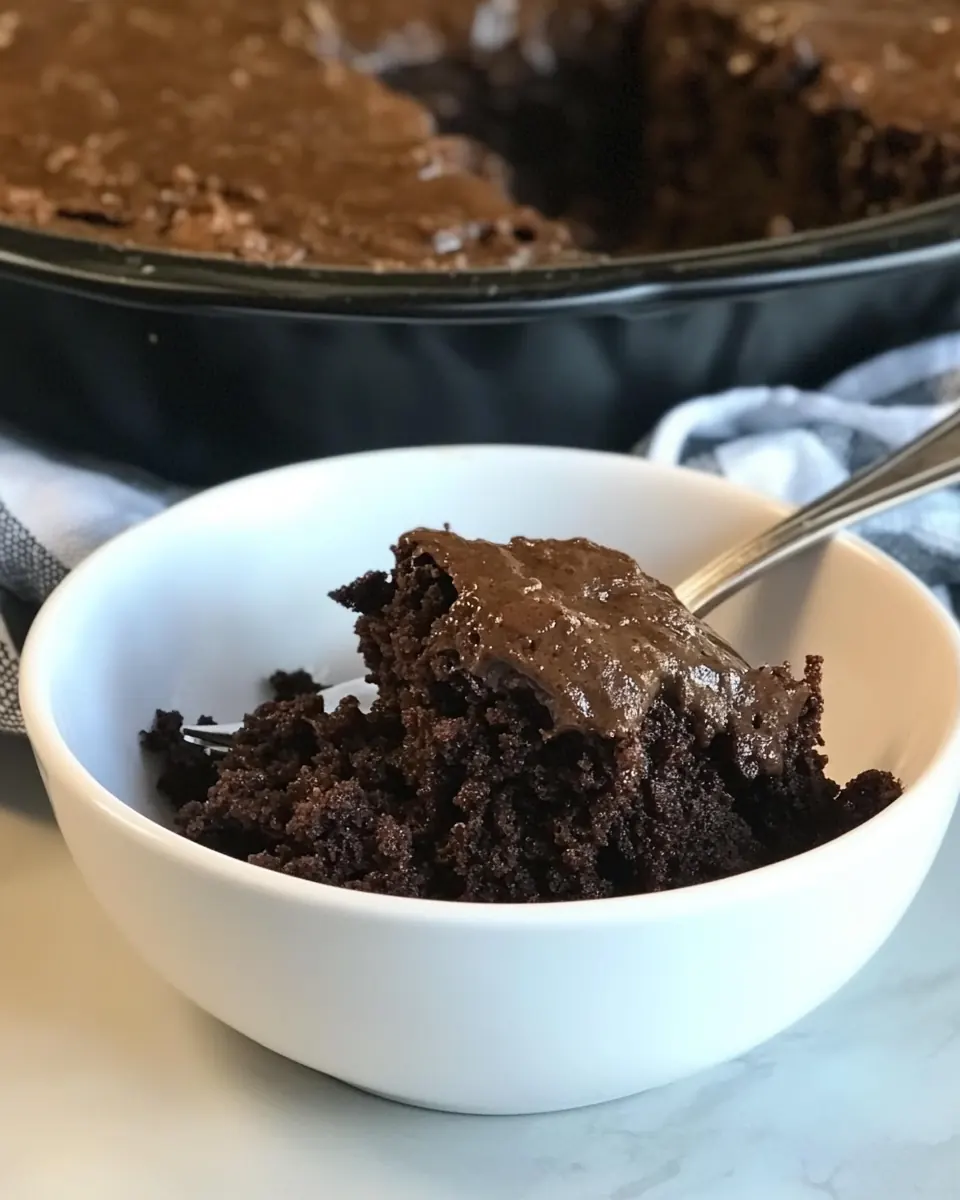
This method walks you through the simple, hands on process that produces a tender top and rich pudding below. I like to work confidently and steadily, paying attention to the sensory cues as I go. Keep your bowls and spatula handy, because timing and even distribution matter when building the layers that make this dessert sing.
- Preheat oven to 350 degrees F. Butter an 8 or 9-inch square baking dish; set aside.: The oven preheating creates consistent heat so the top begins to set as soon as it goes in, producing that tender, domed surface. You should feel the warmth against your face when you open the oven, and the scent of warm metal is a small comfort that signals readiness. Buttering the dish prevents sticking and adds a slight richness around the edges, which will brown pleasantly. A common mistake is placing the dish into an oven that has not fully preheated, this leads to uneven rise and a denser cake. Also, use a sturdy pan and check for hot spots in older ovens to prevent lopsided baking. I make sure the dish is centered in the oven for even heat circulation.
- In a medium bowl, whisk together the flour, sugar, cocoa powder, baking powder and salt. Add to the dry mixture the milk, vegetable oil, vanilla and walnuts (if using). Stir with a rubber spatula until combined and spread into an even layer in the prepared pan.: As you whisk the dry ingredients, you should notice a uniform, cocoa dusted color and a faint chocolate scent that deepens when the wet ingredients join. Stirring with a rubber spatula helps you fold gently rather than overwork the batter, preserving tenderness. The batter should be smooth, slightly thick yet pourable, and when spread the surface should look even and free of large air pockets. A common error here is over mixing which develops gluten and leads to a tougher top. I take my time to scrape the bowl sides and press the batter into the corners so the final layer bakes evenly.
- In a small bowl, combine the brown sugar and cocoa powder, and sprinkle over the batter (do not stir!!). Pour the hot water evenly over the cake (do not stir!!).: When you mix the brown sugar and surface cocoa, the aroma becomes molasses sweet and deeply chocolatey, hinting at the sauce to come. Sprinkling this blend evenly is crucial so the sauce forms uniformly; you should see a light, textured dusting across the batter. Pouring hot water makes a hissing whisper as it hits the pan, and steam immediately rises, carrying warm chocolate scents. The heat dissolves the sugar into the water, allowing the sauce to form beneath the cake. A typical mistake is stirring after pouring, which prevents the pudding from separating and can ruin the texture. I pour the water in a steady, even stream to avoid displacing the sugar layer and to ensure consistent sauce formation.
- Bake for 40 to 45 minutes (40 minutes if using 9-inch pan, 45 minutes if using an 8-inch pan) and serve warm. When serving, invert the cake squares onto the plate; the pudding sauce will be on top.: As the dessert bakes you will notice the top taking on a matte, slightly crackled appearance while the edges deepen in color. The kitchen fills with an intensified chocolate aroma and a faint caramel scent from the brown sugar. Tap the top lightly, and it should feel set with a slight spring, not wet. The timing difference between pan sizes matters because a smaller pan creates a thicker top that needs more time to set without burning. Avoid over baking, which can dry the pudding and make the top overly firm. When you invert the squares, steam and glossy sauce will mingle over the top, creating that dramatic puddling effect. I let the pan cool briefly so the sauce is hot but not scalding when served.
Helpful Notes about Hot Fudge Pudding Cake
This section expands practical notes into full tips that help you get predictable results every time. I focus on what I repeatedly see people ask about, and I highlight the key action at the start of each tip so you can scan quickly while you work.
- Room temperature components: Bringing the milk to room temperature helps the batter blend smoothly and encourages even baking, which prevents a gummy center.
- Even sprinkling: Sprinkle the brown sugar and surface cocoa powder evenly so the sauce forms uniformly, otherwise you can get dry spots or overly concentrated sauce in one area.
- Pour carefully: Pour the hot water in a steady, even stream to activate the sauce layer, and avoid splashing the pan rim which can cause burning during baking.
- Pan size matters: Use an 8 inch pan for a thicker pudding layer and 9 inch for a slightly thinner top, and adjust bake time according to the thickness to avoid under baking or drying out.
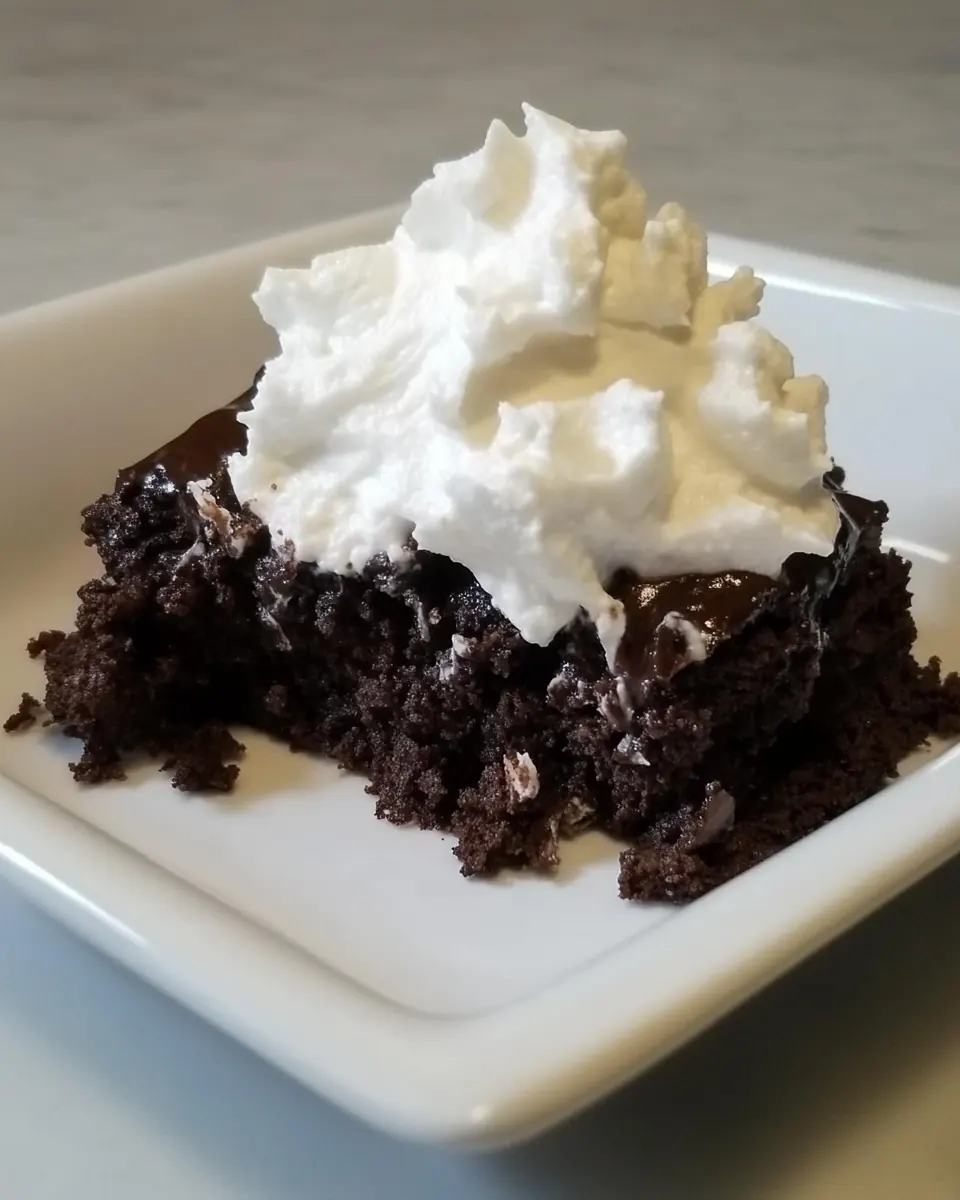
- Serve warm: This dessert sings when served warm so the sauce is glossy and spoonable, cooling will thicken the sauce and change the mouthfeel.
- Storage: Store leftovers covered in the refrigerator for up to three days and reheat gently in the oven to restore the sauce fluidity before serving.
Pairing Suggestions for Hot Fudge Pudding Cake
This dessert pairs beautifully with simple accompaniments that balance its richness. I suggest light, bright elements or contrasting textures to keep each bite lively. The ideas below are practical for casual dinners, holiday gatherings, or cozy evenings in winter.
- Simple whipped cream: A dollop of lightly sweetened whipped cream adds airiness and a creamy contrast that lifts each bite.
- Fresh berries: Tart berries such as raspberries or strawberries cut through the chocolate richness and add a fresh, seasonal note.
- Vanilla ice cream: A scoop of cold vanilla ice cream offers temperature contrast and a creamy foil to the hot sauce, perfect for serving to guests.
- Cheese board alternative: For a post dessert pause, serve small slices of mild cheese alongside crackers to transition from sweet to savory for lingering conversation.
- Occasions: This dessert works for casual weeknight dinners, holiday gatherings in winter, potlucks where you need something transportable, and intimate dinners when you want comfort without fuss.
- Storage tips: Keep leftovers covered in the fridge for up to three days and reheat in a low oven to return the sauce to spoonable consistency before serving.
- Seasonal tweaks: Add a few toasted nuts on top for autumn and winter gatherings to bring warmth and crunch to each portion.
FAQ
Conclusion
What makes this recipe special is its ability to deliver a dramatic, restaurant worthy dessert using simple pantry staples and a straightforward method. It balances a tender, cake like top with a warm, spoonable chocolate pudding, giving you a comforting, crowd pleasing finale with minimal fuss. I encourage you to try it the next time you want a dessert that feels indulgent but is surprisingly quick to assemble. Serve it warm, watch it disappear, and enjoy the satisfied smiles around your table.
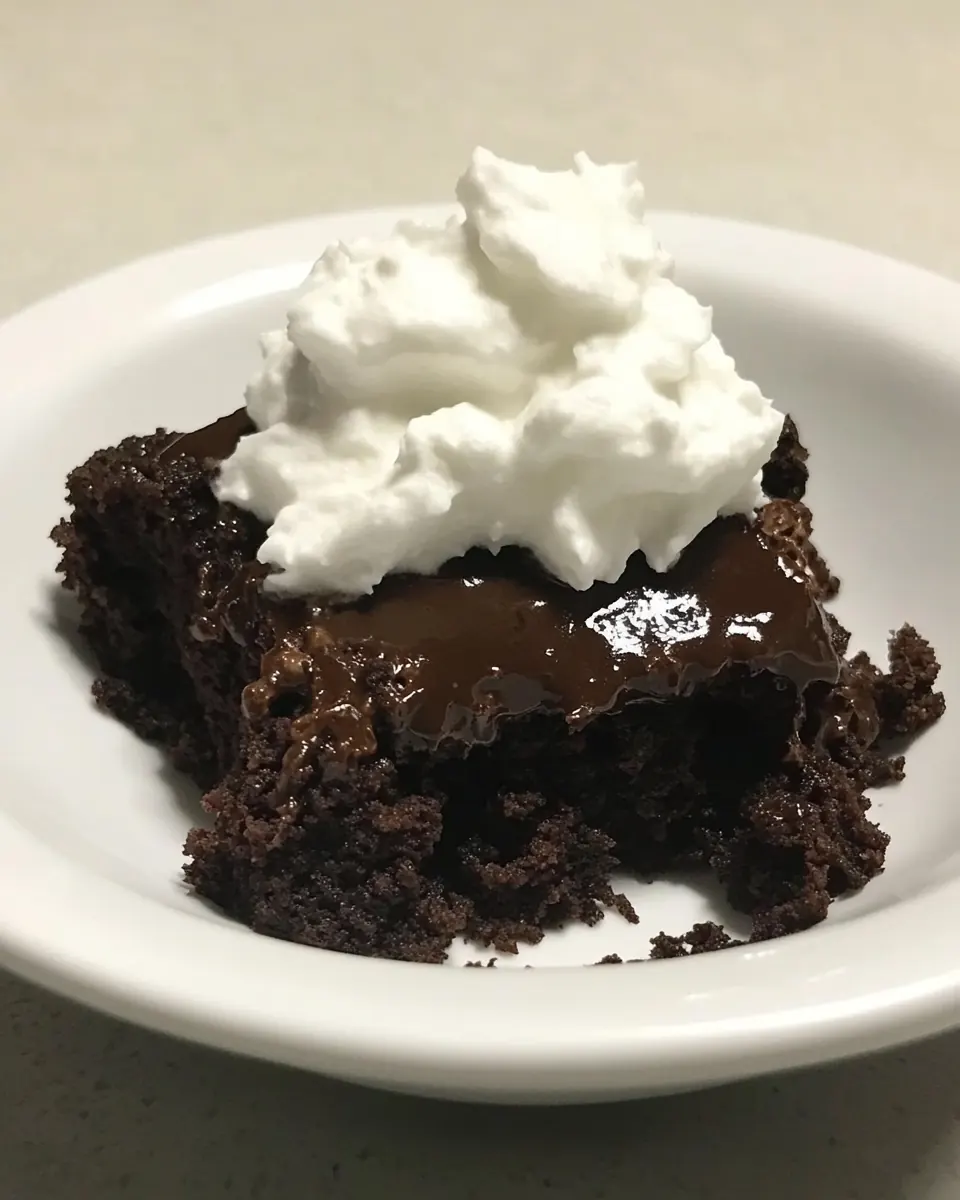
Hot Fudge Pudding Cake
Ingredients
Equipment
Method
- Preheat oven to 350 degrees F. Butter an 8 or 9-inch square baking dish; set aside.: The oven preheating creates consistent heat so the top begins to set as soon as it goes in, producing that tender, domed surface. You should feel the warmth against your face when you open the oven, and the scent of warm metal is a small comfort that signals readiness. Buttering the dish prevents sticking and adds a slight richness around the edges, which will brown pleasantly. A common mistake is placing the dish into an oven that has not fully preheated, this leads to uneven rise and a denser cake. Also, use a sturdy pan and check for hot spots in older ovens to prevent lopsided baking. I make sure the dish is centered in the oven for even heat circulation.
- In a medium bowl, whisk together the flour, sugar, cocoa powder, baking powder and salt. Add to the dry mixture the milk, vegetable oil, vanilla and walnuts (if using). Stir with a rubber spatula until combined and spread into an even layer in the prepared pan.: As you whisk the dry ingredients, you should notice a uniform, cocoa dusted color and a faint chocolate scent that deepens when the wet ingredients join. Stirring with a rubber spatula helps you fold gently rather than overwork the batter, preserving tenderness. The batter should be smooth, slightly thick yet pourable, and when spread the surface should look even and free of large air pockets. A common error here is over mixing which develops gluten and leads to a tougher top. I take my time to scrape the bowl sides and press the batter into the corners so the final layer bakes evenly.
- In a small bowl, combine the brown sugar and cocoa powder, and sprinkle over the batter (do not stir!!). Pour the hot water evenly over the cake (do not stir!!).: When you mix the brown sugar and surface cocoa, the aroma becomes molasses sweet and deeply chocolatey, hinting at the sauce to come. Sprinkling this blend evenly is crucial so the sauce forms uniformly; you should see a light, textured dusting across the batter. Pouring hot water makes a hissing whisper as it hits the pan, and steam immediately rises, carrying warm chocolate scents. The heat dissolves the sugar into the water, allowing the sauce to form beneath the cake. A typical mistake is stirring after pouring, which prevents the pudding from separating and can ruin the texture. I pour the water in a steady, even stream to avoid displacing the sugar layer and to ensure consistent sauce formation.
- Bake for 40 to 45 minutes (40 minutes if using 9-inch pan, 45 minutes if using an 8-inch pan) and serve warm. When serving, invert the cake squares onto the plate; the pudding sauce will be on top.: As the dessert bakes you will notice the top taking on a matte, slightly crackled appearance while the edges deepen in color. The kitchen fills with an intensified chocolate aroma and a faint caramel scent from the brown sugar. Tap the top lightly, and it should feel set with a slight spring, not wet. The timing difference between pan sizes matters because a smaller pan creates a thicker top that needs more time to set without burning. Avoid over baking, which can dry the pudding and make the top overly firm. When you invert the squares, steam and glossy sauce will mingle over the top, creating that dramatic puddling effect. I let the pan cool briefly so the sauce is hot but not scalding when served.
Notes
- Room temperature components: Bringing the milk to room temperature helps the batter blend smoothly and encourages even baking, which prevents a gummy center.
- Even sprinkling: Sprinkle the brown sugar and surface cocoa powder evenly so the sauce forms uniformly, otherwise you can get dry spots or overly concentrated sauce in one area.
- Pour carefully: Pour the hot water in a steady, even stream to activate the sauce layer, and avoid splashing the pan rim which can cause burning during baking.
- Pan size matters: Use an 8 inch pan for a thicker pudding layer and 9 inch for a slightly thinner top, and adjust bake time according to the thickness to avoid under baking or drying out.
- Serve warm: This dessert sings when served warm so the sauce is glossy and spoonable, cooling will thicken the sauce and change the mouthfeel.
- Storage: Store leftovers covered in the refrigerator for up to three days and reheat gently in the oven to restore the sauce fluidity before serving.