Classic Chicken Soup
Classic Chicken Soup has been my go to comfort for long winter nights, the kind of dish that soothes a scratchy throat and warms the whole house. I remember the first pot I made for my family after a late shift, how the kitchen filled with the gentle steam of simmering broth and the bright scent of fresh herbs. That evening taught me that good soup is more than food, it is a small ritual that brings people together.
Over the years I have learned to listen to the pot, to watch for the right hush of a simmer, and to trust simple ingredients to do most of the work. When I make Classic Chicken Soup I like to keep the steps straightforward, so the real flavors of chicken, carrots, and celery can shine. There is comfort in repetition, but I also enjoy little variations, like adding a squeeze of lemon at the end for brightness or a handful of chopped dill as a finishing touch.
Family memories, practical weeknight feeding, and the quiet pleasure of ladling steaming bowls are what keep me coming back to this recipe. Whether you are nursing someone back to health or pulling together an easy dinner, Classic Chicken Soup is forgiving, flexible, and deeply satisfying. It’s the kind of recipe you learn from and then make your own.
Recipe Snapshot
8 hr 10 mins
10 mins
480 mins
Hard
250 kcal
American
Paleo, Whole30
Soups
Slow Cooker, Instant Pot, Forks
The Charm of This Classic Chicken Soup
I trust the basics
I love how Classic Chicken Soup relies on a handful of pantry staples and fresh produce to create something comforting and layered. Using whole pieces of chicken yields the richest broth, because the bones and skin add body and mouthfeel that cubes of stock simply cannot mimic. The aromatics, like minced garlic and diced onion, build a savory backbone that carries the rest of the flavors effortlessly.
Versatility for busy lives
I appreciate that this recipe works in both a slow cooker and an Instant Pot, so you can adapt it to your schedule. I’ll use the slow cooker when I want to set it and forget it, letting the soup develop depth over hours. If I need dinner fast, the Instant Pot gives me a similarly soulful result in a fraction of the time, so I never have to sacrifice comfort for convenience.
Bright finishing touches
What makes this soup feel homemade instead of canned is the final squeeze of lemon and the sprinkle of fresh dill and parsley. Those bright notes cut through the richness of the broth and lift each spoonful, turning simple ingredients into a memorable bowl. I always add herbs at the end so their freshness stays vibrant.
Reliable nourishment
There is a practical, restorative quality to Classic Chicken Soup that makes it a go to when someone is under the weather. The warm broth hydrates, the chicken provides protein, and the soft vegetables are easy to digest. For me, making this soup is as much about care as it is about flavor.
Family friendly and forgiving
I love how forgiving the method is, so cooks of any skill level can succeed. Slightly different cuts of chicken or extra vegetables will not break the dish, they will only make it your version. I often remind myself that perfection is not the point, nourishing and sharing food is.
Everything You Need for Classic Chicken Soup
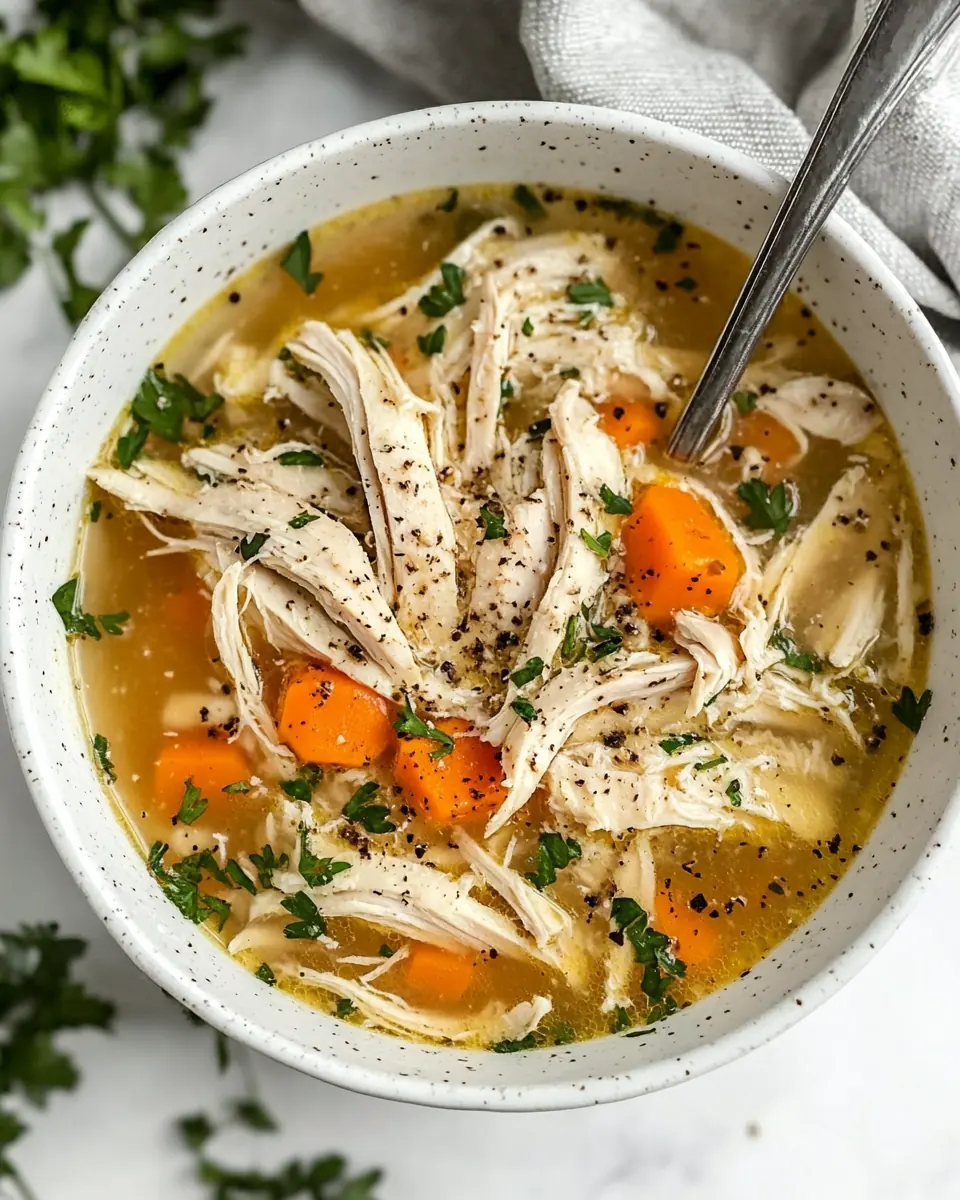
These ingredients are chosen to build a clear, flavorful broth and tender, shreddable meat. The key players are the chicken for body and protein, the mirepoix trio of carrots, onions, and celery for sweetness and depth, and aromatics like garlic and dill to add complexity. Together they create balance, with seasoning and a splash of lemon to finish.
- 3 garlic cloves minced: Mince finely to release pungent, aromatic oils that deepen the broth; distributes evenly for savory undertones throughout the soup. Enhances complexity and pairs well with long simmering to mellow sharpness and add warmth.
- 5 carrots diced: Dice into bite-sized pieces that soften during simmering to provide sweet, earthy texture and color; releases natural sugars to balance savory broth. Adds body and a comforting, familiar mouthfeel to every spoonful.
- 2 onions diced: Dice uniformly so pieces cook evenly and contribute sweet, savory notes while aromatic compounds enrich the stock; helps build a flavorful base for the soup. Provides subtle caramelization potential if sautéed first to deepen flavor.
- 4 celery stalks diced: Dice consistently to maintain a pleasant crunch when undercooked or tender melt-in-the-mouth texture when fully simmered; disperses vegetal flavor across the broth. Works with carrots and onions to form the classic mirepoix foundation.
- 1 3-pound whole chicken cut into 8 pieces (*See Notes): Cut into portions to ensure even cooking and maximum gelatin release from bones and skin; supplies rich poultry flavor and body to the stock when simmered low and slow. Serves as the primary protein and flavor anchor for the soup.
- 6 cups water: Use as the simmering medium to extract flavors from chicken, vegetables, and aromatics; controls dilution and consistency of the broth. Adjust quantity if reducing or concentrating the stock to achieve desired intensity.
- 1/3 cup chopped fresh dill more for garnish: Chop fresh to add bright, herbal lifts and slight anise-like notes; stir in near the end to preserve delicate flavor and color and garnish generously for fresh aroma. Complements lemon and parsley while cutting through richness.
- 1 teaspoon fine sea salt more for salting the chicken and more to taste: Season early and during cooking to enhance overall flavor and help proteins and vegetables release their tastes; use additional salt to season the chicken and adjust final taste. Balances sweetness from vegetables and acidity from lemon.
- 1/2 teaspoon black pepper more to taste: Grind to introduce mild heat and subtle bitter undertones that brighten the broth; add to taste to avoid overpowering delicate flavors. Enhances savory complexity and pairs well with turmeric and lemon.
- 1 bay leaf: Add whole to simmering stock to impart subtle, slightly floral, and herbal background notes that lift the broth without dominating it. Remove before serving to avoid an intense bay flavor while retaining aromatic depth.
- 1/2 lemon juiced: Juice to introduce fresh acidity that brightens and balances the rich, savory broth; stir in toward the end to preserve freshness and prevent bitterness. Enhances perception of other flavors and provides a clean finish.
- 1 teaspoon ground turmeric: Add ground to contribute warm, earthy color and a gentle peppery-earthy flavor with anti-inflammatory notes; sparingly used it complements turmeric's healthful profile. Blends into the broth for consistent flavor and vibrant hue.
- Fresh parsley chopped, for serving: Chop for a fresh, leafy garnish that adds bright, slightly bitter-green notes and visual appeal; sprinkle on top just before serving for aroma and contrast. Works alongside dill and lemon to finish the soup with herbaceous clarity.
- Additional fresh dill for serving: Add extra sprigs or chopped leaves for garnish to amplify fresh, feathery, mild anise-like flavor and garnish presentation; place on bowls just before serving to preserve color and aroma. Complements parsley and lemon for a fragrant finish.
The Method for Classic Chicken Soup
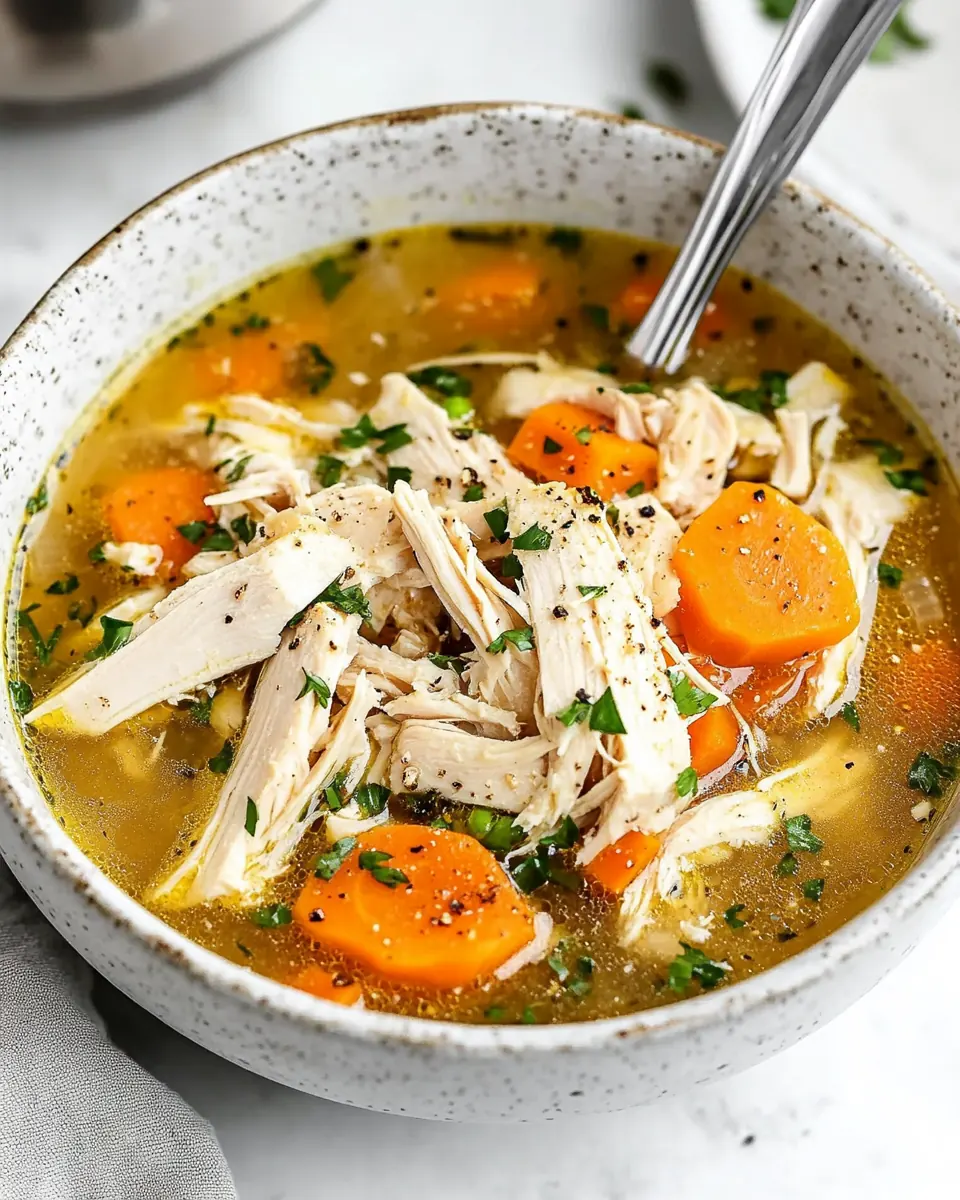
This recipe works beautifully whether you use a slow cooker for an all day simmer or an Instant Pot for faster results. Below I expand each CSV direction into thorough, sensory steps with guidance so you can feel confident at every stage.
- Add garlic, carrots, onion, and celery to the insert of your slow cooker.: As you place the minced garlic and the diced carrots , onions , and celery into the slow cooker, notice the fresh, vegetal aroma that rises immediately, a green and sweet beginning to your soup. Layering the vegetables at the bottom helps them slowly break down and infuse the broth with mellow sweetness. Use a gentle stir to distribute them so heat reaches each piece evenly. A common misstep is crowding the pot with unevenly cut vegetables, which cooks them inconsistently; aim for uniform dice for steady cooking. This base will soften into silky, fragrant morsels that give the finished soup its body and subtle complexity. Be mindful not to add salt directly on top in clumps, which can draw moisture unevenly from the veg.
- Pat the chicken dry and season generously with sea salt. Place it on top of the vegetables.: When you pat the chicken dry with paper towels before seasoning, you remove surface moisture so the salt adheres and begins to penetrate the meat. The smell of the seasoned chicken is slightly briny and reassuring, promising depth as it cooks. Placing the chicken on top of the vegetable bed allows its juices to drip down and mingle with the aromatics, enriching the broth. A frequent error is under seasoning the meat, which leads to bland results; be generous but measured. If the skin is left on, it will render fat and help the broth develop mouthfeel; if you prefer less fat, remove the skin before cooking knowing it will reduce richness.
- Pour in water and add dill, salt, pepper, and bay leaf. Cover and cook on low for 8 hours.: Pouring in the water brings all the ingredients together, and you will see the pot begin to steam as warmth distributes. Adding chopped dill , the measured salt , cracked black pepper , and the bay leaf seeds a gentle herbal profile that unfolds slowly. On low the pot will maintain a barely audible simmer, producing a slow, comforting rhythm and a broth that becomes clear and deeply flavored over time. One thing to avoid is lifting the lid frequently, which releases heat and delays the extraction of flavour. After six to eight hours the kitchen will be filled with homey, savory scents and the broth should taste full bodied and aromatic.
- Once done, discard the bay leaf. Remove the chicken, shred the meat, and discard the skin and bones. Return the shredded chicken to the soup.: At the end of the cook, the bay leaf will have given its essence and should be removed to avoid bitter bits. The chicken will be tender to the touch, the meat sliding off bones with little resistance; the sound of the meat separating is a soft tear, and the aroma is deeply savory. Shred the meat with two forks or your hands, tossing away the skin and bones which are no longer needed. Returning the shredded chicken to the pot adds immediate, comforting texture to the soup. An easy mistake here is leaving small bones behind when shredding; check carefully to avoid surprises in the finished bowl.
- Stir in turmeric and lemon juice. Taste and adjust seasoning as needed.: Stirring in the ground turmeric will tint the broth a warm, golden hue while adding a gentle earthy note that complements the poultry. The fresh lemon juice brightens the whole pot, cutting through any heaviness and sharpening flavors. When you taste, look for balance between savory depth and bright acidity, then season with more salt or pepper if necessary. Over acidity is easy to overshoot, so add lemon incrementally. If the broth tastes flat, a pinch more salt usually wakes it up.
- Serve hot, garnished with fresh parsley and dill.: Ladling the soup produces a comforting hiss and the steam carries the fragrance of herbs and roasted chicken into the air. A final scatter of chopped parsley and extra dill adds visual contrast and a burst of fresh aroma with each spoonful. Serve immediately while the broth is steaming for the best sensory experience. A common oversight is letting soup sit too long before serving, which dulls herbs and cools the broth; keep bowls warm so each serving stays inviting.
- Add garlic, carrots, onion, and celery to the bottom of your Instant Pot. Place chicken on top, then add dill, salt, pepper, bay leaf, and water.: When preparing the Instant Pot, arrange the minced garlic and diced vegetables on the bottom so they contact the pot and begin releasing aroma as pressure builds. Placing the seasoned chicken on top ensures even cooking and helps the liquid circulate properly. As you add chopped dill , measured salt , pepper , the bay leaf , and the water , notice the clean smell of fresh ingredients pooling together. Make sure the sealing ring is seated properly and the liquid level meets the minimum requirement to avoid burn notices. A common mistake is overfilling the pot which can interfere with pressure; monitor total volume relative to your model's capacity.
- Secure the lid and set to the Soup setting for 30 minutes. Let it naturally release pressure or quick release.: As the Instant Pot comes to pressure you will hear soft clicks and a gentle hum, and steam will build before the cooking timer begins. The Soup setting creates a sustained environment for extracting flavor efficiently. Allowing a natural release will continue gentle cooking and create clearer broth, while a quick release speeds up service when you are pressed for time. Take care when performing a quick release since hot steam ejects rapidly; use a long utensil and keep hands and face away. If you release too early you may interrupt the shredding readiness of the chicken .
- Discard the bay leaf. Remove chicken, shred the meat, and discard skin and bones. Return shredded chicken to the soup.: After pressure is released, remove the bay leaf and lift out the cooked chicken , which should be tender and falling apart. The sound of shredding is soft and the meat will be moist and aromatic. Discarding the skin and bones keeps the bowl pleasant to eat. Add the shredded chicken back to the broth so it can rewarm and distribute flavor. A frequent error is not checking for small bones when shredding, so inspect carefully to keep the eating experience safe and enjoyable.
- Stir in turmeric and lemon juice. Adjust seasoning to taste.: Incorporating the turmeric now will color the soup a warm golden tone, and the fresh lemon juice will lift the overall flavor. Stir thoroughly so the turmeric disperses evenly and the acidity blends into the broth. Taste and correct seasoning, adding more salt or pepper as needed. Avoid adding too much lemon all at once, as it can dominate; balance is the goal. If the soup tastes flat after adjustments, simmer briefly to meld flavors.
- Serve hot, topped with fresh parsley and dill.: Presenting the soup while steaming will make the herbs bloom as you sprinkle them, and the first spoonful should be hot, savory, and brightly finished by the herbs. The visual of green flecks against golden broth invites tasting, and the texture of soft vegetables with tender shredded chicken is deeply satisfying. Keep extra herbs nearby so guests can add more if they like. A common slip is letting garnishes wilt in hot broth; add them at the last moment for maximum freshness.
Ways to Adapt This Recipe
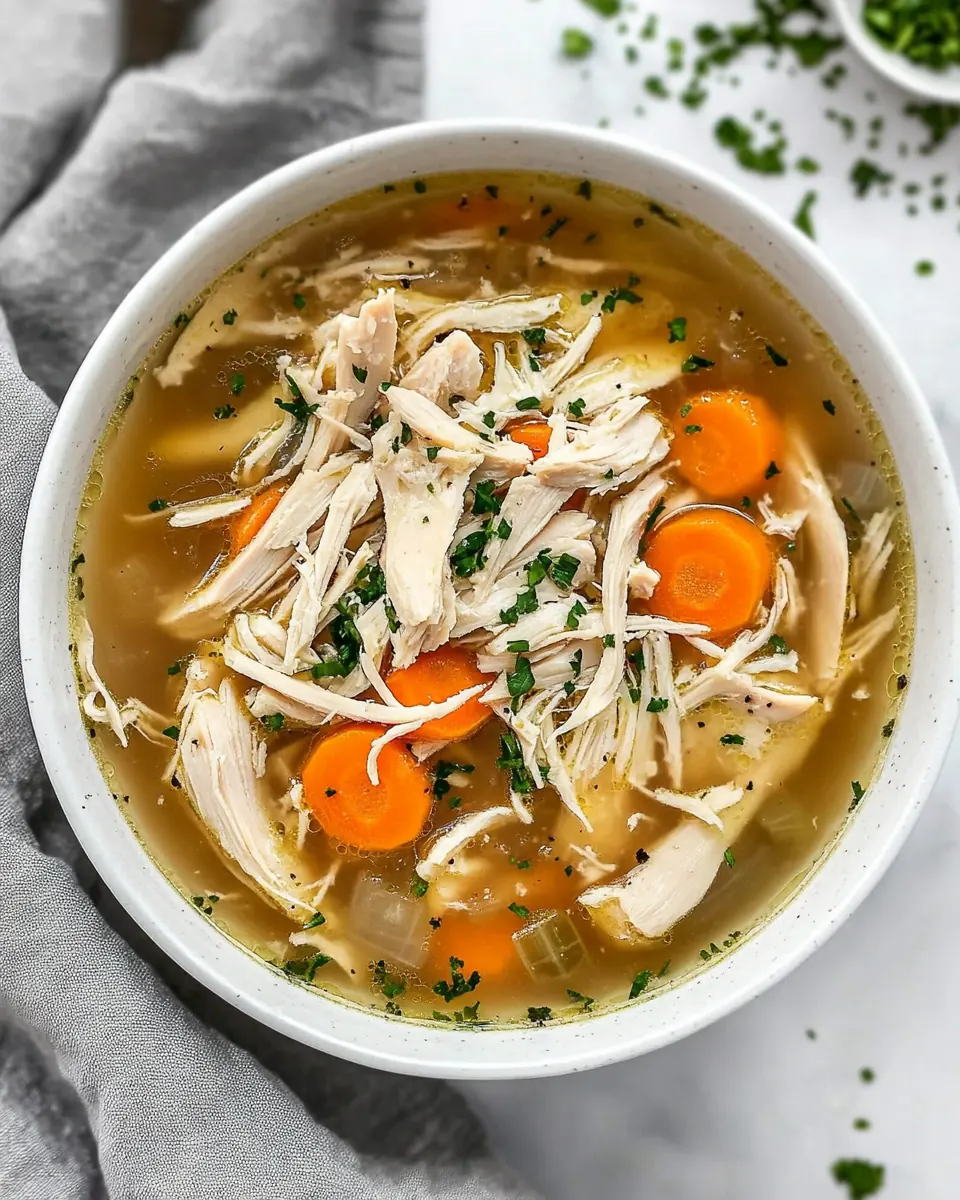
This section offers practical adaptations and ways to personalize Classic Chicken Soup whether you need a faster option, a make ahead plan, or simple swaps to suit what you have on hand.
- Use chicken thighs for richer flavor: If you prefer more succulent meat, swap in bone in chicken thighs; they release flavorful juices and remain moist when shredded.
- Instant Pot times for frozen pieces: For frozen chicken pieces, increase pressure cook time to forty minutes in the Instant Pot, ensuring the meat reaches safe temperatures and shreds easily.
- Chicken breast timing: If using only boneless chicken breasts in the Instant Pot, cook for twenty three minutes and verify doneness to prevent dry meat.
- Add noodles at serving: For chicken noodle variation, stir in cooked pasta just before serving to keep it from becoming mushy during storage.
- Bulk up the vegetables: You can increase the quantity of diced carrots or celery for extra texture and nutrition without compromising flavor.
- Reheat gently: Rewarm leftover soup on the stovetop over low heat or in a slow cooker set to warm so the broth and herbs maintain their integrity.
What to Serve With Classic Chicken Soup
Classic Chicken Soup is wonderfully adaptable when it comes to pairing. It works well as a light lunch with a crisp accompaniment or as the centerpiece of a comforting dinner. Think about textures and temperatures to complement the warm broth and tender meat.
- Warm crusty bread: A hunk of warm bread is classic for dipping and soaking up broth, adding a pleasurable contrast to the soft vegetables and shredded chicken.
- Soft dinner rolls: Serve with soft rolls brushed with butter for a cozy, family style meal that invites tearing and sharing.
- Simple green salad: A plain, lightly dressed salad adds a fresh, crunchy counterpoint to the soup, balancing warm and cool textures.
- Rice or small grains: Offer a bowl of cooked rice on the side for guests who like to add grains to their soup for heartier bowls.
- Occasions: This soup fits well for family dinners, a nourishing Ramadan iftar, or as a restorative meal while you care for someone who is ill.
- Storage tips: Cool to room temperature then refrigerate in airtight containers for four to five days, or freeze up to three months; thaw overnight in the fridge before reheating.
- Seasonal pairing: In winter serve with heartier sides and extra herbs; in milder months keep the garnishes light and bright with extra lemon and dill.
FAQ
Conclusion
This recipe stands out for its straightforward ingredients and deeply comforting results, making it a staple for cold nights and caring for loved ones. Try the method that suits your schedule, whether slow cooker for hands off depth or Instant Pot for a quicker finish, and don’t skip the final lemon and herbs which lift the whole bowl. I hope you enjoy making and sharing this soup, and that it becomes one of your reliable, nourishing go to recipes for many meals to come.

Classic Chicken Soup
Ingredients
Equipment
Method
- Add garlic, carrots, onion, and celery to the insert of your slow cooker.: As you place the minced garlic and the diced carrots , onions , and celery into the slow cooker, notice the fresh, vegetal aroma that rises immediately, a green and sweet beginning to your soup. Layering the vegetables at the bottom helps them slowly break down and infuse the broth with mellow sweetness. Use a gentle stir to distribute them so heat reaches each piece evenly. A common misstep is crowding the pot with unevenly cut vegetables, which cooks them inconsistently; aim for uniform dice for steady cooking. This base will soften into silky, fragrant morsels that give the finished soup its body and subtle complexity. Be mindful not to add salt directly on top in clumps, which can draw moisture unevenly from the veg.
- Pat the chicken dry and season generously with sea salt. Place it on top of the vegetables.: When you pat the chicken dry with paper towels before seasoning, you remove surface moisture so the salt adheres and begins to penetrate the meat. The smell of the seasoned chicken is slightly briny and reassuring, promising depth as it cooks. Placing the chicken on top of the vegetable bed allows its juices to drip down and mingle with the aromatics, enriching the broth. A frequent error is under seasoning the meat, which leads to bland results; be generous but measured. If the skin is left on, it will render fat and help the broth develop mouthfeel; if you prefer less fat, remove the skin before cooking knowing it will reduce richness.
- Pour in water and add dill, salt, pepper, and bay leaf. Cover and cook on low for 8 hours.: Pouring in the water brings all the ingredients together, and you will see the pot begin to steam as warmth distributes. Adding chopped dill , the measured salt , cracked black pepper , and the bay leaf seeds a gentle herbal profile that unfolds slowly. On low the pot will maintain a barely audible simmer, producing a slow, comforting rhythm and a broth that becomes clear and deeply flavored over time. One thing to avoid is lifting the lid frequently, which releases heat and delays the extraction of flavour. After six to eight hours the kitchen will be filled with homey, savory scents and the broth should taste full bodied and aromatic.
- Once done, discard the bay leaf. Remove the chicken, shred the meat, and discard the skin and bones. Return the shredded chicken to the soup.: At the end of the cook, the bay leaf will have given its essence and should be removed to avoid bitter bits. The chicken will be tender to the touch, the meat sliding off bones with little resistance; the sound of the meat separating is a soft tear, and the aroma is deeply savory. Shred the meat with two forks or your hands, tossing away the skin and bones which are no longer needed. Returning the shredded chicken to the pot adds immediate, comforting texture to the soup. An easy mistake here is leaving small bones behind when shredding; check carefully to avoid surprises in the finished bowl.
- Stir in turmeric and lemon juice. Taste and adjust seasoning as needed.: Stirring in the ground turmeric will tint the broth a warm, golden hue while adding a gentle earthy note that complements the poultry. The fresh lemon juice brightens the whole pot, cutting through any heaviness and sharpening flavors. When you taste, look for balance between savory depth and bright acidity, then season with more salt or pepper if necessary. Over acidity is easy to overshoot, so add lemon incrementally. If the broth tastes flat, a pinch more salt usually wakes it up.
- Serve hot, garnished with fresh parsley and dill.: Ladling the soup produces a comforting hiss and the steam carries the fragrance of herbs and roasted chicken into the air. A final scatter of chopped parsley and extra dill adds visual contrast and a burst of fresh aroma with each spoonful. Serve immediately while the broth is steaming for the best sensory experience. A common oversight is letting soup sit too long before serving, which dulls herbs and cools the broth; keep bowls warm so each serving stays inviting.
- Add garlic, carrots, onion, and celery to the bottom of your Instant Pot. Place chicken on top, then add dill, salt, pepper, bay leaf, and water.: When preparing the Instant Pot, arrange the minced garlic and diced vegetables on the bottom so they contact the pot and begin releasing aroma as pressure builds. Placing the seasoned chicken on top ensures even cooking and helps the liquid circulate properly. As you add chopped dill , measured salt , pepper , the bay leaf , and the water , notice the clean smell of fresh ingredients pooling together. Make sure the sealing ring is seated properly and the liquid level meets the minimum requirement to avoid burn notices. A common mistake is overfilling the pot which can interfere with pressure; monitor total volume relative to your model's capacity.
- Secure the lid and set to the Soup setting for 30 minutes. Let it naturally release pressure or quick release.: As the Instant Pot comes to pressure you will hear soft clicks and a gentle hum, and steam will build before the cooking timer begins. The Soup setting creates a sustained environment for extracting flavor efficiently. Allowing a natural release will continue gentle cooking and create clearer broth, while a quick release speeds up service when you are pressed for time. Take care when performing a quick release since hot steam ejects rapidly; use a long utensil and keep hands and face away. If you release too early you may interrupt the shredding readiness of the chicken .
- Discard the bay leaf. Remove chicken, shred the meat, and discard skin and bones. Return shredded chicken to the soup.: After pressure is released, remove the bay leaf and lift out the cooked chicken , which should be tender and falling apart. The sound of shredding is soft and the meat will be moist and aromatic. Discarding the skin and bones keeps the bowl pleasant to eat. Add the shredded chicken back to the broth so it can rewarm and distribute flavor. A frequent error is not checking for small bones when shredding, so inspect carefully to keep the eating experience safe and enjoyable.
- Stir in turmeric and lemon juice. Adjust seasoning to taste.: Incorporating the turmeric now will color the soup a warm golden tone, and the fresh lemon juice will lift the overall flavor. Stir thoroughly so the turmeric disperses evenly and the acidity blends into the broth. Taste and correct seasoning, adding more salt or pepper as needed. Avoid adding too much lemon all at once, as it can dominate; balance is the goal. If the soup tastes flat after adjustments, simmer briefly to meld flavors.
- Serve hot, topped with fresh parsley and dill.: Presenting the soup while steaming will make the herbs bloom as you sprinkle them, and the first spoonful should be hot, savory, and brightly finished by the herbs. The visual of green flecks against golden broth invites tasting, and the texture of soft vegetables with tender shredded chicken is deeply satisfying. Keep extra herbs nearby so guests can add more if they like. A common slip is letting garnishes wilt in hot broth; add them at the last moment for maximum freshness.
Notes
- Use chicken thighs for richer flavor: If you prefer more succulent meat, swap in bone in chicken thighs; they release flavorful juices and remain moist when shredded.
- Instant Pot times for frozen pieces: For frozen chicken pieces, increase pressure cook time to forty minutes in the Instant Pot, ensuring the meat reaches safe temperatures and shreds easily.
- Chicken breast timing: If using only boneless chicken breasts in the Instant Pot, cook for twenty three minutes and verify doneness to prevent dry meat.
- Add noodles at serving: For chicken noodle variation, stir in cooked pasta just before serving to keep it from becoming mushy during storage.
- Bulk up the vegetables: You can increase the quantity of diced carrots or celery for extra texture and nutrition without compromising flavor.
- Reheat gently: Rewarm leftover soup on the stovetop over low heat or in a slow cooker set to warm so the broth and herbs maintain their integrity.