Best English Toffee Recipe
Best English Toffee Recipe has been a family staple that always brings people into the kitchen, and I still remember the first time I tried to get the toffee just right, my hands sticky but my confidence growing with every stir.
That first batch taught me patience, the value of a reliable candy thermometer, and how the simple combination of butter, sugar, and a little water will turn into something golden and celebratory. Over the years I’ve adjusted timing and technique, and each tweak made the finished candy crisper or the chocolate layer silkier. When I bring out a tray of shards at a gathering, someone always asks for the recipe, and I tell them there’s a little ritual to it, plus a forgiving nature if you pay attention.
I like making this around cooler months, when the house can handle a bit of extra warmth from the stovetop and the rich aroma of toasted pecans drifts through the rooms. There’s comfort in stirring, in watching the sugar change color, and in the satisfying snap when you break a chilled piece. If you enjoy hands on treats that reward focus and timing, you’ll find this version approachable and reliably delicious.
Recipe Snapshot
35 mins
15 mins
20 mins
Medium
150 kcal
American
Gluten-Free, Low FODMAP
Desserts
Candy Thermometer, Baking Sheet, Silpat or Nonstick Spray, Spatula
Why You Need This Best English Toffee Recipe
Classic, yet dependable
I love how Best English Toffee Recipe remains faithful to what toffee should be, without unnecessary fuss. The simple ingredients let the buttery caramel notes shine, and that clarity is a big reason I return to this method again and again.
Texture everybody remembers
The contrast between the crisp, glass like toffee base and the smooth, slightly melty chocolate is unforgettable. I always aim for that perfect snap, and this recipe consistently delivers when you hit the right temperature.
Flexible for gifting
I’ve wrapped this toffee for neighbors and friends, and it travels well. The short ingredient list makes scaling up simple, so you can make a small batch for yourself or a larger one for gifts without losing quality.
Easy to customize
While this recipe is truly classic, I appreciate how the final surface invites personalization. A scattering of toasted pecans adds crunch and warmth, and the chocolate layer gives a familiar sweetness that appeals to most palates.
Great beginner candy
If you’ve never made candy before, I find this is a friendly place to start. The technique teaches temperature awareness and timing, skills that carry over to more advanced confections.
Essential Ingredients for Best English Toffee Recipe
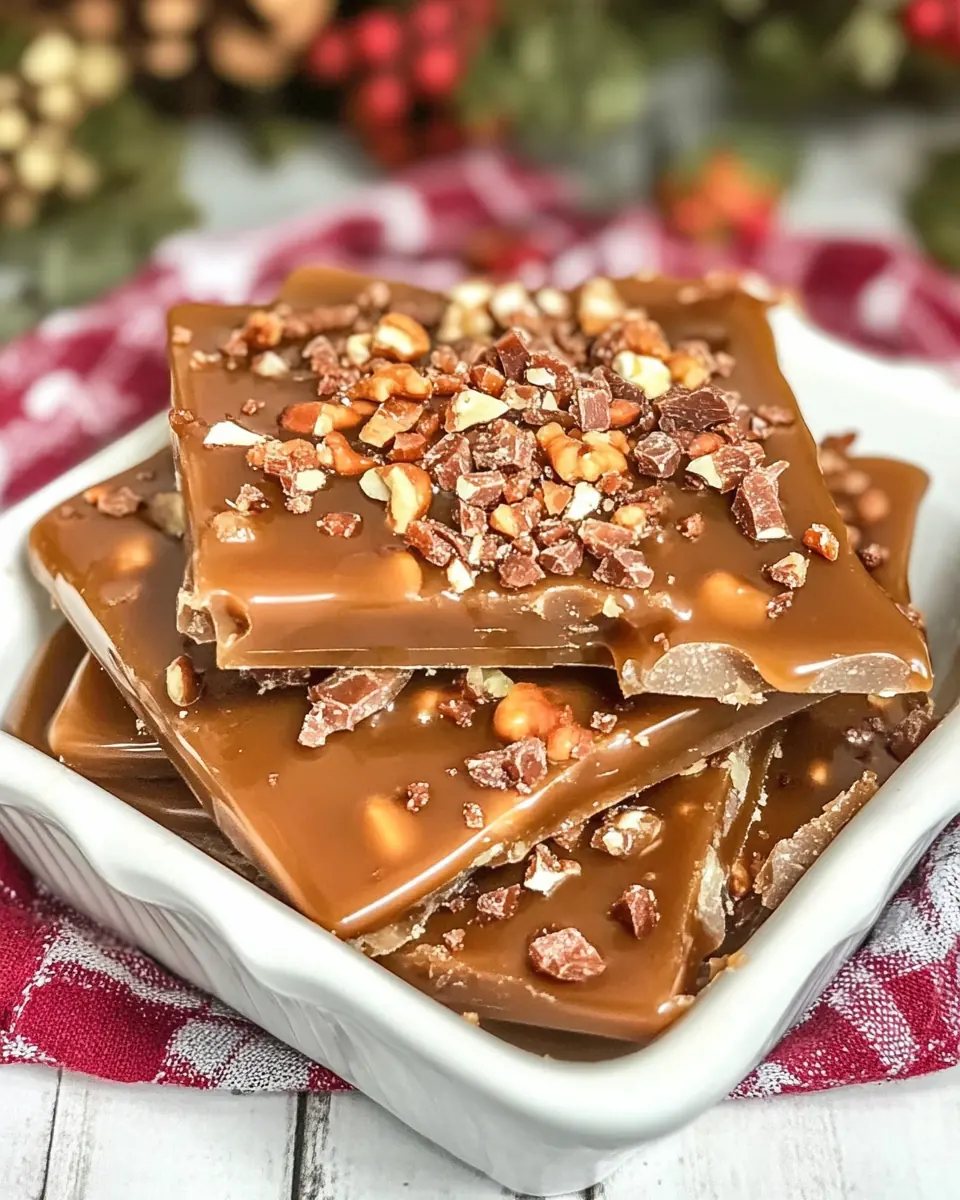
These ingredients are deliberately straightforward. The philosophy here is to let quality shine: a few key players, handled with care, produce the classic buttery toffee texture and the balanced sweetness that makes this treat memorable.
- 1 cup chopped pecans, toasted (5-8 minutes at 350º stirring often): Chopped and toasted to deepen flavor and add crunch; enhances overall texture while contributing a warm, nutty aroma to the finished toffee. Toasting at 350º for 5–8 minutes and stirring often prevents burning and brings out essential oils for a richer bite.
- 2 sticks butter: Creamy and rich, melted to form the fat base that helps create smooth, brittle toffee; provides mouthfeel and carries flavors throughout the candy. Using two sticks ensures the caramelized sugar achieves the proper structure and prevents graininess when combined with other ingredients.
- 1 cup sugar: Granular sweetener that caramelizes during cooking to provide the toffee’s characteristic color, flavor, and crunch; dissolving and cooking sugar to the correct temperature is crucial for proper brittleness. Monitoring sugar closely prevents crystallization and helps reach the hard-crack stage needed for classic toffee.
- 6 tablespoons light corn syrup: Viscous liquid that controls crystallization and contributes chewiness by inhibiting sugar crystals; helps produce a glossy, stable texture and prevents the sugar from becoming grainy. Light corn syrup also aids in achieving uniform cooking and a smooth finished surface on the toffee.
- 2 tablespoons water: Small amount of liquid used to dissolve sugar evenly at the start of cooking and to regulate boiling behavior; helps ensure even heat transfer and prevents localized burning. Adding two tablespoons of water allows sugar to melt uniformly before concentration and caramelization.
- 1 teaspoon vanilla: Fragrant extract added near the end of cooking to brighten and round out flavors; vanilla enhances the toffee’s complexity and balances the deep caramel notes. Stirring in one teaspoon after removing from heat preserves its aroma and prevents volatile loss from excessive heat.
- 8 12 ounces milk or semisweet chocolate, chopped: Chopped chocolate used to form a glossy coating that melts over the hot toffee, providing a smooth, sweet layer that complements the buttery crunch beneath. Melting 8–12 ounces of milk or semisweet chocolate and spreading it thinly creates a contrasting texture and rich chocolate flavor when set.
Step by Step Instructions for Best English Toffee Recipe
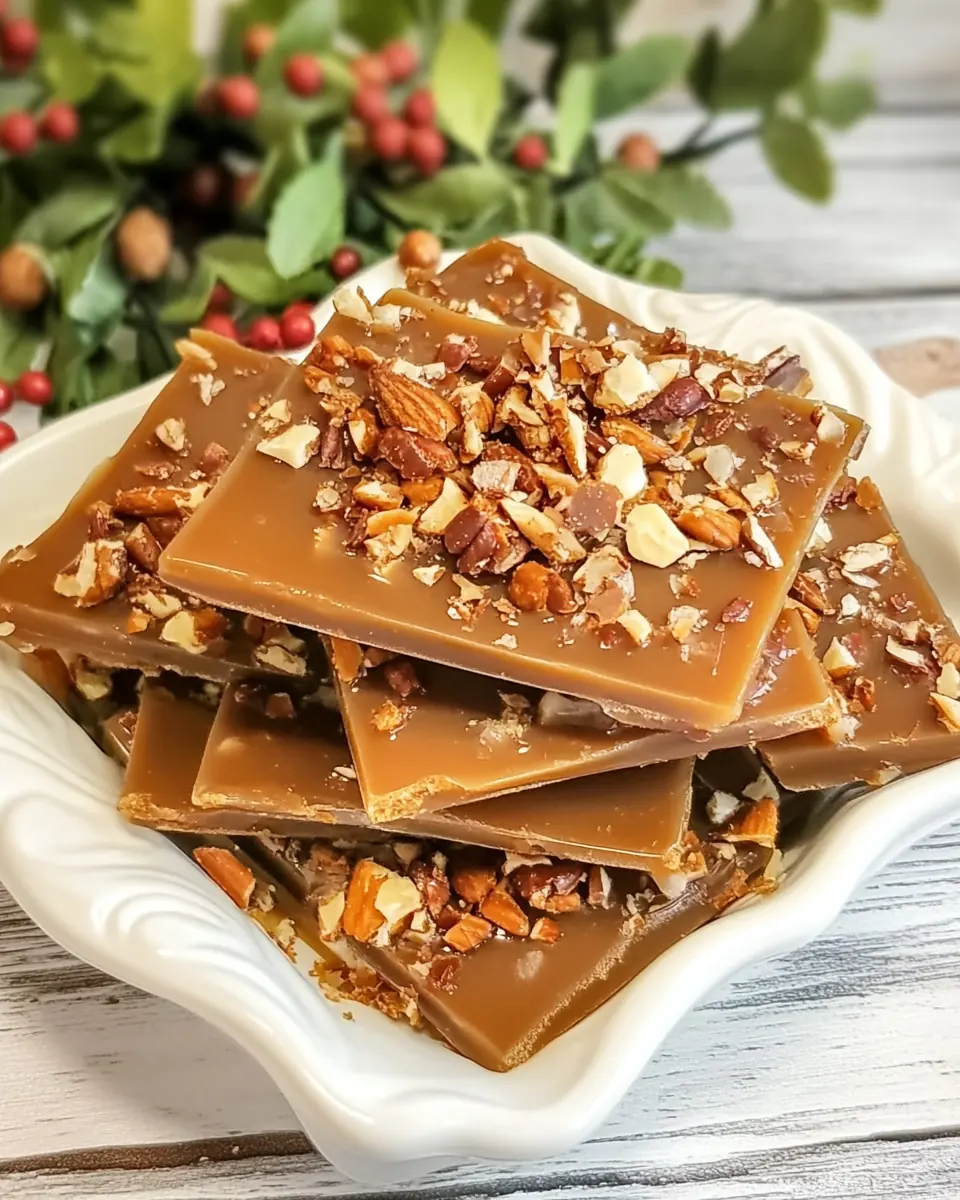
These directions walk you through the full process, from preparing the pan to chilling and breaking the toffee. I’ll share sensory cues and troubleshooting so you can recognize the right moments by sight and smell.
- Cover a baking sheet with a Silpat or lightly grease with Pam.: You will notice the surface is ready when the Silpat lies flat or the greased sheet has an even, slightly shiny sheen, which helps the toffee release cleanly after chilling. This step prevents sticking and keeps shards intact when you break them. A common error is skipping this, which makes removal difficult, so always prepare the sheet first.
- Cut butter into pieces and mix with sugar, corn syrup, and water.: As you assemble the bowl of ingredients, the texture will be a uniform, pale paste before heat, and you will smell the faint sweetness of sugar with the creaminess of butter. Breaking the butter into pieces helps it melt evenly so the mixture combines without hot spots. If pieces remain large, some butter can separate, so cut uniformly.
- Bring to boil over medium-high heat, stirring until sugar is dissolved. Insert a candy thermometer and allow to boil, stirring occasionally, until the liquid turns amber and the temperature reaches 290º.: Early on you'll hear a steady simmer, and the mixture will thin as the sugar dissolves. The crucial sensory change is color shifting to a warm amber and a deeper caramel aroma as it approaches 290º. The thermometer is critical because a few degrees determine whether you get a crisp snap or a too soft center. Avoid constant vigorous stirring once boiling starts, which can encourage crystallization, and watch for sudden foaming.
- Remove from heat immediately and add vanilla. Stir to combine and pour onto prepared sheet.: The moment you take the pot off the stove you will notice the bubbling calm down and the aroma intensify; adding the vanilla now preserves its fragrance. Pouring quickly but carefully creates an even, glossy sheet. A common slip is lingering on the heat too long, which deepens color and can burn the toffee, so transfer promptly.
- Allow to cool for about a minute, then sprinkle with chocolate. Allow the heat to melt the chocolate, then smooth out with a spatula.: Watch the chocolate begin to soften from contact with the hot toffee before it fully melts into a shine; this is the sensory cue to start smoothing. Using a spatula, you can coax the chocolate into a thin, even layer. If you wait too long, the chocolate will not melt and will remain lumpy; if you try to force melted chocolate that is too hot, it can become runny and hard to set evenly.
- Sprinkle with nuts and gently pat down so nuts adhere to chocolate.: As you scatter the toasted pecans , you'll hear a light crunch and see bits sink a touch into the warm chocolate, creating a textured top. Gentle pressure helps them stick without embedding fully. Pressing too hard will push the nuts through the chocolate, causing uneven coverage, so pat just enough for adhesion.
- Chill for 2 hours, then break into small pieces. Store in refrigerator.: Chilling solidifies the chocolate and toffee into a firm, snap able sheet; you will feel a cool firmness at the edges when it is ready. Breaking it produces clean, crisp shards that reveal a glossy chocolate layer over a uniformly amber base. Leaving it at room temperature for too long can soften the chocolate, and storing it warm will reduce the crispness, so keep it chilled.
Recipe Notes about Best English Toffee Recipe
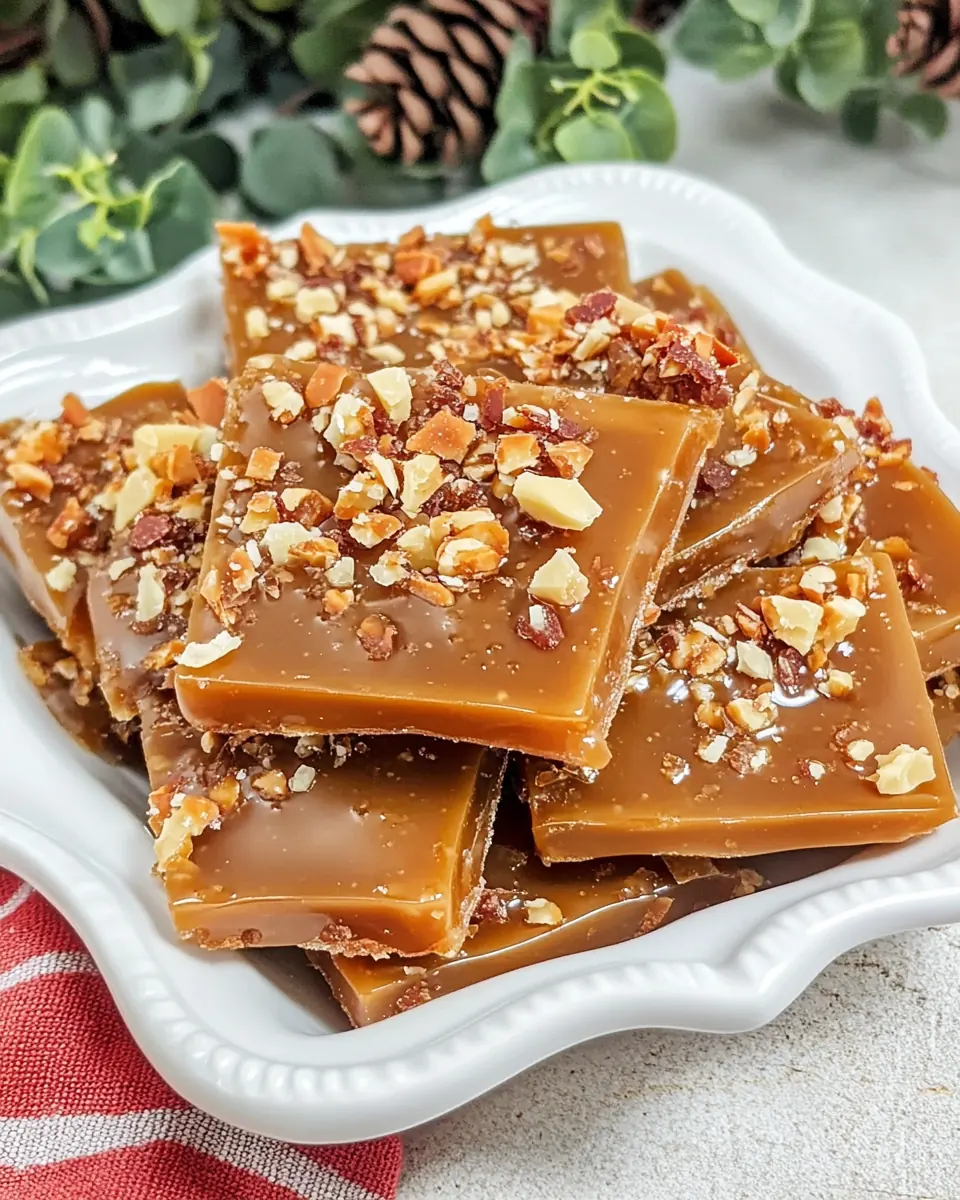
Here are focused notes I use every time I make this toffee. They expand on common questions and practical tweaks that keep the process smooth and the results consistent.
- Chocolate Amount: Use between 8 to 12 ounces of chopped chocolate depending on how thick you like the coating, and make sure it is chopped uniformly so it melts evenly when sprinkled over hot toffee.
- Thermometer Care: Calibrate your candy thermometer by briefly testing it in boiling water before use, so you can trust the 290º mark during the cook, which ensures a crisp, brittle toffee.
- Nut Alternatives: While this recipe calls for chopped pecans, you can prepare them similarly and toast them first to bring out oils and deepen flavor, keeping size consistent for even coverage.
- Storage: Store the finished pieces in an airtight container in the refrigerator to preserve the crisp texture and prevent the chocolate from blooming or softening in warm conditions.
- Pan Preparation: Always line the baking sheet with a Silpat or greased surface to allow clean removal; parchment tends to stick more with thin, sugary confections like toffee.
Serving This Best English Toffee Recipe
Serving toffee is part presentation and part ritual. A few simple choices highlight its texture and make it a welcome treat for many occasions.
- Gift Packaging: Arrange pieces in small boxes or tins with parchment, perfect for holiday gifting or neighborly treats, ensuring pieces are chilled before packing to avoid sticking together.
- Party Platter: Scatter shards on a decorative platter between fresh fruit or cookies for contrast, and place small tongs so guests can pick without touching other pieces.
- Occasions: Serve at seasonal gatherings in fall and winter, during coffee breaks, or as a sweet finish to a dinner; its rich, buttery profile resonates especially well in cooler months.
- Storage Tips: Keep in an airtight container in the refrigerator for up to two weeks, separating layers with parchment to prevent sticking and preserve crispness.
- Portioning: Break into bite sized shards and arrange by size, offering a mix of small and larger pieces so guests can choose based on their preference.
FAQ
Conclusion
This Best English Toffee Recipe stands out for its simple ingredients and reliably crisp texture, delivering a classic candy experience that feels both indulgent and approachable. Give it a try, and you will discover the satisfaction of stirring, watching the sugar transform, and breaking glossy shards that shine with chocolate and toasted nuts. It’s a recipe that rewards attention and yields a treat perfect for sharing, gifting, or savoring in small, celebratory bites. If you follow the temperature cues and prep steps, you will have a batch to be proud of.
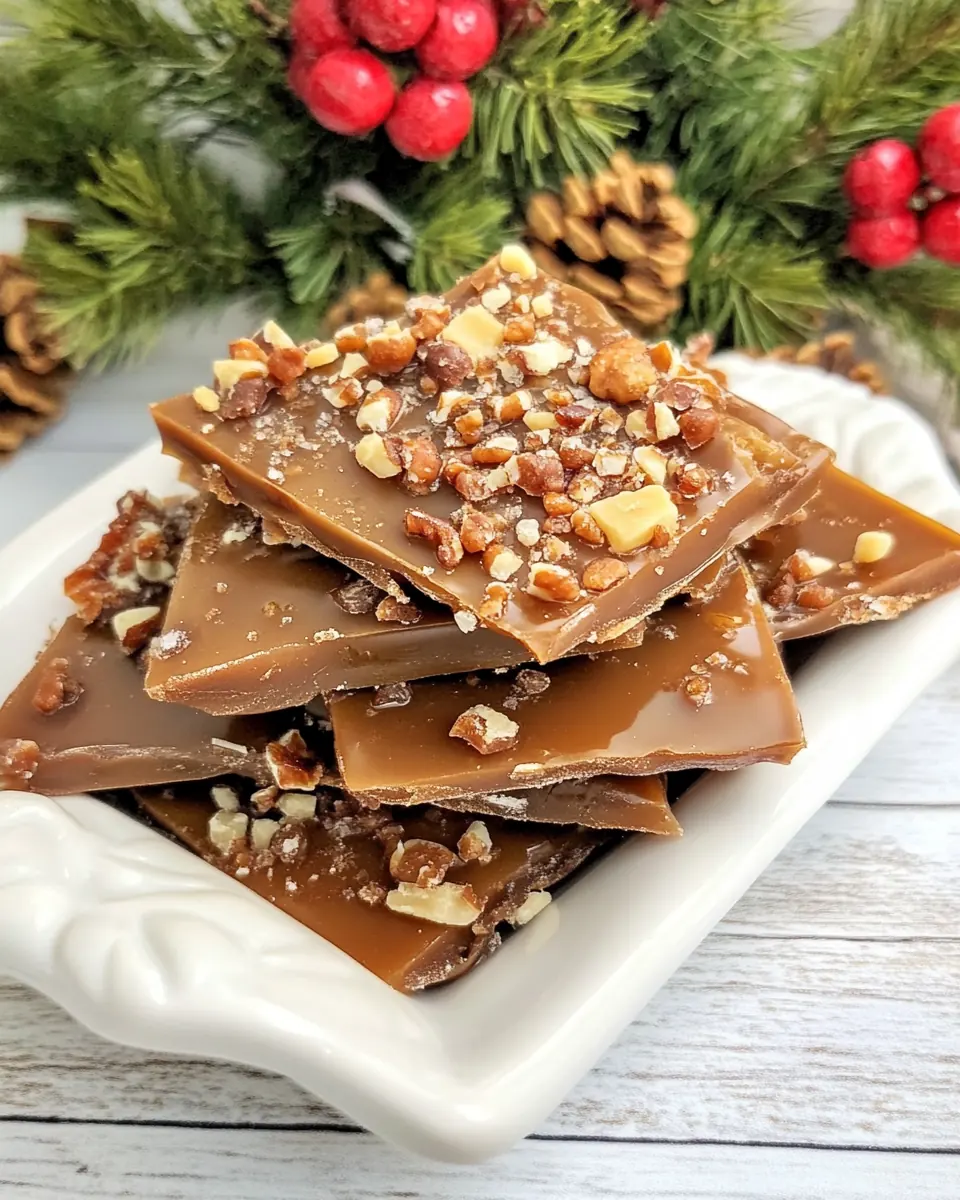
Best English Toffee Recipe
Ingredients
Equipment
Method
- Cover a baking sheet with a Silpat or lightly grease with Pam.: You will notice the surface is ready when the Silpat lies flat or the greased sheet has an even, slightly shiny sheen, which helps the toffee release cleanly after chilling. This step prevents sticking and keeps shards intact when you break them. A common error is skipping this, which makes removal difficult, so always prepare the sheet first.
- Cut butter into pieces and mix with sugar, corn syrup, and water.: As you assemble the bowl of ingredients, the texture will be a uniform, pale paste before heat, and you will smell the faint sweetness of sugar with the creaminess of butter. Breaking the butter into pieces helps it melt evenly so the mixture combines without hot spots. If pieces remain large, some butter can separate, so cut uniformly.
- Bring to boil over medium-high heat, stirring until sugar is dissolved. Insert a candy thermometer and allow to boil, stirring occasionally, until the liquid turns amber and the temperature reaches 290º.: Early on you'll hear a steady simmer, and the mixture will thin as the sugar dissolves. The crucial sensory change is color shifting to a warm amber and a deeper caramel aroma as it approaches 290º. The thermometer is critical because a few degrees determine whether you get a crisp snap or a too soft center. Avoid constant vigorous stirring once boiling starts, which can encourage crystallization, and watch for sudden foaming.
- Remove from heat immediately and add vanilla. Stir to combine and pour onto prepared sheet.: The moment you take the pot off the stove you will notice the bubbling calm down and the aroma intensify; adding the vanilla now preserves its fragrance. Pouring quickly but carefully creates an even, glossy sheet. A common slip is lingering on the heat too long, which deepens color and can burn the toffee, so transfer promptly.
- Allow to cool for about a minute, then sprinkle with chocolate. Allow the heat to melt the chocolate, then smooth out with a spatula.: Watch the chocolate begin to soften from contact with the hot toffee before it fully melts into a shine; this is the sensory cue to start smoothing. Using a spatula, you can coax the chocolate into a thin, even layer. If you wait too long, the chocolate will not melt and will remain lumpy; if you try to force melted chocolate that is too hot, it can become runny and hard to set evenly.
- Sprinkle with nuts and gently pat down so nuts adhere to chocolate.: As you scatter the toasted pecans , you'll hear a light crunch and see bits sink a touch into the warm chocolate, creating a textured top. Gentle pressure helps them stick without embedding fully. Pressing too hard will push the nuts through the chocolate, causing uneven coverage, so pat just enough for adhesion.
- Chill for 2 hours, then break into small pieces. Store in refrigerator.: Chilling solidifies the chocolate and toffee into a firm, snap able sheet; you will feel a cool firmness at the edges when it is ready. Breaking it produces clean, crisp shards that reveal a glossy chocolate layer over a uniformly amber base. Leaving it at room temperature for too long can soften the chocolate, and storing it warm will reduce the crispness, so keep it chilled.
Notes
- Chocolate Amount: Use between 8 to 12 ounces of chopped chocolate depending on how thick you like the coating, and make sure it is chopped uniformly so it melts evenly when sprinkled over hot toffee.
- Thermometer Care: Calibrate your candy thermometer by briefly testing it in boiling water before use, so you can trust the 290º mark during the cook, which ensures a crisp, brittle toffee.
- Nut Alternatives: While this recipe calls for chopped pecans, you can prepare them similarly and toast them first to bring out oils and deepen flavor, keeping size consistent for even coverage.
- Storage: Store the finished pieces in an airtight container in the refrigerator to preserve the crisp texture and prevent the chocolate from blooming or softening in warm conditions.
- Pan Preparation: Always line the baking sheet with a Silpat or greased surface to allow clean removal; parchment tends to stick more with thin, sugary confections like toffee.