Creamy Lemon Shrimp Pasta
Creamy Lemon Shrimp Pasta is one of those recipes that always makes weeknights feel a little special.
I remember the first time I tossed fragrant Angel Hair pasta with a bright lemony cream sauce and juicy shrimp, I could not stop smiling as the kitchen filled with a warm, citrusy scent. That night I was in a hurry after work, but I wanted something that tasted like I had spent hours pulling together. The contrast of silky heavy cream, tangy lemon zest, and the gentle salinity of seared shrimp felt indulgent without being fussy. I learned to time everything so the asparagus maintained a pleasant snap while the pasta stayed perfectly tender.
Over time I adjusted simple details, like stirring in a knob of butter with the drained pasta so the sauce clings better, and warming the sauce slowly so the egg yolks add silkiness without scrambling. I often make this when friends drop by unexpectedly because it comes together fast, yet it looks and tastes like something I would serve for a special dinner. Every time I plate a bowl, I keep thinking about texture: the soft Angel Hair pasta, the plumpness of the shrimp, and the bright pop from the lemon, finished with a shower of Parmesan cheese that melts into little pearls across the surface.
Recipe Snapshot
25 mins
20 mins
5 mins
Easy
600 kcal
Italian
Gluten-Free, Low FODMAP
Dinner
Pasta Pot, Large Nonstick Skillet, Medium Saucepan
The Magic of This Creamy Lemon Shrimp Pasta
Bright but Comforting Flavor
I love how Creamy Lemon Shrimp Pasta balances creamy richness with fresh citrus. The heavy cream and egg yolks create a velvet coating, while the lemon juice and zest cut through and keep every bite lively. It never feels heavy even though it is indulgent.
Speed without Sacrifice
We often need dinner fast, and this recipe shines because it arrives in under thirty minutes while tasting like you spent more time. The methods are straightforward, so you can talk to guests or clean up while the components finish, and still deliver a restaurant worthy plate.
Textural Contrast
I appreciate that the dish mixes delicate Angel Hair pasta with firm, juicy shrimp and crisp tender asparagus. Those different textures make every forkful interesting, and the Parmesan cheese adds a savory, slightly grainy finish that rounds things out.
Adaptable and Crowd Friendly
You can scale this easily for guests, and it suits many occasions from casual weeknight suppers to a simple celebratory meal. The components are pantry friendly, and the seasoning is forgiving, so I find it a reliable go to when feeding both family and friends.
Simple Techniques, Big Payoff
The technique of warming the sauce gently and finishing the pasta with a pat of butter makes a huge difference. I love teaching this trick because it gives a silky sauce without needing heavy hands or complicated steps, which is why I return to this recipe again and again.
Recipe Ingredients for Creamy Lemon Shrimp Pasta
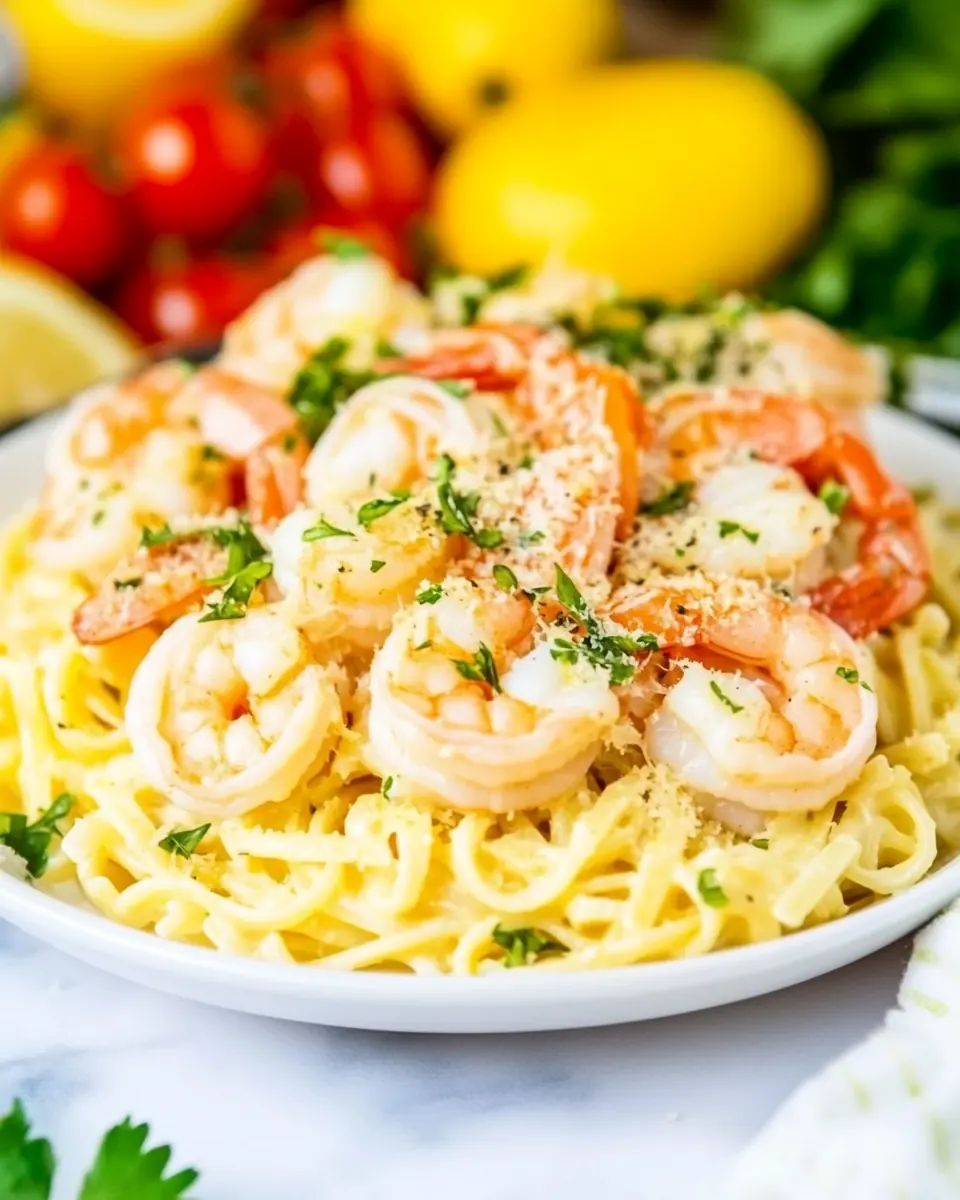
These ingredients are chosen to work together harmoniously, creating a sauce that clings to the pasta while complementing the sweet briny notes of the shrimp. The key players are the rich heavy cream and egg yolks for silkiness, the lemon for brightness, and the Parmesan cheese for savory depth. Small amounts of butter and olive oil help with texture and browning, while the asparagus adds a fresh vegetable element.
- 12 ounces Angel Hair pasta: Boil to al dente and serve as the tender pasta base for the creamy lemon shrimp pasta, absorbing sauce flavors while providing a delicate texture that pairs well with seafood.
- 4 tablespoons butter, cut into pieces: Melt and incorporate for rich, silky mouthfeel and to help brown aromatics; butter enriches the sauce and balances acidity from lemon.
- 2 tablespoons olive oil: Sauté to release fruity, savory notes and to gently cook shrimp and asparagus; olive oil helps prevent burning and adds a light, healthy fat layer.
- 4 garlic cloves, minced: Mince and gently cook to infuse the oil with pungent, aromatic flavor; garlic builds savory depth without overpowering the bright lemon notes.
- 1 1/4 pounds large shrimp, peeled and deveined: Peel and cook quickly to provide sweet, tender seafood protein; shrimp absorb the sauce and contribute a delicate, briny flavor central to the dish.
- 1 bunch asparagus, tough ends snapped off and discarded and cut into 2-inch pieces: Trim and blanch or sauté so the asparagus provides crisp-tender vegetal contrast, bright color, and slight grassy notes that complement the lemon.
- salt and pepper: Season to taste throughout cooking to enhance overall flavors; salt highlights sweetness and acidity, while pepper adds subtle heat and complexity.
- 1/2 teaspoon crushed red pepper flakes: Crush and sprinkle for a moderate kick of heat that lifts the richness of the cream and complements the lemon and Parmesan.
- 2/3 cup heavy cream: Simmer gently to form the luxurious base of the sauce, adding body and a velvety texture that clings to pasta and shrimp.
- 2 large egg yolks: Temper and whisk into the sauce to enrich it with silky richness and help thicken without curdling when combined with hot cream.
- juice and zest from 1 lemon: Zest and squeeze to introduce bright citrus aroma and acidity which cuts through the creaminess and brightens the entire dish.
- 2/3 cup freshly grated Parmesan cheese: Grate and stir in to add nutty, salty umami that thickens and flavors the sauce, tying together the cream, lemon, and shrimp.
- 1 tablespoon chopped fresh parsley: Chop and sprinkle at the end to add a fresh, herbaceous finish and a pop of green that enhances aroma and visual appeal.
The Process for Making Creamy Lemon Shrimp Pasta
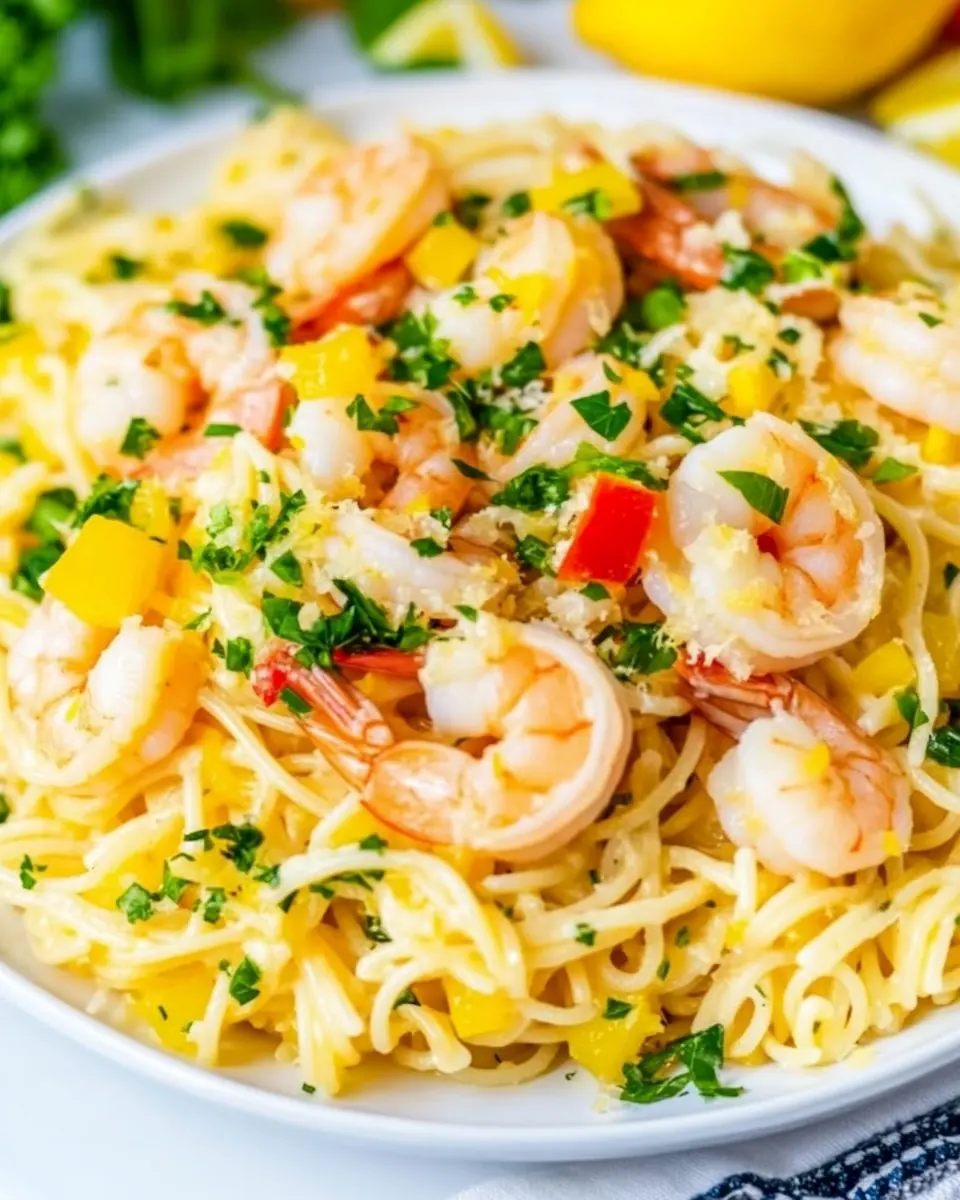
Time to get comfortable at the stove. This process moves quickly, so organize your mise en place and have the pasta water boiling before you start. I find that a calm, steady rhythm makes the final assembly easy and rewarding.
- Cook pasta in a large pot of salted water according to package directions. Drain and place in a large pot with the butter. Use tongs to coat the pasta with the butter as it melts. Set aside.: The moment you drain the pasta your kitchen fills with a toasty wheaty aroma, a comforting cue that dinner is close. When you add the cold butter pieces to the hot pasta they melt into glossy ribbons that cling to each strand, creating a protective layer so the sauce will adhere instead of sliding off. Use tongs to gently lift and tumble the pasta , watching as the butter sheens across the surface, and listen for the quiet sigh as steam rises. This technique matters because it gives each bite a silky mouthfeel and helps the sauce bind evenly. A common mistake is letting the pasta sit after draining without tossing with fat, which causes the sauce to pool at the bottom and leaves some noodles under seasoned. If the pasta seems cool, warm the pot briefly over low heat while tossing, but avoid prolonged heat which will overcook delicate Angel Hair pasta .
- Heat olive oil in a large nonstick skillet. Add shrimp and asparagus and cook for 2 minutes. Add garlic and continue to cook until shrimp are opaque. Add red pepper flakes and season with salt and pepper. Set aside.: As the olive oil warms it releases a fruity aroma, and when you lay the shrimp in the skillet you should hear a delicate sizzle, a sound that promises browning and flavor. The asparagus responds with a bright green hiss and faint caramelized notes at the tips. After about two minutes, adding the minced garlic unleashes a warm, heady scent that should not be allowed to scorch, because burnt garlic tastes bitter and can spoil the dish. Cook until the shrimp lose translucency and are fully opaque, checking by slicing a thicker piece if you are unsure; they should feel firm but springy. Finish with the crushed red pepper flakes for a gentle lift and season with salt and cracked black pepper to taste. The reason for cooking the shrimp and asparagus briefly is to preserve their texture and allow them to finish integrating with the warm sauce rather than becoming limp. A frequent error is crowding the pan, which causes steaming instead of searing; give the ingredients room so they color nicely.
- Whisk together heavy cream and egg yolks in a medium saucepan. Heat over medium heat just until really warm, do NOT let it boil. Then stir in lemon juice and zest and Parmesan cheese. Remove from heat. Season to taste with salt and pepper.: As you whisk the heavy cream with the egg yolks , the mixture takes on a silky, pale consistency, and when gently warmed you begin to perceive a sweet dairy scent. Keep the heat moderate so the custard warms through without curdling; you should see wisps of steam but no bubbling. When you fold in the freshly grated Parmesan cheese it melts into creamy pockets, adding a savory aroma that rounds the sharp citrus notes. Stirring in the freshly squeezed lemon juice and zest brightens the mixture instantly, and the sauce will glimmer slightly as you lift the spoon. This gentle warming is crucial because it allows the egg yolks to thicken the sauce without scrambling, yielding a luxurious texture. A common pitfall is overheating which leads to graininess or broken sauce; if you see tiny cooked yolk bits, strain the sauce and restart with lower heat.
- Pour lemon sauce over pasta and mix in. Add shrimp/asparagus mixture. Sprinkle parsley on top and serve.: Pouring the warm lemony custard over the glossy, buttered pasta creates an immediate visual transformation, as the thin strands pick up the sauce and each forkful promises a creamy, citrus kissed bite. As you fold the shrimp and asparagus into the bowl, you will notice steam rising and the aromas mingling, with the briny sweetness of the shrimp playing against the fresh brightness of the lemon . Scatter the chopped parsley across the top for a herbaceous pop and an appealing contrast of color. Serve straight away so the textures remain distinct; prolonged sitting can soften the asparagus and change the mouthfeel of the pasta . One common mistake is not tasting and adjusting seasoning at the end, especially because the Parmesan cheese and salted cooking water both influence final salt levels. Plate with confidence and enjoy the layered flavors immediately.
Expert Tips about Creamy Lemon Shrimp Pasta
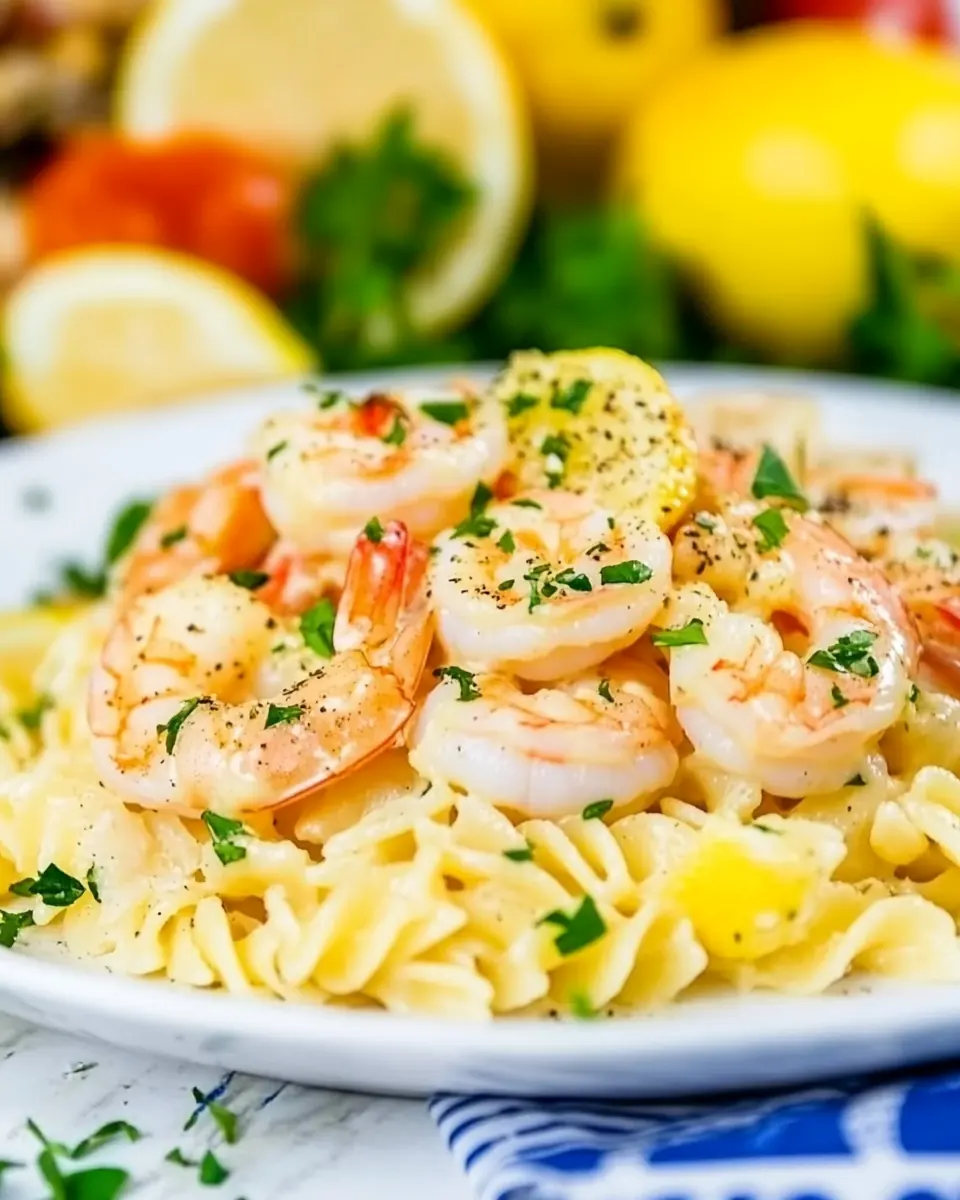
These tips refine technique and boost flavor. I pull from small adjustments that transformed the dish for me over repeated cooks. Focus on timing and small sensory cues for the best result.
- Timing is everything Start boiling the pasta water before you prep the rest so the cooking steps align and everything finishes hot.
- Dry your shrimp Moisture prevents good sear, so pat the shrimp thoroughly to get a better texture and deeper flavor.
- Warm the sauce gently Keep the heat low when combining heavy cream and egg yolks to avoid scrambling and maintain a velvety texture.
- Fresh lemon matters Use fresh juice and finely grated zest for brightness, bottled lemon lacks the essential oils that elevate the sauce.
- Finish with butter Tossing the pasta with butter after draining gives a glossy surface so the sauce clings beautifully.
- Season at the end Taste after adding the Parmesan cheese because it will add salt, letting you avoid over seasoning.
Accompaniments for Creamy Lemon Shrimp Pasta
This dish pairs well with light sides and occasions that call for quick elegance. Think about offering contrasting textures and flavors, and keep service simple so the main stays center stage.
- Simple green salad A crisp salad dressed with a bright vinaigrette provides contrast to the creamy pasta and refreshes the palate between bites.
- Crusty bread Slices of crusty bread are perfect for mopping up any leftover sauce and make the meal feel more substantial for dinner.
- Light white beans A small bowl of dressed white beans can add a rustic element and extra protein without stealing the flavor spotlight.
- Occasion suggestions Serve this for a casual weeknight meal that feels special or for a small dinner gathering where you want a quick, elegant main.
- Storage tips Cool quickly and store in an airtight container in the refrigerator for up to two days, noting that the texture of the pasta softens over time.
- Seasonal pairing The bright lemon and fresh asparagus make this recipe especially nice in spring, when stalks are at their best.
FAQ
Conclusion
This recipe shines because it marries a silky, lemon bright custard style sauce with sweet seared shrimp and crisp asparagus, giving a satisfying balance of flavors and textures. Give it a try when you want an elegant, fast meal that impresses without the fuss. I hope you enjoy the comforting creaminess, the zing of lemon, and the quick, confident prep that makes this one of my go to weeknight favorites.
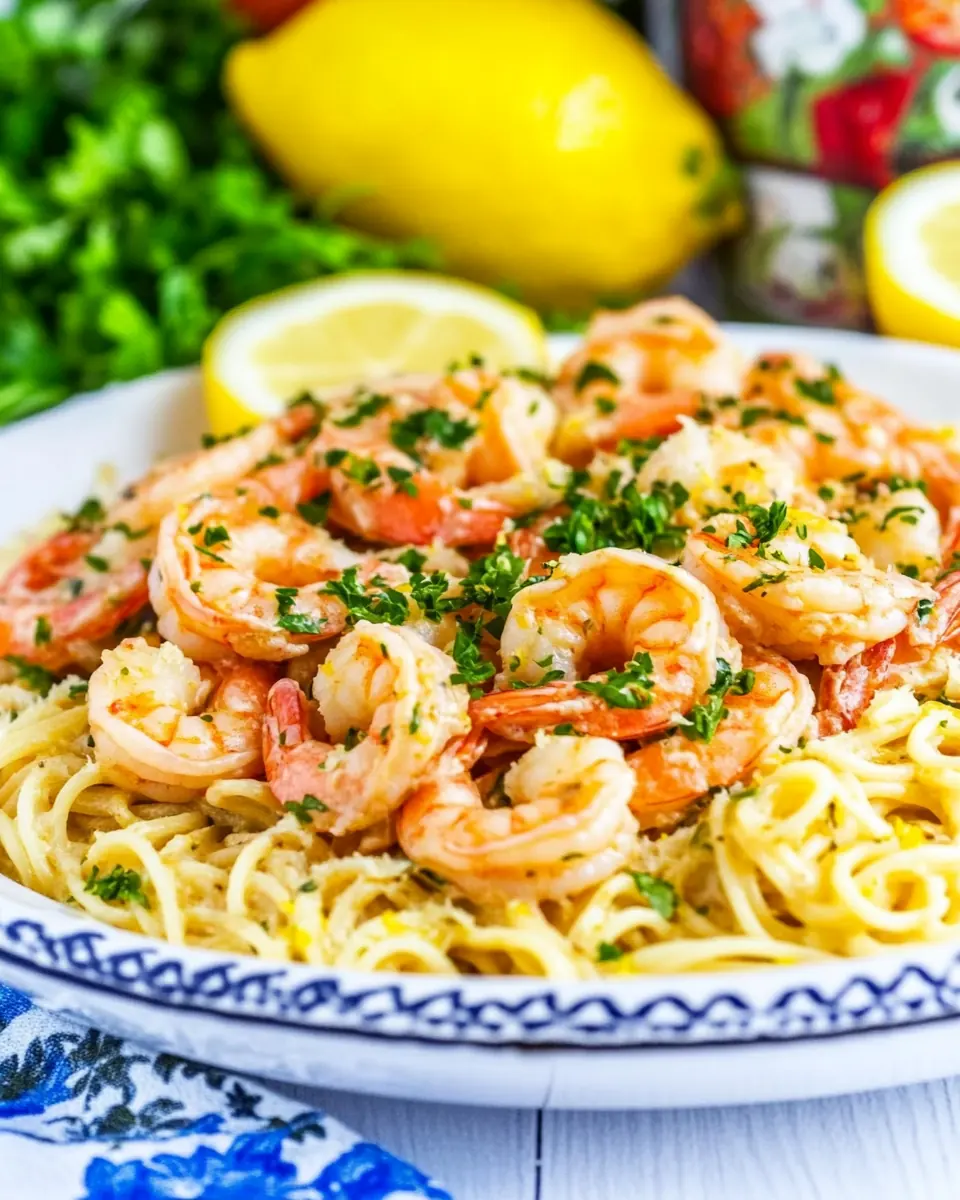
Creamy Lemon Shrimp Pasta
Ingredients
Equipment
Method
- Cook pasta in a large pot of salted water according to package directions. Drain and place in a large pot with the butter. Use tongs to coat the pasta with the butter as it melts. Set aside.: The moment you drain the pasta your kitchen fills with a toasty wheaty aroma, a comforting cue that dinner is close. When you add the cold butter pieces to the hot pasta they melt into glossy ribbons that cling to each strand, creating a protective layer so the sauce will adhere instead of sliding off. Use tongs to gently lift and tumble the pasta , watching as the butter sheens across the surface, and listen for the quiet sigh as steam rises. This technique matters because it gives each bite a silky mouthfeel and helps the sauce bind evenly. A common mistake is letting the pasta sit after draining without tossing with fat, which causes the sauce to pool at the bottom and leaves some noodles under seasoned. If the pasta seems cool, warm the pot briefly over low heat while tossing, but avoid prolonged heat which will overcook delicate Angel Hair pasta .
- Heat olive oil in a large nonstick skillet. Add shrimp and asparagus and cook for 2 minutes. Add garlic and continue to cook until shrimp are opaque. Add red pepper flakes and season with salt and pepper. Set aside.: As the olive oil warms it releases a fruity aroma, and when you lay the shrimp in the skillet you should hear a delicate sizzle, a sound that promises browning and flavor. The asparagus responds with a bright green hiss and faint caramelized notes at the tips. After about two minutes, adding the minced garlic unleashes a warm, heady scent that should not be allowed to scorch, because burnt garlic tastes bitter and can spoil the dish. Cook until the shrimp lose translucency and are fully opaque, checking by slicing a thicker piece if you are unsure; they should feel firm but springy. Finish with the crushed red pepper flakes for a gentle lift and season with salt and cracked black pepper to taste. The reason for cooking the shrimp and asparagus briefly is to preserve their texture and allow them to finish integrating with the warm sauce rather than becoming limp. A frequent error is crowding the pan, which causes steaming instead of searing; give the ingredients room so they color nicely.
- Whisk together heavy cream and egg yolks in a medium saucepan. Heat over medium heat just until really warm, do NOT let it boil. Then stir in lemon juice and zest and Parmesan cheese. Remove from heat. Season to taste with salt and pepper.: As you whisk the heavy cream with the egg yolks , the mixture takes on a silky, pale consistency, and when gently warmed you begin to perceive a sweet dairy scent. Keep the heat moderate so the custard warms through without curdling; you should see wisps of steam but no bubbling. When you fold in the freshly grated Parmesan cheese it melts into creamy pockets, adding a savory aroma that rounds the sharp citrus notes. Stirring in the freshly squeezed lemon juice and zest brightens the mixture instantly, and the sauce will glimmer slightly as you lift the spoon. This gentle warming is crucial because it allows the egg yolks to thicken the sauce without scrambling, yielding a luxurious texture. A common pitfall is overheating which leads to graininess or broken sauce; if you see tiny cooked yolk bits, strain the sauce and restart with lower heat.
- Pour lemon sauce over pasta and mix in. Add shrimp/asparagus mixture. Sprinkle parsley on top and serve.: Pouring the warm lemony custard over the glossy, buttered pasta creates an immediate visual transformation, as the thin strands pick up the sauce and each forkful promises a creamy, citrus kissed bite. As you fold the shrimp and asparagus into the bowl, you will notice steam rising and the aromas mingling, with the briny sweetness of the shrimp playing against the fresh brightness of the lemon . Scatter the chopped parsley across the top for a herbaceous pop and an appealing contrast of color. Serve straight away so the textures remain distinct; prolonged sitting can soften the asparagus and change the mouthfeel of the pasta . One common mistake is not tasting and adjusting seasoning at the end, especially because the Parmesan cheese and salted cooking water both influence final salt levels. Plate with confidence and enjoy the layered flavors immediately.
Notes
- Timing is everything Start boiling the pasta water before you prep the rest so the cooking steps align and everything finishes hot.
- Dry your shrimp Moisture prevents good sear, so pat the shrimp thoroughly to get a better texture and deeper flavor.
- Warm the sauce gently Keep the heat low when combining heavy cream and egg yolks to avoid scrambling and maintain a velvety texture.
- Fresh lemon matters Use fresh juice and finely grated zest for brightness, bottled lemon lacks the essential oils that elevate the sauce.
- Finish with butter Tossing the pasta with butter after draining gives a glossy surface so the sauce clings beautifully.
- Season at the end Taste after adding the Parmesan cheese because it will add salt, letting you avoid over seasoning.