Easy Red Lentil Pancakes
Easy Red Lentil Pancakes started showing up in my kitchen the week I tried to make lunch both simple and satisfying without relying on flour or eggs. I was juggling a busy afternoon, a growling stomach, and a pantry that was begging to be used, and these pancakes felt like a small, clever solution. The first one I flipped was imperfectly round and impossibly fragrant, and that slightly rustic look made it feel homemade in the best way.
Over the next few weeks I kept returning to this recipe when I wanted something quick to wrap around fresh greens or to serve alongside a bowl of soup. I loved how the texture shifted from tender at the center to a little crisp at the edge when cooked well. Each bite carried a warm, earthy note from the red lentils and any spices I decided to throw in, so it never tasted the same twice.
Recipe Snapshot
2 hr 15 mins
120 mins
15 mins
Hard
180 kcal
Indian
Vegan, Gluten-Free
Breakfast
Blender, Non-stick pan, Spatula, Measuring cup
What Makes This Easy Red Lentil Pancakes Special
Comfort without fuss
I adore how Easy Red Lentil Pancakes bring real comfort with almost zero fuss. Because the recipe relies on soaked and blended red lentils and still water, you get a naturally creamy, wholesome base that feels nourishing. I find it perfect for weekday meals when time is limited but I still want something filling and homemade.
Gluten free, naturally
If you are avoiding gluten, these pancakes are a dream. They let the red lentils shine, providing body and protein without any grain flour. I love recommending them to friends who need hearty, wheat free options because they hold together surprisingly well when cooked correctly.
Customizable flavor
One of the things I keep coming back to is how easy it is to change the profile by adding spices. The recipe leaves room to experiment, and I’ve used everything from warming ground cumin to bright chopped herbs. The base of red lentils and still water is like a blank canvas that responds beautifully to whatever you add.
Speed and practicality
Once the red lentils are soaked, the actual cooking is fast. I can have a batch on the table in minutes, and that has saved me on busy days. Because the pancakes fry quickly to a golden edge, they are perfect for meal prep, wraps, or for serving with a simple salad.
Versatile serving options
I love that these pancakes work for many meals. Use them as flatbreads, fold them into wraps with vegetables, or serve them alongside soups. Their neutral, slightly nutty flavor pairs with bold condiments or gentle sides equally well. They are one of those recipes I keep in my repertoire because they adapt so easily.
Essential Ingredients for Easy Red Lentil Pancakes
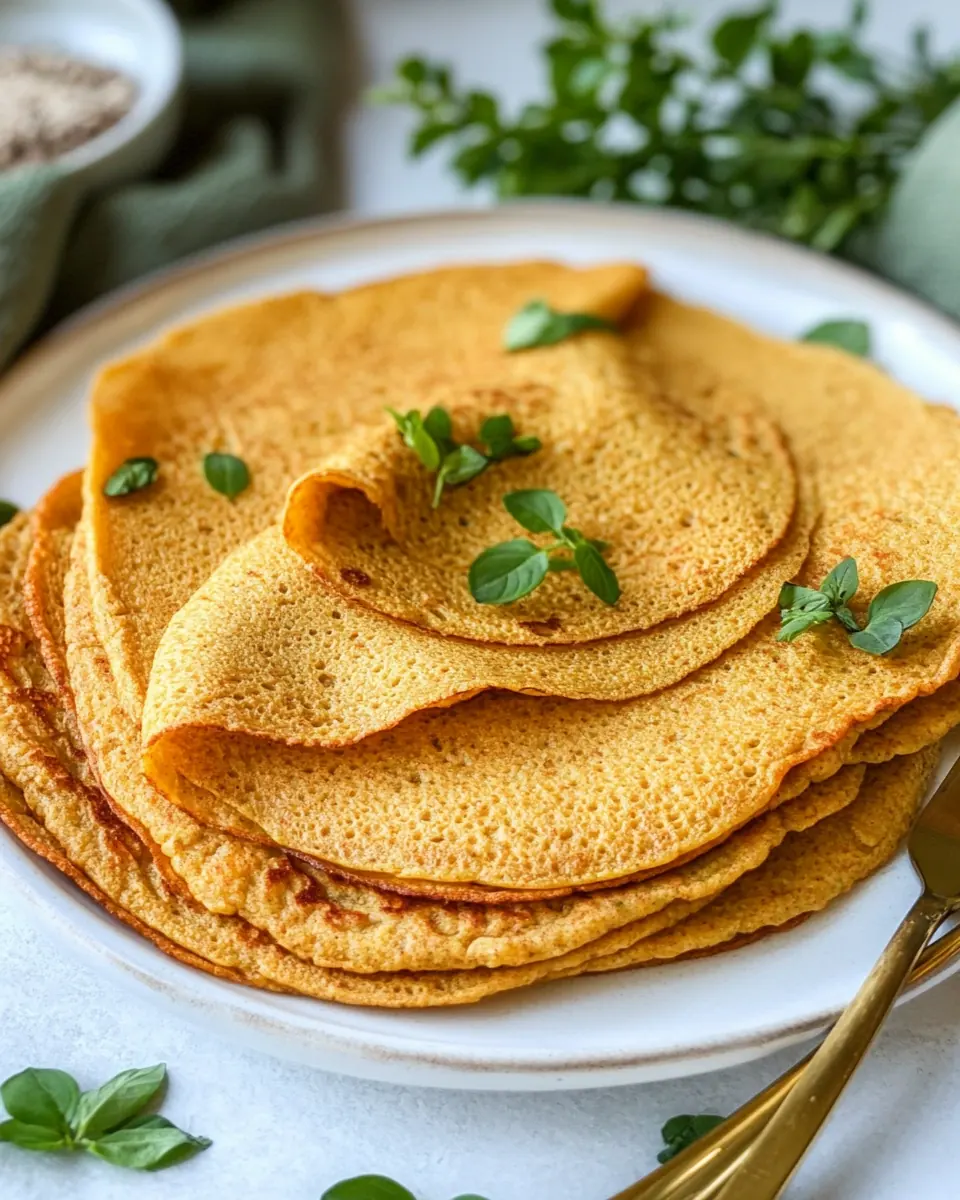
These ingredients are intentionally minimal and work together to create a simple, sturdy flatbread. The red lentils provide protein and body, the still water hydrates and helps form the batter, and the optional cooking oil and your favorite spices let you control texture and flavor. They are straightforward, pantry friendly, and focused on wholesome taste.
- 250 g red lentils: Soak and soften the lentils to create a smooth, protein-rich batter base; blend until creamy for even pancakes. Provide body and a slightly sweet, earthy flavor while holding the pancakes together when cooked.
- 550 ml still water: Hydrate and thin the blended lentil mixture to achieve the right pancake batter consistency; add gradually until pourable but not watery. Control cooking texture and ensure even cooking through adequate moisture.
- Cooking oil (if you're not using a non-stick pan): Grease and prevent sticking in the pan to achieve golden, crisp edges and easy flipping; use a light brush or a small amount in the hot skillet. Enhance browning and mouthfeel while allowing pancakes to release cleanly.
- Your favorite spices: Season and customize flavor profile with warm or savory notes such as cumin, paprika, or salt; adjust to taste for desired complexity. Balance the mild lentil base and elevate the overall dish with aromatic and flavorful highlights.
Step by Step Guide for Easy Red Lentil Pancakes
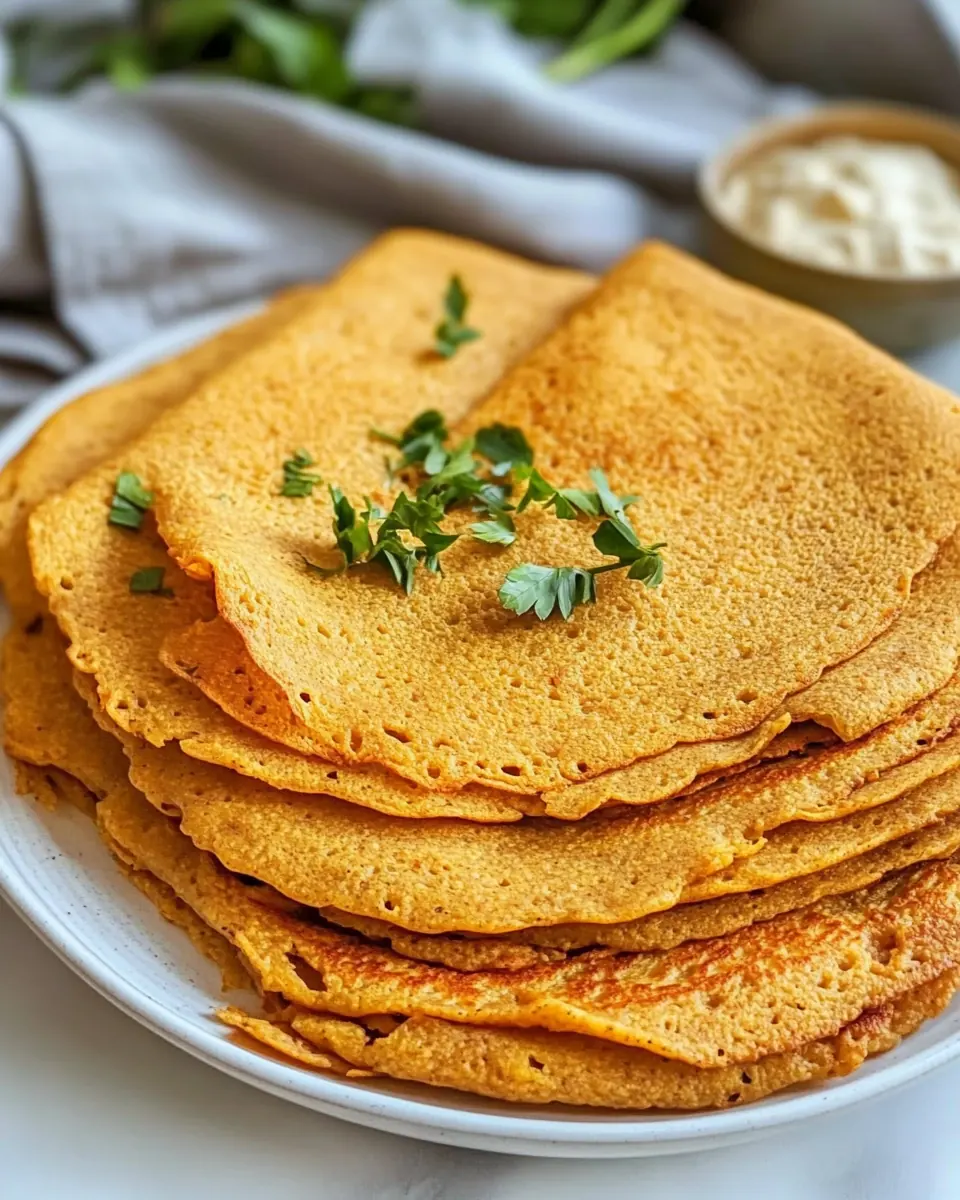
These directions are straightforward, and once you get a rhythm the process feels almost meditative. I walk through soaking, blending, and frying, and explain the cues I watch for so you can replicate the same tender yet slightly crisp result.
- Soak the lentils in still water and let them sit for at least 2 hours or until they absorb all the liquid.: The soaking allows the red lentils to plump and soften, releasing starches that help bind the batter. You should notice the lentils swelling and the water becoming slightly cloudy, a sign that starch is loosening. The aroma at this stage is mild and earthy, and the texture should be tender when pressed between fingers. Why this matters, I have found, is that properly soaked lentils require less blending to reach a smooth consistency, preserving a pleasant mouthfeel. A common mistake is skimping on soak time, which leads to gritty batter and uneven cooking, so resist the urge to rush this step.
- Then add them to a blender and blend until you get a liquid, soft pancake batter-like consistency.: As you blend the soaked red lentils with the reserved still water , listen for the motor tone to steady, and watch for a smooth, silky pourable batter. The visual cue is a batter that ribbons slowly from the blade, without large lentil pieces. The scent becomes slightly sweeter, and the surface looks glossy. Blending releases air which lightens the batter, making the pancakes tender. Avoid overloading the blender, which can lead to uneven processing; if the mixture seems lumpy, pulse and scrape the sides to ensure even texture.
- In a non-stick pan pour 2-3 tablespoons of the batter and spread it gently with a spatula (the batter is thick and will not spread by turning the pan as you would for pancakes).: When you pour the batter, you will feel its weight; it will not flow like a wheat pancake mix. Use a spatula to gently coax it into a thin circle, watching the edges set and change from wet to matte. The surface will show tiny bubbles where steam escapes, and aroma shifts to a warm, toasty note. This spreading technique matters because it creates even thickness, ensuring the center cooks through while the edges crisp. A frequent error is trying to tip the pan to spread the batter, which results in irregular thickness and inconsistent cooking.
- Cook on both sides for 2-3 minutes or until firm enough to handle easily.: As the pancake cooks, you will hear a subtle sizzle and see the edges lifting slightly from the pan. The bottom should develop a golden to light brown color, and the top will look set rather than glossy. Flip when the underside is firm and the surface stops appearing wet. The scent will become nuttier and more pronounced. Cooking both sides ensures a pleasant contrast of tender interior and firmer edge. A common mistake is flipping too early, which can tear the pancake, so wait until it feels resilient when nudged with a spatula.
- Repeat until you use up all the batter.: Keep the pan at consistent medium heat and repeat the pour, spread, and cook cycle. You will develop a rhythm, and the pancakes will become more uniform as you adjust heat and oil. Between batches, wipe the pan if bits accumulate to prevent burning that could taint later pancakes. The auditory cue of a steady gentle sizzle indicates correct temperature. A trap to avoid is overcrowding the pan, which lowers the heat and leads to soggy centers, so give each pancake enough space.
- Enjoy with fresh vegetables, in wraps, with salads or soups.: Serving is flexible, and the warm aroma pairs beautifully with crisp vegetables or tangy dressings. I love tearing a pancake and wrapping it around a pile of greens, noticing the contrast between soft interior and crunchy veg. The aroma and texture interplay make each bite balanced. One tip is to serve immediately for the best texture; letting them steam under a cover will soften the edges, so if you must hold them, place on a cooling rack to maintain crispness.
- You can also add spices to the batter or use a splash of oil when frying if you don't have a non-stick pan.: Incorporating your favorite spices into the batter releases fragrant oils when cooked, giving a layered scent and deeper flavor. A light splash of cooking oil in a regular pan ensures even browning and a pleasing crisp edge. When adding spices, mix sparingly at first and adjust after tasting a small test pancake. Avoid adding too much liquid, which would thin the batter and change cooking times; if pancakes spread too much, reduce added liquids in future batches.
Recipe Variations about Easy Red Lentil Pancakes
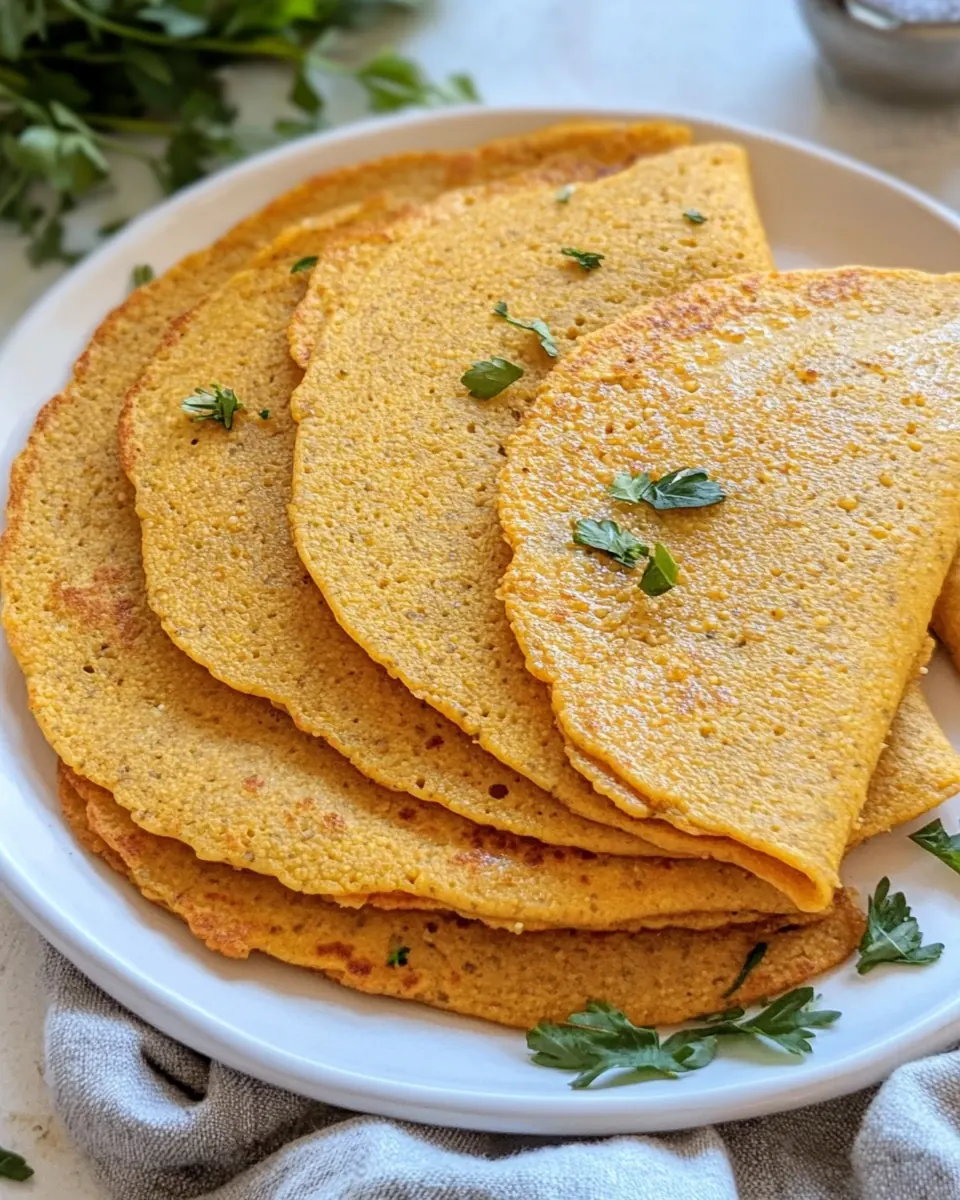
These ideas help you riff on the base while keeping the technique intact. I encourage experimenting with spices and serving styles to find your favorite combination.
- Spiced savory Add ground cumin and coriander to the batter for an earthy, warming profile that pairs well with fresh herbs.
- Herb packed Stir in finely chopped parsley or cilantro after blending for a bright, green lift that freshens each bite.
- Chili kick Mix in a pinch of chili flakes or paprika to give the pancakes subtle heat without overpowering the lentil flavor.
- Crisp edges Use a light coating of cooking oil in a regular pan to encourage a crunchy perimeter while keeping the center tender.
- Wrap friendly Make slightly larger, thinner pancakes to act as wraps for vegetables, hummus, or soft cheeses if you include those in other dishes.
- Meal prep Cook a big batch and refrigerate, reheating briefly in a hot pan to revive crispness and flavor for quick lunches.
Serving Suggestions
These pancakes are versatile and fit many occasions. Below are thoughtful ways to present them, with practical storage ideas and pairing suggestions to suit seasons and meals.
- Casual lunch Serve warm with sliced raw vegetables and a simple yogurt or tahini dip for a satisfying midday meal.
- Weeknight dinner Use as flatbreads to wrap roasted or fresh vegetables and a drizzle of sauce for an easy and filling dinner.
- Ramadan iftar They make a gentle, nourishing choice to break the fast, paired with light soup or salad to keep the meal balanced.
- Picnic friendly Cool completely and pack with small containers of dipping sauces and sliced vegetables for an easy outdoor meal.
- Storage tip Refrigerate cooked pancakes in an airtight container for up to three days, and reheat in a hot pan to restore texture.
- Freezing Layer cooled pancakes with parchment paper and freeze in a sealed bag; reheat from frozen on a hot skillet to bring back crisp edges.
- Seasonal pairing In spring and summer, pair with bright salads and fresh herbs; in cooler months, serve beside warm soups for a comforting combination.
FAQ
Conclusion
Easy Red Lentil Pancakes stand out because they transform a single pantry staple into a flexible, nourishing flatbread that is both simple and satisfying. Give them a try when you need a quick, gluten free option that adapts to bold spices or gentle accompaniments, and enjoy the comfort of a homemade, wholesome bite. I hope these pancakes become a regular solution for your busy days, whether served with crisp vegetables, wrapped for lunch, or tucked alongside a warming soup.
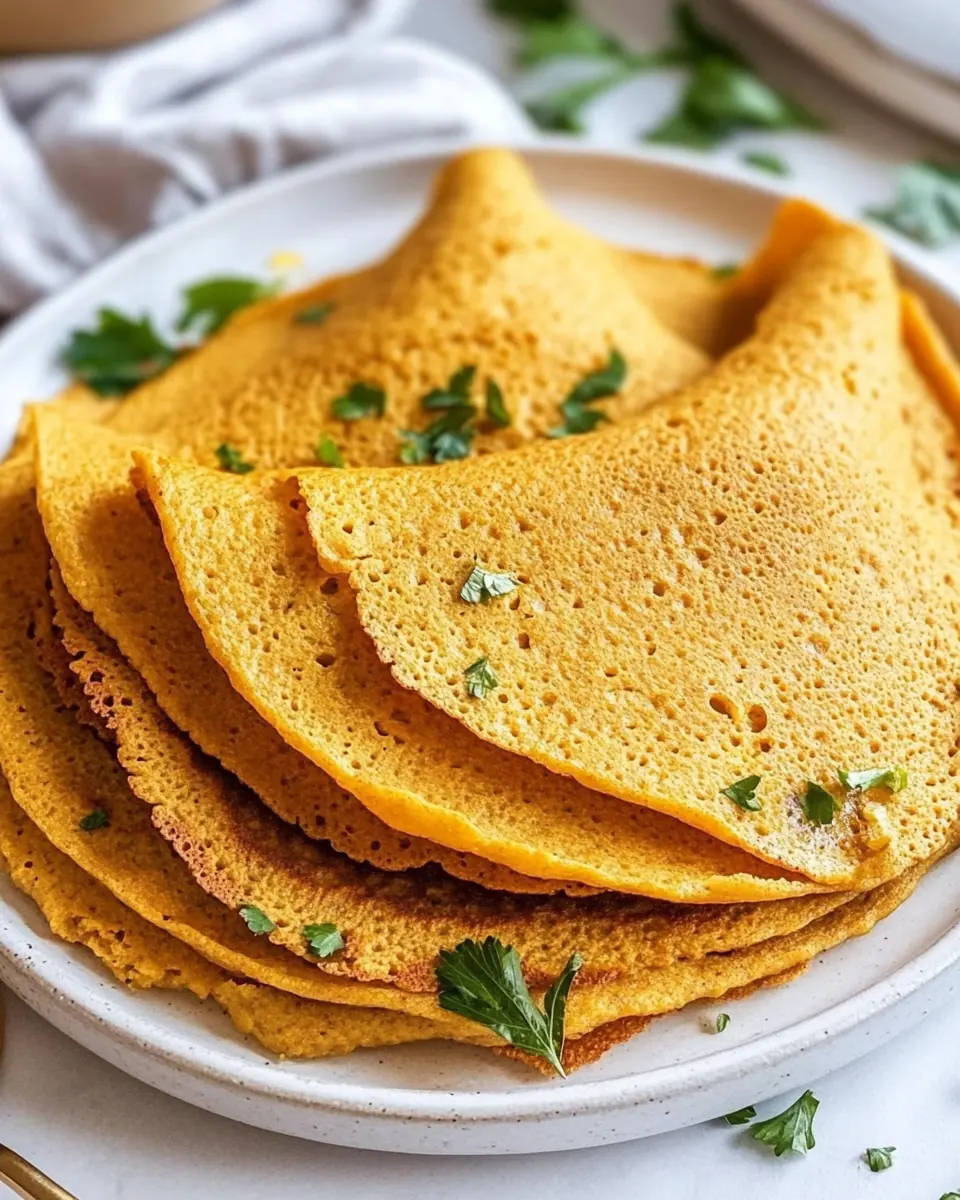
Easy Red Lentil Pancakes
Ingredients
Equipment
Method
- Soak the lentils in still water and let them sit for at least 2 hours or until they absorb all the liquid.: The soaking allows the red lentils to plump and soften, releasing starches that help bind the batter. You should notice the lentils swelling and the water becoming slightly cloudy, a sign that starch is loosening. The aroma at this stage is mild and earthy, and the texture should be tender when pressed between fingers. Why this matters, I have found, is that properly soaked lentils require less blending to reach a smooth consistency, preserving a pleasant mouthfeel. A common mistake is skimping on soak time, which leads to gritty batter and uneven cooking, so resist the urge to rush this step.
- Then add them to a blender and blend until you get a liquid, soft pancake batter-like consistency.: As you blend the soaked red lentils with the reserved still water , listen for the motor tone to steady, and watch for a smooth, silky pourable batter. The visual cue is a batter that ribbons slowly from the blade, without large lentil pieces. The scent becomes slightly sweeter, and the surface looks glossy. Blending releases air which lightens the batter, making the pancakes tender. Avoid overloading the blender, which can lead to uneven processing; if the mixture seems lumpy, pulse and scrape the sides to ensure even texture.
- In a non-stick pan pour 2-3 tablespoons of the batter and spread it gently with a spatula (the batter is thick and will not spread by turning the pan as you would for pancakes).: When you pour the batter, you will feel its weight; it will not flow like a wheat pancake mix. Use a spatula to gently coax it into a thin circle, watching the edges set and change from wet to matte. The surface will show tiny bubbles where steam escapes, and aroma shifts to a warm, toasty note. This spreading technique matters because it creates even thickness, ensuring the center cooks through while the edges crisp. A frequent error is trying to tip the pan to spread the batter, which results in irregular thickness and inconsistent cooking.
- Cook on both sides for 2-3 minutes or until firm enough to handle easily.: As the pancake cooks, you will hear a subtle sizzle and see the edges lifting slightly from the pan. The bottom should develop a golden to light brown color, and the top will look set rather than glossy. Flip when the underside is firm and the surface stops appearing wet. The scent will become nuttier and more pronounced. Cooking both sides ensures a pleasant contrast of tender interior and firmer edge. A common mistake is flipping too early, which can tear the pancake, so wait until it feels resilient when nudged with a spatula.
- Repeat until you use up all the batter.: Keep the pan at consistent medium heat and repeat the pour, spread, and cook cycle. You will develop a rhythm, and the pancakes will become more uniform as you adjust heat and oil. Between batches, wipe the pan if bits accumulate to prevent burning that could taint later pancakes. The auditory cue of a steady gentle sizzle indicates correct temperature. A trap to avoid is overcrowding the pan, which lowers the heat and leads to soggy centers, so give each pancake enough space.
- Enjoy with fresh vegetables, in wraps, with salads or soups.: Serving is flexible, and the warm aroma pairs beautifully with crisp vegetables or tangy dressings. I love tearing a pancake and wrapping it around a pile of greens, noticing the contrast between soft interior and crunchy veg. The aroma and texture interplay make each bite balanced. One tip is to serve immediately for the best texture; letting them steam under a cover will soften the edges, so if you must hold them, place on a cooling rack to maintain crispness.
- You can also add spices to the batter or use a splash of oil when frying if you don't have a non-stick pan.: Incorporating your favorite spices into the batter releases fragrant oils when cooked, giving a layered scent and deeper flavor. A light splash of cooking oil in a regular pan ensures even browning and a pleasing crisp edge. When adding spices, mix sparingly at first and adjust after tasting a small test pancake. Avoid adding too much liquid, which would thin the batter and change cooking times; if pancakes spread too much, reduce added liquids in future batches.
Notes
- Spiced savory Add ground cumin and coriander to the batter for an earthy, warming profile that pairs well with fresh herbs.
- Herb packed Stir in finely chopped parsley or cilantro after blending for a bright, green lift that freshens each bite.
- Chili kick Mix in a pinch of chili flakes or paprika to give the pancakes subtle heat without overpowering the lentil flavor.
- Crisp edges Use a light coating of cooking oil in a regular pan to encourage a crunchy perimeter while keeping the center tender.
- Wrap friendly Make slightly larger, thinner pancakes to act as wraps for vegetables, hummus, or soft cheeses if you include those in other dishes.
- Meal prep Cook a big batch and refrigerate, reheating briefly in a hot pan to revive crispness and flavor for quick lunches.