Chocolate Torta Caprese
Chocolate Torta Caprese has always been my go-to when I want something that feels indulgent yet somehow simple, a dessert that asks for patience more than fuss. The first time I made Chocolate Torta Caprese, I was hosting a small dinner and wanted a showstopper that would not monopolize my oven all afternoon. I remember the warm, earthy scent of toasted almonds filling the kitchen as I prepped, and the comfort of stirring glossy, melted dark chocolate into a rich batter. It felt like making a secret for friends more than assembling a recipe.
Over the years I’ve learned to trust certain small rituals with Chocolate Torta Caprese, from toasting the almond flour to letting the cake rest overnight so the texture settles into something almost fudgy. I don’t rush that cooling period anymore, because the reward is a cake that slices cleanly yet melts on the tongue. Hosting with this cake makes me feel calm and confident, because it behaves beautifully and slices into elegant wedges for coffee or tea.
Recipe Snapshot
1 hr 20 mins
20 mins
60 mins
Medium
350 kcal
Italian
Gluten-Free, Low FODMAP
Desserts
Mixing bowl, Saucepan, Mixer, Spatula, 12-inch round cake pan
Why We Love This Chocolate Torta Caprese
Pure, powerful chocolate flavor
I love how Chocolate Torta Caprese celebrates dark chocolate without distractions. The chocolate shines, offering deep, slightly bitter notes that are balanced by the toasted almond texture. When you cut a slice, expect a rich aroma and a silky mouthfeel that keeps everyone reaching for another bite.
Gluten free by nature
Because this recipe relies on blanched almond flour instead of wheat flour, it naturally fits into gluten free conversations. I find this makes the cake feel even more decadent, like a dense, flourless torte that showcases the nutty backbone. Guests often assume it has special ingredients, and I enjoy that little reveal.
Make ahead magic
This cake asks you to wait overnight, and that’s part of its charm. I often bake it a day ahead, which gives me time to focus on the meal and arrive at dessert relaxed. The resting step lets flavors harmonize and texture set, so when you serve it the next day the crumb is refined and the chocolate has mellowed into a perfect balance.
Simple ingredient list, impressive result
I appreciate recipes that use pantry-forward items yet produce something restaurant worthy. With unsalted butter, granulated sugar, and eggs, the mechanics are familiar, but the outcome feels elevated. It proves that technique, like folding in whipped egg whites, turns basic elements into a showpiece.
Flexible serving occasions
Whether I bring Chocolate Torta Caprese to a holiday table or a casual weekend coffee, it fits. It slices into squares or wedges and pairs nicely with simple accompaniments. For me, the cake’s versatility makes it a reliable choice for celebrations and intimate dinners alike.
Recipe Ingredients for Chocolate Torta Caprese
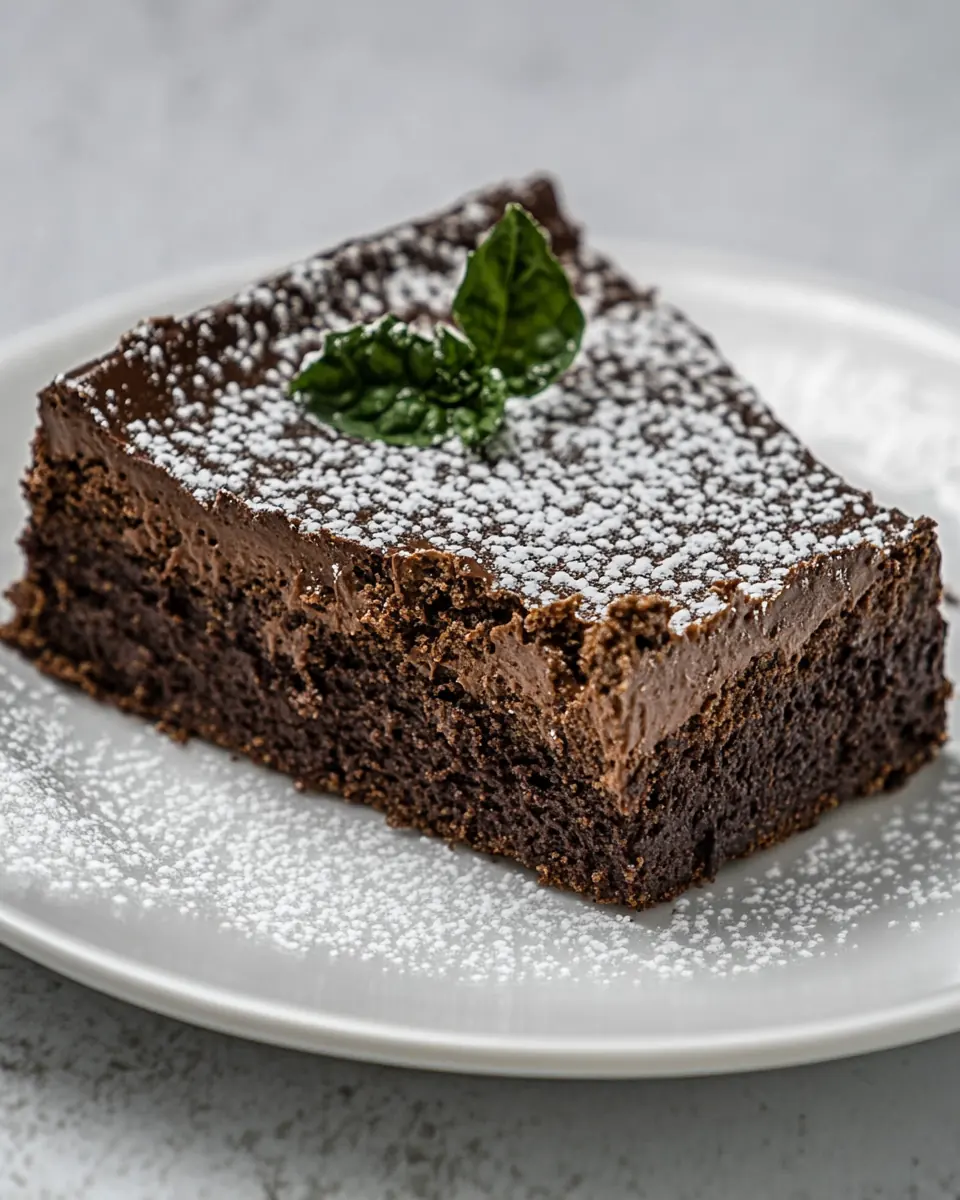
These ingredients are purposeful and harmonious. The trio of blanched almond flour, dark chocolate, and unsalted butter forms the rich backbone, while granulated sugar and the eggs balance structure and sweetness. Together they create a cake that is both dense and tender, where texture and flavor come from technique more than exotic additions.
- 3 cups plus 2 tablespoons (300 grams) blanched almond flour: Measure precisely and provide a tender, moist crumb by supplying finely ground blanched almonds that mimic flour while keeping the cake naturally gluten-free; they add a subtle nutty richness and structure to the torta caprese without affecting chocolate intensity.
- 10.5 ounces (300 grams) dark chocolate, broken into pieces: Melt carefully and contribute deep, intense cocoa flavor and silky ganache-like richness when combined with butter; high-quality dark chocolate also helps set the cake’s fudgy interior and provides aromatic complexity.
- 1 cup (300 grams) unsalted butter, room temperature: Soften fully and create a smooth, emulsified base with chocolate for a luscious texture; room–temperature unsalted butter allows control of salt levels and helps achieve a glossy, dense crumb typical of caprese cakes.
- 1 1/2 cups (300 grams) granulated sugar: Dissolve well and supply sweetness and tenderization while helping to aerate the batter when beaten with egg yolks or whites; granulated sugar also balances the chocolate’s bitterness and aids in creating a slightly crackled top.
- 8 large eggs (400 grams), separated: Separate carefully and enable both leavening and richness by using yolks for body and whites whipped to soft peaks for lift; the quantity ensures a moist, custardy center while whipped whites lighten the overall texture.
Instructions for Chocolate Torta Caprese
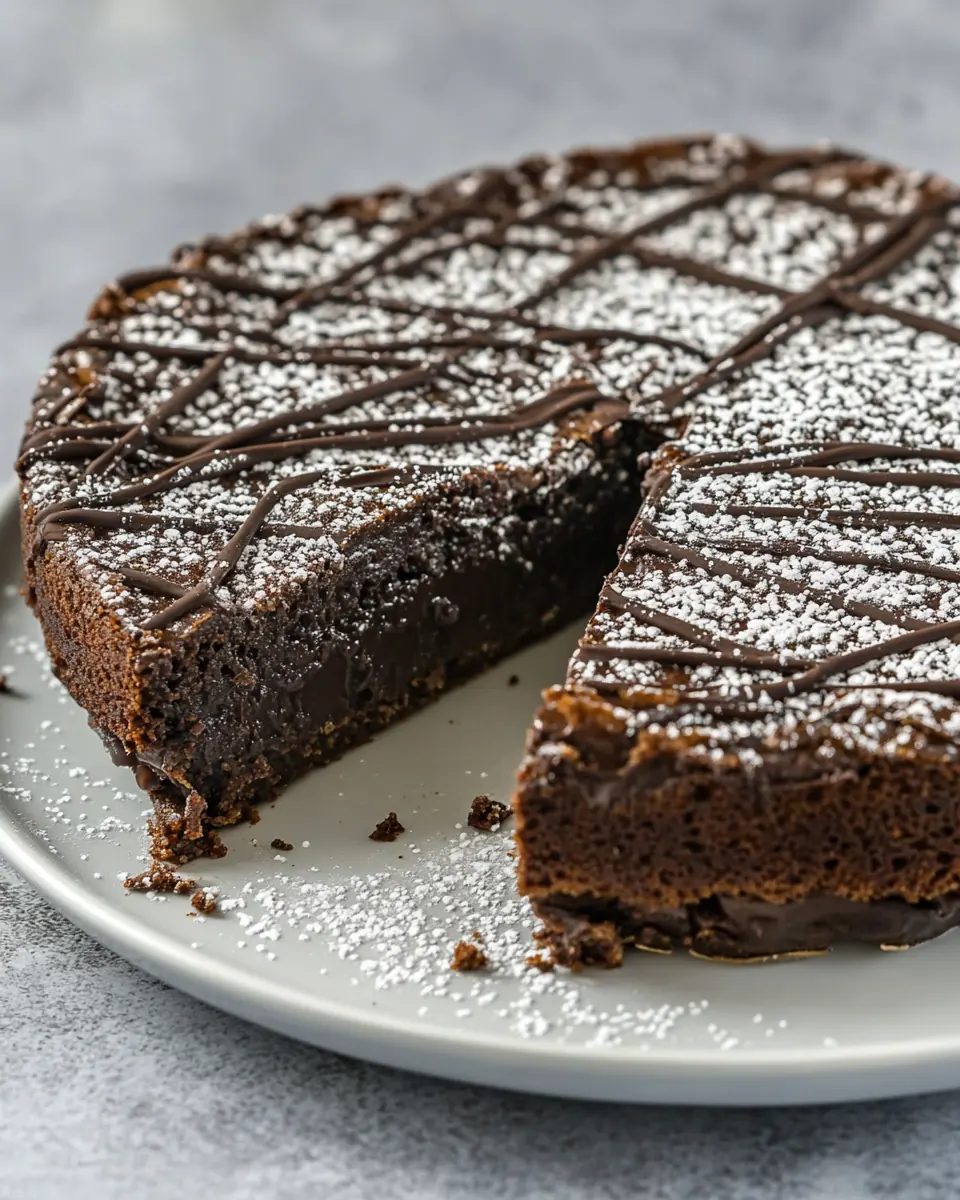
This recipe is methodical and rewarding, so approach it with calm focus. I like to arrange ingredients and tools first, then move steadily from toasting to folding without rushing. The sensory cues will tell you when each stage is right, and patience at cooling is part of the payoff.
- Preheat oven to 160°C (320°F). Spread almond flour on a rimmed baking sheet, and toast for 5 minutes.: You'll notice a warm, even air once the oven reaches temperature, which helps the initial almond toasting and sets a gentle environment for the cake's rise. Because the first step is to toast, this lower temperature prevents the almonds from scorching, and it builds steady heat for the subsequent higher temperature. A common mistake is skipping the preheat, which can lead to uneven toasting or a cake that bakes inconsistently.
- Increase the oven temperature to 180°C (350°F).: As the almond flour warms, you'll smell sweet, toasty notes and see a slight deepening in color, signaling the release of the almond oils. Toasting enhances nuttiness and reduces moisture, improving the texture of the cake. Stir once or twice for even color. Avoid overtoasting, which creates a bitter edge and can dry the cake out.
- Line a 12-inch (30 cm) round cake pan with baking paper, or grease with butter or baking spray with flour.: This bump in heat prepares the oven for actual baking, ensuring the center cooks through without too long a drying period. You should hear the oven fan settle and feel the air become noticeably hotter when you open the door briefly. Not allowing the oven to reach the correct higher temperature can yield a dense or underbaked center, so be patient before placing the cake inside.
- Melt the chocolate in a bowl sitting over a saucepan of simmering water, stirring occasionally.: Proper pan prep prevents sticking and promotes even browning at the edges. The tactile feel of well-fitted baking paper and a thin smear of butter helps the cake release cleanly. If you skip this, bits of cake can cling to the pan and tear when you try to unmold it, so take the extra minute for care.
- Using a kitchen mixer fitted with the paddle attachment, mix the butter and sugar for approximately 7 minutes on medium speed until smooth and creamy.: As the chocolate melts, it will soften, gloss over, and develop that silky sheen that tells you it is ready. The gentle steam bath prevents scorching and keeps the chocolate smooth. Stir slowly until lump free, then remove from heat. Using direct high heat risks seizing the chocolate, so avoid applying intense heat.
- Hand-whisk the egg whites until you have firm peaks (or, if preferred, use a handheld mixer). Stir the egg yolks with a spoon until smooth.: The butter and granulated sugar will transform from a grainy paste into a pale, airy cream, and you'll hear the mixer motor change pitch as the mixture aerates. This step builds structure that supports the yolks. Undercreaming leaves a denser crumb, so don't rush the seven minutes if your mixer indicates more time is needed.
- Pour the egg yolks into the butter and sugar mixture and set on high speed for approximately 3 minutes.: Whipping the eggs whites yields a glossy, billowy mass that holds shape, with peaks that stand upright. You'll feel resistance when the whisk lifts. Overwhipping turns them dry and grainy, which makes folding difficult, so stop once firm but not brittle peaks form. Commonly, people underwhip and lose lift, or overwhip and end up with broken whites, so watch closely.
- Pour the toasted almond flour into the butter, sugar and egg yolk mixture on medium speed for approximately 2 minutes. Pour the melted chocolate into the kitchen mixer and mix on medium speed for a further 4 minutes.: Smooth yolks blend seamlessly into the creamed butter and sugar, adding richness and color without lumps. The yolks should be a consistent pale gold, and stirring by hand keeps them from over-aerating. If they remain lumpy, they can create pockets in the batter, so ensure smoothness before adding.
- Then remove the bowl from the kitchen mixer and gently fold in the egg whites, stirring from the bottom up.: The mixer will integrate the yolks, producing a glossy, cohesive batter base that has more volume and an even texture. You might hear the mixture lighten in sound as it becomes smoother. If you fold too gently here, the yolks may not fully emulsify with the butter, resulting in streaks or uneven crumb.
- Pour the mixture into the cake tin and place it into the preheated oven for 50 minutes to 1 hour. Check with a cake tester. Once cooked, remove from the oven and then let the cake cool in the tin. Let the cake stand at least overnight before eating.: Adding the blanched almond flour now gives body, and mixing on medium produces an even distribution without overworking. The batter will thicken and take on a fine, nutty aroma. Overmixing can make the batter heavy, while undermixing leaves pockets of dry flour, so aim for uniformity.
- Cut into bite-size squares to serve. Store in an airtight container for up to 4 days.: Incorporating the warm, glossy dark chocolate brings the batter to a luxuriously dark, silken consistency and amplifies aroma. You will see a uniform, glossy sheen and smell the chocolate deepen. Ensure the chocolate is not too hot to avoid cooking the eggs, and do not undermix or the chocolate may streak through the batter unevenly.
- Then remove the bowl from the kitchen mixer and gently fold in the egg whites, stirring from the bottom up: Folding introduces air while preserving the batter's silkiness. Use a wide spatula and a light hand, moving from the base to the surface in sweeping motions, until no white streaks remain. You should see a billowy, cohesive batter that is light yet dense. Vigorous stirring will deflate the batter, while too gentle folding leaves visible white pockets, so find a balanced rhythm.
- Pour the mixture into the cake tin and place it into the preheated oven for 50 minutes to 1 hour: As the cake bakes, the surface firms and may develop a thin crust while the interior remains moist. You will smell a concentrated chocolate fragrance and see the edges pull slightly from the pan. Check with a cake tester near the center; a few moist crumbs are fine. Baking too briefly yields a loose center, while too long risks dryness, so test toward the end of the suggested time range.
- Check with a cake tester. Once cooked, remove from the oven and then let the cake cool in the tin. Let the cake stand at least overnight before eating: Cooling in the tin helps the cake settle and prevents sudden texture changes from handling. Overnight resting allows moisture and flavor to harmonize, giving the cake that signature dense yet tender finish. Cutting it too soon results in a fragile crumb that may collapse, so resist the urge to slice immediately.
- Cut into bite-size squares to serve: The cake will have a satisfyingly dense, fudge-like interior and a delicate crust when fully rested, and small squares make it easy to enjoy in a single bite. Use a sharp knife wiped between cuts for clean edges. If you slice while still warm, pieces may crumble, so ensure it has rested sufficiently.
- Store in an airtight container for up to 4 days: Stored properly, the cake retains moistness and flavor, and the chocolate tones remain pronounced. Refrigeration is optional depending on your climate, but an airtight container prevents drying. Exposure to air will harden the crust, so seal it well to maintain peak texture.
Pro Tips and Tweaks
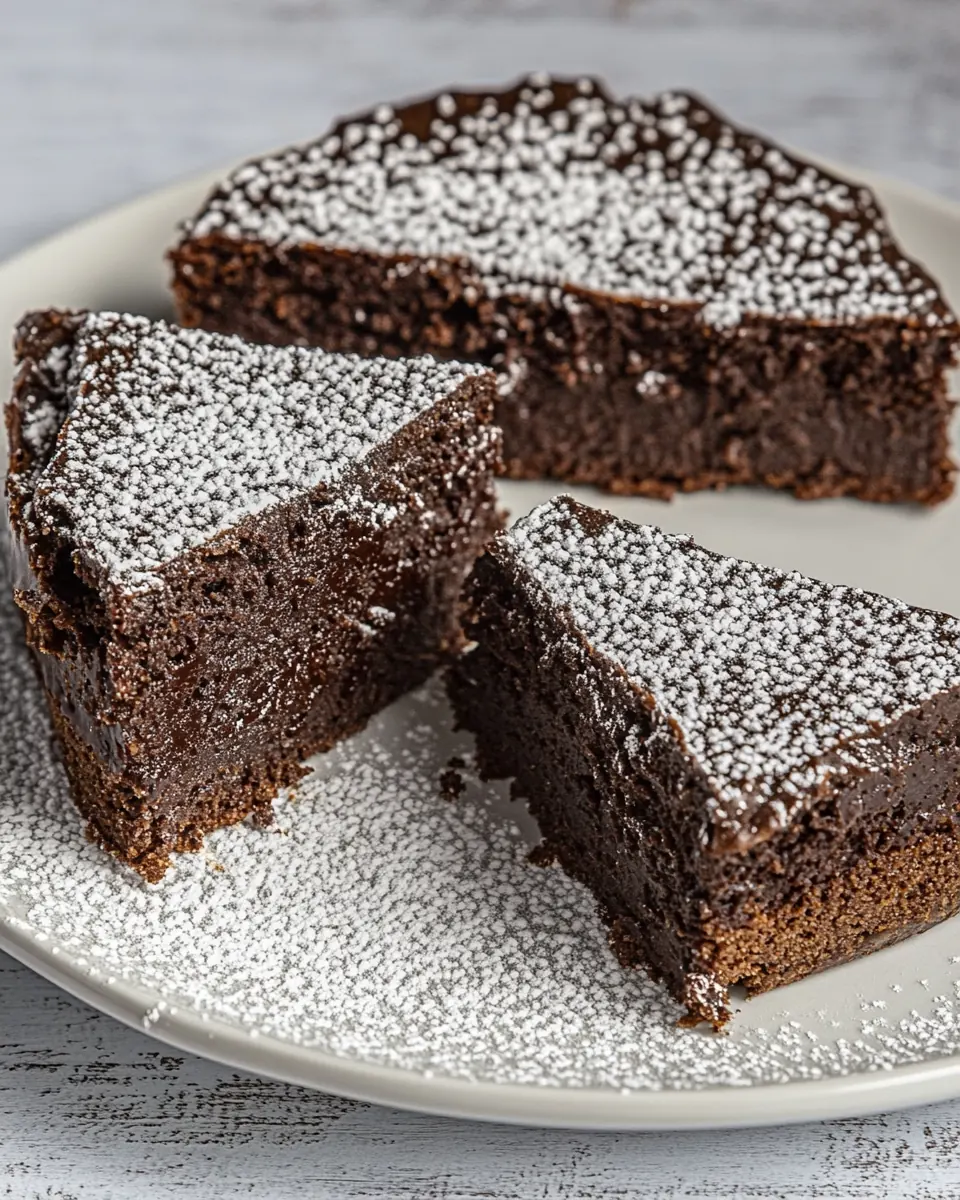
I like to think of these tips as little nudges that protect your time and amplify the cake’s natural drama. Below are practical ideas I use often to make this dessert more reliable and more enjoyable for guests.
- Quality chocolate matters, choose a dark chocolate you enjoy eating on its own, because its flavor dominates the cake and will determine the final taste.
- Room temperature butter creams better with sugar, creating a smoother base for emulsification and a better crumb in the finished cake.
- Beat the yolks fully, ensuring they are smooth before adding helps them blend into the butter mixture without creating lumps.
- Fold gently when combining the whipped whites, preserving the air you worked to build, which lightens the cake while keeping it lush.
- Check the oven early, test toward the lower end of the bake time to avoid overbaking, and use a tester for the center to gauge doneness.
- Store properly, keep the cake in an airtight container at room temperature or lightly chilled depending on humidity, to maintain texture and freshness.
What Complements This Chocolate Torta Caprese
Chocolate Torta Caprese pairs wonderfully with simple accompaniments that let the cake shine. Whether you serve it at a relaxed gathering or a special dinner, the following ideas help present it with grace. Consider the cake the centerpiece, and choose supporting elements that add contrast and freshness.
- Simple coffee or tea is a classic match, with robust brews cutting the cake’s richness and lighter teas offering a gentle counterpoint.
- Fresh fruit like a small bowl of berries complements the deep chocolate with bright acidity and a juicy contrast to the dense texture.
- Whipped cream or lightly sweetened yogurt adds a cloudlike, creamy contrast and mellows the chocolate if you prefer a softer finish.
- Small portions for gatherings, cut into bite-size squares for receptions or afternoon tea so guests can sample without feeling overwhelmed.
- Occasions such as dinner parties, holidays, or intimate celebrations are ideal, because the make ahead nature frees you up while delivering a memorable finale.
- Storage tips, keep in an airtight container at room temperature for up to four days or refrigerate if your kitchen is warm, bringing to room temperature before serving for best texture.
FAQ
Conclusion
What makes Chocolate Torta Caprese special is its dramatic chocolate intensity balanced by toasty almond texture and a dense, silky crumb. Try it because it is both approachable and impressive, requiring straightforward technique rather than fancy ingredients. Make it ahead to simplify your day of hosting, and take pleasure in how the flavors deepen with rest. I promise it will become one of those recipes you return to when you want a dessert that feels both elegant and cozy.
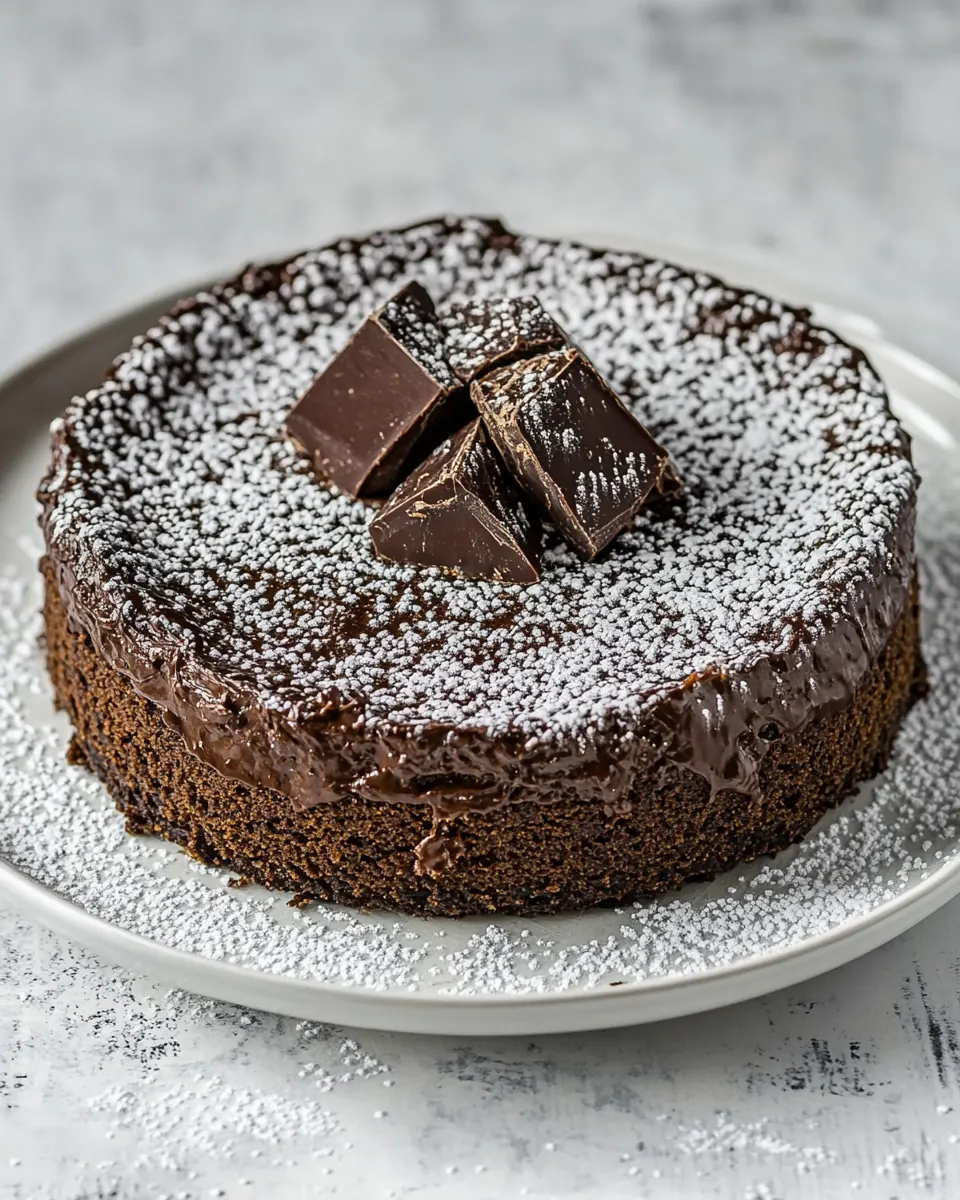
Chocolate Torta Caprese
Ingredients
Equipment
Method
- Preheat oven to 160°C (320°F). Spread almond flour on a rimmed baking sheet, and toast for 5 minutes.: You'll notice a warm, even air once the oven reaches temperature, which helps the initial almond toasting and sets a gentle environment for the cake's rise. Because the first step is to toast, this lower temperature prevents the almonds from scorching, and it builds steady heat for the subsequent higher temperature. A common mistake is skipping the preheat, which can lead to uneven toasting or a cake that bakes inconsistently.
- Increase the oven temperature to 180°C (350°F).: As the almond flour warms, you'll smell sweet, toasty notes and see a slight deepening in color, signaling the release of the almond oils. Toasting enhances nuttiness and reduces moisture, improving the texture of the cake. Stir once or twice for even color. Avoid overtoasting, which creates a bitter edge and can dry the cake out.
- Line a 12-inch (30 cm) round cake pan with baking paper, or grease with butter or baking spray with flour.: This bump in heat prepares the oven for actual baking, ensuring the center cooks through without too long a drying period. You should hear the oven fan settle and feel the air become noticeably hotter when you open the door briefly. Not allowing the oven to reach the correct higher temperature can yield a dense or underbaked center, so be patient before placing the cake inside.
- Melt the chocolate in a bowl sitting over a saucepan of simmering water, stirring occasionally.: Proper pan prep prevents sticking and promotes even browning at the edges. The tactile feel of well-fitted baking paper and a thin smear of butter helps the cake release cleanly. If you skip this, bits of cake can cling to the pan and tear when you try to unmold it, so take the extra minute for care.
- Using a kitchen mixer fitted with the paddle attachment, mix the butter and sugar for approximately 7 minutes on medium speed until smooth and creamy.: As the chocolate melts, it will soften, gloss over, and develop that silky sheen that tells you it is ready. The gentle steam bath prevents scorching and keeps the chocolate smooth. Stir slowly until lump free, then remove from heat. Using direct high heat risks seizing the chocolate, so avoid applying intense heat.
- Hand-whisk the egg whites until you have firm peaks (or, if preferred, use a handheld mixer). Stir the egg yolks with a spoon until smooth.: The butter and granulated sugar will transform from a grainy paste into a pale, airy cream, and you'll hear the mixer motor change pitch as the mixture aerates. This step builds structure that supports the yolks. Undercreaming leaves a denser crumb, so don't rush the seven minutes if your mixer indicates more time is needed.
- Pour the egg yolks into the butter and sugar mixture and set on high speed for approximately 3 minutes.: Whipping the eggs whites yields a glossy, billowy mass that holds shape, with peaks that stand upright. You'll feel resistance when the whisk lifts. Overwhipping turns them dry and grainy, which makes folding difficult, so stop once firm but not brittle peaks form. Commonly, people underwhip and lose lift, or overwhip and end up with broken whites, so watch closely.
- Pour the toasted almond flour into the butter, sugar and egg yolk mixture on medium speed for approximately 2 minutes. Pour the melted chocolate into the kitchen mixer and mix on medium speed for a further 4 minutes.: Smooth yolks blend seamlessly into the creamed butter and sugar, adding richness and color without lumps. The yolks should be a consistent pale gold, and stirring by hand keeps them from over-aerating. If they remain lumpy, they can create pockets in the batter, so ensure smoothness before adding.
- Then remove the bowl from the kitchen mixer and gently fold in the egg whites, stirring from the bottom up.: The mixer will integrate the yolks, producing a glossy, cohesive batter base that has more volume and an even texture. You might hear the mixture lighten in sound as it becomes smoother. If you fold too gently here, the yolks may not fully emulsify with the butter, resulting in streaks or uneven crumb.
- Pour the mixture into the cake tin and place it into the preheated oven for 50 minutes to 1 hour. Check with a cake tester. Once cooked, remove from the oven and then let the cake cool in the tin. Let the cake stand at least overnight before eating.: Adding the blanched almond flour now gives body, and mixing on medium produces an even distribution without overworking. The batter will thicken and take on a fine, nutty aroma. Overmixing can make the batter heavy, while undermixing leaves pockets of dry flour, so aim for uniformity.
- Cut into bite-size squares to serve. Store in an airtight container for up to 4 days.: Incorporating the warm, glossy dark chocolate brings the batter to a luxuriously dark, silken consistency and amplifies aroma. You will see a uniform, glossy sheen and smell the chocolate deepen. Ensure the chocolate is not too hot to avoid cooking the eggs, and do not undermix or the chocolate may streak through the batter unevenly.
- Then remove the bowl from the kitchen mixer and gently fold in the egg whites, stirring from the bottom up: Folding introduces air while preserving the batter's silkiness. Use a wide spatula and a light hand, moving from the base to the surface in sweeping motions, until no white streaks remain. You should see a billowy, cohesive batter that is light yet dense. Vigorous stirring will deflate the batter, while too gentle folding leaves visible white pockets, so find a balanced rhythm.
- Pour the mixture into the cake tin and place it into the preheated oven for 50 minutes to 1 hour: As the cake bakes, the surface firms and may develop a thin crust while the interior remains moist. You will smell a concentrated chocolate fragrance and see the edges pull slightly from the pan. Check with a cake tester near the center; a few moist crumbs are fine. Baking too briefly yields a loose center, while too long risks dryness, so test toward the end of the suggested time range.
- Check with a cake tester. Once cooked, remove from the oven and then let the cake cool in the tin. Let the cake stand at least overnight before eating: Cooling in the tin helps the cake settle and prevents sudden texture changes from handling. Overnight resting allows moisture and flavor to harmonize, giving the cake that signature dense yet tender finish. Cutting it too soon results in a fragile crumb that may collapse, so resist the urge to slice immediately.
- Cut into bite-size squares to serve: The cake will have a satisfyingly dense, fudge-like interior and a delicate crust when fully rested, and small squares make it easy to enjoy in a single bite. Use a sharp knife wiped between cuts for clean edges. If you slice while still warm, pieces may crumble, so ensure it has rested sufficiently.
- Store in an airtight container for up to 4 days: Stored properly, the cake retains moistness and flavor, and the chocolate tones remain pronounced. Refrigeration is optional depending on your climate, but an airtight container prevents drying. Exposure to air will harden the crust, so seal it well to maintain peak texture.
Notes
- Quality chocolate matters, choose a dark chocolate you enjoy eating on its own, because its flavor dominates the cake and will determine the final taste.
- Room temperature butter creams better with sugar, creating a smoother base for emulsification and a better crumb in the finished cake.
- Beat the yolks fully, ensuring they are smooth before adding helps them blend into the butter mixture without creating lumps.
- Fold gently when combining the whipped whites, preserving the air you worked to build, which lightens the cake while keeping it lush.
- Check the oven early, test toward the lower end of the bake time to avoid overbaking, and use a tester for the center to gauge doneness.
- Store properly, keep the cake in an airtight container at room temperature or lightly chilled depending on humidity, to maintain texture and freshness.