Gnocchi With Sage and Butter
Gnocchi With Sage and Butter is one of those recipes I return to when I want something that feels elegant but comes together without drama.
I remember the first time I made Gnocchi With Sage and Butter for friends on a chilly evening in fall. I had a bag of gnocchi tucked in the fridge, a handful of sage leaves from a windowsill pot, and a small knob of butter that smelled faintly sweet. We gathered around the stovetop as steam rose, and the simple process of crisping the sage and browning the butter felt almost ceremonial. The house filled with a nutty, herby aroma that made conversation slow down as everyone savored that first bite.
Since then I’ve made Gnocchi With Sage and Butter for quick weeknight dinners, low-key date nights, and even as a cozy solo meal. It’s forgiving, and it rewards attention to small details like the exact moment the butter takes on those toasty notes or when the edges of the gnocchi get a slight sear. I like how it balances minimalism and depth, where a few quality ingredients really sing. Over time I learned tiny adjustments that lift the dish, like frying a few whole sage leaves until crisp and then crushing others to scatter through the pan for layered texture.
Recipe Snapshot
15 mins
5 mins
10 mins
Easy
350 kcal
Italian
Gluten-Free, Low FODMAP
Dinner
Large pot, Small saucepan, Skillet, Slotted spoon, Kitchen paper
Why This Gnocchi With Sage and Butter Stands Out
Pure, focused flavor
I love how Gnocchi With Sage and Butter showcases each ingredient without competing flavors. The soft, pillowy gnocchi acts as a canvas while the butter and olive oil carry the toasted, nutty notes. When you fry sage, its aroma becomes more intense and almost floral, and that scent carries through the entire dish.
Speed without compromise
One reason I recommend this dish is it is genuinely fast. From a boiling pot to the finished plate in minutes, it is a fantastic option for an easy weeknight dinner. That quick pace does not mean sloppy results, because the techniques are simple and reliable.
Textural contrasts
I always point out the little crispy sage leaves on top. They give a crunchy contrast to the soft gnocchi, and the slight browning of the butter adds a velvet like mouthfeel with caramelized notes. Those contrasts keep each bite interesting.
Accessible elegance
When I want to impress without fuss, this recipe is my go to. It reads like a restaurant plate yet requires just a few pantry staples. Using simple techniques like searing and spooning lets you look seasoned, even if you are pressed for time.
Versatility
I love how this foundation adapts. You can keep it strictly classic, or nudge it with extra crunch, herbs, or a shave of Parmesan. The base flavors remain intact, so you get consistent success each time.
Shopping List for Gnocchi With Sage and Butter
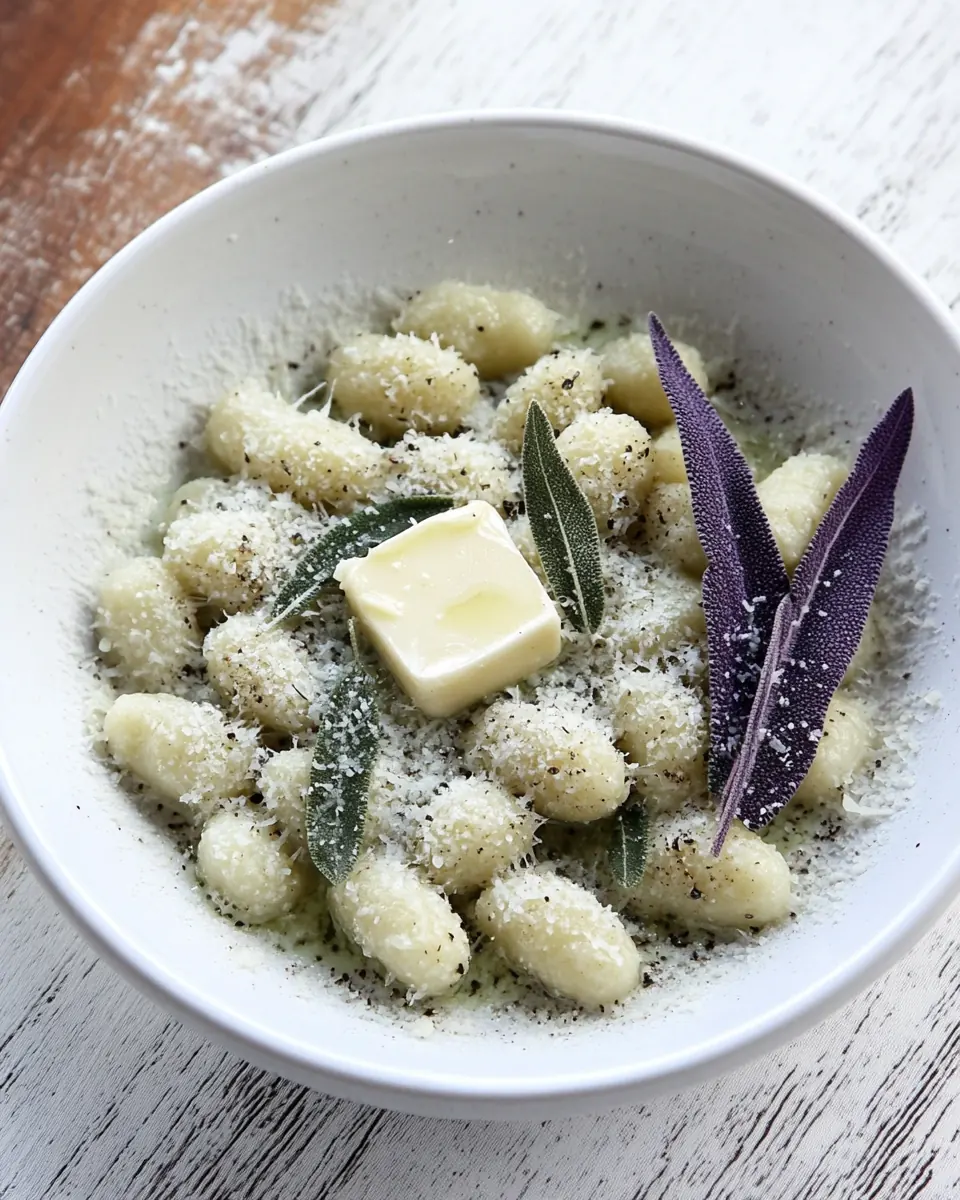
These ingredients are intentionally few, each playing a clear role. The gnocchi provides texture and substance, the olive oil and butter carry flavor and mouthfeel, the sage brings aromatic lift, and the Parmesan adds savory umami. Together they form a simple orchestra where timing and technique determine the final harmony.
- 500 g purple potato gnocchi, or regular gnocchi: Provide tender dumplings made from purple potato or regular potato that form the hearty base of the dish; cook until golden and slightly crisp for texture contrast. Offer a neutral, comforting starch that soaks up the sage-infused butter and olive oil for balanced flavor.
- handful of fresh sage leaves: Add aromatic, slightly peppery leaves that infuse the butter with a warm, savory herbiness when fried; use whole or torn leaves to release oils and create crisp garnishes. Complement the mild potato gnocchi by introducing a bright, fragrant note that elevates the overall taste.
- 3 4 tablespoon olive oil: Coat and gently fry the gnocchi while adding a light fruity note and helping to meld flavors; use 3–4 tablespoons depending on desired richness and pan size. Provide a high-smoke-point fat that aids in achieving golden edges without overpowering the buttery sage character.
- 2 tablespoon butter: Enrich the sauce with a creamy, nutty richness that binds the oil and sage, creating a silky finish that clings to the gnocchi. Brown gently to develop toasty flavors and deepen complexity, then remove from heat to prevent burning.
- handful of Parmesan shavings: Finish with salty, umami-rich shavings that add a sharp, creamy counterpoint to the buttery sauce and tender gnocchi. Sprinkle generously to provide savory depth and melt slightly against the warm gnocchi for added mouthfeel.
- sea salt & black pepper to taste: Season to taste with mineral-rich sea salt and freshly ground black pepper to enhance and balance all components; adjust gradually to avoid oversalting. Provide a final seasoning that sharpens flavors and brings clarity to the dish.
Directions for Gnocchi With Sage and Butter
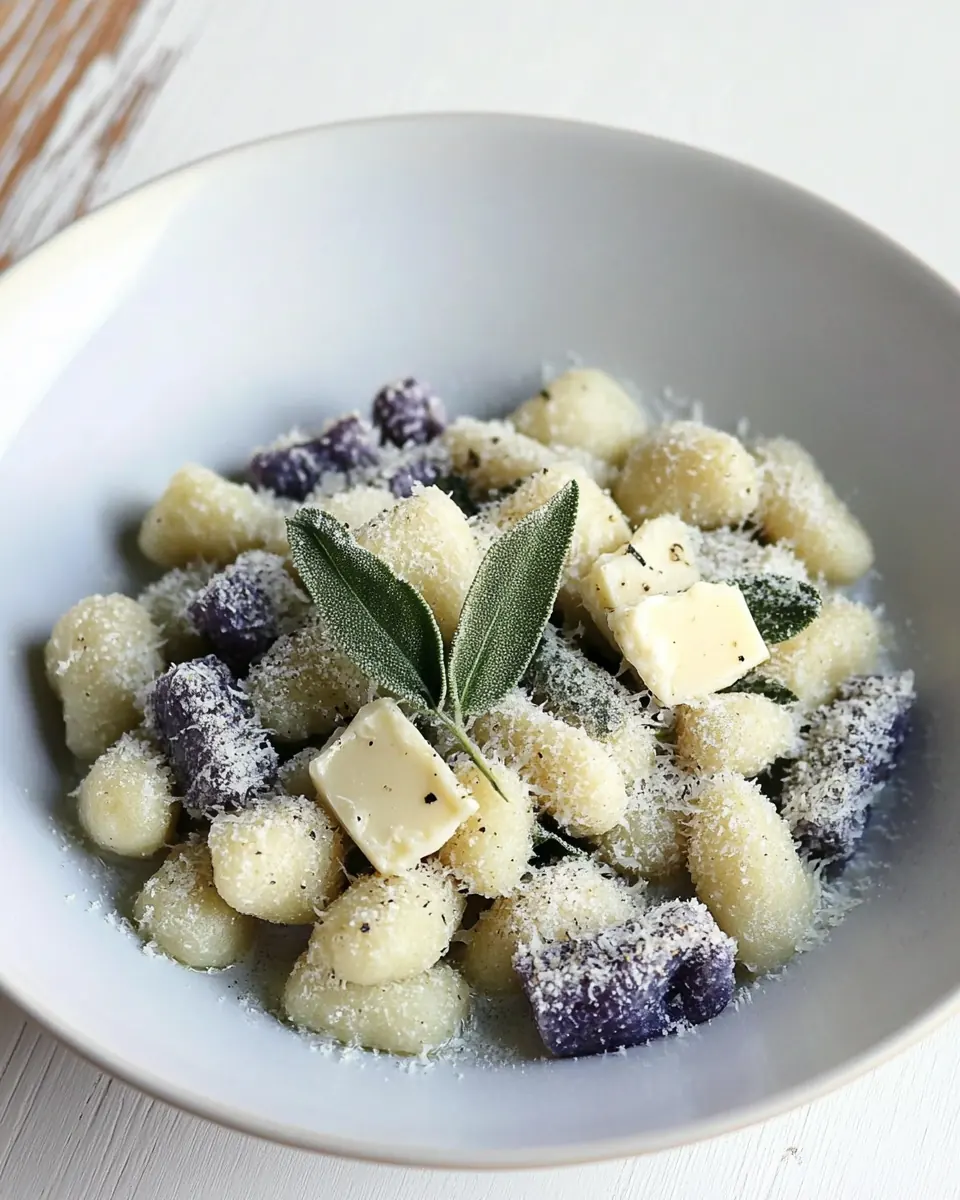
These directions take you through each step with sensory cues and troubleshooting notes, so you can arrive at a deeply flavored plate with confidence. Read through the steps once before you start, and have a slotted spoon and a skillet ready.
- Bring a large pot of slightly salted water to a boil.: The scent of rolling water and the faint minerality from sea salt tells you the pot is right for cooking the gnocchi . Using a large pot ensures the gnocchi move freely and do not clump, and the simmering water should produce steady bubbles before you add them. If the water is not vigorously moving, the gnocchi may stick together. A frequent misstep is undersalting the water, which results in bland gnocchi , so season it until it tastes like the sea.
- In the meantime heat a small saucepan with the olive oil. When hot, carefully place a couple of sage leaves at the time, and fry for about 10 seconds. Remove the leaves and pat dry on kitchen paper. Crash with your hands half of the leaves and save for later.: Warm the olive oil over medium heat until it shimmers and gives off a faint peppery aroma. Carefully place a couple of sage leaves at a time into the oil, and listen for the gentle sputter that signals trapped moisture evaporating. Fry each set of leaves for about 10 seconds until they crisp and darken slightly, then remove them and pat dry on kitchen paper. Crushing half of the fried sage with your hands will release aromatic oils and create a leafy powder to scatter through the dish. The key mistake here is overheating the oil, which will burn the sage and make it bitter, so keep the temperature moderate and watch closely.
- Heat a skillet over medium-low heat. Melt the butter and continue to cook until it turns slightly brown, about 1-2 min.: Bring the skillet to temperature so it can brown the butter without burning it. Add the butter and watch as it foams, then gently subsides into a glossy liquid and starts to take on a warm amber hue. That toasty aroma is the Maillard reaction happening, lending a nutty depth to the sauce. If the butter smokes or turns dark brown too quickly, the heat is too high and will impart a bitter note, so lower the flame at once.
- Cook gnocchi in the pot with soft-boiling water, for 1-2 minutes until they rise on the surface.: When you drop the gnocchi into the water, they should bob and then sink, finally floating to the surface when cooked. The visual cue of rising indicates they are tender and core cooked. Remove them promptly with a slotted spoon to prevent them from turning gummy. Leaving them in the water too long is a common issue that yields dense or mushy pieces, so time them and rely on the surface cue instead of an exact clock.
- Spoon them out with a slotted spoon, mix them in the skillet with the melted butter, and sprinkle the previously crushed sage.: The hot skillet and browned butter will sizzle when the surface moisture of the gnocchi meets it, creating little pops of steam and a caramelizing edge. Toss gently so the crushed sage weaves through the pasta, imparting herbal perfume with each turn. You should hear a delicate crisping and see tiny edges take on pale gold. A typical error is overcrowding the pan, which steams rather than sears the gnocchi , so give them space and tend them with a gentle hand.
- Top your gnocchi with black pepper, the remaining fried sage leaves and Parmesan shavings, and serve immediately.: The final assembly is sensory rich, with a flourish of sharp Parmesan and the crunch of whole fried sage leaves. Freshly cracked black pepper adds a bright snap on the finish, and the melting Parmesan binds a touch of creaminess to the browned butter . Serve right away while the aroma is strongest and the textures contrast. A common mistake is letting the dish sit, which cools the butter and makes the Parmesan congeal, so plate and serve without delay.
Recipe Notes about Gnocchi With Sage and Butter
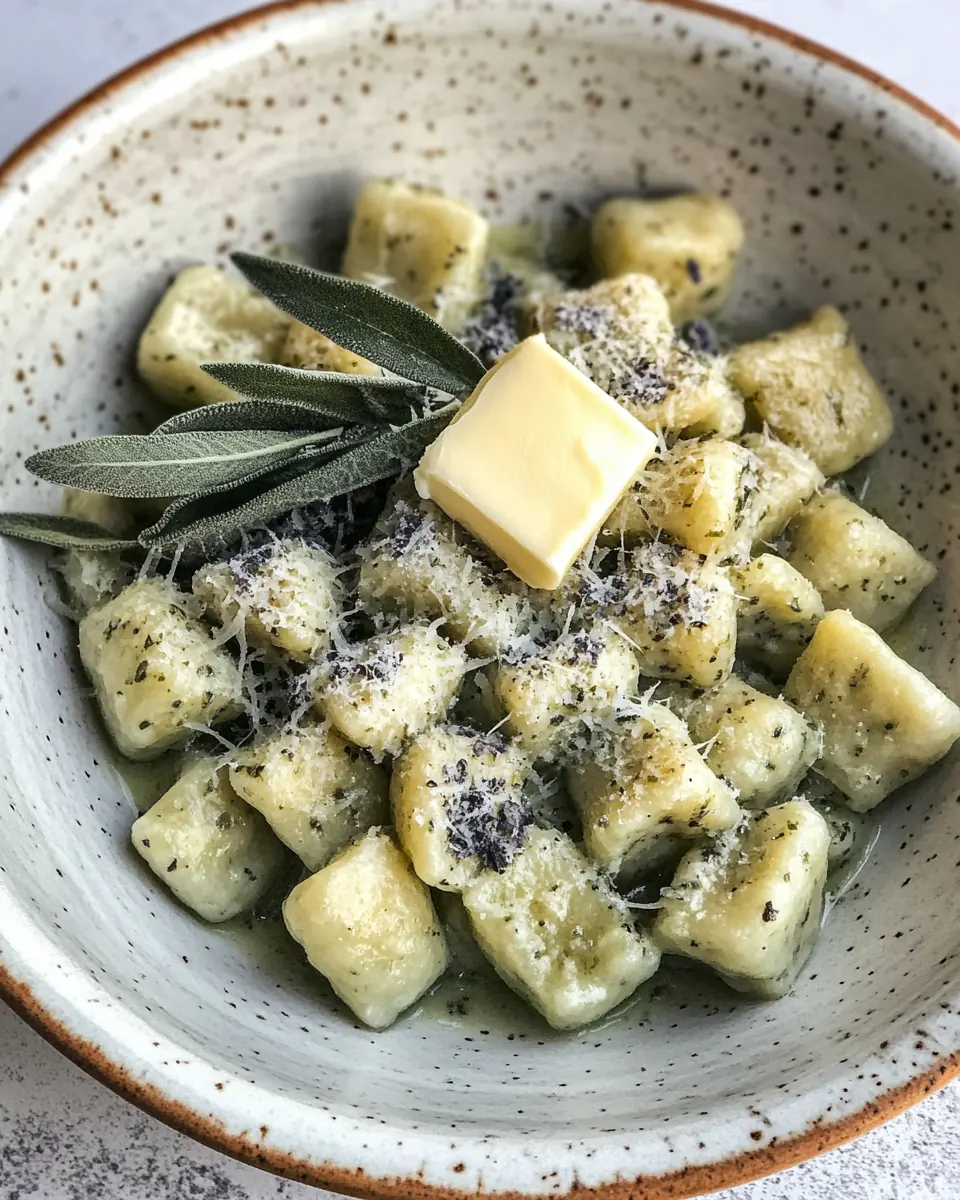
I keep notes to help you get reliable results. These pointers expand on the mechanics and small adjustments that make this dish sing, from temperature control to timing the finishing touches.
- Reserve the frying oil, if you want extra flavor you can drizzle a bit of the sage infused olive oil over the plated gnocchi for added aroma.
- Choose the right gnocchi, firmer brands hold up better to tossing in the skillet and are less likely to become mushy.
- Moderate your heat, use medium low for the skillet so the butter browns slowly and develops nutty notes without burning.
- Prep the Parmesan, shave or grate just before serving so it melts slightly but still gives a bit of texture.
- Crisp the sage in small batches, frying a few leaves at a time ensures even crisping and prevents oil temperature drops.
Best Served With
To present this dish well, think simple accompaniments and warm, seasonal pairings. The flavors are delicate, so serving choices should complement rather than overwhelm. Below are suggestions for occasions, sides, and storage ideas to keep the experience cohesive.
- Light green salad with a lemon vinaigrette makes a bright counterpoint to the rich butter and earthy gnocchi, perfect for a casual dinner.
- Roasted vegetables like Brussels sprouts or carrots suit a heartier meal, offering a caramelized note that echoes the browned butter.
- Family dinner occasions such as a cozy weeknight or a small gathering shine with this dish because it is quick and feels special.
- Ramadan iftar style, the warm, comforting nature of the recipe works well for a gentle break fast meal that does not overwhelm the palate.
- Storage tips, cool leftovers quickly and store in an airtight container for up to 2 days; reheat gently in a skillet to restore some crispness without drying.
- Seasonal pairings, fall evenings pair especially well thanks to the herbaceous sage and the warming quality of the butter sauce.
FAQ
Conclusion
What makes this recipe special is its ability to feel luxurious with just a handful of ingredients and simple technique. The balance of pillowy gnocchi, toasty browned butter, and aromatic sage creates a comforting but refined plate that is quick enough for weeknights yet elegant enough for guests. Try it tonight to enjoy deep flavor with minimal fuss, and savor how small details like crispy sage elevate the whole meal.
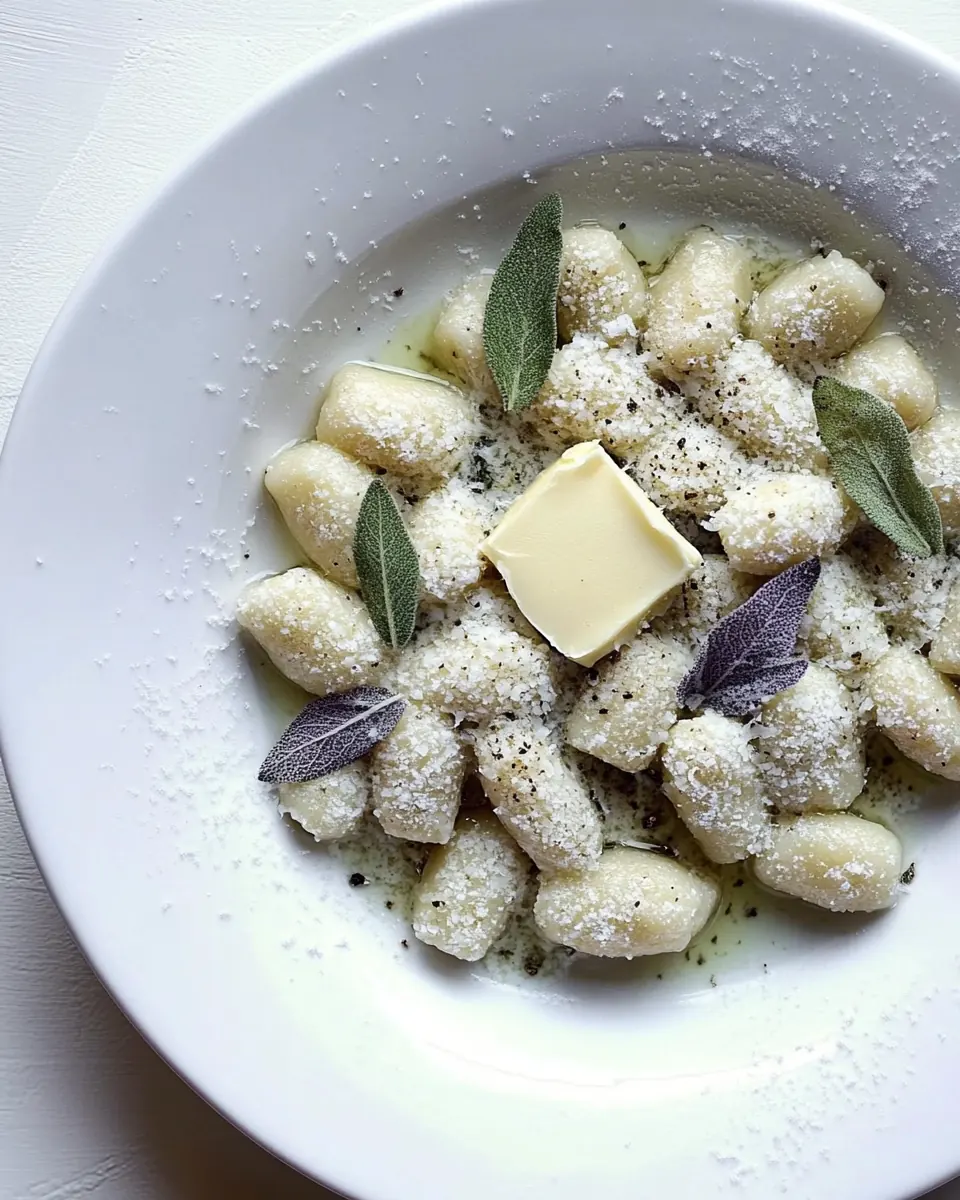
Gnocchi With Sage and Butter
Ingredients
Equipment
Method
- Bring a large pot of slightly salted water to a boil.: The scent of rolling water and the faint minerality from sea salt tells you the pot is right for cooking the gnocchi . Using a large pot ensures the gnocchi move freely and do not clump, and the simmering water should produce steady bubbles before you add them. If the water is not vigorously moving, the gnocchi may stick together. A frequent misstep is undersalting the water, which results in bland gnocchi , so season it until it tastes like the sea.
- In the meantime heat a small saucepan with the olive oil. When hot, carefully place a couple of sage leaves at the time, and fry for about 10 seconds. Remove the leaves and pat dry on kitchen paper. Crash with your hands half of the leaves and save for later.: Warm the olive oil over medium heat until it shimmers and gives off a faint peppery aroma. Carefully place a couple of sage leaves at a time into the oil, and listen for the gentle sputter that signals trapped moisture evaporating. Fry each set of leaves for about 10 seconds until they crisp and darken slightly, then remove them and pat dry on kitchen paper. Crushing half of the fried sage with your hands will release aromatic oils and create a leafy powder to scatter through the dish. The key mistake here is overheating the oil, which will burn the sage and make it bitter, so keep the temperature moderate and watch closely.
- Heat a skillet over medium-low heat. Melt the butter and continue to cook until it turns slightly brown, about 1-2 min.: Bring the skillet to temperature so it can brown the butter without burning it. Add the butter and watch as it foams, then gently subsides into a glossy liquid and starts to take on a warm amber hue. That toasty aroma is the Maillard reaction happening, lending a nutty depth to the sauce. If the butter smokes or turns dark brown too quickly, the heat is too high and will impart a bitter note, so lower the flame at once.
- Cook gnocchi in the pot with soft-boiling water, for 1-2 minutes until they rise on the surface.: When you drop the gnocchi into the water, they should bob and then sink, finally floating to the surface when cooked. The visual cue of rising indicates they are tender and core cooked. Remove them promptly with a slotted spoon to prevent them from turning gummy. Leaving them in the water too long is a common issue that yields dense or mushy pieces, so time them and rely on the surface cue instead of an exact clock.
- Spoon them out with a slotted spoon, mix them in the skillet with the melted butter, and sprinkle the previously crushed sage.: The hot skillet and browned butter will sizzle when the surface moisture of the gnocchi meets it, creating little pops of steam and a caramelizing edge. Toss gently so the crushed sage weaves through the pasta, imparting herbal perfume with each turn. You should hear a delicate crisping and see tiny edges take on pale gold. A typical error is overcrowding the pan, which steams rather than sears the gnocchi , so give them space and tend them with a gentle hand.
- Top your gnocchi with black pepper, the remaining fried sage leaves and Parmesan shavings, and serve immediately.: The final assembly is sensory rich, with a flourish of sharp Parmesan and the crunch of whole fried sage leaves. Freshly cracked black pepper adds a bright snap on the finish, and the melting Parmesan binds a touch of creaminess to the browned butter . Serve right away while the aroma is strongest and the textures contrast. A common mistake is letting the dish sit, which cools the butter and makes the Parmesan congeal, so plate and serve without delay.
Notes
- Reserve the frying oil, if you want extra flavor you can drizzle a bit of the sage infused olive oil over the plated gnocchi for added aroma.
- Choose the right gnocchi, firmer brands hold up better to tossing in the skillet and are less likely to become mushy.
- Moderate your heat, use medium low for the skillet so the butter browns slowly and develops nutty notes without burning.
- Prep the Parmesan, shave or grate just before serving so it melts slightly but still gives a bit of texture.
- Crisp the sage in small batches, frying a few leaves at a time ensures even crisping and prevents oil temperature drops.