Zucchini Lasagna
Zucchini Lasagna is one of those dishes I turn to when I want comfort without the heaviness, and it has quietly become a weekend favorite in my kitchen.
I first made Zucchini Lasagna on a bright summer afternoon when my garden was overflowing with zucchini. I wanted something warm and cheesy that still felt light, so I swapped traditional pasta for thin ribbons of zucchini. The first bite was transformational, a layered harmony of savory ground beef, tangy crushed tomatoes, and molten mozzarella cheese, all framed by tender, slightly sweet zucchini that had soaked up the tomato perfume. From then on, it became my go to for inviting friends over, because it travels well from counter to table and slices into hearty portions.
Over time I developed little rituals around making Zucchini Lasagna. I brown the ground beef slowly to coax out a caramelized edge, and I always taste the sauce to balance the warmth of the cinnamon and the kick from the hot sauce. When it comes out of the oven, the top is bubbling and golden, and the kitchen smells like an Italian trattoria, without the fuss. Each serving feels like home, yet somehow celebratory, which is why I often prepare it when I need a comforting midweek dinner that still feels special.
Recipe Snapshot
1 hr 30 mins
30 mins
60 mins
Medium
400 kcal
Italian
Keto, Gluten-Free
Dinner
Large skillet, Wooden spoon, Mandoline or sharp knife, 9×13 inch baking dish, Oven
Why This Zucchini Lasagna Works
Comfort without heaviness
I love how Zucchini Lasagna gives you that classic lasagna satisfaction, while staying lighter because we’re using zucchini instead of pasta. The texture is layered and substantial, yet it never feels weighed down, so you can enjoy seconds without regret.
Flavor complexity from simple ingredients
The combination of ground beef, crushed tomatoes, a whisper of cinnamon, and a splash of hot sauce creates a sauce that is both cozy and intriguing. I find the cinnamon adds a warm backdrop to the tomato brightness, while the hot sauce lifts the savory notes without making it spicy for everyone at the table.
Textural contrast
There is a pleasant contrast between the tender, slightly juicy layers of zucchini, the meaty ground beef sauce, and the creamy pockets of ricotta cheese plus stringy mozzarella cheese. That interplay keeps every forkful interesting and prevents monotony.
Flexible and forgiving
This dish is forgiving if your layers are imperfect. I often switch up the order slightly, and I sometimes add more mushrooms when I want extra earthiness. It is a recipe that adapts to what you have on hand, yet always returns to a consistently delicious result.
Great for gatherings
You can assemble Zucchini Lasagna ahead of time and bake it when guests arrive. The bubbly, golden top and fragrant aroma make it feel like a celebration, even if it started as a simple weeknight plan.
Ingredients Required for Zucchini Lasagna
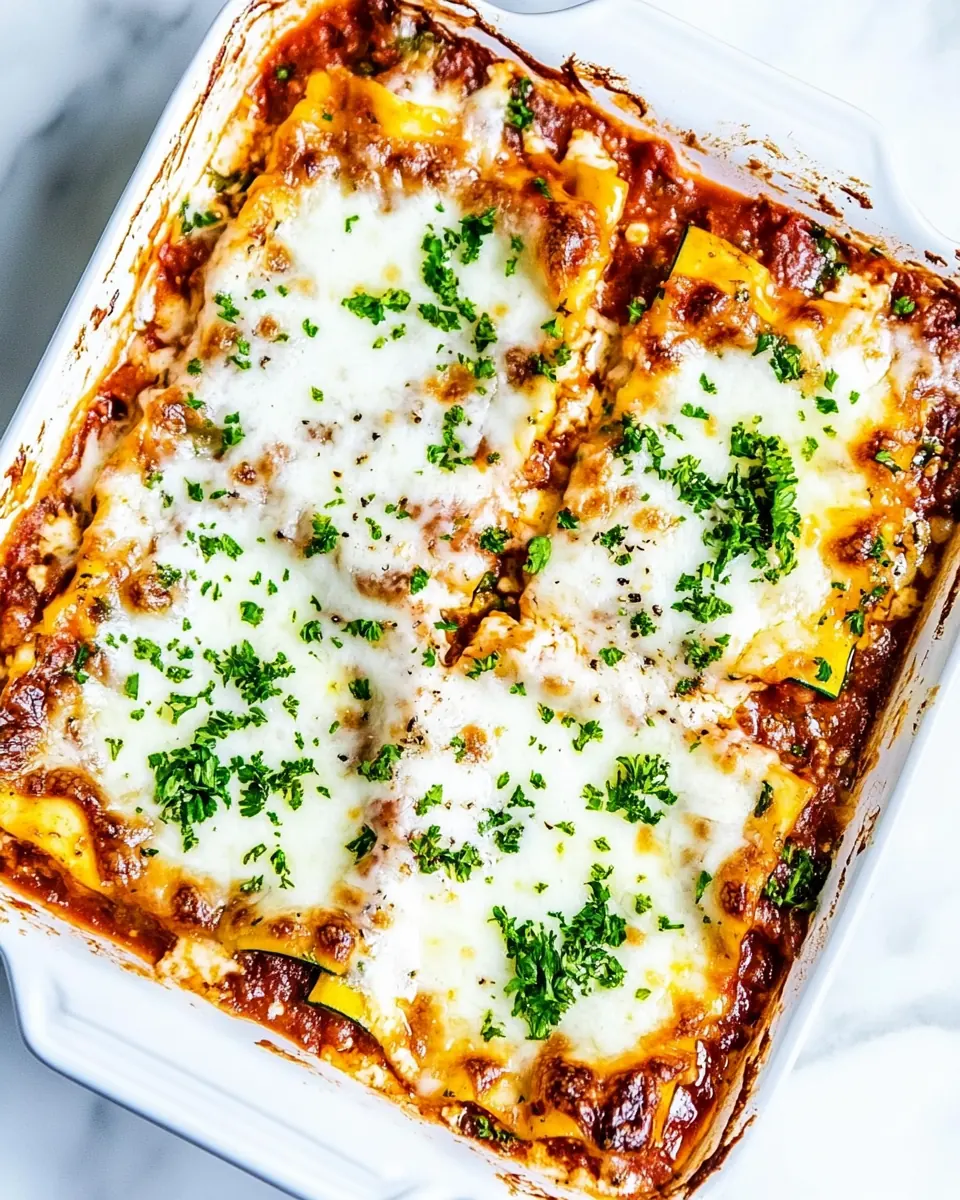
These ingredients form a straightforward, cohesive lineup where each player does a clear job. Bright, acidic crushed tomatoes make the sauce sing, while the savory ground beef provides depth. The various cheeses bring creaminess and stretch, and the zucchini layers offer a fresh, slightly sweet balance that holds everything together.
- 1 tablespoon olive oil: Sauté gently in a skillet to release flavor and provide the cooking fat needed to soften aromatics; contributes a light, fruity base that helps brown the meat and melds with the tomato sauce for depth.
- 1 large onion (chopped): Chop finely and sweat until translucent to build a sweet, savory foundation for the sauce; adds texture, natural sugars for caramelization, and balances acidity from tomatoes.
- 4 cloves garlic (minced): Mince finely and cook briefly with onions to release pungent, fragrant oils that enhance savory depth; provides aromatic complexity and a bright, garlicky lift to the overall sauce.
- 1 pound ground beef (extra lean): Brown thoroughly to create rich savory flavor and meaty texture that anchors the lasagna layers; supplies protein and umami while absorbing and carrying the tomato and spice elements.
- 2 bay leaves: Simmer whole in the sauce to impart subtle herbal, slightly floral notes and a warm background perfume; remove before assembling to leave a gentle, integrated flavor.
- 1/2 teaspoon cinnamon: Sprinkle sparingly to introduce a warm, slightly sweet spice that complements the tomato and meat; adds unexpected warmth and Mediterranean character without overpowering other flavors.
- 1 teaspoon oregano (dried): Stir in dried form to contribute classic Italian herb aroma and savory, slightly bitter notes; helps tie together the tomato, meat, and cheese into a cohesive Mediterranean profile.
- 1/2 teaspoon pepper: Season evenly to add mild heat and enhance overall flavor perception; balances sweetness and acidity and brings subtle sharpness to the sauce and assembled bake.
- 1 tablespoon hot sauce: Drizzle in modestly to introduce a tangy, spicy kick that brightens the sauce and contrasts creamy cheeses; boosts liveliness and can be adjusted for desired heat level.
- 28 ounce crushed tomatoes (1 can): Pour into the pot as the tomato base that forms the body of the sauce; provides acidity, sweetness, and a rich red consistency that binds the meat and seasonings.
- 3 large zucchini: Slice or lengthwise-slice to replace pasta sheets and provide tender, slightly crisp layers when baked; adds freshness, moisture control, and a lower-carb alternative while lending mild vegetal flavor.
- 3 cups mozzarella cheese (shredded): Shred and layer between zucchini and sauce to create cheesy, melty, stretchy topping and filling; supplies creamy richness, gooey texture, and golden browning when baked.
- 2 cups mushrooms (slices, I used white mushrooms): Slice and sauté or layer raw for an earthy, meaty bite that soaks up sauce flavors; contributes texture variety, umami, and additional moisture to the lasagna.
- 1 1/2 cups ricotta cheese: Spoon between layers to add creamy body, mild tang, and a smooth, slightly grainy texture that contrasts melted mozzarella; helps bind layers and adds rich dairy flavor.
- 1/2 cup Parmesan cheese (grated): Grate finely and scatter over layers for sharp, nutty, salty complexity that enhances overall savoriness; helps create a flavorful crust and finish when baked.
- 1 tablespoon parsley (for garnish): Chop finely and sprinkle over the finished dish to provide a bright, fresh herbal finish that cuts through richness; offers color contrast and light, peppery-green notes as garnish.
How to Prepare Zucchini Lasagna
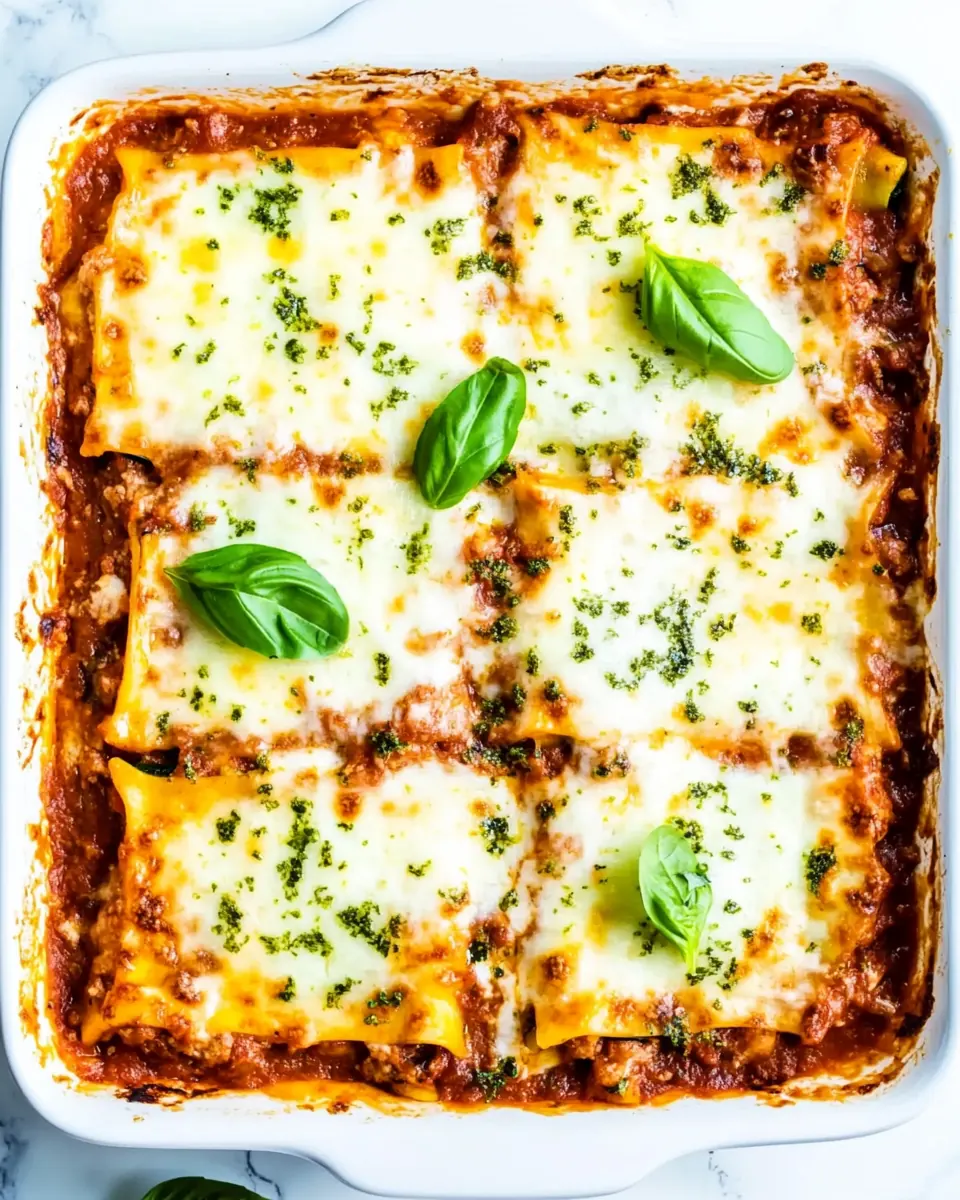
Below I walk you through each step in a friendly, kitchen tested way. Expect descriptive cues so you can smell, see, and hear when you are on track. I write this as if I am standing beside you, offering troubleshooting tips and small reasons for each choice.
- Make sauce: Add the olive oil to a large skillet and heat over medium heat. Add onion and cook for a couple minutes until onion is soft. Add garlic and ground beef and break the ground beef with a wooden spoon.: Add the olive oil to a large skillet and heat over medium heat. Add onion and cook for a couple minutes until onion is soft. Add garlic and ground beef and break the ground beef with a wooden spoon : As the olive oil warms you will smell a faint fruity aroma, and when the onion hits the pan it will soften and begin to turn translucent, releasing sweet notes that form the base of the sauce. When you add the minced garlic , you should notice its aroma for just a moment before it mellows into the background; be careful not to let it brown too quickly, or it will taste bitter. Adding the ground beef and breaking it apart creates sizzling sounds as the meat browns, and those browned bits carry rich flavor. Why this matters, the initial browning unlocks Maillard flavors that make the sauce deeply savory. A common mistake is overcrowding the pan which causes steaming instead of browning, so give the meat room and stir occasionally to brown evenly. If your pan seems dry, add a splash more olive oil to ensure proper browning and prevent sticking.
- Cook until the meat is no longer pink. Add bay leaves, cinnamon, oregano, pepper, hot sauce and stir. Cook for a couple more minutes. Add crushed tomatoes, stir and simmer for 10 to 15 minutes.: During this phase the sizzling will slow down as moisture releases from the meat, and you will see the color go from pink to a uniform brown which signals doneness. When you fold in the herbs and spices, their fragrances bloom, and the hint of cinnamon will give a warm undertone that balances the tomato tang. Stirring for a couple more minutes helps toast the dried oregano slightly, boosting its aroma. Adding the crushed tomatoes introduces a bright, acidic scent and the sauce will transition to a gentle simmer, where small bubbles rise and then settle quietly. Simmering for the recommended time allows flavors to marry and the sauce to thicken. Watch for excessive reduction which can over concentrate saltiness, and remove any foam that forms on top. One pitfall is simmering at too high heat which prevents flavor melding, so keep it at a gentle simmer and taste to adjust seasoning.
- Prepare zucchini: While the sauce is simmering you can prepare the zucchini, by either using a knife to slice them or using a mandoline. Slice the zucchini so they are about 1/8 of an inch in thickness.: While the sauce is simmering you can prepare the zucchini, by either using a knife to slice them or using a mandoline. Slice the zucchini so they are about 1/8 of an inch in thickness : You will notice the fresh, green aroma of the zucchini as you slice, and the thin slices should feel supple but not flabby. Using a mandoline gives consistent thickness which helps the layers cook evenly, whereas a knife allows more control if you prefer varied textures. Slices that are too thick will stay undercooked and too watery, while overly thin slices may collapse into the sauce, so aim for that sweet spot of about one eighth of an inch. A common mistake is not patting slices dry, which can introduce extra moisture into the lasagna; if you see excess water, blot them with a towel. If your zucchini are large and seedy, trim the centers slightly for better texture in the finished dish.
- Preheat oven to 375 ℉. Use a 9×13 inch baking dish.: Preheating the oven ensures immediate, even cooking when the lasagna goes in, and you will notice a steady warm breath from the oven when it reaches temperature. A 9 by 13 inch dish gives the right layer depth and ensures even heat circulation, which is essential for the center to reach a safe temperature while the top becomes golden. If you skip preheating, the baking time will shift and the cheese may melt unevenly. One mistake is using a much smaller or larger dish which alters the layer thickness, so stick with the recommended size or adjust the baking time accordingly. For even browning, position the rack in the center of the oven.
- Assemble lasagna: Start with a layer of zucchini slices. Top the zucchini layer with a bit of mozzarella cheese and then a layer of mushroom slices. Next add a layer of the meat sauce, followed by dollops of ricotta cheese. Repeat so that you end up with 3 layers of zucchini. When you get to the last layer of ricotta cheese, top with shredded mozzarella or slices of mozzarella cheese. Finally sprinkle Parmesan cheese over the top.: Start with a layer of zucchini slices. Top the zucchini layer with a bit of mozzarella cheese and then a layer of mushroom slices. Next add a layer of the meat sauce, followed by dollops of ricotta cheese. Repeat so that you end up with 3 layers of zucchini. When you get to the last layer of ricotta cheese, top with shredded mozzarella or slices of mozzarella cheese. Finally sprinkle Parmesan cheese over the top : The moment you begin assembling you will notice the building fragrance of tomatoes, herbs, and melting cheese, and the visual of alternating green, red, and white layers is gratifying. Placing shredded mozzarella cheese early helps bind the layers while the mushrooms add a meaty chew that complements the ground beef . Dollops of ricotta cheese create pockets of creamy coolness that contrast with the hot sauce, and finishing with shredded mozzarella cheese and grated Parmesan cheese produces a golden, bubbling crust. Why layer in this order, the distribution of moisture and cheese ensures the zucchini softens without becoming soggy, and the lasagna holds together when sliced. A frequent issue is uneven layering which causes some parts to slide; press layers gently and keep them level. If the top looks dry before baking, a light brush of olive oil can encourage browning.
- Bake: Transfer the baking dish and bake for about 40 to 50 minutes or until the top is starting to get golden and the cheese is bubbly.: Transfer the baking dish and bake for about 40 to 50 minutes or until the top is starting to get golden and the cheese is bubbly : As the dish bakes you will hear a soft, steady bubble as the sauce and cheeses mingle, and the aroma will intensify into a warm, savory cloud that fills the kitchen. The top should slowly develop a golden hue and the mozzarella cheese will stretch into glossy strings when you peek. This bake time allows the center to heat through and the layers to set, which makes slicing cleaner. Avoid opening the oven door repeatedly, as that drops temperature and can extend cooking time. One common mistake is underbaking, which leaves the center loose; if you suspect this, tent the dish with foil and bake a bit longer while checking for bubbling near the center.
- Garnish with parsley. Allow the lasagna to sit and settle for about 10 to 15 minutes before slicing into it and serving.: After removing from the oven the sizzling slows and the aromas mellow, giving you a golden, glossy top to admire. A sprinkle of fresh parsley adds color and a bright herbal note that cuts through the richness. Letting the lasagna rest is crucial because it allows steam to redistribute, the sauce to thicken slightly, and the layers to bind so slices hold their shape. Cutting too soon will cause the lasagna to collapse and make serving messy. If you need to speed cooling, leave it uncovered for a few minutes then tent loosely with foil for the remainder of the resting time.
Helpful Hints
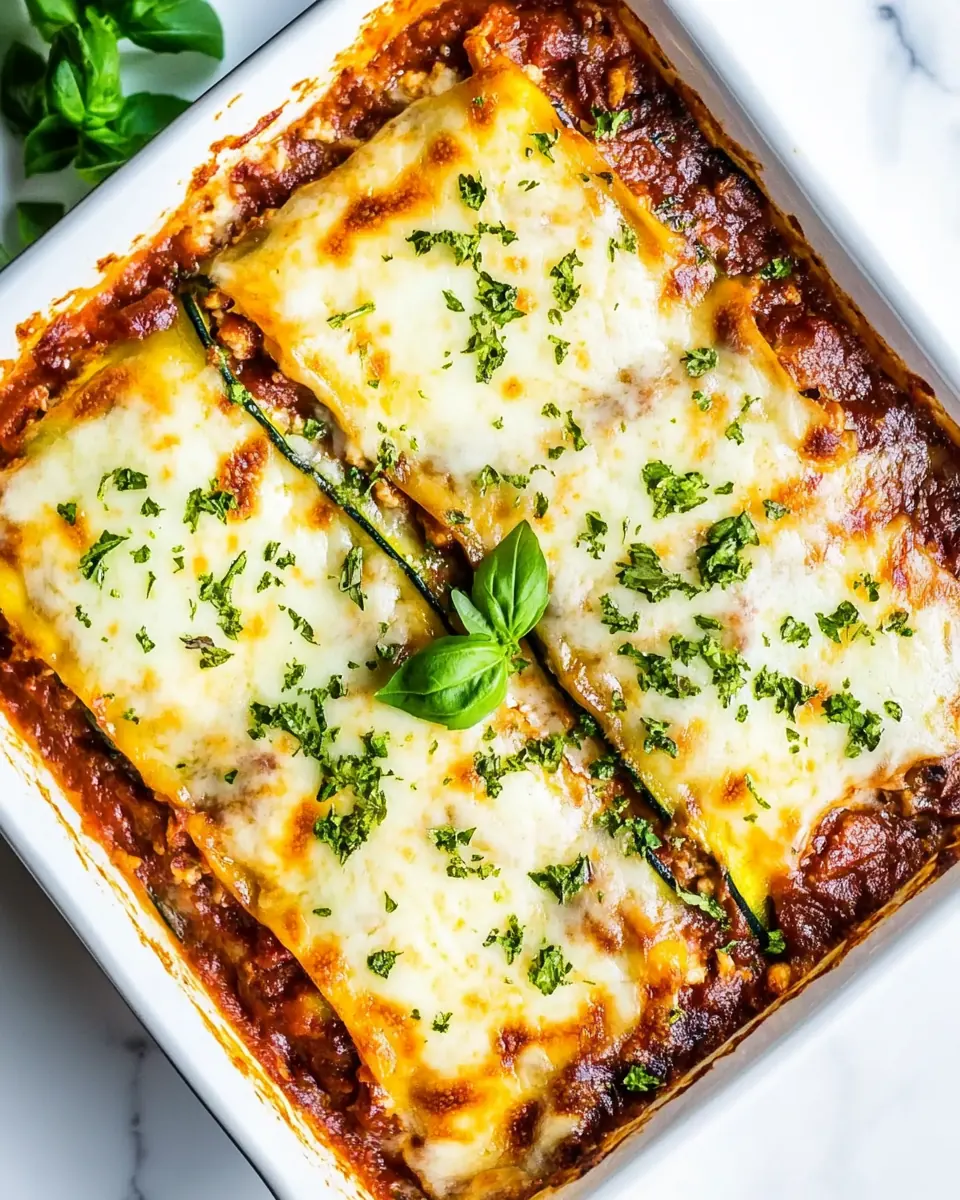
I like to keep a handful of practical habits that take Zucchini Lasagna from good to memorable. These tips cover prep, layering, and small adjustments that protect texture and flavor. Below are extended notes that I rely on every time I make this dish.
- Remove excess moisture early: If your zucchini seem watery, lay slices on paper towels, sprinkle lightly with salt, and press another towel on top; this helps avoid a soggy final bake.
- Brown the meat in batches if needed: Crowded meat steams rather than browns, so if your pan is small, brown ground beef in two batches for better caramelization and deeper flavor.
- Toast dried herbs briefly: After adding oregano and spices, let them cook for a minute in the pan before adding tomatoes to awaken oils and intensify aroma.
- Use both shredded and sliced mozzarella: A mix of shredded mozzarella cheese and thin slices will create pockets of molten cheese and a pleasing browned top.
- Check center temperature: If unsure about doneness, the center should be hot and the cheese bubbling; if uncertain, bake an extra 5 to 10 minutes tented with foil.
- Garnish last minute: Add fresh parsley right before serving so it retains color and freshness, brightening each plate.
- Adjust salt carefully: Because several cheeses are salty, taste the sauce before adding extra salt to avoid over seasoning.
Serving Ideas for Zucchini Lasagna
Zucchini Lasagna is versatile and works well for relaxed family dinners or small gatherings. It pairs with simple salads or steamed vegetables and can be portioned for meal prep. Below are serving ideas, seasonal pairings, and storage suggestions to help you plan the perfect meal.
- Casual family dinner: Serve slices with a crisp green salad and a light vinaigrette so the fresh acidity complements the cheesy richness.
- Weekend dinner party: Prepare the lasagna ahead and bake shortly before guests arrive, offering warm bread or roasted vegetables as sides for a rustic spread.
- Ramadan or special occasions: This dish makes a comforting option for Iftar when you want something hearty yet not heavy, and it can be portioned easily for sharing.
- Meal prep and storage: After cooling, wrap portions tightly and refrigerate up to four days or freeze for up to three months; reheat gently in the oven to restore texture.
- Seasonal pairing: In summer, pair with a tomato and basil salad to echo the fresh flavors; in cooler months, roasted root vegetables provide a cozy contrast.
- Presentation: Slice into squares and garnish each plate with a sprinkle of grated Parmesan cheese and chopped parsley for a bright, polished look.
- Occasion suitability: Works well for weeknight comfort, weekend entertaining, and holiday menus where you need a make ahead main that travels and reheats reliably.
FAQ
Conclusion
Zucchini Lasagna stands out because it delivers the layered comfort of traditional lasagna while staying lighter and fresher thanks to the zucchini layers. The combination of a well seasoned tomato meat sauce, pockets of ricotta, and melted mozzarella creates a satisfying balance of textures and flavors that feels both homey and special. I encourage you to give it a try on a busy weeknight or for a weekend gathering; it is forgiving, adaptable, and reliably delicious. When you share a slice with friends or family, you will see how such a simple swap from pasta to vegetables can make a big impact, turning a classic into something new and delightful.
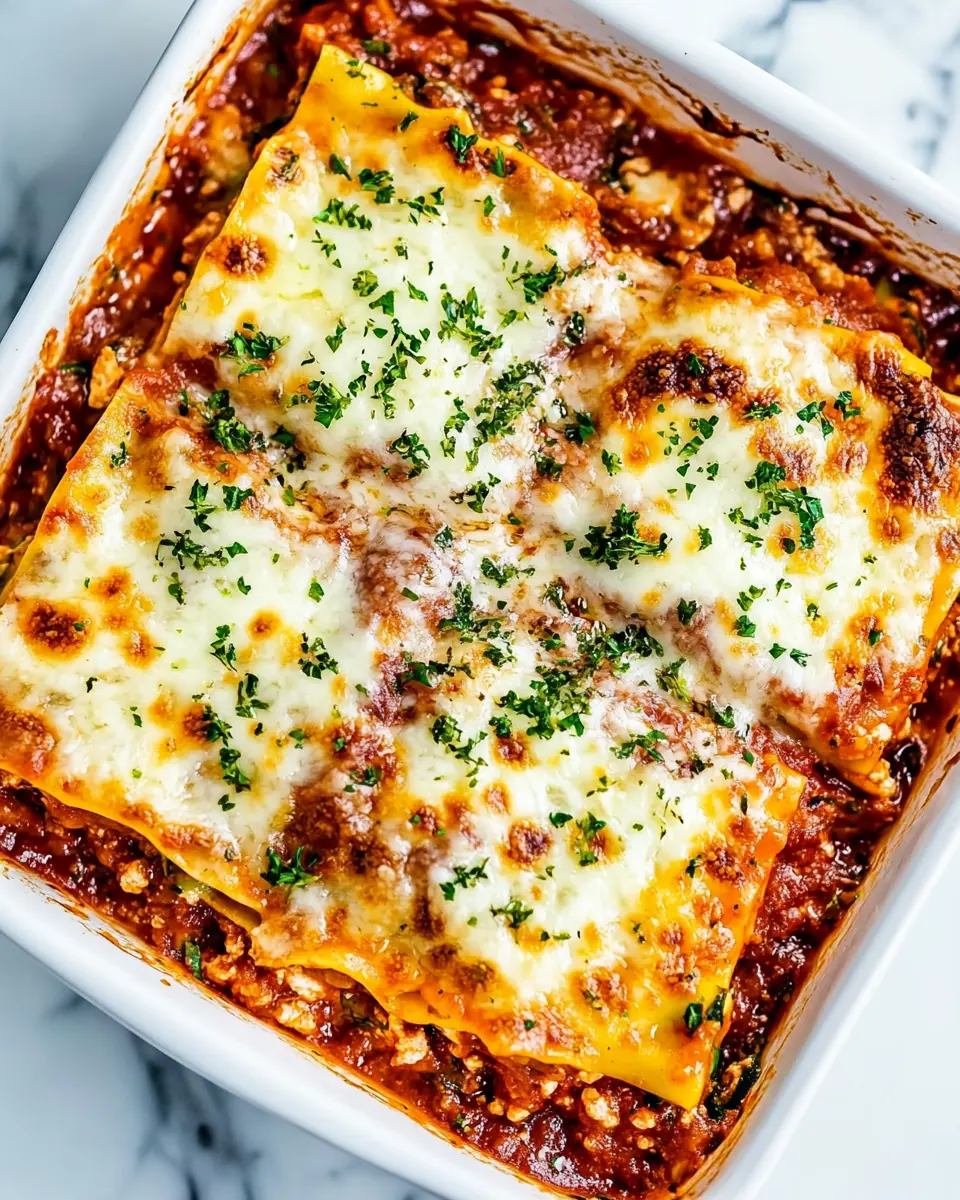
Zucchini Lasagna
Ingredients
Equipment
Method
- Make sauce: Add the olive oil to a large skillet and heat over medium heat. Add onion and cook for a couple minutes until onion is soft. Add garlic and ground beef and break the ground beef with a wooden spoon.: Add the olive oil to a large skillet and heat over medium heat. Add onion and cook for a couple minutes until onion is soft. Add garlic and ground beef and break the ground beef with a wooden spoon : As the olive oil warms you will smell a faint fruity aroma, and when the onion hits the pan it will soften and begin to turn translucent, releasing sweet notes that form the base of the sauce. When you add the minced garlic , you should notice its aroma for just a moment before it mellows into the background; be careful not to let it brown too quickly, or it will taste bitter. Adding the ground beef and breaking it apart creates sizzling sounds as the meat browns, and those browned bits carry rich flavor. Why this matters, the initial browning unlocks Maillard flavors that make the sauce deeply savory. A common mistake is overcrowding the pan which causes steaming instead of browning, so give the meat room and stir occasionally to brown evenly. If your pan seems dry, add a splash more olive oil to ensure proper browning and prevent sticking.
- Cook until the meat is no longer pink. Add bay leaves, cinnamon, oregano, pepper, hot sauce and stir. Cook for a couple more minutes. Add crushed tomatoes, stir and simmer for 10 to 15 minutes.: During this phase the sizzling will slow down as moisture releases from the meat, and you will see the color go from pink to a uniform brown which signals doneness. When you fold in the herbs and spices, their fragrances bloom, and the hint of cinnamon will give a warm undertone that balances the tomato tang. Stirring for a couple more minutes helps toast the dried oregano slightly, boosting its aroma. Adding the crushed tomatoes introduces a bright, acidic scent and the sauce will transition to a gentle simmer, where small bubbles rise and then settle quietly. Simmering for the recommended time allows flavors to marry and the sauce to thicken. Watch for excessive reduction which can over concentrate saltiness, and remove any foam that forms on top. One pitfall is simmering at too high heat which prevents flavor melding, so keep it at a gentle simmer and taste to adjust seasoning.
- Prepare zucchini: While the sauce is simmering you can prepare the zucchini, by either using a knife to slice them or using a mandoline. Slice the zucchini so they are about 1/8 of an inch in thickness.: While the sauce is simmering you can prepare the zucchini, by either using a knife to slice them or using a mandoline. Slice the zucchini so they are about 1/8 of an inch in thickness : You will notice the fresh, green aroma of the zucchini as you slice, and the thin slices should feel supple but not flabby. Using a mandoline gives consistent thickness which helps the layers cook evenly, whereas a knife allows more control if you prefer varied textures. Slices that are too thick will stay undercooked and too watery, while overly thin slices may collapse into the sauce, so aim for that sweet spot of about one eighth of an inch. A common mistake is not patting slices dry, which can introduce extra moisture into the lasagna; if you see excess water, blot them with a towel. If your zucchini are large and seedy, trim the centers slightly for better texture in the finished dish.
- Preheat oven to 375 ℉. Use a 9×13 inch baking dish.: Preheating the oven ensures immediate, even cooking when the lasagna goes in, and you will notice a steady warm breath from the oven when it reaches temperature. A 9 by 13 inch dish gives the right layer depth and ensures even heat circulation, which is essential for the center to reach a safe temperature while the top becomes golden. If you skip preheating, the baking time will shift and the cheese may melt unevenly. One mistake is using a much smaller or larger dish which alters the layer thickness, so stick with the recommended size or adjust the baking time accordingly. For even browning, position the rack in the center of the oven.
- Assemble lasagna: Start with a layer of zucchini slices. Top the zucchini layer with a bit of mozzarella cheese and then a layer of mushroom slices. Next add a layer of the meat sauce, followed by dollops of ricotta cheese. Repeat so that you end up with 3 layers of zucchini. When you get to the last layer of ricotta cheese, top with shredded mozzarella or slices of mozzarella cheese. Finally sprinkle Parmesan cheese over the top.: Start with a layer of zucchini slices. Top the zucchini layer with a bit of mozzarella cheese and then a layer of mushroom slices. Next add a layer of the meat sauce, followed by dollops of ricotta cheese. Repeat so that you end up with 3 layers of zucchini. When you get to the last layer of ricotta cheese, top with shredded mozzarella or slices of mozzarella cheese. Finally sprinkle Parmesan cheese over the top : The moment you begin assembling you will notice the building fragrance of tomatoes, herbs, and melting cheese, and the visual of alternating green, red, and white layers is gratifying. Placing shredded mozzarella cheese early helps bind the layers while the mushrooms add a meaty chew that complements the ground beef . Dollops of ricotta cheese create pockets of creamy coolness that contrast with the hot sauce, and finishing with shredded mozzarella cheese and grated Parmesan cheese produces a golden, bubbling crust. Why layer in this order, the distribution of moisture and cheese ensures the zucchini softens without becoming soggy, and the lasagna holds together when sliced. A frequent issue is uneven layering which causes some parts to slide; press layers gently and keep them level. If the top looks dry before baking, a light brush of olive oil can encourage browning.
- Bake: Transfer the baking dish and bake for about 40 to 50 minutes or until the top is starting to get golden and the cheese is bubbly.: Transfer the baking dish and bake for about 40 to 50 minutes or until the top is starting to get golden and the cheese is bubbly : As the dish bakes you will hear a soft, steady bubble as the sauce and cheeses mingle, and the aroma will intensify into a warm, savory cloud that fills the kitchen. The top should slowly develop a golden hue and the mozzarella cheese will stretch into glossy strings when you peek. This bake time allows the center to heat through and the layers to set, which makes slicing cleaner. Avoid opening the oven door repeatedly, as that drops temperature and can extend cooking time. One common mistake is underbaking, which leaves the center loose; if you suspect this, tent the dish with foil and bake a bit longer while checking for bubbling near the center.
- Garnish with parsley. Allow the lasagna to sit and settle for about 10 to 15 minutes before slicing into it and serving.: After removing from the oven the sizzling slows and the aromas mellow, giving you a golden, glossy top to admire. A sprinkle of fresh parsley adds color and a bright herbal note that cuts through the richness. Letting the lasagna rest is crucial because it allows steam to redistribute, the sauce to thicken slightly, and the layers to bind so slices hold their shape. Cutting too soon will cause the lasagna to collapse and make serving messy. If you need to speed cooling, leave it uncovered for a few minutes then tent loosely with foil for the remainder of the resting time.
Notes
- Remove excess moisture early: If your zucchini seem watery, lay slices on paper towels, sprinkle lightly with salt, and press another towel on top; this helps avoid a soggy final bake.
- Brown the meat in batches if needed: Crowded meat steams rather than browns, so if your pan is small, brown ground beef in two batches for better caramelization and deeper flavor.
- Toast dried herbs briefly: After adding oregano and spices, let them cook for a minute in the pan before adding tomatoes to awaken oils and intensify aroma.
- Use both shredded and sliced mozzarella: A mix of shredded mozzarella cheese and thin slices will create pockets of molten cheese and a pleasing browned top.
- Check center temperature: If unsure about doneness, the center should be hot and the cheese bubbling; if uncertain, bake an extra 5 to 10 minutes tented with foil.
- Garnish last minute: Add fresh parsley right before serving so it retains color and freshness, brightening each plate.
- Adjust salt carefully: Because several cheeses are salty, taste the sauce before adding extra salt to avoid over seasoning.