Microwave Baked Potato
Microwave Baked Potato has been my go to when dinner needs to come together fast and still feel a bit special.
Years ago I learned that a simple technique can turn humble spuds into a comforting centerpiece when time is short. I remember the first night I relied on this method after a long shift, carrying one steaming potato to the table and feeling oddly triumphant. That evening taught me how reliable and forgiving this approach is, and how a few smart choices make the difference between a meh baked potato and one that feels homemade.
Over time I started tweaking small details, like how long to pierce the skin, how to coat with olive oil, and the best resting time so the interior finishes fluffy instead of gummy. Friends started asking for my trick, and now I usually demonstrate it at parties when we need a warm, quick side that pairs with almost anything. It’s also the secret when I want a solo dinner that feels like a treat without lots of fuss.
Recipe Snapshot
8 mins
0 mins
8 mins
Easy
150 kcal
American
Vegan, Gluten-Free
Side Dishes
Microwave, Microwave safe plate, Fork
Why This Microwave Baked Potato Stands Out
Speed without sacrifice
I love that Microwave Baked Potato gives you a fluffy interior in minutes, not hours. The microwave concentrates heat so the starches steam from the inside out, which keeps texture tender and reliable. When I need dinner fast, this method beats the oven for time, and it still delivers a satisfying mouthfeel.
Minimal equipment, maximum flavor
This recipe asks for almost nothing, yet the finish is surprisingly rich. Rubbing the skin with olive oil crisps the exterior just enough and adds a subtle fruity note. I appreciate recipes that let good ingredients shine without demanding specialized tools.
Incredibly forgiving
I often cook different sized potatoes and this method adapts well. If one potato needs a touch more time, slipping it back into the microwave for 30 second bursts is easy. I rarely worry about ruining the whole batch, which is a huge stress relief on busy nights.
Perfect base for toppings
The simple, neutral canvas of a hot potato welcomes bold toppings or light ones, so you can keep it classic or adventurous. That versatility means you can serve the same dish across occasions, from quick lunches to casual dinners with friends.
Great for small kitchens
When counter space is at a premium, not having to heat an oven is a blessing. I often make Microwave Baked Potato when I am cooking in a tiny rental kitchen, and it still feels like a full, comforting plate.
Essential Ingredients for Microwave Baked Potato
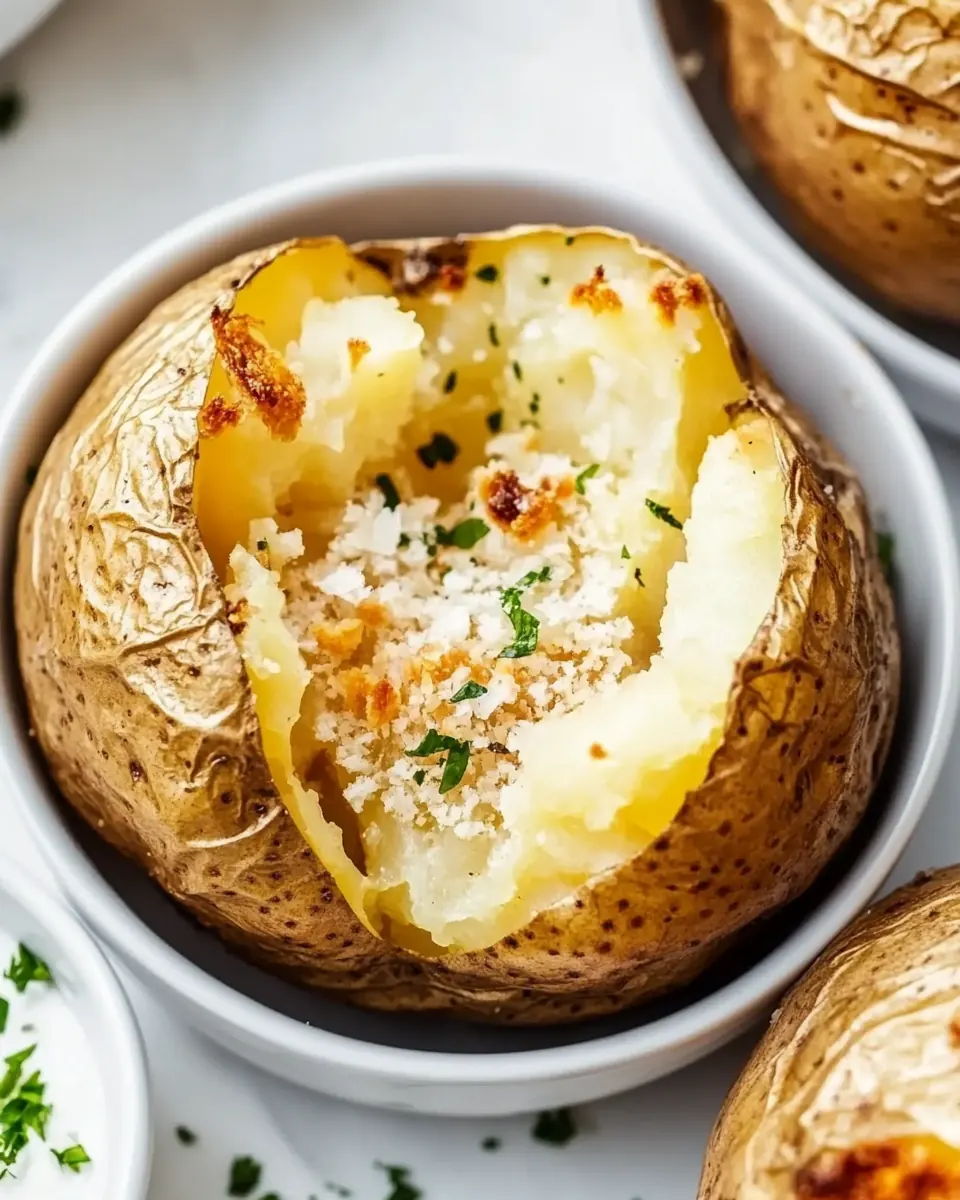
These ingredients are intentionally simple and purposeful. I focus on a couple of key players that work together to produce a fluffy center and a slightly crisped skin. The starch in the potatoes becomes soft and tender when steamed inside the skin, while a little olive oil encourages a pleasant mouthfeel and subtle flavor on the exterior. Together they create a canvas that is both satisfying and flexible for toppings.
- 4 medium potatoes scrubbed and cleaned: Scrubbed and cleaned to remove dirt and debris, providing a safe, edible base for even microwave cooking; their starchy interior softens into a fluffy texture when pierced and cooked, making them the primary component of the dish.
- 1 tablespoon olive oil: Coated lightly to promote crisping of the skin and to help seasonings adhere, adding a subtle fruity flavor and aiding in heat transfer for a more appealing finish after microwaving and optional brief broiling.
Recipe Directions for Microwave Baked Potato
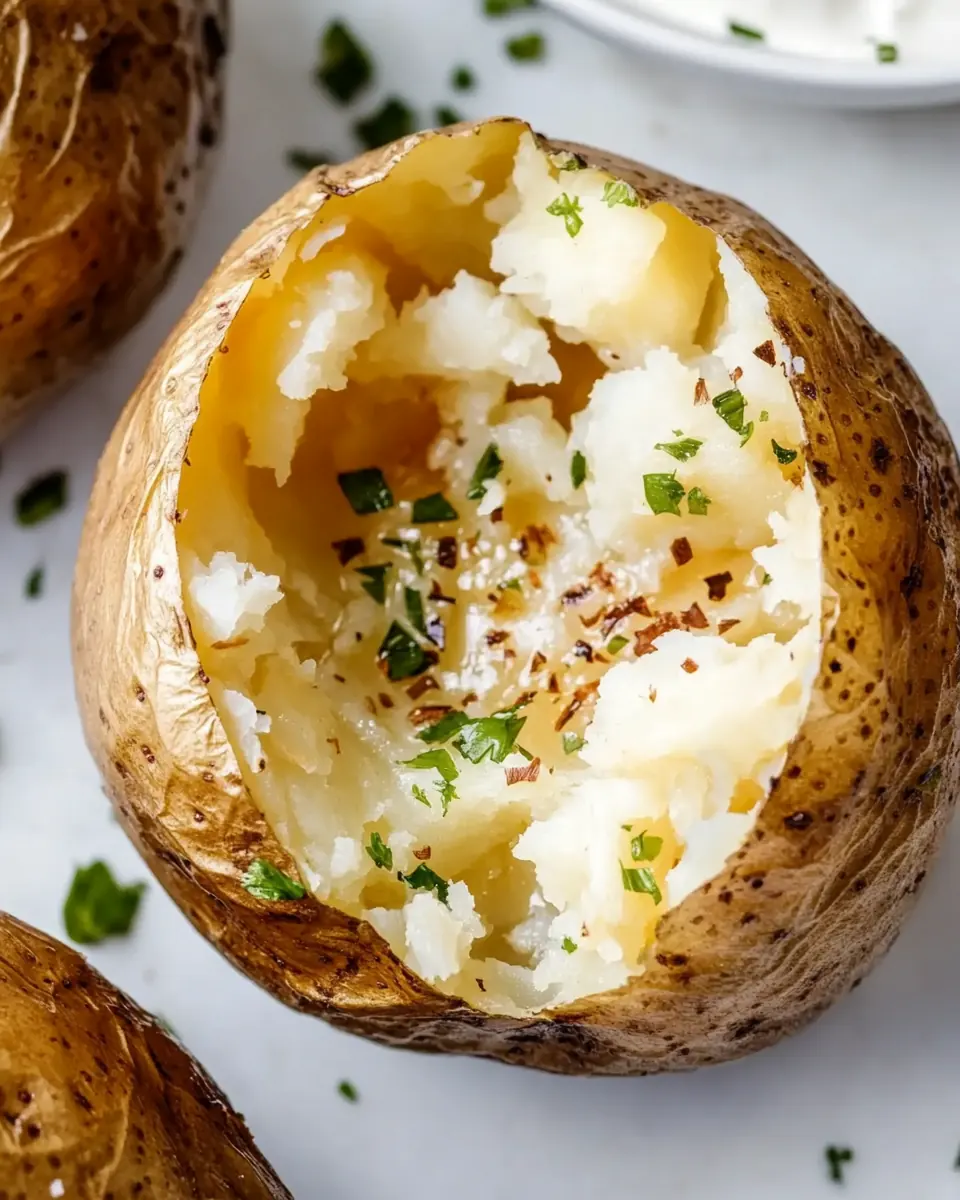
I like to walk you through this method like I would with a friend standing in my kitchen. These short steps are direct but I expand on what to look for, how it should feel, and a few troubleshooting pointers so you can feel confident when you press start.
- Pierce the potato several times with a fork. Rub olive oil around the sides.: You will feel the resistance of the skin give way under the tines and hear the faint scrape as you pierce, this creates vents for steam to escape so the interior cooks evenly instead of bursting. If you skip this, steam can build up and split the skin, which not only makes a mess but also reduces the ideal fluffy texture.
- Place the potato on a microwave-safe plate. Microwave on high for 4 minutes, then flip the potato over and microwave for an additional 4 minutes. If the potatoes aren’t fully cooked yet (check the doneness by inserting a knife in the center of the potato), microwave in 30-second increments until they are.: The oil will feel slick to the touch and adds a soft gloss to the skin that becomes slightly firmer under heat, improving mouthfeel and aroma. This matters because a too dry surface can create an unpalatable contrast with the soft interior. Avoid using too much oil, which can pool and make the skin feel greasy rather than pleasantly rich.
- Let the potatoes rest for a minute, slice down the center, and fluff with a fork. Add toppings and serve.: You should hear the quiet hum of the microwave and see the potato seated centered on the plate for even exposure. Proper placement helps heat circulate evenly, and using a microwave-safe plate prevents cracking or heat damage. A common mistake is stacking potatoes or using warped plates, which can produce uneven cooking.
- Microwave on high for 4 minutes: The first burst of heat starts the internal steam and softens the core; you might smell a faint nutty note as the surface warms. This initial interval jumpstarts the cooking process and prevents long total cook times. Do not assume the same timing works for all microwaves, as power varies significantly between ovens.
- Flip the potato over: When you turn the potato, the other side receives direct exposure and any cool spots begin to even out visually; the skin will feel warm to the touch through a towel. Flipping matters because microwaves can create hot and cool zones, and turning helps reduce uneven doneness. Be cautious, as steam pockets can release and cause brief bursts of heat.
- Microwave for an additional 4 minutes: The second interval should make the flesh noticeably softer, and you may see the skin tighten slightly as moisture redistributes. This step continues the internal steaming action that yields the fluffy texture we want. Overcooking here can dry the interior, so we use the next check to avoid that error.
- Check doneness by inserting a knife in the center: Gently probing should offer little resistance and the knife will slide in with a faint give, indicating the interior is tender and fully cooked. This sensory cue is the most reliable sign that the potato is done; if there is resistance, continue in small increments. A mistake is assuming time alone is enough without a feel test, which can leave an underdone center.
- Microwave in 30 second increments until they are: Short additional bursts let you fine tune doneness, listening and feeling for the slightest softening; this prevents overshooting the texture. This incremental approach is important because microwaves and potato sizes vary, and a few seconds can make a big difference. Avoid large extra intervals, which risk drying the potato out or making the skin rubbery.
- Let the potatoes rest for a minute: During this brief pause the internal steam evens out and the starches settle, giving you a creamier mouthfeel. Resting also cools the surface slightly so you can handle the potato safely, and it prevents the steam from escaping too quickly when you cut it. A common oversight is slicing immediately, which releases hot steam and can make the texture gummy rather than fluffy.
- Slice down the center and fluff with a fork: When you cut, you should hear a soft crack and see the fluffy interior separate in tender strands as you fluff with a fork, creating air pockets that make each bite light. Fluffing also helps absorb any toppings and enhances the overall texture. Don’t mash aggressively, which can compress the interior and lose the airy quality you worked for.
- Add toppings and serve: Warm toppings will meld into the spongy interior, releasing aromas and moisture that enrich each forkful; the contrast between the soft inside and the firmer skin is part of the appeal. Choose toppings that complement the mild starch, and serve immediately to enjoy the best texture. A misstep here is letting the potatoes sit too long after adding wet toppings, which can make the skin soggy.
Recipe Notes about Microwave Baked Potato
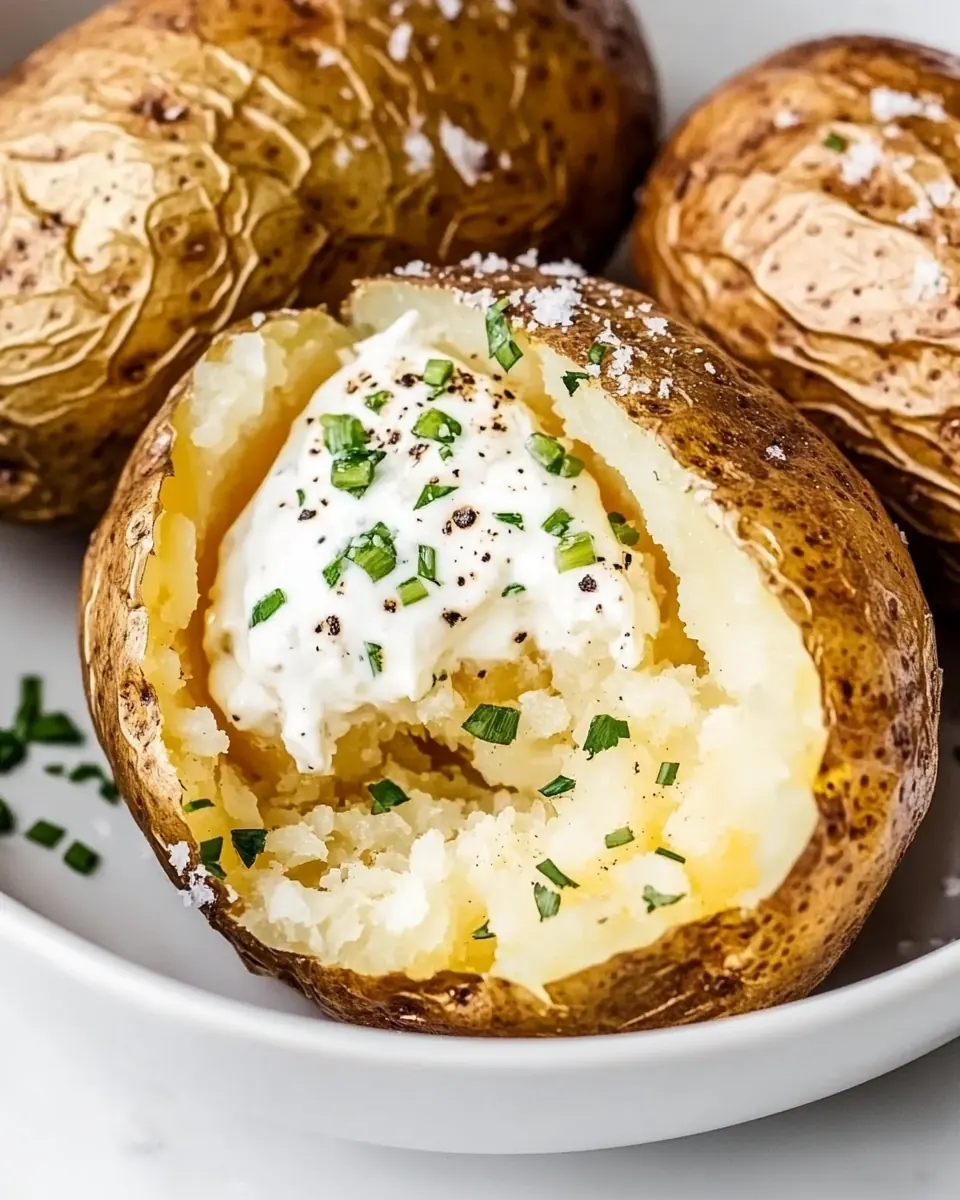
This set of notes expands on common timing adjustments and ways to get consistent results. I wrote these from experience and include variations so you can adapt for size and microwave power.
- Timing guide: Use the notes as a baseline; for one large potato aim for 6 to 8 minutes total, for two medium potatoes expect about 10 minutes, and for four medium potatoes expect closer to 15 to 16 minutes, adjusting as needed by 30 second checks.
- Even size matters: Cook potatoes of similar size together to avoid uneven doneness; disparate sizes will require removing smaller ones early and continuing with the larger ones.
- Microwave power variance: If your microwave is lower power, add a minute to each interval and rely on the knife test; high power microwaves may need less time, so watch closely to prevent drying.
- Oil application: A light rub of olive oil is all you need, too much makes the skin greasy and too little gives a drier mouthfeel.
- Finishing touches: Resting for a minute before slicing helps internal steam redistribute and leads to a fluffier finished texture that better absorbs toppings.
How to Serve Microwave Baked Potato
Serving these potatoes is delightfully flexible, and the presentation can be casual or elevated with a few thoughtful touches. I often match the toppings to the occasion, keeping things hearty for dinner or light at lunch. Leftovers store well and reheat quickly in the microwave for an easy second meal.
- Classic dinner plate: Serve the hot potato as a side to roasted or grilled mains, pairing the fluffy interior with a protein and a simple vegetable to balance the plate.
- Meal occasions: This method works equally for quick weeknight dinners, late night meals, and casual gatherings like potlucks or small parties, where fast turnaround is important.
- Seasonal pairings: In cooler months I gravitate to heartier, warm toppings and in warmer months I lighten it with chilled, vibrant garnishes; both approaches complement the neutral base.
- Storage tips: Store cooked potatoes in an airtight container in the refrigerator for up to 3 days, and reheat in the microwave in short bursts until warmed through to preserve texture.
- Serving styles: Offer a toppings bar with warmed choices so guests can customize, or plate each potato with a single thoughtfully chosen topping for a composed presentation.
FAQ
Conclusion
This recipe’s strength is its simplicity and dependability, turning pantry staples into a quick, comforting dish. Try it when you need a fast side or a solo meal that still feels satisfying, and you’ll appreciate how little effort creates a pleasing texture and warm base for toppings. Give it a go tonight, and you might find it becomes one of your favorite last minute solutions for busy evenings.
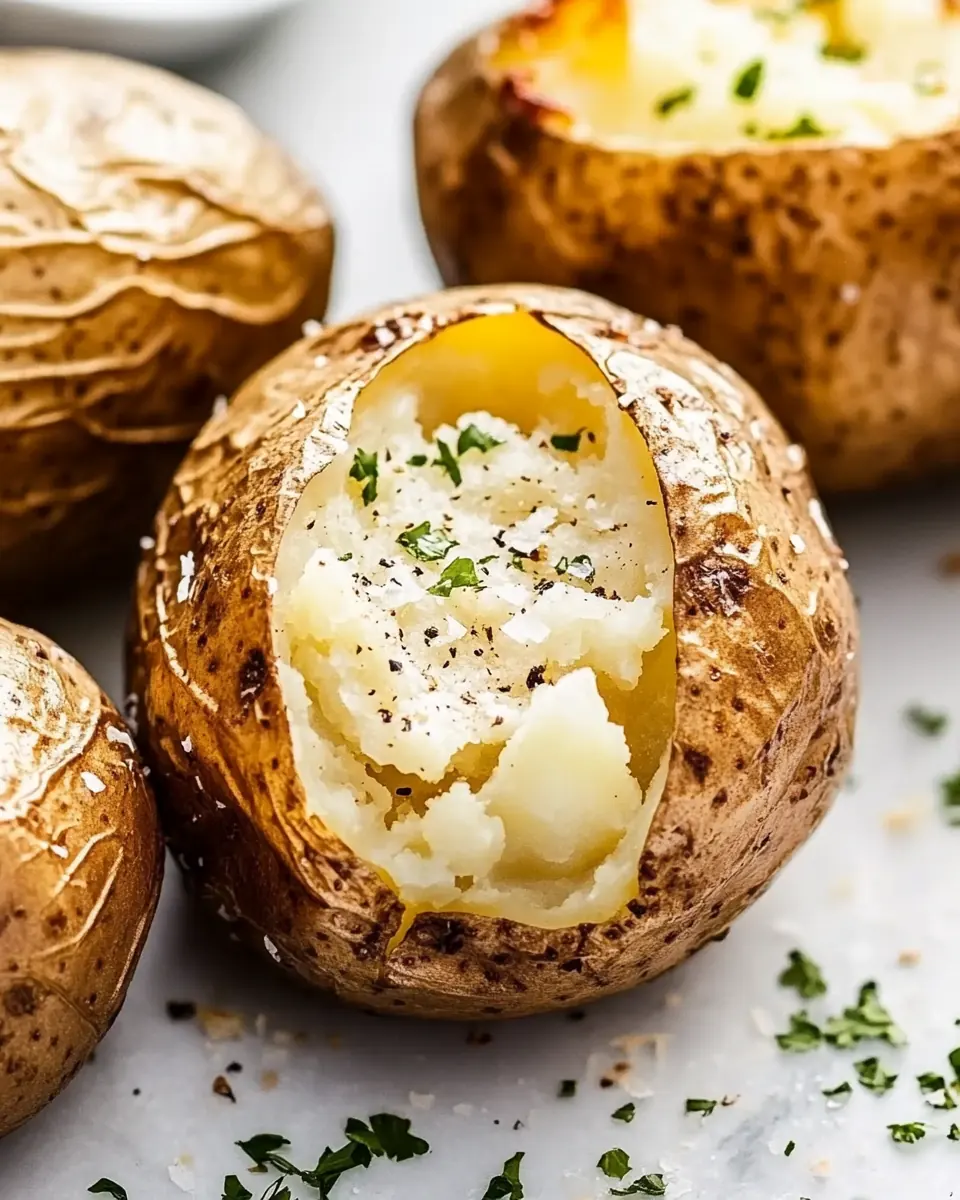
Microwave Baked Potato
Ingredients
Equipment
Method
- Pierce the potato several times with a fork. Rub olive oil around the sides.: You will feel the resistance of the skin give way under the tines and hear the faint scrape as you pierce, this creates vents for steam to escape so the interior cooks evenly instead of bursting. If you skip this, steam can build up and split the skin, which not only makes a mess but also reduces the ideal fluffy texture.
- Place the potato on a microwave-safe plate. Microwave on high for 4 minutes, then flip the potato over and microwave for an additional 4 minutes. If the potatoes aren’t fully cooked yet (check the doneness by inserting a knife in the center of the potato), microwave in 30-second increments until they are.: The oil will feel slick to the touch and adds a soft gloss to the skin that becomes slightly firmer under heat, improving mouthfeel and aroma. This matters because a too dry surface can create an unpalatable contrast with the soft interior. Avoid using too much oil, which can pool and make the skin feel greasy rather than pleasantly rich.
- Let the potatoes rest for a minute, slice down the center, and fluff with a fork. Add toppings and serve.: You should hear the quiet hum of the microwave and see the potato seated centered on the plate for even exposure. Proper placement helps heat circulate evenly, and using a microwave-safe plate prevents cracking or heat damage. A common mistake is stacking potatoes or using warped plates, which can produce uneven cooking.
- Microwave on high for 4 minutes: The first burst of heat starts the internal steam and softens the core; you might smell a faint nutty note as the surface warms. This initial interval jumpstarts the cooking process and prevents long total cook times. Do not assume the same timing works for all microwaves, as power varies significantly between ovens.
- Flip the potato over: When you turn the potato, the other side receives direct exposure and any cool spots begin to even out visually; the skin will feel warm to the touch through a towel. Flipping matters because microwaves can create hot and cool zones, and turning helps reduce uneven doneness. Be cautious, as steam pockets can release and cause brief bursts of heat.
- Microwave for an additional 4 minutes: The second interval should make the flesh noticeably softer, and you may see the skin tighten slightly as moisture redistributes. This step continues the internal steaming action that yields the fluffy texture we want. Overcooking here can dry the interior, so we use the next check to avoid that error.
- Check doneness by inserting a knife in the center: Gently probing should offer little resistance and the knife will slide in with a faint give, indicating the interior is tender and fully cooked. This sensory cue is the most reliable sign that the potato is done; if there is resistance, continue in small increments. A mistake is assuming time alone is enough without a feel test, which can leave an underdone center.
- Microwave in 30 second increments until they are: Short additional bursts let you fine tune doneness, listening and feeling for the slightest softening; this prevents overshooting the texture. This incremental approach is important because microwaves and potato sizes vary, and a few seconds can make a big difference. Avoid large extra intervals, which risk drying the potato out or making the skin rubbery.
- Let the potatoes rest for a minute: During this brief pause the internal steam evens out and the starches settle, giving you a creamier mouthfeel. Resting also cools the surface slightly so you can handle the potato safely, and it prevents the steam from escaping too quickly when you cut it. A common oversight is slicing immediately, which releases hot steam and can make the texture gummy rather than fluffy.
- Slice down the center and fluff with a fork: When you cut, you should hear a soft crack and see the fluffy interior separate in tender strands as you fluff with a fork, creating air pockets that make each bite light. Fluffing also helps absorb any toppings and enhances the overall texture. Don’t mash aggressively, which can compress the interior and lose the airy quality you worked for.
- Add toppings and serve: Warm toppings will meld into the spongy interior, releasing aromas and moisture that enrich each forkful; the contrast between the soft inside and the firmer skin is part of the appeal. Choose toppings that complement the mild starch, and serve immediately to enjoy the best texture. A misstep here is letting the potatoes sit too long after adding wet toppings, which can make the skin soggy.
Notes
- Timing guide: Use the notes as a baseline; for one large potato aim for 6 to 8 minutes total, for two medium potatoes expect about 10 minutes, and for four medium potatoes expect closer to 15 to 16 minutes, adjusting as needed by 30 second checks.
- Even size matters: Cook potatoes of similar size together to avoid uneven doneness; disparate sizes will require removing smaller ones early and continuing with the larger ones.
- Microwave power variance: If your microwave is lower power, add a minute to each interval and rely on the knife test; high power microwaves may need less time, so watch closely to prevent drying.
- Oil application: A light rub of olive oil is all you need, too much makes the skin greasy and too little gives a drier mouthfeel.
- Finishing touches: Resting for a minute before slicing helps internal steam redistribute and leads to a fluffier finished texture that better absorbs toppings.