Chicken Noodle Soup
Chicken Noodle Soup has been my go to remedy for sniffles, gray afternoons, and those evenings when I want something simple yet deeply satisfying.
I remember the first time I made this version, standing at my grandmother’s stove while she nudged me to taste the broth with a wooden spoon. The aroma of melting butter and sizzling onion filled the kitchen, and I learned how small adjustments change everything. Over the years I adjusted the texture of the vegetables, how much chicken to fold in, and the exact moment to add the egg noodles, and it became the kind of meal that makes people pause and smile.
On rainy afternoons I still reach for that same pot. I like the ritual of chopping crisp carrot and pale celery, listening to them soften as they sizzle in the warm butter. That gentle cooking unlocks sweetness and builds the base for the broth, which later embraces shredded chicken and tender pasta. Guests always ask for seconds, and sometimes I serve it with crusty bread so the bowl feels indulgent and honest at once.
Recipe Snapshot
30 mins
10 mins
20 mins
Easy
300 kcal
American
Gluten-Free, Low FODMAP
Soups
Large dutch oven, Wooden spoon
Why This Chicken Noodle Soup Is a Winner
Comfort in a Bowl
When I need something restorative, this Chicken Noodle Soup is what I reach for. The warm broth soothes the senses, and the combination of savory chicken and tender egg noodles delivers that familiar, calming mouthfeel. I love how every spoonful brings a little nostalgia and instant warmth.
Speed without Sacrifice
I appreciate recipes that come together quickly but still taste homemade. This version takes advantage of seared vegetables to build depth, then brings in the low sodium chicken broth and chicken to finish in under an hour. I often have dinner on the table faster than expected, and it still tastes like I spent all afternoon simmering it.
Simple Ingredients, Big Impact
There is something satisfying about relying on pantry staples like butter, aromatic onion, and a couple of herbs to create complexity. Each ingredient has a job, from the subtle herbiness of the bay leaves to the body the egg noodles add. I find that keeping the ingredient list focused ensures clarity of flavor every time.
Flexible and Family Friendly
Families love this recipe because it is forgiving. You can use leftover roasted chicken or quickly shred a poached breast, and the soup still shines. Kids usually finish their bowls and ask for more, and I like that it’s easy to scale up when more people drop by.
Easy to Make Ahead
I often make the base ahead and save the noodles for the last minute. This saves texture and prevents the pasta from turning mushy, so when company arrives, the soup is bright and lively. I also like that leftovers warm up beautifully if you keep the noodles separate.
What to Buy for Chicken Noodle Soup
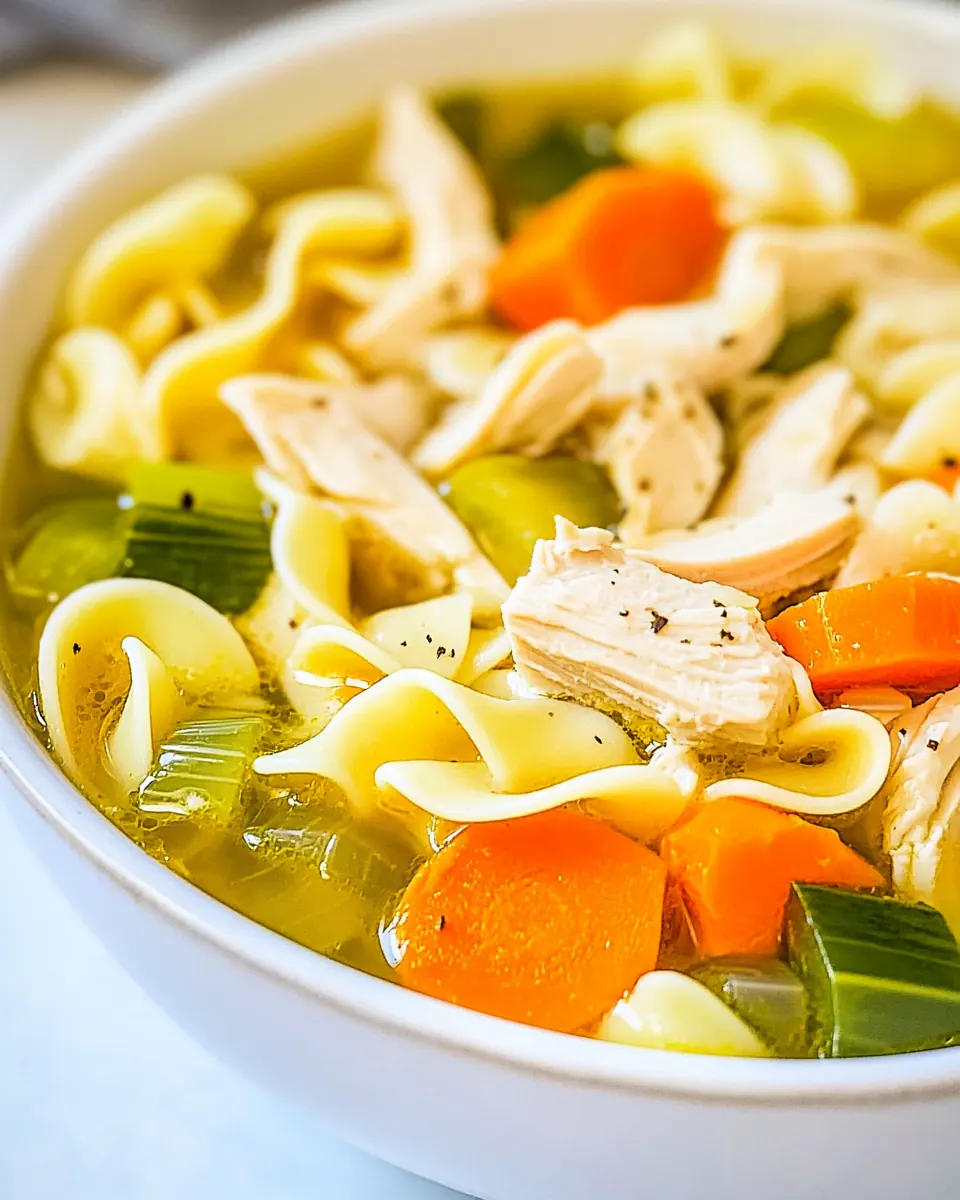
The philosophy behind these ingredients is straightforward: build a flavorful broth by layering aromatics, then add body with chicken and egg noodles. The key players are the mirepoix of onion, carrot, and celery, which create a sweet savory foundation when softened in butter. The low sodium chicken broth lets you control the seasoning, while bay leaves add background herb notes. Finally, shredded chicken and egg noodles make it a complete, comforting meal.
- 1/4 c butter: Melted in the pot to provide a rich, silky base and help sauté aromatics; contributes a mild, buttery flavor that enhances overall mouthfeel. Used at the start to prevent sticking and to carry fat-soluble flavors throughout the soup.
- 1 medium onion chopped: Sautéed until translucent to release sweetness and form the aromatic foundation; adds depth and savory balance to the broth. Chopped small to integrate texture and distribute flavor evenly among other ingredients.
- 2 carrots peeled and finely chopped: Added after the onion to build natural sweetness and body; peeled and finely chopped for even cooking and tender texture. Provides color, subtle earthiness, and contributes to the soup's comforting, hearty profile.
- 2 celery ribs finely chopped: Cooked with the carrots and onion to add a crisp, vegetal backbone; finely chopped to ensure quick, uniform tenderness. Delivers a celery's mild bitterness and aromatic notes that brighten the broth.
- 8 c low sodium chicken broth: Simmered as the primary liquid to create a savory, well-seasoned base; low sodium allows for controlled seasoning and better layering of flavors. Provides the soup's main body and carries the flavors of aromatics, herbs, and chicken.
- 2 bay leaves: Simmered in the broth to impart subtle herbal depth and a slightly floral, bay-like aroma; removed before serving. Adds complexity and a faintly peppery, herbal undertone to the overall flavor profile.
- 2 c cooked and shredded chicken: Stirred in near the end to supply protein and hearty substance; cooked and shredded for easy distribution and tender bites. Contributes savory, meaty flavor and makes the soup a complete, satisfying meal.
- 1/2 tsp garlic powder: Sprinkled for gentle garlicky warmth without fresh garlic's moisture; used to season evenly when precise flavor control is desired. Enhances overall savory depth and pairs well with the broth and herbs.
- 1/2 tsp salt: Added sparingly to season and enhance all other flavors; measured for balanced saltiness given the low-sodium broth. Ensures the final soup tastes cohesive and well-seasoned without overpowering delicate ingredients.
- 3 c dry egg noodles: Cooked directly in the simmering broth to provide comforting, starchy body and tender bite; dry egg noodles are added at the appropriate time to reach desired texture. Supplies carbohydrate substance that turns the broth into a filling, classic chicken noodle soup.
- Parsley for garnish: Sprinkled over finished bowls to add a fresh, bright herbal finish and visual appeal; used as a garnish just before serving. Offers a light contrast in flavor and color while adding a hint of green freshness.
How to Cook Chicken Noodle Soup
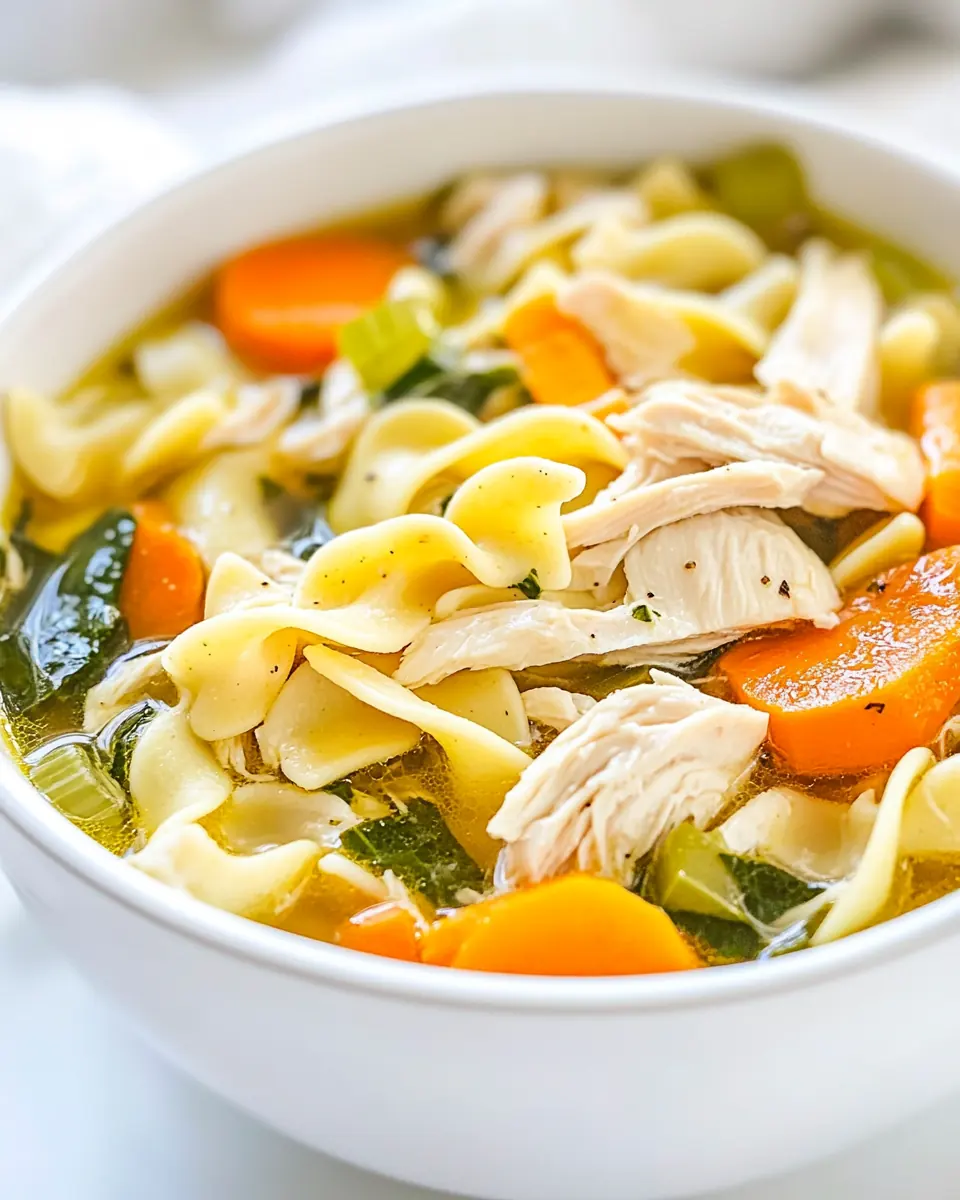
This soup is approachable and forgiving, so I like to keep the instructions conversational and sensory driven. Follow the sequence so the vegetables release their sweetness, the broth builds flavor, and the egg noodles end up perfectly tender.
- In a large dutch oven melt butter. Stir in onion, carrot, and celery. Saute vegetables in butter for about 7 minutes or until they are tender.: The kitchen should fill with a warm, creamy aroma as the butter liquefies, and you may hear a gentle sizzle if the pot is hot. This step matters because the melting butter creates the fat medium that carries and deepens flavor from the aromatics. If the butter starts to brown quickly, lower the heat to prevent a bitter, toasted note. A common mistake is rushing this step with too high heat, which will burn the butter and make the base bitter; take your time so the butter simply shimmers before adding the vegetables.
- Whisk in broth. Add bay leaves, garlic powder and salt. Bring to a boil and add chicken and egg noodles. Return to a boil and reduce to simmer. Cook for 8-10 minutes or until egg noodles are al dente.: As you add the chopped onion , carrot , and celery , listen for a soft hiss as they hit the warm butter . The scent will quickly shift from fatty to fragrant, with sweet and vegetal notes rising. Softening these vegetables releases natural sugars that sweeten the broth and forms a cohesive flavor foundation. Stir frequently to ensure everything cooks evenly, and avoid cranking the heat, which can brown the edges too fast. A typical misstep is undercooking these aromatics, leaving a raw, sharp bite in the finished soup.
- Remove bay leaves and serve.: You should see the onion turn translucent and the carrot begin to yield; the mixture will smell sweeter and richer. Taking these minutes builds depth, because the gentle cooking concentrates flavors and softens texture so the vegetables meld with the broth. If you notice any sticking, add a splash of the low sodium chicken broth to deglaze and lift fond, which enriches the soup. Overcooking can make the vegetables fall apart, so aim for tender but intact pieces to maintain texture contrast in each spoonful.
- Whisk in broth: When you pour in the low sodium chicken broth , you will hear a low simmer begin as the liquid meets the hot pot, and the room will get that savory, warming aroma. This step dissolves any browned bits and integrates the softened vegetables into a unified liquid. Whisking helps distribute flavors evenly and prevents lumps if any bits have stuck. If the broth splatters, reduce heat carefully; splashes can create hot spots and uneven cooking. A common oversight is adding cold broth directly to hot fat without stirring, which can cause uneven temperature shifts.
- Add bay leaves, garlic powder and salt: Dropping in the bay leaves will add a subtle herbal undercurrent that emerges as the soup simmers, while the garlic powder layers in mellow garlic warmth. The salt starts to awaken flavors, especially once the soup reduces slightly. Keep the bay leaves whole so you can find and remove them before serving. One mistake is over salting early; because the broth concentrates, taste later and adjust to avoid an overly salty bowl.
- Bring to a boil and add chicken and egg noodles: When the pot reaches a gentle boil, you will see lively bubbles and steam, and that is the cue to add shredded chicken and dry egg noodles . The immediate heat jump seals in the savory flavors of the chicken , and the noodles begin to swell and soften as they absorb the savory liquid. Adding the chicken now warms it through without overcooking, preserving tenderness. Ensure the boil is even so the noodles cook uniformly; an uneven boil can leave some pasta chewy while other pieces are mushy.
- Return to a boil and reduce to simmer: After the initial boil, the surface will be lively; lower the heat so the soup maintains a gentle simmer, with occasional small bubbles. Simmering allows flavors to marry and the noodles to cook through steadily without falling apart. This controlled heat preserves texture and prevents vigorous agitation that breaks down the softened vegetables. A common mistake is leaving a rolling boil, which makes the noodles and chicken tough or mushy due to over agitation.
- Cook for 8 to 10 minutes or until egg noodles are al dente: During these minutes the noodles will absorb liquid and swell, and you should test for a tender bite with a slight chew. The broth will smell more concentrated, and the chicken will be fully warmed through. Al dente noodles help the soup retain body and prevent it from becoming gluey after chilling. Overcooking here results in mushy noodles that can turn the whole pot stodgy when stored.
- Remove bay leaves and serve: There is a small, satisfying click as you fish the bay leaves from the pot, and then the aroma is bright and ready. Serving immediately preserves the texture of the noodles and the fresh finish of the chopped parsley if you use it. Make sure to taste one more time and adjust seasoning before plating. A common oversight is forgetting to remove the bay leaves, which can surprise a diner with a tough, fibrous bite.
Recipe Notes about Chicken Noodle Soup
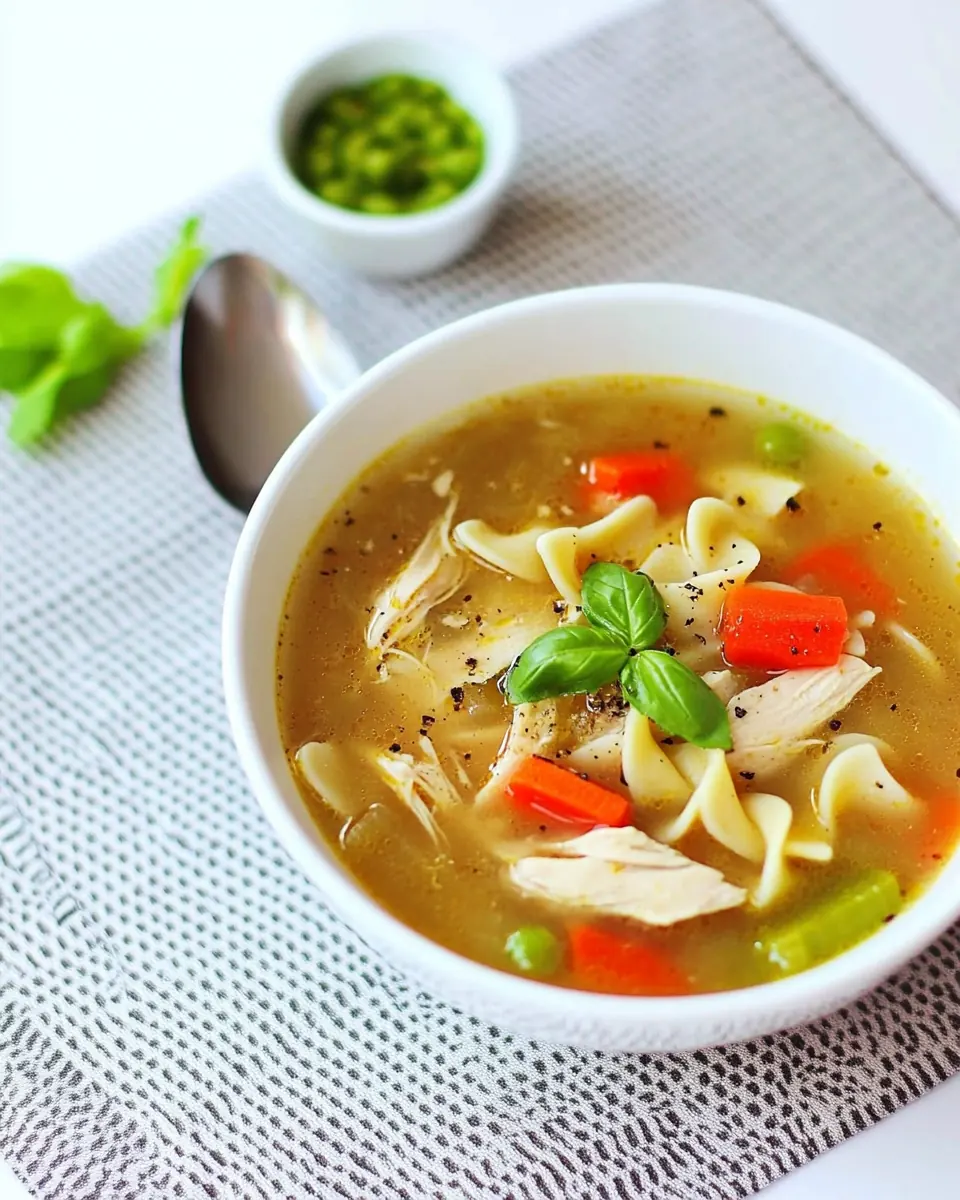
I like to keep notes practical and hands on. Below are my favorite tips that I return to when making this soup, from ingredient timing to storage advice.
- Slowly sweat aromatics to develop a sweet, rich base, stirring often so the onion, carrot, and celery cook evenly without browning.
- Use low sodium broth so you can season to taste later, avoiding an overly salty final soup as it reduces.
- Reserve cooked chicken from roast or poach to keep the chicken moist, and fold it in at the end rather than simmering it for too long.
- Hold off on adding noodles if you plan to store leftovers, since uncooked noodles will soak up liquid and turn mushy overnight.
- Finish with fresh parsley for a pop of color and brightness, chopping it right before serving.
Side Dish Ideas for Chicken Noodle Soup
This soup pairs beautifully with simple sides that complement its cozy, savory character. Below are serving suggestions that work for weeknight dinners, casual lunches, or special family gatherings.
- Crusty bread is perfect for dipping, adding a satisfying chew and soakable texture to each bite of soup.
- Light salad with crisp greens offers a fresh contrast, and a vinaigrette brightens the palate between spoonfuls.
- Grilled cheese for a nostalgic pairing, its melty richness complements the clear, savory broth.
- Steamed vegetables served on the side keep the meal wholesome and are easy to prepare alongside the soup.
- Rice or small grain on the side can be stirred into bowls for a heartier bowl if you prefer a denser meal.
- Occasion suggestion Serve as a comforting lunch or a light dinner during cold months, especially ideal for winter evenings and casual family menus.
- Storage tip Refrigerate soup without the noodles for up to three days, adding fresh noodles before reheating to preserve texture.
- Freezing tip Freeze the broth and shredded chicken but exclude the egg noodles, which will be cooked fresh when you reheat.
- Seasonal pairing This fits perfectly into a winter menu due to its warming broth and hearty ingredients.
- Serving style Present bowls with a sprinkle of chopped parsley and extra cracked pepper so guests can personalize their bowl.
FAQ
Conclusion
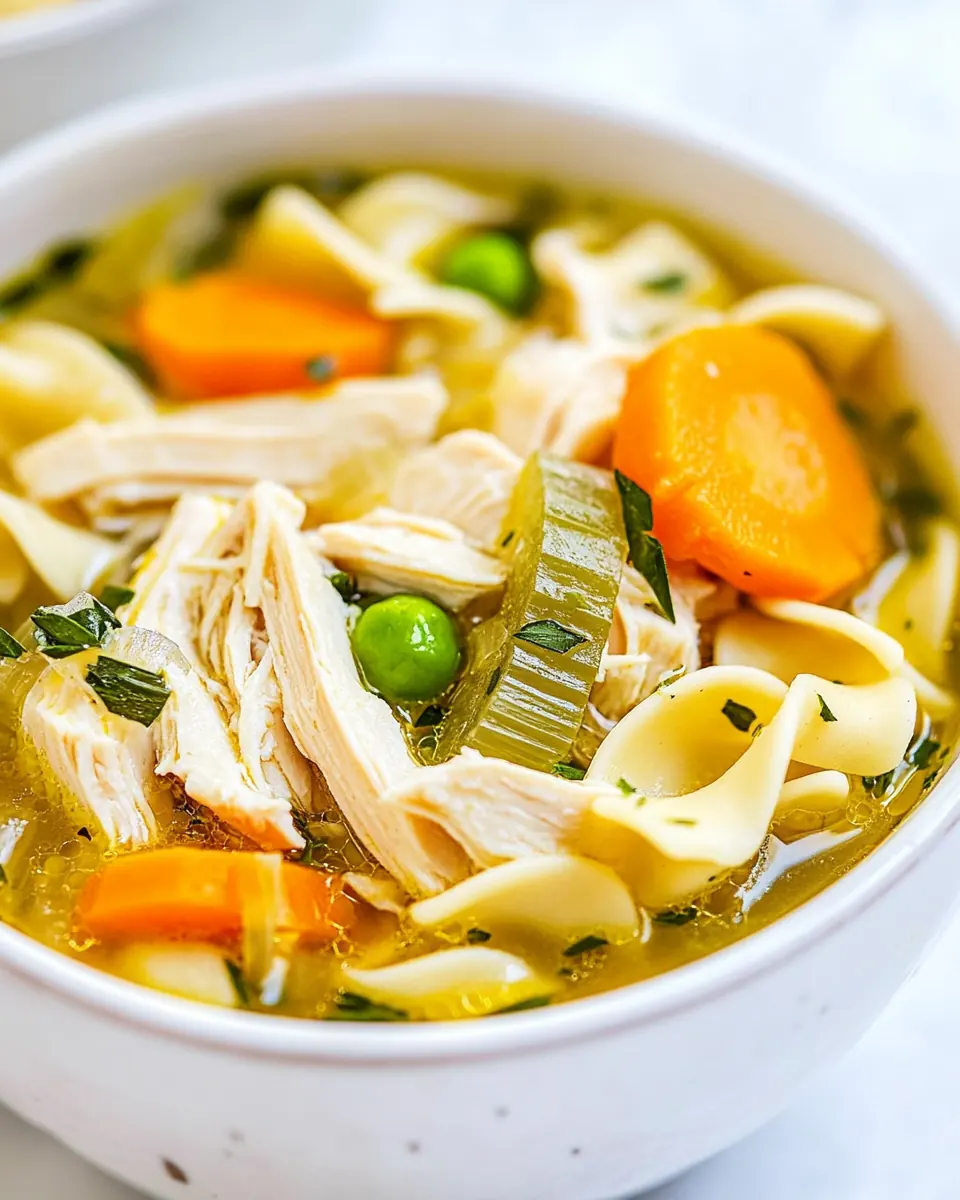
This Chicken Noodle Soup stands out for its warm, savory broth, tender shredded chicken, and perfectly cooked egg noodles, a combination that comforts and satisfies. Try it if you want an approachable, cozy meal that still tastes intentionally crafted, whether for a quiet night in or to lift someone who is under the weather. It’s simple to make, easy to adapt, and reliably delicious, so pull out a pot and enjoy a bowl that feels like a hug from the inside.
Chicken Noodle Soup
Ingredients
Equipment
Method
- In a large dutch oven melt butter. Stir in onion, carrot, and celery. Saute vegetables in butter for about 7 minutes or until they are tender.: The kitchen should fill with a warm, creamy aroma as the butter liquefies, and you may hear a gentle sizzle if the pot is hot. This step matters because the melting butter creates the fat medium that carries and deepens flavor from the aromatics. If the butter starts to brown quickly, lower the heat to prevent a bitter, toasted note. A common mistake is rushing this step with too high heat, which will burn the butter and make the base bitter; take your time so the butter simply shimmers before adding the vegetables.
- Whisk in broth. Add bay leaves, garlic powder and salt. Bring to a boil and add chicken and egg noodles. Return to a boil and reduce to simmer. Cook for 8-10 minutes or until egg noodles are al dente.: As you add the chopped onion , carrot , and celery , listen for a soft hiss as they hit the warm butter . The scent will quickly shift from fatty to fragrant, with sweet and vegetal notes rising. Softening these vegetables releases natural sugars that sweeten the broth and forms a cohesive flavor foundation. Stir frequently to ensure everything cooks evenly, and avoid cranking the heat, which can brown the edges too fast. A typical misstep is undercooking these aromatics, leaving a raw, sharp bite in the finished soup.
- Remove bay leaves and serve.: You should see the onion turn translucent and the carrot begin to yield; the mixture will smell sweeter and richer. Taking these minutes builds depth, because the gentle cooking concentrates flavors and softens texture so the vegetables meld with the broth. If you notice any sticking, add a splash of the low sodium chicken broth to deglaze and lift fond, which enriches the soup. Overcooking can make the vegetables fall apart, so aim for tender but intact pieces to maintain texture contrast in each spoonful.
- Whisk in broth: When you pour in the low sodium chicken broth , you will hear a low simmer begin as the liquid meets the hot pot, and the room will get that savory, warming aroma. This step dissolves any browned bits and integrates the softened vegetables into a unified liquid. Whisking helps distribute flavors evenly and prevents lumps if any bits have stuck. If the broth splatters, reduce heat carefully; splashes can create hot spots and uneven cooking. A common oversight is adding cold broth directly to hot fat without stirring, which can cause uneven temperature shifts.
- Add bay leaves, garlic powder and salt: Dropping in the bay leaves will add a subtle herbal undercurrent that emerges as the soup simmers, while the garlic powder layers in mellow garlic warmth. The salt starts to awaken flavors, especially once the soup reduces slightly. Keep the bay leaves whole so you can find and remove them before serving. One mistake is over salting early; because the broth concentrates, taste later and adjust to avoid an overly salty bowl.
- Bring to a boil and add chicken and egg noodles: When the pot reaches a gentle boil, you will see lively bubbles and steam, and that is the cue to add shredded chicken and dry egg noodles . The immediate heat jump seals in the savory flavors of the chicken , and the noodles begin to swell and soften as they absorb the savory liquid. Adding the chicken now warms it through without overcooking, preserving tenderness. Ensure the boil is even so the noodles cook uniformly; an uneven boil can leave some pasta chewy while other pieces are mushy.
- Return to a boil and reduce to simmer: After the initial boil, the surface will be lively; lower the heat so the soup maintains a gentle simmer, with occasional small bubbles. Simmering allows flavors to marry and the noodles to cook through steadily without falling apart. This controlled heat preserves texture and prevents vigorous agitation that breaks down the softened vegetables. A common mistake is leaving a rolling boil, which makes the noodles and chicken tough or mushy due to over agitation.
- Cook for 8 to 10 minutes or until egg noodles are al dente: During these minutes the noodles will absorb liquid and swell, and you should test for a tender bite with a slight chew. The broth will smell more concentrated, and the chicken will be fully warmed through. Al dente noodles help the soup retain body and prevent it from becoming gluey after chilling. Overcooking here results in mushy noodles that can turn the whole pot stodgy when stored.
- Remove bay leaves and serve: There is a small, satisfying click as you fish the bay leaves from the pot, and then the aroma is bright and ready. Serving immediately preserves the texture of the noodles and the fresh finish of the chopped parsley if you use it. Make sure to taste one more time and adjust seasoning before plating. A common oversight is forgetting to remove the bay leaves, which can surprise a diner with a tough, fibrous bite.
Notes
- Slowly sweat aromatics to develop a sweet, rich base, stirring often so the onion, carrot, and celery cook evenly without browning.
- Use low sodium broth so you can season to taste later, avoiding an overly salty final soup as it reduces.
- Reserve cooked chicken from roast or poach to keep the chicken moist, and fold it in at the end rather than simmering it for too long.
- Hold off on adding noodles if you plan to store leftovers, since uncooked noodles will soak up liquid and turn mushy overnight.
- Finish with fresh parsley for a pop of color and brightness, chopping it right before serving.