Old Fashioned Potato Soup
Old Fashioned Potato Soup is the kind of bowl I crave on a raw winter evening, the one that feels like a warm blanket and a well told story at the same time. My grandmother used to ladle a simmering pot into mismatched bowls while I stood on a stool watching steam fog the window. That memory shaped how I cook this soup, choosing textures and small comforts over flashy techniques.
I still remember the first time I tried to recreate that memory for friends. The kitchen filled with the scent of butter sizzling and garlic warming, and conversation softened as spoons dipped into the simmering pot. It taught me that a great soup is more about rhythm and patience than rare ingredients. Each spoonful of Old Fashioned Potato Soup carries layers of savory comfort, and it always sparks stories around the table.
Over the years I’ve adjusted little things, but never the heart of the dish. The balance between creamy body and chunky potato pieces is the soul, and I like to lean into that texture contrast, letting some potatoes break down while leaving others intact. Sharing this version feels like passing along a trusted trick, one that makes weeknights cozier and gatherings just a touch more homey. Try it and you may find it becomes your own go to comfort food.
Recipe Snapshot
60 mins
20 mins
40 mins
Medium
250 kcal
American
Gluten-Free, Low FODMAP
Soups
Large 7 to 8 quart pot, Potato masher, Knife, Cutting board
Why This Old Fashioned Potato Soup Stands Out
Simple, honest flavors
I love how Old Fashioned Potato Soup relies on straightforward pantry items that sing when combined. The mellow sweetness of onion and the nutty hint from parmesan cheese build a layered base, while rosemary adds a subtle herbal note. Because the flavors are centered and balanced, this soup tastes like much more work than it actually is.
Comforting texture contrast
One of the reasons I keep making this soup is the texture play. I intentionally mash only part of the potatoes, so you get a creamy body with delightful chunks to bite into. That combination creates a satisfying mouthfeel that feels both homey and deliberate.
Flexible and forgiving
I appreciate how adaptable this recipe is. You can make it vegetarian by swapping the chicken base paste or bouillon for vegetable bouillon, and the dish still delivers depth. It forgives small timing mistakes, and the flavors marry even better if it sits for a bit, which makes it excellent for entertaining or prepping ahead.
Built for sharing
This is a generous, crowd pleasing soup. The recipe scales well when you are feeding a group, and the flavors hold up whether served right away or gently reheated. I find it perfect for potlucks, casual dinners, or quiet family nights.
Easy techniques, impressive results
There is no fancy equipment required, and the methods are anchored in classic stovetop technique. The result is a bowl that looks and tastes crafted, without demanding advanced culinary skills. That accessibility keeps me returning to this recipe season after season.
Ingredients You’ll Need for Old Fashioned Potato Soup

These ingredients are chosen to create a comforting, layered soup where each player has a role. The potatoes provide the starchy body, the onion and celery build a savory aromatics base, and the garlic and rosemary add depth. Dairy like sour cream and parmesan cheese round out the mouthfeel, while simple salt and pepper let the other flavors shine.
The list below follows the original ingredient order. After each item I explain why it matters and how I use it to get the most from the soup.
- 5 pounds Yukon Gold potatoes (or russets): Provide starchy body and creaminess to the soup; cubes or slices will break down during simmering to thicken the broth and create a velvety texture. Choose Yukon Golds for buttery flavor or russets for extra fluffiness and a more rustic mouthfeel. Peel or leave skins on based on desired consistency and nutrition.
- 1 large sweet onion, peeled and chopped: Add sweet aromatic depth and savory backbone when sautéed; chopped pieces soften and release sugars that balance the potatoes' starchiness. Use a large sweet onion to contribute subtle sweetness without overpowering other flavors. Cook until translucent to build a gentle, caramelized base.
- 1 cup chopped celery: Contribute light vegetal crunch and aromatic freshness that complements the onion and potatoes; chopping small ensures even distribution and quick softening. Celery stalks help layer savory flavor and add slight herbal bitterness that brightens the overall profile. Sauté briefly to mellow raw intensity.
- 4 6 cloves garlic, minced: Deliver pungent heat and savory complexity; minced garlic should be added near the end of sautéing to avoid bitterness and to release its aromatic oils. Adjust quantity between four and six cloves depending on desired pungency. Garlic enhances overall depth and complements the rosemary and cheese.
- 1/4 cup butter: Provide richness and mouth-coating fat that helps sauté the aromatics and carry flavors throughout the soup; melt into the pot before adding vegetables. Butter also contributes a subtle creamy note and aids in browning for extra flavor. Use measured amount to control richness.
- 3 tablespoons chicken base paste or bouillon powder (or vegetable bouillon for vegetarian): Introduce concentrated savory umami and seasoning to the broth; dissolve chicken base paste or bouillon powder into the cooking water to create a flavorful stock. Substitute vegetable bouillon to keep the soup vegetarian while maintaining depth. Adjust amount to taste, remembering its saltiness.
- 1 teaspoon dried rosemary: Offer piney, slightly floral herbal notes that pair well with potatoes and dairy; sprinkle dried rosemary early so it can rehydrate and infuse the soup. Avoid overpowering—one teaspoon adds aromatic background without dominating. Crush lightly between fingers before adding to release oils.
- 1/2 cup sour cream: Add tangy creaminess and slight acidity that brightens the finished soup while contributing to smooth texture when stirred in off-heat. Use half a cup to enrich the chowder and balance saltiness from the bouillon and cheese. Fold in gradually to prevent curdling with residual heat.
- 1/2 cup grated parmesan cheese: Contribute salty, nutty umami and a savory finish when grated and folded into or sprinkled atop the soup; melts into the hot liquid to add depth. Parmesan balances richness and enhances mouthfeel with its crystalline texture and sharp flavor. Use as garnish or stirred in for integrated flavor.
- 1/4 cup chopped parsley: Provide fresh herbal brightness and visual contrast when chopped and sprinkled as a finishing touch; parsley lightens the richness and adds a clean, grassy note. Incorporate at the end of cooking to preserve color and fragrance. Use the measured amount for balanced freshness without overwhelming other herbs.
- salt and pepper: Season to taste and harmonize all components; layer salt and pepper during cooking and at the end to ensure balanced seasoning. Salt enhances natural flavors while black pepper adds mild heat and aromatic bite. Taste frequently because bouillon and cheese contribute significant salt.
- water: Form the cooking medium and control final soup consistency; add enough water to cover potatoes and create desired broth thickness as they simmer and release starch. Simmer until potatoes are tender, using additional water if a thinner soup is preferred. Use water temperature adjustments to manage cooking speed.
Instructions for Old Fashioned Potato Soup
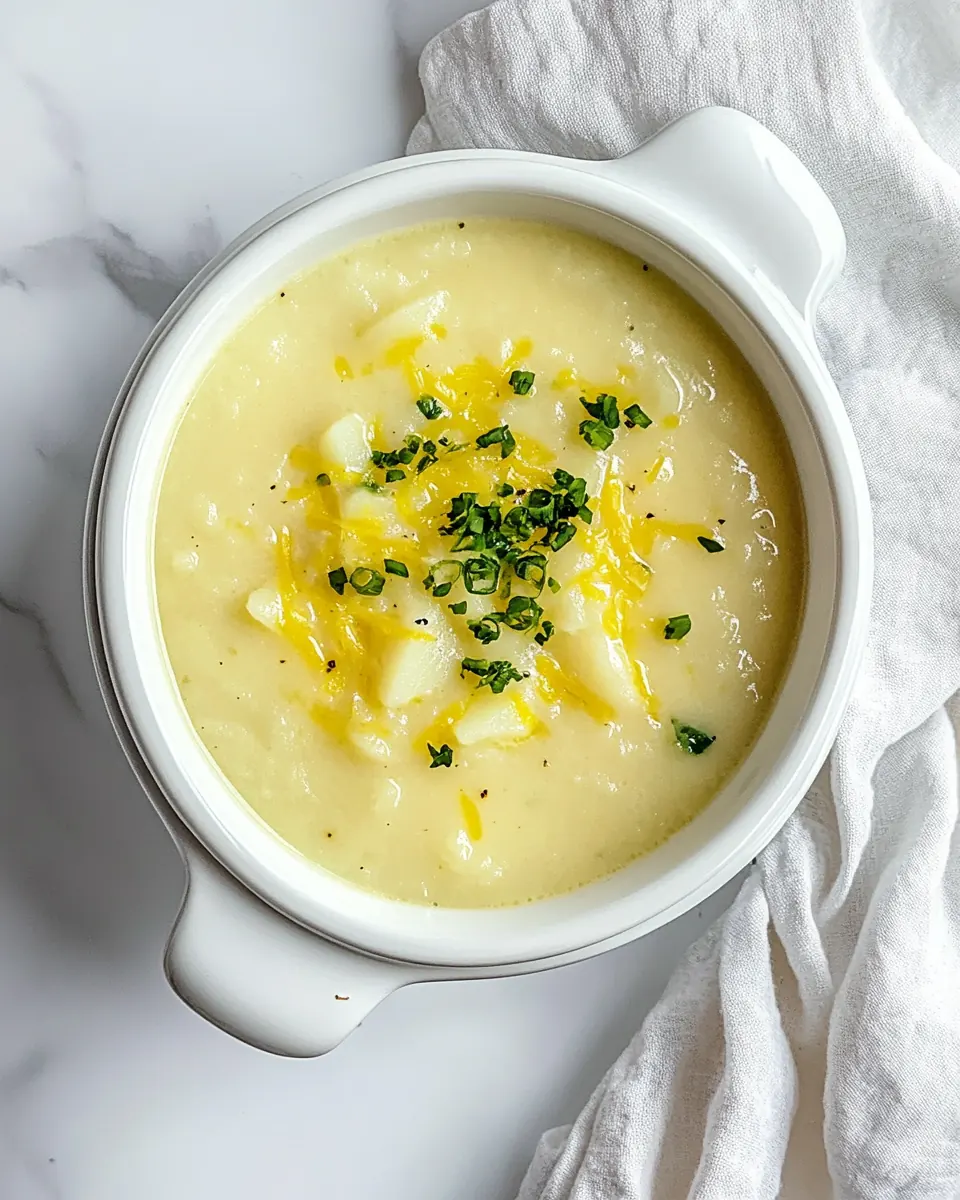
These instructions follow a classic stovetop method that encourages patience and attention. Take your time with the sautéing and simmering, because those moments build the deepest flavors. Below I expand each original direction into detailed steps that point out sensory cues and common pitfalls.
- Chop the onion, celery, and garlic. Then peel the potatoes and cut them into 3/4 inch chunks. Place the potato chunks in a bowl of cold water so they don't brown.: The kitchen should smell faintly sweet from the raw onion and sharp from the minced garlic , and you will notice the bright pale flesh of the potatoes shining as you cut. Cold water prevents oxidation, keeping the cut surfaces from turning gray while you work. Use a firm knife and steady board to make even 3/4 inch cubes so they cook uniformly. Rinse the potato pieces briefly to remove excess starch, and keep them submerged until you're ready to add them to the pot. A common mistake is cutting uneven pieces, which leads to some chunks disintegrating while others remain undercooked.
- Place a large 7-8 quart pot over medium heat. Add the butter. Once melted, add the onions, celery and minced garlic. Sauté for 3-5 minutes to soften, stirring each minute.: As the butter melts, it will foam slightly and release a rich, creamy scent. Add the chopped onion and celery and you should hear a gentle, steady sizzle, not a frantic crackle. Stirring every minute encourages even softening and prevents hot spots. After a few minutes the onion will become translucent and faintly sweet, while the celery will soften but retain some texture. Add the minced garlic toward the end of this window so it warms through without burning, which would turn it bitter. If the pan browns too quickly, lower the heat; burning the aromatics is the most common misstep here.
- Drain off the water and add the potatoes to the pot. Add 8 cups fresh water, chicken base, and rosemary. Cover and simmer for 30 minutes, until the potatoes are fork-tender.: When you add the drained potatoes , they will hiss briefly as they meet the warm pot. Pour in the 8 cups of fresh water so the potatoes are submerged, then stir in the concentrated chicken base and sprinkle the rosemary . Bring the liquid to a gentle simmer with the lid on, then lower the heat to maintain a steady, small bubble. During simmering, watch the surface for occasional gentle movement and aroma rising from the pot; the scent will deepen into savory, herbaceous notes. Check tenderness by piercing a large chunk with a fork; it should slide in with little resistance. If they are still firm, continue simmering in five minute increments. Avoid boiling violently, which can break the chunks apart unevenly.
- Use a potato masher to gently mash approximately 1/3 of the potatoes. You want the soup base to be thick, but to still see plenty of chunks.: With the pot off or on very low heat, press down on a third of the potatoes until they collapse and thicken the broth. The aroma will become fuller and the surface slightly velvety as starch releases. Leaving most chunks intact preserves bite, while the mashed portion creates body and creaminess without dairy heavy techniques. Work gently and avoid over-mashing which would make the soup gummy. If you accidentally mash too much, loosen with a little reserved hot water to regain the right balance.
- Stir in the sour cream, grated parmesan cheese, and parsley. Taste, then salt and pepper as needed. Simmer another 5 minutes to thicken. Serve warm with an extra sprinkle of parmesan and parsley.: When you fold in the sour cream and grated parmesan cheese , the broth should take on a richer sheen and a slightly tangy warmth. The parsley will flash a brighter aroma, and the whole pot will smell layered and rounded. Taste before adding salt and pepper , because the chicken base and parmesan cheese already contribute sodium. Let the soup simmer gently for about five minutes so flavors marry and the texture thickens slightly. Serve warm, noticing the creamy mouthfeel and scattered chunks, and garnish with a little extra parmesan cheese and parsley for visual contrast. A frequent mistake is overheating after adding dairy, which can break the texture, so keep the heat low.
Tips and Variations
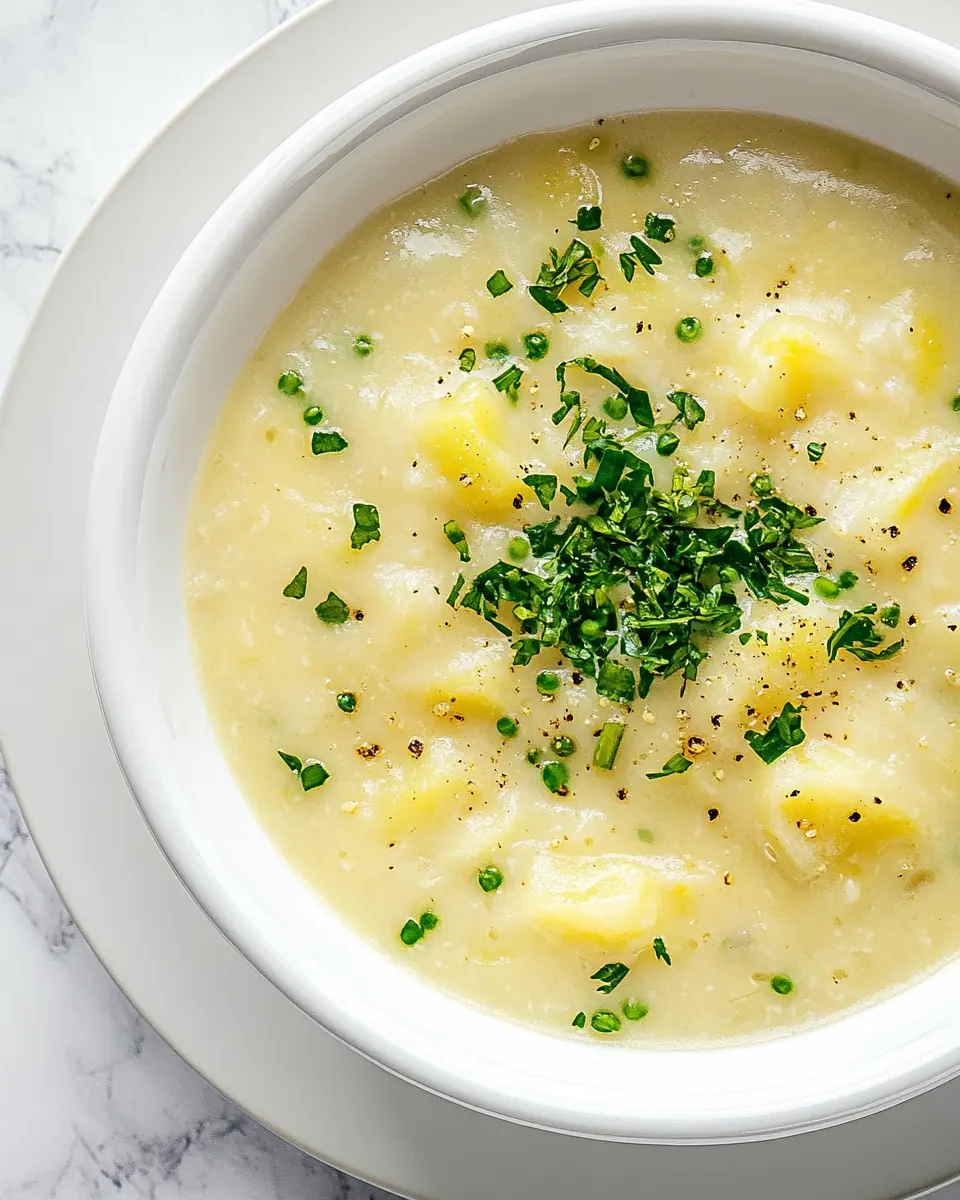
This section offers practical tweaks and ways to personalize the soup. I include variations that respect the original ingredient list while suggesting small adjustments to texture and flavor. Below are focused tips to help you get a reliably comforting bowl every time.
- Slow cooker option: Follow the note method by sautéing the vegetables first, then transfer them with the potatoes, chicken base, rosemary, and water to a 6 to 8 quart slow cooker. Cook on low for 6 to 8 hours or high for 3 to 4 hours until the potatoes are tender. Mash part of the potatoes right in the slow cooker and stir in sour cream, parmesan cheese, and parsley at the end. Keep the lid on most of the time to retain moisture and allow flavors to meld.
- Vegetarian swap: To keep the soup meat free, substitute the chicken base paste or bouillon with an equal amount of vegetable bouillon. Taste and adjust seasoning at the end, since vegetable bouillons vary in intensity. This preserves the savory backbone while keeping the dish accessible to more diets.
- Adjusting thickness: If the soup is too thick after mashing, whisk in reserved hot cooking liquid a little at a time until you reach your preferred consistency. If it is too thin, simmer gently uncovered to reduce and concentrate flavors. Avoid adding cold liquid, which can chill the soup and separate dairy.
- Garlic intensity: For a milder garlic note, use four cloves; for more pronounced garlic presence, use six. Mince finely so it integrates quickly during the sauté. Burned garlic will add bitterness, so add it later in the sauté window if your pan runs hot.
- Fresh herbs finish: Stir most of the chopped parsley in at the end to preserve color and brightness, reserving a sprinkle for garnish. Adding herbs too early will mute their fresh character under prolonged heat.
What to Pair With Old Fashioned Potato Soup
This soup is versatile in pairing; it works as a main for casual dinners or as a starter for a heartier meal. Think about textures that complement its creaminess, and occasions that benefit from warm, comforting food. Below are serving ideas, storage notes, and occasion specific suggestions.
- Crusty bread: A warm loaf or sliced baguette offers a crunchy counterpoint to the creamy soup. Tear pieces and dip to enjoy textural contrast.
- Simple green salad: A crisp tossed salad with a light vinaigrette cuts through the richness, making the meal feel balanced and fresh for lunch or dinner.
- Grilled vegetables: Seasonal roasted or grilled vegetables add an earthy complement when serving this as part of a larger dinner.
- Weeknight dinners: Serve as a one pot centerpiece for busy evenings, pairing with quick salads or simple sandwiches for a complete meal.
- Family gatherings: This soup scales well for groups and reheats reliably, making it ideal for relaxed family nights or potlucks.
- Storage tips: Cool to room temperature then refrigerate in a sealed container for up to four days. Reheat gently over low heat, stirring and adding a splash of hot water if needed to refresh consistency.
- Seasonal pairings: In winter, serve with warm, buttery rolls and a heartier salad; in milder months, pair with crisp greens to lighten the plate.
- Occasion ideas: It is excellent for a cozy dinner, a comforting meal during cold weather, or a nourishing dish for convalescence, where gentle, wholesome flavors are welcome.
- Presentation: Garnish each bowl with a little extra grated parmesan cheese and chopped parsley for color and a fresh aroma before serving.
FAQ
Conclusion
Old Fashioned Potato Soup shines because it pairs comforting, familiar flavors with a cozy, textured finish that feels like home. You get creamy body from partly mashed potatoes and tangy richness from sour cream and parmesan, all bound by gentle herb and aromatic notes. I encourage you to try this recipe as a weeknight staple or a centerpiece for a relaxed gathering; it rewards patience and simple ingredients with a bowl that warms more than just your hands. Share it with friends or tuck into a quiet solo meal, and let the steady rhythm of simmering and stirring become part of the pleasure.

Old Fashioned Potato Soup
Ingredients
Equipment
Method
- Chop the onion, celery, and garlic. Then peel the potatoes and cut them into 3/4 inch chunks. Place the potato chunks in a bowl of cold water so they don't brown.: The kitchen should smell faintly sweet from the raw onion and sharp from the minced garlic , and you will notice the bright pale flesh of the potatoes shining as you cut. Cold water prevents oxidation, keeping the cut surfaces from turning gray while you work. Use a firm knife and steady board to make even 3/4 inch cubes so they cook uniformly. Rinse the potato pieces briefly to remove excess starch, and keep them submerged until you're ready to add them to the pot. A common mistake is cutting uneven pieces, which leads to some chunks disintegrating while others remain undercooked.
- Place a large 7-8 quart pot over medium heat. Add the butter. Once melted, add the onions, celery and minced garlic. Sauté for 3-5 minutes to soften, stirring each minute.: As the butter melts, it will foam slightly and release a rich, creamy scent. Add the chopped onion and celery and you should hear a gentle, steady sizzle, not a frantic crackle. Stirring every minute encourages even softening and prevents hot spots. After a few minutes the onion will become translucent and faintly sweet, while the celery will soften but retain some texture. Add the minced garlic toward the end of this window so it warms through without burning, which would turn it bitter. If the pan browns too quickly, lower the heat; burning the aromatics is the most common misstep here.
- Drain off the water and add the potatoes to the pot. Add 8 cups fresh water, chicken base, and rosemary. Cover and simmer for 30 minutes, until the potatoes are fork-tender.: When you add the drained potatoes , they will hiss briefly as they meet the warm pot. Pour in the 8 cups of fresh water so the potatoes are submerged, then stir in the concentrated chicken base and sprinkle the rosemary . Bring the liquid to a gentle simmer with the lid on, then lower the heat to maintain a steady, small bubble. During simmering, watch the surface for occasional gentle movement and aroma rising from the pot; the scent will deepen into savory, herbaceous notes. Check tenderness by piercing a large chunk with a fork; it should slide in with little resistance. If they are still firm, continue simmering in five minute increments. Avoid boiling violently, which can break the chunks apart unevenly.
- Use a potato masher to gently mash approximately 1/3 of the potatoes. You want the soup base to be thick, but to still see plenty of chunks.: With the pot off or on very low heat, press down on a third of the potatoes until they collapse and thicken the broth. The aroma will become fuller and the surface slightly velvety as starch releases. Leaving most chunks intact preserves bite, while the mashed portion creates body and creaminess without dairy heavy techniques. Work gently and avoid over-mashing which would make the soup gummy. If you accidentally mash too much, loosen with a little reserved hot water to regain the right balance.
- Stir in the sour cream, grated parmesan cheese, and parsley. Taste, then salt and pepper as needed. Simmer another 5 minutes to thicken. Serve warm with an extra sprinkle of parmesan and parsley.: When you fold in the sour cream and grated parmesan cheese , the broth should take on a richer sheen and a slightly tangy warmth. The parsley will flash a brighter aroma, and the whole pot will smell layered and rounded. Taste before adding salt and pepper , because the chicken base and parmesan cheese already contribute sodium. Let the soup simmer gently for about five minutes so flavors marry and the texture thickens slightly. Serve warm, noticing the creamy mouthfeel and scattered chunks, and garnish with a little extra parmesan cheese and parsley for visual contrast. A frequent mistake is overheating after adding dairy, which can break the texture, so keep the heat low.
Notes
- Slow cooker option: Follow the note method by sautéing the vegetables first, then transfer them with the potatoes, chicken base, rosemary, and water to a 6 to 8 quart slow cooker. Cook on low for 6 to 8 hours or high for 3 to 4 hours until the potatoes are tender. Mash part of the potatoes right in the slow cooker and stir in sour cream, parmesan cheese, and parsley at the end. Keep the lid on most of the time to retain moisture and allow flavors to meld.
- Vegetarian swap: To keep the soup meat free, substitute the chicken base paste or bouillon with an equal amount of vegetable bouillon. Taste and adjust seasoning at the end, since vegetable bouillons vary in intensity. This preserves the savory backbone while keeping the dish accessible to more diets.
- Adjusting thickness: If the soup is too thick after mashing, whisk in reserved hot cooking liquid a little at a time until you reach your preferred consistency. If it is too thin, simmer gently uncovered to reduce and concentrate flavors. Avoid adding cold liquid, which can chill the soup and separate dairy.
- Garlic intensity: For a milder garlic note, use four cloves; for more pronounced garlic presence, use six. Mince finely so it integrates quickly during the sauté. Burned garlic will add bitterness, so add it later in the sauté window if your pan runs hot.
- Fresh herbs finish: Stir most of the chopped parsley in at the end to preserve color and brightness, reserving a sprinkle for garnish. Adding herbs too early will mute their fresh character under prolonged heat.