Parmesan Zucchini
Parmesan Zucchini has been one of those simple recipes I reach for when I want something crispy, cozy, and a little celebratory without fuss. The first time I made Parmesan Zucchini was on a humid summer evening, and I remember the kitchen filling with a toasty, cheesy aroma as the crumbs browned and the air turned faintly sweet from roasted squash. I went in thinking this was just a quick side, and I walked away with a new weekly favorite.
I often think about the moments when a minimal ingredient list gives the biggest comfort. With Parmesan Zucchini I like that the texture contrast plays the lead role, the tender interior of the zucchini meeting the crunchy, savory coat. That first bite made me smile because it tasted like something indulgent, but it was light enough to pair with a salad or to serve as a tapas style snack when friends drop by. I like simple things that still feel special, and this fits that bill every time.
Making Parmesan Zucchini became my go to when I wanted to convince people that vegetables could be the star. I remember coaching a skeptical friend through the brushing technique, and watching their skepticism melt as the breadcrumbs crisped and the cheese bubbled. I keep the ritual easy, and that ease is part of the joy. You can serve it casually, or on a small platter for company, and both feel right.
Recipe Snapshot
40 mins
10 mins
30 mins
Easy
150 kcal
Italian
Gluten-Free, Low FODMAP
Side Dishes
Baking tray, Pastry brush, Oven
Why We Love This Parmesan Zucchini
Crunchy texture that still feels light
I love how the combination of bread crumbs and Parmesan cheese creates a crisp shell while the zucchini stays tender. That contrast is what keeps me coming back, and it makes this dish feel indulgent without being heavy.
Minimal ingredients, maximum impact
There is something satisfying about pulling together a dish with just a handful of pantry staples. The small list here means you can put Parmesan Zucchini on the table any night, and it still tastes purposeful and thoughtful.
Fast to prep, forgiving to cook
I appreciate recipes that let room for error. Because the zucchini pieces are cut uniformly, they cook evenly, so even if your timing is a little off you’ll still have a great result. That makes this a low stress choice for busy weeknights.
Versatile for meals and gatherings
I often serve Parmesan Zucchini as a side, but it works just as well as a snack when guests are mingling. It plays nicely with many main dishes, so it becomes a reliable crowd pleaser.
Comfort without fuss
What wins me over is how comforting it feels, even though it requires only simple techniques like brushing oil and sprinkling toppings. It’s the kind of recipe I trust when I want something homey but not complicated.
What Goes Into Parmesan Zucchini
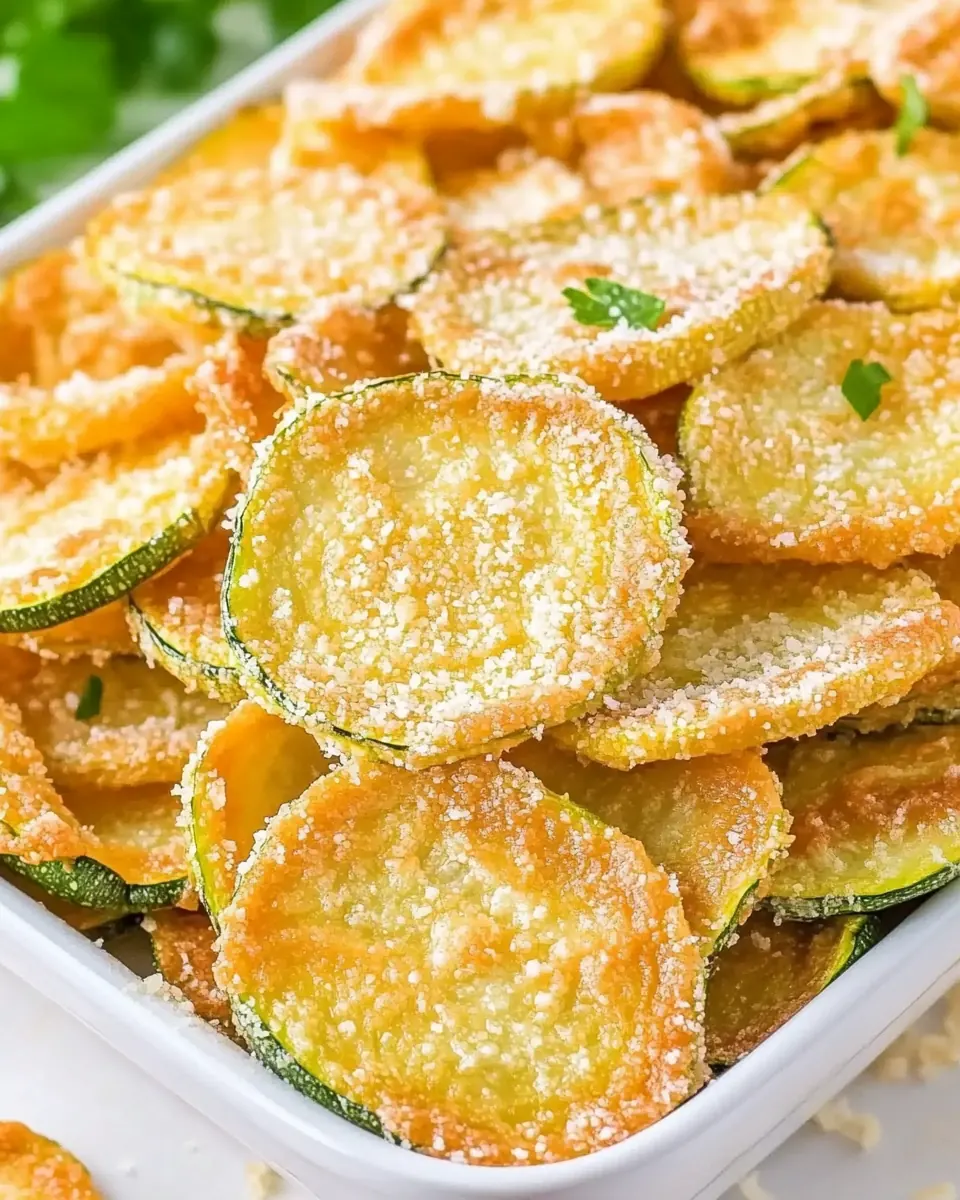
The philosophy behind these ingredients is all about balance and clarity. Each element has a clear job, and together they create a dish with contrast and harmony. The zucchini provides moisture and a mild, slightly sweet base. Salt sharpens the flavor, while paprika adds warmth and color. A light brush of olive oil helps the coatings adhere and enables crisping. The bread crumbs offer structure and crunch, and the Parmesan cheese brings umami and a golden finish.
- 2 lb . zucchini (about 4 small zucchinis): Sliced thinly or cut into sticks, provides the bulk and tender texture of the dish while contributing mild, slightly sweet flavor and moisture; releases water when cooked so patting dry helps achieve better browning. Complements the other components by absorbing seasonings and creating a base for the crisp crumb and cheese topping.
- 1/2 tsp . salt: Added sparingly to enhance overall seasoning balance and to draw out some moisture from the zucchini; helps bring out natural flavors and provides a subtle savory background. Dissolving into the surface during cooking aids in even seasoning distribution.
- 1 tsp . paprika: Sprinkled for warm, smoky color and subtle depth; contributes a mild heat and visual appeal that complements the zucchini and cheese. Blends with salt to create a more rounded savory profile without overpowering delicate vegetable flavors.
- 1/2 tbsp . olive oil (or other kind): Drizzled to provide fat for sautéing or roasting, promoting even browning and helping crumbs adhere; contributes a smooth mouthfeel and carries fat-soluble flavors. Choosing a neutral oil keeps the zucchini flavors prominent while supporting crisp texture development.
- 1/3 cup bread crumbs: Scattered over or mixed with zucchini to add crunchy texture and a toasty, bready note; helps form a golden crust when baked or broiled and absorbs some of the oil and seasoning. Works with Parmesan to provide contrast against the tender vegetable interior.
- 1/2 cup Parmesan cheese: Sprinkled generously to add a salty, nutty, umami-rich finish that melts slightly and browns for flavor complexity; contributes both sharpness and a creamy mouthfeel when combined with the crumbs and oil. Balances the dish by providing savory richness and an attractive golden top.
Recipe Directions for Parmesan Zucchini
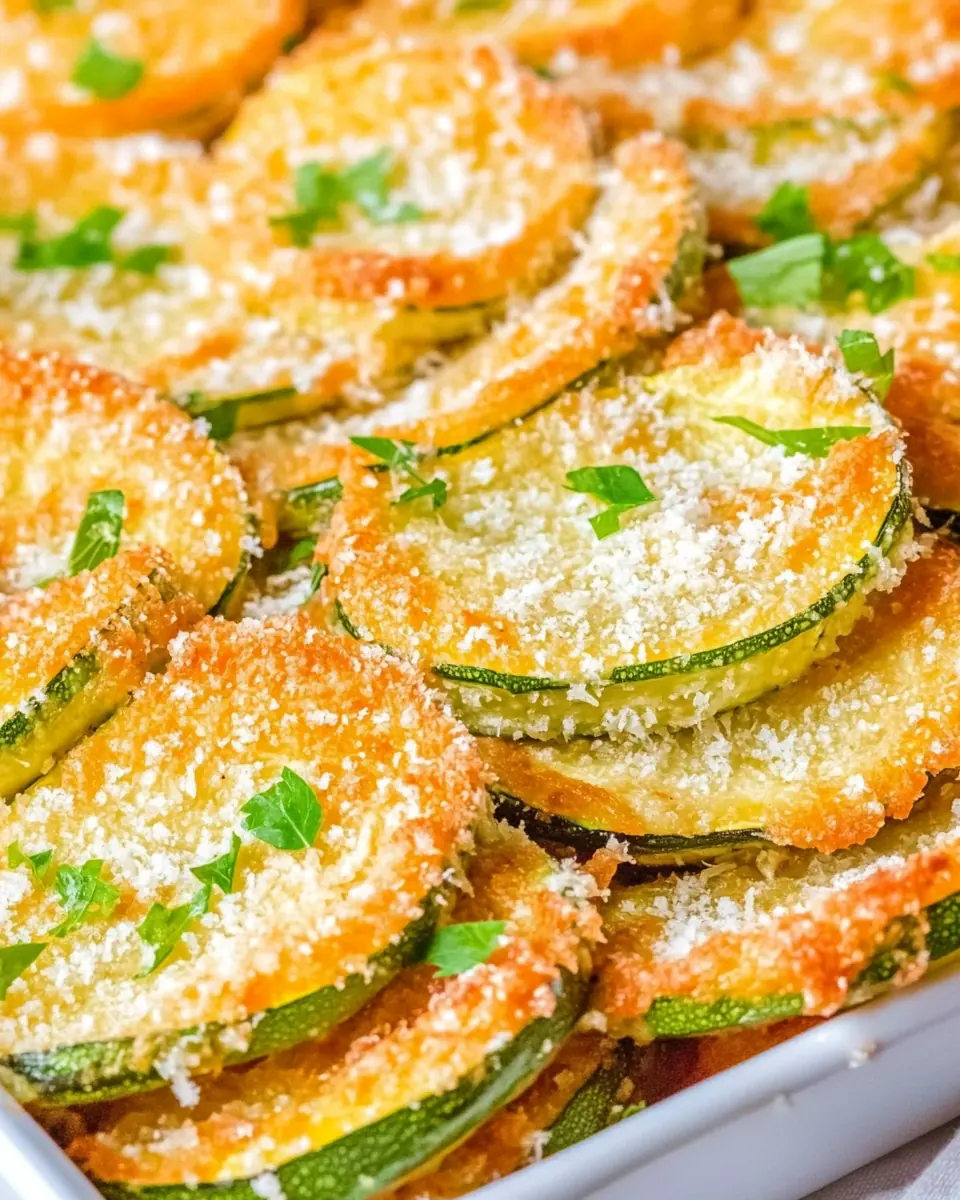
These directions are straightforward, and once you get the rhythm of slicing and arranging the pieces, the rest flows quickly. The oven does the heavy lifting, turning the simple components into a crisp, golden side. Below I expand each step so you can sense what to watch for and avoid common pitfalls.
- Cut off the ends of the zucchini and then cut each one in half. For each half, slice it into sticks, about 3 to 4-inches long and 1/2 to 3/4-inches wide.: When you slice the zucchini , you should feel a clean, slightly firm resistance from the skin giving way to a moist but not mushy interior. The exposed faces will glisten with a mild fresh squash scent, and uniform sticks ensure even baking. If pieces are uneven, some will overcook while others remain underdone, so take your time here. A common mistake is slicing too thick or too thin, which changes the cooking time dramatically.
- Place the zucchini sticks onto a baking tray in rows, close to each other but not overlapping. Sprinkle them with salt and paprika.: As you arrange the sticks, notice how the surface of each piece looks slightly moist, and to get the best result you want them touching edge to edge without piling. This tight layout encourages the Parmesan cheese to melt and adhere across neighboring sticks, creating a pleasing crust. If you spread them too far apart the cheese will not bridge between pieces, losing some of the texture cohesion. Avoid crowding them into a single heap, which prevents hot air circulation and leads to steaming rather than roasting.
- Dip a pastry brush into the oil and gently brush the zucchini pieces with oil.: The moment you dust on the salt and paprika , you’ll see the onyx of the spice and the tiny crystals of salt resting on the surface, which helps to draw out subtle moisture and layer flavor. The paprika adds a warm red tone that becomes more pronounced as the dish bakes. Over seasoning at this step can create an unbalanced finish, so stick to the measured amounts for the intended flavor profile.
- Now, sprinkle the bread crumbs and Parmesan cheese over the zucchini.: Brushing the olive oil should feel deliberate and even, coating each stick with a thin sheen rather than soaking it. The oil changes the surface from matte to glossy, and that sheen will turn golden under heat. If you pour the oil, some pieces will become saturated and limp, which prevents crisping. One trap is using too much oil which leads to soggy centers instead of a crunchy exterior.
- Bake at 400°F for 30 minutes. Then, garnish the Parmesan Zucchini with chopped chives or parsley, and serve.: As the crumbs and Parmesan cheese land, they create a textured blanket that clings to the oiled surface. You’ll notice the mixture sits on top of the sticks, and as it bakes it will toast and fuse to form a crust. The aroma transitions from raw to toasty, and the visual cue is a pale tan turning to a deeper golden brown. A common error is uneven distribution, so aim for consistent coverage to avoid some sticks being undercoated.
- Bake at 400°F for 30 minutes: In the oven, listen for a low steady whisper of baking as moisture leaves the zucchini and the crumbs begin to crisp. The scent evolves from fresh squash to warm, nutty Parmesan cheese and baked bread notes. Visually watch for the breadcrumbs to shift from pale to golden and for the edges of the zucchini to show a slightly deeper color. If you pull them too early the crust will be pale and soft, while leaving them too long will dry the pieces out. A good rule is to check at the 25 minute mark to confirm even browning.
- Then, garnish the Parmesan Zucchini with chopped chives or parsley, and serve: Once out of the oven, the contrast between hot, crisp edges and warm, tender centers is immediate. The finishing herbs add a bright, green note and a fresh fragrance that lifts the savory crust. Serve right away to maintain the crunch. A mistake to avoid is letting them sit too long, because steam will condense and soften the exterior, reducing the crisp texture you worked for.
Substitutions and Tips
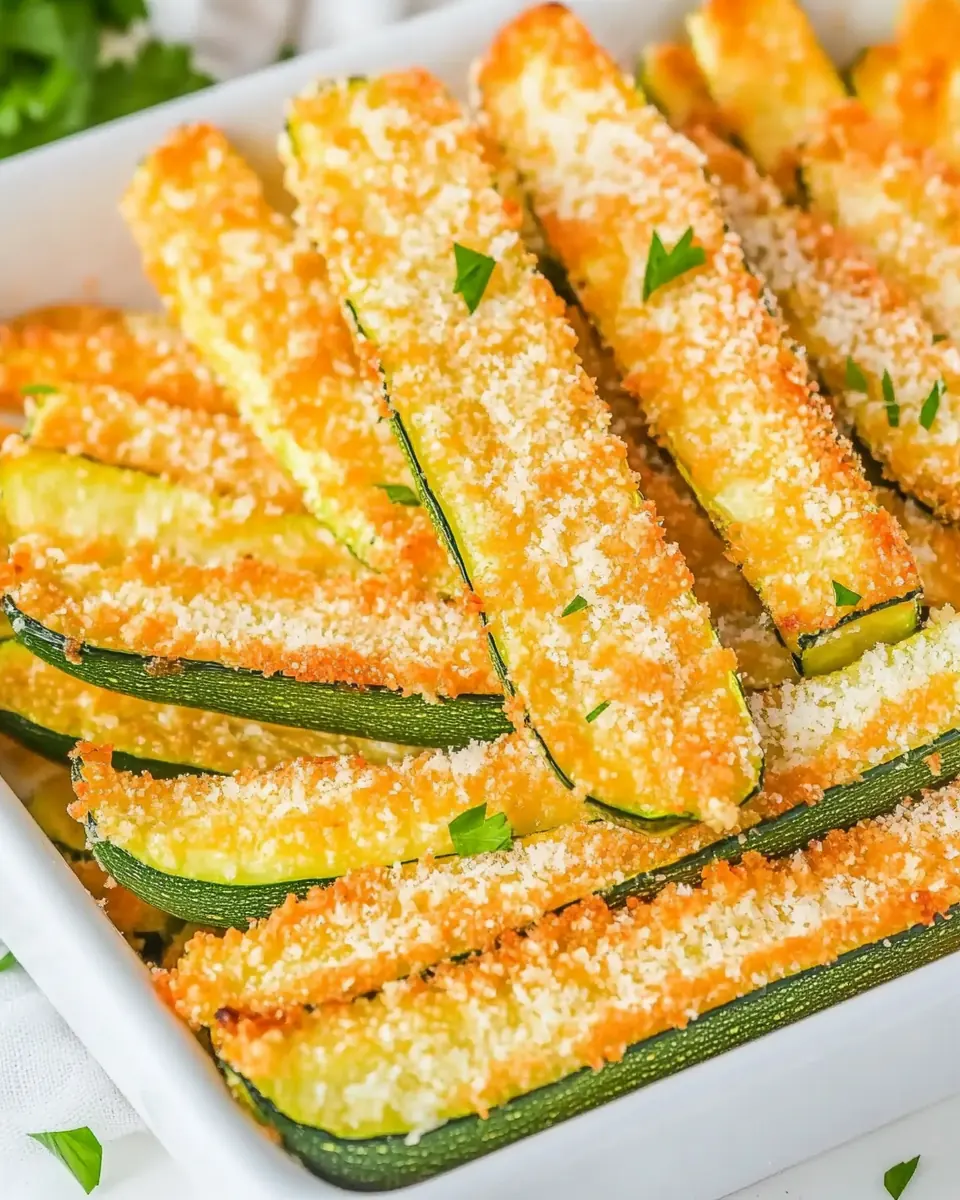
This section expands practical notes into usable tips you can rely on while making the recipe. Each list item highlights the start of the tip then gives details so you can act confidently in the kitchen.
- Even cuts matter Use a ruler or guide to cut your zucchini sticks consistently. Uniform pieces bake evenly, which is the foundation of a reliably crisp result, and it reduces guesswork when you check for doneness.
- Brush don’t pour When applying the olive oil, use a pastry brush so you can control coverage. This preserves a light coating that promotes crisping instead of saturation that can lead to sogginess.
- Toast breadcrumbs first If you want extra crunch, toast the bread crumbs briefly in a skillet until fragrant before sprinkling. This step deepens their flavor and helps them brown more evenly under the Parmesan cheese.
- Use fine grate for cheese Grate the Parmesan cheese finely so it melds with the breadcrumbs and forms an even crust instead of large flecks that can overbrown in spots.
- Watch the oven at the end Check the crust near the final five minutes. Ovens vary and small differences in temperature can change the minute when the breadcrumbs reach a perfect golden brown.
Serve This Parmesan Zucchini With
Parmesan Zucchini pairs well with many mains and fits multiple occasions. Below are ideas for serving, suitable pairings, and storage notes to help you plan a meal or prepare ahead. Each list item highlights a serving idea and explains why it works.
- Casual weeknight dinner Serve the Parmesan Zucchini alongside a simple grain and a green salad for a balanced plate. The crisp texture contrasts with softer sides, making for a comforting and approachable meal.
- Appetizer for gatherings Arrange the zucchini sticks on a platter with a small bowl for dipping to make them easy to share during a party. Their hand friendly shape makes them great for mingle friendly bites.
- Light lunch Pair with a bowl of soup or a composed salad for a lighter midday meal. The savory crust adds satisfying flavor without weighing you down.
- Seasonal summer menus Lean into the season by featuring this dish as part of a summer spread with grilled vegetables. The fresh zucchini showcases peak produce and complements outdoor dining.
- Storage and reheating Cool completely before storing in an airtight container in the fridge for up to three days. Reheat in a hot oven to revive crispness, rather than microwaving which will make them soft.
FAQ
Conclusion
Parmesan Zucchini stands out for its satisfying crunch paired with tender, lightly seasoned squash, making it both simple and memorable. Give it a try when you want a quick, pleasing vegetable side that feels a little special. Whether you serve it for a weeknight meal or as a snack for friends, its ease and bright flavors make it a reliable favorite to return to often.
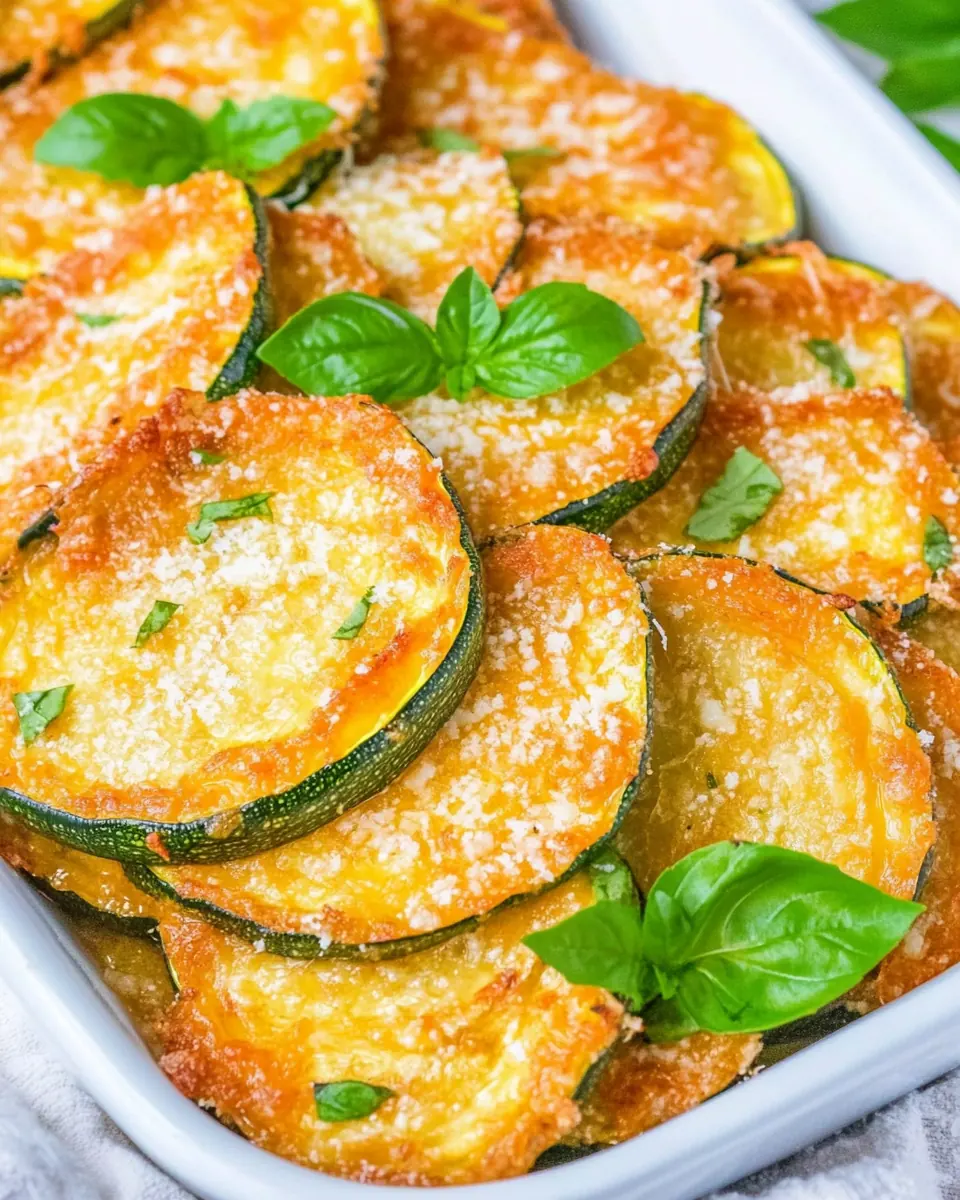
Parmesan Zucchini
Ingredients
Equipment
Method
- Cut off the ends of the zucchini and then cut each one in half. For each half, slice it into sticks, about 3 to 4-inches long and 1/2 to 3/4-inches wide.: When you slice the zucchini , you should feel a clean, slightly firm resistance from the skin giving way to a moist but not mushy interior. The exposed faces will glisten with a mild fresh squash scent, and uniform sticks ensure even baking. If pieces are uneven, some will overcook while others remain underdone, so take your time here. A common mistake is slicing too thick or too thin, which changes the cooking time dramatically.
- Place the zucchini sticks onto a baking tray in rows, close to each other but not overlapping. Sprinkle them with salt and paprika.: As you arrange the sticks, notice how the surface of each piece looks slightly moist, and to get the best result you want them touching edge to edge without piling. This tight layout encourages the Parmesan cheese to melt and adhere across neighboring sticks, creating a pleasing crust. If you spread them too far apart the cheese will not bridge between pieces, losing some of the texture cohesion. Avoid crowding them into a single heap, which prevents hot air circulation and leads to steaming rather than roasting.
- Dip a pastry brush into the oil and gently brush the zucchini pieces with oil.: The moment you dust on the salt and paprika , you’ll see the onyx of the spice and the tiny crystals of salt resting on the surface, which helps to draw out subtle moisture and layer flavor. The paprika adds a warm red tone that becomes more pronounced as the dish bakes. Over seasoning at this step can create an unbalanced finish, so stick to the measured amounts for the intended flavor profile.
- Now, sprinkle the bread crumbs and Parmesan cheese over the zucchini.: Brushing the olive oil should feel deliberate and even, coating each stick with a thin sheen rather than soaking it. The oil changes the surface from matte to glossy, and that sheen will turn golden under heat. If you pour the oil, some pieces will become saturated and limp, which prevents crisping. One trap is using too much oil which leads to soggy centers instead of a crunchy exterior.
- Bake at 400°F for 30 minutes. Then, garnish the Parmesan Zucchini with chopped chives or parsley, and serve.: As the crumbs and Parmesan cheese land, they create a textured blanket that clings to the oiled surface. You’ll notice the mixture sits on top of the sticks, and as it bakes it will toast and fuse to form a crust. The aroma transitions from raw to toasty, and the visual cue is a pale tan turning to a deeper golden brown. A common error is uneven distribution, so aim for consistent coverage to avoid some sticks being undercoated.
- Bake at 400°F for 30 minutes: In the oven, listen for a low steady whisper of baking as moisture leaves the zucchini and the crumbs begin to crisp. The scent evolves from fresh squash to warm, nutty Parmesan cheese and baked bread notes. Visually watch for the breadcrumbs to shift from pale to golden and for the edges of the zucchini to show a slightly deeper color. If you pull them too early the crust will be pale and soft, while leaving them too long will dry the pieces out. A good rule is to check at the 25 minute mark to confirm even browning.
- Then, garnish the Parmesan Zucchini with chopped chives or parsley, and serve: Once out of the oven, the contrast between hot, crisp edges and warm, tender centers is immediate. The finishing herbs add a bright, green note and a fresh fragrance that lifts the savory crust. Serve right away to maintain the crunch. A mistake to avoid is letting them sit too long, because steam will condense and soften the exterior, reducing the crisp texture you worked for.
Notes
- Even cuts matter Use a ruler or guide to cut your zucchini sticks consistently. Uniform pieces bake evenly, which is the foundation of a reliably crisp result, and it reduces guesswork when you check for doneness.
- Brush don’t pour When applying the olive oil, use a pastry brush so you can control coverage. This preserves a light coating that promotes crisping instead of saturation that can lead to sogginess.
- Toast breadcrumbs first If you want extra crunch, toast the bread crumbs briefly in a skillet until fragrant before sprinkling. This step deepens their flavor and helps them brown more evenly under the Parmesan cheese.
- Use fine grate for cheese Grate the Parmesan cheese finely so it melds with the breadcrumbs and forms an even crust instead of large flecks that can overbrown in spots.
- Watch the oven at the end Check the crust near the final five minutes. Ovens vary and small differences in temperature can change the minute when the breadcrumbs reach a perfect golden brown.