One Pot Lemon Butter Ricotta and Zucchini Pasta
One Pot Lemon Butter Ricotta and Zucchini Pasta has been one of those recipes I reach for on warm nights when I want something comforting yet bright. The first time I made it I was juggling a grocery run and an unexpected visit from a neighbor, and this pasta rescued dinner without any drama. I remember standing over the stove as the butter browned and filled the kitchen with a toasty, nutty scent, thinking that a handful of simple ingredients could deliver such a layered, cozy meal.
Around the second or third time I cooked it I started tweaking little things, like grating the zucchini more finely so it would melt into the sauce, or swapping the shredded cheese to find that perfect creamy stretch. Those tiny experiments taught me how forgiving and flexible this dish is, which is exactly why it shows up on my table when I need a fuss free, crowd pleasing option. It also became my go to when I wanted to show friends a quick, elegant vegetarian meal without much planning.
Recipe Snapshot
25 mins
10 mins
15 mins
Easy
450 kcal
Italian
Gluten-Free, Low FODMAP
Dinner
Large pot, Box grater, Wooden spoon
The Best Thing About This One Pot Lemon Butter Ricotta and Zucchini Pasta
Simple one pot process
I love that One Pot Lemon Butter Ricotta and Zucchini Pasta cooks almost entirely in a single pot, which means fewer dishes and more time to chat with guests. The technique concentrates flavor by allowing the pasta to absorb the broth, while the butter carries aromatics deep into every strand of pasta. This is especially useful on busy weeknights when you want maximum taste with minimal cleanup.
Bright lemony notes
The lemon zest brings a gentle, citrus lift that balances the richness of the ricotta and gouda or fontina. I find that the lemon prevents the sauce from feeling too heavy, making each bite feel fresh and lively. That contrast is what keeps this dish from becoming cloying, and it works beautifully whether you serve it warm or at room temperature.
Vegetable forward and flexible
This pasta showcases the delicate texture of grated zucchini, which softens and blends into the sauce rather than standing out as a bulky addition. I often think of it as a stealth vegetable boost, great for picky eaters. You can easily vary the herbs and cheeses to suit what you have on hand, and the recipe still sings.
Creamy yet light finish
The combination of ricotta and a melting cheese like fontina or gouda yields a luxuriously creamy sauce that never feels oily. The milk in the ricotta lends silkiness, while the shredded cheese adds that satisfying stretch and depth. Together they create a sauce that clings to the pasta, offering a balanced mouthfeel rather than a heavy cream bath.
Quick and weeknight friendly
Between prep and stove time this recipe comes together very quickly, which makes it a dependable option for an easy weeknight dinner. I value recipes that let me multitask without sacrificing taste, and this one fits the bill. The timing also makes it ideal when you want something impressive but not complicated.
One Pot Lemon Butter Ricotta and Zucchini Pasta Ingredients
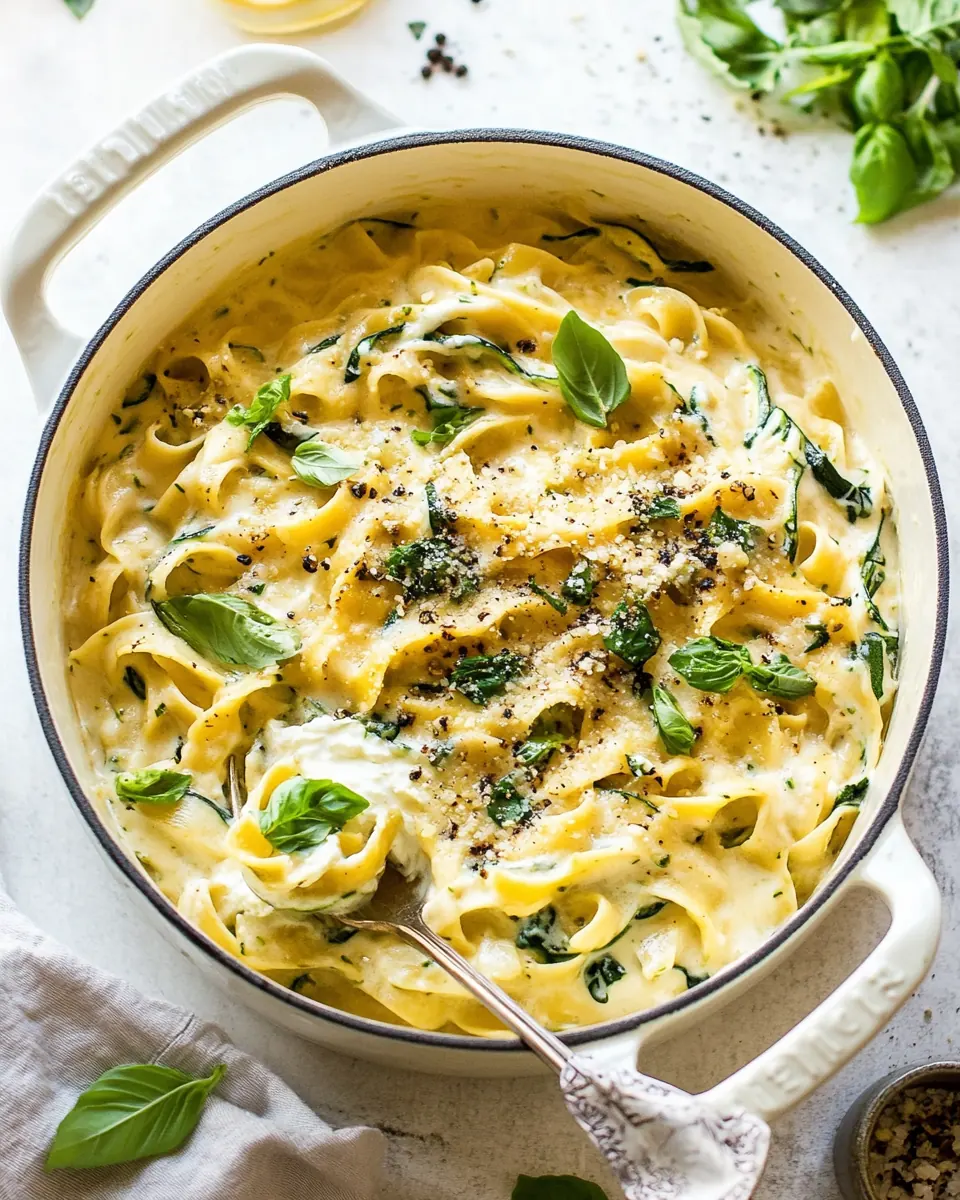
These ingredients work in harmony to create a pasta that is at once creamy, bright, and vegetal. The key players are the butter and aromatics that build the flavor base, the starchy pasta that helps thicken the sauce, and the duo of ricotta plus melting cheese that give the dish its lush texture. The grated zucchini brings moisture and subtle sweetness, while the broth and milk balance saltiness and body.
- 3 tablespoons salted butter: Melted to create a rich base and help sauté aromatics, providing a silky mouthfeel and carrying flavors throughout the dish; salted butter also seasons the pasta early, contributing a subtle savory note.
- 1 small shallot, chopped: Chopped finely to release a mild, sweet onion flavor that brightens the sauce and complements garlic; shallot softens quickly in butter and adds depth without overpowering the delicate lemon and ricotta.
- 2 cloves garlic, chopped: Chopped and gently cooked to infuse the oil and butter with pungent, aromatic notes; garlic builds foundational savory flavor and balances the acidity of lemon and brightness of herbs.
- 2 tablespoons fresh thyme leaves: Used fresh and stripped from stems to add fragrant, herbaceous complexity; thyme’s savory, slightly floral character layers well with butter and complements both zucchini and ricotta.
- 2 teaspoons lemon zest: Zested to concentrate bright citrus aroma and deliver a clean, tangy note; lemon zest lifts the creamy ricotta and cuts through richness without adding liquid.
- red pepper flakes: Sprinkled sparingly to introduce heat and a touch of smoky piquancy; red pepper flakes provide contrast to the creamy sauce and can be adjusted to personal spice preference.
- 1 pounds hort cut pasta: Cooked directly in the pot with liquid to absorb flavors while providing the main body and texture of the dish; short-cut pasta holds sauce well and cooks quickly for one-pot convenience.
- 2 zucchini or yellow summer squash, grated (about 2 to 2 1/2 cups grated): Grated to disperse evenly and meld with the sauce, contributing moisture, subtle vegetal sweetness, and tender texture; zucchini (or yellow squash) also adds lightness and bulk without overpowering other components.
- 4 cups low sodium chicken or vegetable broth: Poured in to cook the pasta and create the sauce base, infusing starch that thickens the mixture; low sodium broth gives savory depth while allowing final seasoning control.
- kosher salt and black pepper: Used for final seasoning to balance flavors and adjusted to taste along with freshly ground black pepper; kosher salt enhances all ingredients and pepper adds bright, warm bite.
- 1 cup whole milk ricotta cheese: Spoonable and stirred in to create a creamy, tangy finish that emulsifies with butter and pasta water; whole milk ricotta adds richness and a slightly sweet dairy character to the sauce.
- 1/2 cups shredded gouda or fontina cheese: Shredded and melted into the pasta to add gooey, nutty creaminess and help bind the sauce; gouda or fontina contributes a mellow, melty texture and subtle savory flavor.
- 1 cup fresh basil, roughly chopped: Roughly chopped and folded in at the end to add fresh, aromatic brightness and herbaceous contrast; basil refreshes the dish and complements lemon and ricotta with sweet, peppery notes.
Recipe Steps for One Pot Lemon Butter Ricotta and Zucchini Pasta
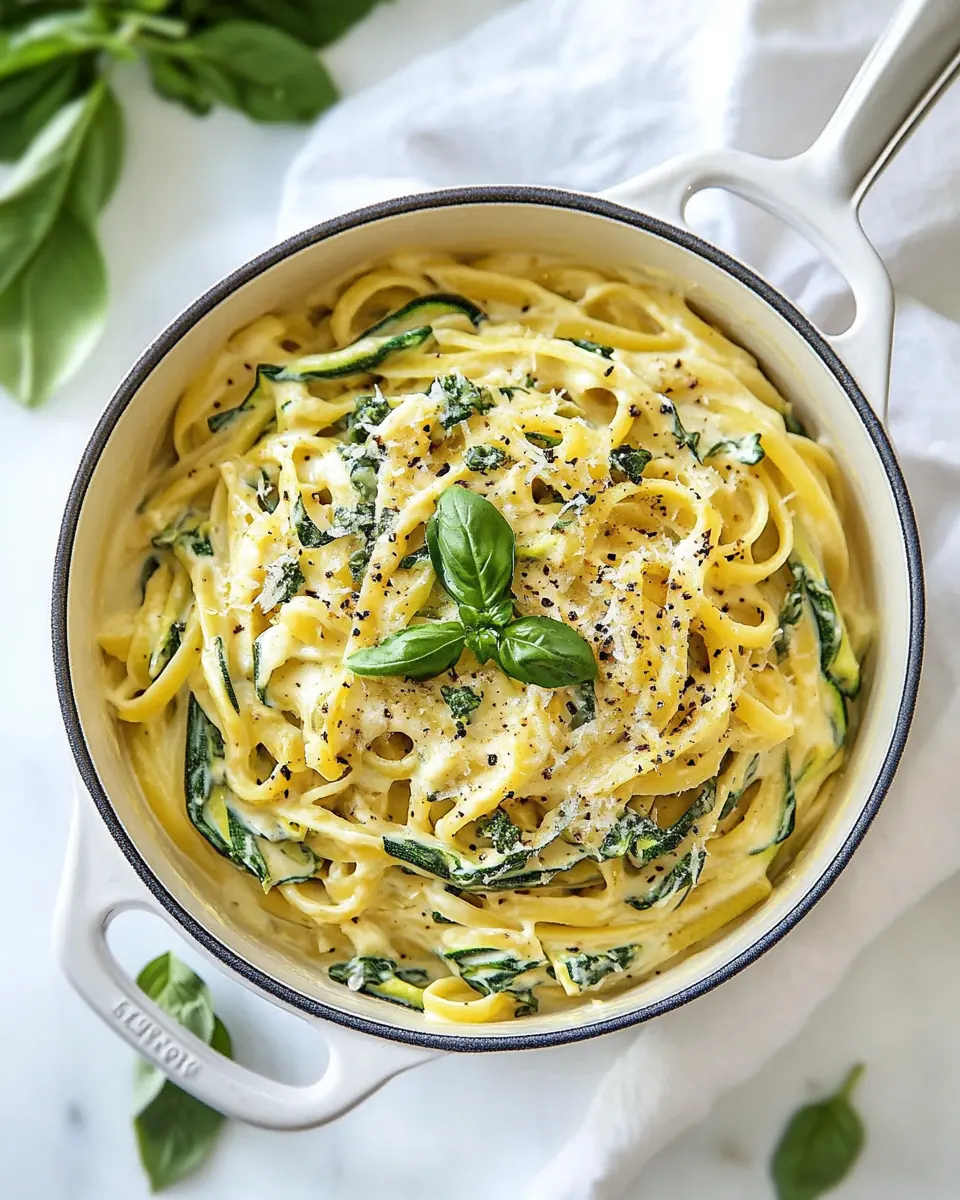
This recipe flows quickly, so having everything prepped will make the cooking peaceful and focused. I like to have my zucchini grated, cheeses measured, and broth warmed, because the pasta absorbs the liquid fast and you want to control the texture. Follow each step and pay attention to sensory cues rather than just the clock.
- In a large pot set over medium heat, melt together the butter, shallot, garlic, thyme, lemon zest and a big pinch of red pepper flakes. Cook until the butter is browning and the garlic is fragrant, about 3 minutes. Stir in the pasta and toss to coat in the lemony butter. Stir in the zucchini and broth. Season with salt and pepper. Bring to a boil over high heat. Simmer 5-8 minutes until the pasta is al dente, stirring often. Stir in the ricotta, fontina, and basil. Cook another few minutes until very creamy and the basil is wilted. It should be creamy, but with just a touch of liquid. Divide the pasta among bowls and top with fresh thyme, basil, and chili flakes. Enjoy immediately!: The moment the butter melts you should smell a rich, nutty aroma that deepens as the shallot softens and the garlic releases its perfume. The sizzling should be steady but not aggressive, a gentle bubbling around the edges. Browning the butter slightly adds toasty notes that layer under the citrus of the lemon zest . Keep the heat moderate; if it starts to smoke you are overheating, which will make the garlic bitter. Stir often so the aromatics release evenly and do not stick to the pot.
- Cook until the butter is browning and the garlic is fragrant, about 3 minutes: Listen for a soft sear and watch for small golden flecks forming in the butter . The aroma should change from sharp to sweet and toasty, signaling that the aromatics have softened and released their sugars. This brief browning concentrates flavor without burning. Avoid leaving it unattended because burnt garlic tastes acrid and can spoil the entire sauce.
- Stir in the pasta and toss to coat in the lemony butter: As you add the pasta it will start to absorb fat and flavor, and you should see each piece glisten with the citrus scented butter . Tossing helps each noodle pick up aromatics so the flavor is consistent. If the pasta clumps together, use a fork to separate pieces before adding the liquid. This step matters because a well coated pasta will result in a more cohesive final sauce.
- Stir in the zucchini and broth: When you add the grated zucchini and the warm broth , the pot will steam and release a fresh vegetal scent. The zucchini softens quickly and contributes moisture, which helps the pasta cook evenly and form a slightly creamy emulsion with the starch. Pour the broth gently so the pot temperature does not drop too much. If you add cold liquid the cooking time will increase and the texture may become uneven.
- Season with salt and pepper: Seasoning early gives the pasta and zucchini time to absorb salt, enhancing the natural flavors. Taste the liquid briefly; it should be slightly seasoned but not overly salty because the cheeses will add salt later. Over salting at this stage is an easy mistake, so err on the side of restraint and adjust at the end.
- Bring to a boil over high heat: You want a lively, rolling boil to jumpstart the pasta cooking, but keep an eye on the pot so it does not foam over. The sound will change to a steady roar and you will see vigorous bubbles breaking across the surface. Boiling ensures the pasta cooks rapidly and the starch is released into the cooking liquid for a silky sauce. If your heat is too low the pasta will cook unevenly.
- Simmer 5 to 8 minutes until the pasta is al dente, stirring often: During this phase the kitchen fills with a comforting, savory steam and the pasta should feel tender but still slightly firm in the center. Stirring often prevents sticking and helps the pasta absorb the broth uniformly. Test a piece every minute toward the end of cooking to avoid overcooking, because soft, mushy noodles will not hold the sauce as well.
- Stir in the ricotta, fontina, and basil: As you fold in the creamy ricotta and the melting fontina the sauce will go from brothy to velvety, with a slightly glossy sheen. The aroma will be herbaceous when the basil hits the warm pasta, and the texture should become thick enough to coat each piece. If the sauce seems too loose, cook a minute longer to let the starch tighten it up. Avoid overheating which can cause the ricotta to separate.
- Cook another few minutes until very creamy and the basil is wilted: You want the mixture to come together into a cohesive, creamy sauce that clings to the pasta . The sound will be a gentle simmer and the steam will carry the combined scents of herbs, cheese, and citrus. Watch the consistency closely, because residual heat will continue to thicken the sauce as it rests. Overcooking here risks losing the fresh brightness of the basil .
- It should be creamy, but with just a touch of liquid: The ideal finish retains a little glossy hint of broth so the dish does not feel dry on the plate. When you lift a fork the sauce should slowly drizzle back, coating the pasta . If it seems too thin, let it reduce a bit; if too thick, a splash of warm broth will loosen it. Not balancing this texture is a common pitfall, so adjust gently.
- Divide the pasta among bowls and top with fresh thyme, basil, and chili flakes: The final garnish adds aromatic lift and a touch of heat, and the presentation pops with green herbs against the creamy noodles. Sprinkle toppings just before serving so the herbs stay bright and the chili flakes remain crunchy. Leaving garnishes on too long can cause herbs to wilt and lose their vibrancy.
- Enjoy immediately: Serve while warm so the cheese is soft and the sauce feels freshly made, as cooling changes the texture. This dish is at its best right away, with the contrast of warm pasta and fresh herbs. Reheating is possible, but the texture will be slightly altered, so immediate enjoyment preserves the original charm.
Substitutions and Tips
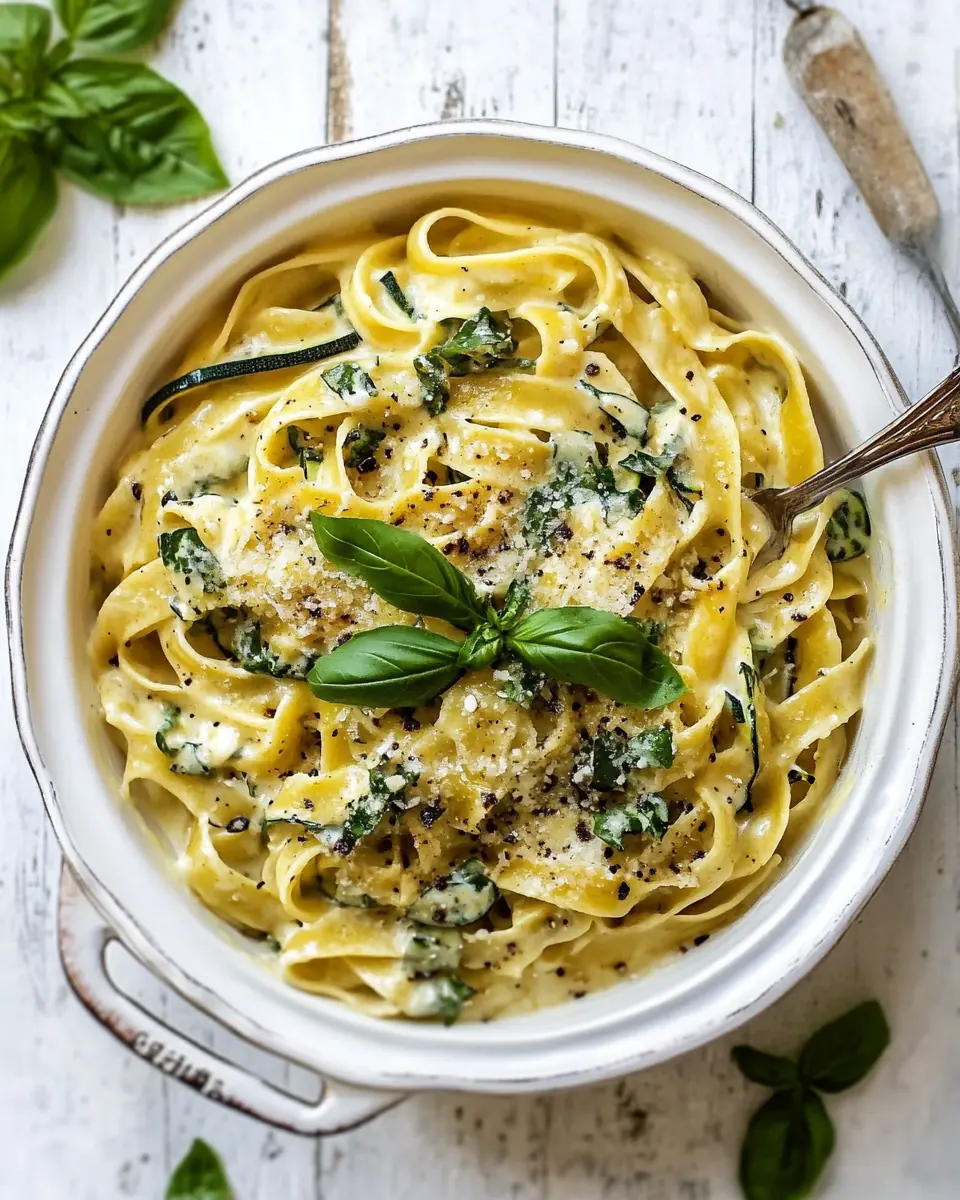
This section offers practical, hands on tips and substitution ideas to help you adapt the recipe to what you have on hand. I expand each note into actionable guidance so you can feel confident making changes without losing the essence of the dish.
- Cheese swap: If you do not have fontina or gouda, use another mild melting cheese that you enjoy, keeping in mind salt levels and meltability.
- Broth choice: Use low sodium vegetable broth to keep the dish vegetarian and control the final seasoning precisely.
- Make it nutty: Toasted nuts or seeds can be sprinkled at the end for crunch, adding texture and an extra flavor layer.
- Zucchini prep: Squeeze excess water only if the grated zucchini seems watery, otherwise let it contribute moisture for a creamier sauce.
- Heat control: Keep the pan at medium when browning aromatics so the garlic softens without burning, which would introduce bitterness.
Serving Suggestions
This pasta is versatile enough to suit many occasions and plating styles. Below are ideas to help you present and pair the dish for family dinners, casual lunches, or relaxed gatherings with friends. I include storage and reheating tips so leftovers stay enjoyable.
- Serve warm in shallow bowls: Present the pasta in wide bowls so the garnish sits attractively on top and the sauce cools slightly for immediate eating.
- Light side salad: Pair with a crisp green salad dressed simply with lemon and olive oil to echo the citrus notes in the dish.
- Occasion friendly: This recipe works for casual weeknight dinners, weekend lunches, or even a relaxed Ramadan if you need something comforting and fast after fasting.
- Garnish options: Offer extra fresh basil, thyme, and chili flakes at the table so guests can customize heat and herb intensity.
- Storage: Refrigerate leftovers in an airtight container for up to 3 days; the sauce will thicken so reheat gently with a splash of warm broth to loosen it.
- Make ahead: You can prep the grated zucchini and chopped shallot a day ahead, storing them separately to preserve texture and freshness.
- Seasonal pairing: In summer serve with simply grilled vegetables, while in cooler months add a side of roasted root vegetables for a heartier meal.
- Plating tip: Twirl portions with tongs for a restaurant style nest, then top with herbs and a final sprinkle of chili flakes for contrast.
- Portioning: This recipe serves about six, so for small gatherings consider halving the recipe to maintain freshness.
- Kid friendly: Omit the red pepper flakes and finely chop the basil to keep flavors approachable for younger palates.
FAQ
Conclusion
This recipe shines because it balances creamy richness with lemon brightening and the gentle freshness of grated zucchini. It is quick to assemble, forgiving to adapt, and reliably satisfying on busy evenings. Try it the next time you want a fuss free meal that still tastes thoughtful and homey, and enjoy how easily it comes together in one pot.
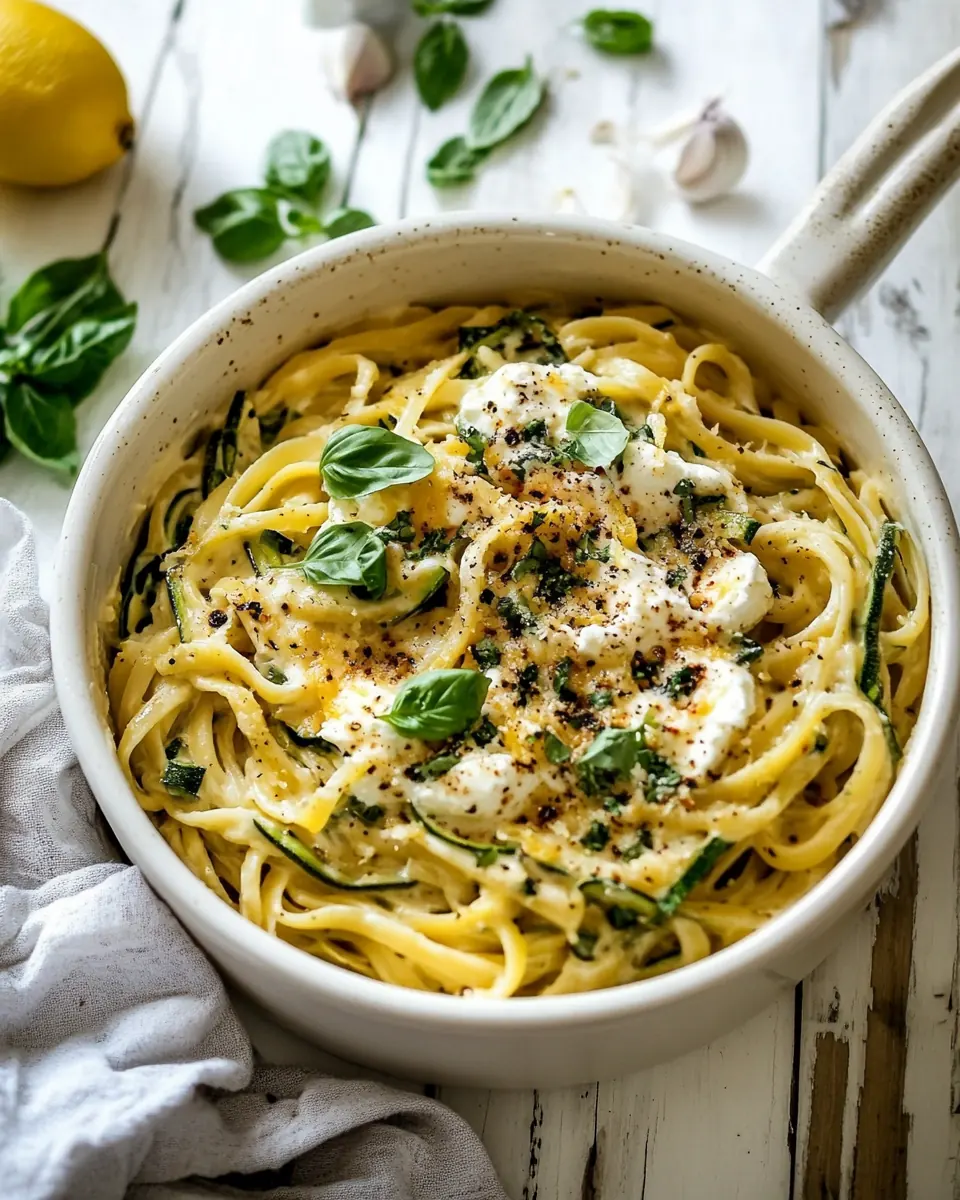
One Pot Lemon Butter Ricotta and Zucchini Pasta
Ingredients
Equipment
Method
- In a large pot set over medium heat, melt together the butter, shallot, garlic, thyme, lemon zest and a big pinch of red pepper flakes. Cook until the butter is browning and the garlic is fragrant, about 3 minutes. Stir in the pasta and toss to coat in the lemony butter. Stir in the zucchini and broth. Season with salt and pepper. Bring to a boil over high heat. Simmer 5-8 minutes until the pasta is al dente, stirring often. Stir in the ricotta, fontina, and basil. Cook another few minutes until very creamy and the basil is wilted. It should be creamy, but with just a touch of liquid. Divide the pasta among bowls and top with fresh thyme, basil, and chili flakes. Enjoy immediately!: The moment the butter melts you should smell a rich, nutty aroma that deepens as the shallot softens and the garlic releases its perfume. The sizzling should be steady but not aggressive, a gentle bubbling around the edges. Browning the butter slightly adds toasty notes that layer under the citrus of the lemon zest . Keep the heat moderate; if it starts to smoke you are overheating, which will make the garlic bitter. Stir often so the aromatics release evenly and do not stick to the pot.
- Cook until the butter is browning and the garlic is fragrant, about 3 minutes: Listen for a soft sear and watch for small golden flecks forming in the butter . The aroma should change from sharp to sweet and toasty, signaling that the aromatics have softened and released their sugars. This brief browning concentrates flavor without burning. Avoid leaving it unattended because burnt garlic tastes acrid and can spoil the entire sauce.
- Stir in the pasta and toss to coat in the lemony butter: As you add the pasta it will start to absorb fat and flavor, and you should see each piece glisten with the citrus scented butter . Tossing helps each noodle pick up aromatics so the flavor is consistent. If the pasta clumps together, use a fork to separate pieces before adding the liquid. This step matters because a well coated pasta will result in a more cohesive final sauce.
- Stir in the zucchini and broth: When you add the grated zucchini and the warm broth , the pot will steam and release a fresh vegetal scent. The zucchini softens quickly and contributes moisture, which helps the pasta cook evenly and form a slightly creamy emulsion with the starch. Pour the broth gently so the pot temperature does not drop too much. If you add cold liquid the cooking time will increase and the texture may become uneven.
- Season with salt and pepper: Seasoning early gives the pasta and zucchini time to absorb salt, enhancing the natural flavors. Taste the liquid briefly; it should be slightly seasoned but not overly salty because the cheeses will add salt later. Over salting at this stage is an easy mistake, so err on the side of restraint and adjust at the end.
- Bring to a boil over high heat: You want a lively, rolling boil to jumpstart the pasta cooking, but keep an eye on the pot so it does not foam over. The sound will change to a steady roar and you will see vigorous bubbles breaking across the surface. Boiling ensures the pasta cooks rapidly and the starch is released into the cooking liquid for a silky sauce. If your heat is too low the pasta will cook unevenly.
- Simmer 5 to 8 minutes until the pasta is al dente, stirring often: During this phase the kitchen fills with a comforting, savory steam and the pasta should feel tender but still slightly firm in the center. Stirring often prevents sticking and helps the pasta absorb the broth uniformly. Test a piece every minute toward the end of cooking to avoid overcooking, because soft, mushy noodles will not hold the sauce as well.
- Stir in the ricotta, fontina, and basil: As you fold in the creamy ricotta and the melting fontina the sauce will go from brothy to velvety, with a slightly glossy sheen. The aroma will be herbaceous when the basil hits the warm pasta, and the texture should become thick enough to coat each piece. If the sauce seems too loose, cook a minute longer to let the starch tighten it up. Avoid overheating which can cause the ricotta to separate.
- Cook another few minutes until very creamy and the basil is wilted: You want the mixture to come together into a cohesive, creamy sauce that clings to the pasta . The sound will be a gentle simmer and the steam will carry the combined scents of herbs, cheese, and citrus. Watch the consistency closely, because residual heat will continue to thicken the sauce as it rests. Overcooking here risks losing the fresh brightness of the basil .
- It should be creamy, but with just a touch of liquid: The ideal finish retains a little glossy hint of broth so the dish does not feel dry on the plate. When you lift a fork the sauce should slowly drizzle back, coating the pasta . If it seems too thin, let it reduce a bit; if too thick, a splash of warm broth will loosen it. Not balancing this texture is a common pitfall, so adjust gently.
- Divide the pasta among bowls and top with fresh thyme, basil, and chili flakes: The final garnish adds aromatic lift and a touch of heat, and the presentation pops with green herbs against the creamy noodles. Sprinkle toppings just before serving so the herbs stay bright and the chili flakes remain crunchy. Leaving garnishes on too long can cause herbs to wilt and lose their vibrancy.
- Enjoy immediately: Serve while warm so the cheese is soft and the sauce feels freshly made, as cooling changes the texture. This dish is at its best right away, with the contrast of warm pasta and fresh herbs. Reheating is possible, but the texture will be slightly altered, so immediate enjoyment preserves the original charm.
Notes
- Cheese swap: If you do not have fontina or gouda, use another mild melting cheese that you enjoy, keeping in mind salt levels and meltability.
- Broth choice: Use low sodium vegetable broth to keep the dish vegetarian and control the final seasoning precisely.
- Make it nutty: Toasted nuts or seeds can be sprinkled at the end for crunch, adding texture and an extra flavor layer.
- Zucchini prep: Squeeze excess water only if the grated zucchini seems watery, otherwise let it contribute moisture for a creamier sauce.
- Heat control: Keep the pan at medium when browning aromatics so the garlic softens without burning, which would introduce bitterness.