Pumpkin Pull Apart Bread
Pumpkin Pull Apart Bread is the kind of loaf I reach for when the air turns crisp and I want warm spice filling my kitchen. The first time I made it, I was chasing a weekend calm, the house buzzing with soft jazz and the scent of toasted cinnamon, and the simple ritual of layering pumpkin and brown sugar felt like a cozy conversation with myself.
Over the years this bread has become my go to for gatherings, because it slices into messy, generous pieces that invite you to linger. I love how the dough stays tender yet structured, so each pull apart piece holds a ribbon of sweet pumpkin and spice. Friends always ask how I get that soft interior and slightly caramelized edges, and I smile because the technique is forgiving, and honestly, it rewards patience.
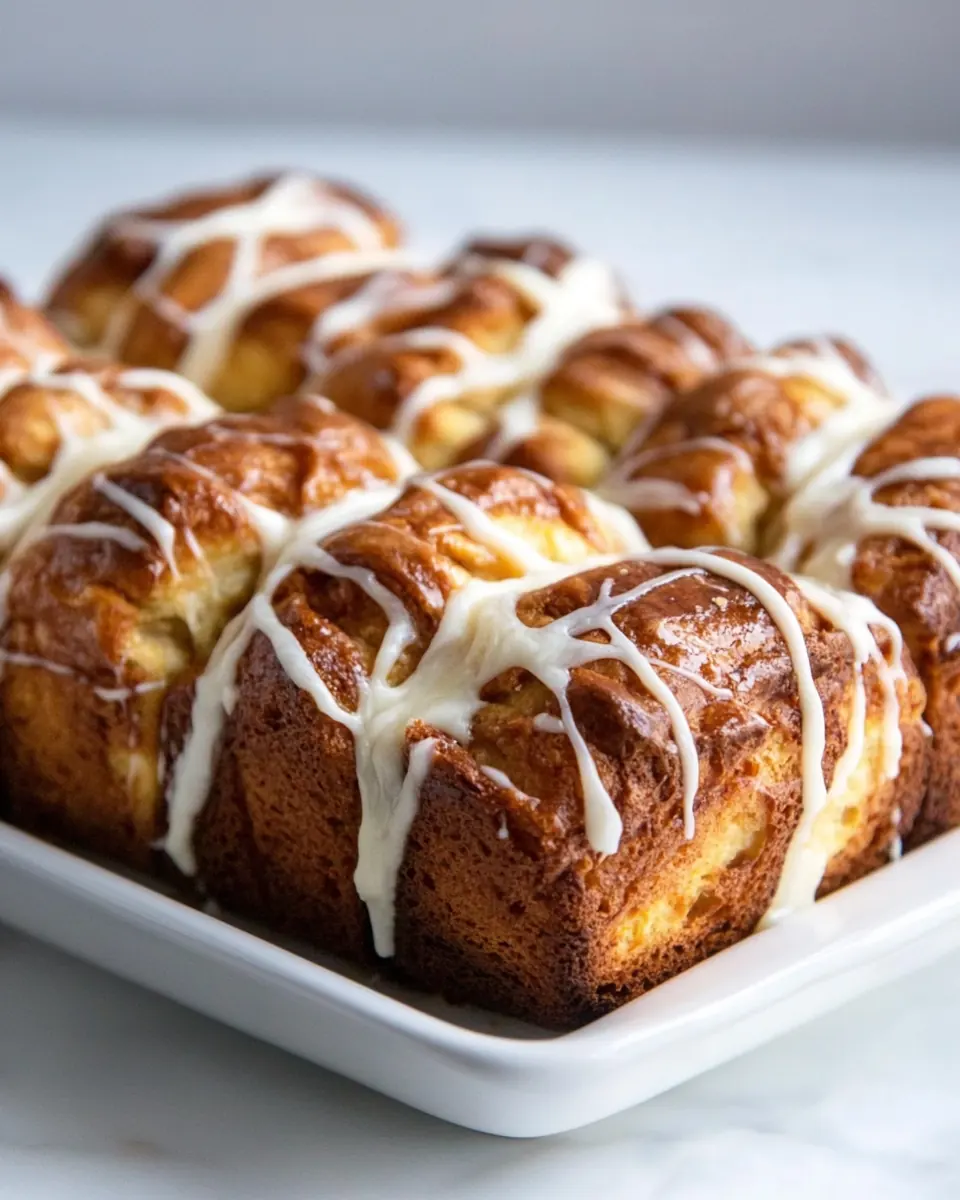
Whenever I serve Pumpkin Pull Apart Bread I set it on a wire rack, drizzle the maple glaze, and watch the glaze bead into the nooks. There is a small, honest magic in that moment, where the aroma lifts and people reach for a warm piece. This recipe has become part ritual and part treat, something I rely on for late autumn brunches, neighborhood potlucks, and slow Sunday breakfasts. It’s approachable, but it also feels special, like a seasonal hug baked into bread.
Recipe Snapshot
1 hr 15 mins
20 mins
55 mins
Medium
220 kcal
American
Gluten-Free, Low FODMAP
Desserts
Stand mixer, Dough hook, 9 x 5 inch loaf pan, Kitchen thermometer, Wire rack
The Charm of This Pumpkin Pull Apart Bread
Comforting seasonal flavor that feels homemade
I love how Pumpkin Pull Apart Bread packs autumn into every bite, using simple pantry staples to create layered warmth. The pumpkin puree brings moisture and a subtle vegetal sweetness, while the spice mix adds that classic fall aroma. When you serve this, people immediately understand it was made with care.
Simple techniques for big results
There is no need for advanced equipment to succeed. I often use a stand mixer, but you can stir and knead by hand, and the dough still shines. The stacking and slicing method yields dramatic pull apart slices, while the dough’s slight tackiness ensures soft crumb without being gummy.
Great for gatherings and flexible serving
This loaf scales mentally for a crowd because the loaf shape is easy to double, and the pull apart presentation is shareable. I’ve brought it to holiday tables where strangers become instant fans, and it travels well if you cool it slightly before covering.
A forgiving recipe with approachable timing
I appreciate recipes that tolerate a little variance, and this one does. The rise times give room for ambient temperature changes, and the bake is straightforward. If you get distracted for an extra ten minutes during the final rise, the bread forgives you.
Finishings that elevate without fuss
The maple glaze is a small step with a big payoff, adding glossy sweetness that contrasts the spiced brown sugar layers. I often whisk it together while the loaf bakes, and drizzle it right after removing the bread, when it still glows warm.
Everything You Need for Pumpkin Pull Apart Bread
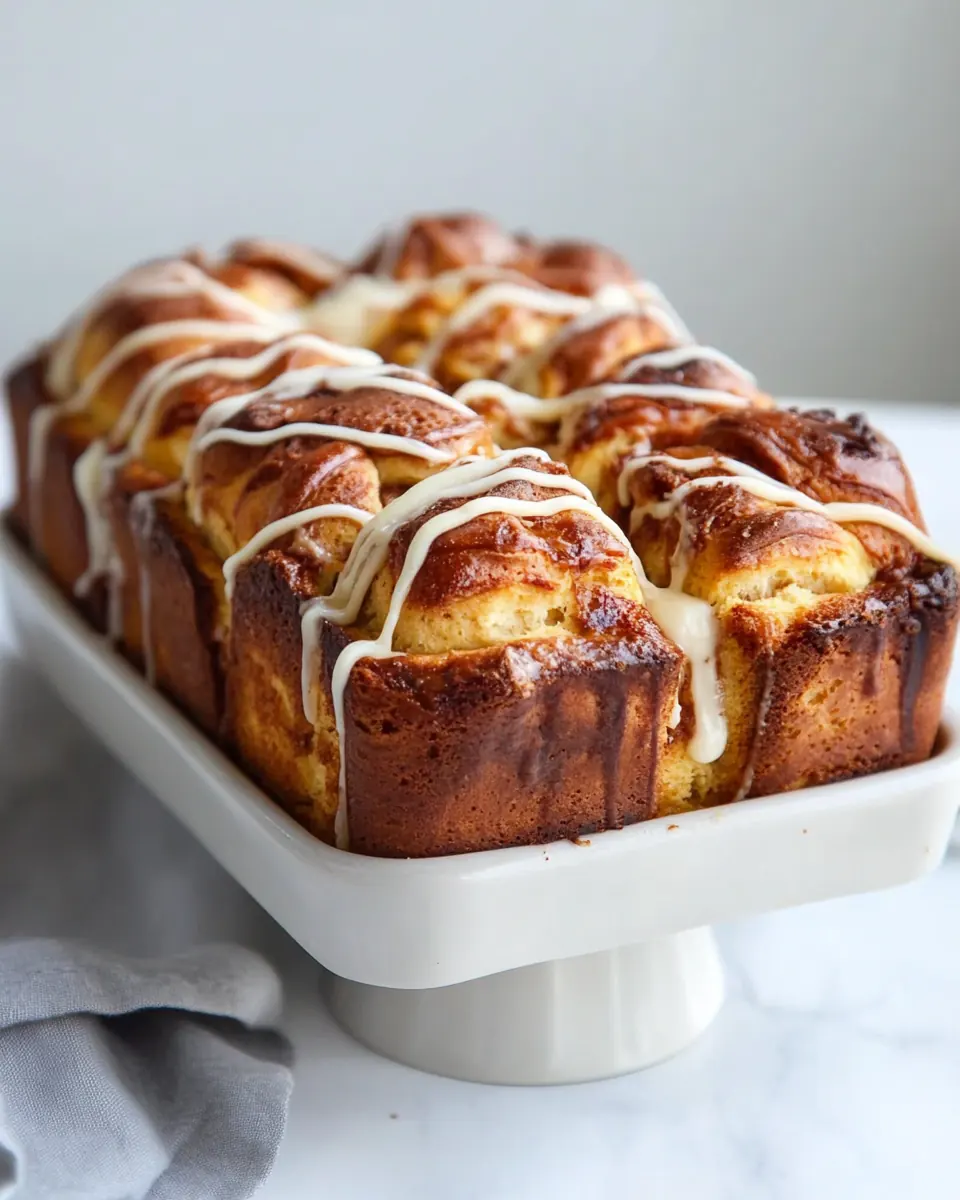
The ingredients here are about balance and texture. This recipe pairs wet components like pumpkin puree and milk with dry ones like all purpose flour and brown sugar to create a tender, structured dough that carries spiced filling. The key players are the yeast for lift, the pumpkin for moisture and flavor, and the butter and sugar layers for caramelization. Each element plays a role in crumb, rise, and mouthfeel.
- 3/4 cup whole milk (warmed to 110 °F): Warm to about 110 °F to activate yeast and help dissolve sugar; provides liquid and richness for dough development while encouraging proper gluten formation during mixing and proofing.
- 2 1/4 teaspoons active dry yeast: Activate in warm milk and sugar to leaven the dough; ensures the bread rises by converting sugars into carbon dioxide and adding flavor complexity through fermentation.
- 3 tablespoons granulated white sugar: Dissolve into the warm milk to feed the yeast and sweeten the dough; contributes mild sweetness and aids browning of the crust during baking.
- 1/2 cup canned unsweetened pumpkin puree: Incorporate for moisture, color, and a subtle earthy pumpkin flavor that tenderizes the crumb; contributes to the dough structure and helps produce a soft, moist loaf.
- 2 tablespoons unsalted butter, melted: Melt before adding to blend evenly into the dough, providing fat that enriches flavor, improves crumb tenderness, and promotes a softer crust and richer mouthfeel.
- 1 large egg: Beat and add to the dough to bind ingredients, enrich flavor, and help structure the bread; contributes to leavening and a tender, golden crumb when baked.
- 1 teaspoon fine sea salt: Dissolve into the dough to season and balance sweetness; enhances gluten development control and strengthens dough flavor profile without overpowering other spices.
- 3 1/4 cups all purpose flour: Measure and mix as the primary dry structure-builder for the dough; provides the gluten proteins that give elasticity, structure, and chew to the finished bread.
- 1/2 cup canned unsweetened pumpkin puree: Fold into the filling or dough for additional pumpkin moisture and flavor; doubles the pumpkin intensity and keeps the pull-apart layers tender and cohesive.
- 2 tablespoons unsalted butter, melted: Combine with sugar and spices in the filling to add richness and a mellow butter flavor; helps the filling spread and caramelize during baking for a tender, flavorful layer.
- 2/3 cup packed dark brown sugar: Pack into the filling to provide deep, molasses-like sweetness and moisture; balances the spice and pumpkin while creating a sticky, caramelized texture between layers.
- 2 teaspoons ground cinnamon: Sprinkle into the filling to bring warm, aromatic cinnamon flavor that complements pumpkin and brown sugar; enhances overall spiciness and bread aroma.
- 1/4 teaspoon ground nutmeg: Add to the filling to introduce nutty, slightly sweet warmth; pairs with cinnamon to deepen the autumn spice character in the pull-apart layers.
- 1/8 teaspoon fine sea salt: Sprinkle a small amount into the filling to subtly enhance overall flavor and balance sweetness; helps brighten and sharpen the spice blend without salting the dough.
- 1 cup powdered sugar: Whisk into a glaze to create a smooth, sweet finish; powdered sugar dissolves easily for a glossy, drizzling topping that contrasts with the spiced bread.
- 2 tablespoons unsalted butter, at room temperature: Soften at room temperature and beat into the glaze to add richness and silky texture; provides a creamy mouthfeel and helps the glaze set with a pleasant sheen.
- 3 tablespoons maple syrup: Stir into the glaze for natural sweetness and maple flavor; balances powdered sugar and butter while adding a complementary autumnal note to the topping.
- 1 tablespoon whole milk: Add a small amount to the glaze for thinning and shine; helps achieve the desired drizzle consistency while contributing a hint of dairy richness.
Cooking Instructions for Pumpkin Pull Apart Bread
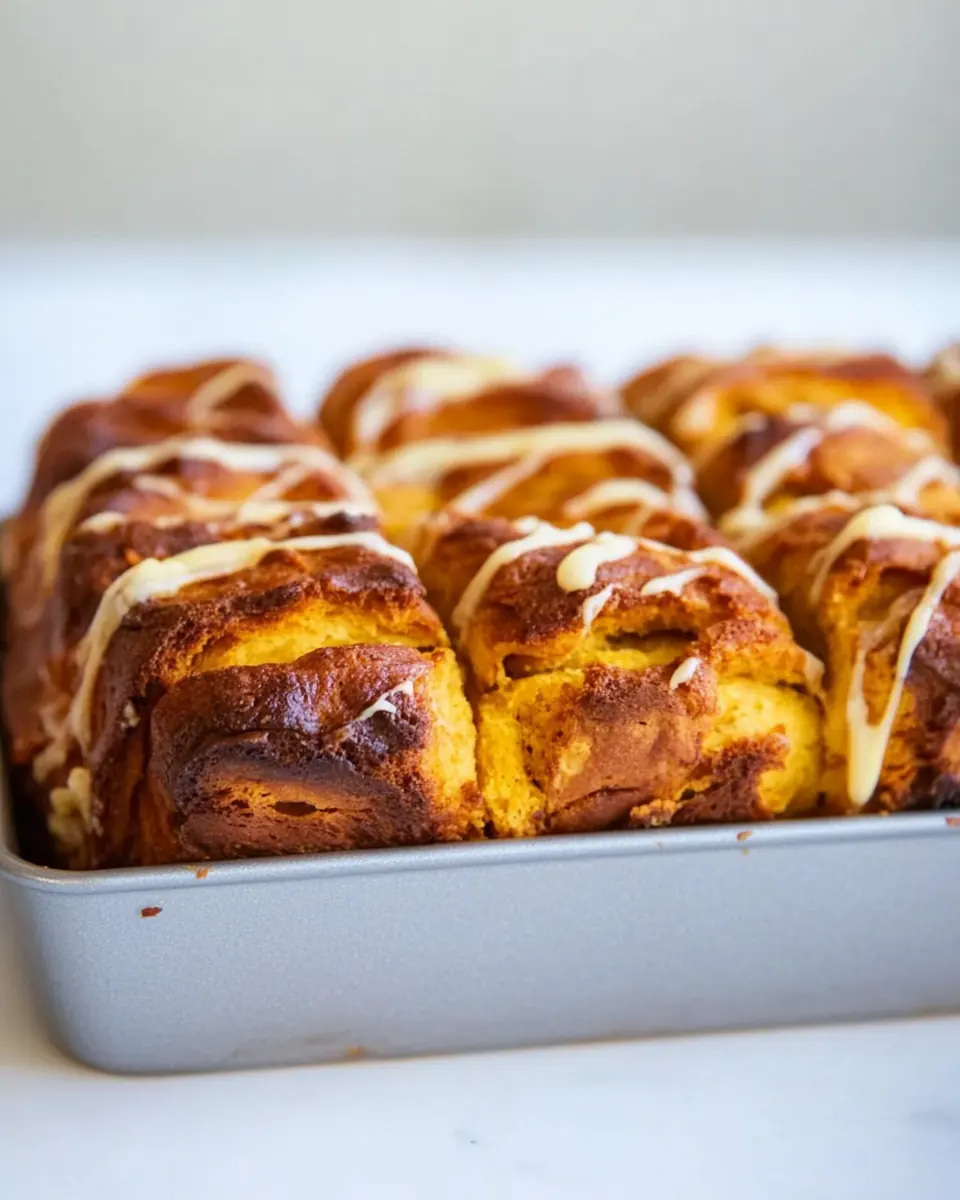
This recipe is a comforting, step by step process that rewards care and attention. I like to prepare my mise en place so each stage moves smoothly, and I often preheat the oven only when the loaf is nearly finished rising. Below I expand each direction into detailed, sensory rich guidance to help you achieve a soft, spiced loaf with caramelized layers.
- In the bowl of a stand mixer, sprinkle yeast over warm milk. Add 1 tablespoon of sugar. Stir to combine. Let sit for 5 minutes to activate the yeast. (see note below for instructions on how to make this recipe without a stand mixer): You will smell a faint yeasty aroma as the active dry yeast wakes in the warm milk , which should feel like a warm bath on your wrist. After sprinkling the yeast and adding 1 tablespoon of granulated white sugar , stir gently, then wait about 5 minutes. You should see bubbly foam forming on the surface, signaling an active starter. This foaming is important because it confirms the yeast is alive and ready to leaven; if it fails to bubble, check the temperature of your liquid or the freshness of the yeast. A common mistake is using milk that is too hot, which kills yeast, or too cold, which delays activation.
- Add the remaining sugar, pumpkin puree, melted butter, egg, and salt to yeast mixture. Whisk together until smooth. Add the dough hook to the stand mixer. Add half of flour mixture and mix on low speed. Scrape down the bowl as needed to ensure thorough mixing. Add the remaining flour and continue to mix on low speed until dough comes together. Increase speed to medium speed and knead until dough forms a rough ball. The dough will not very smooth. It will be a bit sticky. If dough is too wet and hard to remove from the mixing bowl, add up to 2 tablespoons of flour.: When you whisk these ingredients together you will notice the batter smooths and darkens slightly from the pumpkin puree . The melted unsalted butter brings a glossy sheen, while the beaten egg adds thickness and color. This wet mixture is the flavor base, and mixing it thoroughly ensures even distribution of fat and seasoning. If you skip this full blend, the dough can develop uneven pockets of moisture, which leads to inconsistent crumb. A frequent oversight is adding the flour too quickly, which curbs proper hydration of the pumpkin.
- Place the dough in a large, lightly greased bowl. Cover with plastic wrap and cover with a kitchen towel. Let dough rest at room temperature until doubled in size, about 50 minutes.: As the all purpose flour incorporates, you will hear a soft scraping sound as the hook collects the dough. Low speed prevents overflouring the mixture and allows gradual gluten formation. Scrape down the bowl as needed so no dry flour clings to the sides. If you rush by adding all the flour at once, the mixer can overwork the dough and create a stiffer texture. A common error is not scraping often enough, leading to uneven hydration.
- Lightly grease a 9 x 5-inch bread loaf pan. Set aside. Place dough on a floured working surface. Roll dough to a rectangle 20 x 12-inches.: The dough will begin to pull together into a shaggy mass, and the surface should look slightly tacky, not dry. Continuing on low speed helps the dough hydrate evenly. If the dough is clinging excessively to the bowl and not detaching, add up to 2 tablespoons more all purpose flour sparingly. Overflouring here results in dense bread, while underflouring makes handling messy. A typical pitfall is adding too much extra flour trying to make the dough perfect immediately.
- In a small bowl, mix together pumpkin puree and melted butter. Spread over rolled out dough. In another bowl, whisk together brown sugar, cinnamon, nutmeg, and salt. Evenly distribute sugar mixture over dough.: During this knead the dough develops strength; you will notice the texture shift from shaggy to more cohesive, and the dough will pull away into a rough ball. It should still retain a slight stickiness, which indicates an open, tender crumb after baking. Kneading builds gluten, which traps gas for rise and crumb structure. If you underknead, the loaf will be flat; if you overknead, it may become tough. Watch for elasticity and a slight sheen as your cue to stop.
- With the long side of dough facing you, slice rectangle in half lengthwise to create 2 long rectangles. Slice each half vertically to create 5 strips. Create two stacks of dough using the 10 strips. Cut each stack into 3 parts.: As the dough rests, faint yeasty and pumpkin aromas will grow, and you will see the dough increase noticeably, about 50 minutes at room temperature. Rising allows fermentation to develop flavor and lighten texture. Covering prevents a dry skin from forming; if you skip covering, the outer surface can dry and tear during shaping. A frequent mistake is not giving enough time to rise, which yields a dense loaf.
- Place the stacks of dough on their sides in the prepared bread loaf pan. Stagger the stacks, or simply file them into rows.: On a floured surface, roll the dough to the specified rectangle; you should feel a soft resistance and see a smooth, even surface. The dough will release a subtle pumpkin scent as you work. Rolling to the right dimensions ensures even layering and fitting into the pan. If your dough keeps shrinking back, let it rest for a few minutes to relax the gluten before continuing. Overworking here can tighten the dough, making it hard to roll thin.
- Cover bread loaf pan with plastic wrap. Allow bread to rise until it reaches the top of the bread loaf pan, about 35 minutes at room temperature.: The filling becomes glossy and fragrant when you combine the pumpkin puree with melted unsalted butter . Spread it in an even thin layer so the surface feels moist but not soaking. Then whisk together dark brown sugar , ground cinnamon , ground nutmeg , and the pinch of sea salt , and scatter it evenly. The sugar will glisten against the pumpkin, promising pockets of caramelized goodness. If you pile sugar in one spot, that area may caramelize excessively or leak, so distribute it evenly.
- Preheat oven to 350 °F. Remove plastic wrap and bake bread for 50-55 minutes until the top of the bread is golden brown and the internal temperature of bread registers at least 180 degrees F on a kitchen thermometer. If bread is browning too much after 35 minutes, cover bread loaf with an aluminum foil tent for the remaining baking time. Allow to cool in pan for 5 minutes. Gently remove bread loaf from pan and allow to slightly cool on wire rack.: With the long side facing you, cut carefully so the layers stay intact. You will see bands of pumpkin and sugar between dough layers. Creating two stacks and then slicing each stack into three parts gives you uniform chunks that bake evenly. The tactile snap as you slice helps keep layers defined. Rushing this step can smash the layers, making the loaf merge into one dense mass rather than distinct pull apart pieces.
- Beat together softened butter and powdered sugar until smooth. Add maple syrup and milk. Stir until mixture is smooth. Drizzle over warm pumpkin pull apart bread.: When you stand the stacks on their sides and stagger them, the loaf begins to take its iconic pull apart shape. The visual is satisfyingly layered, and during baking the edges will crisp while the insides stay soft. Packing them too tightly can prevent even baking, while leaving giant gaps will cause uneven rise. Aim for a snug but not crowded fit.
- Cover pan and allow bread to rise until it reaches top of pan: During this final rise, the loaf should puff until it reaches the top, about 35 minutes. You will sense an earthy, sweet aroma intensifying, and the dough will feel pillowy to the touch. This rise is crucial for light texture; underproofed bread will be dense and heavy. A common mistake is letting it overproof so the structure weakens and collapses in the oven.
- Preheat oven to 350 °F and bake 50 to 55 minutes until golden and 180 degrees F internally: As the oven heats and the loaf bakes, the top turns golden brown and the sugar caramelizes, producing faint crackles at the surface. An internal temperature of at least 180 degrees F ensures the center is fully set. If the top browns too quickly, tent with foil after about 35 minutes to prevent burning while allowing the interior to finish. Removing it too soon results in a gummy middle, while overbaking will dry it out.
- Allow to cool in pan for 5 minutes then remove to cool slightly on a wire rack: The bread will exhale a warm pumpkin and spice scent as it rests; this brief cooling helps the loaf set so it slices without tearing. Cooling in the pan for just five minutes prevents the loaf from sticking, and transferring to a wire rack stops residual steam from sogginess. Cutting while piping hot can compress the crumb and cause gummy texture, so patience here pays off.
- Beat together softened butter and powdered sugar then add maple syrup and milk and drizzle: The glaze becomes glossy and pourable as you beat unsalted butter with powdered sugar then fold in maple syrup and a splash of whole milk . Drizzle it over the warm loaf so it sinks into crevices and forms a sweet sheen. The contrast of warm bread and cool glaze creates a silky mouthfeel. If the glaze is too thin, add more powdered sugar; if too thick, thin with a drop more milk. Over-thinning will make it run off the loaf instead of settling into the layers.
Tips and Variations
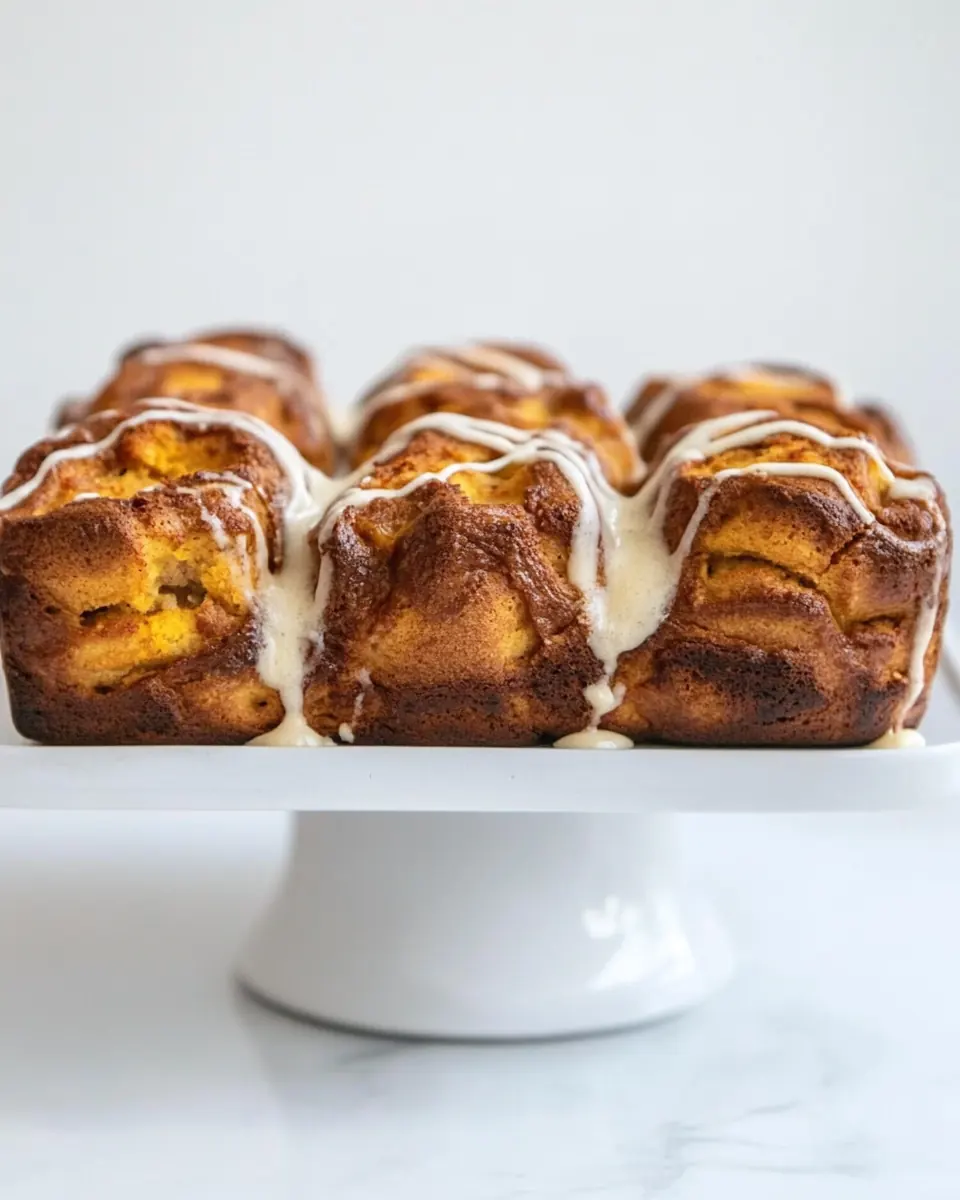
This introduction explains how small adjustments unlock different textures and flavors in Pumpkin Pull Apart Bread. Below are practical tips and thoughtful variations to tailor the loaf to your kitchen and taste preferences.
- Use room temperature ingredients to ensure even mixing and predictable rise, especially the egg and any dairy; cold ingredients can cause uneven gluten development.
- Adjust flour cautiously because environmental humidity affects absorption; add extra all purpose flour in teaspoons until you reach a tacky, manageable dough.
- Cool the butter slightly before adding to yeast so you do not kill the active dry yeast when combining wet ingredients, which preserves a good rise.
- Divide and stack evenly so each pull apart portion bakes consistently; uneven stacks can leave some pieces underbaked while others overbrown.
- Watch the oven after 35 minutes and tent with foil if the top darkens too fast to allow the interior to finish without burning the crust.
Serving Options for Pumpkin Pull Apart Bread
This loaf is versatile, transforming from breakfast centerpiece to dessert at a moment’s notice. Below are thoughtful serving suggestions, pairings, and storage tips so you can enjoy it across occasions. Use the list to plan presentations for brunch, holiday tables, or cozy nights in.
- Brunch centerpiece: Serve warm slices with small bowls of softened butter and extra maple syrup, and pair with coffee or tea for a comforting morning spread.
- Holiday dessert: Arrange slices on a platter for Thanksgiving or fall gatherings, letting guests pull apart pieces; the loaf’s warming spices complement holiday mains.
- Casual snack: Offer small wedges alongside a fruit plate for an afternoon treat, the bread’s tender crumb and spiced filling make it a satisfying nibble.
- Gift idea: Wrap a cooled loaf in parchment and twine for neighbor or host gifts; include a note suggesting gentle reheating to refresh warmth before serving.
- Storage tip: Store the cooled loaf wrapped at room temperature for up to two days, or freeze slices individually in airtight bags for up to one month. Thaw and warm briefly in a low oven to revive texture.
- Seasonal pairing: Emphasize its fall identity by serving with spiced cider or a lightly sweetened milk; the flavors harmonize with pumpkin and warm spices in the loaf.
FAQ
Conclusion
What makes this recipe special is its ability to feel both homey and festive at once, with tender layers of pumpkin and spiced brown sugar that invite sharing. I encourage you to give Pumpkin Pull Apart Bread a try, especially on a slow weekend when you can enjoy the aromas filling your kitchen and the leisurely pleasure of pulling warm pieces apart. This loaf rewards a bit of patience and a few simple techniques with beautiful texture and unforgettable seasonal flavor. Share it with friends or savor it quietly, either way it’s a small celebration of autumn comfort.
Pumpkin Pull Apart Bread
Ingredients
Equipment
Method
- In the bowl of a stand mixer, sprinkle yeast over warm milk. Add 1 tablespoon of sugar. Stir to combine. Let sit for 5 minutes to activate the yeast. (see note below for instructions on how to make this recipe without a stand mixer): You will smell a faint yeasty aroma as the active dry yeast wakes in the warm milk , which should feel like a warm bath on your wrist. After sprinkling the yeast and adding 1 tablespoon of granulated white sugar , stir gently, then wait about 5 minutes. You should see bubbly foam forming on the surface, signaling an active starter. This foaming is important because it confirms the yeast is alive and ready to leaven; if it fails to bubble, check the temperature of your liquid or the freshness of the yeast. A common mistake is using milk that is too hot, which kills yeast, or too cold, which delays activation.
- Add the remaining sugar, pumpkin puree, melted butter, egg, and salt to yeast mixture. Whisk together until smooth. Add the dough hook to the stand mixer. Add half of flour mixture and mix on low speed. Scrape down the bowl as needed to ensure thorough mixing. Add the remaining flour and continue to mix on low speed until dough comes together. Increase speed to medium speed and knead until dough forms a rough ball. The dough will not very smooth. It will be a bit sticky. If dough is too wet and hard to remove from the mixing bowl, add up to 2 tablespoons of flour.: When you whisk these ingredients together you will notice the batter smooths and darkens slightly from the pumpkin puree . The melted unsalted butter brings a glossy sheen, while the beaten egg adds thickness and color. This wet mixture is the flavor base, and mixing it thoroughly ensures even distribution of fat and seasoning. If you skip this full blend, the dough can develop uneven pockets of moisture, which leads to inconsistent crumb. A frequent oversight is adding the flour too quickly, which curbs proper hydration of the pumpkin.
- Place the dough in a large, lightly greased bowl. Cover with plastic wrap and cover with a kitchen towel. Let dough rest at room temperature until doubled in size, about 50 minutes.: As the all purpose flour incorporates, you will hear a soft scraping sound as the hook collects the dough. Low speed prevents overflouring the mixture and allows gradual gluten formation. Scrape down the bowl as needed so no dry flour clings to the sides. If you rush by adding all the flour at once, the mixer can overwork the dough and create a stiffer texture. A common error is not scraping often enough, leading to uneven hydration.
- Lightly grease a 9 x 5-inch bread loaf pan. Set aside. Place dough on a floured working surface. Roll dough to a rectangle 20 x 12-inches.: The dough will begin to pull together into a shaggy mass, and the surface should look slightly tacky, not dry. Continuing on low speed helps the dough hydrate evenly. If the dough is clinging excessively to the bowl and not detaching, add up to 2 tablespoons more all purpose flour sparingly. Overflouring here results in dense bread, while underflouring makes handling messy. A typical pitfall is adding too much extra flour trying to make the dough perfect immediately.
- In a small bowl, mix together pumpkin puree and melted butter. Spread over rolled out dough. In another bowl, whisk together brown sugar, cinnamon, nutmeg, and salt. Evenly distribute sugar mixture over dough.: During this knead the dough develops strength; you will notice the texture shift from shaggy to more cohesive, and the dough will pull away into a rough ball. It should still retain a slight stickiness, which indicates an open, tender crumb after baking. Kneading builds gluten, which traps gas for rise and crumb structure. If you underknead, the loaf will be flat; if you overknead, it may become tough. Watch for elasticity and a slight sheen as your cue to stop.
- With the long side of dough facing you, slice rectangle in half lengthwise to create 2 long rectangles. Slice each half vertically to create 5 strips. Create two stacks of dough using the 10 strips. Cut each stack into 3 parts.: As the dough rests, faint yeasty and pumpkin aromas will grow, and you will see the dough increase noticeably, about 50 minutes at room temperature. Rising allows fermentation to develop flavor and lighten texture. Covering prevents a dry skin from forming; if you skip covering, the outer surface can dry and tear during shaping. A frequent mistake is not giving enough time to rise, which yields a dense loaf.
- Place the stacks of dough on their sides in the prepared bread loaf pan. Stagger the stacks, or simply file them into rows.: On a floured surface, roll the dough to the specified rectangle; you should feel a soft resistance and see a smooth, even surface. The dough will release a subtle pumpkin scent as you work. Rolling to the right dimensions ensures even layering and fitting into the pan. If your dough keeps shrinking back, let it rest for a few minutes to relax the gluten before continuing. Overworking here can tighten the dough, making it hard to roll thin.
- Cover bread loaf pan with plastic wrap. Allow bread to rise until it reaches the top of the bread loaf pan, about 35 minutes at room temperature.: The filling becomes glossy and fragrant when you combine the pumpkin puree with melted unsalted butter . Spread it in an even thin layer so the surface feels moist but not soaking. Then whisk together dark brown sugar , ground cinnamon , ground nutmeg , and the pinch of sea salt , and scatter it evenly. The sugar will glisten against the pumpkin, promising pockets of caramelized goodness. If you pile sugar in one spot, that area may caramelize excessively or leak, so distribute it evenly.
- Preheat oven to 350 °F. Remove plastic wrap and bake bread for 50-55 minutes until the top of the bread is golden brown and the internal temperature of bread registers at least 180 degrees F on a kitchen thermometer. If bread is browning too much after 35 minutes, cover bread loaf with an aluminum foil tent for the remaining baking time. Allow to cool in pan for 5 minutes. Gently remove bread loaf from pan and allow to slightly cool on wire rack.: With the long side facing you, cut carefully so the layers stay intact. You will see bands of pumpkin and sugar between dough layers. Creating two stacks and then slicing each stack into three parts gives you uniform chunks that bake evenly. The tactile snap as you slice helps keep layers defined. Rushing this step can smash the layers, making the loaf merge into one dense mass rather than distinct pull apart pieces.
- Beat together softened butter and powdered sugar until smooth. Add maple syrup and milk. Stir until mixture is smooth. Drizzle over warm pumpkin pull apart bread.: When you stand the stacks on their sides and stagger them, the loaf begins to take its iconic pull apart shape. The visual is satisfyingly layered, and during baking the edges will crisp while the insides stay soft. Packing them too tightly can prevent even baking, while leaving giant gaps will cause uneven rise. Aim for a snug but not crowded fit.
- Cover pan and allow bread to rise until it reaches top of pan: During this final rise, the loaf should puff until it reaches the top, about 35 minutes. You will sense an earthy, sweet aroma intensifying, and the dough will feel pillowy to the touch. This rise is crucial for light texture; underproofed bread will be dense and heavy. A common mistake is letting it overproof so the structure weakens and collapses in the oven.
- Preheat oven to 350 °F and bake 50 to 55 minutes until golden and 180 degrees F internally: As the oven heats and the loaf bakes, the top turns golden brown and the sugar caramelizes, producing faint crackles at the surface. An internal temperature of at least 180 degrees F ensures the center is fully set. If the top browns too quickly, tent with foil after about 35 minutes to prevent burning while allowing the interior to finish. Removing it too soon results in a gummy middle, while overbaking will dry it out.
- Allow to cool in pan for 5 minutes then remove to cool slightly on a wire rack: The bread will exhale a warm pumpkin and spice scent as it rests; this brief cooling helps the loaf set so it slices without tearing. Cooling in the pan for just five minutes prevents the loaf from sticking, and transferring to a wire rack stops residual steam from sogginess. Cutting while piping hot can compress the crumb and cause gummy texture, so patience here pays off.
- Beat together softened butter and powdered sugar then add maple syrup and milk and drizzle: The glaze becomes glossy and pourable as you beat unsalted butter with powdered sugar then fold in maple syrup and a splash of whole milk . Drizzle it over the warm loaf so it sinks into crevices and forms a sweet sheen. The contrast of warm bread and cool glaze creates a silky mouthfeel. If the glaze is too thin, add more powdered sugar; if too thick, thin with a drop more milk. Over-thinning will make it run off the loaf instead of settling into the layers.
Notes
- Use room temperature ingredients to ensure even mixing and predictable rise, especially the egg and any dairy; cold ingredients can cause uneven gluten development.
- Adjust flour cautiously because environmental humidity affects absorption; add extra all purpose flour in teaspoons until you reach a tacky, manageable dough.
- Cool the butter slightly before adding to yeast so you do not kill the active dry yeast when combining wet ingredients, which preserves a good rise.
- Divide and stack evenly so each pull apart portion bakes consistently; uneven stacks can leave some pieces underbaked while others overbrown.
- Watch the oven after 35 minutes and tent with foil if the top darkens too fast to allow the interior to finish without burning the crust.