Rose Cupcakes with Pistachio Frosting
Rose Cupcakes with Pistachio Frosting have been a warm little tradition in my kitchen ever since I first smelled rose water bloom through the batter, and that first batch convinced me that a floral note can turn a simple sweet into something memorable.
One rainy afternoon I was testing flavors and I paired the rose cupcakes with pistachio frosting idea with a family tea. I remember the soft crumb, the faint pink blush at the cake edges, and the way the pistachios added a toasty counterpoint to the gentle floral perfume. Guests kept asking what made them taste so special, and I loved telling the story of the tiny splash of rose water and the careful fold of batter. Over time I refined the frosting to include both unsalted butter and cream cheese for silkiness, and a whisper of pistachio emulsion to lift the color and aroma.
I like to bake these when I want something that feels elegant but is easy to share. They are not fussy, yet they look like I spent hours. The garnish of chopped pistachios and edible dried roses gives texture and a gentle crunch against the creamy frosting. Friends call them the cupcakes that look like a small celebration on a plate, and I agree. Over many batches I learned timing and temperature matter, but the real secret is to let each cupcake cool completely before frosting so the topping stays smooth and glossy.
Recipe Snapshot
42 mins
20 mins
22 mins
Medium
250 kcal
American
Gluten-Free, Low FODMAP
Desserts
Stand Mixer, Paddle Attachment, Mixing Bowl, Muffin Pan, Cupcake Liners, Piping Bag
Why This Rose Cupcakes with Pistachio Frosting Is So Good
1. Floral and nutty balance
I love how the floral rose water plays softly against the toasty, slightly savory edge of the pistachios. The batter itself stays neutral and tender, letting those two flavors shine without fighting. I often think of this pairing as refined but approachable, which is why I reach for it when I want an elevated dessert that still comforts.
2. Texture contrast
The cupcakes are pillowy and light thanks to the combination of creamed butter and oil, while the frosting is luxuriously smooth because of the whipped cream cheese. Adding chopped pistachios on top creates a pleasing crunch that makes each bite interesting. I like offering both a soft and crunchy element so every mouthful feels complete.
3. Visual appeal
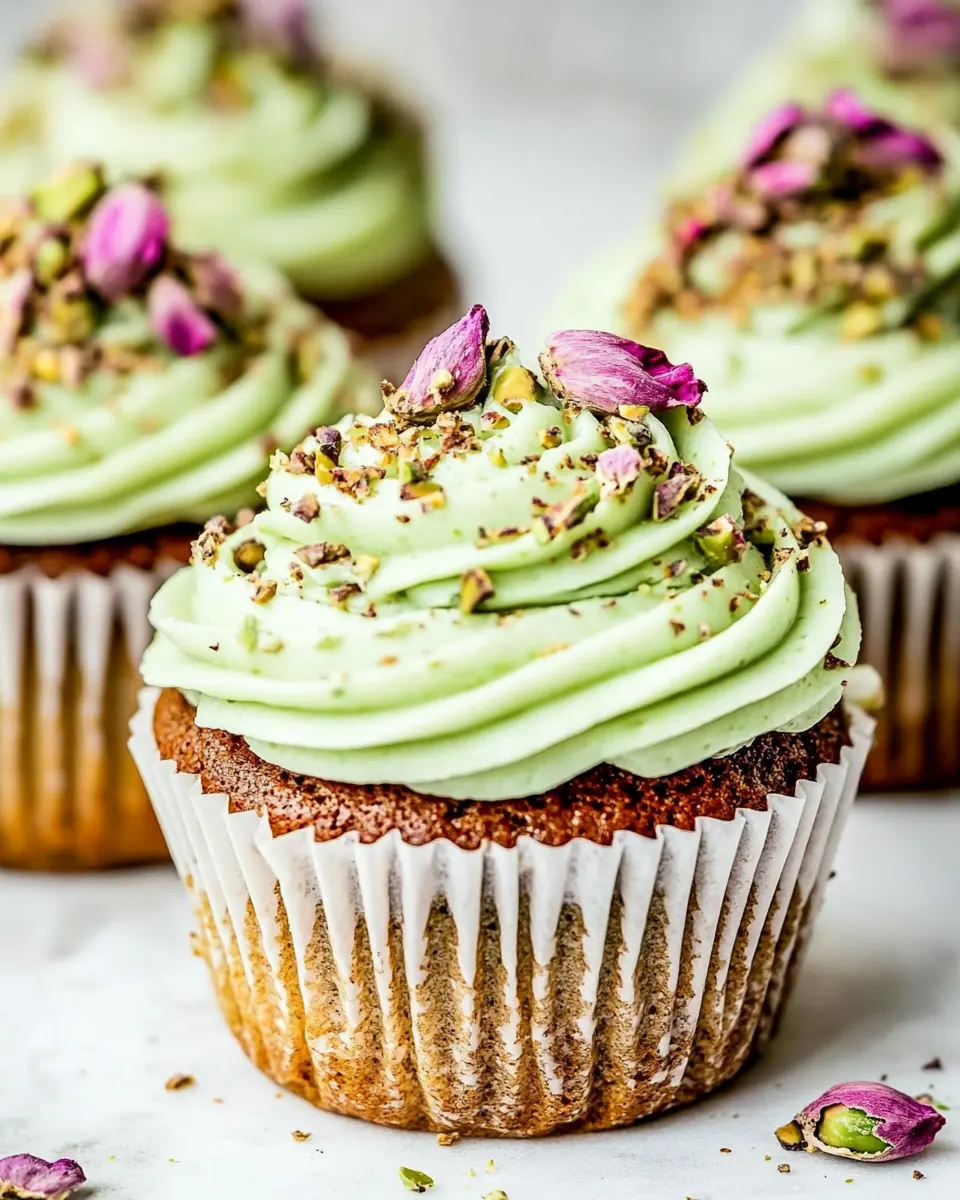
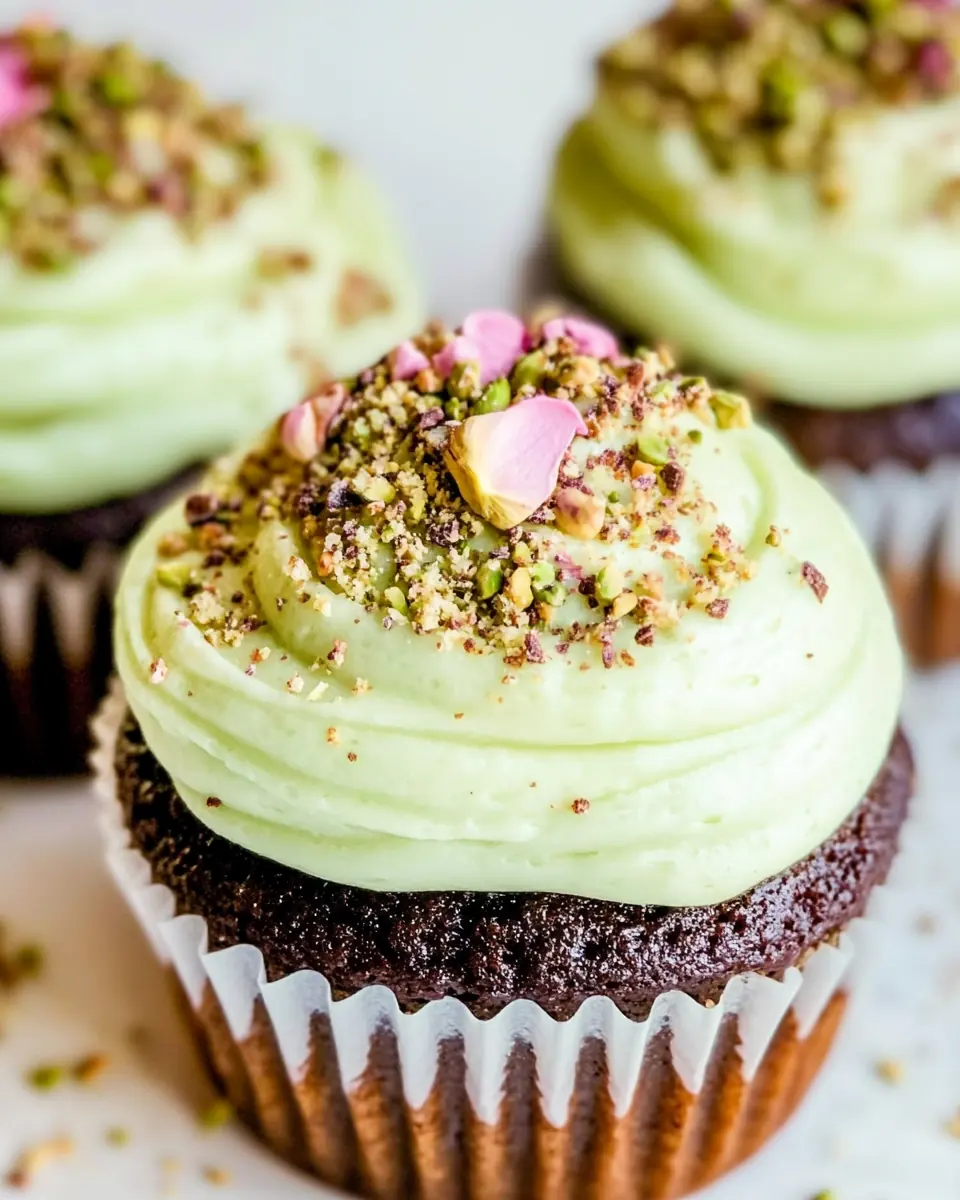
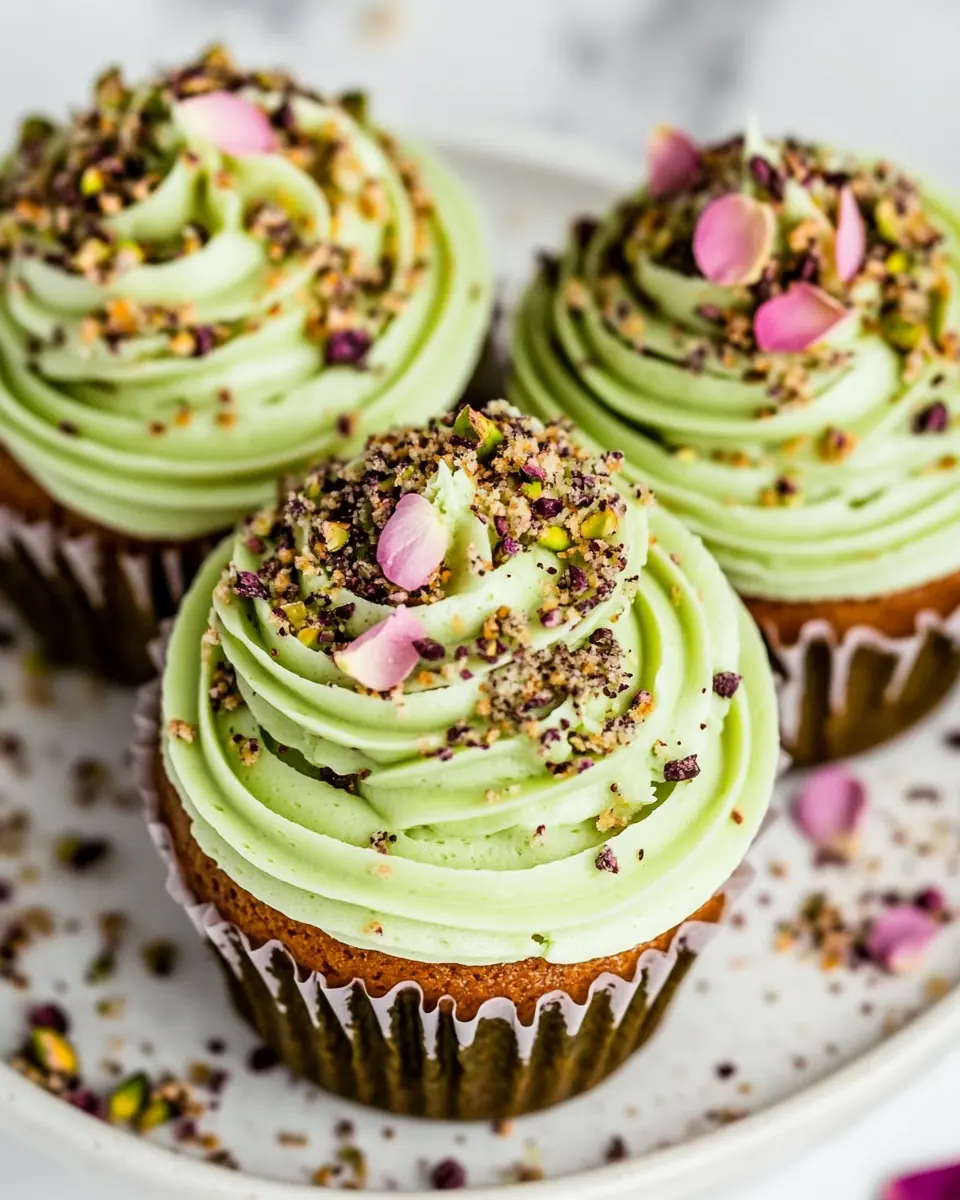
There is something cinematic about the pale green frosting dotted with little pink petals. When I pipe the frosting on, I can see the cupcakes transform into invitations to celebrate. The edible dried roses and chopped pistachios turn a simple dessert into a centerpiece, and guests immediately notice the attention to detail.
4. Simple, reliable technique
These cupcakes rely on straightforward mixing and basic tools, which makes them ideal for both experienced bakers and people trying a fancier flavor for the first time. I appreciate recipes that scale well and still reward patience. Once you understand the rhythm of creaming, combining wet and dry, and gentle folding, the results are consistently excellent.
5. Versatility for occasions
I often bring these to showers, tea parties, and spring gatherings because they read as festive without being heavy. They are pretty enough for formal events, yet unfussy enough for a weekend treat. The flavors are subtle, which means they pair well with tea, coffee, or a light fruit plate.
Ingredients for Rose Cupcakes with Pistachio Frosting
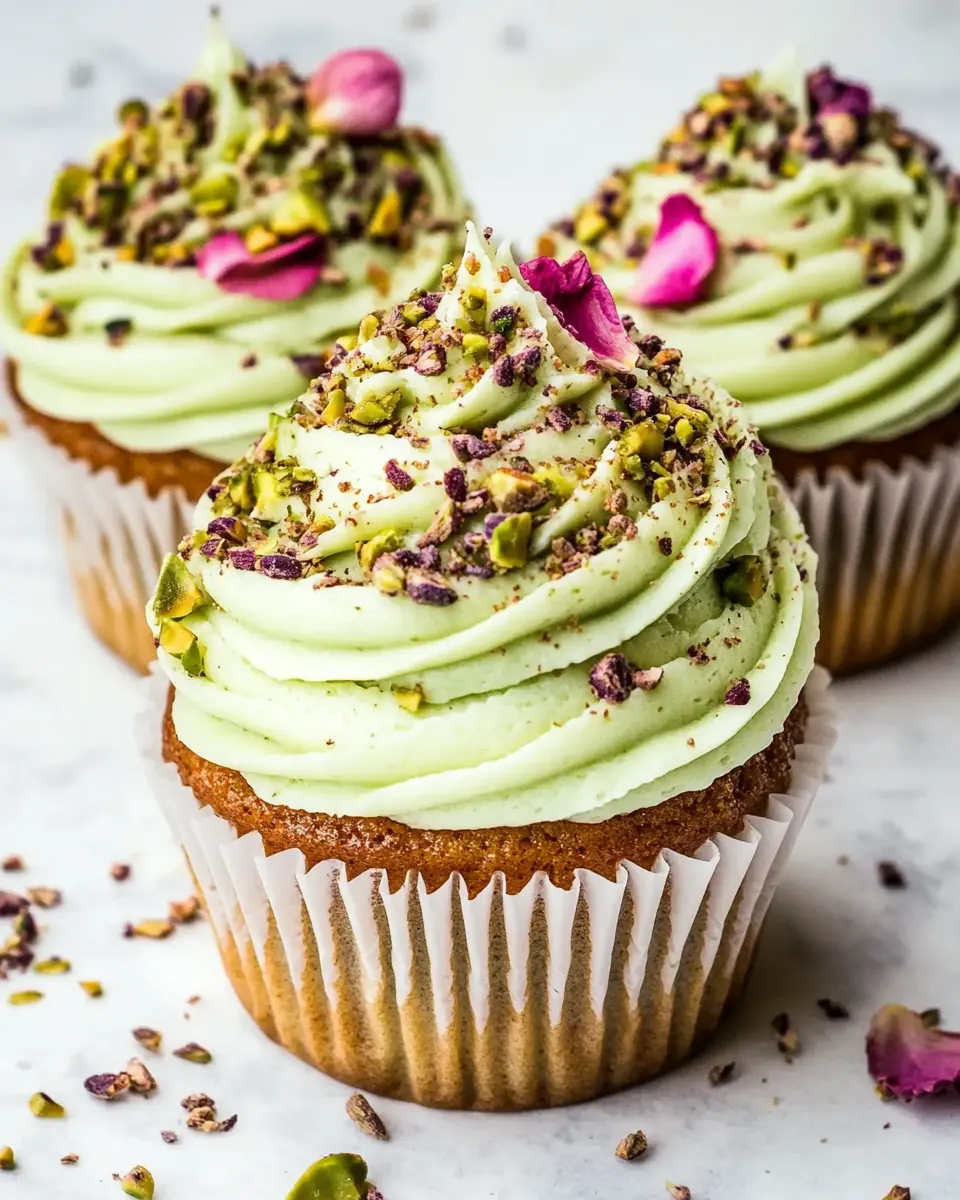
These ingredients are chosen to produce a tender, fragrant cupcake with a silky frosting that holds shape. The dry and wet ingredients combine to create a light crumb, while the frosting ingredients build creaminess and a stable pipeable texture. Key players are the flour for structure, the butter and oil for tenderness, the rose water for aroma, and the frosting duo of butter and cream cheese to achieve a smooth, flavorful topping.
- 1 1/2 cup (188 grams) all-purpose flour: Sifted to ensure a light crumb and even texture, aids structure and provides the bulk of the cupcake batter.
- 1 cup (200 grams) granulated sugar: Creamed with butter and eggs to add sweetness, tenderize the crumb, and help with browning during baking.
- 2 teaspoons (10 grams) baking powder: Leavened to create lift and aeration in the batter, reacting with moisture and heat to produce a tender rise.
- 1/2 teaspoon (1.5 grams) kosher salt: Seasoned sparingly to enhance flavor balance and strengthen gluten networks for improved dough handling.
- 1/2 cup (113 grams) unsalted butter, room temperature: Beaten with sugar to trap air and contribute richness, moisture, and a tender mouthfeel in the cake.
- 2 large eggs (100 grams): Whisked in to add moisture, richness, and emulsification, binding ingredients and contributing to a fine crumb.
- 2 tablespoons (28 grams) vegetable oil: Added for extra moisture and to slightly extend tenderness, helping create a softer, more tender cupcake.
- 1/2 cup plus 2 tablespoons (150 grams) whole milk: Warmed to room temperature and incorporated to hydrate dry ingredients, contributing to a smooth batter consistency.
- 1 teaspoon (4 grams) rose water: Measured carefully to infuse delicate floral aroma and complement the rose theme without overpowering other flavors.
- 1 teaspoon (6 grams) vanilla bean paste: Stirred in to provide concentrated vanilla flavor and tiny bean flecks, enhancing overall aromatic depth.
- 1/2 cup (113 grams) unsalted butter, room temperature: Softened and creamed into the frosting base to lend richness, stability, and a silky mouthfeel to the icing.
- 8 ounces (226 grams) cream cheese, room temperature: Puréed with butter for a tangy, creamy component in the frosting that balances sweetness and adds depth.
- 3 cups (360 grams) confectioners’ sugar: Sifted into the frosting to sweeten, stabilize, and help achieve a smooth, pipeable consistency for decoration.
- 1 tablespoon (10 grams) meringue powder: Sprinkled in to stabilize whipped frostings, improve structure, and assist in achieving stiffer peaks for piping.
- 1 1/2 teaspoons (6 grams) pistachio emulsion: Concentrated to deliver pronounced nutty pistachio flavor without altering frosting texture, enhancing the profile.
- Pinch kosher salt: Measured as a tiny seasoning boost to round out sweetness and lift other flavors in both cake and frosting.
- Garnish: chopped pistachios, edible dried roses: Used as a finishing touch to add crunchy texture, visual appeal, and a complementary nutty floral accent.
How to Prepare Rose Cupcakes with Pistachio Frosting
These instructions walk you through the full process from batter to decoration in a conversational, hands on way. I like to speak directly about what you will sense at each stage so you can bake with confidence. Keep your tools close and your ingredients pre measured to move smoothly through the steps.
- Preheat the oven to 350°F (180°C). Line a 12-cup muffin pan with cupcake liners.: You will feel the warmth of the oven beginning to hum as it comes to temperature, and the dry heat helps form a gentle crust on the cupcake edges, giving that subtle golden rim. Preheating ensures consistent rise and predictable bake time, so don’t skip this. A common mistake is placing cold batter in a non preheated oven, which can lead to uneven rise and dense centers. Make sure the racks are positioned mid oven for even circulation.
- For cupcakes: In the bowl of a stand mixer fitted with the paddle attachment, combine flour, sugar, baking powder, kosher salt, and butter. Mix together on medium speed until a sandy mixture forms, 1 to 2 minutes.: In the bowl of a stand mixer fitted with the paddle attachment, combine flour, sugar, baking powder, kosher salt, and butter. Mix together on medium speed until a sandy mixture forms, 1 to 2 minutes. : As you mix, you will hear the mixer change pitch and see the mixture transform into small, sandy crumbs with tiny pockets of butter. This texture helps distribute fat, which creates tenderness and even crumb in the final cake. The why here is that the little coated granules trap air and allow the leavening to work efficiently. Watch for over mixing which can cause the flour to develop gluten resulting in tougher cupcakes.
- In a medium mixing bowl, combine eggs, oil, whole milk, rose water, and vanilla bean paste. Whisk together until all ingredients are combined. Pour into the bowl of the stand mixer and mix on medium-low until smooth, about 30 seconds.: You will notice the wet mixture glistening and the aromatic lift from the rose water and vanilla bean paste as you whisk. Adding wet to dry in one pour creates an emulsion where fats and liquids meld, giving a smooth batter. Pay attention to texture, it should become cohesive and slightly glossy. A frequent error is to overbeat at this stage which can incorporate too much air and create large domes or tunnels in the crumb.
- Scrape down the sides of the bowl and mix for an additional 10 to 15 seconds. Fill each muffin cup about two-thirds full (about 3 tablespoons/65 grams).: After scraping, you will see any streaks disappear and the batter will look uniform and velvety. Portioning into the liners evenly gives each cupcake the same bake profile. I use a small ice cream scoop to maintain consistency so each one bakes evenly with the same domed top. Uneven filling can lead to some cupcakes being underbaked while others are overbaked.
- Bake for 20 to 22 minutes. Allow the cupcakes to cool completely in the muffin pan.: During baking you will hear a faint ticking as steam escapes and see the tops turn pale gold, sometimes with tiny cracks that indicate done ness. The aroma of baked vanilla bean paste and a whisper of floral notes will fill the kitchen. Cooling in the pan prevents delicate bases from breaking when moved, but don’t leave them too long or the trapped steam can make the bottoms soggy. A common mistake is frosting while still warm, which causes frosting to melt and slide off.
- For frosting: Add butter to the bowl of a stand mixer fitted with the paddle attachment. Beat the butter on medium-low speed for 1 minute and then add the cream cheese and mix together for an additional minute. Add confectioners’ sugar, meringue powder, pistachio emulsion, and salt. Mix on low speed, gradually increasing to medium speed once the ingredients begin to come together.: Add butter to the bowl of a stand mixer fitted with the paddle attachment. Beat the butter on medium-low speed for 1 minute and then add the cream cheese and mix together for an additional minute. Add confectioners’ sugar, meringue powder, pistachio emulsion, and salt. Mix on low speed, gradually increasing to medium speed once the ingredients begin to come together. : You will notice the butter and cream cheese soften and become glossy as air is incorporated, creating a pale, creamy base. Adding the confectioners' sugar slowly prevents a powdered cloud and yields a stable, smooth texture that holds piping ridges. The pistachio emulsion will perfume the frosting with a nutty lift without changing texture. If you mix too aggressively from the start, the frosting can become too airy or split, and overbeating after adding sugar may warm the frosting and make it soft.
- Add frosting to a piping bag fitted with desired tip, and pipe on top of the cooled cupcakes. Garnish with chopped pistachios and dried roses, if desired.: As you pipe, you will feel the bag give under your hands and see neat swirls build up into pretty peaks or rosettes. The final touch of chopped pistachios gives a crunchy handshake to the smooth frosting, and edible dried roses add color and a callback to the rose water . Pipe with consistent pressure for uniformity, and work on a flat surface to avoid tilting. A common misstep is piping on warm cupcakes which melts the frosting and spoils the shape.
Ways to Adapt This Recipe
These adaptation ideas help you customize the flavor, texture, and presentation of the cupcakes without changing the core method. Each tip begins strong and then offers practical guidance so you can experiment confidently.
- Swap sweetener approach Use the same weight of a finer sugar if you prefer a less crystalline mouthfeel, but be cautious when altering because sweetness and texture interact closely with the leavening.
- Pistachio visual boost Fold a tiny amount of finely ground toasted pistachio into the frosting for flecks of green and a more overt nutty flavor while keeping the frosting stable.
- Adjust floral intensity Start with the listed teaspoon of rose water and add no more than an extra quarter teaspoon if you prefer a stronger aroma, tasting as you go to avoid perfumey results.
- Vegan swap note If you need a dairy free version, look for reliable vegan butter and cream cheese alternatives, and test small batches first because stability can differ significantly.
- Make ahead strategy Bake the cupcakes a day ahead and freeze unfrosted, then thaw and frost the same day for the freshest presentation and easiest transport.
Pairing Suggestions for Rose Cupcakes with Pistachio Frosting
These pairing ideas will help you serve the cupcakes beautifully and select complementary flavors for different occasions. I include tips for drinks, seasonal touches, and storage so your presentation and timing are effortless.
- Tea service Serve with a light floral tea or green tea to echo the rose water notes; the tea cleanses the palate between bites and enhances the delicate flavors.
- Brunch spread Pair with fresh fruit and simple pastries for a spring brunch; the cupcakes add a refined sweet that works well alongside citrus or berries.
- Special occasion display Use a tiered stand and scatter chopped pistachios and edible dried roses around the base for showers or celebrations, creating an elegant dessert centerpiece.
- Storage tips Keep in an airtight container in the refrigerator for up to three days, or freeze unfrosted cupcakes for up to one month; thaw fully before frosting to maintain texture.
- Seasonal pairings In spring, complement them with light fruit compotes or a citrus glaze on the side; the acidity balances the richness of the frosting.
- Serving style Present on small dessert plates with a fork so guests can enjoy the contrast of creamy frosting and crunchy pistachios without the mess of handheld crumbs.
FAQ
Conclusion
These Rose Cupcakes with Pistachio Frosting stand out because they marry floral perfume with nutty richness in a delicate, elegant package. The tender cake and smooth, pipeable frosting make each bite balanced and memorable. I invite you to try them when you want a dessert that looks special but is straightforward to make, and to share them at a gathering where their aroma and texture can shine. Baking them offers a calm, creative moment, and the reactions from friends and family are always the best reward.
Rose Cupcakes with Pistachio Frosting
Ingredients
Equipment
Method
- Preheat the oven to 350°F (180°C). Line a 12-cup muffin pan with cupcake liners.: You will feel the warmth of the oven beginning to hum as it comes to temperature, and the dry heat helps form a gentle crust on the cupcake edges, giving that subtle golden rim. Preheating ensures consistent rise and predictable bake time, so don’t skip this. A common mistake is placing cold batter in a non preheated oven, which can lead to uneven rise and dense centers. Make sure the racks are positioned mid oven for even circulation.
- For cupcakes: In the bowl of a stand mixer fitted with the paddle attachment, combine flour, sugar, baking powder, kosher salt, and butter. Mix together on medium speed until a sandy mixture forms, 1 to 2 minutes.: In the bowl of a stand mixer fitted with the paddle attachment, combine flour, sugar, baking powder, kosher salt, and butter. Mix together on medium speed until a sandy mixture forms, 1 to 2 minutes. : As you mix, you will hear the mixer change pitch and see the mixture transform into small, sandy crumbs with tiny pockets of butter. This texture helps distribute fat, which creates tenderness and even crumb in the final cake. The why here is that the little coated granules trap air and allow the leavening to work efficiently. Watch for over mixing which can cause the flour to develop gluten resulting in tougher cupcakes.
- In a medium mixing bowl, combine eggs, oil, whole milk, rose water, and vanilla bean paste. Whisk together until all ingredients are combined. Pour into the bowl of the stand mixer and mix on medium-low until smooth, about 30 seconds.: You will notice the wet mixture glistening and the aromatic lift from the rose water and vanilla bean paste as you whisk. Adding wet to dry in one pour creates an emulsion where fats and liquids meld, giving a smooth batter. Pay attention to texture, it should become cohesive and slightly glossy. A frequent error is to overbeat at this stage which can incorporate too much air and create large domes or tunnels in the crumb.
- Scrape down the sides of the bowl and mix for an additional 10 to 15 seconds. Fill each muffin cup about two-thirds full (about 3 tablespoons/65 grams).: After scraping, you will see any streaks disappear and the batter will look uniform and velvety. Portioning into the liners evenly gives each cupcake the same bake profile. I use a small ice cream scoop to maintain consistency so each one bakes evenly with the same domed top. Uneven filling can lead to some cupcakes being underbaked while others are overbaked.
- Bake for 20 to 22 minutes. Allow the cupcakes to cool completely in the muffin pan.: During baking you will hear a faint ticking as steam escapes and see the tops turn pale gold, sometimes with tiny cracks that indicate done ness. The aroma of baked vanilla bean paste and a whisper of floral notes will fill the kitchen. Cooling in the pan prevents delicate bases from breaking when moved, but don’t leave them too long or the trapped steam can make the bottoms soggy. A common mistake is frosting while still warm, which causes frosting to melt and slide off.
- For frosting: Add butter to the bowl of a stand mixer fitted with the paddle attachment. Beat the butter on medium-low speed for 1 minute and then add the cream cheese and mix together for an additional minute. Add confectioners’ sugar, meringue powder, pistachio emulsion, and salt. Mix on low speed, gradually increasing to medium speed once the ingredients begin to come together.: Add butter to the bowl of a stand mixer fitted with the paddle attachment. Beat the butter on medium-low speed for 1 minute and then add the cream cheese and mix together for an additional minute. Add confectioners’ sugar, meringue powder, pistachio emulsion, and salt. Mix on low speed, gradually increasing to medium speed once the ingredients begin to come together. : You will notice the butter and cream cheese soften and become glossy as air is incorporated, creating a pale, creamy base. Adding the confectioners' sugar slowly prevents a powdered cloud and yields a stable, smooth texture that holds piping ridges. The pistachio emulsion will perfume the frosting with a nutty lift without changing texture. If you mix too aggressively from the start, the frosting can become too airy or split, and overbeating after adding sugar may warm the frosting and make it soft.
- Add frosting to a piping bag fitted with desired tip, and pipe on top of the cooled cupcakes. Garnish with chopped pistachios and dried roses, if desired.: As you pipe, you will feel the bag give under your hands and see neat swirls build up into pretty peaks or rosettes. The final touch of chopped pistachios gives a crunchy handshake to the smooth frosting, and edible dried roses add color and a callback to the rose water . Pipe with consistent pressure for uniformity, and work on a flat surface to avoid tilting. A common misstep is piping on warm cupcakes which melts the frosting and spoils the shape.
Notes
- Swap sweetener approach Use the same weight of a finer sugar if you prefer a less crystalline mouthfeel, but be cautious when altering because sweetness and texture interact closely with the leavening.
- Pistachio visual boost Fold a tiny amount of finely ground toasted pistachio into the frosting for flecks of green and a more overt nutty flavor while keeping the frosting stable.
- Adjust floral intensity Start with the listed teaspoon of rose water and add no more than an extra quarter teaspoon if you prefer a stronger aroma, tasting as you go to avoid perfumey results.
- Vegan swap note If you need a dairy free version, look for reliable vegan butter and cream cheese alternatives, and test small batches first because stability can differ significantly.
- Make ahead strategy Bake the cupcakes a day ahead and freeze unfrosted, then thaw and frost the same day for the freshest presentation and easiest transport.