Mini Vanilla Bean Cakes
Mini Vanilla Bean Cakes have been my go to celebration treat whenever I want something small, elegant, and unpretentious. The first time I made these, I was racing the sunrise to finish a batch for a tiny morning gathering, and the way the kitchen filled with the scent of scraped vanilla seeds felt like a quiet, triumphant moment. I remember setting the mini cakes on a mismatched tray and thinking how a simple, well made cake can turn ordinary company into a memory.
Over the years, I have tweaked the technique so the crumb stays tender and the frosting stays bright and silky. I love how the texture of the crumb contrasts with a pillowy swirl of buttercream, and how a single speck of vanilla bean signals quality in every bite. When friends arrive, they often ask if I baked something special, and these little layered treats always steal the show. The charm is in their size, and the attention is in the details.
What I also adore about Mini Vanilla Bean Cakes is how forgiving they are. You can make the batter ahead, refrigerate it briefly, and still get lofty, evenly baked mini cakes. I frequently bake a double batch and freeze the extras for last minute celebrations, pulling them out to assemble and decorate when guests are nearly at the door. This habit has saved many gatherings from mundane dessert crises, and the warm, fragrant results never disappoint.
Recipe Snapshot
42 mins
20 mins
22 mins
Medium
200 kcal
American
Gluten-Free, Low FODMAP
Desserts
Stand mixer, Paddle attachment, Cupcake pan, Wire rack, Sifter
What We Adore About This Mini Vanilla Bean Cakes
They are perfectly portioned
I love that Mini Vanilla Bean Cakes let people enjoy a sweet finish without committing to a large slice. Each bite is delicate, and the small size makes them ideal for gatherings where guests want to sample multiple desserts. I often bring them to brunches because they are easy to transport and look beautiful on a platter.
Vanilla bean flavor shines
Using scraped vanilla seeds gives a depth and fragrance that you can really taste. I find the little black flecks in the batter and buttercream make the dessert feel homemade and luxurious. When I use real vanilla bean, the aroma while the cakes bake draws everyone into the kitchen, and the flavor remains clear and fragrant, not masked by heavy sugar.
Versatility for styling
These mini cakes are a blank canvas. I have dressed them up with pastel sprinkles and edible Easter grass, and I have kept them simple with just a smooth coat of buttercream. For seasonal parties, I switch decorations and they instantly match the table. Because they are small, one bite can include cake, frosting, and decoration, creating a complete flavor experience.
Technique that yields consistent results
I appreciate that the method is straightforward, yet it rewards attention to detail. Folding, aerating the batter, and proper creaming of butter for the frosting all add measurable improvements. When I follow the process, the crumb is even, the tops are easy to level, and the assembled minis hold together without being overly dense.
Kid friendly and festive
I have made these for holiday brunches and neighborhood parties, and kids always light up when they see the tiny layered cakes with colorful toppings. The portion size is perfect for little hands, and the decorations make them feel special without requiring complicated piping skills.
Ingredients to Make Mini Vanilla Bean Cakes
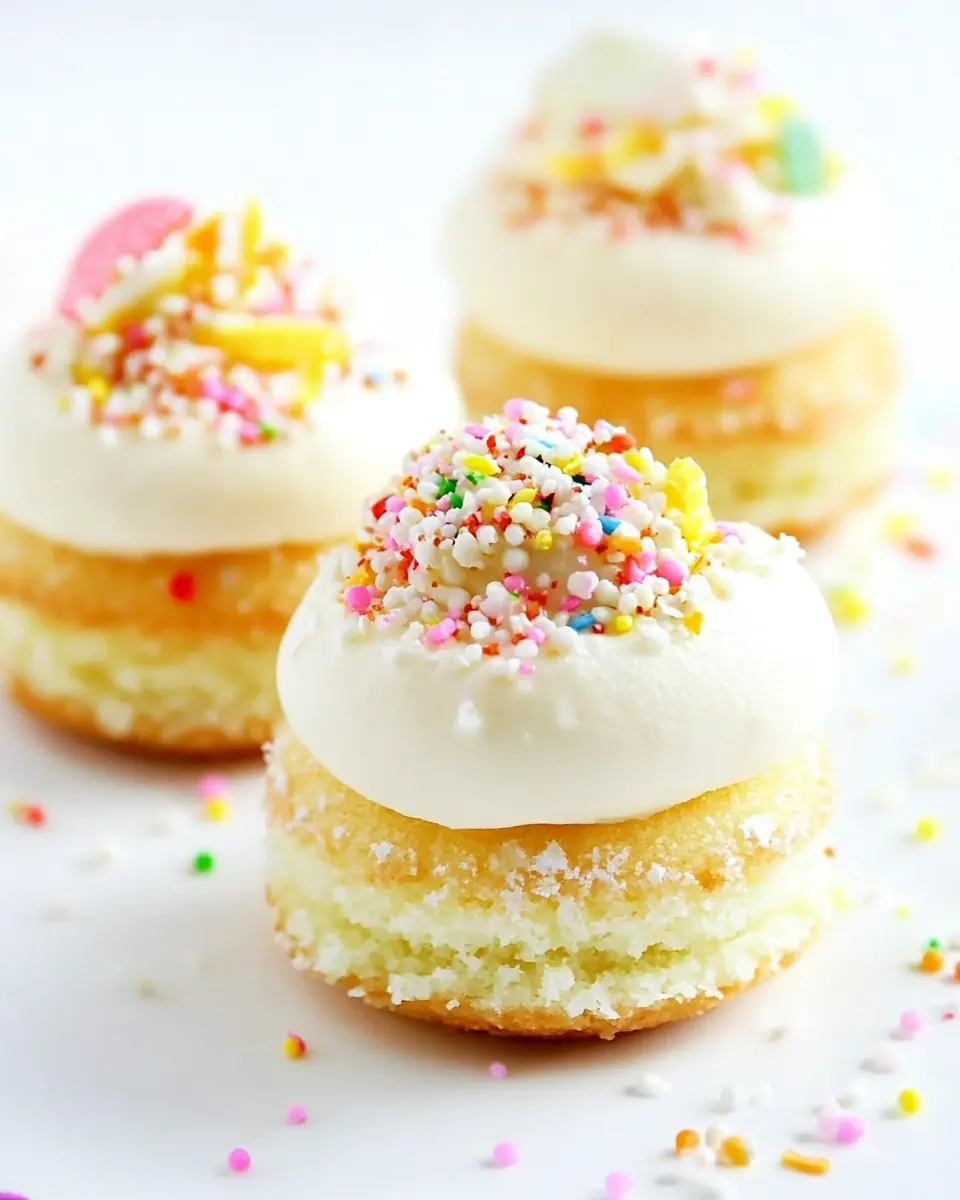
These ingredients are chosen to create a tender crumb and a silky buttercream that complements the pure vanilla bean flavor. The key players are the cake flour for softness, the egg whites for lift and structure, and both seeds and extracts for layered vanilla notes. The butter and powdered sugar build a stable frosting that will pipe beautifully and hold the assembled mini layers together.
- 2 1/4 cups cake flour: Provide a tender, fine crumb and structure to the cakes; sifted cake flour yields a lighter texture than all-purpose flour and helps the cakes rise evenly when combined with the leavening.
- 1 tablespoon baking powder: Leaven the batter and create lift in the cakes; baking powder reacts in the batter to produce air pockets and a soft crumb when baked.
- 1/2 teaspoons salt: Enhance and balance sweetness while strengthening gluten structure slightly; salt brightens flavors and complements the vanilla and butter in the batter.
- 1 1/4 cups whole milk room temperature: Moisten the dry ingredients and contribute to the batter’s fat-to-liquid ratio; room–temperature whole milk promotes a smooth emulsion and tender cake texture.
- 4 large egg whites room temperature: Stabilize and lighten the cake by contributing protein and volume without yolk fat; room–temperature large egg whites whip more easily and help create an airy crumb.
- 1 stick 8 tablespoons unsalted butter, at room temperature: Incorporate richness and tenderness into the cake; room–temperature unsalted butter creams with sugar to aerate the batter and contribute flavor.
- 1 1/2 cups sugar: Sweeten the cake and assist aeration when creamed with butter; sugar dissolves into the batter and helps create a fine, tender crumb.
- seeds scraped from one vanilla bean: Infuse intense, aromatic vanilla flavor with flecks of bean in the batter; scraped vanilla seeds provide a natural, fragrant profile and visual appeal.
- 2 teaspoons pure vanilla extract: Reinforce and deepen vanilla flavor in the cake batter; pure vanilla extract adds a consistent aromatic base that complements the bean seeds.
- 2 sticks unsalted butter softened: Provide fat and a smooth, spreadable base for frosting; softened unsalted butter whips into powdered sugar to create a creamy buttercream.
- 1 pound 16 ounces powdered sugar, sifted: Sweeten and structure the frosting while adding silky smoothness; sifted powdered sugar prevents lumps and helps achieve a stable, pipeable consistency.
- 2 teaspoons clear vanilla extract this helps maintain the bright white color: Maintain bright color while contributing vanilla flavor to frosting; clear vanilla extract provides vanilla aroma without darkening the buttercream.
- 2 4 tablespoons heavy cream or milk: Adjust frosting consistency for spreading or piping; heavy cream or milk adds moisture and loosens the buttercream to the desired texture.
- edible Easter grass: Create decorative nest-like presentation for the mini cakes; edible Easter grass provides a playful, seasonal base for display without affecting flavor.
- pastel sprinkles: Add colorful, festive accents to finished cakes; pastel sprinkles deliver texture and visual appeal for an Easter-themed presentation.
- 12 Campfire® EggSwirlers: Serve as a novelty garnish or edible decoration accompanying the cakes; Campfire® EggSwirlers can be placed on or beside mini cakes for whimsical charm.
Recipe Directions for Mini Vanilla Bean Cakes
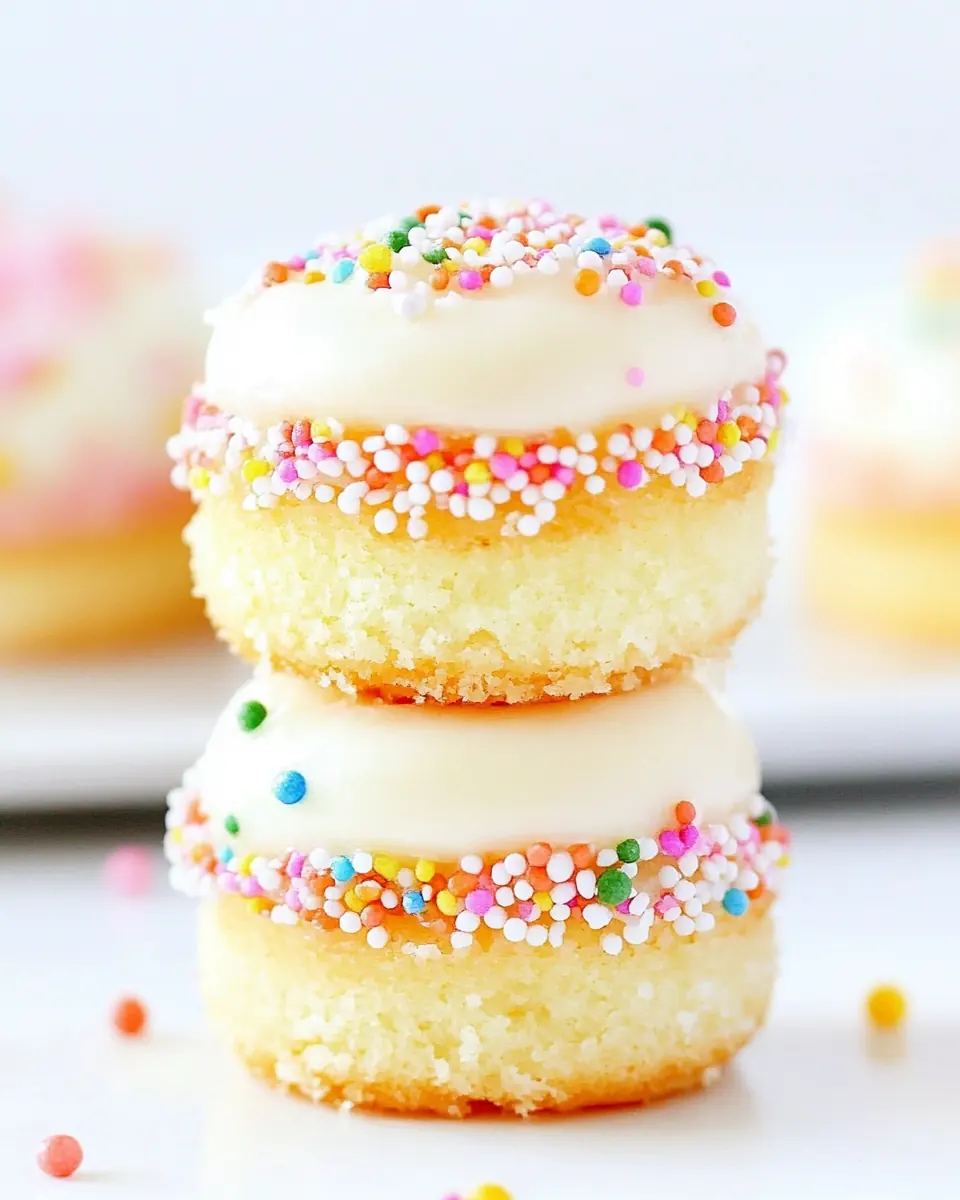
These directions guide you from batter to assembled mini layered cakes in a confident, hands on way. I find working step by step keeps the process calm and enjoyable, and each small action builds toward consistent results. Keep your tools ready and savor the little wins, like a perfectly leveled top or a glossy pipe of buttercream.
- Center a rack in the oven to 350°F. Spray a nonstick cupcake pan or mini cake pan with nonstick cooking spray.: The oven smell and beginning warmth set the stage, and you should notice a faint metallic hum as it comes up to temperature. Preheating ensures consistent oven spring, which gives you an even rise across all mini cakes; if you skip this, some cakes may bake unevenly with domed centers or uneven textures. A common mistake is not adjusting rack placement, which can cause the tops to brown too quickly, so take a moment to place the rack and prepare the pan carefully, enjoying the small ritual of readiness.
- In a large bowl, sift together the flour, baking powder and salt.: The soft, floury scent and light cloud as you sift creates an even base and eliminates lumps, ensuring uniform distribution of leavening. Sifting aerates the dry mix which helps achieve a tender crumb; if you skip sifting, you may encounter pockets of baking powder that create uneven rise. One pitfall is over stirring after sifting, which develops gluten and can toughen the cake, so keep the motion gentle and purposeful.
- In a medium bowl, whisk together the milk and egg whites.: Whisking yields a pale, slightly glossy mixture that feels cool and silky. This preblend helps the liquids incorporate evenly into the batter, preventing streaks of egg or clumps. If the eggs are not at room temperature, the batter can seize or become uneven; common mistakes include adding very cold milk straight into creamed butter, which can cause tiny lumps, so always bring liquids to room temperature for smooth blending.
- In the bowl of a stand mixer fitted with the paddle attachment, or with a hand mixer, beat the butter, sugar and vanilla bean seeds at medium speed for 3 minutes, or until the butter and sugar are very light.: As you cream, the texture goes from glossy to pale and fluffy, and you can almost smell the vanilla intensify. Proper creaming traps air, which is essential for lift; undercreamed butter yields dense cakes, while overbeating after adding dry ingredients can collapse that air. A typical error is starting at too high a speed, creating a gritty texture, so maintain medium speed and watch for that pale, ribbon like change.
- Add in the vanilla extract and one third of the flour mixture, still beating on medium speed. Beat in half of the milk-egg mixture, then beat in half of the remaining dry ingredients until well incorporated. Add the rest of the milk and eggs, beating until the batter fully incorporated and smooth, then add the last of the dry ingredients.: The batter changes consistency through each addition, moving from thick to more fluid and back to smooth. Alternating wet and dry prevents lumps and overworking the gluten, producing a tender final crumb. You should see a smooth, velvety batter that holds a slight ribbon when lifted; if the mixture curdles or looks split, you likely added ingredients too quickly. A common issue is dumping everything at once, which yields a denser texture, so proceed in the alternating pattern while listening for a quiet, even mixer sound.
- Once ingredients are thoroughly incorporated, give the batter a good 2-minute beating to ensure that it is thoroughly mixed and well aerated. Using a large scoop (about 3 tablespoons), distribute the batter between 24 cupcake wells, filling each well 2/3 full.: That final beating refines the batter, smoothing any remaining streaks and incorporating tiny air bubbles that promote an even rise. Scooping by size creates uniform baking times, and you can feel the batter's thickness as you fill each well. If you underfill, the minis will be smaller and drier, while overfilling leads to overflow and domed tops, so aim for consistent fills. One mistake is inconsistent scooping, causing uneven bake and varied textures across the batch.
- Bake for 18-22 minutes, or until a toothpick inserted into the centers come out clean. Cool on wire rack.: While baking, the kitchen fills with a warm, sweet vanilla aroma and the tops will turn a faint golden hue. The toothpick test ensures the centers are set yet tender; when done, the cakes should spring back slightly to the touch. Removing them too soon results in sinkholes, while overbaking dries them out. A frequent error is relying on color alone, so perform the toothpick test and then transfer to a wire rack to avoid steam softening the bottoms.
- In the bowl of a stand mixer fitted with the paddle attachment, cream the butter on medium speed until light and fluffy; about 5 minutes. With the mixer on low speed, slowly add in the powdered sugar, and continue beating until well blended.: Creaming here transforms the butter into a pale, airy base with a soft, pillowy texture and a faint buttery scent. This step creates structure for the frosting; if the butter is too cold it will not lighten, and if too warm it will be oily. One common mistake is rushing this step, which yields a dense frosting that does not whip well, so allow the full time for the mixer to do its work.
- Add in vanilla, and 1 tablespoon of heavy cream or milk. Blend on low speed until moistened.: Slowly incorporating the powdered sugar keeps the kitchen from turning into a snowy cloud, and it prevents gritty pockets in the frosting. As the sugar blends, the texture becomes thicker and more cohesive. If added too quickly, the sugar will puff everywhere and create lumps; take your time and scrape down the bowl to ensure even blending for a smooth finish.
- Beat at high speed until frosting is smooth and fluffy; about 5 minutes. If desired, add in additional milk or heavy cream, one teaspoon at a time, until you reach the desired consistency.: The aroma of vanilla deepens the buttercream and the small amount of liquid loosens the mixture into a silky, spreadable consistency. Adding liquid gradually prevents a runny frosting and helps you judge the right hydration. A common pitfall is over adding liquid at once, which leads to thinning and requires more sugar to correct, so add sparingly and adjust slowly.
- Use a knife to cut the domed portion off of each cupcake to create a flat surface. These scraps can be used to snack on or make cake balls.: Higher speed gives the frosting a light, cloud like texture and a glossy appearance. You'll hear a change in the mixer tone as the frosting becomes denser and more stable. If the frosting separates or appears shiny and oily, it has been overworked or the butter was too warm; hush the mixer and chill briefly to recover. Add liquid by teaspoon to fine tune pipeability and avoid making the frosting too soft to hold peaks.
- Pipe prepared frosting onto the cut surfaces of 12 of the mini cakes. Place another mini cake directly onto the frosting to create 12 mini layered cakes.: The clean, slightly sweet aroma of trimmed cake is a small reward, and leveling makes stacking and piping much easier. The trimmed scraps are a bonus, perfect for taste testing or remixing. A mistake is cutting too aggressively, which wastes cake and leaves a dense top, so slice carefully and save the pieces for another use.
- Top with additional frosting and decorations such as edible Easter grass, pastel sprinkles and Campfire® EggSwirlers.: Piping a neat layer creates a cushion that holds the top layer in place and gives a uniform profile. Pressing the top gently brings the layers together without squeezing out the filling. If you press too hard, the filling will ooze out and the layers will flatten; aim for a gentle set and use consistent pressure when piping to keep each cake identical.
- Top with additional frosting and decorations such as edible Easter grass, pastel sprinkles and Campfire® EggSwirlers.: The final decorations add color, texture, and a festive feel; the contrast between smooth frosting and crunchy sprinkles is delightful. Place decorations while the frosting is slightly tacky so they adhere, and step back to admire the presentation. One common mistake is decorating too early under warm conditions, which can cause melting or sliding, so work in a cool area for best results.
Tips for Success
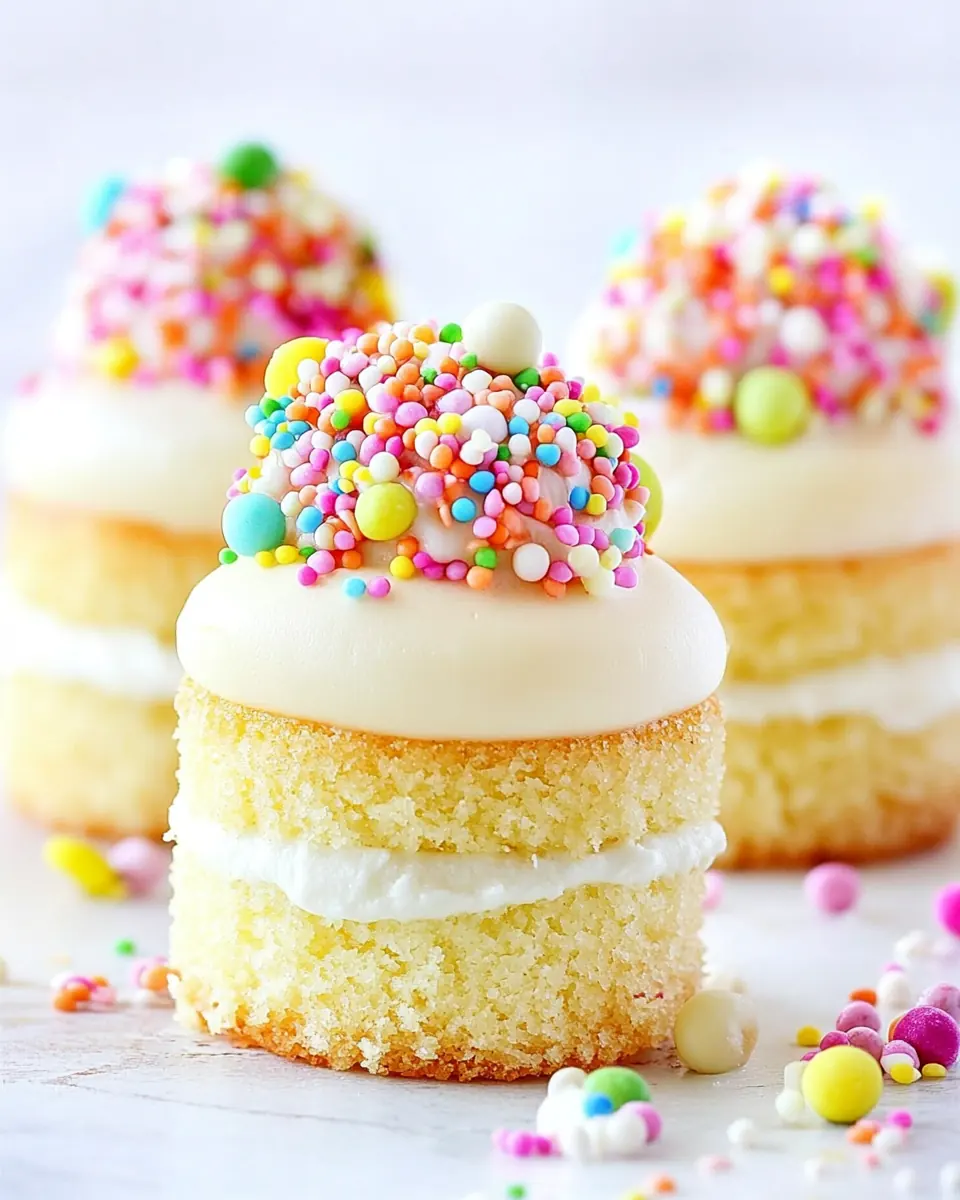
These tips come from many batches and a few tiny disasters, all of which taught me how to get consistent mini cakes. Read them and adapt to your kitchen, because small adjustments make a big difference when working at mini scale.
- Bring ingredients to room temperature to help the batter emulsify smoothly, producing a uniform crumb and preventing curdling when ingredients are combined.
- Sift dry ingredients together to remove lumps and aerate the flour, which results in a lighter texture that bakes evenly.
- Alternate wet and dry additions when mixing the batter to avoid overworking the gluten, this preserves tenderness in the finished cakes.
- Use a consistent scoop so each mini cake bakes for the same amount of time, preventing some from being overdone while others are underbaked.
- Add liquid to frosting gradually one teaspoon at a time until you reach the desired consistency, this prevents a runny buttercream and keeps it stable for piping.
- Chill frosting briefly if it becomes too soft rather than adding more sugar, which can alter flavor and texture negatively.
- Decorate close to serving time to keep toppings fresh and vibrant, especially with delicate edible grasses and sprinkles.
Serve This Mini Vanilla Bean Cakes With
These mini layered cakes are inherently festive and fit many serving contexts, from casual brunches to formal gatherings. I like to plan the rest of the menu around their lightness so the dessert feels like a sweet exclamation point. Below are ideas to pair them with a variety of occasions and presentation styles.
- For brunch, serve a platter of Mini Vanilla Bean Cakes alongside a bowl of fresh berries and a small selection of light sandwiches for a bright, balanced spread that keeps the mood cheerful.
- For an afternoon tea, plate the minis on a tiered cake stand with delicate china, pairing them with herbal teas or a mild black tea to complement but not overpower the vanilla notes.
- For holiday gatherings such as Easter, arrange the cakes with pastel sprinkles and edible Easter grass, creating a centerpiece dessert that invites guests to nibble while mingling.
- For gift giving, box a set of 4 to 6 minis in a windowed box with tissue paper, they travel well for short distances and make a thoughtful homemade present.
- Storage tips, keep assembled minis in a covered container in the refrigerator for up to 3 days, and bring them to room temperature before serving for the best texture and flavor.
- Seasonal pairing, in spring serve with citrus salads or light fruit compotes to introduce a bright contrast, the acidity cuts through the buttery frosting and refreshes the palate.
- Presentation style, for a rustic table, scatter a few cake crumbs and sprinkles on the plate for an intentionally imperfect, homey look that invites immediate enjoyment.
FAQ
Conclusion
These Mini Vanilla Bean Cakes stand out because they combine a tender, airy crumb with a silky buttercream that showcases real vanilla bean flavor. The small size makes them perfect for gatherings where presentation and portion control matter, and the recipe rewards careful technique with reliably beautiful results. Give them a try at your next brunch or holiday dessert table, and enjoy how such a simple, thoughtful treat can become the centerpiece of an occasion.
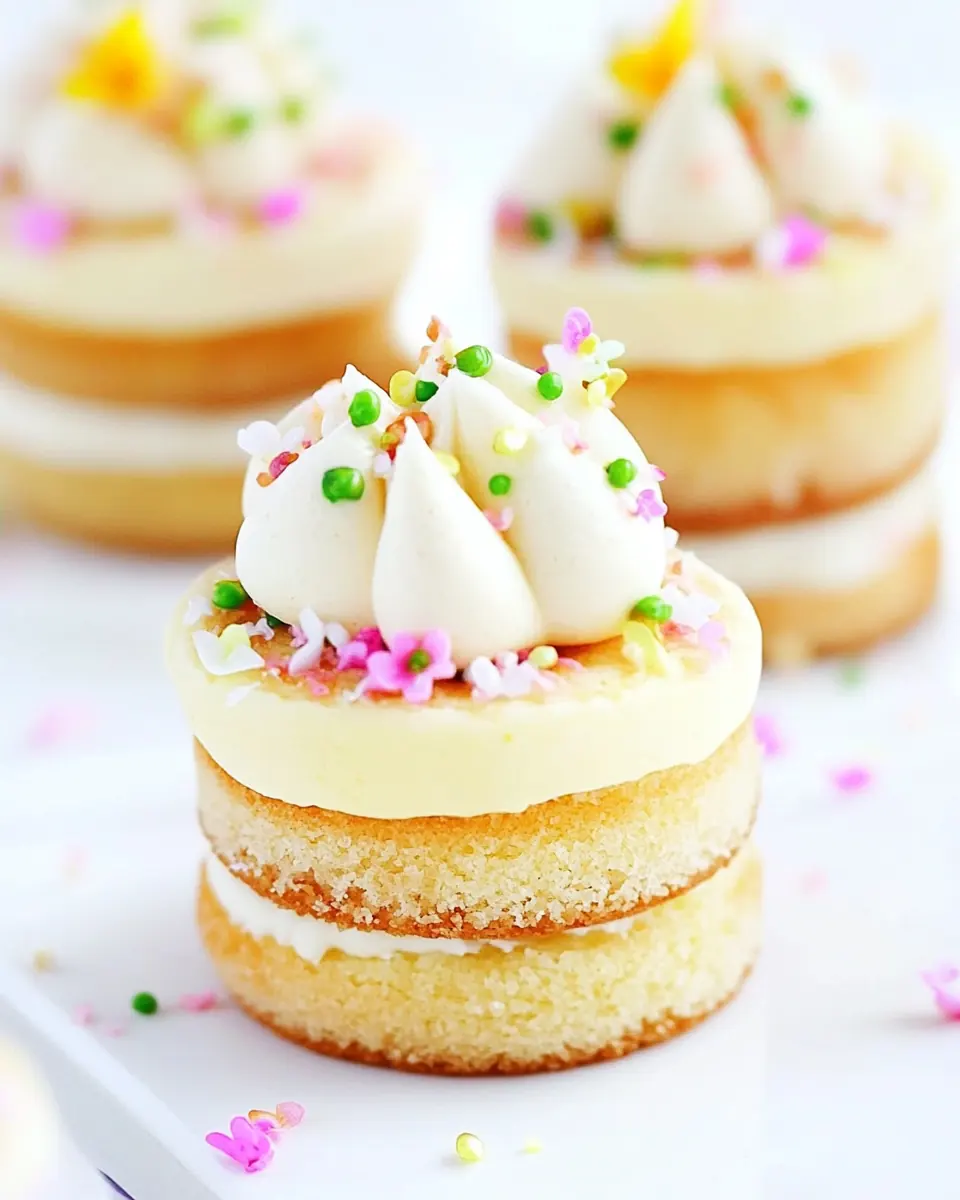
Mini Vanilla Bean Cakes
Ingredients
Equipment
Method
- Center a rack in the oven to 350°F. Spray a nonstick cupcake pan or mini cake pan with nonstick cooking spray.: The oven smell and beginning warmth set the stage, and you should notice a faint metallic hum as it comes up to temperature. Preheating ensures consistent oven spring, which gives you an even rise across all mini cakes; if you skip this, some cakes may bake unevenly with domed centers or uneven textures. A common mistake is not adjusting rack placement, which can cause the tops to brown too quickly, so take a moment to place the rack and prepare the pan carefully, enjoying the small ritual of readiness.
- In a large bowl, sift together the flour, baking powder and salt.: The soft, floury scent and light cloud as you sift creates an even base and eliminates lumps, ensuring uniform distribution of leavening. Sifting aerates the dry mix which helps achieve a tender crumb; if you skip sifting, you may encounter pockets of baking powder that create uneven rise. One pitfall is over stirring after sifting, which develops gluten and can toughen the cake, so keep the motion gentle and purposeful.
- In a medium bowl, whisk together the milk and egg whites.: Whisking yields a pale, slightly glossy mixture that feels cool and silky. This preblend helps the liquids incorporate evenly into the batter, preventing streaks of egg or clumps. If the eggs are not at room temperature, the batter can seize or become uneven; common mistakes include adding very cold milk straight into creamed butter, which can cause tiny lumps, so always bring liquids to room temperature for smooth blending.
- In the bowl of a stand mixer fitted with the paddle attachment, or with a hand mixer, beat the butter, sugar and vanilla bean seeds at medium speed for 3 minutes, or until the butter and sugar are very light.: As you cream, the texture goes from glossy to pale and fluffy, and you can almost smell the vanilla intensify. Proper creaming traps air, which is essential for lift; undercreamed butter yields dense cakes, while overbeating after adding dry ingredients can collapse that air. A typical error is starting at too high a speed, creating a gritty texture, so maintain medium speed and watch for that pale, ribbon like change.
- Add in the vanilla extract and one third of the flour mixture, still beating on medium speed. Beat in half of the milk-egg mixture, then beat in half of the remaining dry ingredients until well incorporated. Add the rest of the milk and eggs, beating until the batter fully incorporated and smooth, then add the last of the dry ingredients.: The batter changes consistency through each addition, moving from thick to more fluid and back to smooth. Alternating wet and dry prevents lumps and overworking the gluten, producing a tender final crumb. You should see a smooth, velvety batter that holds a slight ribbon when lifted; if the mixture curdles or looks split, you likely added ingredients too quickly. A common issue is dumping everything at once, which yields a denser texture, so proceed in the alternating pattern while listening for a quiet, even mixer sound.
- Once ingredients are thoroughly incorporated, give the batter a good 2-minute beating to ensure that it is thoroughly mixed and well aerated. Using a large scoop (about 3 tablespoons), distribute the batter between 24 cupcake wells, filling each well 2/3 full.: That final beating refines the batter, smoothing any remaining streaks and incorporating tiny air bubbles that promote an even rise. Scooping by size creates uniform baking times, and you can feel the batter's thickness as you fill each well. If you underfill, the minis will be smaller and drier, while overfilling leads to overflow and domed tops, so aim for consistent fills. One mistake is inconsistent scooping, causing uneven bake and varied textures across the batch.
- Bake for 18-22 minutes, or until a toothpick inserted into the centers come out clean. Cool on wire rack.: While baking, the kitchen fills with a warm, sweet vanilla aroma and the tops will turn a faint golden hue. The toothpick test ensures the centers are set yet tender; when done, the cakes should spring back slightly to the touch. Removing them too soon results in sinkholes, while overbaking dries them out. A frequent error is relying on color alone, so perform the toothpick test and then transfer to a wire rack to avoid steam softening the bottoms.
- In the bowl of a stand mixer fitted with the paddle attachment, cream the butter on medium speed until light and fluffy; about 5 minutes. With the mixer on low speed, slowly add in the powdered sugar, and continue beating until well blended.: Creaming here transforms the butter into a pale, airy base with a soft, pillowy texture and a faint buttery scent. This step creates structure for the frosting; if the butter is too cold it will not lighten, and if too warm it will be oily. One common mistake is rushing this step, which yields a dense frosting that does not whip well, so allow the full time for the mixer to do its work.
- Add in vanilla, and 1 tablespoon of heavy cream or milk. Blend on low speed until moistened.: Slowly incorporating the powdered sugar keeps the kitchen from turning into a snowy cloud, and it prevents gritty pockets in the frosting. As the sugar blends, the texture becomes thicker and more cohesive. If added too quickly, the sugar will puff everywhere and create lumps; take your time and scrape down the bowl to ensure even blending for a smooth finish.
- Beat at high speed until frosting is smooth and fluffy; about 5 minutes. If desired, add in additional milk or heavy cream, one teaspoon at a time, until you reach the desired consistency.: The aroma of vanilla deepens the buttercream and the small amount of liquid loosens the mixture into a silky, spreadable consistency. Adding liquid gradually prevents a runny frosting and helps you judge the right hydration. A common pitfall is over adding liquid at once, which leads to thinning and requires more sugar to correct, so add sparingly and adjust slowly.
- Use a knife to cut the domed portion off of each cupcake to create a flat surface. These scraps can be used to snack on or make cake balls.: Higher speed gives the frosting a light, cloud like texture and a glossy appearance. You'll hear a change in the mixer tone as the frosting becomes denser and more stable. If the frosting separates or appears shiny and oily, it has been overworked or the butter was too warm; hush the mixer and chill briefly to recover. Add liquid by teaspoon to fine tune pipeability and avoid making the frosting too soft to hold peaks.
- Pipe prepared frosting onto the cut surfaces of 12 of the mini cakes. Place another mini cake directly onto the frosting to create 12 mini layered cakes.: The clean, slightly sweet aroma of trimmed cake is a small reward, and leveling makes stacking and piping much easier. The trimmed scraps are a bonus, perfect for taste testing or remixing. A mistake is cutting too aggressively, which wastes cake and leaves a dense top, so slice carefully and save the pieces for another use.
- Top with additional frosting and decorations such as edible Easter grass, pastel sprinkles and Campfire® EggSwirlers.: Piping a neat layer creates a cushion that holds the top layer in place and gives a uniform profile. Pressing the top gently brings the layers together without squeezing out the filling. If you press too hard, the filling will ooze out and the layers will flatten; aim for a gentle set and use consistent pressure when piping to keep each cake identical.
- Top with additional frosting and decorations such as edible Easter grass, pastel sprinkles and Campfire® EggSwirlers.: The final decorations add color, texture, and a festive feel; the contrast between smooth frosting and crunchy sprinkles is delightful. Place decorations while the frosting is slightly tacky so they adhere, and step back to admire the presentation. One common mistake is decorating too early under warm conditions, which can cause melting or sliding, so work in a cool area for best results.
Notes
- Bring ingredients to room temperature to help the batter emulsify smoothly, producing a uniform crumb and preventing curdling when ingredients are combined.
- Sift dry ingredients together to remove lumps and aerate the flour, which results in a lighter texture that bakes evenly.
- Alternate wet and dry additions when mixing the batter to avoid overworking the gluten, this preserves tenderness in the finished cakes.
- Use a consistent scoop so each mini cake bakes for the same amount of time, preventing some from being overdone while others are underbaked.
- Add liquid to frosting gradually one teaspoon at a time until you reach the desired consistency, this prevents a runny buttercream and keeps it stable for piping.
- Chill frosting briefly if it becomes too soft rather than adding more sugar, which can alter flavor and texture negatively.
- Decorate close to serving time to keep toppings fresh and vibrant, especially with delicate edible grasses and sprinkles.