Saffron Rice
Saffron Rice is one of those simple recipes that has followed me through dinner parties, quiet weeknight meals, and festive gatherings. The first time I made it I was chasing a memory of warm spice stalls and sunlit kitchens, and that faint floral perfume of saffron still surprises me every time I lift the lid. I love how a few threads can transform plain rice into something that feels celebratory without any fuss.
Over the years I’ve learned little habits that keep the results reliable, like rinsing the basmati rice until the water runs clear and letting the pot rest off heat so the grains finish steaming to perfect fluffiness. I often serve this when I want a side that looks elegant but is totally unfussy, and it pairs with so many flavors because the saffron adds aroma and color rather than dominating the plate. When friends ask for a comforting, fragrant base to a meal, I reach for this recipe every time.
Recipe Snapshot
25 mins
5 mins
20 mins
Easy
200 kcal
Mediterranean
Vegan, Gluten-Free
Side Dishes
Medium saucepan, Fine mesh sieve, Small bowl, Fork
Why This Saffron Rice Is So Good
Bright and Elegant with Minimal Effort
I often praise Saffron Rice because it takes very little time to make yet looks like something special. The saffron threads infuse both color and perfume, creating a visually impressive dish without complicated steps. I value recipes that reward small investments, and this one keeps delivering.
Perfect Texture Every Time
Fluffiness matters to me, and this method, with rinsing and a final rest, reliably produces separate grains rather than a clumpy mess. I appreciate that the technique is forgiving, so even if you get distracted briefly, the rice still finishes well. That consistency makes it a dependable choice for gatherings.
Versatile Accompaniment
I love that Saffron Rice supports a wide range of mains, from light vegetable stews to rich, saucy dishes. It acts as a neutral, fragrant canvas, letting other components shine while adding subtle depth. Because it is not overpowering, I reach for it across seasons and menus.
Layers of Aroma and Color
The saffron water step is a tiny act with big payoff. When you steep the threads the liquid blooms into a warm gold, and that color seeps through the grains so the finished dish feels celebratory. That visual impact is one reason I use this rice when I want a simple wow factor.
Reliable Pantry Ingredients
This dish depends on staple items that are easy to keep on hand: basmati rice, saffron, broth, and a little olive oil. I appreciate recipes that don’t demand a long shopping list, and because it uses common pantry elements, I can throw it together on short notice with confidence.
Main Ingredients for Saffron Rice
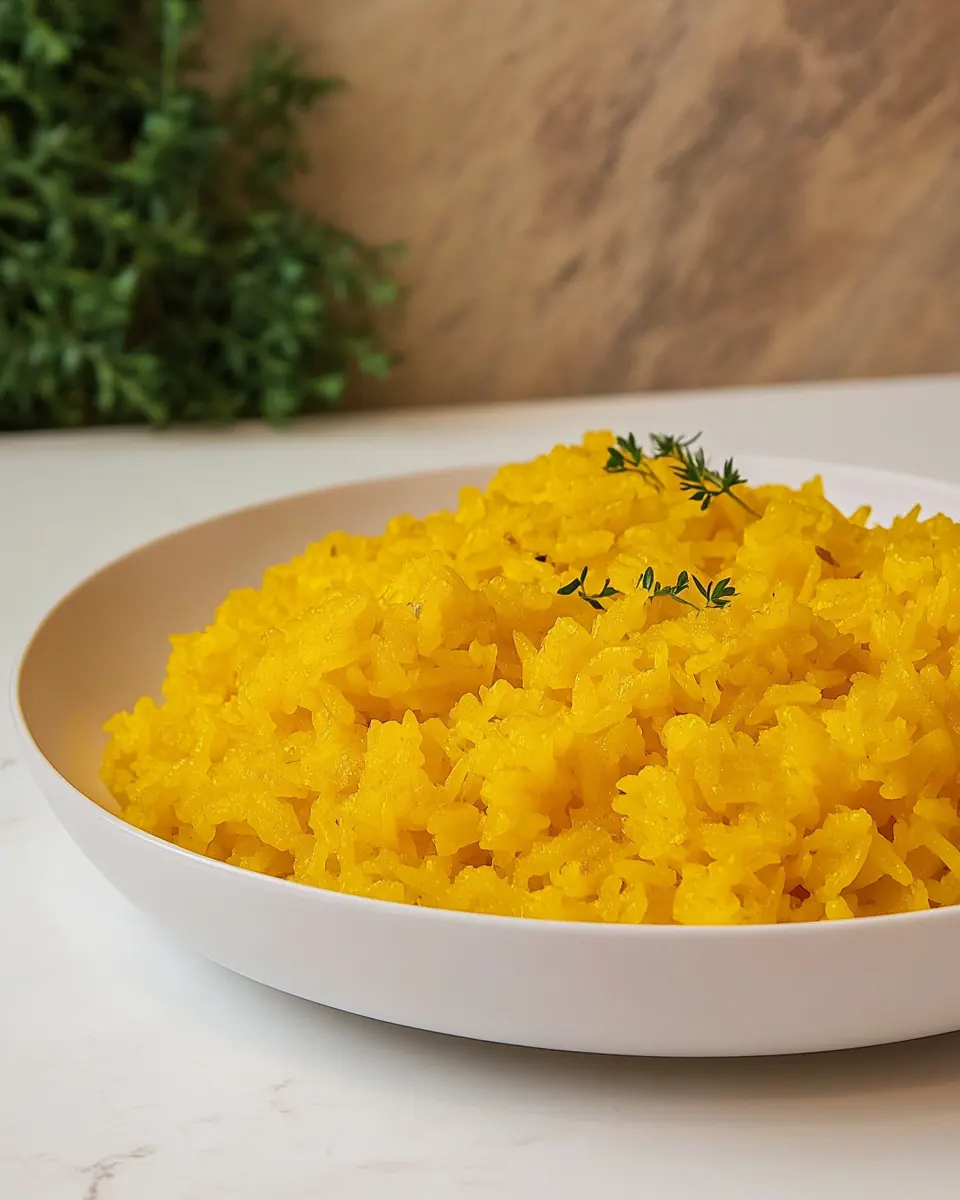
These components are deliberately simple, each playing a clear role. Basmati rice brings fragrant, separate grains. The saffron threads lend aroma and a delicate golden hue. Vegetable broth infuses savory depth while olive oil helps coat the grains for a silky finish. Salt balances everything and the warm water helps coax out the saffron’s color and scent. Together they create an elegant, harmonious side dish.
- 1 cup basmati rice: Rinse and soak briefly to remove excess starch and ensure fluffy, separate grains; cooks quickly and absorbs flavors from the broth and saffron for fragrant basmati rice.
- 1 pinch saffron threads roughly 20 to 30 threads: Infuse and steep in warm water to release color and aroma; saffron threads provide a delicate floral and honeyed scent that stains the rice a golden hue when incorporated.
- 2 tablespoons warm water: Hydrate and help bloom the saffron, drawing out soluble flavor and color; warm water acts as the medium that extracts the saffron’s aromatic compounds before mixing with the rice.
- 1 tablespoon olive oil: Coat and lightly sauté the rice if desired to add a subtle richness and prevent sticking; olive oil contributes a smooth mouthfeel and enhances flavor while cooking.
- 1 1/2 cups vegetable broth: Simmer and provide the primary cooking liquid that hydrates the rice and carries savory flavor; vegetable broth adds depth, umami, and seasoning to the saffron rice.
- 1/2 teaspoons salt: Season and balance the dish by enhancing the natural flavors and seasoning the cooking liquid; salt ensures the rice and saffron flavors are properly pronounced without overpowering them.
How to Prepare Saffron Rice
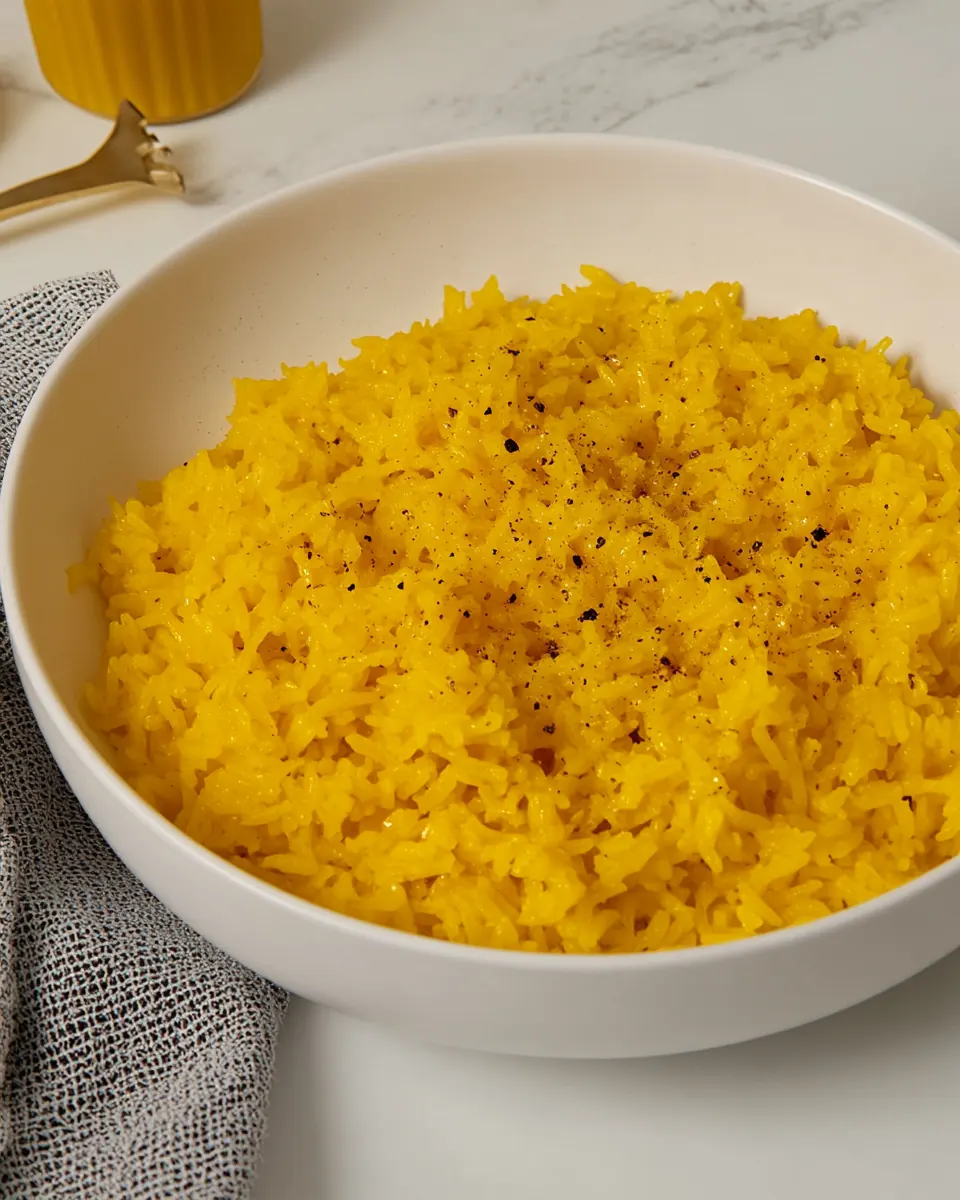
These steps are straightforward, but the technique is what makes the outcome reliably elegant. I want you to notice visual cues, like when the liquid is absorbed and the grains look plump, and sensory signals, like the saffron perfume as it steeps.
- Rinse basmati rice in a strainer or fine mesh sieve under cold water until the water runs clear. This is an important step to remove excess starch and create fluffy rice.: The scent and texture change early on, you will notice the water losing starchiness and going from cloudy to clear, and the grains becoming less sticky when rubbed gently between your fingers. This preserves the individual grain structure when cooked, yielding light, fluffy rice. A common mistake is rushing this step, which leaves excess starch and produces clumpy rice. If your water remains cloudy after several rinses, keep rinsing until it clears, then let the rice drain briefly so it is not waterlogged when it hits the pan.
- In a small bowl, steep the saffron threads in the warm water for 5 minutes to release their flavor and color. You should be able to submerge your finger in the water, otherwise it is too hot.: You will see the warm water gradually take on a warm golden hue and smell a delicate floral, slightly honeyed fragrance; this is saffron blooming. The warmth helps dissolve the aroma compounds without cooking them away, which is why I never use boiling water here. A potential pitfall is using water that is too hot, which can blunt the delicate aroma, so aim for comfortably warm. Stir the threads gently and set the bowl aside to let the infusion deepen before it is added to the rice.
- Heat a medium saucepan over medium heat. Add olive oil, then once hot, add the rinsed rice and sauté for 2 minutes.: You want the pan hot enough to warm the olive oil so it shimmers but does not smoke, which preserves flavor. When the oil is ready, add the rinsed rice and sauté for 2 minutes; you will hear a faint toasting whisper and see the grains take on a faintly translucent edge. This brief sauté builds a subtle nutty note and helps each grain stay separate. Avoid leaving the rice unattended, because oil can overheat and oils that burn will impart a bitter taste.
- Add vegetable broth, salt, and the saffron water, and bring to a gentle boil.: As the liquid joins the pan, you may hear a soft bubbling that signals the heat level; the broth should be hot enough to bubble up but not roar. The saffron water will streak the pan with color, and the aroma will lift in the steam. This combination is essential because the broth layers savory depth under the saffron’s fragrance. A misstep here is bringing the mixture to a vigorous boil, which can jostle the grains and make them break during cooking, so opt for a gentler heat.
- When boiling, reduce heat to low, cover the saucepan with a lid, and simmer for 18 minutes, or until the rice is tender and the liquid is absorbed.: During the simmer, the sound will change to a low, steady whisper and the surface will be still with occasional small bubbles, which is a good sign. The grains will swell and look plump when you lift the lid slightly to peek, and the liquid should have mostly sunk in at the edges. This low gentle cook ensures even steam penetration for tender grains without becoming mushy. Do not remove the lid to stir repeatedly, as that releases steam and disrupts the cooking; only check briefly if you must.
- Remove from heat and let the rice stand, covered, for 5 minutes. Then, fluff with a fork before serving.: This resting phase lets trapped steam finish cooking the center of the grains and settle the texture, resulting in separate, fluffy rice. You will notice a faint steam release when you lift the lid and a fragrant burst of saffron scent. After resting, fluff gently with a fork to separate grains without mashing them. A frequent mistake is skipping the rest and fluffing right away, which leaves grains tighter and less airy; patience here pays off.
Change It Up
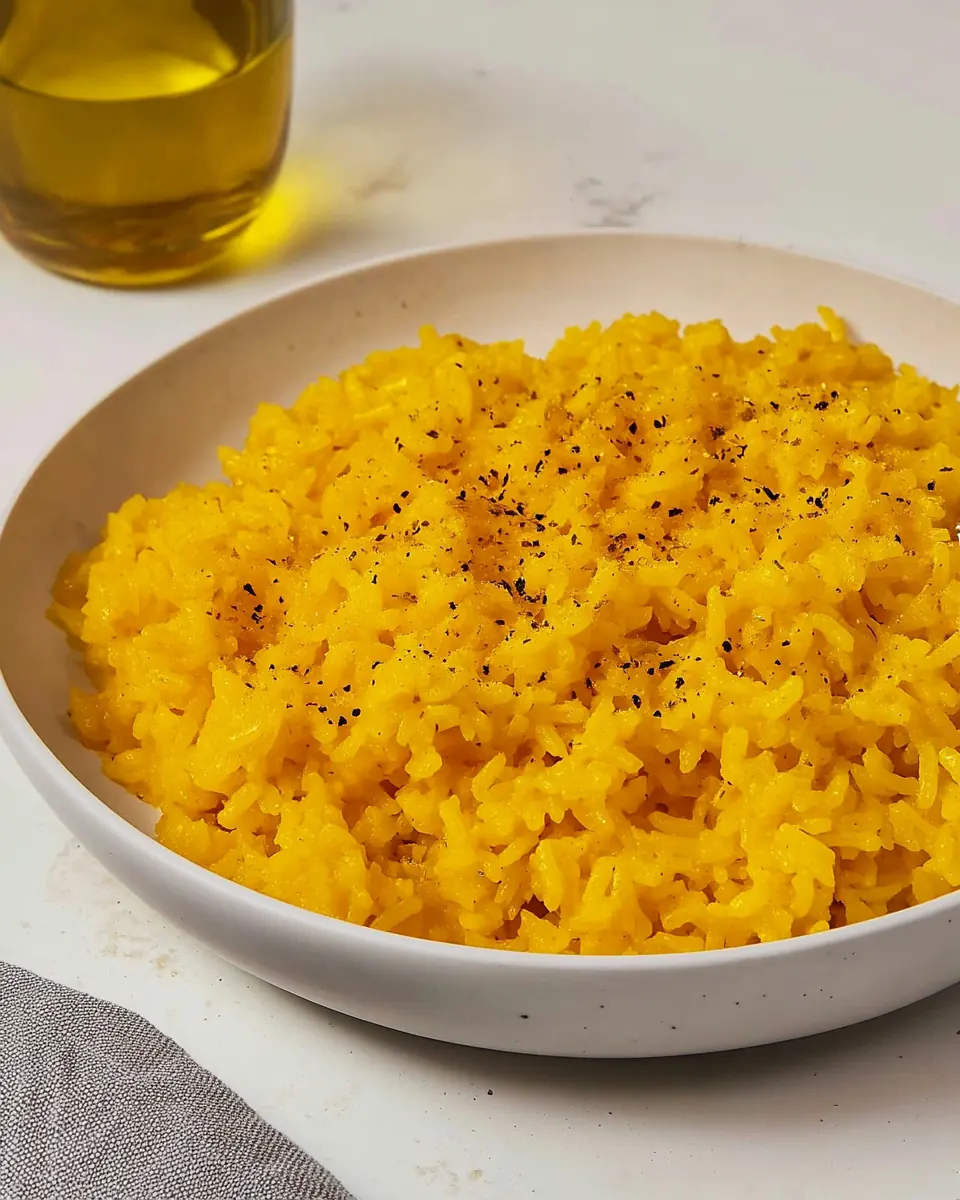
If you want to vary the dish, small adjustments make noticeable differences in aroma and presentation. Below I share a series of focused tips to adapt the recipe while keeping the essential technique intact.
- Toast the rice lightly to add a nutty note before adding liquid, watching for a faint change in color and a toasty aroma.
- Bloom more saffron by crushing the threads gently between your fingers before steeping, which intensifies the color and scent.
- Use low sodium broth so you control the final salt level, adjusting the measured salt after tasting the cooked rice.
- Add whole spices sparingly such as a cinnamon stick or cardamom pod in the simmer, removing them before serving for subtle complexity.
- Finish with a light oil drizzle after fluffing to enhance sheen and mouthfeel, using a mild olive oil or neutral oil for balance.
Serving Options for Saffron Rice
This rice can be presented in many ways, depending on the occasion. Whether you are setting a casual weeknight table or hosting a festive gathering, the fragrant, golden grains adapt beautifully. Below are detailed serving ideas and storage suggestions to keep this dish versatile and practical.
- Weeknight dinner base, pair the rice with a simple pan seared vegetable or a saucy stew for an easy, comforting meal.
- Holiday centerpiece, serve alongside roasted vegetables and seasoned mains for a colorful, aromatic spread during celebrations.
- Lunch bowls, use the cooled rice as a base for bowls topped with roasted vegetables and a lemony dressing for bright contrasts.
- Meal prep and storage, cool quickly and refrigerate in an airtight container for up to four days, reheating gently with a splash of water to restore moisture.
- Seasonal pairings, in cooler months I favor heartier stews beside the rice, while in warm months I lean toward lighter, citrusy mains that contrast the saffron aroma.
FAQ
Conclusion
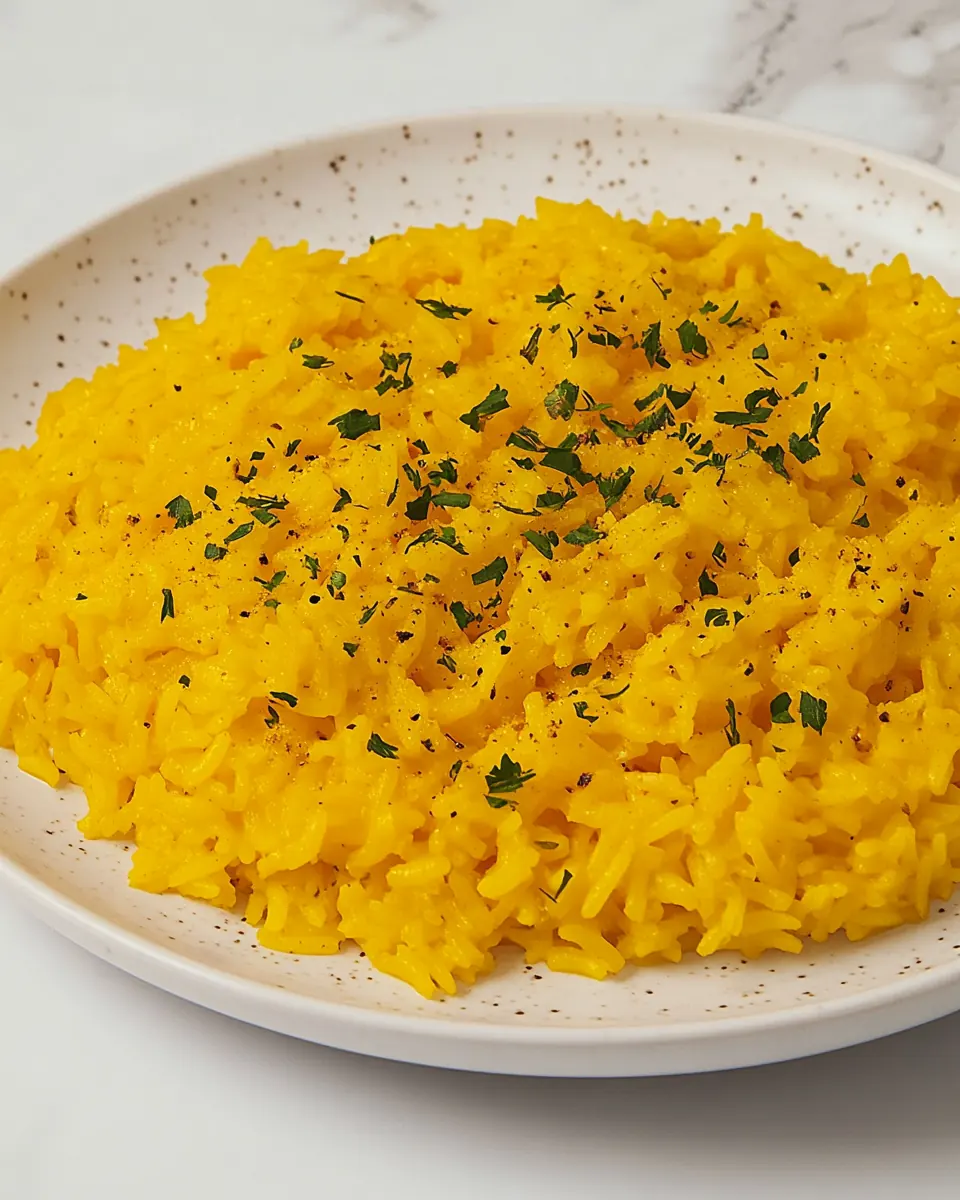
Saffron Rice stands out for its striking aroma, golden color, and effortless elegance. This recipe brings together simple pantry items and a few mindful techniques to produce fluffy, fragrant grains that elevate any meal. Give it a try the next time you want an easy side that feels special, and enjoy how a tiny pinch of saffron transforms the everyday into something memorable.
Saffron Rice
Ingredients
Equipment
Method
- Rinse basmati rice in a strainer or fine mesh sieve under cold water until the water runs clear. This is an important step to remove excess starch and create fluffy rice.: The scent and texture change early on, you will notice the water losing starchiness and going from cloudy to clear, and the grains becoming less sticky when rubbed gently between your fingers. This preserves the individual grain structure when cooked, yielding light, fluffy rice. A common mistake is rushing this step, which leaves excess starch and produces clumpy rice. If your water remains cloudy after several rinses, keep rinsing until it clears, then let the rice drain briefly so it is not waterlogged when it hits the pan.
- In a small bowl, steep the saffron threads in the warm water for 5 minutes to release their flavor and color. You should be able to submerge your finger in the water, otherwise it is too hot.: You will see the warm water gradually take on a warm golden hue and smell a delicate floral, slightly honeyed fragrance; this is saffron blooming. The warmth helps dissolve the aroma compounds without cooking them away, which is why I never use boiling water here. A potential pitfall is using water that is too hot, which can blunt the delicate aroma, so aim for comfortably warm. Stir the threads gently and set the bowl aside to let the infusion deepen before it is added to the rice.
- Heat a medium saucepan over medium heat. Add olive oil, then once hot, add the rinsed rice and sauté for 2 minutes.: You want the pan hot enough to warm the olive oil so it shimmers but does not smoke, which preserves flavor. When the oil is ready, add the rinsed rice and sauté for 2 minutes; you will hear a faint toasting whisper and see the grains take on a faintly translucent edge. This brief sauté builds a subtle nutty note and helps each grain stay separate. Avoid leaving the rice unattended, because oil can overheat and oils that burn will impart a bitter taste.
- Add vegetable broth, salt, and the saffron water, and bring to a gentle boil.: As the liquid joins the pan, you may hear a soft bubbling that signals the heat level; the broth should be hot enough to bubble up but not roar. The saffron water will streak the pan with color, and the aroma will lift in the steam. This combination is essential because the broth layers savory depth under the saffron’s fragrance. A misstep here is bringing the mixture to a vigorous boil, which can jostle the grains and make them break during cooking, so opt for a gentler heat.
- When boiling, reduce heat to low, cover the saucepan with a lid, and simmer for 18 minutes, or until the rice is tender and the liquid is absorbed.: During the simmer, the sound will change to a low, steady whisper and the surface will be still with occasional small bubbles, which is a good sign. The grains will swell and look plump when you lift the lid slightly to peek, and the liquid should have mostly sunk in at the edges. This low gentle cook ensures even steam penetration for tender grains without becoming mushy. Do not remove the lid to stir repeatedly, as that releases steam and disrupts the cooking; only check briefly if you must.
- Remove from heat and let the rice stand, covered, for 5 minutes. Then, fluff with a fork before serving.: This resting phase lets trapped steam finish cooking the center of the grains and settle the texture, resulting in separate, fluffy rice. You will notice a faint steam release when you lift the lid and a fragrant burst of saffron scent. After resting, fluff gently with a fork to separate grains without mashing them. A frequent mistake is skipping the rest and fluffing right away, which leaves grains tighter and less airy; patience here pays off.
Notes
- Toast the rice lightly to add a nutty note before adding liquid, watching for a faint change in color and a toasty aroma.
- Bloom more saffron by crushing the threads gently between your fingers before steeping, which intensifies the color and scent.
- Use low sodium broth so you control the final salt level, adjusting the measured salt after tasting the cooked rice.
- Add whole spices sparingly such as a cinnamon stick or cardamom pod in the simmer, removing them before serving for subtle complexity.
- Finish with a light oil drizzle after fluffing to enhance sheen and mouthfeel, using a mild olive oil or neutral oil for balance.