Warm Potato Salad
Warm Potato Salad has been one of those comforting dishes I reach for when I want food that feels like a hug but still sings with bright, herbal notes. Growing up, my family kept things simple, and a bowl of warm potatoes dressed with tangy vinegar and fresh greens was often the centerpiece of a late autumn table. I remember carrying a steaming serving out to the porch on a crisp evening, the steam fogging my glasses as the scent of vinegar and green herbs rose up, and everyone paused mid conversation to take that first forkful.
Over the years I experimented, trading in heavy mayo for lighter vinegars and introducing local foraged greens to give the dish personality. What I love about this version of Warm Potato Salad is how it balances textures and temperatures, the soft, yielding hemp of the potatoes contrasted by the bright bite of field garlic tops and garlic mustard leaves. Every time I serve it at a casual dinner I notice how people come back for seconds, often asking what gave it that fresh, almost pine kissed finish.
Recipe Snapshot
30 mins
10 mins
20 mins
Easy
180 kcal
American
Paleo, Vegan
Side Dishes
Pot, Slotted spoon, Small bowl, Medium bowl
What You’ll Enjoy About This Warm Potato Salad
It feels homey but elevated
I adore how Warm Potato Salad sits between rustic and refined. The potatoes are humble, yet when combined with a spruce tip infused vinegar, they become unexpectedly elegant. I often say that this is the dish I take to gatherings when I want comfort food that still gets compliments.
Bright herbal lift
The inclusion of field garlic tops and garlic mustard leaves brings a vivid, green lift that cuts through the starchiness of the potatoes. I personally love how those leaves add a peppery edge, making each bite lively rather than cloying.
Flexible serving options
You can serve this salad warm right away or let it rest, chilled slightly, which changes the flavor profile in interesting ways. I’ll often plate it warm when guests are arriving, because the aroma fills the room and invites conversation.
Simple technique, big impact
The technique is straightforward, yet each step matters. Boiling to the right tenderness and dressing while the potatoes are warm ensures the flavors marry, and that extra minute of tossing helps the vinaigrette cling to every surface.
Seasonal charm
This version leans into fall by using foraged and seasonal aromatics, which makes it feel especially appropriate for cooler nights. I always find it pairs well with roasted mains or sits beautifully as the star of a modest, vegetable forward spread.
Warm Potato Salad Shopping List
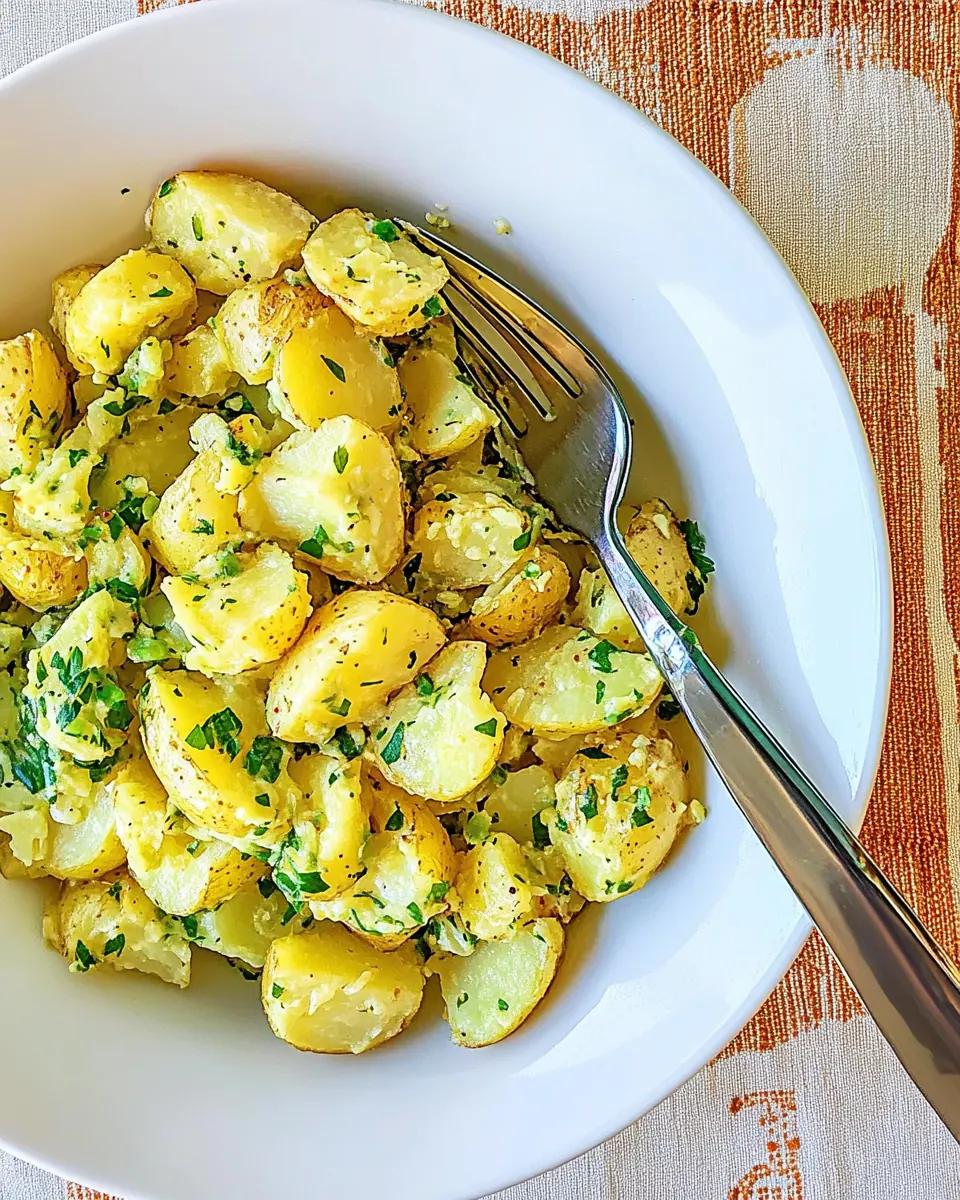
The philosophy behind this ingredient list is restraint and clarity. Each item plays a clear role in texture, flavor, or balance. The key players are the potatoes for body, the spruce tip infused vinegar for aromatic acidity, and the green leaves for a sharp, herbal contrast. The oil smooths the dressing, while salt and pepper tune everything so the components sing together.
- 1/2 new potatoes: Boil gently until tender and cut into bite-sized pieces to provide the starchy base for the salad; retains heat well so the salad is served warm. Keep skins on if desired for texture and added nutrients, tossing with dressing just after cooking to absorb flavors.
- field garlic tops (5-6 leaves): Chop finely and fold in to add a bright, garlicky onion-like note and fresh green color; contributes subtle allium aroma without overpowering. Use the tender tops raw or briefly wilt them in the warm potatoes to release more flavor.
- 3 garlic mustard leaves: Slice thinly and incorporate sparingly to introduce a peppery, mustardy bite with a delicate leafy texture; balances richer elements in the salad. Light bruising or chiffonade will release more flavor and make the leaves easier to eat.
- 3 oz spruce tip infused vinegar: Drizzle over the warm potatoes to impart a resinous, citrusy conifer flavor and mild acidity that brightens the dish; acts as the primary acidic component in the dressing. Use sparingly and taste as it can be potent, marrying with oil and seasoning to create a fragrant vinaigrette.
- 1 oz olive oil: Whisk with the vinegar to create a smooth emulsified dressing that brings sheen and mouthfeel to the salad; contributes fruity, peppery notes depending on quality. Add gradually to achieve desired coating on potatoes without overwhelming delicate greens.
- salt + pepper: Season liberally and taste to balance flavors, enhancing and rounding out the dressing while controlling overall intensity; salt brings out sweetness and pepper adds warmth. Adjust just before serving so seasoning levels remain balanced with the warm potatoes and dressing.
Recipe Directions for Warm Potato Salad
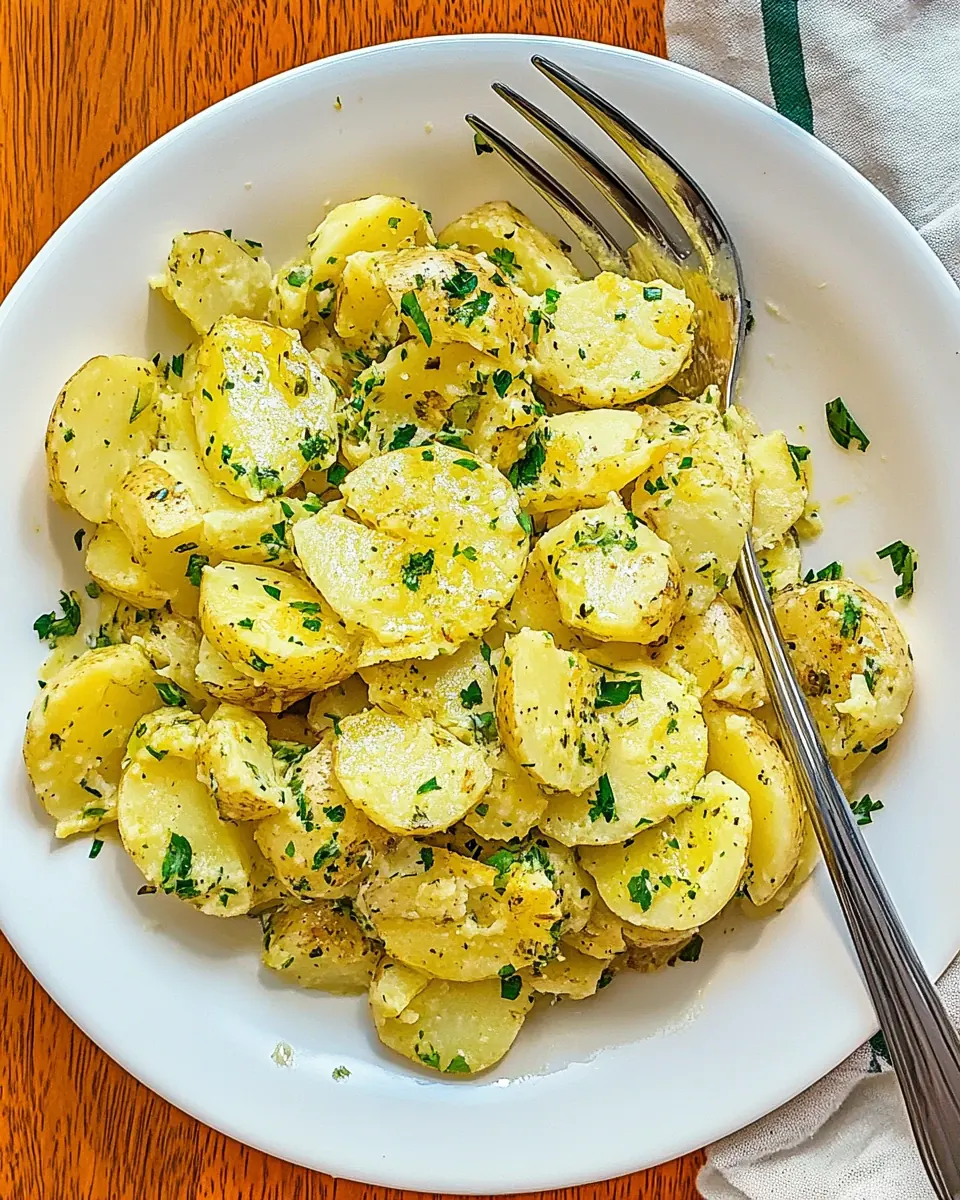
These directions are straightforward, but I like to approach them with mindfulness. Small adjustments in temperature and timing change texture, so I walk you through what to look for. The following steps will help you achieve a warm, coated salad with vivid herbal notes.
- Place potatoes in a pot of boiling water. Let them cook until fork-tender, about 20 minutes.: The sound of the water should be a steady, full boil when you add the potatoes , which helps them cook evenly. You will hear the water settle into a rolling simmer as the potatoes cook, and the skins may ripple slightly, indicating even heat penetration. The why here is even cooking from the outside in, preventing a too soft exterior and a hard center. A common mistake is adding potatoes to water that is not hot enough, which can lead to uneven texture and longer cook times. Keep the pot large enough so they have room to move, and salt the water lightly if you want seasoning from within.
- While the potatoes are boiling, mix vinegar with field garlic, garlic mustard leaves, and salt and pepper to taste in a small bowl.: You will notice a change in sound as the water calms and softens, and the aroma of the potatoes becomes gently sweeter. The flesh becomes yielding to a fork with little resistance, which is the visual and tactile cue to stop. This timing helps maintain shape while ensuring they are soft enough to accept the dressing. Overcooking leads to crumbly, mealy texture, so check a few pieces early to avoid that pitfall.
- Remove the hot potatoes with a slotted spoon, and once slightly cooled, roughly slice them.: As you assemble the dressing, the fragrance of the spruce tip infused vinegar will open and mingle with the green scents of the leaves, producing a bright, foresty perfume. Combining these ingredients while the potatoes cook lets the flavors settle and mellow slightly before meeting the warm starch. Whisking briefly emulsifies the olive oil with the vinegar, creating a velvety mouthfeel. A common error is seasoning too heavily before tasting, so start with a small pinch of salt and build from there.
- Add warm potatoes to a medium bowl and toss gently until well coated with dressing (you will have some leftover extra dressing).: As you lift each piece, the residual steam will carry the scent of the cooked potatoes and the pot liquor; set them somewhere to rest until they are cool enough to handle. The ideal texture for slicing is warm and cohesive, not piping hot or falling apart. Rough slices create surfaces for the dressing to cling to, making each bite flavorful. A typical mistake is slicing them while too hot, which can cause them to break and turn mushy, so wait for that slightly warm, manageable stage.
- Transfer your potato mixture to a serving bowl and top with herbs for serving.: The moment the warm potatoes meet the dressing, you will notice a soft hiss as heat wakes the oil and vinegar, releasing their aromas. Toss lightly so the dressing coats without crushing the pieces; maintain a delicate hand to preserve texture. The warmth helps the dressing absorb into the surface, creating a seamless flavor. If you overwork them you risk getting a paste like consistency, so gentle folding is key. Save any leftover dressing for a drizzle later, in case the salad dries out.
- Serve warm, or refrigerate for 30 minutes before serving.: When you move the salad, the visual impact of bright green leaves against golden potato slices creates appetite appeal. Scatter any remaining torn leaves on top so each portion gets a hit of fresh, peppery flavor. The contrast in temperature, with warm potatoes and cool leaves, elevates the eating experience. A common oversight is adding all greens too early, which lets them wilt excessively; reserve the final garnish for the last moment.
- Serve warm, or refrigerate for 30 minutes before serving: Serving warm emphasizes the aromatic quality of the dressing and the comforting texture of the potatoes , while a short rest in the fridge tightens flavors and offers a bright, slightly firmer bite. If you choose to chill, allow the salad to sit uncovered for a few minutes after refrigeration so aromas can breathe before plating. Avoid leaving it too long chilled or the texture will firm up and the oil may congeal, dulling the flavor.
Recipe Notes about Warm Potato Salad
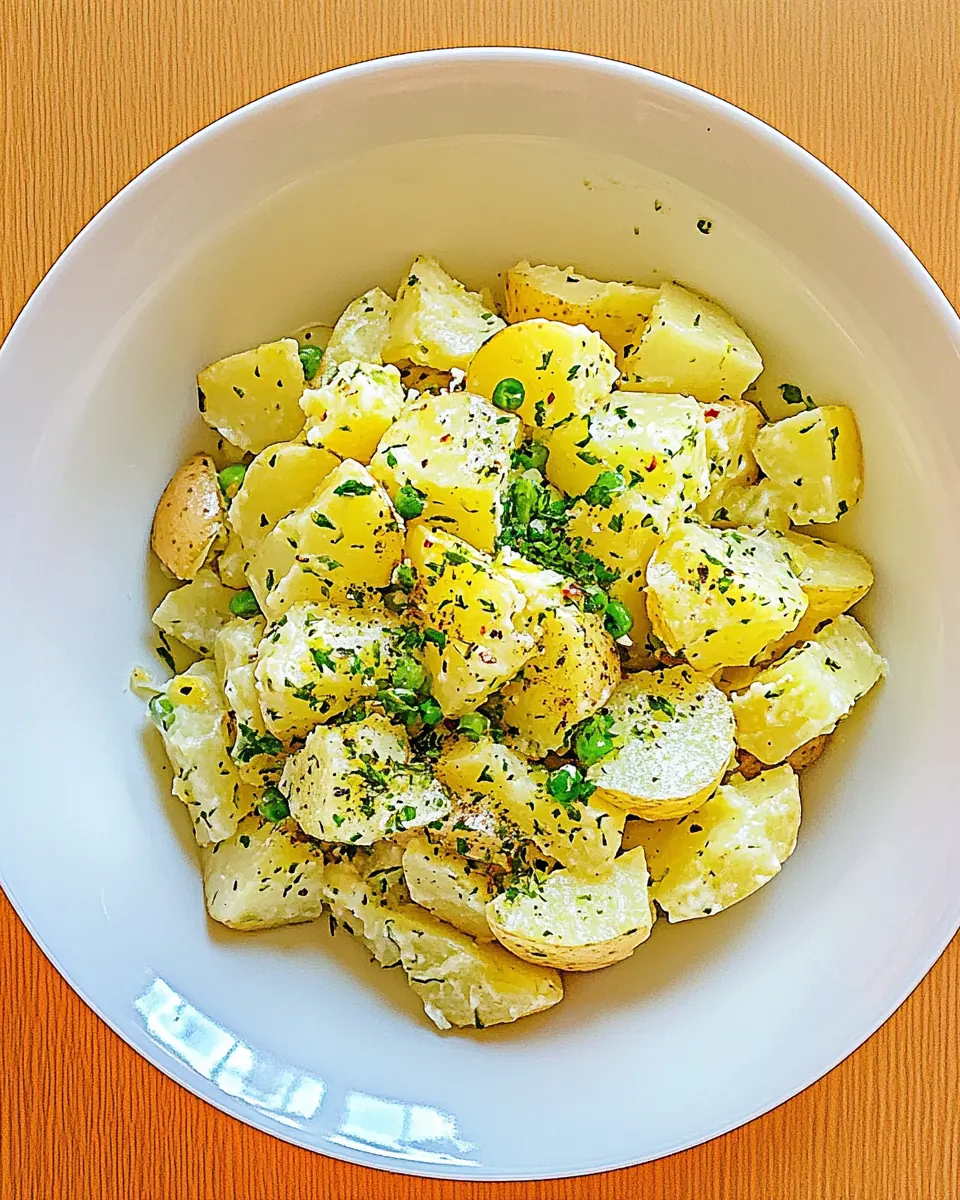
This section offers practical notes to help you refine the salad to your preference. Small adjustments in oil ratio, herb size, and resting time noticeably change the final plate, so experiment with confidence and taste frequently.
- Adjust oil to taste — If the vinegar feels too assertive, increase the olive oil slightly, adding a teaspoon at a time until the dressing feels balanced and silky.
- Chop greens appropriately — For even distribution, slice the field garlic tops and garlic mustard leaves thinly; large pieces can overpower single bites and make the texture inconsistent.
- Control potato doneness — Test a few potatoes early with a fork. They should be tender but not falling apart, which gives you the ideal texture for tossing without turning the salad into a mash.
- Make ahead strategy — You can boil the potatoes ahead of time and refrigerate them; rewarm briefly before tossing with dressing to maximize absorption and aroma.
- Dress conservatively — Start with most of the dressing, then add more if needed. Warm potatoes will soak up more, but you do not want a soggy bowl.
Serving Ideas for Warm Potato Salad
This salad works across many meals and moments. It can be the humble star of a vegetable focused supper or a bright side at a dinner gathering. Below are detailed serving ideas, pairing suggestions, and storage notes to help you serve it with intention.
- Simple weeknight plate — Serve Warm Potato Salad alongside roasted root vegetables or a simple grilled fish for a balanced, effortless dinner that feels composed without fuss.
- Casual gathering — Offer the salad in a large bowl on a buffet, letting guests help themselves. The warm temperature invites immediate eating, making it ideal for informal meals where people snack and converse.
- Seasonal occasions — This recipe suits fall menus especially well; pair it with roasted squash or braised greens to emphasize autumnal flavors and textures at family dinners.
- Ramadan and communal meals — The salad’s comforting starches and bright herbs make it a good component of an iftar spread. Serve warm to welcome guests breaking fast, and combine with other gentle, nourishing dishes.
- Storage tips — Keep leftovers in an airtight container in the refrigerator for up to two days. Rewarm gently to revive aromatics, or serve chilled for a firmer texture. Avoid freezing, as the potatoes will change texture unfavorably.
- Plating suggestions — Spoon into a shallow bowl, scatter extra torn leaves on top, and finish with a small drizzle of any reserved dressing to add sheen and freshness before serving.
FAQ
Conclusion
Warm Potato Salad stands out for its comforting texture and fresh, herbal brightness. The marriage of soft, warm potatoes with spruce tipped vinegar and verdant greens makes it versatile for casual meals or seasonal gatherings. Try it soon, and you will likely find it becoming a reliable favorite at your table. I hope you enjoy the simple rituals of boiling, tossing, and serving this salad, and that it brings the same cozy satisfaction to your meals that it does to mine.
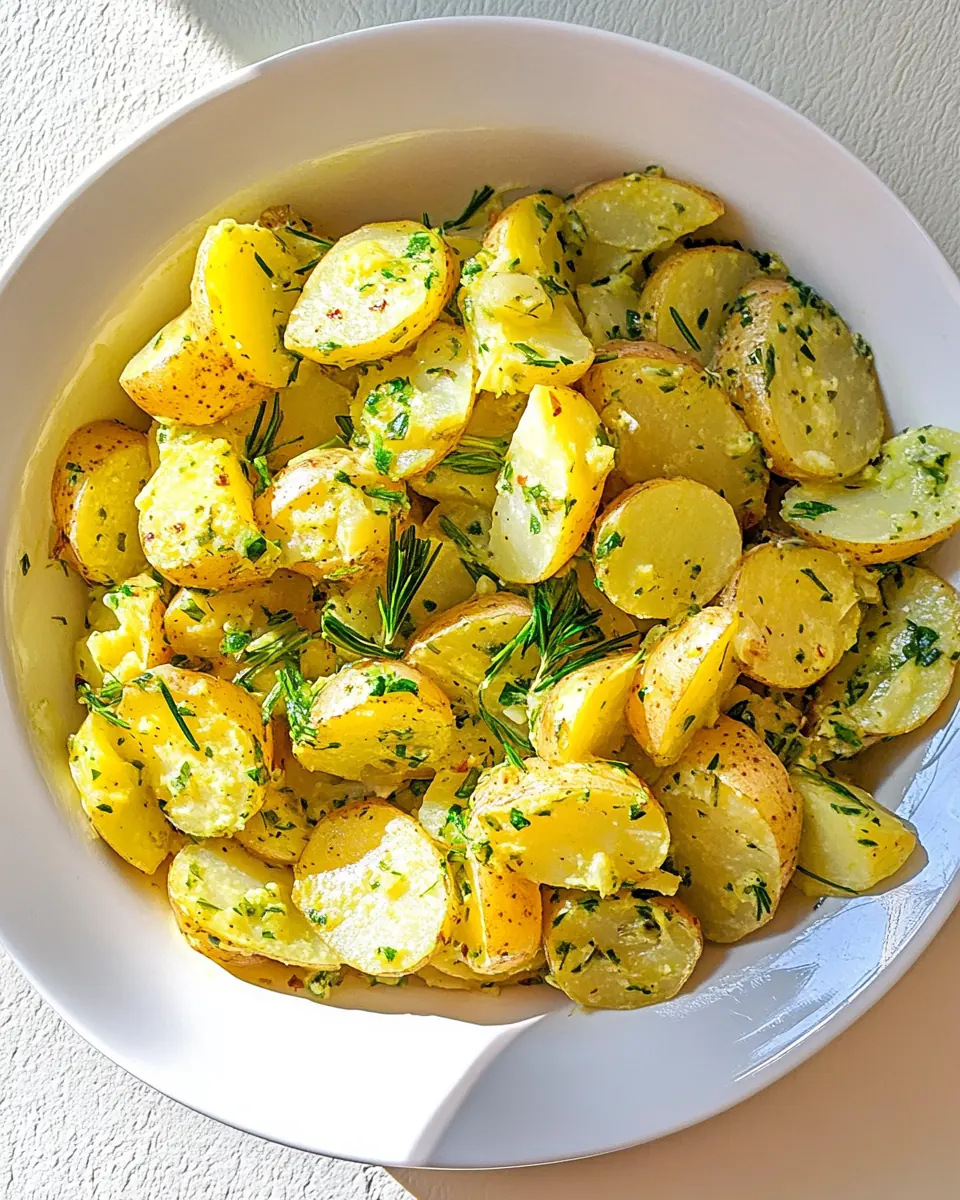
Warm Potato Salad
Ingredients
Equipment
Method
- Place potatoes in a pot of boiling water. Let them cook until fork-tender, about 20 minutes.: The sound of the water should be a steady, full boil when you add the potatoes , which helps them cook evenly. You will hear the water settle into a rolling simmer as the potatoes cook, and the skins may ripple slightly, indicating even heat penetration. The why here is even cooking from the outside in, preventing a too soft exterior and a hard center. A common mistake is adding potatoes to water that is not hot enough, which can lead to uneven texture and longer cook times. Keep the pot large enough so they have room to move, and salt the water lightly if you want seasoning from within.
- While the potatoes are boiling, mix vinegar with field garlic, garlic mustard leaves, and salt and pepper to taste in a small bowl.: You will notice a change in sound as the water calms and softens, and the aroma of the potatoes becomes gently sweeter. The flesh becomes yielding to a fork with little resistance, which is the visual and tactile cue to stop. This timing helps maintain shape while ensuring they are soft enough to accept the dressing. Overcooking leads to crumbly, mealy texture, so check a few pieces early to avoid that pitfall.
- Remove the hot potatoes with a slotted spoon, and once slightly cooled, roughly slice them.: As you assemble the dressing, the fragrance of the spruce tip infused vinegar will open and mingle with the green scents of the leaves, producing a bright, foresty perfume. Combining these ingredients while the potatoes cook lets the flavors settle and mellow slightly before meeting the warm starch. Whisking briefly emulsifies the olive oil with the vinegar, creating a velvety mouthfeel. A common error is seasoning too heavily before tasting, so start with a small pinch of salt and build from there.
- Add warm potatoes to a medium bowl and toss gently until well coated with dressing (you will have some leftover extra dressing).: As you lift each piece, the residual steam will carry the scent of the cooked potatoes and the pot liquor; set them somewhere to rest until they are cool enough to handle. The ideal texture for slicing is warm and cohesive, not piping hot or falling apart. Rough slices create surfaces for the dressing to cling to, making each bite flavorful. A typical mistake is slicing them while too hot, which can cause them to break and turn mushy, so wait for that slightly warm, manageable stage.
- Transfer your potato mixture to a serving bowl and top with herbs for serving.: The moment the warm potatoes meet the dressing, you will notice a soft hiss as heat wakes the oil and vinegar, releasing their aromas. Toss lightly so the dressing coats without crushing the pieces; maintain a delicate hand to preserve texture. The warmth helps the dressing absorb into the surface, creating a seamless flavor. If you overwork them you risk getting a paste like consistency, so gentle folding is key. Save any leftover dressing for a drizzle later, in case the salad dries out.
- Serve warm, or refrigerate for 30 minutes before serving.: When you move the salad, the visual impact of bright green leaves against golden potato slices creates appetite appeal. Scatter any remaining torn leaves on top so each portion gets a hit of fresh, peppery flavor. The contrast in temperature, with warm potatoes and cool leaves, elevates the eating experience. A common oversight is adding all greens too early, which lets them wilt excessively; reserve the final garnish for the last moment.
- Serve warm, or refrigerate for 30 minutes before serving: Serving warm emphasizes the aromatic quality of the dressing and the comforting texture of the potatoes , while a short rest in the fridge tightens flavors and offers a bright, slightly firmer bite. If you choose to chill, allow the salad to sit uncovered for a few minutes after refrigeration so aromas can breathe before plating. Avoid leaving it too long chilled or the texture will firm up and the oil may congeal, dulling the flavor.
Notes
- Adjust oil to taste — If the vinegar feels too assertive, increase the olive oil slightly, adding a teaspoon at a time until the dressing feels balanced and silky.
- Chop greens appropriately — For even distribution, slice the field garlic tops and garlic mustard leaves thinly; large pieces can overpower single bites and make the texture inconsistent.
- Control potato doneness — Test a few potatoes early with a fork. They should be tender but not falling apart, which gives you the ideal texture for tossing without turning the salad into a mash.
- Make ahead strategy — You can boil the potatoes ahead of time and refrigerate them; rewarm briefly before tossing with dressing to maximize absorption and aroma.
- Dress conservatively — Start with most of the dressing, then add more if needed. Warm potatoes will soak up more, but you do not want a soggy bowl.