Fattoush Salad
Fattoush Salad is the kind of salad I reach for when I want something crisp, bright, and a little bit cheeky on the table. The first time I tossed together this mix of chopped vegetables and crunchy pita, I was surprised at how the textures played off one another, and how a pinch of sumac could make everything sing. I remember preparing it on a sticky summer afternoon, windows open, and the citrusy scent of lemon juice turning the kitchen into a small happy place. It felt like a salad and a celebration in one bowl.
Over the years I’ve adapted the approach, but the heart of Fattoush Salad has stayed the same: fresh, chopped produce, fragrant herbs, a tangy dressing, and those irresistible crispy pita pieces. I like to think of it as a joyful assembly rather than strict cooking, which is why friends often ask for the recipe when they want something effortless yet impressive. Each forkful is a little story of crunch, herbaceousness, and citrus brightness.
When I bring Fattoush Salad to a gathering, it disappears fast. People love the contrast between the tender tomatoes and the crisp pita, and the way the dressing clings to the ingredients without weighing them down. It’s a salad that invites conversation, seconds, and relaxed company. For me, it also serves as a reminder that the simplest combinations of quality ingredients make the boldest statements.
Recipe Snapshot
25 mins
20 mins
5 mins
Easy
180 kcal
Mediterranean
Paleo, Vegan
Salads
Skillet, Mixing bowl, Whisk, Baking sheet
Why This Fattoush Salad Stands Out
Freshness in every bite
I adore how Fattoush Salad showcases raw produce. The crunchy cucumber, juicy tomatoes, and peppery radishes deliver a crisp, refreshing mouthfeel that feels tailored for warm weather. When you chop everything into small pieces, each forkful becomes balanced and lively.
Herbs that lift the whole bowl
The parsley and mint in this salad add aromatics that change the game. I always finely chop them so their oils release and mingle with the dressing, creating bright, green notes that make the salad taste much more complex than the sum of its parts.
Crisp texture contrast
Those pita pieces are the real star in my book. Whether fried in olive oil or toasted under the broiler, they provide a satisfyingly crunchy counterpoint to the tender vegetables. I love how they absorb a bit of dressing without becoming soggy when prepared right.
Simple dressing with big impact
The vinaigrette of olive oil, lemon juice, and sumac is straightforward, but it packs a punch. I appreciate recipes that trust a few quality ingredients to do the heavy lifting, and this dressing brightens, seasons, and ties the whole salad together.
Flexible and shareable
I find Fattoush Salad to be wonderfully adaptable, fitting into casual lunches, summer dinners, or as a side for a larger mezze spread. It travels well if you keep the pita separate until serving, which makes it a reliable option for picnics or potlucks.
What You Need for Fattoush Salad
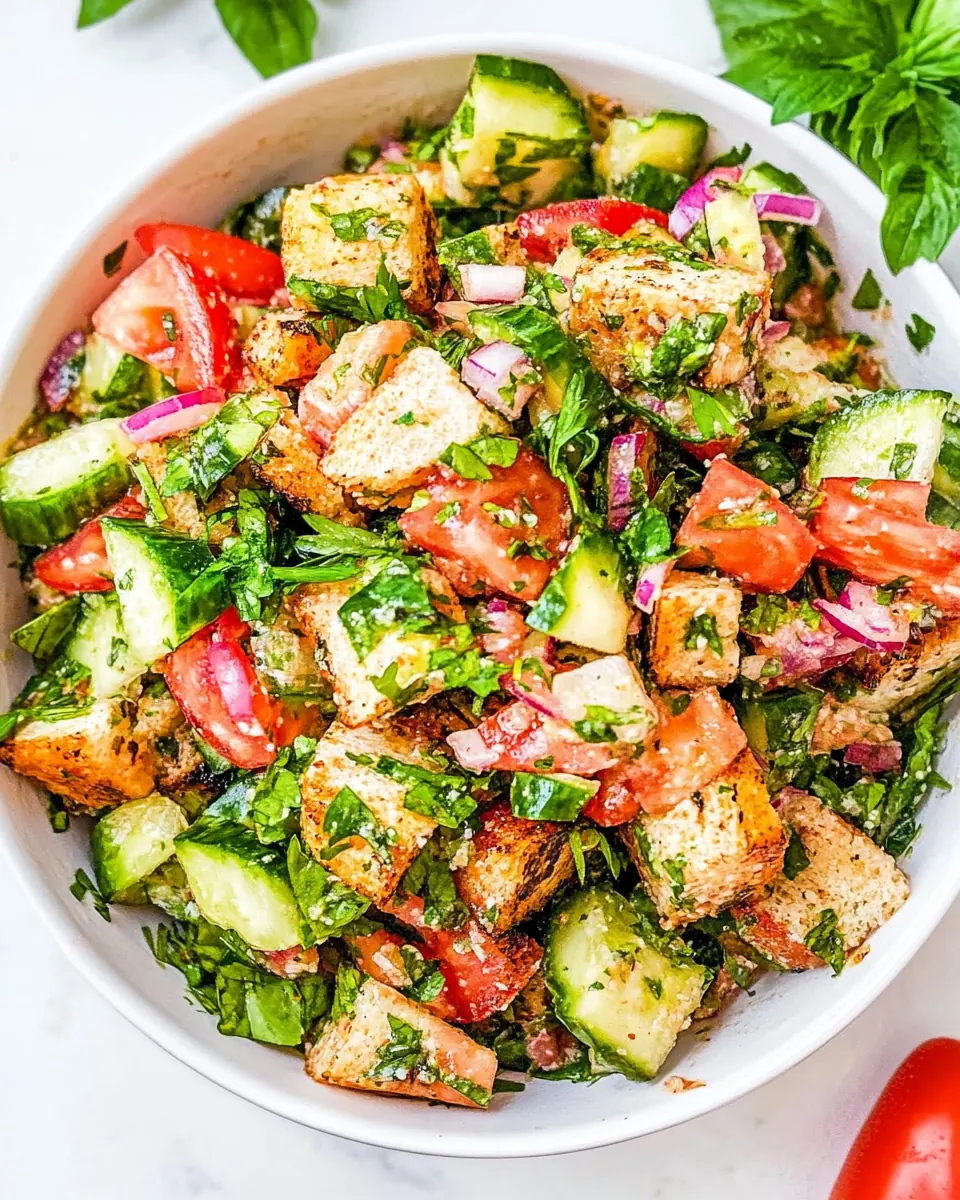
The philosophy here is simple: bright produce, lively herbs, and crunchy pita create a textural and flavor playground. Each ingredient plays a role, from the citrus tang of lemon juice to the earthy punch of sumac. When combined, they form a salad that is balanced, refreshing, and deeply satisfying without any heavy components.
- 2 pita breads (broken in small pieces): Crisp and crunchy pieces provide texture and absorb dressing; broken pita adds traditional body to the salad and offers a toasty contrast when slightly toasted or fried. Toss with other vegetables at the last minute to keep them crunchy and prevent sogginess. Adjust quantity to suit desired proportion of bread to greens.
- 1 english cucumber (chopped): Cool and watery slices add freshness and light crunch while balancing acidic flavors; chopped English cucumber contributes a mild, clean taste that complements herbs. Seed or peel if preferred for texture control. Keeps the salad refreshing and hydrating.
- 1 green bell pepper (chopped): Sweet and slightly bitter chopped pieces introduce a mild peppery crunch and vibrant color. Green bell pepper contributes structural bite and vegetal flavor that pairs well with tomatoes and herbs. Dice uniformly for even distribution throughout the salad.
- 3 medium tomatoes (chopped small): Juicy chopped tomatoes supply acidity, sweetness, and moisture that help meld the dressing with the salad components. Small dice ensures each forkful has balanced tomato presence and releases flavor without making the salad watery when mixed just before serving. Choose ripe tomatoes for best taste.
- 6 green onions (chopped): Pungent, tender slices add a mild onion sharpness and aromatic lift that enhances overall flavor complexity; green onions bring both white bite and green freshness. Chop finely to distribute flavor evenly and avoid overpowering other ingredients. Use both green and white parts for color contrast.
- 1/2 cup radishes (sliced): Peppery thin slices contribute a crisp, slightly spicy note and a pleasant crunch that brightens the salad's flavor profile. Radishes help cut through oil and mellow, tart elements while adding visual interest. Slice uniformly for consistent texture.
- 1/3 cup parsley (fresh, chopped): Bright chopped leaves deliver herbaceous, slightly bitter freshness and aromatic depth; parsley acts as a backbone herb that ties vegetables together. Chop finely to release oils and ensure even flavor spread. Adds color contrast and a clean finish.
- 2 tablespoons mint (finely chopped): Fragrant finely chopped leaves provide a cool, aromatic lift and a refreshing herbal note; mint enhances brightness and contrasts the sumac's tartness. Chop very small to avoid large mint bites that might overpower other herbs. Use fresh mint for best aromatic impact.
- 1/4 cup olive oil: Smooth oil provides richness, mouthfeel, and helps carry and meld flavors throughout the salad; olive oil is key for emulsifying the lemon juice and spices. Drizzle gradually while tossing to coat ingredients evenly and avoid making bread too soggy. Use good-quality extra virgin olive oil for optimal flavor.
- 1/4 cup lemon juice: Tangy acidic liquid brightens the salad, balances the olive oil, and brings a citrusy zip that complements vegetables and sumac. Lemon juice helps tenderize and slightly macerate ingredients, enhancing overall freshness. Adjust amount to taste for acidity level.
- 1/4 teaspoons salt (or to taste): Subtle seasoning crystals enhance and bring out inherent flavors without overpowering; salt balances acidity and sweetness in the salad. Sprinkle gradually and taste as you mix to prevent oversalting. Can be adjusted to dietary preferences.
- 1/2 teaspoon pepper (or to taste): Warm ground spice adds mild heat and a peppery finish that frames other flavors; black pepper provides subtle complexity and seasoning. Grind fresh for brighter aromatics and sprinkle sparingly to taste. Balances well with salt and lemon.
- 1 tablespoon sumac: Tart, lemony spice provides a distinctive tang and aromatic citrusy berry notes that define traditional fattoush flavor. Sumac brightens the salad and can be sprinkled over the finished dish for color and a pronounced sour element. Use as a finishing spice to preserve its vibrant taste.
How to Make Fattoush Salad
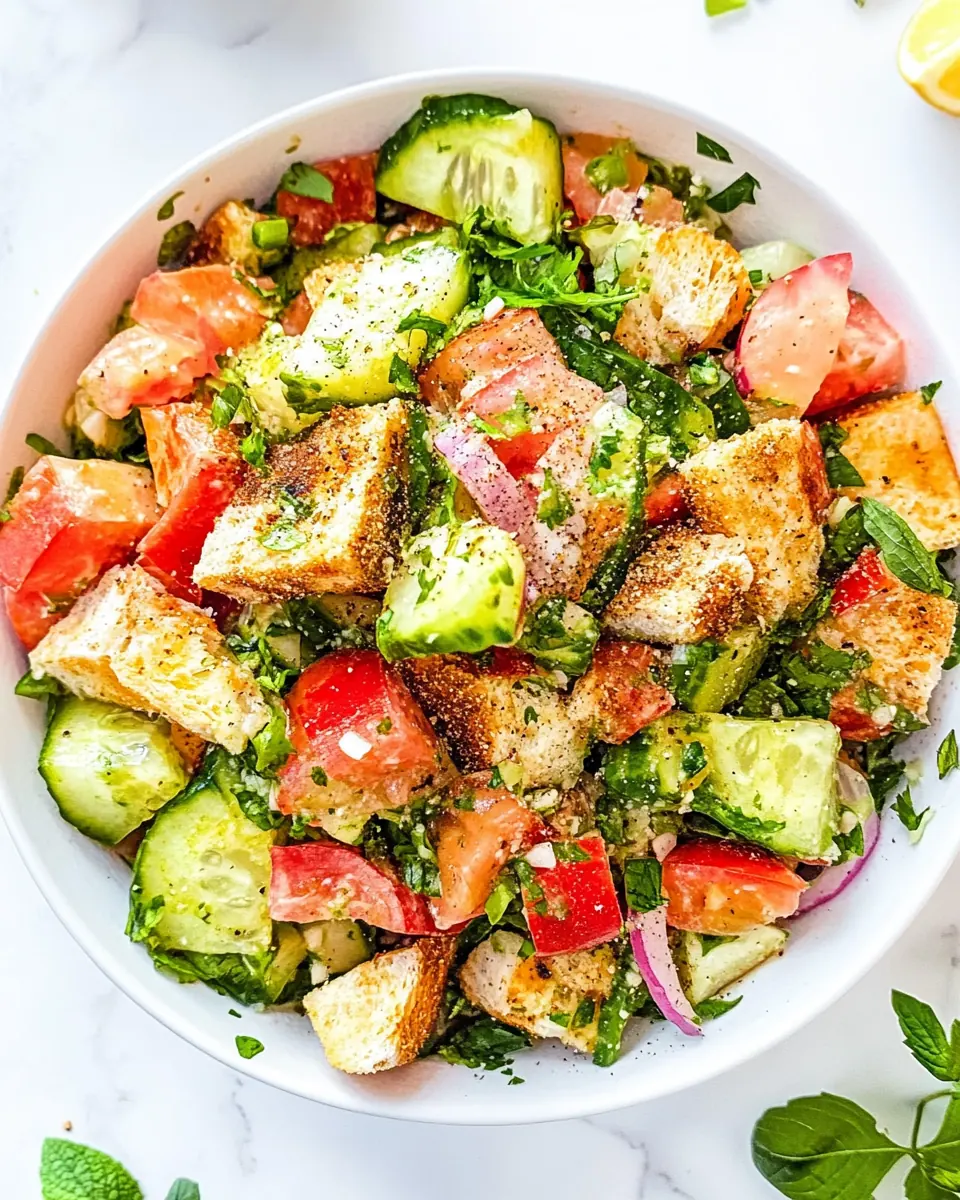
I find the process of making Fattoush Salad to be meditative and quick. The steps are straightforward, but paying attention to texture and timing makes the difference between good and unforgettable. Below, I expand each direction into multi sentence guidance so you know what to watch for at every moment.
- Break the pita bread into small pieces and fry them in some olive oil on the stove top. Take them out as soon as they are golden brown and crispy. Alternatively you can toss them with olive oil, salt, pepper, sumac and place them under the broiler for a couple minutes until crispy.: The sound of olive oil shimmering in the pan is your cue to add the pita pieces, which should sizzle gently as they hit the hot surface; this sizzling releases a toasted aroma that signals crisping, and you want to watch closely until the edges turn a warm golden brown. As they cook, they will puff and brown unevenly, so stir frequently to get uniform color and prevent any burnt spots, which would introduce bitterness. A common mistake is using too much oil, which makes the pita greasy, so use just enough to coat the pan and keep the heat moderate so the pieces crisp through without browning too fast on the outside. Remove them as soon as they are golden and drain on paper towels to retain crunch. The visual cue is a deepening golden color and a pronounced crunch when you tap a piece with a fork.
- Chop up your veggies into small cubes and add to a large bowl. Chop the herbs finely and add this to the same bowl.: Under the broiler, the pita will crisp quickly, often within a few minutes, and you will see them bubble and darken at the edges, which is the sign to pull them out, so stay nearby to avoid char. Tossing with olive oil , salt , pepper , and sumac before broiling helps the spices adhere and bloom in the heat, creating a layered flavor on the surface. The danger here is leaving them too long, which can turn them bitter, so set a short timer and check often, flipping pieces if necessary for even color. After broiling, let them cool completely so they stay crisp when mixed into the salad.
- In a small bowl whisk the olive oil, lemon juice, salt, pepper, and sumac together till thick.: The texture of the salad depends on uniform chopping, which means the cucumber , green bell pepper , and tomatoes should be cut to similar sizes so every bite contains balance and contrast, giving a pleasing mouthfeel. Small cubes allow the dressing to coat more surface area and help the flavors marry quickly. Avoid chopping too large, which can cause one ingredient to dominate the bite, or too small, which can make the salad mushy. When chopping, pay attention to the tomatoes releasing some juice, which you want but not in excess, so choose tomatoes that are ripe yet firm. Toss them gently in the bowl to combine, noticing the fresh scents that rise as the pieces mingle.
- Toss together the dressing, salad and pita chips. Serve up!: Finely chopping the parsley and mint releases their essential oils, filling the bowl with herbaceous fragrance that ties the salad together, and the small pieces distribute more evenly than large sprigs. Use a rocking motion with your knife to get a clean mince and avoid bruising too aggressively, which can turn herbs bitter. A typical pitfall is adding whole leaves, which creates uneven pockets of flavor; the goal is subtle bursts of herb with every forkful. Add them to the bowl last among the raw produce so they remain bright and vivid in color.
- In a small bowl whisk the olive oil, lemon juice, salt, pepper, and sumac together till thick: Whisking creates an emulsion where the olive oil and lemon juice bind, resulting in a dressing that clings to the vegetables rather than pooling at the bottom, and you should notice a glossy, slightly thickened texture. The aroma will lift as the sumac releases its tart, berry like notes, which is a key sensory moment for the dressing; taste and adjust the seasoning gently. Avoid adding all the salt at once, because the pita chips will also carry seasoning; under seasoning is easier to correct than over salting. The dressing should smell bright and slightly acidic when ready.
- Toss together the dressing, salad and pita chips: When combining, the first sensory cue is the bright citrus scent followed by the earthy sumac aroma as everything mingles; use gentle folding motions to coat vegetables and pita without crushing them. The pita should absorb a little dressing and remain crunchy if it was cooled properly before tossing; if you add warm pita, it will soften quickly, so only combine when the pita is cool for lasting texture. A common error is overdressing, which leaves the salad soggy, so start with most of the dressing, toss, then add more sparingly to taste. Serve immediately so the textures are at their peak, and listen for that satisfying crisp as a sign of success.
Tips and Tricks about Fattoush Salad
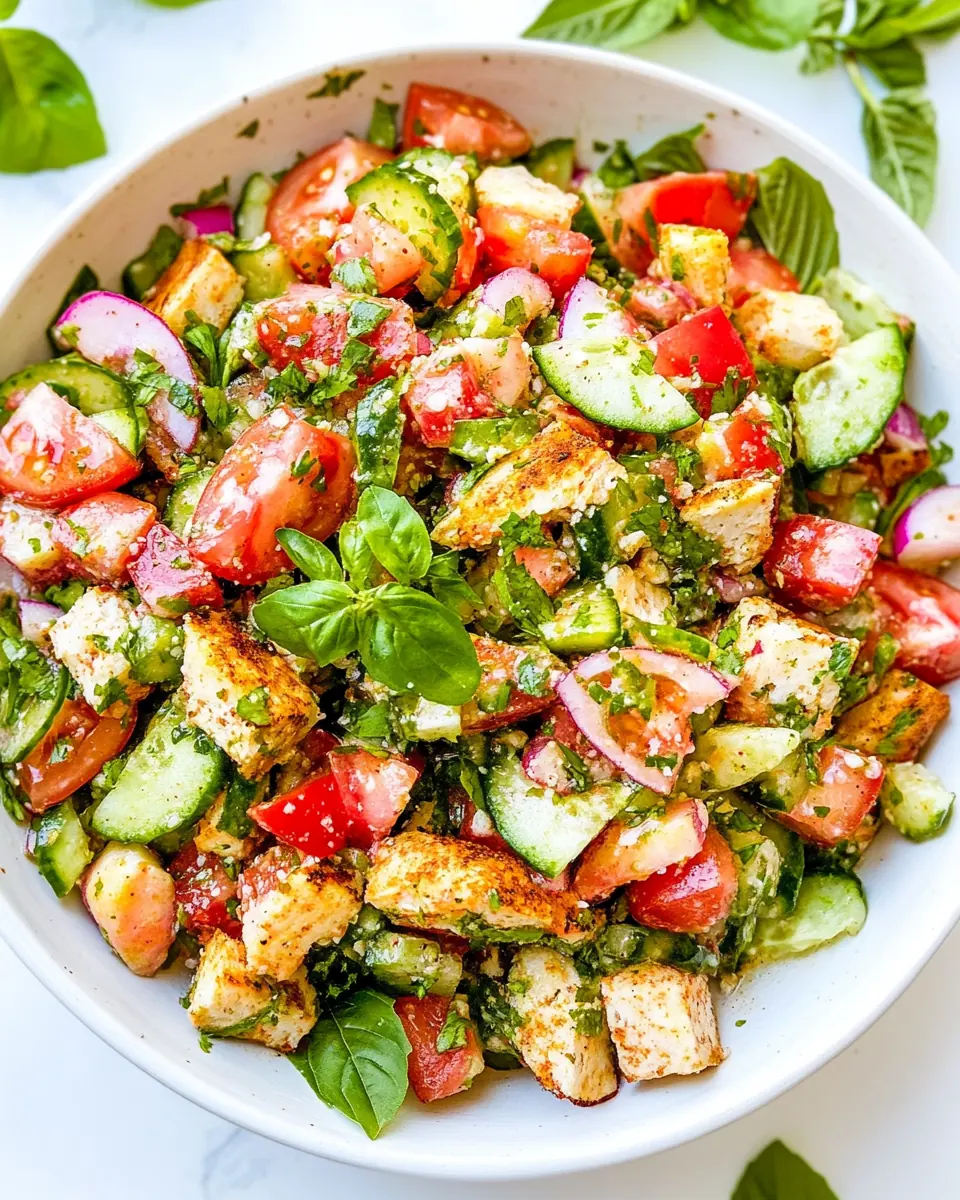
I like to think of these tips as little chef shortcuts and reminders that lift the salad from good to memorable. Below are expanded, practical points based on experience, each starting with a bold phrase to catch your eye.
- Storage tip:
Store undressed vegetables in an airtight container in the fridge for up to two days, keeping the pita chips separate at room temperature to preserve crunch; when ready to serve, toss everything together so the textures are at their best.
- Sumac substitute note:
If you do not have sumac, a touch of extra lemon juice or a little lemon zest can approximate the tartness, though the unique floral quality of sumac is worth seeking out for authenticity.
- Quick pita shortcut:
When pressed for time, high quality store bought pita chips work well; however, I still recommend warming them slightly before serving to refresh their crunch and help the spices bloom.
- Make it a meal:
To transform the salad into a full meal, consider adding a protein like grilled chicken or crispy chickpeas just before serving, keeping in mind not to add those extras into the main bowl if you want to maintain the original vegetarian profile.
- Pomegranate molasses finish:
A light drizzle of pomegranate molasses adds a sweet tart glaze that pairs exquisitely with sumac and lemon juice, but use sparingly so it enhances rather than overwhelms the fresh flavors.
What to Serve Alongside Fattoush Salad
Fattoush Salad plays well with a variety of sides and occasions. Its bright acidity and crunchy textures make it an ideal companion for lighter mains or a lively mezze spread. Below are thoughtful pairings and serving ideas to help plan a full meal or seasonal menu.
- Classic mezze plate: Serve the salad alongside hummus, baba ganoush, and warm pita for a shared platter that emphasizes Mediterranean flavors and textures.
- Summer lunch: Pair with grilled vegetables or a chilled lentil salad for a refreshing, plant forward midday meal that keeps things light but satisfying.
- Casual dinner: Place the salad next to roasted fish or lemony grilled chicken for a balanced dinner where the citrus notes of the salad echo the proteins.
- Ramadan iftar: Its bright flavors and hydrating veggies make it a gentle way to break a fast, especially when offered with dates and a simple soup beforehand.
- Picnic friendly: Pack the salad components separately, keeping the pita chips in their own container; assemble just before eating so the pita stays crisp and enjoyable.
- Seasonal pairings: In summer, serve with tomato forward dishes and fresh herbs; in spring, highlight the mint with lighter grilled fare to harmonize with seasonal produce.
- Storage tips: Keep the salad undressed in the fridge for up to two days, and store pita chips at room temperature in an airtight container; assemble only when ready to eat to preserve texture.
- Occasion ideas: Works beautifully for casual backyard gatherings, weekend lunches, or as part of a buffet where guests can help themselves to crisp, fresh bites.
FAQ
Conclusion
Fattoush Salad stands out because of its irresistible contrast between fresh vegetables, fragrant herbs, and crunchy pita chips. Try it soon, you will love how the tangy dressing and sumac lift every bite into something lively and unexpectedly complex. It’s an easy, adaptable dish that suits casual family meals, gatherings, and warm weather menus, and once you make it, you’ll find yourself reaching for it again and again.
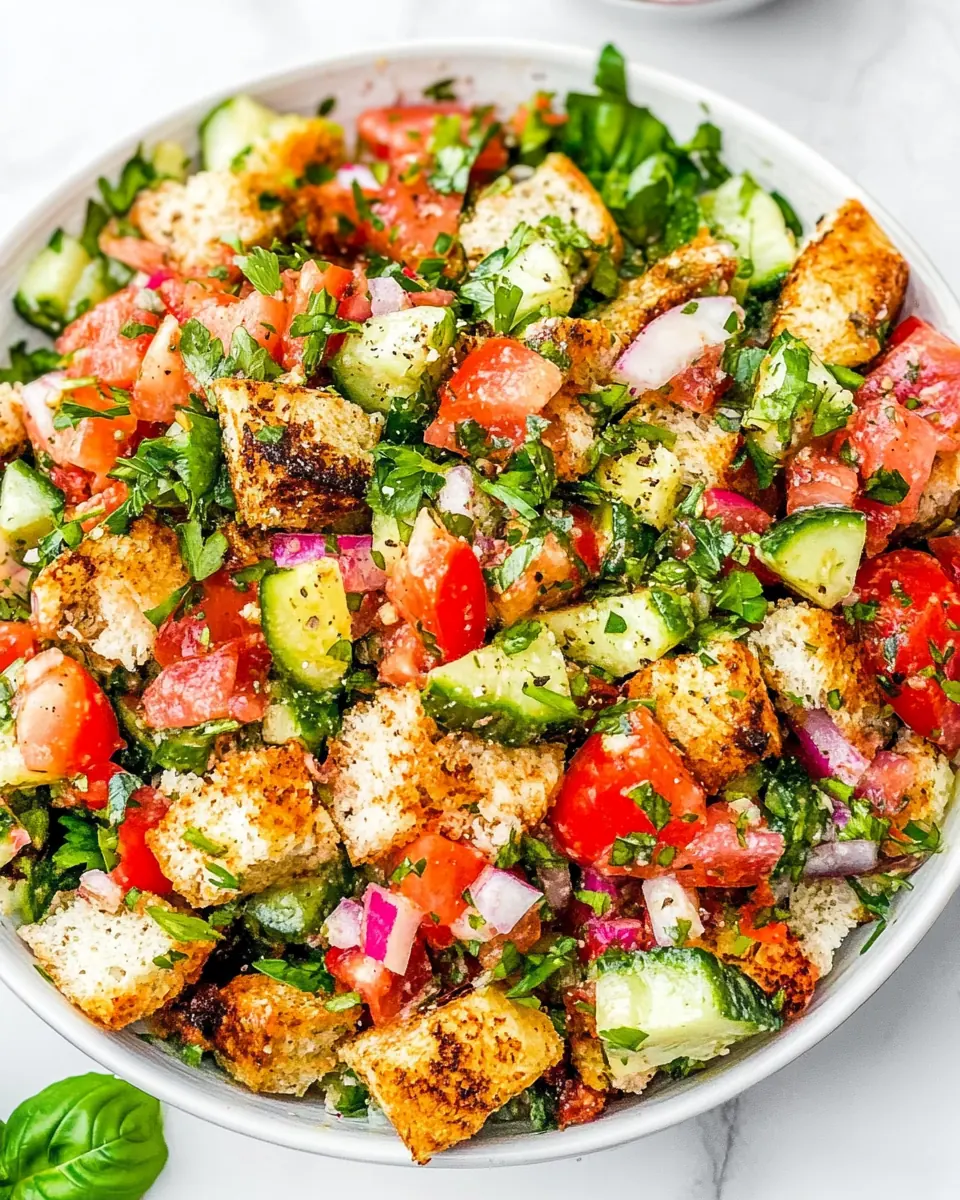
Fattoush Salad
Ingredients
Equipment
Method
- Break the pita bread into small pieces and fry them in some olive oil on the stove top. Take them out as soon as they are golden brown and crispy. Alternatively you can toss them with olive oil, salt, pepper, sumac and place them under the broiler for a couple minutes until crispy.: The sound of olive oil shimmering in the pan is your cue to add the pita pieces, which should sizzle gently as they hit the hot surface; this sizzling releases a toasted aroma that signals crisping, and you want to watch closely until the edges turn a warm golden brown. As they cook, they will puff and brown unevenly, so stir frequently to get uniform color and prevent any burnt spots, which would introduce bitterness. A common mistake is using too much oil, which makes the pita greasy, so use just enough to coat the pan and keep the heat moderate so the pieces crisp through without browning too fast on the outside. Remove them as soon as they are golden and drain on paper towels to retain crunch. The visual cue is a deepening golden color and a pronounced crunch when you tap a piece with a fork.
- Chop up your veggies into small cubes and add to a large bowl. Chop the herbs finely and add this to the same bowl.: Under the broiler, the pita will crisp quickly, often within a few minutes, and you will see them bubble and darken at the edges, which is the sign to pull them out, so stay nearby to avoid char. Tossing with olive oil , salt , pepper , and sumac before broiling helps the spices adhere and bloom in the heat, creating a layered flavor on the surface. The danger here is leaving them too long, which can turn them bitter, so set a short timer and check often, flipping pieces if necessary for even color. After broiling, let them cool completely so they stay crisp when mixed into the salad.
- In a small bowl whisk the olive oil, lemon juice, salt, pepper, and sumac together till thick.: The texture of the salad depends on uniform chopping, which means the cucumber , green bell pepper , and tomatoes should be cut to similar sizes so every bite contains balance and contrast, giving a pleasing mouthfeel. Small cubes allow the dressing to coat more surface area and help the flavors marry quickly. Avoid chopping too large, which can cause one ingredient to dominate the bite, or too small, which can make the salad mushy. When chopping, pay attention to the tomatoes releasing some juice, which you want but not in excess, so choose tomatoes that are ripe yet firm. Toss them gently in the bowl to combine, noticing the fresh scents that rise as the pieces mingle.
- Toss together the dressing, salad and pita chips. Serve up!: Finely chopping the parsley and mint releases their essential oils, filling the bowl with herbaceous fragrance that ties the salad together, and the small pieces distribute more evenly than large sprigs. Use a rocking motion with your knife to get a clean mince and avoid bruising too aggressively, which can turn herbs bitter. A typical pitfall is adding whole leaves, which creates uneven pockets of flavor; the goal is subtle bursts of herb with every forkful. Add them to the bowl last among the raw produce so they remain bright and vivid in color.
- In a small bowl whisk the olive oil, lemon juice, salt, pepper, and sumac together till thick: Whisking creates an emulsion where the olive oil and lemon juice bind, resulting in a dressing that clings to the vegetables rather than pooling at the bottom, and you should notice a glossy, slightly thickened texture. The aroma will lift as the sumac releases its tart, berry like notes, which is a key sensory moment for the dressing; taste and adjust the seasoning gently. Avoid adding all the salt at once, because the pita chips will also carry seasoning; under seasoning is easier to correct than over salting. The dressing should smell bright and slightly acidic when ready.
- Toss together the dressing, salad and pita chips: When combining, the first sensory cue is the bright citrus scent followed by the earthy sumac aroma as everything mingles; use gentle folding motions to coat vegetables and pita without crushing them. The pita should absorb a little dressing and remain crunchy if it was cooled properly before tossing; if you add warm pita, it will soften quickly, so only combine when the pita is cool for lasting texture. A common error is overdressing, which leaves the salad soggy, so start with most of the dressing, toss, then add more sparingly to taste. Serve immediately so the textures are at their peak, and listen for that satisfying crisp as a sign of success.
Notes
- Storage tip: Store undressed vegetables in an airtight container in the fridge for up to two days, keeping the pita chips separate at room temperature to preserve crunch; when ready to serve, toss everything together so the textures are at their best.
- Sumac substitute note: If you do not have sumac, a touch of extra lemon juice or a little lemon zest can approximate the tartness, though the unique floral quality of sumac is worth seeking out for authenticity.
- Quick pita shortcut: When pressed for time, high quality store bought pita chips work well; however, I still recommend warming them slightly before serving to refresh their crunch and help the spices bloom.
- Make it a meal: To transform the salad into a full meal, consider adding a protein like grilled chicken or crispy chickpeas just before serving, keeping in mind not to add those extras into the main bowl if you want to maintain the original vegetarian profile.
- Pomegranate molasses finish: A light drizzle of pomegranate molasses adds a sweet tart glaze that pairs exquisitely with sumac and lemon juice, but use sparingly so it enhances rather than overwhelms the fresh flavors.