Easter Fudge Lamb
Easter Fudge Lamb always takes me back to the small kitchen in my grandmother’s house where the air smelled like caramel and chocolate, and everyone hovered around the stove offering opinions as if their lives depended on it. I remember the first time I tried to make one, hands sticky, patience thin, and a neighbor popping in to sample a spoonful, declaring it “just right” with the kind of authority only aunties seem to possess. That moment stuck with me, and over the years I refined the process until the texture and flavor hit the memory sweet spot.
Making Easter Fudge Lamb became less about following a strict formula, and more about learning small signals: the tune of boiling sugar, the sheen on melted chocolate, and how a whisper of vanilla can tie everything together. I like to have a quiet hour, a sturdy saucepan, and the patience to stir steadily while listening to old records or chatting with family. These are the rituals that turn simple ingredients into something that feels like a celebration.
Recipe Snapshot
25 mins
15 mins
10 mins
Easy
250 kcal
American
Gluten-Free, Low FODMAP
Desserts
Heavy saucepan, Candy thermometer, Greased mold, Wooden spoon
Why This Easter Fudge Lamb Works
Simple nostalgic ritual
I love how Easter Fudge Lamb is more than a sweet, it’s a tradition. When I make it, I feel connected to holidays past, because the method is comforting and the final result is instantly familiar. The process invites conversation and hands on assistance, which is why I often rope in a niece or neighbor to help stir and taste.
Textures that sing
This recipe delivers a creamy, slightly firm fudge that holds its shape in a mold, yet melts pleasantly on the tongue. I appreciate that balance, since it makes the candy both sturdy and indulgent. The combination of melted semi-sweet chocolate chips and marshmallow creme creates a glossy, tender interior that feels luxurious without being heavy.
Accessible ingredients
One reason I keep coming back to Easter Fudge Lamb is its simplicity. The ingredient list reads like pantry staples, so you can pull this together on short notice. I like to mention this because sometimes the best holiday treats are the ones you can make without a long supermarket run.
Great for gifting and display
Using a mold to make a lamb gives the fudge a charming presentation that works beautifully for gift boxes or a festive dessert table. I like to finish my pieces slightly chilled, so they slice cleanly and look professional, even when I know the flavor is what really wins people over.
Technique driven results
The magic here is all about timing and steady stirring. I enjoy teaching friends how to notice the right moment when boiling sugar shifts to the perfect stage. Once you know the telltale signs, you’ll get consistent, excellent fudge every time.
Essential Ingredients for Easter Fudge Lamb
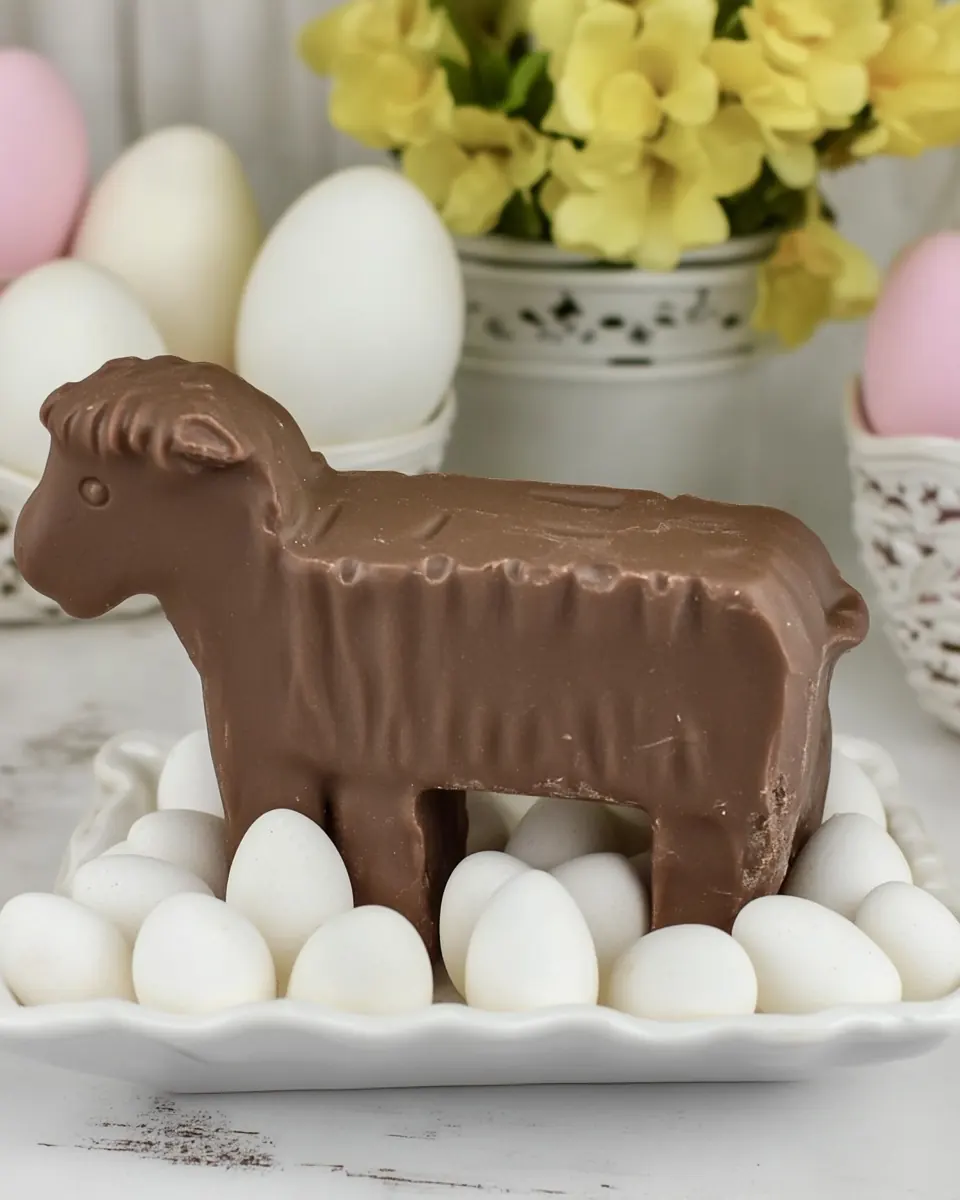
These ingredients are the backbone of a classic molded candy. They work together to build body, shine, and that luscious bite you expect from good fudge. The sugar and butter form a sweet, rich base, the evaporated milk provides creaminess without watering things down, the semi-sweet chocolate chips add depth and cocoa flavor, the marshmallow creme lends a smooth, tender texture, and a touch of vanilla brightens the overall profile.
- 3 cups sugar: Sweeten the fudge base and provide structure during boiling; sugar helps achieve the correct texture and glossy finish when cooked to the soft-ball stage. Dissolve fully while heating to prevent graininess, and monitor temperature carefully for consistent results.
- 3/4 cup butter: Creamy and rich fat that adds smoothness and helps set the fudge; butter contributes flavor and a silky mouthfeel. Add during heating to enrich the mixture and encourage proper crystallization for a tender bite.
- 2/3 cup evaporated milk: Concentrated milk that supplies moisture, milk solids, and a bit of caramelized flavor when heated; evaporated milk controls the liquid-to-solids ratio for a dense, fudgy consistency. Stir evenly while cooking to prevent scorching and to ensure an even, creamy texture.
- 2 cups (1 12-ounce bag) semi-sweet chocolate chips: Provide the primary chocolate flavor and thickening properties; semi–sweet chips melt into a cohesive chocolate matrix that defines the fudge. Use quality chips for balanced sweetness and smooth texture, ensuring they are fully melted before adding other mix-ins.
- 1 7-ounce jar marshmallow creme: Add lightness, sweetness, and a marshmallowy texture contrast; marshmallow creme contributes chewiness and helps produce a glossy, pliable fudge surface. Fold in near the end of cooking to retain its texture and to incorporate airy pockets throughout.
- 1 teaspoon vanilla: Enhance and round out flavors with a warm, sweet aroma; vanilla deepens the chocolate profile and balances sweetness. Add after removal from heat to preserve its volatile aromatic compounds for maximum flavor impact.
Preparation Steps for Easter Fudge Lamb
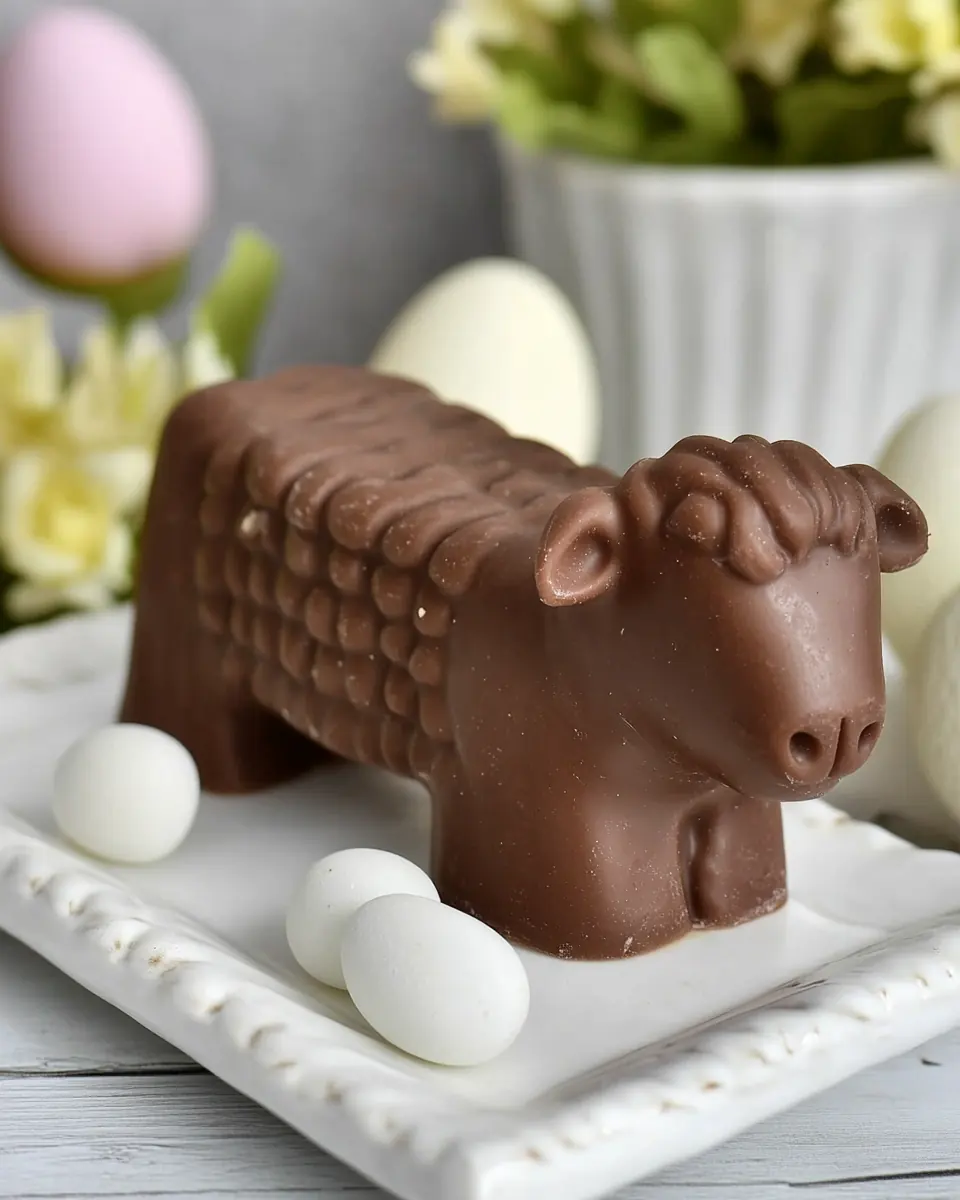
This recipe is straightforward but rewards attention. I like to gather all ingredients and tools before I start so I can focus on the pot and the sensory cues that matter. Below, each step includes the sensory signals I watch for, why it matters, and one troubleshooting tip to avoid common pitfalls.
- Combine sugar, butter, and milk in a heavy saucepan.: You'll notice the grains of sugar glinting as they meet the softened butter and the pale, dense sheen of evaporated milk . Use a heavy saucepan to ensure even heat distribution, the mixture will begin to dissolve and steam gently, releasing a sweet, faintly caramel aroma. The 'why' is straightforward, even heat prevents scorching and creates a homogeneous base. If the pan is too light, you may get hot spots that burn the sugar, so stir patiently until the sugar looks mostly dissolved and the liquid appears unified.
- Bring to a boil stirring constantly. Continue boiling for about 5 minutes over medium heat, stirring until the candy thermometer reaches 234º.: At first the mixture will bubble slowly, then move to a rolling boil where the sound becomes steady and the steam intensifies. The color deepens slightly, and you will smell a toffee like note as the sugars concentrate. Hitting 234º is critical for the final set; it ensures the fudge will firm but stay tender. Stirring constantly prevents crystals from forming and keeps the temperature even. One mistake is letting the boil go unattended, which can rapidly push the temperature past target and make the candy grainy, so stay close and use a reliable candy thermometer.
- Remove from heat, stir in chocolate till melted.: Once off the flame, the saucepan will stop bubbling and the surface will calm, releasing a warm, cocoa forward scent. Adding the semi–sweet chocolate chips to the hot base harnesses residual heat to melt them slowly, producing a glossy emulsion. The reason this matters is that melted chocolate binds with the sugar mixture for smoothness and shine. A common error is adding chocolate to a pan that is still too hot, which can break the emulsion and result in grainy or oily texture, so give the pan a brief moment off heat before stirring in the chips.
- Add marshmallow crème and vanilla and mix till completely combined.: When you scoop in the marshmallow creme , you'll see a fluffy cloud folding into the darker chocolate, lightening the texture and scent. The mixture becomes silkier and slightly lofted, with vanilla brightening the aroma. This step softens the final bite and ensures the fudge remains tender rather than overly firm. Overworking here can whip in air and change the mouthfeel, so fold gently until the mixture looks uniform and glossy.
- To make a Fudge Lamb, pour into a greased mold. Allow to cool upside down.: Pouring is where the texture and appearance come together, you should notice a thick, glossy ribbon as the mixture leaves the spoon and pools into the mold, settling with a satin sheen. Greasing the mold ensures clean release; a light coating yields edges that look neat and professional. If you pour while the mixture is too hot, it may shrink excessively as it cools or warp delicate molds, so aim for warm but pourable consistency.
- Allow to cool upside down: Cooling upside down gives the surface a glossy tension and helps the lamb release cleanly once set, especially in molds with fine details. As it cools you will feel the temperature drop and the candy will firm, forming a pleasant bite but still slightly yielding to the tooth. Cooling too quickly in a cold environment can lead to surface bloom or minor cracking, so bring it to room temperature first before chilling if you want a firmer set. Patience here rewards you with a smooth exterior and perfect slices.
Making Adjustments
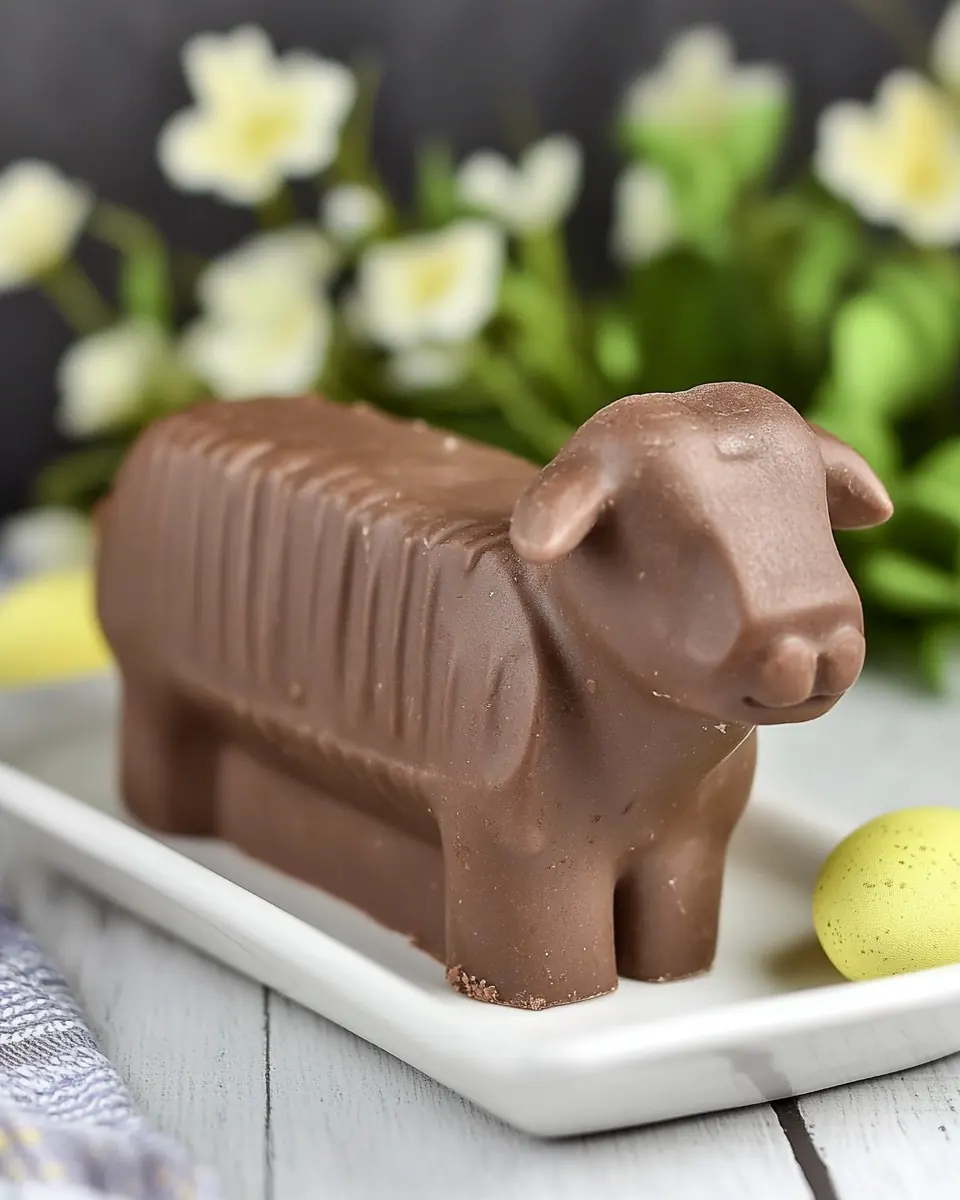
I like to offer practical swaps and tips so you can make this recipe your own while keeping its spirit intact. Below are focused adjustments and techniques that preserve texture and flavor, expanded into detailed, actionable bullets to help you succeed.
- Control sweetness, if you prefer slightly less sweet fudge, you can experiment by using a higher cocoa content in the semi-sweet chocolate chips, which adds depth without changing technique. Be mindful that darker chocolate can make the final product firmer, so monitor the set closely.
- Butter temperature, start with room temperature butter to encourage a smooth emulsion when combined with the hot sugar mixture; cold butter can create small lumps that take longer to incorporate.
- Evaporated milk choice, full fat evaporated milk yields a creamier mouthfeel, while lower fat options will make the fudge a touch firmer; adjust your expectations around texture accordingly.
- Chocolate melting, to avoid seizing when melting the semi-sweet chocolate chips, remove the pan from heat and stir patiently using residual warmth, adding the chips in small batches for even melting.
- Mold release, lightly grease molds with a thin film of butter or neutral oil for clean edges, and allow the candy to fully cool before unmolding to preserve detail and sheen.
- Storage, store finished pieces in an airtight container at cool room temperature for up to two weeks, layering with parchment to prevent sticking and preserve texture.
Pairing Suggestions for Easter Fudge Lamb
This candy is inherently festive and works well as a centerpiece dessert or packaged gift. Below are ways to serve and pair the fudge for different occasions and storage guidance to keep it tasting fresh.
- Gift boxes, arrange slices of the molded lamb in small gift boxes lined with parchment for holidays like Easter, the presentation is charming and easy to transport for gatherings.
- Dessert table, place the molded lamb alongside simple cookies and fresh fruit so guests can sample small bites after a meal, the rich fudge pairs well with tart berries to balance sweetness.
- Occasion suggestion, serve this at family brunches or afternoon tea where the candy can be a nostalgic treat and a conversation starter, the molded shape adds seasonal flair without extra effort.
- Storage tip, keep the fudge in an airtight container at cool room temperature or slightly cooler, avoid direct sunlight, and separate layers with parchment to prevent sticking and preserve texture for days.
- Portioning, slice the molded lamb into modest pieces so the richness doesn’t overwhelm, guests will appreciate a small, elegant bite rather than a large, cloying portion.
- Seasonal pairing, this works beautifully in spring gatherings where floral table settings and light salads complement the dense, chocolate forward treat.
- Presentation, serve on a simple white platter or nestle the lamb among greenery for a festive look that lets the glossy chocolate surface take center stage.
FAQ
Conclusion
Easter Fudge Lamb is special because it blends simple pantry ingredients into a glossy, tender molded candy that feels celebratory and nostalgic. I encourage you to give this recipe a try, take your time with the boiling and stirring, and enjoy the process as much as the final result. This is a treat that invites sharing, memory making, and small moments of pride when you see the finished lamb on the table.
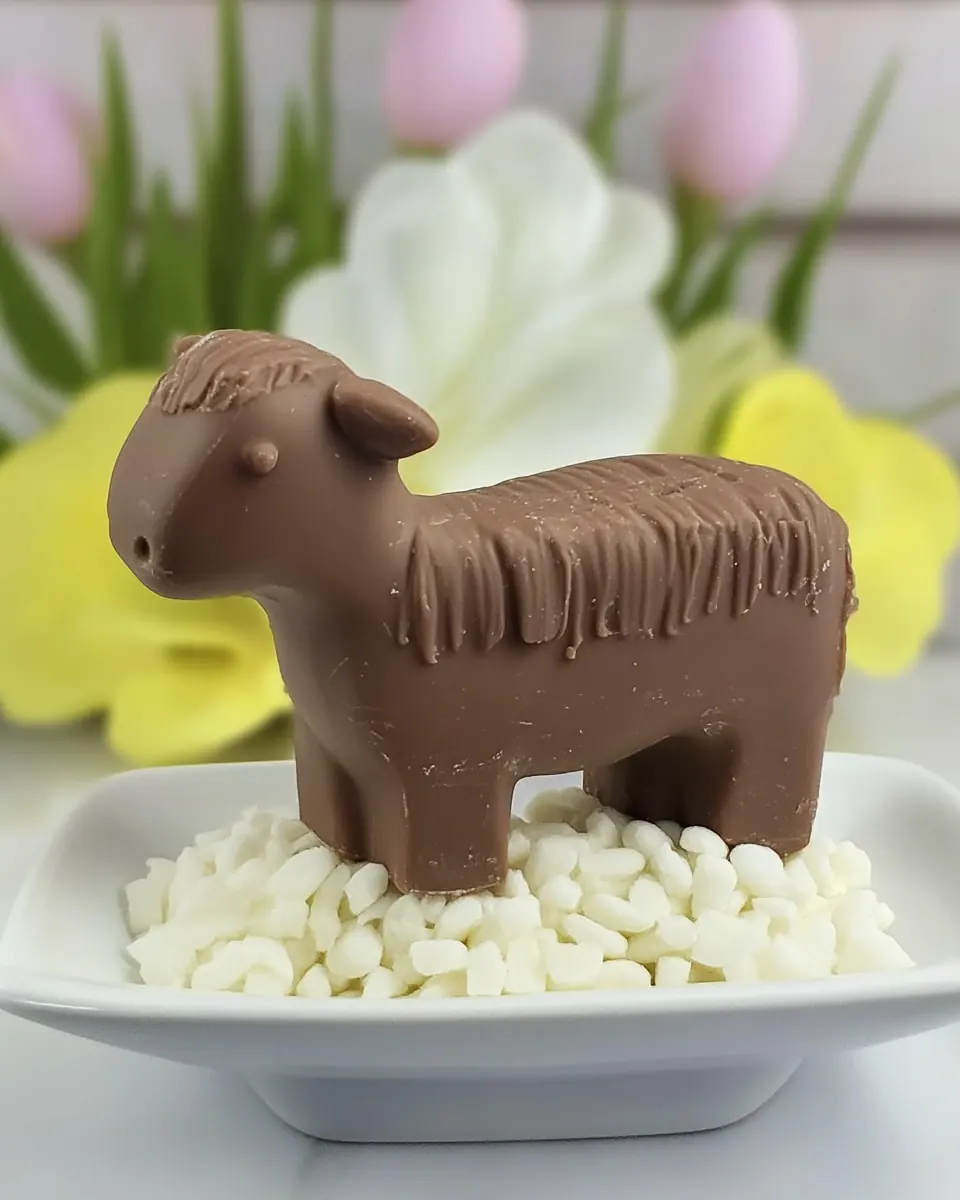
Easter Fudge Lamb
Ingredients
Equipment
Method
- Combine sugar, butter, and milk in a heavy saucepan.: You'll notice the grains of sugar glinting as they meet the softened butter and the pale, dense sheen of evaporated milk . Use a heavy saucepan to ensure even heat distribution, the mixture will begin to dissolve and steam gently, releasing a sweet, faintly caramel aroma. The 'why' is straightforward, even heat prevents scorching and creates a homogeneous base. If the pan is too light, you may get hot spots that burn the sugar, so stir patiently until the sugar looks mostly dissolved and the liquid appears unified.
- Bring to a boil stirring constantly. Continue boiling for about 5 minutes over medium heat, stirring until the candy thermometer reaches 234º.: At first the mixture will bubble slowly, then move to a rolling boil where the sound becomes steady and the steam intensifies. The color deepens slightly, and you will smell a toffee like note as the sugars concentrate. Hitting 234º is critical for the final set; it ensures the fudge will firm but stay tender. Stirring constantly prevents crystals from forming and keeps the temperature even. One mistake is letting the boil go unattended, which can rapidly push the temperature past target and make the candy grainy, so stay close and use a reliable candy thermometer.
- Remove from heat, stir in chocolate till melted.: Once off the flame, the saucepan will stop bubbling and the surface will calm, releasing a warm, cocoa forward scent. Adding the semi-sweet chocolate chips to the hot base harnesses residual heat to melt them slowly, producing a glossy emulsion. The reason this matters is that melted chocolate binds with the sugar mixture for smoothness and shine. A common error is adding chocolate to a pan that is still too hot, which can break the emulsion and result in grainy or oily texture, so give the pan a brief moment off heat before stirring in the chips.
- Add marshmallow crème and vanilla and mix till completely combined.: When you scoop in the marshmallow creme , you'll see a fluffy cloud folding into the darker chocolate, lightening the texture and scent. The mixture becomes silkier and slightly lofted, with vanilla brightening the aroma. This step softens the final bite and ensures the fudge remains tender rather than overly firm. Overworking here can whip in air and change the mouthfeel, so fold gently until the mixture looks uniform and glossy.
- To make a Fudge Lamb, pour into a greased mold. Allow to cool upside down.: Pouring is where the texture and appearance come together, you should notice a thick, glossy ribbon as the mixture leaves the spoon and pools into the mold, settling with a satin sheen. Greasing the mold ensures clean release; a light coating yields edges that look neat and professional. If you pour while the mixture is too hot, it may shrink excessively as it cools or warp delicate molds, so aim for warm but pourable consistency.
- Allow to cool upside down: Cooling upside down gives the surface a glossy tension and helps the lamb release cleanly once set, especially in molds with fine details. As it cools you will feel the temperature drop and the candy will firm, forming a pleasant bite but still slightly yielding to the tooth. Cooling too quickly in a cold environment can lead to surface bloom or minor cracking, so bring it to room temperature first before chilling if you want a firmer set. Patience here rewards you with a smooth exterior and perfect slices.
Notes
- Control sweetness, if you prefer slightly less sweet fudge, you can experiment by using a higher cocoa content in the semi-sweet chocolate chips, which adds depth without changing technique. Be mindful that darker chocolate can make the final product firmer, so monitor the set closely.
- Butter temperature, start with room temperature butter to encourage a smooth emulsion when combined with the hot sugar mixture; cold butter can create small lumps that take longer to incorporate.
- Evaporated milk choice, full fat evaporated milk yields a creamier mouthfeel, while lower fat options will make the fudge a touch firmer; adjust your expectations around texture accordingly.
- Chocolate melting, to avoid seizing when melting the semi-sweet chocolate chips, remove the pan from heat and stir patiently using residual warmth, adding the chips in small batches for even melting.
- Mold release, lightly grease molds with a thin film of butter or neutral oil for clean edges, and allow the candy to fully cool before unmolding to preserve detail and sheen.
- Storage, store finished pieces in an airtight container at cool room temperature for up to two weeks, layering with parchment to prevent sticking and preserve texture.