Healthier Hollandaise Sauce
Healthier Hollandaise Sauce is one of those small luxuries I reach for when I want something silky and bright without the usual heaviness, and the first time I swapped in a gentler method I was hooked.
Years ago I learned to love the theatre of breakfast brunches, the chatter, the clink of plates, and the moment a warm spoon lifts a glossy sauce over a perfectly poached egg. I wanted that same indulgence on weeknights, but I did not want to feel weighed down afterward, so I started experimenting. I kept what mattered most to me, the tang of lemon juice and the richness of egg yolks, and then I refined the technique so the sauce felt lighter while still coating everything with that familiar, silky sheen.
That gradual, steady stream of melted butter into the eggs felt like a small meditation. When I first tried blending instead of whisking over a hot pan, the texture surprised me, unbelievably smooth and stable, with far less fuss. The spices, a whisper of black pepper and cayenne pepper, wake the sauce up, while the tiny pinch of onion powder and garlic powder rounds the flavor so it sits beautifully on savory dishes. I now reach for this version whenever I want the classic notes of hollandaise with a lighter finish, and guests never guess it started with small, thoughtful swaps.
Recipe Snapshot
20 mins
5 mins
15 mins
Easy
350 kcal
American
Keto, Gluten-Free
Breakfast
Blender, Microwave or double boiler, Spoon
The Magic of This Healthier Hollandaise Sauce
Light but Luxurious
I adore how Healthier Hollandaise Sauce keeps the creamy luxury of the original while trimming the heaviness. Because the technique emphasizes emulsion rather than heavy reduction, you get that smooth mouthfeel without an overpowering greasy coating. I find it perfect when I want a refined touch without the nap-inducing aftermath that traditional hollandaise can bring.
Speed and Simplicity
One of the reasons I return to this recipe is how quickly it comes together. With a blender or a heatproof bowl and steady hand, the process is straightforward and fast. For busy mornings when I desire a special breakfast, this sauce delivers restaurant vibes in minutes. I love that I can keep my focus on eggs or asparagus while the sauce practically makes itself.
Versatile Flavor Profile
I appreciate that the flavor is clean and adjustable. The bright lemon juice ties everything together, and the small amounts of onion powder and garlic powder give a subtle savory backbone. If I want to nudge it to smoky or peppery, a touch more cayenne pepper does the job. This flexibility means I use it across breakfasts, vegetables, and even simple fish dishes.
Texture That Holds
The method produces a sauce that clings without splitting. I like that it maintains a slightly runny but nicely viscous consistency, perfect for drizzling. Because the recipe includes a small amount of warm water if needed, I can correct thickness gently without overheating, which protects the delicate curdling-prone nature of eggs.
Kid Friendly and Crowd Ready
When hosting, I find that this version pleases a wide range of palates. It feels indulgent enough for special occasions, yet it is light enough for larger gatherings where nobody wants to feel weighed down. I always leave a little extra in a warmed container because guests keep asking for more.
Ingredients Required for Healthier Hollandaise Sauce
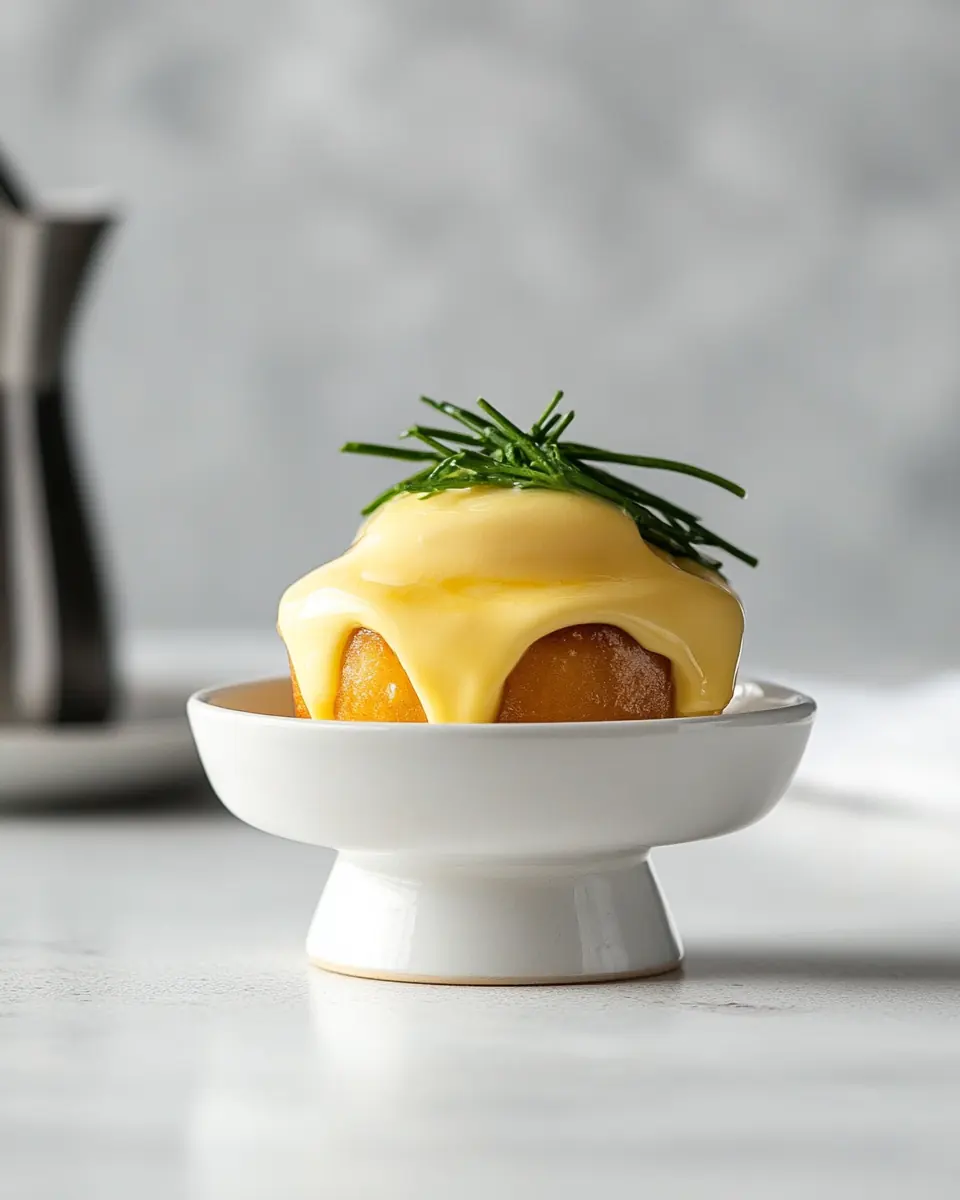
These ingredients are a study in balance. The hero players are the egg yolks and butter, which form the emulsion that gives hollandaise its signature silk. Lemon juice brightens and stabilizes the flavor, while the small amounts of spices provide depth without dominating. A little warm water is there as a rescue tool to loosen texture without overheating the eggs.
- 1 cup butter unsalted: Melted and clarified to provide a rich, creamy base and emulsion for the sauce; contributes buttery flavor and smooth mouthfeel while serving as the primary fat component in hollandaise.
- 2 egg yolks: Whisked and warmed to lend body, structure, and emulsifying proteins that thicken the sauce; adds a silky texture and subtle richness without using whole eggs.
- 1 tablespoon lemon juice: Squeezed fresh to brighten and balance the richness; offers acidity that helps stabilize the emulsion and cuts through the butter's heaviness for a fresher finish.
- 1/4 teaspoons ea salt: Measured sparingly to season and enhance overall flavor; helps elevate other seasonings and provides a subtle savory backbone when balanced correctly.
- 1/4 teaspoon black pepper: Ground and added to taste to impart mild heat and aromatic depth; helps round flavors and provides a familiar peppery note that complements lemon and butter.
- 1/4 teaspoon cayenne pepper, more to taste: Sprinkled in small amounts to introduce a warm, spicy kick; enhances complexity and can be increased slightly to suit heat preferences without overpowering.
- 1/4 teaspoon onion powder: Dusted lightly to contribute a subtle sweet-onion background and savory depth; helps mimic the rounded flavor profile often found in traditional hollandaise variations.
- 1/4 teaspoon garlic powder: Sprinkled lightly to add gentle savory and aromatic notes; helps round the flavor profile and supports other seasonings without dominating the sauce.
- 1/4 cup warm water, if needed: Poured gradually if needed to adjust consistency and rescue a broken emulsion; provides controlled dilution and warming to achieve a smooth, pourable texture.
The Method for Healthier Hollandaise Sauce
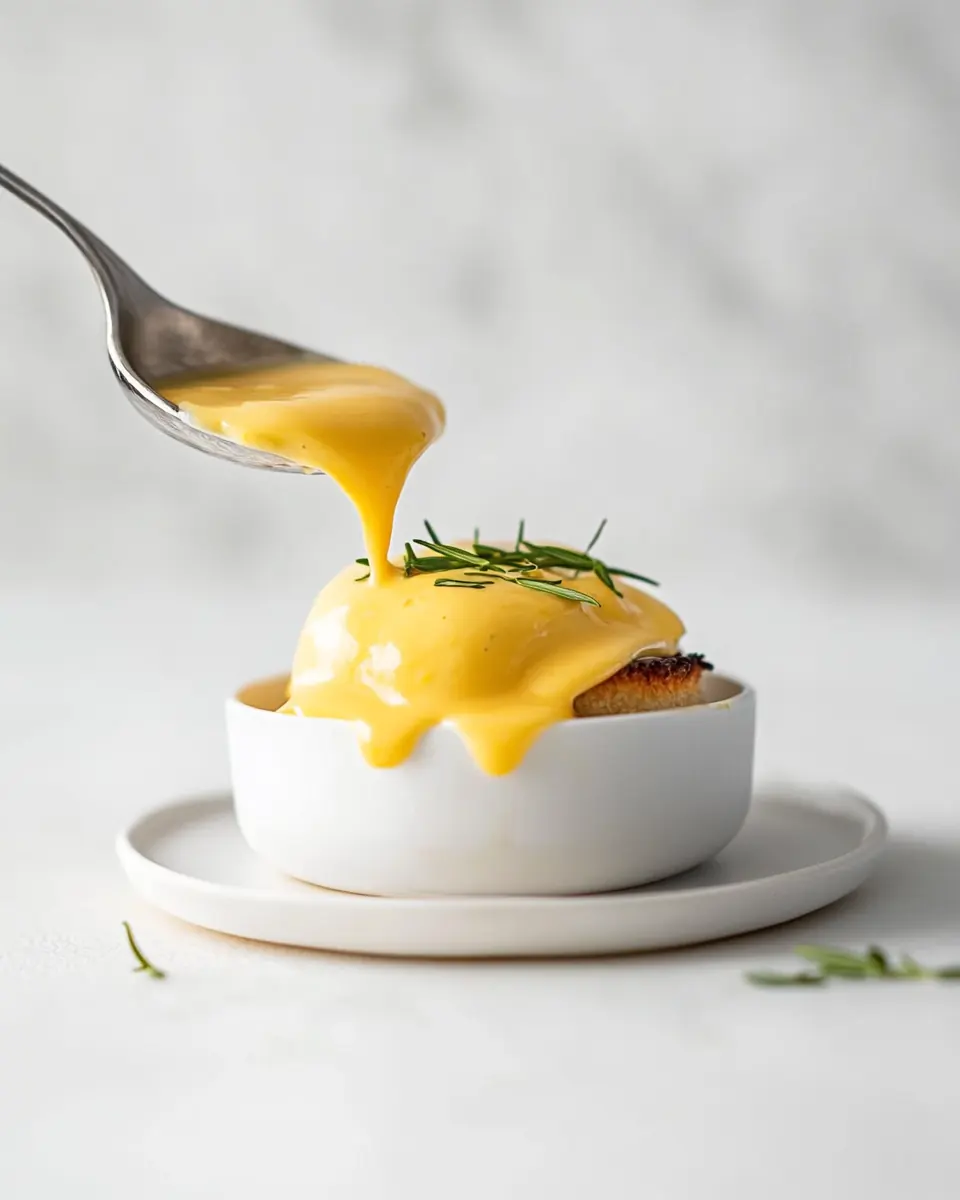
This method focuses on gentle temperature control and steady emulsification. Keep your tools ready and work calmly, because small timing and speed differences affect texture. As you follow the steps, tune into the texture and aroma, and you will end up with a glossy, silky sauce that clings to whatever you serve it with.
- In a double boiler or microwave, melt butter.: The smell of warm butter is instantly comforting, and when it melts gently you will notice a faint sweet, toasted aroma. Allow the butter to melt until fully liquid but not bubbling; vigorous bubbling suggests it is too hot. This step is crucial because pouring very hot butter into the eggs can cook them. A common mistake is overheating the butter which leads to scrambled yolks during emulsification. If the butter separates into milk solids and clear fat, skim off the solids or pour carefully so the clear golden fat is used. Let the melted butter rest a minute so it cools to warm, not hot, before you start blending.
- While butter is melting, place egg yolks, lemon juice, and spices in a blender and cover. On low speed, slowly pour the melted butter into the blender in a steady stream until the butter and egg yolk are well blended.: As the blender whirs, you will smell the bright citrus of the lemon juice and the gentle spice from black pepper and cayenne pepper . The blending begins integrating the acid into the egg yolks , which helps stabilize the final emulsion. Getting this base smooth is important because it sets the texture baseline. A frequent misstep is using cold yolks straight from the fridge which slow down emulsification, so try to have them come closer to room temperature first. Covering the blender helps prevent splatter and keeps the aroma contained.
- If the sauce is thick slowly add in water, until you have reached a slightly thick and runny consistency.: Listen for the steady hum of the blender and watch as the color shifts to a glossy pale gold. The slow stream is the magical part, it allows the fat to form tiny droplets suspended within the yolk matrix, creating a stable emulsion. If you pour too fast, the sauce may break, feeling greasy and separated rather than silky. If separation begins, stop pouring and add a teaspoon of warm water and blend gently to coax it back. The texture should be smooth and slightly thick, with a sheen that catches the light.
- Taste and adjust spices as needed. Serve warm in serving dish of choice!: The sound here is subtle, just the quiet addition of warm water and a few gentle pulses of the blender. Adding water thins the emulsion without watering down flavor, and the warmth keeps the texture cohesive. When you add warm water , do so a teaspoon at a time and observe how the sauce flows from a spoon; it should coat and then slowly drip. A common error is adding cold water which can shock the emulsion and cause breaking. If the sauce gets too thin, you can reinforce it with another lightly whisked egg yolk blended in, but that is rarely necessary if you add water cautiously.
- Taste and adjust spices as needed.: Finally, the tasting moment reveals how all components harmonize. The initial aroma should be lemon bright, the mouthfeel creamy, and the finish slightly peppery. Make small adjustments, adding a pinch more salt or a fraction more cayenne pepper if you want more warmth. Avoid big jumps when seasoning, because the flavors concentrate as the sauce sits. One mistake is over-correcting with salt, which is hard to reverse; instead, add tiny increments and taste each time. Serve the sauce warm, not hot, to preserve the silkiness.
Helpful Notes about Healthier Hollandaise Sauce
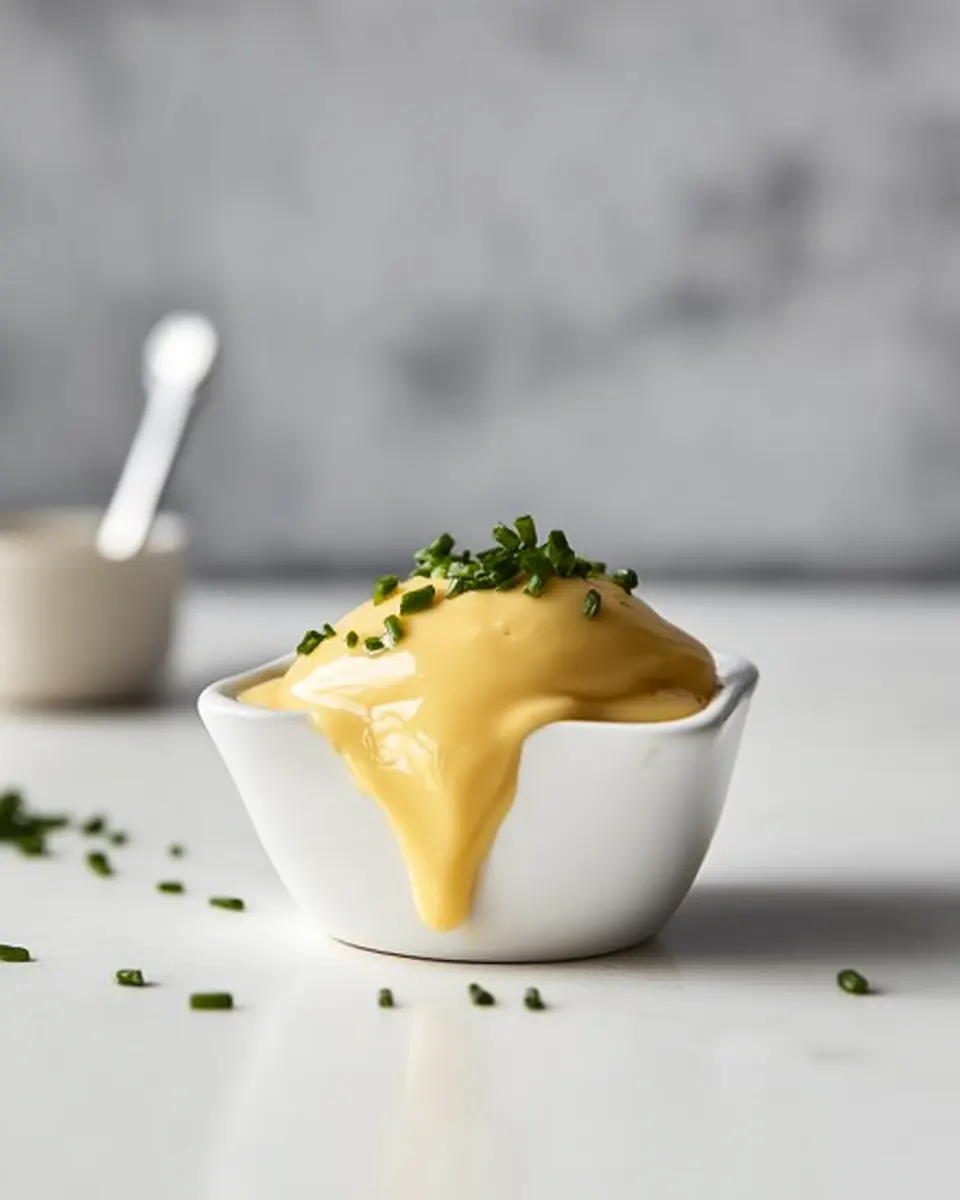
I like to think of these notes as my kitchen diary condensed into practical reminders. They help preserve texture, punch up flavor, and make the sauce reliably successful for any occasion. Keep them close when you are trying this method for the first few times.
- Temperature matters: Always let melted butter cool to warm before adding it to the egg yolks, because very hot butter will cook the eggs and ruin the emulsion.
- Go slow with fat: A slow, steady stream of butter in the blender forms microscopic fat droplets that produce the glossy texture; speed is the enemy of emulsion here.
- Rescue trick: If the sauce breaks, blend in a teaspoon of warm water or another room temperature yolk to bring the mixture back together, adding gradually until cohesion returns.
- Keep it warm: Store the sauce in a small thermos or over a warm water bath to maintain pourable consistency without overheating, which keeps it smooth for service.
- Season at the end: Make small seasoning adjustments at the finish rather than early on, because heat and dilution change the perceived saltiness and heat.
What to Serve With Healthier Hollandaise Sauce
This sauce is a brilliant finishing touch for many dishes, and thinking about pairings helps you plan meals that feel cohesive. Whether you are aiming for a casual weekend brunch or a refined dinner, these serving ideas will make the most of the sauce’s texture and bright flavor.
- Poached eggs on toast: Spoon warm Healthier Hollandaise Sauce over perfectly poached eggs and crisp toast for classic eggs Benedict vibes, the sauce adds creamy lift without overwhelming the delicate eggs.
- Steamed asparagus: Drizzle the sauce over tender steamed asparagus for a simple spring side, where the lemon and cayenne brighten the vegetable while the sauce clings and enhances mouthfeel.
- Grilled or baked fish: A light sauce like this pairs nicely with flaky white fish, offering richness without masking the fish’s subtle flavors; serve with a wedge of lemon to enhance brightness.
- Roasted potatoes: Use as a dipping sauce for small roasted potatoes, the creaminess complements the crisp exterior and the spices add a pleasant lift to the caramelized edges.
- Special occasions: Serve at brunch gatherings or holiday breakfasts as an elegant finishing element that feels celebratory but not heavy, making it easy for guests to enjoy multiple courses.
- Storage tips: Keep leftover sauce in a warm jar for short term service, but for longer storage refrigerate and rewarm gently in a bowl over warm water, whisking until smooth; avoid direct heat to prevent curdling.
- Seasonal pairings: In spring, use with asparagus and peas; in cooler months, pair with roasted root vegetables for a comforting contrast of textures.
FAQ
Conclusion
This Healthier Hollandaise Sauce delivers the classic silky texture and bright lemon lift with a lighter finish that keeps meals feeling balanced. Give it a try next time you want that special finishing touch without the heavy aftermath, because small technique changes make a big difference. I hope this version becomes your go-to for brunches and weeknight dinners alike, bringing that luxurious gloss to eggs, vegetables, and fish in a reliably simple way.
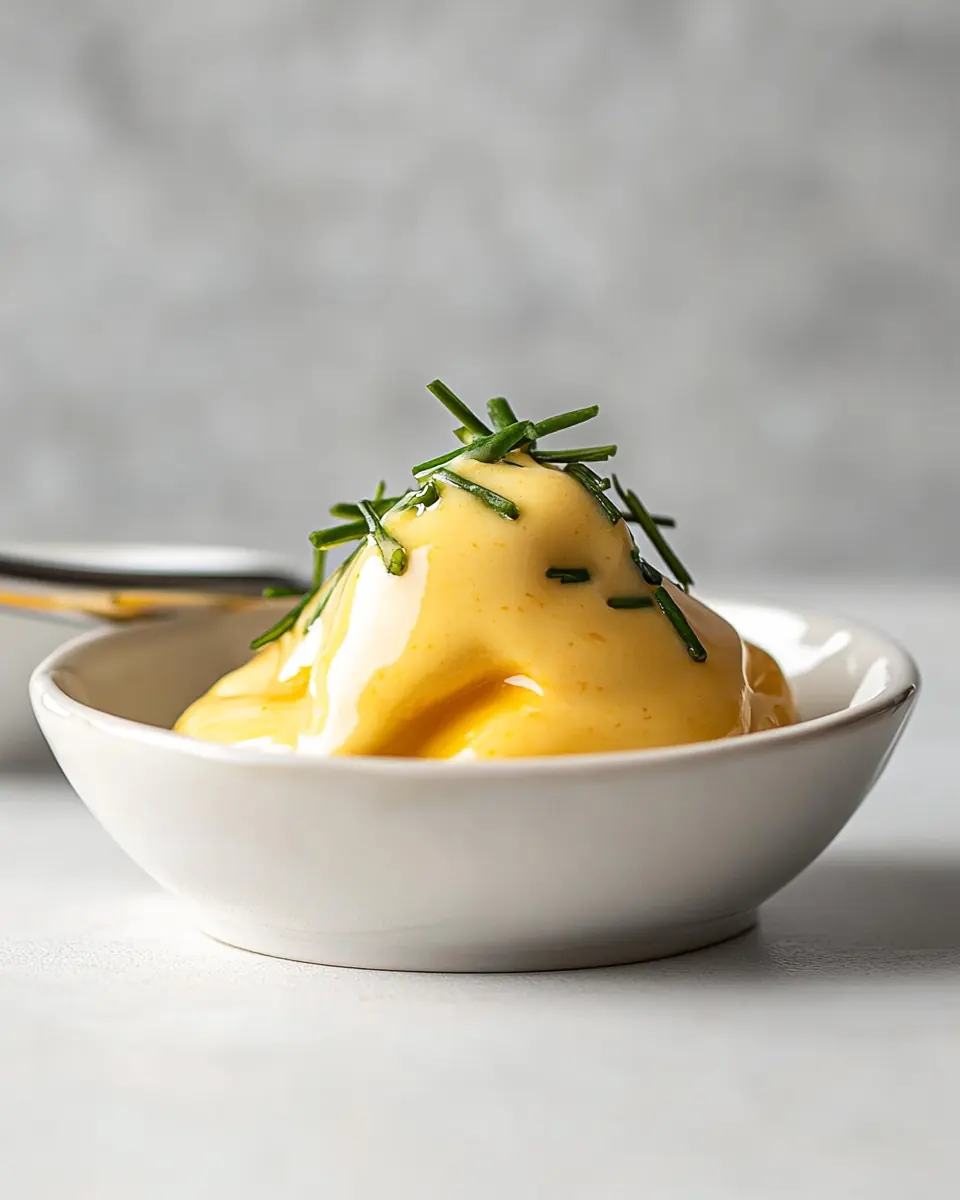
Healthier Hollandaise Sauce
Ingredients
Equipment
Method
- In a double boiler or microwave, melt butter.: The smell of warm butter is instantly comforting, and when it melts gently you will notice a faint sweet, toasted aroma. Allow the butter to melt until fully liquid but not bubbling; vigorous bubbling suggests it is too hot. This step is crucial because pouring very hot butter into the eggs can cook them. A common mistake is overheating the butter which leads to scrambled yolks during emulsification. If the butter separates into milk solids and clear fat, skim off the solids or pour carefully so the clear golden fat is used. Let the melted butter rest a minute so it cools to warm, not hot, before you start blending.
- While butter is melting, place egg yolks, lemon juice, and spices in a blender and cover. On low speed, slowly pour the melted butter into the blender in a steady stream until the butter and egg yolk are well blended.: As the blender whirs, you will smell the bright citrus of the lemon juice and the gentle spice from black pepper and cayenne pepper . The blending begins integrating the acid into the egg yolks , which helps stabilize the final emulsion. Getting this base smooth is important because it sets the texture baseline. A frequent misstep is using cold yolks straight from the fridge which slow down emulsification, so try to have them come closer to room temperature first. Covering the blender helps prevent splatter and keeps the aroma contained.
- If the sauce is thick slowly add in water, until you have reached a slightly thick and runny consistency.: Listen for the steady hum of the blender and watch as the color shifts to a glossy pale gold. The slow stream is the magical part, it allows the fat to form tiny droplets suspended within the yolk matrix, creating a stable emulsion. If you pour too fast, the sauce may break, feeling greasy and separated rather than silky. If separation begins, stop pouring and add a teaspoon of warm water and blend gently to coax it back. The texture should be smooth and slightly thick, with a sheen that catches the light.
- Taste and adjust spices as needed. Serve warm in serving dish of choice!: The sound here is subtle, just the quiet addition of warm water and a few gentle pulses of the blender. Adding water thins the emulsion without watering down flavor, and the warmth keeps the texture cohesive. When you add warm water , do so a teaspoon at a time and observe how the sauce flows from a spoon; it should coat and then slowly drip. A common error is adding cold water which can shock the emulsion and cause breaking. If the sauce gets too thin, you can reinforce it with another lightly whisked egg yolk blended in, but that is rarely necessary if you add water cautiously.
- Taste and adjust spices as needed.: Finally, the tasting moment reveals how all components harmonize. The initial aroma should be lemon bright, the mouthfeel creamy, and the finish slightly peppery. Make small adjustments, adding a pinch more salt or a fraction more cayenne pepper if you want more warmth. Avoid big jumps when seasoning, because the flavors concentrate as the sauce sits. One mistake is over-correcting with salt, which is hard to reverse; instead, add tiny increments and taste each time. Serve the sauce warm, not hot, to preserve the silkiness.
Notes
- Temperature matters: Always let melted butter cool to warm before adding it to the egg yolks, because very hot butter will cook the eggs and ruin the emulsion.
- Go slow with fat: A slow, steady stream of butter in the blender forms microscopic fat droplets that produce the glossy texture; speed is the enemy of emulsion here.
- Rescue trick: If the sauce breaks, blend in a teaspoon of warm water or another room temperature yolk to bring the mixture back together, adding gradually until cohesion returns.
- Keep it warm: Store the sauce in a small thermos or over a warm water bath to maintain pourable consistency without overheating, which keeps it smooth for service.
- Season at the end: Make small seasoning adjustments at the finish rather than early on, because heat and dilution change the perceived saltiness and heat.