Easy Tomato Baked Meatballs
Easy Tomato Baked Meatballs is one of those recipes I turn to when I want comfort without fuss, and it always brings the family to the table with hungry smiles. I remember the first time I made these, juggling work emails and a kitchen timer, and how the kitchen filled with a warm tomato aroma that somehow smoothed out a hectic evening. The dish felt like a tiny celebration of simple ingredients working together, and the texture of the meatballs paired with the bright sauce reminded me why I love hands on cooking.
On a rainy afternoon I tested this recipe with slight tweaks, and what stood out was how forgiving it is. The ground beef soaks up the savory notes from the Worcestershire sauce and leeks, while the soaked plain bread crumbs and milk keep the meatballs tender. My partner declared it a keeper after the first bite, and I liked that it felt both homey and a touch elevated thanks to the parmesan cheese. We served it over creamy polenta and savored every spoonful.
What I appreciate most about Easy Tomato Baked Meatballs is how approachable it is for cooks at any level. You can prep the elements ahead, assemble quickly, and let the oven do the heavy lifting. There is a calm in watching the sauce bubble and the edges of the meatballs brown, a small reward for the handful of steps involved. Over time I developed little rituals for this dish, like stirring the sauce gently to keep its texture silky and tasting the mixture before shaping the meatballs to balance the salt and seasoning.
Recipe Snapshot
40 mins
15 mins
25 mins
Easy
450 kcal
Italian
Gluten-Free, Low FODMAP
Dinner
Oven Proof Skillet or Saute Pan, Frying Pan, Mixing Bowl, One Ounce Cookie Scoop or Ice Cream Scoop, Medium Sauce Pan, Whisk
Why This Easy Tomato Baked Meatballs Stands Out
Comfort without complexity
I love how Easy Tomato Baked Meatballs delivers a comforting, familiar flavor profile with a minimal time investment. The combination of ground beef and parmesan cheese gives the meatballs deep savory notes, while the tomato sauce brightens the whole dish, making it perfect for those evenings when you want home cooking fast.
Texture that hits every note
The interplay of wet and dry binders, such as milk, plain bread crumbs, and eggs, keeps these meatballs tender rather than dense. I always aim for that soft center with a slightly crisp exterior after baking, and this recipe reliably achieves that balance. You can hear the gentle bubbling of the sauce and see the edges take on a light golden hue when they are ready.
Flexible and forgiving
I appreciate recipes that let me improvise when the pantry is low, and this one fits that bill. The recipe adapts well to small swaps in herbs or cheeses, and it still comes out crowd pleasing. It’s one of those dishes you can scale up for guests or keep intimate for a family dinner without losing its soul.
One pan ease with impressive results
Baking the meatballs in a skillet with the sauce reduces cleanup and concentrates flavor as the juices mingle in the pan. I find this method gives a cohesive, homey sauce and reduces the need for extra steps. It’s a pragmatic approach that still feels a little special when you bring the skillet to the table.
Great paired finishing touches
Finishing the dish with the remaining parmesan cheese and fresh parsley adds brightness and a salty lift. Those final touches transform a basic meal into something you feel proud to plate. I enjoy this small flourish because it elevates the experience without adding fuss.
What’s In This Easy Tomato Baked Meatballs
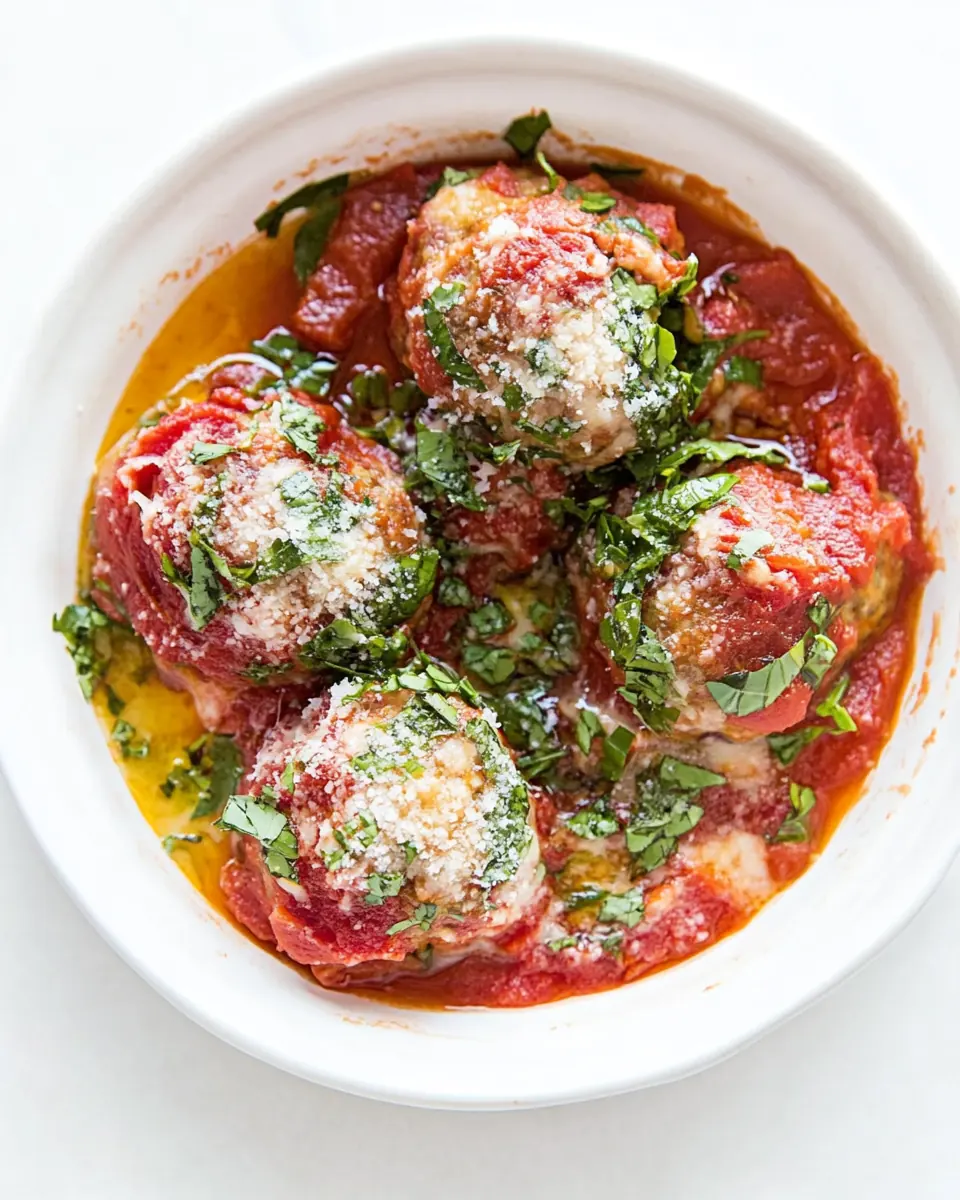
These ingredients are chosen to create a balance of savory depth, creaminess, and structure. The dairy and breadcrumbs act as tenderizing binders, while the aromatics and seasonings bring layered flavor. Each component plays a clear role, from moisture control to texture, so they work together to produce juicy, well seasoned meatballs in a bright tomato sauce.
- 1 tablespoon olive oil: Heat gently in a skillet to coat the pan and help brown meatballs; adds a subtle fruity richness and prevents sticking during searing or sautéing prior to baking.
- 3/4 cup (2 oz.) leeks: Slice thinly and sweat until soft to impart a mild onion-like sweetness and moisture; helps bind and flavor the meat mixture while keeping meatballs tender.
- 3/4 cup grated parmesan cheese, divided use: Grate finely and fold into the meat mixture, reserving some for topping; contributes salty umami depth, helps bind, and adds a savory finish when sprinkled on baked meatballs.
- 1 cup plain bread crumbs: Crumble evenly into the mixture to provide structure and texture, absorbing excess moisture from milk and eggs; aids in binding so meatballs hold their shape while baking.
- 1 teaspoon kosher salt: Sprinkle into the meat blend to enhance and season the overall dish; balances flavors and elevates the savory profile without overpowering other ingredients.
- 1/2 cup milk: Warm briefly and mix with breadcrumbs and meat to hydrate the crumbs and tenderize the meatballs; adds subtle creaminess that yields a softer interior.
- 1 tablespoon Worcestershire sauce: Stir into the mixture for an extra layer of savory, tangy complexity; helps round flavors and adds depth that complements the beef and cheese.
- 2 eggs: Whisk together with milk to emulsify and bind the meat mixture, providing lift and a tender crumb; contributes moisture and helps meatballs stay cohesive.
- 2 lbs . lean ground beef: Combine thoroughly with all ingredients to provide the primary protein and body for the dish; offers rich flavor and a hearty texture that browns attractively when baked.
Putting Together Easy Tomato Baked Meatballs
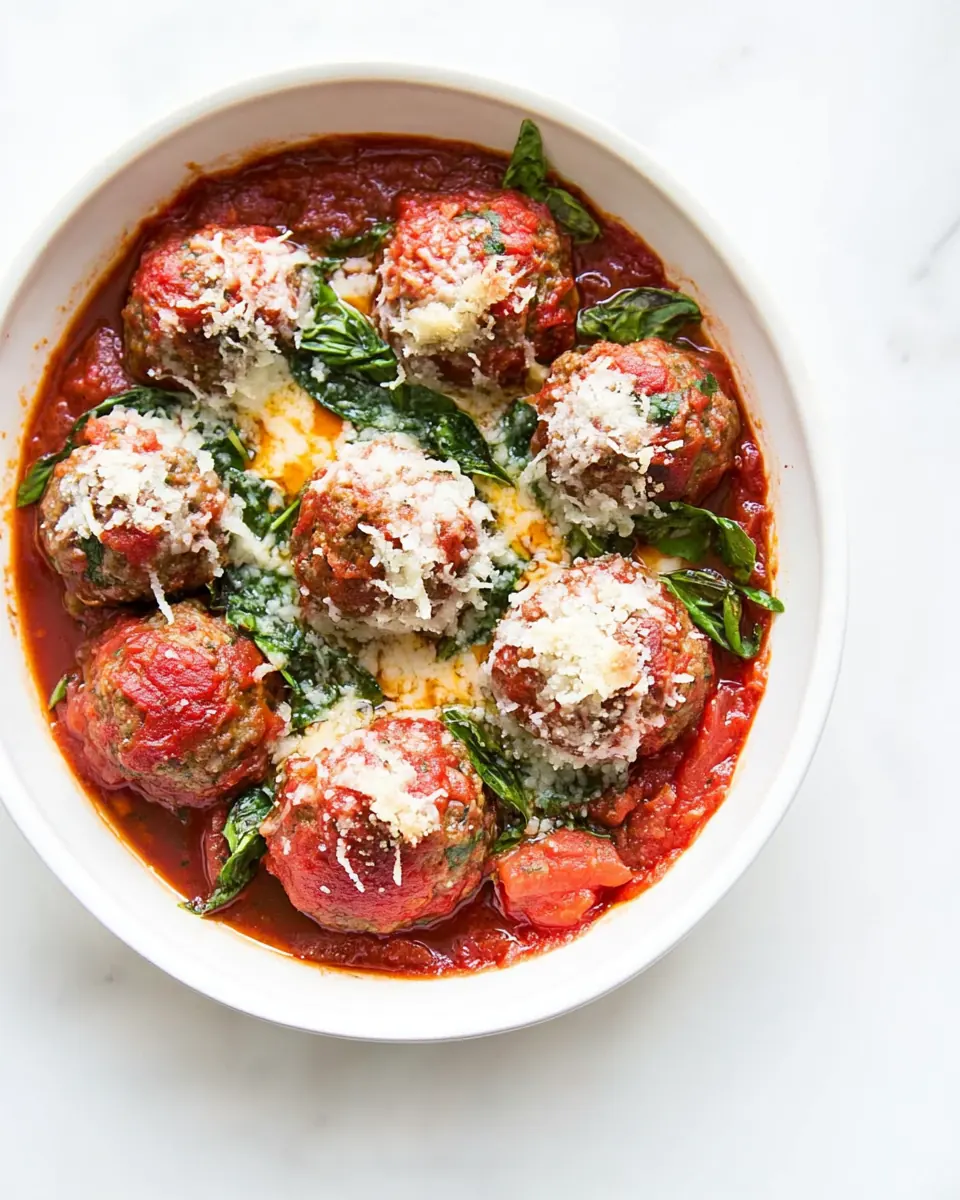
These instructions walk you through from warming the skillet to plating the finished meatballs. I like to stay organized with mise en place, so everything is within reach. Follow the sensory cues and take your time with the mixing and baking so the texture comes out just right.
- Preparation: Heat oven to 450 degrees F.: Heat oven to 450 degrees F. : You will notice a warm, anticipatory hum as the oven climbs toward 450 degrees F, and a properly preheated oven ensures immediate, even browning on the exterior of the meatballs. This high temperature helps set the outside quickly so the interior remains juicy, yielding that satisfying contrast between a slightly firm crust and a tender core. A common error is skipping preheating, which can cause the meatballs to absorb more heat slowly and become denser rather than developing a light exterior. If your oven runs hot, monitor it with an oven thermometer to avoid overbrowning, and give the pan a few extra minutes to equilibrate if it's cool to the touch before you slide it in.
- To make meatballs: Heat olive oil in a frying pan. Add in leeks and cook until translucent, about 2 minutes. Set aside to cool slightly. In a bowl combine 1/2 cup parmesan cheese, plain bread crumbs, salt, milk, Worcestershire sauce and eggs; mix to blend. Add in ground beef, using a sturdy spatula or a wooden spoon mix to combine. Scoop out mixture with a one-ounce cookie scoop or ice cream scoop and form 1 1/2 inch meatballs. Place meatballs in an oven proof skillet or saute pan. Set aside.: Heat olive oil in a frying pan. : Warm the olive oil until it shimmers lightly, a visual cue that the pan is ready and the oil will coat the leeks evenly, releasing gentle savory aromas. You should hear a soft sizzle when the leeks hit the pan, and that gentle sound signals the start of caramelization which adds sweetness. If the oil smokes, the pan is too hot and the flavor will turn bitter, so reduce heat and start again. Allowing the oil to reach the right temperature ensures the leeks become translucent rather than limp, preserving their subtle texture.
- To make tomato sauce: In a bowl mix together crushed tomatoes, diced tomatoes and tomato paste. Add mixture to pan with meatballs.: Add in leeks and cook until translucent, about 2 minutes. Set aside to cool slightly. : As the leeks cook, they will go from opaque to translucent and emit a soft, savory scent with a hint of sweetness, and you want to stop at that stage to avoid browning. Cooling them slightly prevents the hot aromatics from scrambling the eggs when they are mixed into the meat mixture, and it also keeps the overall mixture from becoming too warm which can make the meatballs dense. A frequent slip is leaving the leeks in the pan too long; once translucent, remove them promptly to preserve tenderness. A clockwise stir helps them cook evenly and release moisture without sticking.
- Transfer pan to oven and bake for 20 minutes or until meatballs are cooked through. Remove from oven and sprinkle with parsley and remaining 1/4 cup grated parmesan.: In a bowl combine 1/2 cup parmesan cheese, plain bread crumbs, salt, milk, Worcestershire sauce and eggs; mix to blend. : At this stage, you will sense the creamy texture forming as the plain bread crumbs absorb the milk , creating a mash that will integrate into the ground beef and guard against dryness. The aroma of parmesan cheese mingles with the tangy Worcestershire sauce, and you should fold gently to avoid overworking the mixture. Overmixing here can lead to tough meatballs, so blend until uniform and stop. If the mixture feels too wet, resist adding more crumbs right away; instead chill briefly to let the crumbs hydrate fully.
- To make polenta: Add milk and stock into a medium sauce pan and bring to a boil. Gradually whisk in polenta. Reduce heat to low and cook, stirring frequently until mixture thickens, about 20-25 minutes. Turn off heat and add in parmesan cheese.: Add in ground beef, using a sturdy spatula or a wooden spoon mix to combine. : Once the ground beef is introduced, the bowl fills with that rich, meaty scent and the mixture should look evenly speckled with the binders. Use a firm tool like a wooden spoon to fold components together with care, distributing the parmesan cheese and aromatics without compacting the meat. A tactile check is helpful, the mixture should hold shape but not be overly tight. Avoid packing the meat tightly, which squeezes out the air and yields dense meatballs. If the mix feels sticky, a short rest in the fridge will make it easier to portion.
- To make meatballs: Scoop out mixture with a one ounce cookie scoop or ice cream scoop and form 1 1/2 inch meatballs. : As you portion, you will feel the give of the meat and see a uniform, rounded shape form, which helps even cooking. Using a scoop creates consistent sizes, so each meatball bakes at the same rate. Lightly roll them between your palms to smooth seams, but avoid pressing hard, because that compacts the meat and reduces tenderness. A common mistake is making unevenly sized meatballs, which leads to some overcooked and some undercooked pieces, so measure carefully for predictability.
- To make meatballs: Place meatballs in an oven proof skillet or saute pan. Set aside. : Lining the meatballs in a single layer in the pan allows air and sauce to circulate, promoting even browning and cooking. You will hear a faint settling sound as each meatball lands in the pan, and spacing them prevents steaming which can make the exterior soggy. If the pan is overcrowded, transfer to a second baking dish instead, because crowded meatballs will release moisture and lose that appealing crust. Leaving them to rest briefly helps the surface set before sauce is added.
- To make tomato sauce: In a bowl mix together crushed tomatoes, diced tomatoes and tomato paste. : When you mix the tomatoes and paste, the sauce will look glossy and deep red, and a bright, acidic tomato scent will rise. This concentrated base works to deliver both body and brightness to the finished dish. Whisking until uniform helps distribute the tomato paste so you do not get pockets of intense paste in the sauce. Beware of adding uncooked sugar to mask acidity, because it can flatten the natural tomato profile; balance with seasoning instead.
- To make tomato sauce: Add mixture to pan with meatballs. : As the sauce meets the gently browned meatballs, the pan will steam and tiny bubbles will appear at the edges, signaling the sauce beginning to meld. This contact allows the meat to release juices that enrich the sauce, creating a cohesive final product. Stir gently at the edges to integrate but avoid vigorous stirring that can break the meatballs. A common slip is pouring cold sauce over a hot pan too quickly which causes splattering; temper the sauce briefly or add it slowly to control splatter.
- Transfer pan to oven and bake for 20 minutes or until meatballs are cooked through.: Baking concentrates flavors and sets the outside texture; you should see the sauce bubbling and the meatballs develop a faintly browned exterior. Use the internal visual cues, the meatball centers should lose raw pinkness, and a thermometer should read at least 160 degrees F for ground beef . Avoid overbaking, because that dries the meat. If the sauce is bubbling too vigorously and threatening to brown excessively, reduce oven temperature slightly and check earlier than the timer.
- Remove from oven and sprinkle with parsley and remaining 1/4 cup grated parmesan.: The finishing sprinkle of parmesan cheese melts slightly into the hot sauce, offering a savory, nutty lift, while the parsley adds a fresh, herbal brightness that cuts richness. You will notice an immediate fragrance change as the herbs release oils from warmth. Resist slicing into the meatballs right away, they benefit from a brief rest which redistributes juices. Cutting too soon can cause the meatballs to expel their moisture and seem dry on the plate.
- To make polenta: Add milk and stock into a medium sauce pan and bring to a boil. : The small, rising bubbles and steam indicate the liquid is ready for the polenta , a stage where careful attention prevents clumping. Bringing the liquid to a steady boil ensures even cooking when you whisk in the grain. A common mistake is rushing this step, which can lead to uneven texture and lumps in the polenta. Keep a close eye, and reduce heat if the liquid threatens to boil over.
- To make polenta: Gradually whisk in polenta. : As the polenta hits the hot liquid, whisking continuously prevents lumps and creates a smooth, creamy texture; you will see the mixture thicken and turn glossy. The sound changes to a steady, gentle simmer, and the aroma becomes toasty and comforting. If you pour the polenta all at once, it will clump, so add slowly and whisk deliberately. Use a whisk with a sturdy handle so you can maintain pressure without fatigue.
- To make polenta: Reduce heat to low and cook, stirring frequently until mixture thickens, about 20 to 25 minutes. : The long, slow simmer develops a rich, creamy mouthfeel as the granules soften, and stirring prevents sticking and creates a uniform texture. You will see the polenta pull away slightly from the sides of the pan when it is ready, and the scent will shift to a warm, corn forward note. A common pitfall is walking away from the pot, which can cause scorching on the bottom; keep stirring and adjust heat to keep a gentle bubble.
- To make polenta: Turn off heat and add in parmesan cheese. : When you fold in the parmesan cheese , the polenta becomes silkier and gains a savory finish that complements the meatballs. The cheese melds into the residual heat, creating a glossy, cohesive texture. If the polenta seems too firm, stir in a splash more milk to loosen it. Avoid adding the cheese too early, because high heat can cause it to separate and grain the texture.
Pro Tips and Tweaks
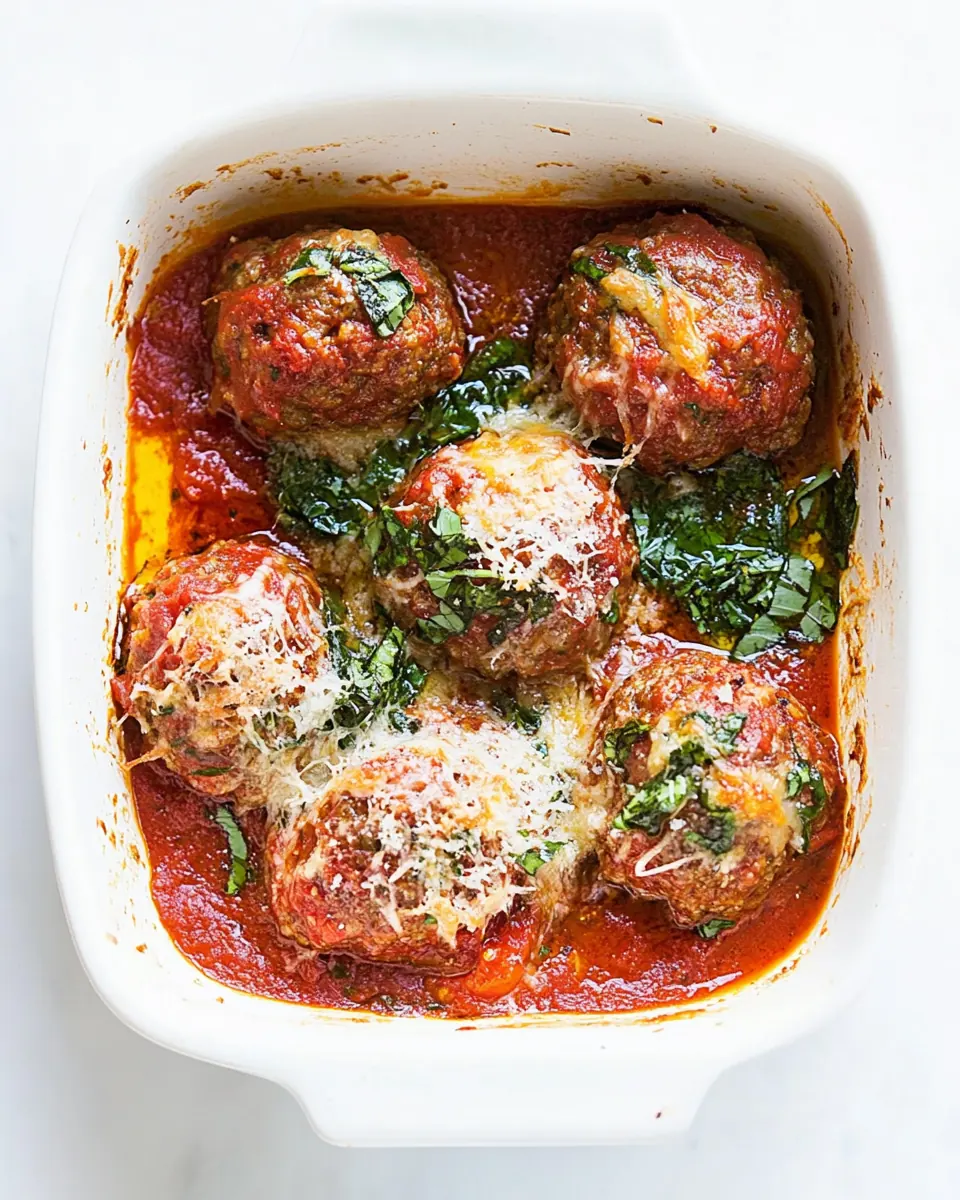
I like to keep a few practical adjustments ready when making Easy Tomato Baked Meatballs, because small changes can elevate the final plate. Below are focused tips that address technique, timing, and flavor so you can adapt the recipe confidently.
- Measure for consistency: Using a one ounce scoop creates uniform meatballs that cook evenly and finish at the same time, preventing some from drying out while others lag behind.
- Done2t overmix: Combine the meat gently to avoid compacting the proteins; this preserves a tender crumb and prevents dense, heavy meatballs.
- Temper your sauce: When adding sauce to a hot pan, pour gradually to reduce splatter and to allow the liquids to come together smoothly without a sudden temperature shock.
- Check doneness properly: Use a quick read thermometer to confirm ground beef reaches 160 degrees F, ensuring safety without overcooking.
- Finish with fresh garnish: A sprinkle of the reserved parmesan cheese and fresh parsley right after baking adds brightness and a polished presentation that tastes more elevated than effort suggests.
How to Serve Easy Tomato Baked Meatballs
Serving this dish can be as casual or as special as you like, and the plating choices influence how the meal is perceived. Whether ite2s a weeknight dinner or a relaxed gathering, these serving ideas will help you present the dish with ease and style.
- Over creamy polenta: Spoon a generous bed of warm polenta on the plate and nestle the hot meatballs and sauce on top for a comforting, restaurant quality presentation that soaks up the sauce.
- With crusty bread: Offer thick slices of crusty bread for sopping the tomato sauce, a casual approach that encourages hands on sharing and pairs well with the savory profile of the meatballs.
- Family style skillet: Serve the skillet straight from the oven at the center of the table so everyone can help themselves, creating an inviting communal meal ideal for weeknight gatherings or small celebrations.
- Seasonal occasions: This dish fits many occasions, from cozy autumn dinners to relaxed holiday suppers; note that the bright tomato sauce pairs well with cooler weather and makes it a solid choice for family nights.
- Storage tips: Refrigerate leftovers in an airtight container for up to three days, reheat gently on the stove so the sauce warms evenly, and add a splash of milk if the polenta tightens during storage.
- Serving sizes: Allow about four meatballs per person as a main course when serving with a starch like polenta, more if offered with several sides for a family style meal.
FAQ
Conclusion
Easy Tomato Baked Meatballs shine because they combine straightforward technique with layered, comforting flavors that unite on the plate. The balance of tender meat, savory parmesan cheese, and bright tomato sauce makes this a recipe you can rely on for cozy family dinners or simple entertaining. Give it a try on a busy weeknight or save it for a relaxed weekend meal, and enjoy how a few humble ingredients transform into something deeply satisfying. I hope it becomes one of your go to recipes for both ease and delicious results.
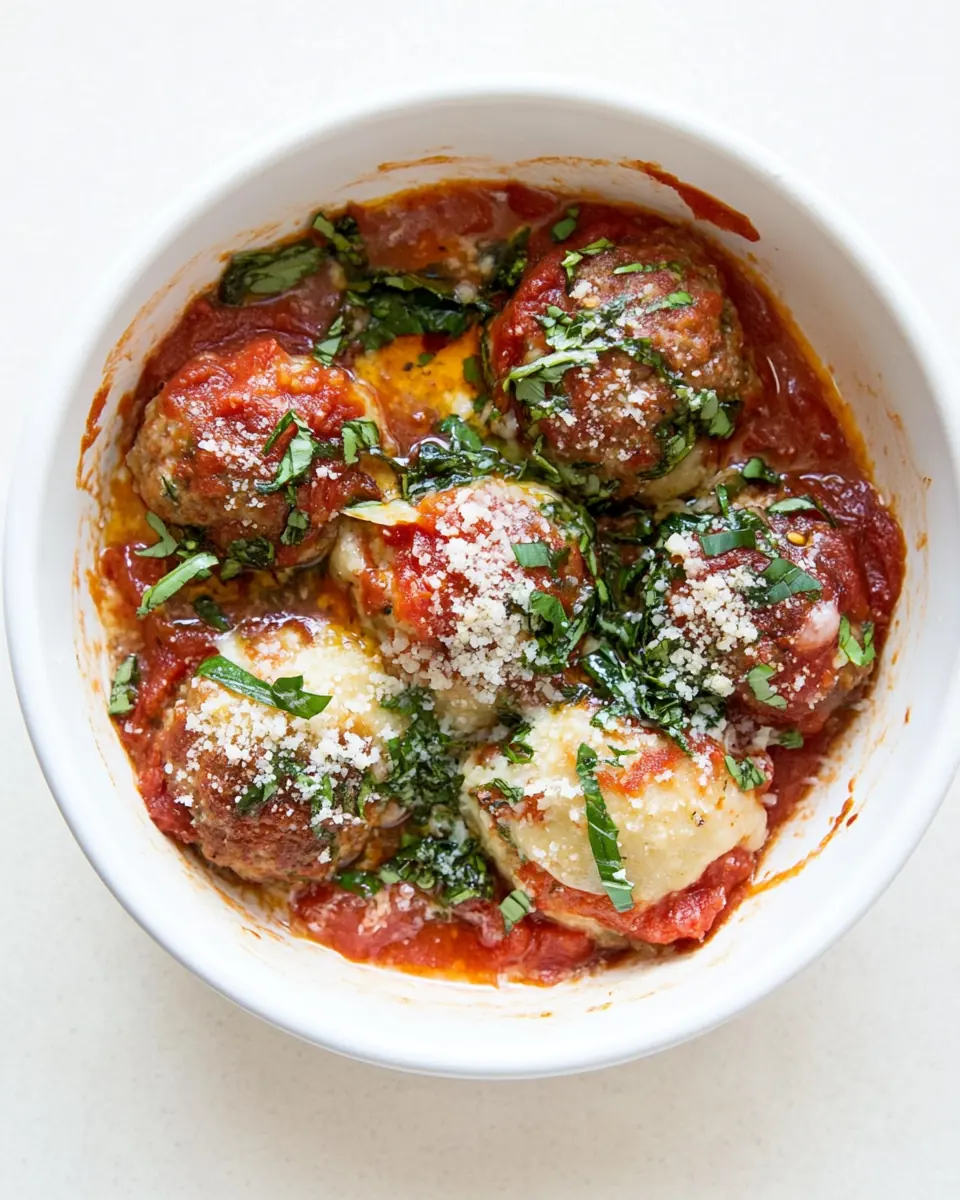
Easy Tomato Baked Meatballs
Ingredients
Equipment
Method
- Preparation: Heat oven to 450 degrees F.: Heat oven to 450 degrees F. : You will notice a warm, anticipatory hum as the oven climbs toward 450 degrees F, and a properly preheated oven ensures immediate, even browning on the exterior of the meatballs. This high temperature helps set the outside quickly so the interior remains juicy, yielding that satisfying contrast between a slightly firm crust and a tender core. A common error is skipping preheating, which can cause the meatballs to absorb more heat slowly and become denser rather than developing a light exterior. If your oven runs hot, monitor it with an oven thermometer to avoid overbrowning, and give the pan a few extra minutes to equilibrate if it's cool to the touch before you slide it in.
- To make meatballs: Heat olive oil in a frying pan. Add in leeks and cook until translucent, about 2 minutes. Set aside to cool slightly. In a bowl combine 1/2 cup parmesan cheese, plain bread crumbs, salt, milk, Worcestershire sauce and eggs; mix to blend. Add in ground beef, using a sturdy spatula or a wooden spoon mix to combine. Scoop out mixture with a one-ounce cookie scoop or ice cream scoop and form 1 1/2 inch meatballs. Place meatballs in an oven proof skillet or saute pan. Set aside.: Heat olive oil in a frying pan. : Warm the olive oil until it shimmers lightly, a visual cue that the pan is ready and the oil will coat the leeks evenly, releasing gentle savory aromas. You should hear a soft sizzle when the leeks hit the pan, and that gentle sound signals the start of caramelization which adds sweetness. If the oil smokes, the pan is too hot and the flavor will turn bitter, so reduce heat and start again. Allowing the oil to reach the right temperature ensures the leeks become translucent rather than limp, preserving their subtle texture.
- To make tomato sauce: In a bowl mix together crushed tomatoes, diced tomatoes and tomato paste. Add mixture to pan with meatballs.: Add in leeks and cook until translucent, about 2 minutes. Set aside to cool slightly. : As the leeks cook, they will go from opaque to translucent and emit a soft, savory scent with a hint of sweetness, and you want to stop at that stage to avoid browning. Cooling them slightly prevents the hot aromatics from scrambling the eggs when they are mixed into the meat mixture, and it also keeps the overall mixture from becoming too warm which can make the meatballs dense. A frequent slip is leaving the leeks in the pan too long; once translucent, remove them promptly to preserve tenderness. A clockwise stir helps them cook evenly and release moisture without sticking.
- Transfer pan to oven and bake for 20 minutes or until meatballs are cooked through. Remove from oven and sprinkle with parsley and remaining 1/4 cup grated parmesan.: In a bowl combine 1/2 cup parmesan cheese, plain bread crumbs, salt, milk, Worcestershire sauce and eggs; mix to blend. : At this stage, you will sense the creamy texture forming as the plain bread crumbs absorb the milk , creating a mash that will integrate into the ground beef and guard against dryness. The aroma of parmesan cheese mingles with the tangy Worcestershire sauce, and you should fold gently to avoid overworking the mixture. Overmixing here can lead to tough meatballs, so blend until uniform and stop. If the mixture feels too wet, resist adding more crumbs right away; instead chill briefly to let the crumbs hydrate fully.
- To make polenta: Add milk and stock into a medium sauce pan and bring to a boil. Gradually whisk in polenta. Reduce heat to low and cook, stirring frequently until mixture thickens, about 20-25 minutes. Turn off heat and add in parmesan cheese.: Add in ground beef, using a sturdy spatula or a wooden spoon mix to combine. : Once the ground beef is introduced, the bowl fills with that rich, meaty scent and the mixture should look evenly speckled with the binders. Use a firm tool like a wooden spoon to fold components together with care, distributing the parmesan cheese and aromatics without compacting the meat. A tactile check is helpful, the mixture should hold shape but not be overly tight. Avoid packing the meat tightly, which squeezes out the air and yields dense meatballs. If the mix feels sticky, a short rest in the fridge will make it easier to portion.
- To make meatballs: Scoop out mixture with a one ounce cookie scoop or ice cream scoop and form 1 1/2 inch meatballs. : As you portion, you will feel the give of the meat and see a uniform, rounded shape form, which helps even cooking. Using a scoop creates consistent sizes, so each meatball bakes at the same rate. Lightly roll them between your palms to smooth seams, but avoid pressing hard, because that compacts the meat and reduces tenderness. A common mistake is making unevenly sized meatballs, which leads to some overcooked and some undercooked pieces, so measure carefully for predictability.
- To make meatballs: Place meatballs in an oven proof skillet or saute pan. Set aside. : Lining the meatballs in a single layer in the pan allows air and sauce to circulate, promoting even browning and cooking. You will hear a faint settling sound as each meatball lands in the pan, and spacing them prevents steaming which can make the exterior soggy. If the pan is overcrowded, transfer to a second baking dish instead, because crowded meatballs will release moisture and lose that appealing crust. Leaving them to rest briefly helps the surface set before sauce is added.
- To make tomato sauce: In a bowl mix together crushed tomatoes, diced tomatoes and tomato paste. : When you mix the tomatoes and paste, the sauce will look glossy and deep red, and a bright, acidic tomato scent will rise. This concentrated base works to deliver both body and brightness to the finished dish. Whisking until uniform helps distribute the tomato paste so you do not get pockets of intense paste in the sauce. Beware of adding uncooked sugar to mask acidity, because it can flatten the natural tomato profile; balance with seasoning instead.
- To make tomato sauce: Add mixture to pan with meatballs. : As the sauce meets the gently browned meatballs, the pan will steam and tiny bubbles will appear at the edges, signaling the sauce beginning to meld. This contact allows the meat to release juices that enrich the sauce, creating a cohesive final product. Stir gently at the edges to integrate but avoid vigorous stirring that can break the meatballs. A common slip is pouring cold sauce over a hot pan too quickly which causes splattering; temper the sauce briefly or add it slowly to control splatter.
- Transfer pan to oven and bake for 20 minutes or until meatballs are cooked through.: Baking concentrates flavors and sets the outside texture; you should see the sauce bubbling and the meatballs develop a faintly browned exterior. Use the internal visual cues, the meatball centers should lose raw pinkness, and a thermometer should read at least 160 degrees F for ground beef . Avoid overbaking, because that dries the meat. If the sauce is bubbling too vigorously and threatening to brown excessively, reduce oven temperature slightly and check earlier than the timer.
- Remove from oven and sprinkle with parsley and remaining 1/4 cup grated parmesan.: The finishing sprinkle of parmesan cheese melts slightly into the hot sauce, offering a savory, nutty lift, while the parsley adds a fresh, herbal brightness that cuts richness. You will notice an immediate fragrance change as the herbs release oils from warmth. Resist slicing into the meatballs right away, they benefit from a brief rest which redistributes juices. Cutting too soon can cause the meatballs to expel their moisture and seem dry on the plate.
- To make polenta: Add milk and stock into a medium sauce pan and bring to a boil. : The small, rising bubbles and steam indicate the liquid is ready for the polenta , a stage where careful attention prevents clumping. Bringing the liquid to a steady boil ensures even cooking when you whisk in the grain. A common mistake is rushing this step, which can lead to uneven texture and lumps in the polenta. Keep a close eye, and reduce heat if the liquid threatens to boil over.
- To make polenta: Gradually whisk in polenta. : As the polenta hits the hot liquid, whisking continuously prevents lumps and creates a smooth, creamy texture; you will see the mixture thicken and turn glossy. The sound changes to a steady, gentle simmer, and the aroma becomes toasty and comforting. If you pour the polenta all at once, it will clump, so add slowly and whisk deliberately. Use a whisk with a sturdy handle so you can maintain pressure without fatigue.
- To make polenta: Reduce heat to low and cook, stirring frequently until mixture thickens, about 20 to 25 minutes. : The long, slow simmer develops a rich, creamy mouthfeel as the granules soften, and stirring prevents sticking and creates a uniform texture. You will see the polenta pull away slightly from the sides of the pan when it is ready, and the scent will shift to a warm, corn forward note. A common pitfall is walking away from the pot, which can cause scorching on the bottom; keep stirring and adjust heat to keep a gentle bubble.
- To make polenta: Turn off heat and add in parmesan cheese. : When you fold in the parmesan cheese , the polenta becomes silkier and gains a savory finish that complements the meatballs. The cheese melds into the residual heat, creating a glossy, cohesive texture. If the polenta seems too firm, stir in a splash more milk to loosen it. Avoid adding the cheese too early, because high heat can cause it to separate and grain the texture.
Notes
- Measure for consistency: Using a one ounce scoop creates uniform meatballs that cook evenly and finish at the same time, preventing some from drying out while others lag behind.
- Done2t overmix: Combine the meat gently to avoid compacting the proteins; this preserves a tender crumb and prevents dense, heavy meatballs.
- Temper your sauce: When adding sauce to a hot pan, pour gradually to reduce splatter and to allow the liquids to come together smoothly without a sudden temperature shock.
- Check doneness properly: Use a quick read thermometer to confirm ground beef reaches 160 degrees F, ensuring safety without overcooking.
- Finish with fresh garnish: A sprinkle of the reserved parmesan cheese and fresh parsley right after baking adds brightness and a polished presentation that tastes more elevated than effort suggests.