Carrot Cake Cupcakes
Carrot Cake Cupcakes have always felt like celebration disguised as everyday treats to me, and the first time I baked them I remember the warm, spicy aroma that wrapped the kitchen like a cozy blanket.
There is something honest about the way carrot and cinnamon mingle with soft crumbs and creamy frosting, and each bite takes me back to a sunlit weekend with friends gathered around a crowded table. I keep a worn mixer bowl in the back of my cabinet because it holds the stains of dozens of experiments, and these cupcakes are the recipe that finally earned that bowl a permanent spot. I love how they are forgiving when mixed a little too long or baked a touch beyond the sweet spot, and how the frosting saves even the most humble cupcakes.
Recipe Snapshot
35 mins
15 mins
20 mins
Easy
250 kcal
American
Gluten-Free, Low FODMAP
Desserts
Mixing bowl, Whisk, Hand mixer or stand mixer, Cupcake tin, Paper liners, Measuring cups and spoons, Grater
Why This Carrot Cake Cupcakes Shines
Comfort food with a tiny indulgence
I adore Carrot Cake Cupcakes because they balance humility and celebration. The cake crumb is tender and not overly sweet, which means the frosting shines without overpowering. When I want to share something nostalgic yet refined, these hit the mark, and I find guests always ask for the recipe.
Texture that keeps you coming back
The grated carrot gives moisture and a slight bite that keeps the crumb interesting. I love how the little orange flecks promise freshness, and the gentle chew of the carrot contrasts with the silky cream cheese frosting for a complete mouthfeel. I often note that texture matters more than flashiness, and this recipe delivers both.
Simple techniques, reliable results
One major reason I rely on this recipe is its straightforward methods. The batter comes together with common tools, and the cupcakes bake consistently. I appreciate recipes that let you swap equipment without risking disaster, and this one forgives minor variations in mixing speed or oven hot spots.
Frosting that feels luxurious
The frosting is rich and tangy thanks to the cream cheese, balanced by butter and brown sugar. It pipes beautifully if you want an elegant finish, but it also spreads easily for a more rustic look. I often let the frosting sit a few minutes to reach the perfect piping consistency, and that small pause makes a real difference.
Great for gatherings and gifts
These cupcakes transport well and make a thoughtful homemade present. I once brought a tray to a neighbor and watched how quickly they vanished. They feel special enough for holidays like Easter, yet casual enough for afternoon tea. That versatility is why I keep this recipe in my regular rotation.
What Goes Into Carrot Cake Cupcakes
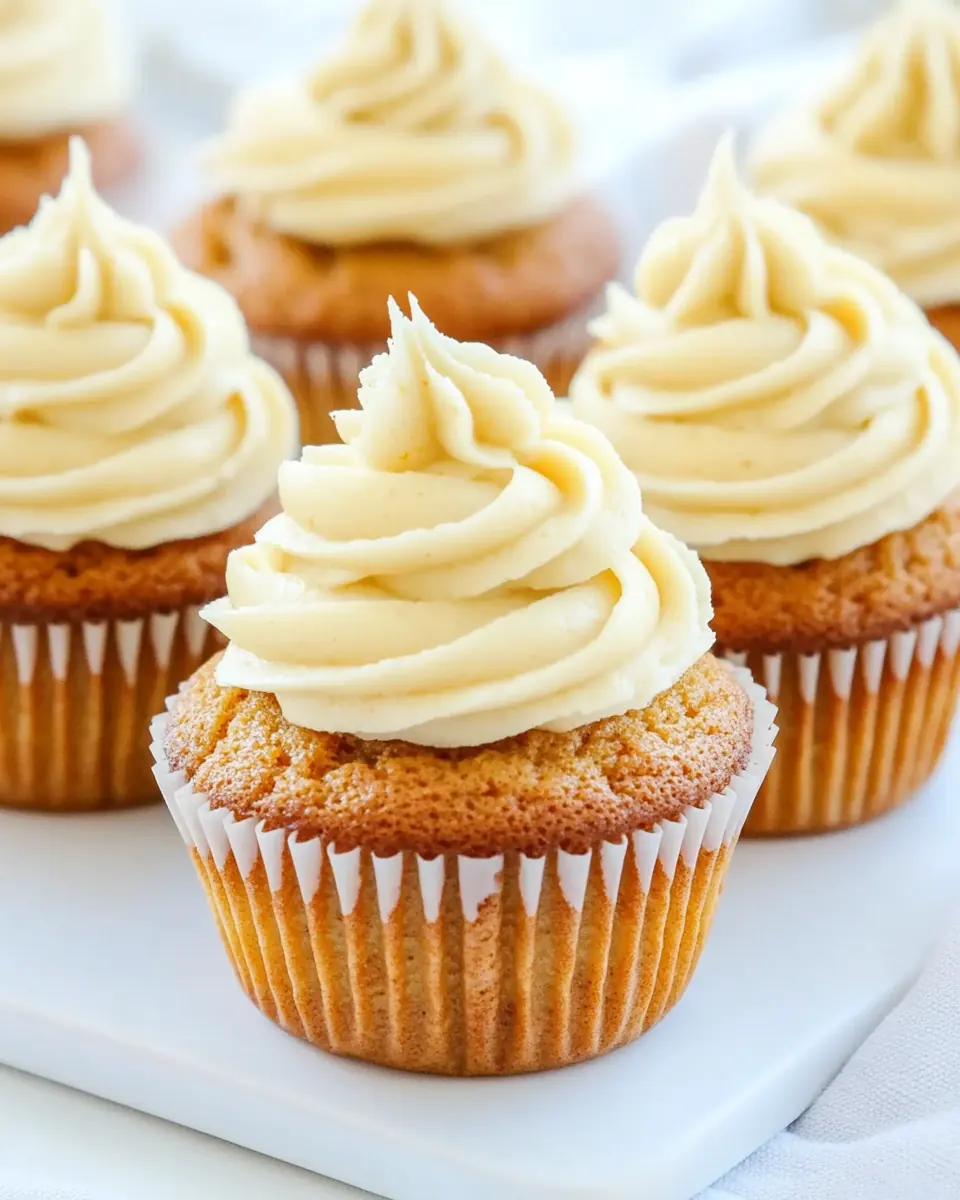
These ingredients are honest workhorses that come together to make a balanced cupcake. The flour and leaveners build structure, while the carrot and sour cream keep the crumb tender and moist. The frosting players, centered on cream cheese and butter, add richness and a tangy finish that complements the spiced cake.
- 1 1/4 cups all-purpose flour: Provide structure and lightness to the cupcakes by forming the bulk of the dry base; sifted all-purpose flour combines with leaveners to create the crumb and absorb moisture from the wet ingredients.
- 1/2 + 1/8 teaspoon baking soda: React with acidic components to produce carbon dioxide, helping the cupcakes rise; measure carefully because the combination shown gives a balanced lift without an overly open crumb.
- 1/2 + 1/8 teaspoon baking powder: Offer additional leavening power and a gentle rise when combined with baking soda; used in tandem with baking soda to fine-tune texture and ensure even oven spring.
- 1 teaspoon cinnamon: Lend warm, aromatic spice and depth to the batter; cinnamon complements carrots and adds a familiar, cozy flavor profile to the cake.
- 1/4 teaspoons salt: Enhance overall flavor by balancing sweetness and accentuating other spices; salt also strengthens gluten slightly, improving crumb and taste.
- 1 cup sugar: Provide bulk sweetness and moisture, helping with batter texture and caramelization during baking; granulated sugar also contributes to tender crumb and browning.
- 2 eggs: Bind ingredients and add richness and structure through coagulation when heated; eggs also help leaven and emulsify the batter for a cohesive texture.
- 1/2 cup canola oil: Impart moistness and tenderness while contributing neutral flavor; canola oil keeps cupcakes soft and prevents drying out.
- 1/4 cups sour cream: Add richness and slight tang that tenderizes the crumb and complements the carrots; sour cream also contributes to moistness and a tender texture.
- 1/2 teaspoon vanilla extract: Introduce subtle vanilla aroma and enhance sweetness perception; a small amount elevates overall flavor complexity without overpowering.
- 1 1/2 cups finely grated carrots: Bring fresh, vegetal sweetness and moisture while contributing texture; finely grated carrots distribute evenly to ensure consistent flavor in each cupcake.
- 8 ounces cream cheese, softened: Create a tangy, creamy base for the frosting with smooth texture when softened; cream cheese provides richness and a slight bite that balances the sweet icing.
- 1/2 cup butter, softened: Contribute creaminess and body to the frosting while adding richness; softened butter helps achieve a spreadable, stable frosting consistency.
- 2/3 cup brown sugar: Add deeper, molasses-like sweetness and moisture to the frosting; brown sugar contributes a caramel note and helps keep frosting soft.
- 2 teaspoons vanilla extract: Enhance the frosting's aroma and round out sweetness with warm, floral vanilla notes; double vanilla helps intensify the flavor profile in the icing.
- dash salt: Brighten and balance the sweetness in the frosting with a tiny savory counterpoint; a dash of salt sharpens flavors and prevents cloying sweetness.
- 3 cups powdered sugar, more or less, if needed: Provide bulk sweetness and structure to the frosting while allowing control over consistency; powdered sugar can be adjusted to reach desired thickness and smoothness.
Making This Carrot Cake Cupcakes
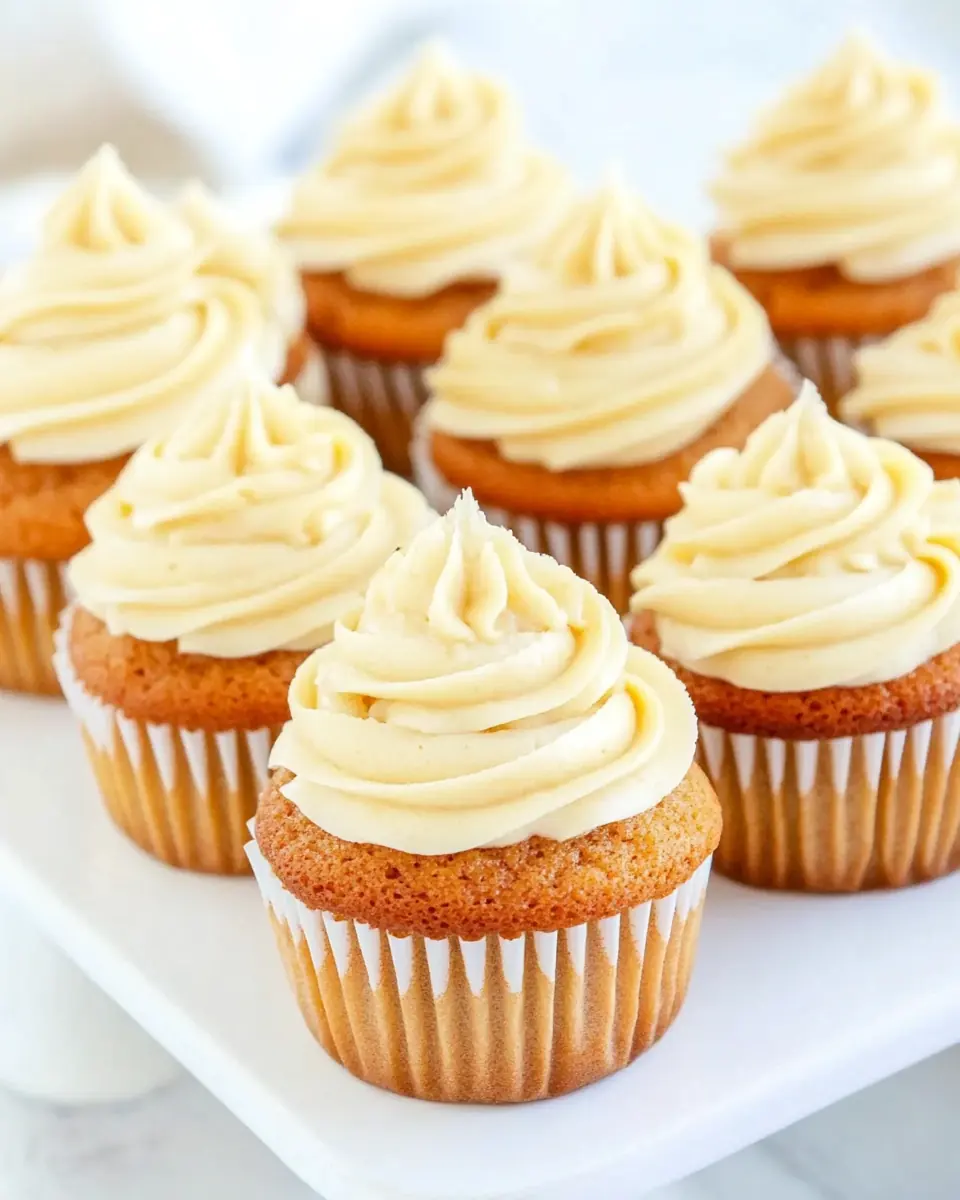
These instructions will guide you from batter to beautifully frosted cupcakes. Take your time with mixing and watching the bake, because small details change texture. I approach each step with patience and senses engaged so the final result matches the expectation.
- Preheat oven to 350°F and line a cupcake tin with paper liners.: The kitchen fills with a warm expectation as the oven comes to temperature, and that steady, low heat ensures even rising and gentle browning at the edges. You should hear a quiet hum from the oven, and when you open it the interior should feel consistently warm not overly hot, which signals you are ready to bake. This step matters because starting with a properly heated oven gives the cupcakes immediate lift, preserving a tender crumb. A common mistake is skipping the lining or using flimsy liners, which can cause cupcakes to stick or bake unevenly. If your oven runs hot, allow a few extra minutes of preheat and consider using an oven thermometer.
- Whisk flour, soda, baking powder, cinnamon, and salt in a small bowl. Set aside.: As you whisk these dry elements together you create an even distribution of leaveners and spice, which prevents pockets of metallic baking powder or clumps of cinnamon in the batter. The motion is quiet but purposeful, and you can see the pale flour take on a uniform texture and color. This matters because an evenly mixed dry base yields consistent rise and flavor in every cupcake. One mistake is adding these directly to the wet mix without sifting or whisking, which may leave uneven chemical reactions. If your leaveners look old or clumpy, replace them for reliable results.
- In a large mixing bowl, beat sugar, eggs, and oil till thick and foamy, about 1-2 minutes. Add the sour cream, vanilla, and carrots, and mix well. Add the dry ingredients and stir till just blended.: You will notice the mixture lighten in color and develop a slight sheen as air incorporates, and that foaminess helps create lift while keeping the crumb moist. The sound is gentle as the beaters move through the batter, and the surface will look glossy and thick. This aeration matters for texture; it creates a delicate crumb rather than a dense one. A frequent misstep is overbeating at high speed, which can break down structure and lead to a tighter crumb. Keep the beating brief and medium speed for the best balance.
- Fill cupcake paper liners about 2/3 full. The cupcakes do not rise too much, and that is just fine. It's easier to frost them that way! Bake for 18-20 minutes. Cool completely.: Now the batter takes on body and color as the sour cream and grated carrot fold in, offering moisture and tang. You will see flecks of orange distributed through a creamy base, and the batter will thicken slightly. This step matters because the dairy adds acidity that works with the baking soda for lift, while the carrots create moisture pockets that keep the cupcakes tender. Be mindful not to let the batter separate; if the oil pools, a short pause and gentle folding will bring it back together. A mistake to avoid is adding very wet or oversized carrot shreds that change consistency.
- Beat cream cheese, butter, and brown sugar until smooth. Let it sit for 5-10 minutes until the brown sugar dissolves completely.: The batter should come together in a few folds, with no streaks of flour remaining, creating a smooth, slightly thick batter dotted with carrot. The motion is gentle, and the key sensory cue is stopping when the flour disappears to avoid developing gluten. This restraint is important because overmixing makes the cupcakes tough. People often keep stirring to be thorough, but that is the most common error here. If you see a few small, harmless lumps, they will usually bake out.
- Add vanilla, salt, and enough powdered sugar to make a frosting thick enough to pipe. Use a large star tip to frost cupcakes.: As you portion the batter, watch how it settles and holds shape in each liner, creating uniform domes that will rise modestly in the oven. Filling to two thirds ensures the cupcakes do not overflow yet have enough batter to rise into a pleasing dome, making frosting easier later. Uneven filling causes mismatched bake times and appearance. A typical slip is overfilling, which leads to flat tops that are awkward to frost. I like to use a cookie scoop for consistency.
- The cupcakes do not rise too much, and that is just fine.: You may notice they stay lower than cake layers, offering the perfect platform for frosting, and this restrained rise keeps the crumb tight enough to support generous piping. The sound when they near doneness is a faint hush as the interior sets, and the visual cue is a springy top that returns when touched. Accepting this modest rise is important because it yields sturdier cupcakes for decorating. Expecting dramatic domes is a recipe for disappointment. If you get very high domes, your leaveners may be too fresh or overmeasured.
- Bake for 18 to 20 minutes.: The oven transforms the batter, releasing a warm aroma of cinnamon and caramelized sugar, and the tops will turn lightly golden. You can tell they are done when a toothpick inserted comes out clean or with a few moist crumbs, and the edges pull slightly from the liner. Proper timing matters because underbaked cupcakes collapse, while overbaking dries them out. One common mistake is relying solely on visual cues in a new oven; an oven thermometer and a toothpick test are more reliable than looks alone.
- Cool completely.: As they cool, the crumb firms and the residual heat finishes the internal set, so rushing to frost warm cupcakes will melt the frosting and ruin the texture. The room will smell sweet, and the liners will release more cleanly when cooled. Patience here yields neater decoration and better mouthfeel. Frosting warm cupcakes is a frequent error, leading to sliding frosting and soggy tops. Allow at least 30 minutes, or longer if your kitchen is warm.
- Beat cream cheese, butter, and brown sugar until smooth.: The frosting becomes silky and unified as the cream cheese and butter emulsify with the brown sugar , releasing a rich, slightly molasses scent. The texture should be glossy and lump free, which is crucial for piping. This step matters for a stable frosting that holds shape on the cupcake. If the ingredients are too cold, they will not combine smoothly, so bring them to room temperature. Overbeating can incorporate too much air, making the frosting unstable.
- Let it sit for 5 to 10 minutes until the brown sugar dissolves completely.: A short rest smooths the grainy sugar and deepens the flavor, during which the frosting quiets and integrates; you may notice the texture subtly refine. This waiting period improves mouthfeel and prevents grainy frosting on the cupcakes. Skipping this pause often leaves faint sugar grit in the finished frosting. If it still feels grainy after the rest, beat briefly and taste to check.
- Add vanilla, salt, and enough powdered sugar to make a frosting thick enough to pipe.: Gradually adding powdered sugar lets you control consistency, moving from spreadable to pipeable while the vanilla and dash salt balance sweetness. The frosting should be smooth and hold a peak when lifted with a spatula. This control matters because frosting that is too soft will slide off, and too stiff will be hard to pipe. A common mistake is dumping all the sugar at once, which makes the frosting dry. Add in small increments until you reach the right firmness.
- Use a large star tip to frost cupcakes.: Piping with a large star tip creates classic swirls with crisp ridges that catch the eye, and the frosting should hold those ridges without sagging. The tactile pleasure of piping and the visual reward of neat rosettes make finishing the cupcakes satisfying, and you will see the frosting shine slightly as you work. The technique matters because it elevates presentation and portion control. Spreading instead of piping is fine, but for gifts or guests piping gives a more professional look. If the frosting seems too soft to hold shape, chill briefly and try again.
Pro Tips and Tweaks
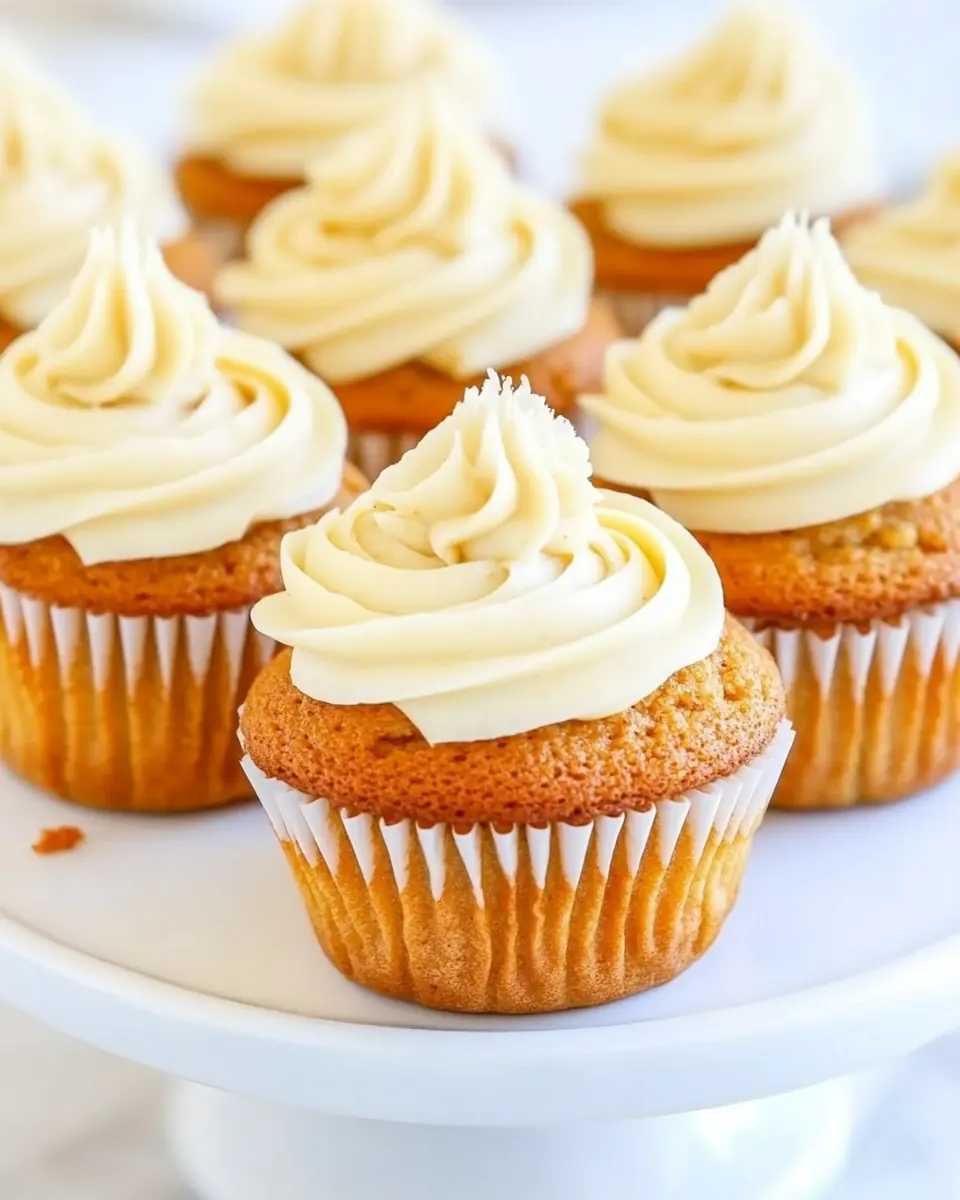
I like to think of small adjustments as the difference between good and memorable cupcakes. Below are practical tips that I use regularly, each designed to improve texture, flavor, or presentation.
- Room temperature dairy — Let the cream cheese and butter sit out for at least 30 minutes so they combine into a smooth, lump free frosting.
- Consistent grating — Finely grate the carrot for even moisture distribution; a coarse grate can change bake time and texture.
- Fresh leaveners — Check the baking powder and baking soda for freshness by testing a tiny pinch in hot water or baking soda in vinegar to ensure lively reaction.
- Measure sugar carefully — Spoon and level the flour and measure the sugar properly for consistent crumb and sweetness.
- Chill if needed — If the frosting is too soft to pipe, chill it briefly, then rewhip for stability and smooth peaks.
- Use a scoop — Portion batter with a cookie scoop for uniform cupcakes that bake evenly and look professional.
How to Enjoy Carrot Cake Cupcakes
These cupcakes work beautifully for gatherings, gifts, and weekday treats. Below are serving suggestions and storage guidance to help you plan the best presentation.
- Serve slightly chilled — Keep frosted cupcakes refrigerated and remove them 10 to 20 minutes before serving so the frosting softens and the flavors open up.
- Occasions — Perfect for Easter brunches, spring gatherings, and afternoon tea, these cupcakes fit both celebratory and casual settings.
- Presentation — Pipe with a large star tip for classic swirls, or spread for a rustic look; garnish with a tiny sprinkle of grated carrot or a dusting of cinnamon if you wish.
- Storage unfrosted — Keep unfrosted cupcakes at room temperature in an airtight container for up to three days, or freeze for four to six months in a freezer bag.
- Storage frosted — Because of the cream cheese frosting, store frosted cupcakes covered in the fridge for two to three days or freeze carefully for two to three months.
- Transport tips — Use a flat box and chill the cupcakes briefly so the frosting firms, preventing smudging during travel.
FAQ
Conclusion
Carrot Cake Cupcakes combine moist, spiced cake with a tangy, silky cream cheese frosting, making them a comforting yet celebratory treat. I encourage you to give this recipe a try because it is forgiving, crowd pleasing, and perfect for both small gatherings and special occasions. Take your time with the mixing and frosting steps, enjoy the aroma as they bake, and share the finished cupcakes proudly with friends or family.
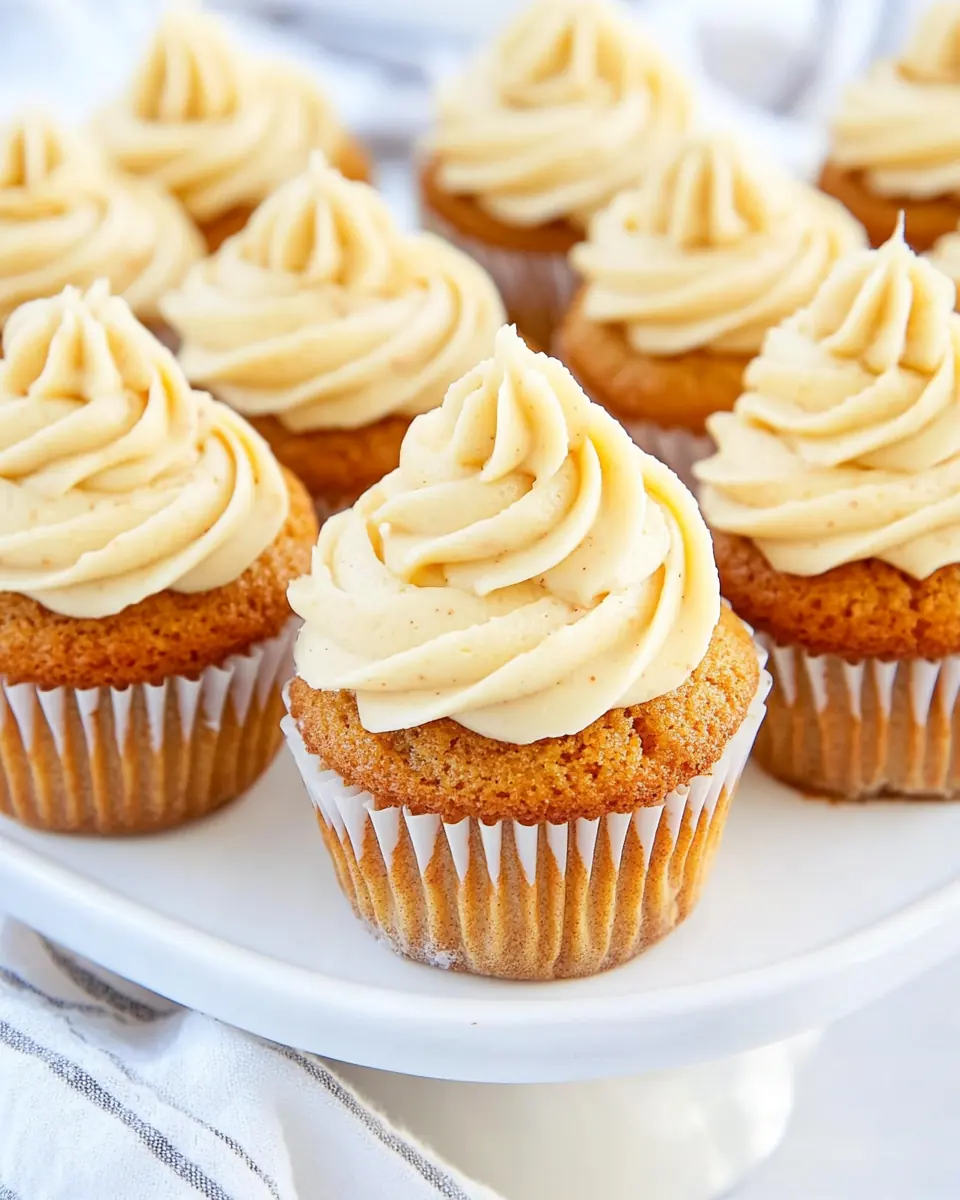
Carrot Cake Cupcakes
Ingredients
Equipment
Method
- Preheat oven to 350°F and line a cupcake tin with paper liners.: The kitchen fills with a warm expectation as the oven comes to temperature, and that steady, low heat ensures even rising and gentle browning at the edges. You should hear a quiet hum from the oven, and when you open it the interior should feel consistently warm not overly hot, which signals you are ready to bake. This step matters because starting with a properly heated oven gives the cupcakes immediate lift, preserving a tender crumb. A common mistake is skipping the lining or using flimsy liners, which can cause cupcakes to stick or bake unevenly. If your oven runs hot, allow a few extra minutes of preheat and consider using an oven thermometer.
- Whisk flour, soda, baking powder, cinnamon, and salt in a small bowl. Set aside.: As you whisk these dry elements together you create an even distribution of leaveners and spice, which prevents pockets of metallic baking powder or clumps of cinnamon in the batter. The motion is quiet but purposeful, and you can see the pale flour take on a uniform texture and color. This matters because an evenly mixed dry base yields consistent rise and flavor in every cupcake. One mistake is adding these directly to the wet mix without sifting or whisking, which may leave uneven chemical reactions. If your leaveners look old or clumpy, replace them for reliable results.
- In a large mixing bowl, beat sugar, eggs, and oil till thick and foamy, about 1-2 minutes. Add the sour cream, vanilla, and carrots, and mix well. Add the dry ingredients and stir till just blended.: You will notice the mixture lighten in color and develop a slight sheen as air incorporates, and that foaminess helps create lift while keeping the crumb moist. The sound is gentle as the beaters move through the batter, and the surface will look glossy and thick. This aeration matters for texture; it creates a delicate crumb rather than a dense one. A frequent misstep is overbeating at high speed, which can break down structure and lead to a tighter crumb. Keep the beating brief and medium speed for the best balance.
- Fill cupcake paper liners about 2/3 full. The cupcakes do not rise too much, and that is just fine. It's easier to frost them that way! Bake for 18-20 minutes. Cool completely.: Now the batter takes on body and color as the sour cream and grated carrot fold in, offering moisture and tang. You will see flecks of orange distributed through a creamy base, and the batter will thicken slightly. This step matters because the dairy adds acidity that works with the baking soda for lift, while the carrots create moisture pockets that keep the cupcakes tender. Be mindful not to let the batter separate; if the oil pools, a short pause and gentle folding will bring it back together. A mistake to avoid is adding very wet or oversized carrot shreds that change consistency.
- Beat cream cheese, butter, and brown sugar until smooth. Let it sit for 5-10 minutes until the brown sugar dissolves completely.: The batter should come together in a few folds, with no streaks of flour remaining, creating a smooth, slightly thick batter dotted with carrot. The motion is gentle, and the key sensory cue is stopping when the flour disappears to avoid developing gluten. This restraint is important because overmixing makes the cupcakes tough. People often keep stirring to be thorough, but that is the most common error here. If you see a few small, harmless lumps, they will usually bake out.
- Add vanilla, salt, and enough powdered sugar to make a frosting thick enough to pipe. Use a large star tip to frost cupcakes.: As you portion the batter, watch how it settles and holds shape in each liner, creating uniform domes that will rise modestly in the oven. Filling to two thirds ensures the cupcakes do not overflow yet have enough batter to rise into a pleasing dome, making frosting easier later. Uneven filling causes mismatched bake times and appearance. A typical slip is overfilling, which leads to flat tops that are awkward to frost. I like to use a cookie scoop for consistency.
- The cupcakes do not rise too much, and that is just fine.: You may notice they stay lower than cake layers, offering the perfect platform for frosting, and this restrained rise keeps the crumb tight enough to support generous piping. The sound when they near doneness is a faint hush as the interior sets, and the visual cue is a springy top that returns when touched. Accepting this modest rise is important because it yields sturdier cupcakes for decorating. Expecting dramatic domes is a recipe for disappointment. If you get very high domes, your leaveners may be too fresh or overmeasured.
- Bake for 18 to 20 minutes.: The oven transforms the batter, releasing a warm aroma of cinnamon and caramelized sugar, and the tops will turn lightly golden. You can tell they are done when a toothpick inserted comes out clean or with a few moist crumbs, and the edges pull slightly from the liner. Proper timing matters because underbaked cupcakes collapse, while overbaking dries them out. One common mistake is relying solely on visual cues in a new oven; an oven thermometer and a toothpick test are more reliable than looks alone.
- Cool completely.: As they cool, the crumb firms and the residual heat finishes the internal set, so rushing to frost warm cupcakes will melt the frosting and ruin the texture. The room will smell sweet, and the liners will release more cleanly when cooled. Patience here yields neater decoration and better mouthfeel. Frosting warm cupcakes is a frequent error, leading to sliding frosting and soggy tops. Allow at least 30 minutes, or longer if your kitchen is warm.
- Beat cream cheese, butter, and brown sugar until smooth.: The frosting becomes silky and unified as the cream cheese and butter emulsify with the brown sugar , releasing a rich, slightly molasses scent. The texture should be glossy and lump free, which is crucial for piping. This step matters for a stable frosting that holds shape on the cupcake. If the ingredients are too cold, they will not combine smoothly, so bring them to room temperature. Overbeating can incorporate too much air, making the frosting unstable.
- Let it sit for 5 to 10 minutes until the brown sugar dissolves completely.: A short rest smooths the grainy sugar and deepens the flavor, during which the frosting quiets and integrates; you may notice the texture subtly refine. This waiting period improves mouthfeel and prevents grainy frosting on the cupcakes. Skipping this pause often leaves faint sugar grit in the finished frosting. If it still feels grainy after the rest, beat briefly and taste to check.
- Add vanilla, salt, and enough powdered sugar to make a frosting thick enough to pipe.: Gradually adding powdered sugar lets you control consistency, moving from spreadable to pipeable while the vanilla and dash salt balance sweetness. The frosting should be smooth and hold a peak when lifted with a spatula. This control matters because frosting that is too soft will slide off, and too stiff will be hard to pipe. A common mistake is dumping all the sugar at once, which makes the frosting dry. Add in small increments until you reach the right firmness.
- Use a large star tip to frost cupcakes.: Piping with a large star tip creates classic swirls with crisp ridges that catch the eye, and the frosting should hold those ridges without sagging. The tactile pleasure of piping and the visual reward of neat rosettes make finishing the cupcakes satisfying, and you will see the frosting shine slightly as you work. The technique matters because it elevates presentation and portion control. Spreading instead of piping is fine, but for gifts or guests piping gives a more professional look. If the frosting seems too soft to hold shape, chill briefly and try again.
Notes
- Room temperature dairy — Let the cream cheese and butter sit out for at least 30 minutes so they combine into a smooth, lump free frosting.
- Consistent grating — Finely grate the carrot for even moisture distribution; a coarse grate can change bake time and texture.
- Fresh leaveners — Check the baking powder and baking soda for freshness by testing a tiny pinch in hot water or baking soda in vinegar to ensure lively reaction.
- Measure sugar carefully — Spoon and level the flour and measure the sugar properly for consistent crumb and sweetness.
- Chill if needed — If the frosting is too soft to pipe, chill it briefly, then rewhip for stability and smooth peaks.
- Use a scoop — Portion batter with a cookie scoop for uniform cupcakes that bake evenly and look professional.