Chicken Vegetable Soup
Chicken Vegetable Soup has been my go to when I want something soothing after a long day, a bowl that feels like a warm embrace more than a meal. The first time I made this version I remember the kitchen filling with the sweet scent of softened onion and carrot, and how the simple combination of humble pantry staples turned into something unexpectedly comforting. I still smile thinking about how the house hummed with gentle simmering, and how a squeeze of lemon at the end lifted the whole pot.
We often reach for quick fixes, but this Chicken Vegetable Soup is slow kindness in a pot, yet it does not demand fuss. I love that it stretches to feed a group or keeps nicely in the fridge for several days, making it perfect for busy weeks and quiet weekends alike. When I serve this, I picture friends tucked around my table, spoons clinking, and easy conversation that drifts as the steam rises. The mix of textures from tender chicken to crisp green beans and fork tender potatoes keeps each spoonful interesting.
Recipe Snapshot
45 mins
15 mins
30 mins
Medium
350 kcal
American
Gluten-Free, Low FODMAP
Soups
Large pot with lid, Tongs, Meat thermometer, Two forks
What You’ll Enjoy About This Chicken Vegetable Soup
Comforting and Familiar
I adore how Chicken Vegetable Soup tastes like home without trying too hard. The gentle, savory broth carries memories, and I find the simple seasoning allows the real ingredients to shine. When I eat it, I feel nourished and grounded, which is the whole point of a great soup.
Flexible and Forgiving
I love that this recipe adapts. If you have extra chicken or a bag of frozen vegetables, toss them in. I often tweak quantities without stress, and the soup still ends up balanced. That forgiving nature means I never hesitate to make it on a busy night.
Balanced Textures and Freshness
The combination of soft, shredded chicken, tender potatoes, and snappy green beans creates a pleasing mouthfeel. I always add a splash of fresh lemon at the end because it brightens the broth and keeps each bite lively.
Simple Ingredients, Big Flavor
We only need pantry friendly items like olive oil, dried herbs, and common vegetables, yet they collaborate to form a deep, savory broth. I appreciate recipes that let quality ingredients speak, and that is why I reach for good sea salt and fresh parsley when possible.
Meal Prep Friendly
This soup makes excellent leftovers. I often double the pot and portion it for easy lunches. Reheating gently preserves the texture of the vegetables and keeps the shredded chicken tender, so you can enjoy it all week.
What to Buy for Chicken Vegetable Soup
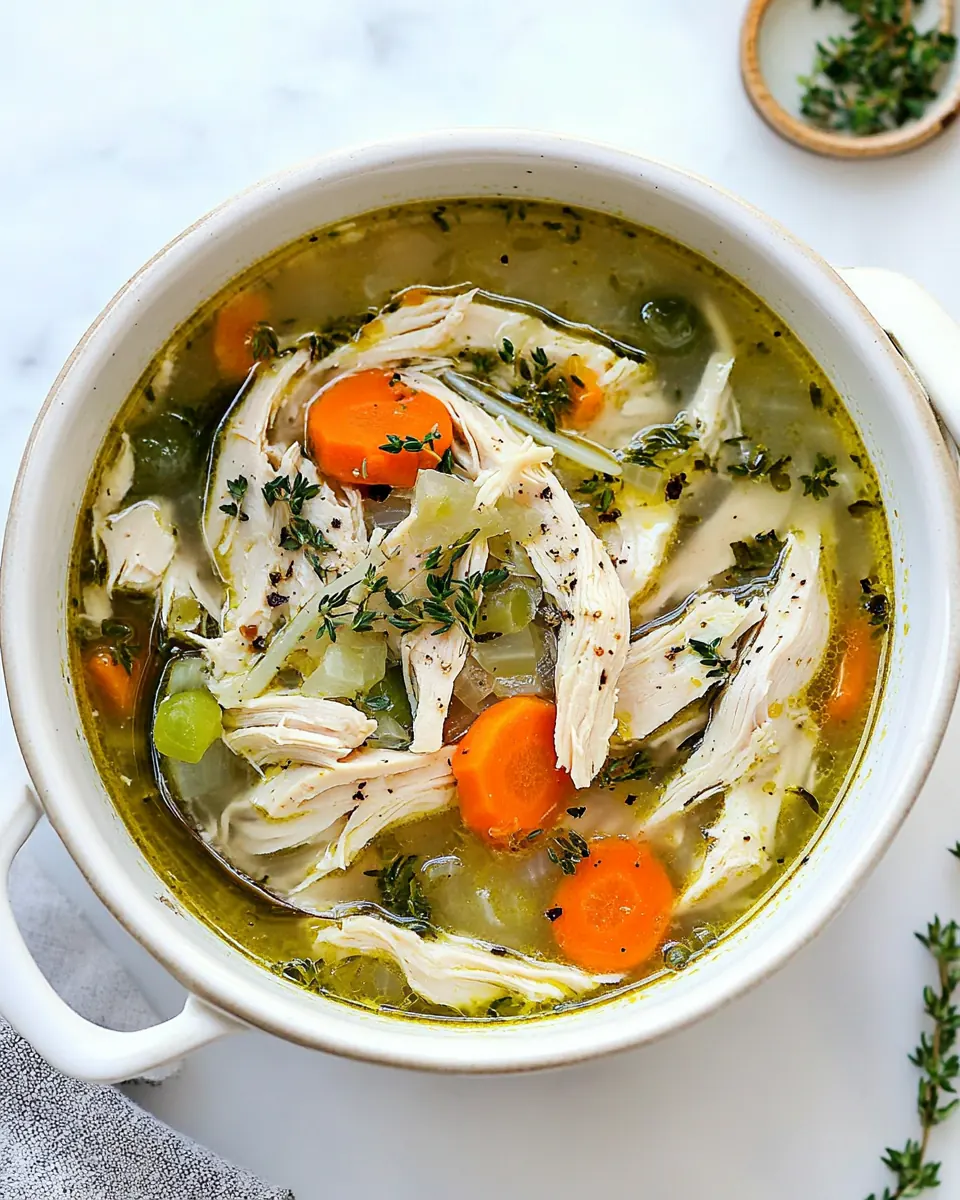
These ingredients are chosen for clarity and harmony. Each item plays a clear role, from the aromatic base of onion, carrot, and celery to the protein and body provided by the chicken and potatoes. The herbs and seasonings lift the broth, while the beans and chickpeas add satisfying texture. Together they create a balanced, nourishing bowl.
- 1 tablespoon extra virgin olive oil: Heat and coat the pot to prevent sticking while adding richness and a subtle fruity flavor that complements vegetables; use sparingly to maintain a light broth and support sautéing aromatics evenly.
- 1 yellow onion, chopped: Provide a savory foundation with mild sweetness and bulk to the soup; chop finely to release moisture and flavor during sweating and caramelization for depth in the broth.
- 3 carrots, chopped: Add natural sweetness, texture, and color while contributing body to the stock; chop uniformly so carrots cook evenly and release sugars that balance savory notes.
- 3 celery stalks, chopped: Supply aromatic earthiness and a crisp, herbaceous note while building the soup's savory backbone; chop into consistent pieces so celery softens at the same rate as other vegetables.
- 2 garlic cloves, minced: Impart pungent, aromatic heat and umami when minced; add early to bloom flavors in oil but avoid burning to keep the soup's taste bright and fragrant.
- 1 teaspoon dried thyme: Bring a warm, herbal background and savory depth; sprinkle in during sautéing or simmering to infuse the broth with subtle savory notes that complement chicken and vegetables.
- 5 cups water: Create the liquid base and determine the soup's concentration and cooking time; use measured water to extract flavors from aromatics, chicken, and vegetables without diluting taste.
- 1 1/2 cups fresh or frozen green beans, cut into 1-inch pieces: Contribute a crisp, green texture and mild vegetal flavor while adding fiber and color; cut into uniform pieces to ensure even cooking and to retain some bite in the finished soup.
- 1 pound boneless chicken breasts: Provide lean protein and body to the dish while flavoring the broth as it simmers; use whole breasts to poach and shred or dice after cooking for tender pieces throughout the soup.
- 2 to 3 teaspoons fine sea salt (I use Real Salt brand): Enhance overall flavor and bring out natural tastes when added to the broth; season gradually and taste as the soup reduces to avoid over-salting.
- 1/2 teaspoon ground black pepper: Add warm, slightly sharp heat and depth to the soup's seasoning profile; grind fresh or use pre-ground to finish and brighten flavors just before serving if desired.
- 1 (15 oz.) can chickpeas or white beans, drained and rinsed: Introduce creamy texture, additional protein, and earthy flavor while increasing heartiness; drain and rinse canned beans to reduce sodium and preserve a clean bean taste.
- 1 pound potatoes, cut into 1/2-inch pieces: Contribute starchy creaminess and substance to thicken the broth as potatoes break down; cut into uniform 1/2-inch pieces for even cooking and to maintain pleasant bite.
- Fresh lemon juice: Brighten flavors and add a touch of acidity to balance richness and salt; squeeze to taste near the end of cooking to preserve fresh citrus aroma and acidity.
- chopped parsley: Offer fresh herbal brightness and a pop of color that lifts the finished soup; chop and sprinkle over servings to add aroma and a clean, grassy finish.
Step by Step Guide for Chicken Vegetable Soup
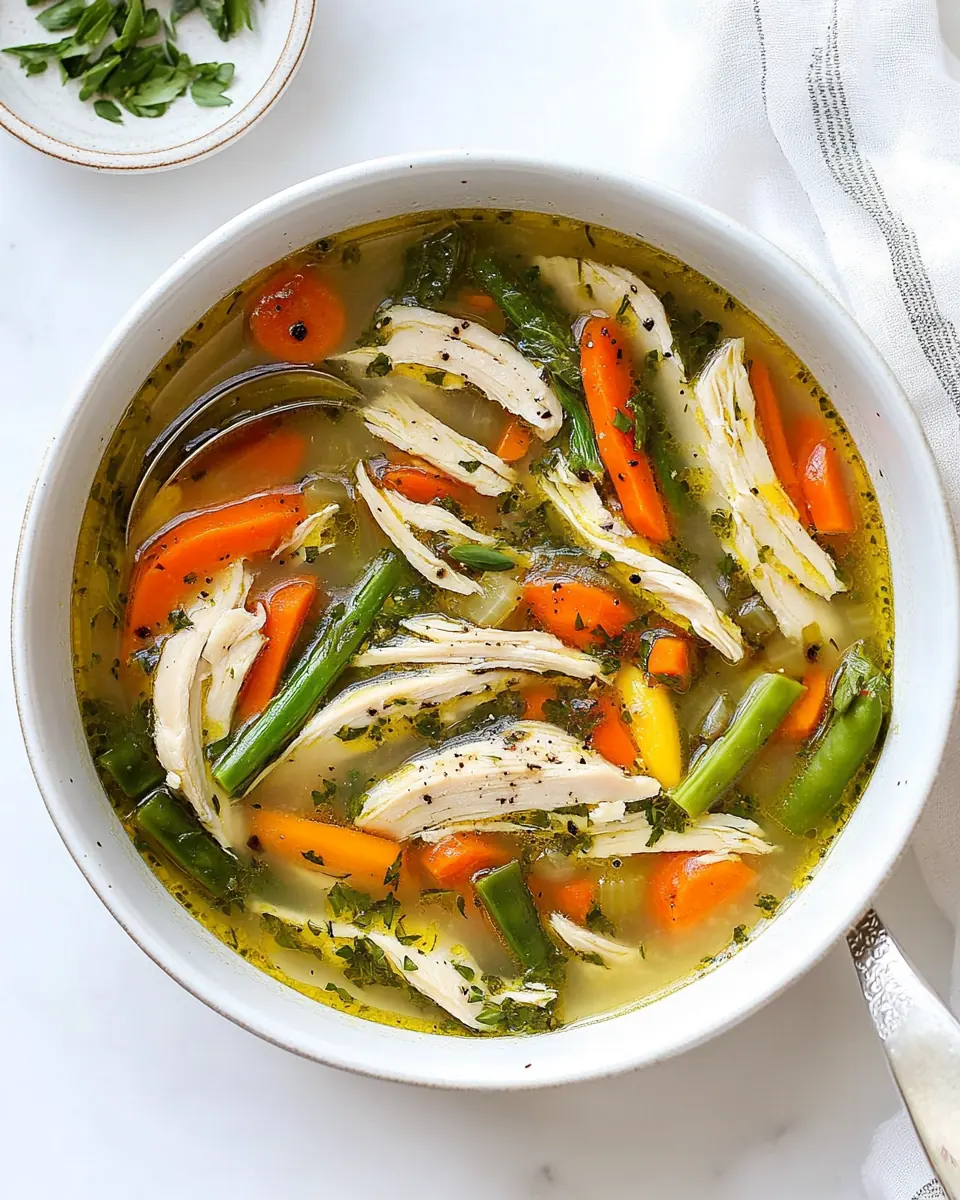
I like to approach the cooking sequence with calm and attention. These steps guide you from fragrant saut茅ing to a gently simmered, flavorful bowl. Move at a steady pace, and you’ll be rewarded with a balanced broth and tender chicken.
- In a large pot with a lid, heat the olive oil over medium heat and saute the onion, carrots, and celery until softened, about 8 minutes. Add in the garlic and thyme, and stir for one more minute.: The kitchen will fill with a sweet, savory scent as the onion , carrot , and celery slowly soften, and you should hear a gentle, steady sizzle rather than a loud pop. This mellow cooking releases sugars that form the flavor foundation, which is why we start here rather than adding everything at once. A common mistake is to rush with too high heat, which can scorch the vegetables and create bitter notes; keep the temperature steady and stir occasionally so they brown just lightly and become tender.
- Add in the water, green beans, chicken, 2 teaspoons of salt, and pepper. Bring the liquid to a boil and then cover the pot and lower the heat so the soup can gently simmer for 15 minutes. (If you want to add potatoes or chickpeas, now is the time to do that, too.): As you fold in the minced garlic and dried thyme , you'll notice an immediate uptick in aroma, a warm, herbaceous pop that wakes the base. The garlic should sizzle briefly and release its fragrance without browning; that single minute is enough to bloom its flavor into the oil. If garlic browns, it can become sharp and acrid, so watch closely and reduce heat if it starts to darken too quickly. This short stovetop mingle helps the seasoning distribute evenly into the coming broth.
- Check on the chicken by lifting it out of the pot and testing it with a meat thermometer. When the temperature reaches 160ºF, you can use the tongs to remove the chicken and let it rest for 5 to 10 minutes, so it can finish cooking and reach a safe internal temperature of 165ºF.: When the water hits the pot, aromas will lift and a faint steam will rise, signaling the transition to simmering. Add the green beans and the whole boneless chicken breasts so they can poach gently, which keeps the meat supremely tender. The initial 2 teaspoons of salt and the black pepper start the seasoning process, but we will adjust later for balance. A common misstep is using water that is too cool, which delays a proper simmer; use warm tap water or room temperature if possible to bring the pot up to heat more evenly.
- Use two forks to shred the chicken, or cut it into small, bite-sized pieces. Return the chicken to the soup pot, and adjust any seasoning to taste. (I usually add more salt, a half teaspoon at a time). You can add one more cup of water for extra broth, or add a squeeze of lemon juice to help brighten the flavor. Ladle the soup into bowls and garnish with freshly chopped parsley.: You'll see larger bubbles at first as the pot comes to a boil, then reduce to a soft, rhythmic bubble once covered and lowered to a gentle simmer. This gentle movement cooks the chicken evenly and lets the vegetables tenderize without falling apart. Keep the lid partially snug so steam circulates but does not escape aggressively. Beware of boiling too hard, which can turn the chicken rubbery and break down the vegetables into mush.
- Leftover soup can be stored in airtight container in the fridge for up to 4 days.: When you lift the chicken , its surface will glisten and the meat should feel firm but yielding. Insert a thermometer to confirm it reaches 160ºF before resting, because carryover heat will bring it to the safe 165ºF. Resting for 5 to 10 minutes lets the juices redistribute, ensuring succulent, shreddable pieces. The pitfall here is skipping the thermometer and guessing, which risks undercooked protein or overcooking and dryness.
- Use two forks to shred the chicken, or cut it into small, bite-sized pieces: As you shred, listen for the quiet, fibrous pull of cooked chicken , and notice how the texture becomes tender strings rather than dense slices. Return those pieces to the pot so they can sip the seasoned broth and meld with the vegetables. If you slice too soon while the meat is very hot, it can be harder to shred cleanly and may release too much juice; allow the rest period for best texture.
- Return the chicken to the soup pot, and adjust any seasoning to taste: Once the shredded chicken is back in the simmering pot, stir and taste for salt and pepper balance. I often add extra salt a half teaspoon at a time until the flavors open up. If the broth seems thin, you can add one more cup of water for extra volume or a squeeze of lemon to brighten and lift the entire bowl. Avoid oversalting in one go; salt concentrates as the soup reduces when reheated.
- You can add one more cup of water for extra broth, or add a squeeze of lemon juice to help brighten the flavor: The moment you squeeze fresh lemon , the aroma shifts to a lively, citrusy note that cuts through the soup's richness, making each spoonful taste fresher. Adding extra water will stretch the pot without changing flavors, useful when serving more mouths. A common mistake is adding too much acid, which can clash with the seasonings, so add a little, taste, and repeat as needed.
- Ladle the soup into bowls and garnish with freshly chopped parsley: As you ladle, notice the steam carrying layered aromas to the surface and the colors that create a welcoming bowl. The chopped parsley adds a bright herbal finish and a pleasant visual contrast. Serve while warm so the textures remain distinct. If you let the soup sit too long before serving, the vegetables can soften further and the overall brightness will fade, so time plating close to when guests arrive.
- Leftover soup can be stored in airtight container in the fridge for up to 4 days: Cooling the soup properly preserves flavors and texture, so let it come closer to room temperature before sealing and refrigerating. When reheating, warm gently on the stovetop to avoid overcooking the vegetables and shredding the chicken further. A common error is reheating at too high heat which can make the chicken tough and break the vegetables down; use low, steady heat and stir occasionally until just warmed through.
Make It Your Own
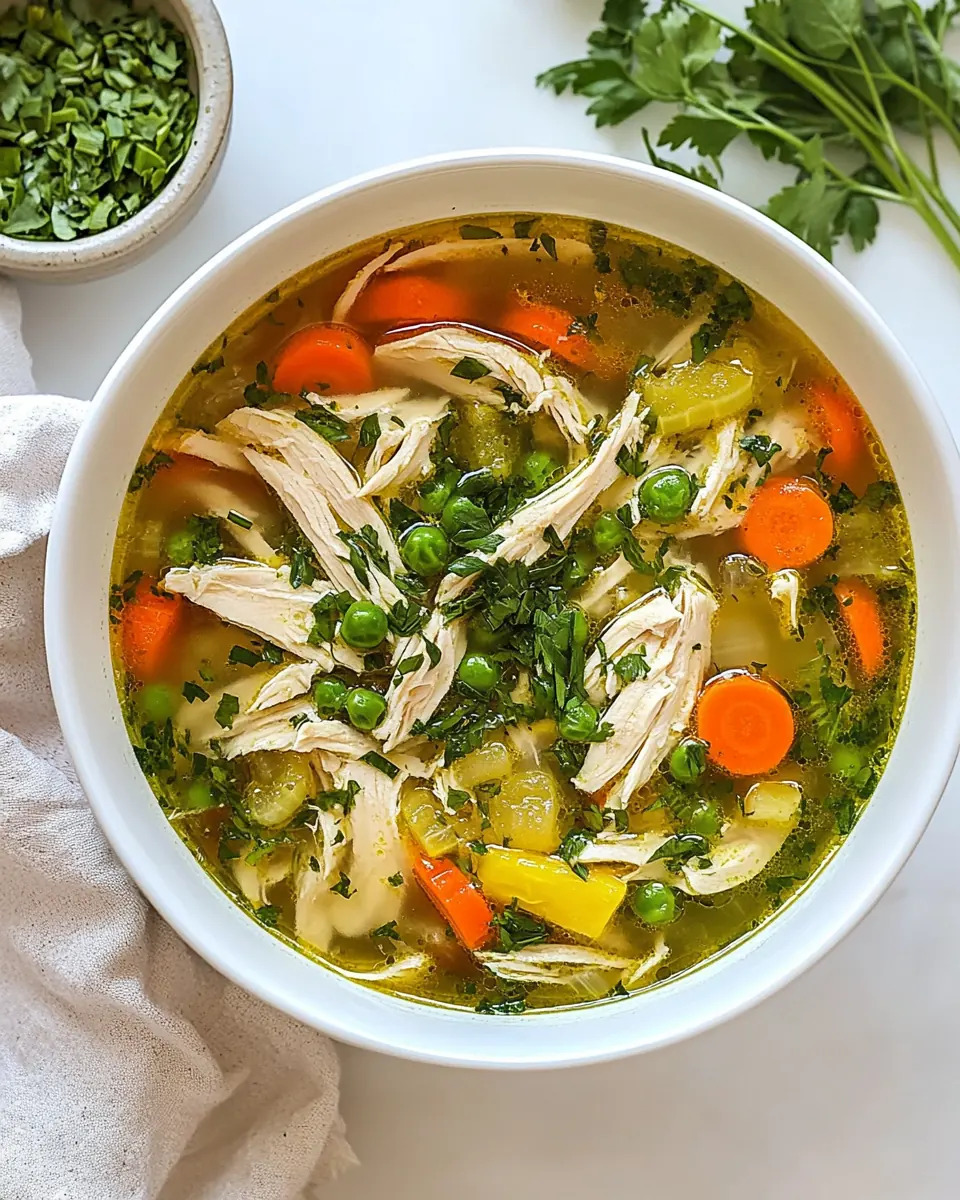
I like to offer ways to personalize the pot without changing its soul. These tips are practical and meant to spark small tweaks that make each batch feel like your own. Start small and taste as you go.
- Gently adjust salt based on whether you use water or broth, adding a little at a time while tasting to avoid over salting.
- Try different beans if you keep canned chickpeas, they add creaminess and will hold up well with reheating.
- Preserve texture by adding delicate vegetables like green beans later in the simmer so they remain bright and slightly crisp.
- Brighten with citrus by squeezing fresh lemon just before serving to lift the flavors and balance richness.
- Store smart by cooling the soup in shallow containers for quicker refrigeration and better food safety.
Serving Suggestions
This soup is easy to dress up for many occasions, from a casual weeknight to a comforting Ramadan iftar. Below are ideas to present and pair it, keeping service practical and flavorful. Use these suggestions to match mood, season, and company.
- Serve with crusty bread for dipping, which soaks up the broth and makes the meal more filling and communal.
- Offer a simple salad dressed with olive oil and lemon for a fresh counterpoint to the warm, savory soup.
- Pack for lunches in airtight containers, reheating gently to keep the chicken tender and vegetables intact.
- For a heartier dinner double the potatoes and beans to make the soup more stew like and satisfying for larger appetites.
- Season for the season by emphasizing fresh parsley and lemon in spring and winter, the bright notes contrast cold weather richness.
- Occasion friendly this recipe works well for family dinners, cozy weekends, and times when you want simple comfort without fuss.
- Storage tip cool fully, then refrigerate for up to four days, or freeze portions for longer keeping; reheat low and slow.
FAQ
Conclusion
This Chicken Vegetable Soup delivers comforting, balanced flavors with tender shredded chicken and vibrant vegetables, making it a reliable favorite for weeknights and meal prep. Give it a try and enjoy how simple ingredients transform into a cozy, satisfying bowl that comforts and nourishes. Share it with family or save portions for easy lunches, and notice how a small squeeze of lemon and fresh parsley can elevate the whole pot.
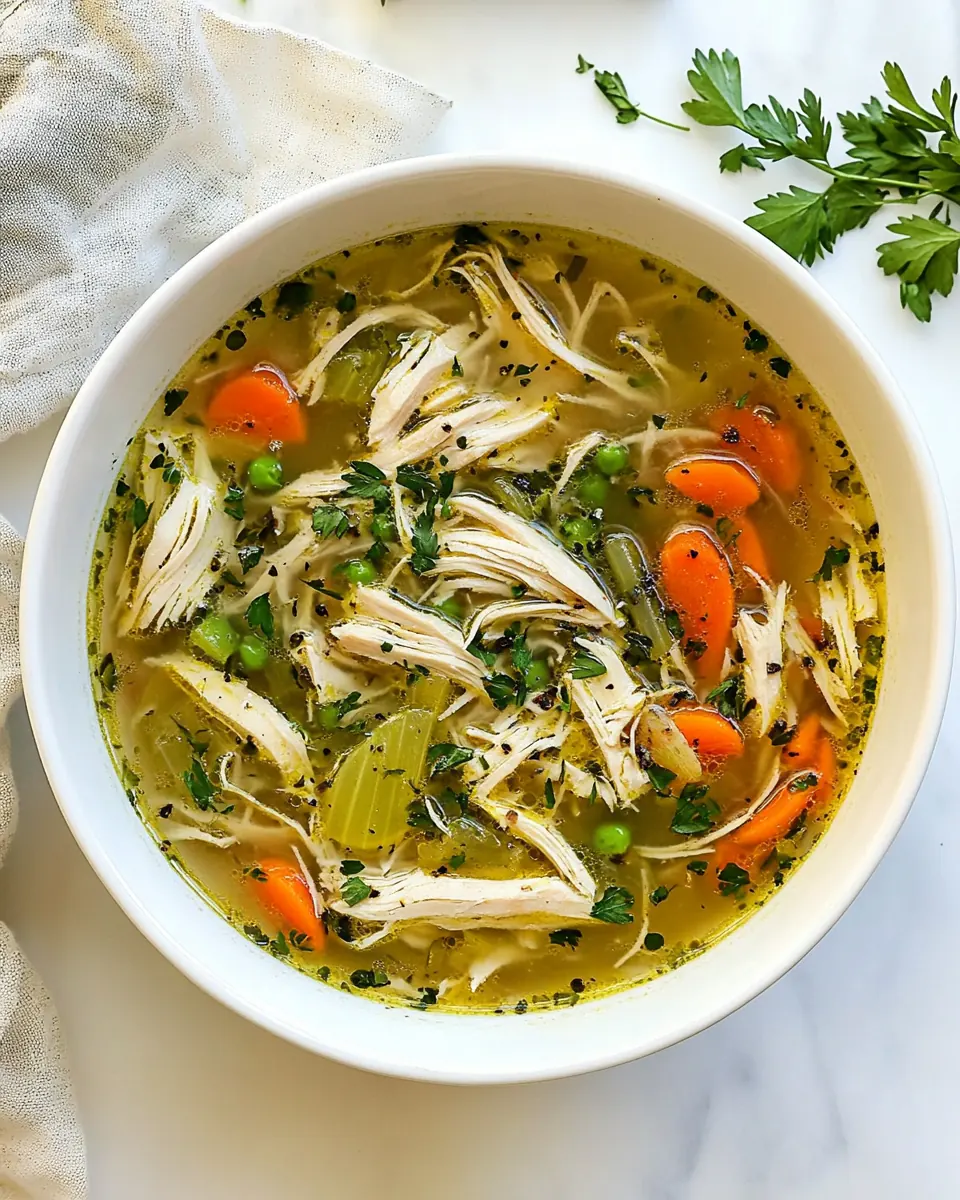
Chicken Vegetable Soup
Ingredients
Equipment
Method
- In a large pot with a lid, heat the olive oil over medium heat and saute the onion, carrots, and celery until softened, about 8 minutes. Add in the garlic and thyme, and stir for one more minute.: The kitchen will fill with a sweet, savory scent as the onion , carrot , and celery slowly soften, and you should hear a gentle, steady sizzle rather than a loud pop. This mellow cooking releases sugars that form the flavor foundation, which is why we start here rather than adding everything at once. A common mistake is to rush with too high heat, which can scorch the vegetables and create bitter notes; keep the temperature steady and stir occasionally so they brown just lightly and become tender.
- Add in the water, green beans, chicken, 2 teaspoons of salt, and pepper. Bring the liquid to a boil and then cover the pot and lower the heat so the soup can gently simmer for 15 minutes. (If you want to add potatoes or chickpeas, now is the time to do that, too.): As you fold in the minced garlic and dried thyme , you'll notice an immediate uptick in aroma, a warm, herbaceous pop that wakes the base. The garlic should sizzle briefly and release its fragrance without browning; that single minute is enough to bloom its flavor into the oil. If garlic browns, it can become sharp and acrid, so watch closely and reduce heat if it starts to darken too quickly. This short stovetop mingle helps the seasoning distribute evenly into the coming broth.
- Check on the chicken by lifting it out of the pot and testing it with a meat thermometer. When the temperature reaches 160ºF, you can use the tongs to remove the chicken and let it rest for 5 to 10 minutes, so it can finish cooking and reach a safe internal temperature of 165ºF.: When the water hits the pot, aromas will lift and a faint steam will rise, signaling the transition to simmering. Add the green beans and the whole boneless chicken breasts so they can poach gently, which keeps the meat supremely tender. The initial 2 teaspoons of salt and the black pepper start the seasoning process, but we will adjust later for balance. A common misstep is using water that is too cool, which delays a proper simmer; use warm tap water or room temperature if possible to bring the pot up to heat more evenly.
- Use two forks to shred the chicken, or cut it into small, bite-sized pieces. Return the chicken to the soup pot, and adjust any seasoning to taste. (I usually add more salt, a half teaspoon at a time). You can add one more cup of water for extra broth, or add a squeeze of lemon juice to help brighten the flavor. Ladle the soup into bowls and garnish with freshly chopped parsley.: You'll see larger bubbles at first as the pot comes to a boil, then reduce to a soft, rhythmic bubble once covered and lowered to a gentle simmer. This gentle movement cooks the chicken evenly and lets the vegetables tenderize without falling apart. Keep the lid partially snug so steam circulates but does not escape aggressively. Beware of boiling too hard, which can turn the chicken rubbery and break down the vegetables into mush.
- Leftover soup can be stored in airtight container in the fridge for up to 4 days.: When you lift the chicken , its surface will glisten and the meat should feel firm but yielding. Insert a thermometer to confirm it reaches 160ºF before resting, because carryover heat will bring it to the safe 165ºF. Resting for 5 to 10 minutes lets the juices redistribute, ensuring succulent, shreddable pieces. The pitfall here is skipping the thermometer and guessing, which risks undercooked protein or overcooking and dryness.
- Use two forks to shred the chicken, or cut it into small, bite-sized pieces: As you shred, listen for the quiet, fibrous pull of cooked chicken , and notice how the texture becomes tender strings rather than dense slices. Return those pieces to the pot so they can sip the seasoned broth and meld with the vegetables. If you slice too soon while the meat is very hot, it can be harder to shred cleanly and may release too much juice; allow the rest period for best texture.
- Return the chicken to the soup pot, and adjust any seasoning to taste: Once the shredded chicken is back in the simmering pot, stir and taste for salt and pepper balance. I often add extra salt a half teaspoon at a time until the flavors open up. If the broth seems thin, you can add one more cup of water for extra volume or a squeeze of lemon to brighten and lift the entire bowl. Avoid oversalting in one go; salt concentrates as the soup reduces when reheated.
- You can add one more cup of water for extra broth, or add a squeeze of lemon juice to help brighten the flavor: The moment you squeeze fresh lemon , the aroma shifts to a lively, citrusy note that cuts through the soup's richness, making each spoonful taste fresher. Adding extra water will stretch the pot without changing flavors, useful when serving more mouths. A common mistake is adding too much acid, which can clash with the seasonings, so add a little, taste, and repeat as needed.
- Ladle the soup into bowls and garnish with freshly chopped parsley: As you ladle, notice the steam carrying layered aromas to the surface and the colors that create a welcoming bowl. The chopped parsley adds a bright herbal finish and a pleasant visual contrast. Serve while warm so the textures remain distinct. If you let the soup sit too long before serving, the vegetables can soften further and the overall brightness will fade, so time plating close to when guests arrive.
- Leftover soup can be stored in airtight container in the fridge for up to 4 days: Cooling the soup properly preserves flavors and texture, so let it come closer to room temperature before sealing and refrigerating. When reheating, warm gently on the stovetop to avoid overcooking the vegetables and shredding the chicken further. A common error is reheating at too high heat which can make the chicken tough and break the vegetables down; use low, steady heat and stir occasionally until just warmed through.
Notes
- Gently adjust salt based on whether you use water or broth, adding a little at a time while tasting to avoid over salting.
- Try different beans if you keep canned chickpeas, they add creaminess and will hold up well with reheating.
- Preserve texture by adding delicate vegetables like green beans later in the simmer so they remain bright and slightly crisp.
- Brighten with citrus by squeezing fresh lemon just before serving to lift the flavors and balance richness.
- Store smart by cooling the soup in shallow containers for quicker refrigeration and better food safety.