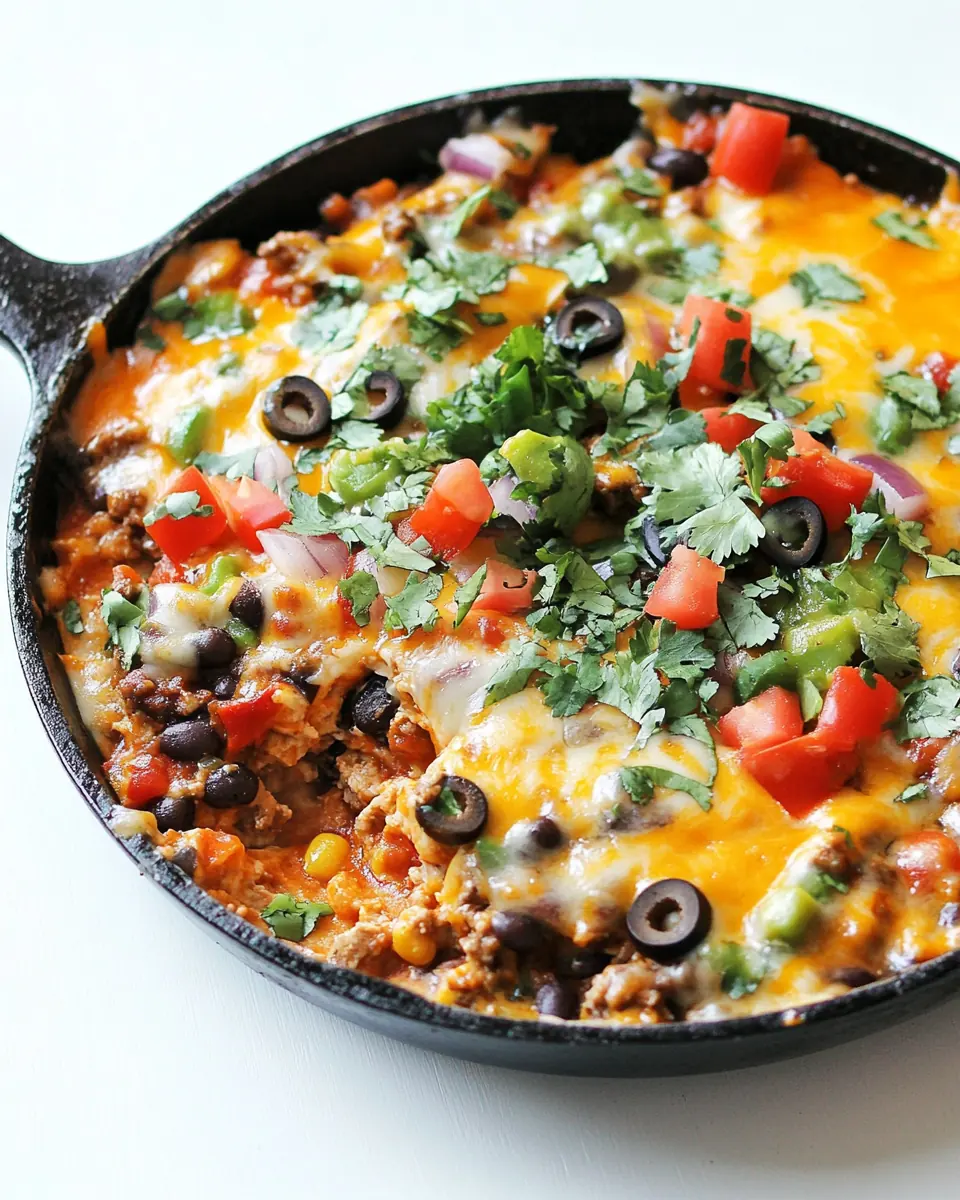
30 Minute Loaded Taco Skillet
30 Minute Loaded Taco Skillet is the sort of weeknight hero I reach for when the day ran long and everyone is hungry now. I remember the first time I tossed a few pantry cans and fresh veggies into a hot skillet and watched the kitchen fill with the scent of toasted spices, and from that night on this skillet became a Friday favorite in our house.
There is a comforting, practical rhythm to assembling a one pan meal, and this 30 Minute Loaded Taco Skillet gives you bold flavor without fuss. I like how the combination of browned meat, soft diced zucchini, and sweet bell peppers creates texture contrast, while the tomatoes and spices bind everything into a warm, saucy hug. It has that cozy, communal vibe that makes people gather around the stove, spoons in hand, trading garnish ideas and tasting as you go.
Over time I learned a few little tricks that keep the dish bright and not greasy, like cooking the vegetables first so they keep some snap, and stirring in the fresh baby spinach at the end so it wilts gently. Every time I serve it I offer simple garnishes and watch faces light up as people add creamy avocados or a sprinkle of shredded cheddar cheese. It is fast, forgiving, and endlessly adaptable, which is why I keep this skillet in heavy rotation on busy nights.
Recipe Snapshot
30 mins
10 mins
20 mins
Easy
400 kcal
Mexican
Gluten-Free, Keto
Dinner
12 inch skillet, Spatula
What Makes This 30 Minute Loaded Taco Skillet Special
Flavor without fuss
I adore how the 30 Minute Loaded Taco Skillet delivers big, layered flavor with minimal effort. Browning the ground turkey or ground beef with the spices creates a fragrant base, and the canned crushed tomatoes and green chiles build a saucy backbone that tastes like it simmered all afternoon, even though it only takes minutes.
Balanced textures
The mix of sautéed zucchini, diced carrot, and softened onion gives bite and sweetness, while the tender black beans and optional melted cheddar cheese bring creaminess, so every spoonful is interesting. I love that contrast, it keeps the dish from feeling one note.
Speed and versatility
Because this skillet cooks from start to finish in about 30 minutes, it is perfect for weeknight dinners, quick potlucks, or a simple meal prep option. You can spoon it into tortillas, mound it over rice, or serve it with roasted squash to suit the mood of the night.
Family friendly and customizable
I appreciate how easy it is to adapt for picky eaters or different diets. You can skip the black beans to make it lower carb, or leave out the cheddar cheese for Whole30 style eating. The recipe still feels complete and satisfying either way.
Garnish-forward finishing
A quick scatter of diced avocados, chopped scallions, and a few pickled jalapeños turns a skillet into a sharing plate. Those final bright, creamy, and tangy touches elevate the dish and make it feel special without extra work.
Shopping List for 30 Minute Loaded Taco Skillet
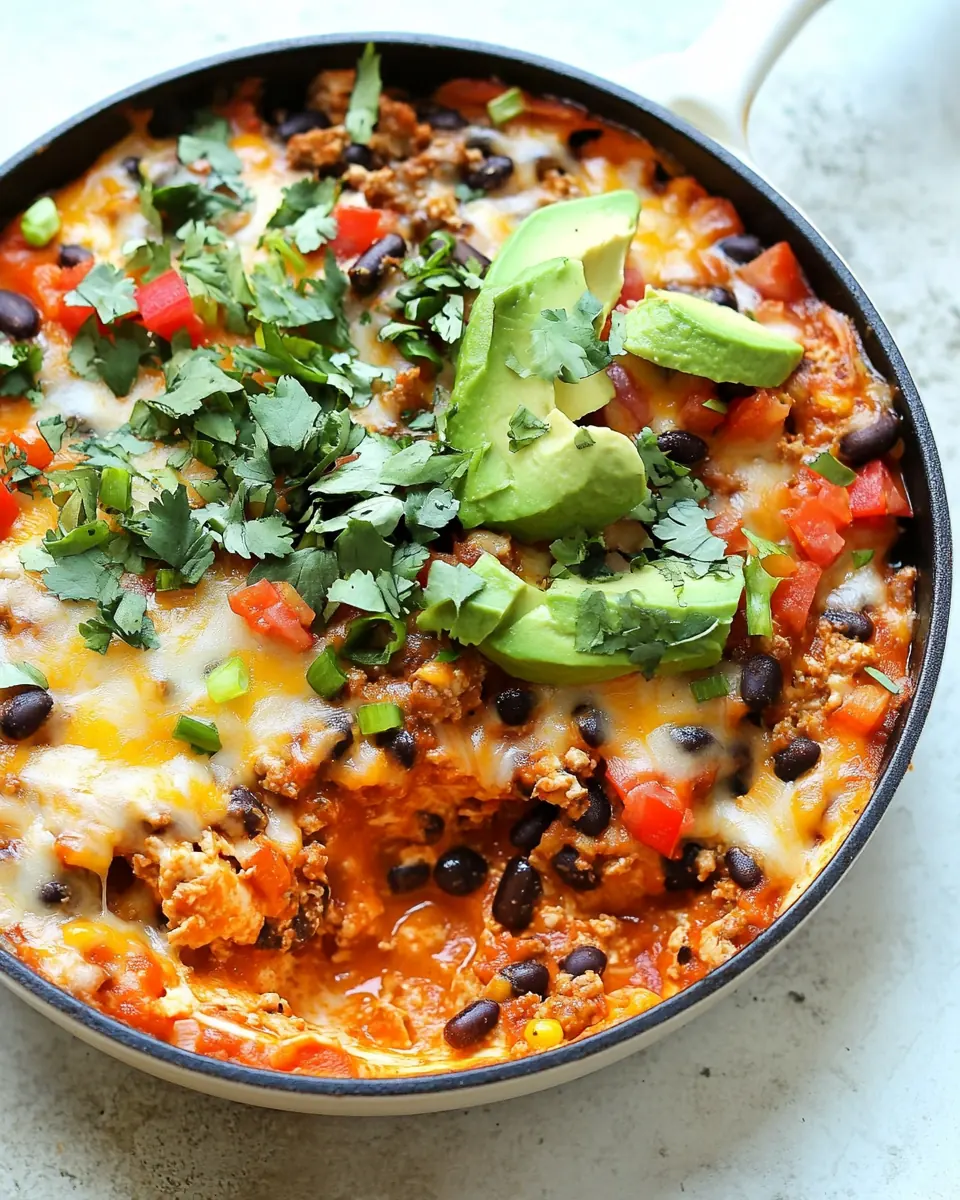
These ingredients form a practical, flavor-forward cast that shows why a simple skillet can taste so complete. I treat the canned items as the savory glue, the fresh vegetables as texture and brightness providers, and the spices as the personality. The key players are the ground meat for body, the crushed tomatoes and green chiles for saucy depth, and the fresh garnishes that bring lift and creaminess.
- 1 tablespoon avocado oil: Sear quickly in a hot skillet to provide a neutral, high-heat fat that helps brown proteins and vegetables; use to prevent sticking while building flavor through Maillard reactions. Maintain medium-high heat to avoid smoking and ensure even coating of other ingredients for a cohesive skillet base.
- 1 garlic clove minced: Mince finely to release pungent aromatics that infuse the dish with savory depth and subtle sweetness when sautéed; add early with oil to bloom flavor. Ensure even distribution so garlic melds into the sauce and complements the spices without overpowering.
- 1 zucchini diced: Dice into small, uniform pieces to add tender texture and light vegetal sweetness that soaks up taco flavors; cook until just softened to retain body. Combine with other vegetables to contribute moisture and subtle freshness to the skillet.
- 1 large carrot finely diced: Finely dice to provide slight sweetness and a tender bite that contrasts with meat and beans; cook until softened to integrate into the mixture. Use small pieces so carrot cooks through within the 30-minute timeframe and contributes color.
- 2 bell peppers diced: Dice evenly to supply crisp, sweet, and slightly fruity notes that balance savory elements; sauté until softened but still slightly crisp. Choose colorful peppers to enhance visual appeal and layered texture in the skillet.
- 1 onion diced: Dice to create a savory, aromatic backbone that softens and sweetens during sautéing, lending depth and moisture to the pan; cook until translucent. Incorporate early so onion flavors meld with spices and meat.
- 1 pound ground turkey or ground beef: Brown thoroughly to develop rich, savory flavor and provide protein backbone for the dish; break into small pieces while cooking for even distribution. Drain excess fat if needed to control grease and allow spices and tomato to cling.
- 1 teaspoon chili powder: Sprinkle to add warm, earthy heat and classic taco seasoning characteristics; toast briefly with the meat to release oils and aroma. Adjust amount to taste to balance smokiness and overall spice level.
- 1 teaspoon paprika: Add to impart mild smokiness and depth, complementing chili powder and enhancing roasted notes; stir in during browning for even flavor. Use to deepen color and give the skillet a subtle warmth without overpowering.
- 1 teaspoon garlic powder: Dust in to reinforce garlicky undertones and boost savory richness without adding moisture; combine with other dry spices for a balanced seasoning profile. Helps layer flavors so garlic taste remains present even after cooking.
- 1/2 teaspoon fine sea salt: Season to elevate and harmonize all flavors, enhancing other ingredients while controlling overall salinity; add gradually and taste as you cook. Fine sea salt dissolves quickly for even seasoning throughout the skillet.
- Pinch black pepper: Grind lightly to add a sharp, bitter contrast that sharpens flavors and complements salt; use sparingly to avoid overpowering. Freshly cracked black pepper provides aromatic heat and enhances the dish's savory notes.
- 1 14.5 ounce can crushed tomatoes: Pour in to provide a rich, bright tomato base that adds acidity, moisture, and body to bind ingredients; simmer briefly to meld flavors. Crushed tomatoes create a saucy consistency that soaks into vegetables, meat, and beans.
- 1 5 ounce can green chiles: Stir in to contribute a mild, tangy heat and vegetal flavor that complements the tomato base; distribute evenly for consistent spice pockets. Green chiles add a Southwestern profile and enhance complexity without adding bulk.
- 1 14.5 ounce can black beans, drained and rinsed: Rinse and add to supply creamy, earthy protein and fiber that bulk up the skillet while absorbing surrounding flavors; fold in gently to avoid mashing. Black beans add texture contrast and make the dish more filling and nutritious.
- 2 cups fresh baby spinach: Toss in to introduce tender, leafy greens that wilt quickly and add fresh brightness and nutrients without overwhelming other flavors; stir until just wilted. Spinach provides color contrast and a mild vegetal lift to the finished skillet.
- 1/2 cups shredded cheddar cheese (optional): Sprinkle if desired to contribute melty, salty, and tangy richness that helps bind the topping layers and finish the dish; use sparingly for balance. Cheddar adds a familiar comfort-note and creamy mouthfeel when melted over the hot skillet.
- Scallions diced: Garnish with to deliver a crisp, oniony bite and fresh herb-like sharpness that brightens each spoonful; add at the end for texture contrast. Scallions lift heavier flavors and provide a crunchy, aromatic finish.
- Avocados diced: Top with to add creamy, buttery texture and coolness that balances spice and acidity; dice uniformly for easy scooping and even distribution. Avocados contribute healthy fats and a silky mouthfeel that complements the loaded skillet.
- Pickled jalapeños: Add sparingly as a tangy, acidic, and spicy garnish to introduce a pickle-bright kick that contrasts rich and savory elements; slice thinly for controlled heat. Pickled jalapeños enhance complexity and allow diners to customize heat level.
How to Prepare 30 Minute Loaded Taco Skillet
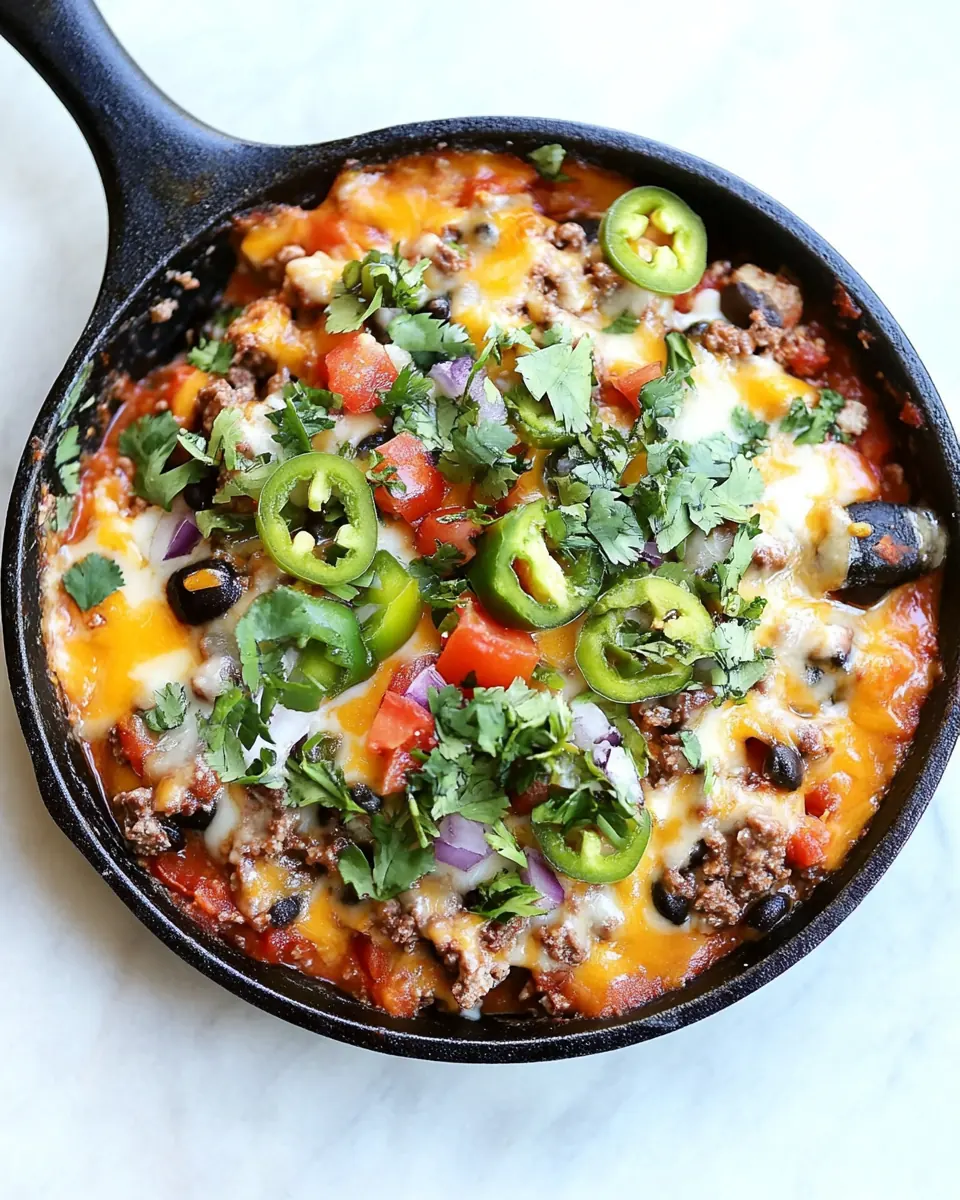
Get ready for an easy, satisfying cook that moves quickly. I walk you through the timing and the sensory cues so you know when each stage is right, and how to avoid common slips that slow you down. Keep your tools handy and taste as you go so the final skillet is balanced and lively.
- Heat oil in a large 12" skillet over medium heat. Once hot, add garlic and cook for 1 minute.: The aroma of hot avocado oil is the first cue that the pan is ready, and you should see a light shimmer across the surface. This step primes the skillet so the garlic sizzles instead of sticking; when the oil moves fluidly it is hot enough. If the oil smokes you have the heat too high and should lower it a little, because burnt oil will impart bitterness. A common mistake is crowding the pan immediately, which lowers the temperature and stops proper browning.
- Add in zucchini, carrots, peppers, and onion and let cook for 5-7 minutes, until veggies begin to soften.: You will hear a soft, lively sizzle as the minced garlic meets the oil, and within moments it releases a nutty, toasty scent. Stir constantly to prevent any pieces from sticking to the pan, and watch the edges for the slightest golden color. If the garlic goes dark brown it has burned and will taste acrid, so remove the pan from heat briefly if you see that happening. The reason this matters is the flavorful oils released by gently cooked garlic infuse the entire skillet.
- Add in turkey, chili powder, paprika, garlic, salt, and pepper and cook until no pink remains.: As the vegetables hit the pan you should hear a steady, satisfying sizzle, and they will begin to smell sweet and vegetal as their natural sugars awaken. Stir every minute so the diced carrot softens and the bell peppers and zucchini get a little color without losing texture. You want tender crispness, not mush, so test a piece for the right bite. A frequent error is cooking on too low heat which yields limp, pale vegetables instead of those faintly caramelized edges that deepen flavor.
- Add in tomatoes, green chiles, and black beans and mix to combine. Reduce heat to a simmer for 5 minutes. Add in spinach and mix until wilted. Taste and adjust seasoning as desired.: When the ground turkey or ground beef joins the pan, break it apart with your spoon and turn up the heat slightly to encourage Maillard browning, which creates savory, roasted notes. The spices should be added now so their oils toast and bind to the meat, releasing a warm, complex scent. Keep moving the meat so it cooks evenly and check for any pink centers, since undercooked meat is unsafe. A pitfall is stirring too little, which leaves large clumps and inconsistent doneness.
- If adding cheddar cheese, sprinkle over the top and cover the skillet until cheese melts.: When you pour in the crushed tomatoes and canned green chiles , the skillet will steam slightly and the sauce will begin to simmer, filling the air with tangy tomato and lively chile notes. Stirring in the black beans integrates their creamy texture and softens their surface from the warm liquid, creating a unified mixture. Let the pan come to a gentle simmer for about five minutes so the sauce reduces and concentrates, which intensifies the flavors. A common misstep is boiling vigorously, which can break down the beans and produce a thin, watery sauce.
- Serve hot with optional garnishes and serve with tortillas for dipping, or with rice, cauliflower rice, or spaghetti squash.: Lowering the heat lets the sauce finish with gentle movement, and adding the baby spinach at this point produces a tender, leafy note without overcooking. The spinach will collapse visually in seconds and become glossy, signaling it is ready. Stir to distribute the heat evenly so no pockets of raw leaf remain. Overcooking will result in a limp, unappetizing texture and a loss of the bright color you want at serving.
- If adding cheddar cheese, sprinkle over the top and cover the skillet until cheese melts: Once you see the sauce bubbling softly, a blanket of shredded cheddar cheese will begin to melt into creamy ribbons as you cover the pan, trapping steam to finish the job. The smell shifts toward warm dairy and comfort, and the cheese will form a melty, cohesive layer that ties the dish together. Keep the cover on only briefly so the texture stays gooey rather than oily. A common error is adding cold cheese in excessive amounts which can cool the pan and slow the melt.
- Serve hot with optional garnishes and serve with tortillas for dipping or with rice cauliflower rice or spaghetti squash: Serving from the skillet while everything is still steaming gives the best sensory impression, with aroma rising and the cheese stretching at first scoop. Offer bowls of diced avocados , chopped scallions , and pickled jalapeños so guests can personalize each bite. If you plan to serve over rice or roasted squash, spoon a generous portion onto the base so the sauce soaks into it. A slip to avoid is letting the skillet sit too long uncovered, which cools the toppings and reduces the vibrancy of the dish.
Helpful Hints
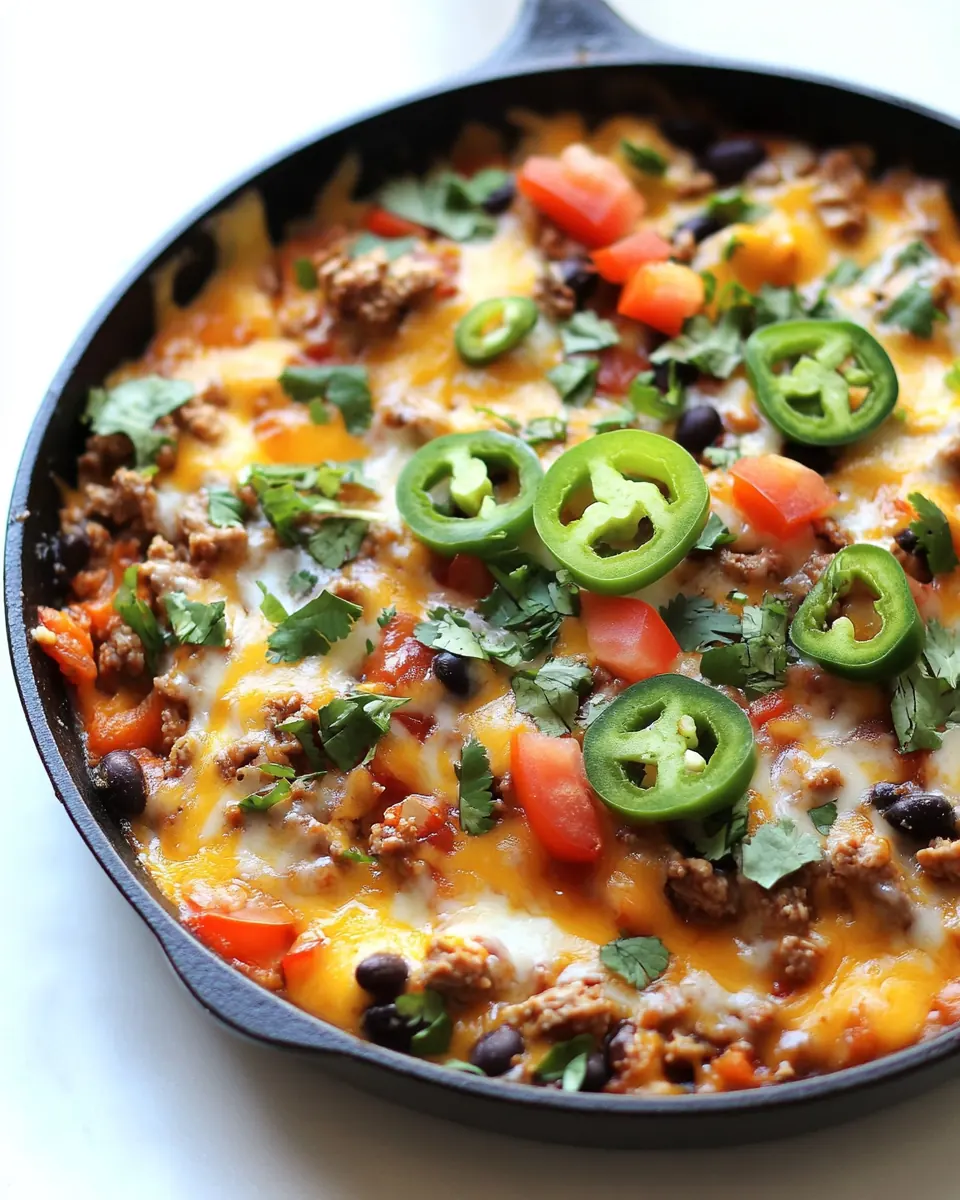
I like to share short, practical hints that change your results more than extra ingredients. These are the tips I find myself offering at the stove, the little habits that turn a good skillet into a memorable one.
- Preheat the skillet properly, make sure the oil shimmers before adding garlic or vegetables, this prevents sticking and encourages light caramelization.
- Keep your cuts consistent, uniform dice of zucchini, carrot, and bell peppers ensures even cooking so no single bite is overcooked or undercooked.
- Toast the spices briefly, adding chili powder and paprika to the hot oil for a few seconds unlocks deeper aroma and integrates the flavors with the meat.
- Don’t overcrowd the pan, cook in batches if necessary so ingredients brown instead of steaming, which develops better flavor.
- Rinse canned beans, rinsing the black beans removes excess packing liquid and yields a cleaner, fresher taste in the finished skillet.
- Add delicate greens last, stir in the baby spinach at the end so it wilts just enough to be tender and vibrant.
What Goes Well With This 30 Minute Loaded Taco Skillet
This skillet is versatile enough to pair with many sides and occasions. Serve it family style for casual dinners, spoon it into warm tortillas for taco night, or offer rice or roasted vegetables for a heartier plate. For gatherings I like to set out several garnishes so everyone can assemble their ideal bite.
- Soft tortillas, warm flour or corn tortillas let you scoop and eat with your hands, turning the skillet into an interactive taco spread perfect for casual dinners.
- Steamed rice, white or brown rice soaks up the saucy juices and extends the meal for hungry appetites, suitable for weeknight family meals.
- Cauliflower rice, a lower carb base that still absorbs flavors and works well for those avoiding grains, keeping the meal light and fresh.
- Spaghetti squash, roasted strands provide a slightly sweet, textured base that pairs nicely with the savory, spiced skillet for a gluten free option.
- Fresh garnishes, bowls of diced avocados, chopped scallions, and pickled jalapeños let guests customize heat and creaminess to their taste, making it great for gatherings.
- Storage tips, refrigerate leftovers in an airtight container for up to four days, reheat gently over medium heat adding a splash of water to restore sauce consistency.
- Occasion notes, this skillet shines for easy weeknight dinners, casual get togethers, and simple meal prep when you want something hearty and flavorful without fuss.
FAQ
Conclusion
This skillet stands out for its speedy assembly, bold spice profile, and satisfying mix of textures that make it feel like a full meal. I encourage you to give the 30 Minute Loaded Taco Skillet a try on a busy evening when you want flavor without fuss. It is forgiving, adaptable, and comes together quickly, so you can spend less time cooking and more time enjoying the results with family or friends.
30 Minute Loaded Taco Skillet
Ingredients
Equipment
Method
- Heat oil in a large 12" skillet over medium heat. Once hot, add garlic and cook for 1 minute.: The aroma of hot avocado oil is the first cue that the pan is ready, and you should see a light shimmer across the surface. This step primes the skillet so the garlic sizzles instead of sticking; when the oil moves fluidly it is hot enough. If the oil smokes you have the heat too high and should lower it a little, because burnt oil will impart bitterness. A common mistake is crowding the pan immediately, which lowers the temperature and stops proper browning.
- Add in zucchini, carrots, peppers, and onion and let cook for 5-7 minutes, until veggies begin to soften.: You will hear a soft, lively sizzle as the minced garlic meets the oil, and within moments it releases a nutty, toasty scent. Stir constantly to prevent any pieces from sticking to the pan, and watch the edges for the slightest golden color. If the garlic goes dark brown it has burned and will taste acrid, so remove the pan from heat briefly if you see that happening. The reason this matters is the flavorful oils released by gently cooked garlic infuse the entire skillet.
- Add in turkey, chili powder, paprika, garlic, salt, and pepper and cook until no pink remains.: As the vegetables hit the pan you should hear a steady, satisfying sizzle, and they will begin to smell sweet and vegetal as their natural sugars awaken. Stir every minute so the diced carrot softens and the bell peppers and zucchini get a little color without losing texture. You want tender crispness, not mush, so test a piece for the right bite. A frequent error is cooking on too low heat which yields limp, pale vegetables instead of those faintly caramelized edges that deepen flavor.
- Add in tomatoes, green chiles, and black beans and mix to combine. Reduce heat to a simmer for 5 minutes. Add in spinach and mix until wilted. Taste and adjust seasoning as desired.: When the ground turkey or ground beef joins the pan, break it apart with your spoon and turn up the heat slightly to encourage Maillard browning, which creates savory, roasted notes. The spices should be added now so their oils toast and bind to the meat, releasing a warm, complex scent. Keep moving the meat so it cooks evenly and check for any pink centers, since undercooked meat is unsafe. A pitfall is stirring too little, which leaves large clumps and inconsistent doneness.
- If adding cheddar cheese, sprinkle over the top and cover the skillet until cheese melts.: When you pour in the crushed tomatoes and canned green chiles , the skillet will steam slightly and the sauce will begin to simmer, filling the air with tangy tomato and lively chile notes. Stirring in the black beans integrates their creamy texture and softens their surface from the warm liquid, creating a unified mixture. Let the pan come to a gentle simmer for about five minutes so the sauce reduces and concentrates, which intensifies the flavors. A common misstep is boiling vigorously, which can break down the beans and produce a thin, watery sauce.
- Serve hot with optional garnishes and serve with tortillas for dipping, or with rice, cauliflower rice, or spaghetti squash.: Lowering the heat lets the sauce finish with gentle movement, and adding the baby spinach at this point produces a tender, leafy note without overcooking. The spinach will collapse visually in seconds and become glossy, signaling it is ready. Stir to distribute the heat evenly so no pockets of raw leaf remain. Overcooking will result in a limp, unappetizing texture and a loss of the bright color you want at serving.
- If adding cheddar cheese, sprinkle over the top and cover the skillet until cheese melts: Once you see the sauce bubbling softly, a blanket of shredded cheddar cheese will begin to melt into creamy ribbons as you cover the pan, trapping steam to finish the job. The smell shifts toward warm dairy and comfort, and the cheese will form a melty, cohesive layer that ties the dish together. Keep the cover on only briefly so the texture stays gooey rather than oily. A common error is adding cold cheese in excessive amounts which can cool the pan and slow the melt.
- Serve hot with optional garnishes and serve with tortillas for dipping or with rice cauliflower rice or spaghetti squash: Serving from the skillet while everything is still steaming gives the best sensory impression, with aroma rising and the cheese stretching at first scoop. Offer bowls of diced avocados , chopped scallions , and pickled jalapeños so guests can personalize each bite. If you plan to serve over rice or roasted squash, spoon a generous portion onto the base so the sauce soaks into it. A slip to avoid is letting the skillet sit too long uncovered, which cools the toppings and reduces the vibrancy of the dish.
Notes
- Preheat the skillet properly, make sure the oil shimmers before adding garlic or vegetables, this prevents sticking and encourages light caramelization.
- Keep your cuts consistent, uniform dice of zucchini, carrot, and bell peppers ensures even cooking so no single bite is overcooked or undercooked.
- Toast the spices briefly, adding chili powder and paprika to the hot oil for a few seconds unlocks deeper aroma and integrates the flavors with the meat.
- Don’t overcrowd the pan, cook in batches if necessary so ingredients brown instead of steaming, which develops better flavor.
- Rinse canned beans, rinsing the black beans removes excess packing liquid and yields a cleaner, fresher taste in the finished skillet.
- Add delicate greens last, stir in the baby spinach at the end so it wilts just enough to be tender and vibrant.