Burnt Almond Torte
Burnt Almond Torte entered my life on a rainy afternoon when a friend arrived with a sliver tucked into a small paper box, and I immediately wanted to know every secret behind that toasted, caramelized crunch. I remember how the first bite married a tender, pillowy crumb with an assertive, nutty finish that lingered on my tongue, and I vowed to recreate that balance in my own kitchen. Over the years, I have nudged the texture, adjusted the sweetness, and learned how a few simple techniques turn a humble cake into something celebratory.
That box sparked evenings of experimentation, sticky countertops, and the kind of happy mess that makes recipes feel like family heirlooms. Each attempt taught me to trust small cues, like the moment the buttercream becomes glossy, or when the almonds sing with a deep amber color. Along the way, I invited neighbors to taste, and their responses guided small tweaks that matter more than measurements alone.
Recipe Snapshot
1 hr 30 mins
30 mins
60 mins
Medium
400 kcal
American
Gluten-Free, Low FODMAP
Desserts
Stand mixer, Paddle attachment, 8 inch square baking pan, Parchment paper, Wire rack
Why This Burnt Almond Torte Is So Good
1. Textural Poetry
I adore how Burnt Almond Torte plays with contrast. The tender cake layers provide a soft, almost melt in your mouth base, while the candied almonds supply a lively, crunchy counterpoint. That interplay keeps every bite interesting, and it feels like a small revelation when you bite through both textures at once.
2. Deep, Caramelized Flavor
Toasted and slightly charred almonds bring a smoky, caramel depth that lifts what might otherwise be a straightforward cake. I often find myself closing my eyes and focusing on that caramel note, and it turns an ordinary dessert into a memorable finish to a meal. The burnt nuance is subtle, not bitter, giving the torte personality.
3. Elegant yet Approachable
This torte feels fancy on a table, yet the technique is approachable for home bakers. I like recommending it when people want something show stopping that does not require a professional kitchen. With a few simple steps, you can assemble layers, build pastry cream, and finish with buttercream and almonds while keeping the process calm and manageable.
4. Flexible for Gathering
I appreciate that Burnt Almond Torte adapts to different occasions. Whether sharing a slice after a weeknight dinner or presenting it at a small celebration, it looks and tastes special. You can prepare components ahead, which makes hosting less frantic and more enjoyable for both you and guests.
5. A Lesson in Technique
Working with layers, pastry cream, and buttercream is a compact course in baking fundamentals. I find it rewarding to practice emulsions for buttercream and the gentle folding that keeps crumb tender. Each time I make this torte, I sharpen a skill that translates to many other desserts.
What to Gather for Burnt Almond Torte
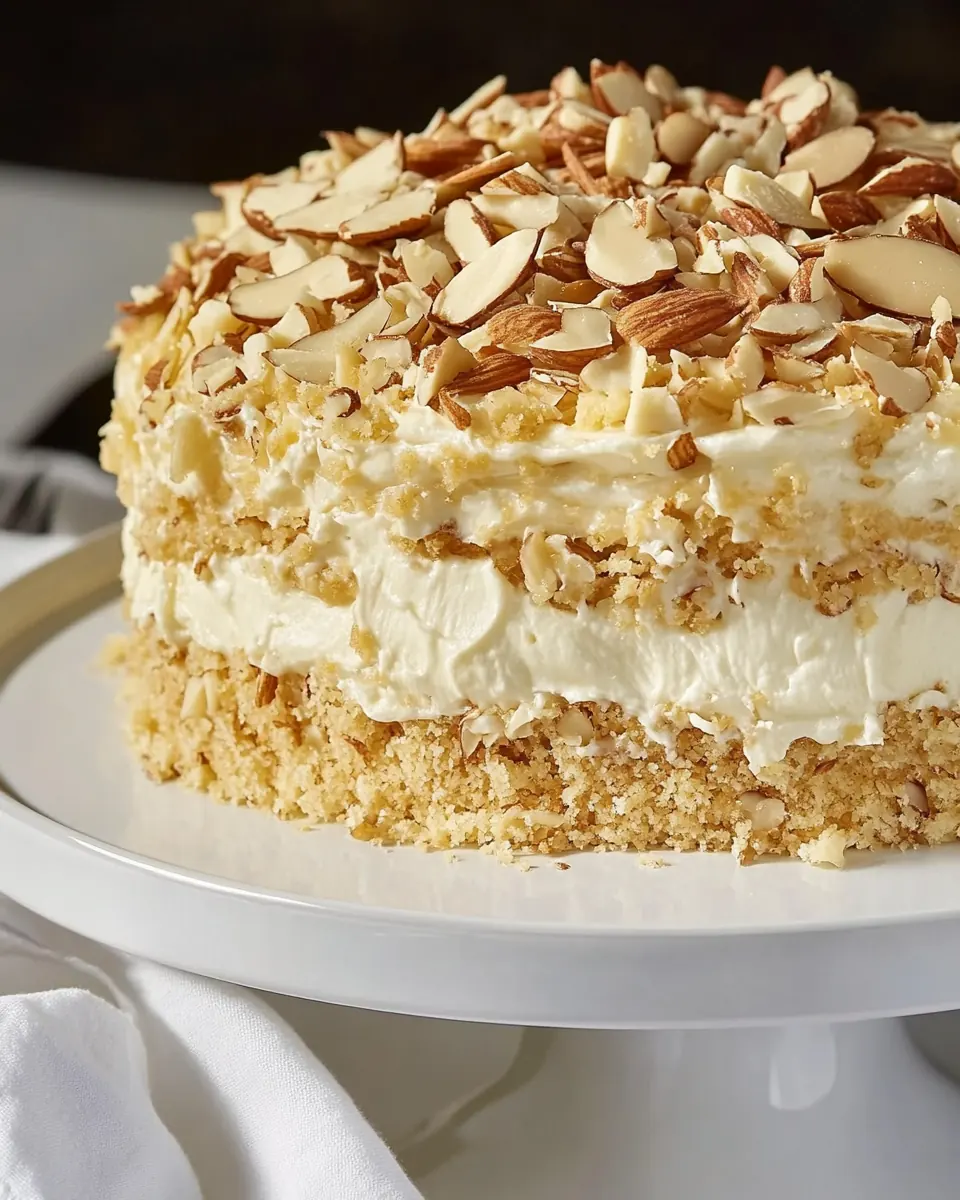
These ingredients are chosen to create a cake that is both delicate and structured. The flour and leavening agents form the crumb, while the combination of unsalted butter, vegetable oil, and whole milk balances richness and moisture. Egg whites and sour cream add lift and tenderness, and the trio of pastry cream, buttercream, and candied almonds finish the torte with creaminess and crunch.
- 21/4 cup s(281 grams) unbleached cake flour: Measure precisely to provide structure and a tender crumb; cake flour yields a finer, softer texture ideal for delicate tortes. Sift before using to aerate and remove lumps, ensuring even mixing and consistent rise during baking.
- 11/2 cup s(300 grams) granulated sugar: Add sweetness and help with browning and moisture retention; granulated sugar also contributes to the cake's tender crumb by interfering with gluten formation. Cream well with butter and fats to dissolve partially and help incorporate air for a lighter texture.
- 2 teaspoon s(10 grams) baking powder: Provide leavening by releasing carbon dioxide when activated, helping the cake rise and maintain a delicate crumb; baking powder contains both acid and base for consistent lift. Distribute evenly through the dry ingredients to avoid uneven pockets of rise or bitter tasting spots.
- 1/2 teaspoon (1.5 grams) kosher salt: Enhance overall flavor and balance sweetness while slightly strengthening the dough; kosher salt also helps control yeast activity and improves texture. Dissolve evenly with the dry ingredients to ensure consistent seasoning throughout the cake.
- 1/4 teaspoon (1.25 grams) baking soda: Act as an additional leavening agent when reacting with acidic components like sour cream, contributing to the batter's lift and lightness. Use in small amounts to fine-tune rise and to neutralize excess acidity for balanced flavor.
- 1/2 cup (113 grams) unsalted butter, softened: Contribute richness, moisture, and flavor; softened unsalted butter helps create an emulsion with sugar for aeration and contributes to a tender crumb. Use unsalted to control seasoning and cream it properly to incorporate air and structure.
- 3/4 cup (180 grams) whole milk, room temperature: Provide liquid for hydration and dissolve dry ingredients, contributing to batter consistency and tenderness; whole milk adds fat for richness and mouthfeel. Bring to room temperature to ensure even mixing and smooth emulsification with fats.
- 1/4 cup (56 grams) vegetable oil: Add fat for tenderness and moistness while helping keep the crumb soft and extend shelf life; vegetable oil remains liquid at room temperature which improves moistness. Combine with other fats for a balance of texture and richness without over-firming.
- 3 large egg whites (90 grams), room temperature: Supply structure and stability without adding richness from yolks; egg whites create leavening and a light, airy texture when whipped or incorporated. Use room–temperature whites for better volume and consistent integration into the batter.
- 3 tablespoon s(45 grams) sour cream, room temperature: Contribute tang, moisture, and slight acidity which reacts with leavening agents to enhance rise and flavor complexity; sour cream also adds richness for a tender crumb. Ensure it is room temperature to blend smoothly and avoid curdling in the batter.
- 11/2 teaspoon s(6 grams) vanilla extract: Add concentrated aromatic flavor to enhance overall taste and complement vanilla components in fillings and frostings; measure precisely for balanced flavor. Use pure vanilla extract for deeper, more natural notes compared to imitation flavoring.
- 1 cup (254 grams) Vanilla Pastry Cream (recipe follows): Provide a rich, creamy filling layer that adds custardy texture and vanilla flavor to the torte; pastry cream also contributes moisture and structure between cake layers. Prepare and chill properly to ensure proper set and stability when assembling the cake.
- Vanilla Buttercream (recipe follows): Offer a smooth, spreadable frosting that adds sweetness, fat, and stability to coat and decorate the torte; vanilla buttercream complements the pastry cream and almond flavors. Whip to desired consistency and adjust sugar or fat if needed for piping or smoothing.
- Candied Almonds (recipe follows): Introduce caramelized crunch and nutty flavor as a garnish that contrasts with tender cake and creamy layers; candied almonds add texture and visual appeal. Prepare fresh or store properly to maintain crispness and sprinkle or place decoratively on the finished torte.
Cooking Instructions for Burnt Almond Torte
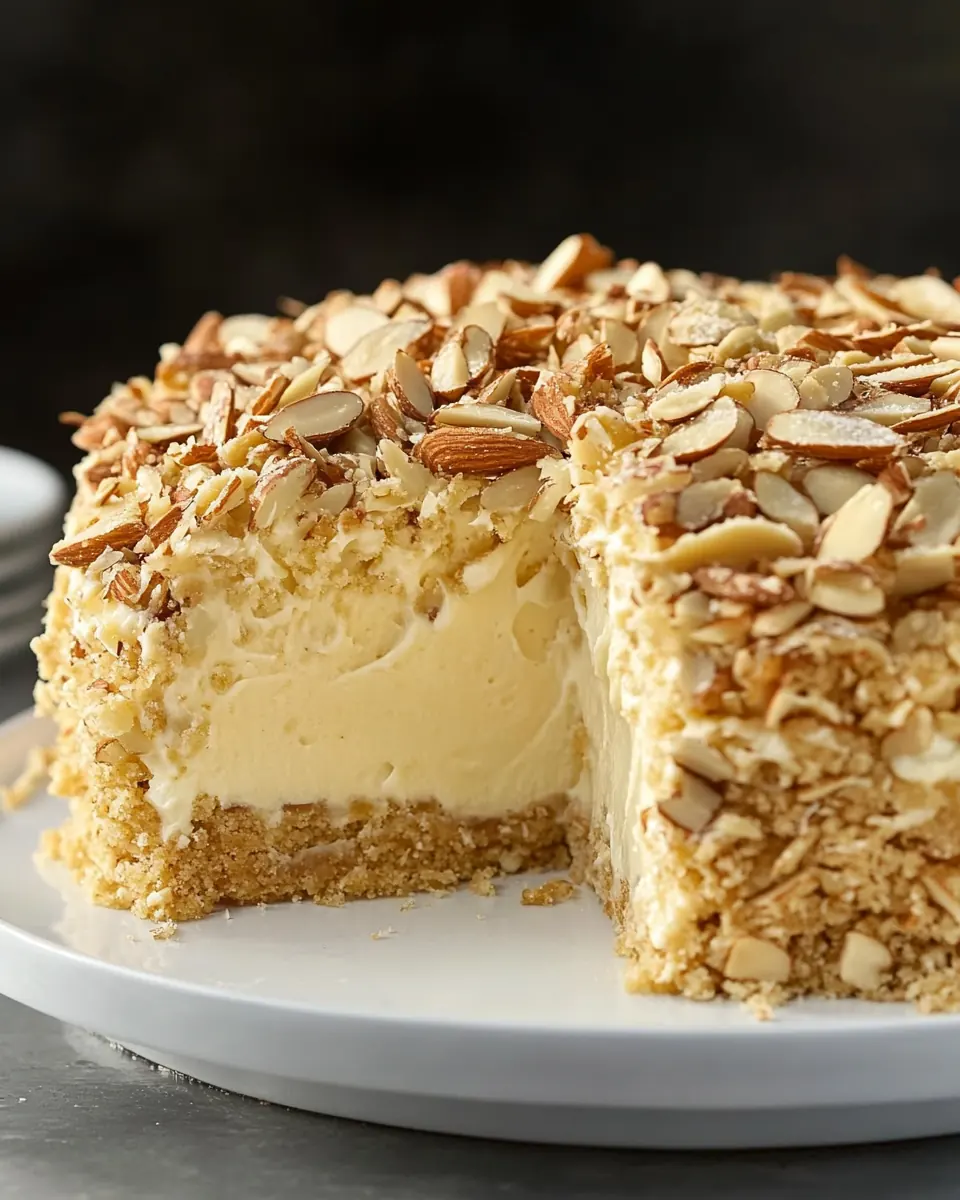
These directions will guide you step by step through assembling layers, baking, and finishing the torte with cream and crunchy almonds. Take your time, pay attention to sensory cues, and you will arrive at a show stopping dessert that reads as if it came from a patisserie. Keep tools and ingredients at hand for a smooth flow.
- Preheat oven to 350°F (180°C). Spray an 8-inch square baking pan with baking spray with flour. Line pan with parchment paper, letting excess extend over all sides of pan.: You should sense the warm, dry blast of the oven as it reaches temperature, and it helps create even rise and browning. Preparing the pan with spray and parchment ensures the cake releases cleanly, preserving the edges and preventing tearing. If you skip lining, the cake may stick and break when you remove it, so always leave the parchment overhang for easy lifting. Watch that the oven actually reads the right temperature; an oven thermometer is helpful to avoid an underbaked center or overbrowned edges. A common mistake is not letting the oven fully preheat, which leads to uneven texture and poor lift.
- In the bowl of a stand mixer, whisk together flour, sugar, baking powder, salt, and baking soda by hand. Add butter; using the paddle attachment, beat at medium-low speed until butter is incorporated and mixture resembles coarse crumbs, about 2 minutes.: You will notice a shift from powdery to slightly clumpy, with little butter pieces coating the dry mix, and this texture encourages tender flakiness. The sound is a gentle, steady hum as the paddle moves through the dry mixture, and visually you want small pea sized bits rather than a homogeneous paste. This step matters because the pieces of butter melt in the oven, creating tiny pockets that yield a light crumb. Avoid overbeating, which can warm the butter too much and make the batter greasy. If your mixture looks too greasy, chill briefly before adding liquids to restore body.
- In a medium bowl, whisk together milk, oil, egg whites, sour cream, and vanilla. With mixer on low speed, add one-third of milk mixture (about ? cup or 180 grams) to flour mixture. Increase mixer speed to medium, and beat until light and fluffy, 1 to 2 minutes. Gradually add remaining milk mixture, beating until well combined and stopping to scrape sides of bowl. Spread batter into prepared pan.: The wet mixture should look glossy and homogenous, smelling faintly of vanilla, and the addition in stages prevents overworking the batter while promoting even hydration. As you beat, listen for a softer, lighter sound, and see the batter aerate and gain volume. Scraping the bowl ensures no dry pockets remain, which would cause dense spots. This technique keeps the crumb tender, and adding liquids gradually prevents separation or curdling. A frequent error is rushing the additions, which leads to lumps or uneven texture; patience here pays off.
- Bake until a wooden pick inserted in center comes out with a few moist crumbs, 50 minutes to 1 hour. Let cool in pan on a wire rack for 10 minutes. Remove from pan, and let cool completely on wire rack.: During baking you will notice the aroma deepen into warm, baked notes that hint at caramelization, and the edges will pull slightly away from the pan. The surface should be a light golden color, not overly dark, and a gentle spring back signals doneness. Cooling in the pan prevents the cake from collapsing from a sudden temperature change, while transferring to a wire rack lets air circulate and avoids sogginess. Cutting into the cake too soon traps steam and causes a gummy interior, so let it fully cool before slicing. A common oversight is leaving the cake in the pan too long, which can cause moisture buildup and a soggy bottom.
- Cut cake in half horizontally. Place bottom layer on a serving plate or cake board. Spread Vanilla Pastry Cream on top, leaving a 1/4-inch border around edges. Top with remaining cake layer. Spread Vanilla Buttercream on top and sides of cake. Press Candied Almonds into buttercream. Best served same day.: As you slice, you should hear a soft, clean cut, and the layers will reveal a tender, even crumb. The pastry cream should be cool, thick, and glossy, smelling of vanilla, and spreading it creates a creamy contrast to the cake. Leaving that quarter inch border prevents the cream from overflowing when the top layer is set in place, and helps keep clean edges. If the pastry cream is too warm, it will flatten the cake layers and ooze, so always chill it to the right consistency. A common mistake is uneven layering, which makes the finished cake look lopsided; use a turntable or steady hands to center each layer.
- Spread Vanilla Buttercream on top and sides of cake.: The buttercream should be smooth and silky, spreading with a soft drag and leaving a glossy finish. As you work, the buttercream will warm slightly, becoming easier to smooth; if it gets too soft, chill briefly to regain structure. Coating the sides and top creates a cohesive canvas for the candied almonds, and a crumb coat can be helpful to trap stray crumbs before the final layer. Overworking the buttercream can introduce air bubbles, which show as small pits, so apply with steady, even strokes. A common pitfall is using buttercream that is too firm, which will tear the cake; let it soften a touch at room temperature for better handling.
- Press Candied Almonds into buttercream.: The candied almonds should be crisp and glossy, offering a satisfying crunch when pressed into the frosting. Press them gently but firmly so they adhere without smashing the nut brittle into powder, and arrange for even coverage or in a decorative band, depending on your preference. The contrast between glossy buttercream and the caramel shards adds both texture and visual drama. If the almonds slide off, the buttercream may be too soft, so chill briefly and then press again. One mistake to avoid is adding the nuts too early when the buttercream is warm, which causes them to sink or clump.
- Best served same day.: The flavors and textures are at their peak shortly after assembly when the candied almonds retain maximum crispness and the cake is fresh. If you need to store the torte, a short refrigeration is acceptable, but note that moisture can soften the crunchy coating. When serving, allow chilled cake to sit at room temperature for a short period so the buttercream regains a glossy, palatable texture. Avoid long storage uncovered, which leads to drying, and slice with a clean, hot knife for neat portions.
Customization Ideas
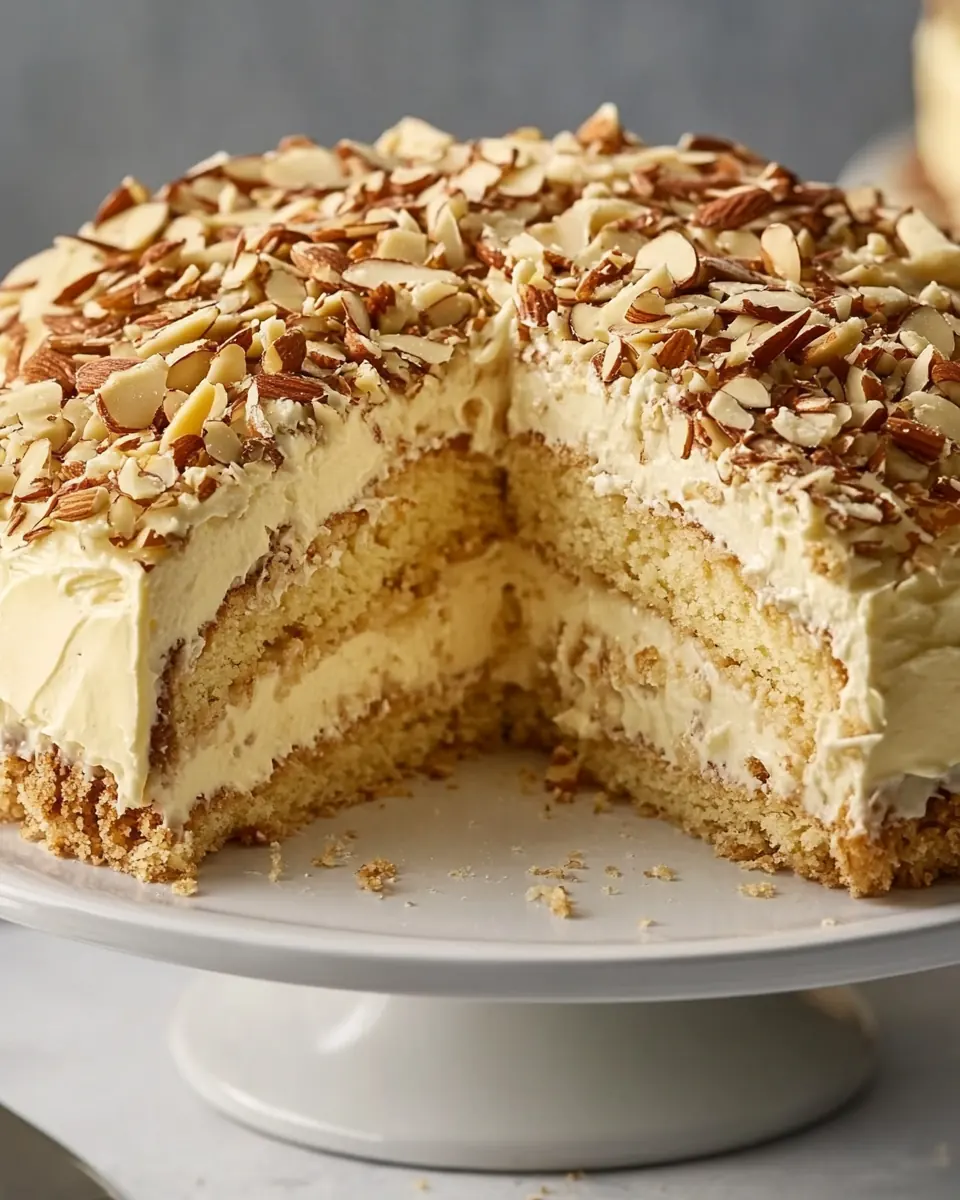
If you want to put a personal stamp on Burnt Almond Torte, small tweaks can yield delightful variations. Below are practical, concrete ideas to customize texture, sweetness, and presentation without changing the core identity of the cake.
- Toast the almonds more or less: Gently altering toasting time shifts the flavor from light nuttiness to deep caramel; watch closely to avoid burning which causes bitterness.
- Adjust sugar in buttercream: Reduce or increase sweetness to match your preference, tasting as you go so the buttercream supports but does not overpower the pastry cream.
- Use different nut sizes: Roughly chopped candied almonds give rustic crunch while sliced almonds create a finer, elegant texture; both change the eating experience subtly.
- Serve with a fruit compote: A small spoonful of tart fruit on the plate adds brightness and cuts richness, offering a pleasing balance for each slice.
- Make components ahead: Bake cake layers and prepare pastry cream a day ahead, then assemble on the day you plan to serve for a fresher finish and less last minute work.
Perfect Matches for Burnt Almond Torte
This torte pairs well with simple, refined accompaniments that complement its nutty and creamy profile. Think about serving styles, occasions, and storage to make the most of each slice. The suggestions below help you match the torte to seasonal events or everyday treats.
- Accompany with fresh berries: A small selection of tart berries like raspberries or blackberries brightens heavy mouthfeel and adds a pop of color to the plate.
- Pair with tea or coffee: Serve alongside robust black coffee or a fragrant tea to cut the sweetness and highlight the caramel notes of the almonds.
- Serve at intimate dinners: The torte is well suited to small celebrations or special weeknight desserts where a refined, sharable dessert is desired.
- Storage advice: If you need to refrigerate, cover gently and consume within 48 hours for best texture; bring to room temperature before serving to restore the buttercream softness.
- Seasonal pairing: Works wonderfully in late autumn and winter when toasted nuts and caramel flavors feel especially welcome, though it is truly evergreen for year round enjoyment.
FAQ
Conclusion
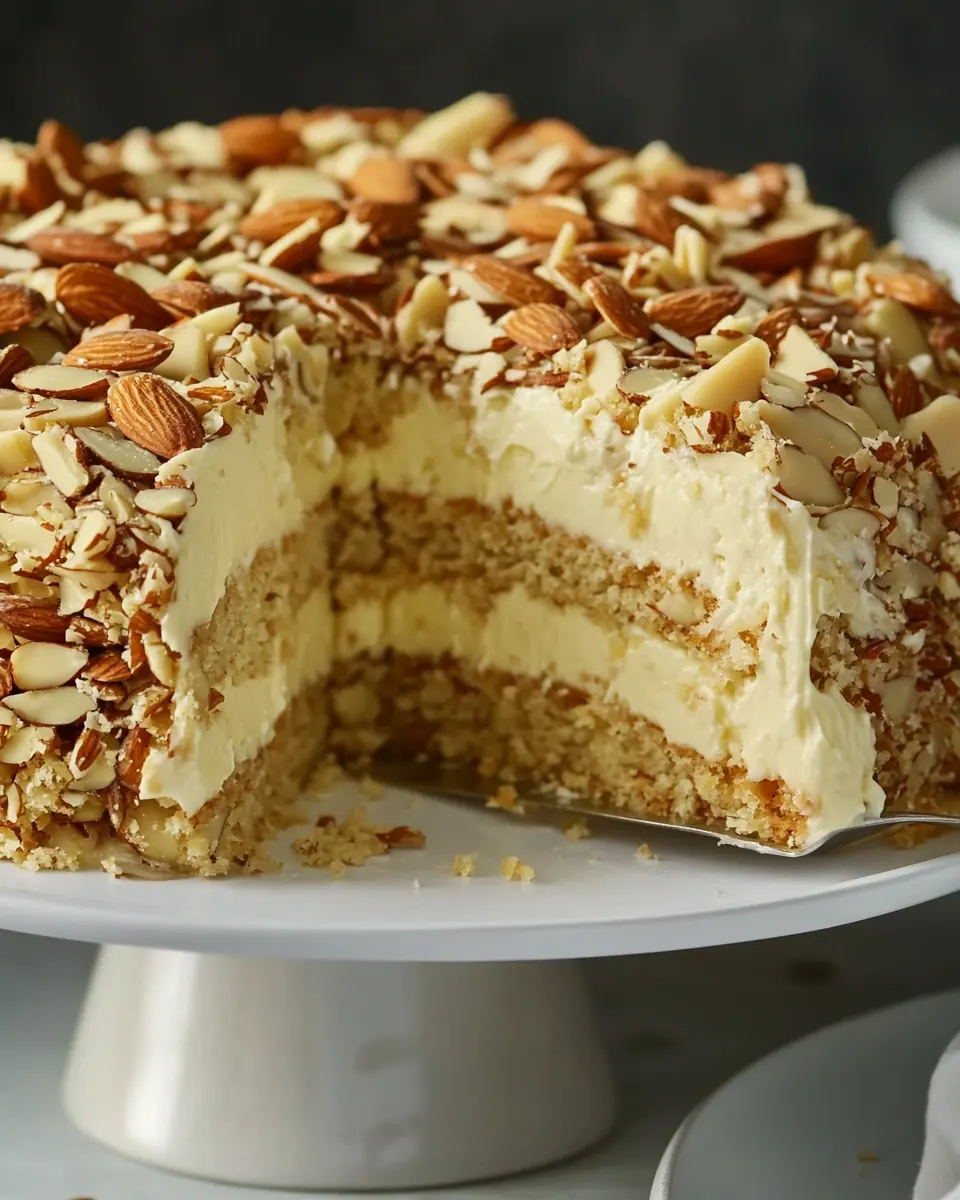
What makes this Burnt Almond Torte special is the marriage of tender cake layers, creamy vanilla pastry cream, silky buttercream, and crisp candied almonds that deliver texture and depth in every slice. I encourage you to give it a try because the steps build on simple techniques that reward patience with impressive results, and it is a dessert that looks like you spent hours without the stress. Take your time with each component, savor the process of assembling, and enjoy the moment when you share the first slice with someone who appreciates a thoughtfully made dessert.
Burnt Almond Torte
Ingredients
Equipment
Method
- Preheat oven to 350°F (180°C). Spray an 8-inch square baking pan with baking spray with flour. Line pan with parchment paper, letting excess extend over all sides of pan.: You should sense the warm, dry blast of the oven as it reaches temperature, and it helps create even rise and browning. Preparing the pan with spray and parchment ensures the cake releases cleanly, preserving the edges and preventing tearing. If you skip lining, the cake may stick and break when you remove it, so always leave the parchment overhang for easy lifting. Watch that the oven actually reads the right temperature; an oven thermometer is helpful to avoid an underbaked center or overbrowned edges. A common mistake is not letting the oven fully preheat, which leads to uneven texture and poor lift.
- In the bowl of a stand mixer, whisk together flour, sugar, baking powder, salt, and baking soda by hand. Add butter; using the paddle attachment, beat at medium-low speed until butter is incorporated and mixture resembles coarse crumbs, about 2 minutes.: You will notice a shift from powdery to slightly clumpy, with little butter pieces coating the dry mix, and this texture encourages tender flakiness. The sound is a gentle, steady hum as the paddle moves through the dry mixture, and visually you want small pea sized bits rather than a homogeneous paste. This step matters because the pieces of butter melt in the oven, creating tiny pockets that yield a light crumb. Avoid overbeating, which can warm the butter too much and make the batter greasy. If your mixture looks too greasy, chill briefly before adding liquids to restore body.
- In a medium bowl, whisk together milk, oil, egg whites, sour cream, and vanilla. With mixer on low speed, add one-third of milk mixture (about ? cup or 180 grams) to flour mixture. Increase mixer speed to medium, and beat until light and fluffy, 1 to 2 minutes. Gradually add remaining milk mixture, beating until well combined and stopping to scrape sides of bowl. Spread batter into prepared pan.: The wet mixture should look glossy and homogenous, smelling faintly of vanilla, and the addition in stages prevents overworking the batter while promoting even hydration. As you beat, listen for a softer, lighter sound, and see the batter aerate and gain volume. Scraping the bowl ensures no dry pockets remain, which would cause dense spots. This technique keeps the crumb tender, and adding liquids gradually prevents separation or curdling. A frequent error is rushing the additions, which leads to lumps or uneven texture; patience here pays off.
- Bake until a wooden pick inserted in center comes out with a few moist crumbs, 50 minutes to 1 hour. Let cool in pan on a wire rack for 10 minutes. Remove from pan, and let cool completely on wire rack.: During baking you will notice the aroma deepen into warm, baked notes that hint at caramelization, and the edges will pull slightly away from the pan. The surface should be a light golden color, not overly dark, and a gentle spring back signals doneness. Cooling in the pan prevents the cake from collapsing from a sudden temperature change, while transferring to a wire rack lets air circulate and avoids sogginess. Cutting into the cake too soon traps steam and causes a gummy interior, so let it fully cool before slicing. A common oversight is leaving the cake in the pan too long, which can cause moisture buildup and a soggy bottom.
- Cut cake in half horizontally. Place bottom layer on a serving plate or cake board. Spread Vanilla Pastry Cream on top, leaving a 1/4-inch border around edges. Top with remaining cake layer. Spread Vanilla Buttercream on top and sides of cake. Press Candied Almonds into buttercream. Best served same day.: As you slice, you should hear a soft, clean cut, and the layers will reveal a tender, even crumb. The pastry cream should be cool, thick, and glossy, smelling of vanilla, and spreading it creates a creamy contrast to the cake. Leaving that quarter inch border prevents the cream from overflowing when the top layer is set in place, and helps keep clean edges. If the pastry cream is too warm, it will flatten the cake layers and ooze, so always chill it to the right consistency. A common mistake is uneven layering, which makes the finished cake look lopsided; use a turntable or steady hands to center each layer.
- Spread Vanilla Buttercream on top and sides of cake.: The buttercream should be smooth and silky, spreading with a soft drag and leaving a glossy finish. As you work, the buttercream will warm slightly, becoming easier to smooth; if it gets too soft, chill briefly to regain structure. Coating the sides and top creates a cohesive canvas for the candied almonds, and a crumb coat can be helpful to trap stray crumbs before the final layer. Overworking the buttercream can introduce air bubbles, which show as small pits, so apply with steady, even strokes. A common pitfall is using buttercream that is too firm, which will tear the cake; let it soften a touch at room temperature for better handling.
- Press Candied Almonds into buttercream.: The candied almonds should be crisp and glossy, offering a satisfying crunch when pressed into the frosting. Press them gently but firmly so they adhere without smashing the nut brittle into powder, and arrange for even coverage or in a decorative band, depending on your preference. The contrast between glossy buttercream and the caramel shards adds both texture and visual drama. If the almonds slide off, the buttercream may be too soft, so chill briefly and then press again. One mistake to avoid is adding the nuts too early when the buttercream is warm, which causes them to sink or clump.
- Best served same day.: The flavors and textures are at their peak shortly after assembly when the candied almonds retain maximum crispness and the cake is fresh. If you need to store the torte, a short refrigeration is acceptable, but note that moisture can soften the crunchy coating. When serving, allow chilled cake to sit at room temperature for a short period so the buttercream regains a glossy, palatable texture. Avoid long storage uncovered, which leads to drying, and slice with a clean, hot knife for neat portions.
Notes
- Toast the almonds more or less: Gently altering toasting time shifts the flavor from light nuttiness to deep caramel; watch closely to avoid burning which causes bitterness.
- Adjust sugar in buttercream: Reduce or increase sweetness to match your preference, tasting as you go so the buttercream supports but does not overpower the pastry cream.
- Use different nut sizes: Roughly chopped candied almonds give rustic crunch while sliced almonds create a finer, elegant texture; both change the eating experience subtly.
- Serve with a fruit compote: A small spoonful of tart fruit on the plate adds brightness and cuts richness, offering a pleasing balance for each slice.
- Make components ahead: Bake cake layers and prepare pastry cream a day ahead, then assemble on the day you plan to serve for a fresher finish and less last minute work.