Colombian Chicken Sancocho
Colombian Chicken Sancocho has a permanent place in my weeknight rotation because it feels like a warm kitchen hug after a long day. The first time I made this soup, I was elbow deep in a busy week, juggling grocery runs and messages, and a pot of this stew reminded me that good food can steady the senses. I still remember the steam fogging up the window as the aroma of chicken and cilantro filled the room and everyone started drifting to the kitchen without being called.
Over the years I have adapted small things, but the soul of Colombian Chicken Sancocho stays the same: simple ingredients, honest techniques, and a generous bowl for anyone who needs comfort. I like to chop the vegetables roughly and let each one release its personality into the broth, while the chicken bones add body without fuss. There is a rhythm to it, and once you find it you will notice how every stir and simmer deepens the flavor.
When I serve Colombian Chicken Sancocho I often think about who will be eating it, and how small rituals make a meal more than food. A squeeze of lime, a handful of fresh herbs, or simply a well worn spoon can turn the act of eating into a memory. I hope this version helps you build your own little ritual, whether you are feeding a family, entertaining friends, or treating yourself to a slow, satisfying dinner.
Recipe Snapshot
1 hr 15 mins
15 mins
60 mins
Medium
450 kcal
Colombian
Gluten-Free, Paleo
Dinner
Large pot, Knife, Cutting board, Wooden spoon
Why This Colombian Chicken Sancocho Stands Out
Hearty, Honest Flavor
I love how Colombian Chicken Sancocho delivers a full, rounded broth from basic pantry items, without complicated steps. The chicken on the bone releases natural gelatin as it simmers, creating a comforting mouthfeel that feels luxurious but is utterly straightforward to achieve. That deep, savory backbone is what keeps me coming back, especially on chilly evenings.
Vegetable Harmony
The mix of starchy and fresh vegetables makes this dish stand out. The potatoes and yucca lend body and silkiness, while the corn and plantain add textural contrast and a hint of sweetness. I deliberately keep the pieces chunky so each spoonful includes multiple textures, it’s one of the reasons people tell me this feels like a complete meal.
Speed Meets Slow Comfort
Although it simmers to develop flavor, the hands on time is minimal, which feels like a superpower during a busy week. You can get the prep done in a quarter hour, then let the pot do the rest. The simplicity is deceptive, every minute of simmering deepens the taste and softens the starches into the perfect bite.
Flexible and Friendly
This recipe is forgiving, so even if you are new to stovetop cooking, Colombian Chicken Sancocho welcomes experimentation. Swap cilantro quantities to suit your palate, or adjust salt as the broth reduces. I always tell guests that the pot forgives small missteps, making it a great dish to learn on.
Comfort Food With Roots
Finally, there is a cultural warmth here. This soup carries the kind of ancestral flavors that make people slow down and talk. When I serve a bowl, conversations lengthen and plates get cleaned. It is food that invites connection, and that is why I keep making it.
Colombian Chicken Sancocho Shopping List
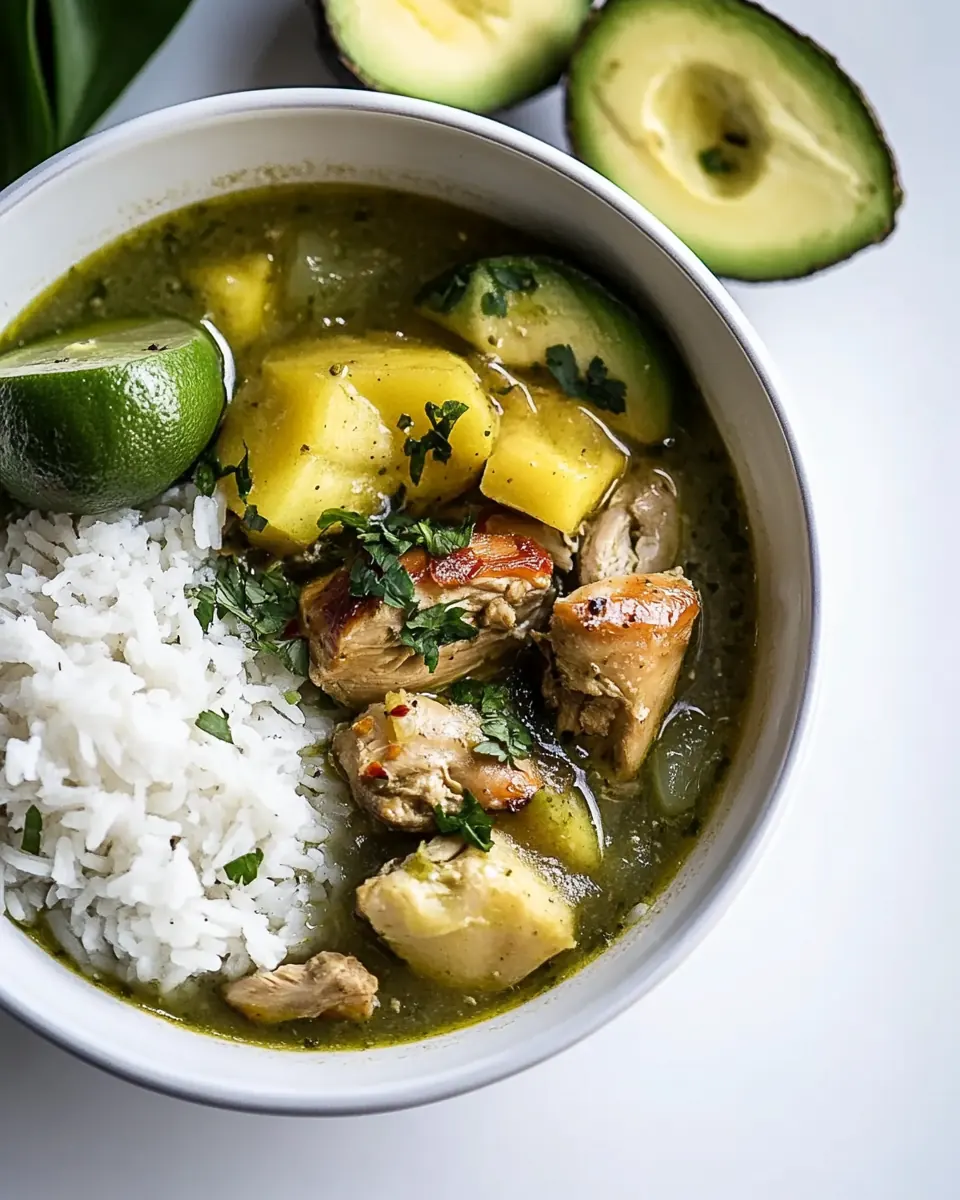
These ingredients are the foundation of soulful sancocho, chosen to build a rich, balanced broth and generous textures. The interplay between starchy roots, fresh aromatics, and the chicken gives the soup its character. Each item plays a clear role, from body to bright finish.
- 1 1/2 teaspoons olive oil: Lightly coats the pan to prevent sticking and conducts heat for sautéing aromatics, helping to build the base flavor of the sancocho; adds a subtle fruity note when used in small amounts and helps distribute fat-soluble seasonings evenly.
- 6 scallions, chopped: Adds a mild oniony, slightly sweet bite when softened; provides aromatic depth and freshness to the broth while releasing savory compounds that marry with garlic and tomato for the stew's flavor foundation.
- 1 medium tomato, chopped: Contributes bright acidity and umami when cooked down, helping to deglaze the pan and form a savory base for the broth; breaks down to enrich the liquid and balance richness from the chicken and starches.
- 4 cloves garlic, chopped: Imparts pungent savory depth and aromatic intensity when sautéed, releasing oils that enhance the overall savoriness; helps meld other aromatics and spices into a cohesive stew profile.
- 6 skinless chicken thighs on the bone: Provides rich, gelatinous body and concentrated chicken flavor from bone-in thighs, contributing mouthfeel and depth as the collagen breaks down during simmering; supplies the primary protein and savory core of the dish.
- 1 cup chopped cilantro leaves and stems, divided: Delivers fresh herbal brightness and a hint of citrusy-green flavor, both as an aromatic leaf and as a finishing herb; using stems as well increases flavor release during simmering and reinforces the stew's regional character.
- 3 medium red potatoes, peeled and chopped into 6 pieces (1 lb): Adds a starchy, creamy texture and mild earthiness that thickens the broth as it breaks down; offers hearty bite and absorbs flavors, balancing the soup with substantial body.
- 10 ounces frozen yucca, about 3 to 4 pieces: Introduces fibrous, slightly sweet starch that softens into tender pieces, lending textural contrast and traditional root flavor characteristic of South American stews; helps thicken and bulk the soup.
- 3 medium ears corn, cut in half: Contributes sweet corn flavor and a firm, slightly crisp texture when simmered on the cob, infusing the broth with natural sugars and a pleasant bite; visually anchors the dish and provides traditional authenticity.
- 1/2 medium green plantain, peeled and chopped into 1" pieces: Provides a firm, starchy element with a mildly sweet, banana-like flavor that holds shape when cooked, adding texture variety and traditional regional character to the stew.
- 1 tsp cumin: Adds warm, earthy aroma and subtle smoky notes that deepen the overall spice profile; blends with garlic and cilantro to accentuate the savory, comforting flavors of the broth.
- 2 chicken bouillion cubes: Supplies concentrated savory, salty, and chicken-infused seasoning to boost umami and overall depth quickly; dissolves to enhance and round out the soup's savory profile without long simmering.
- 8 cups water: Forms the cooking medium that extracts flavors from solids into a cohesive broth, controls final salt concentration and cooking time, and provides volume to serve multiple portions.
How to Make Colombian Chicken Sancocho
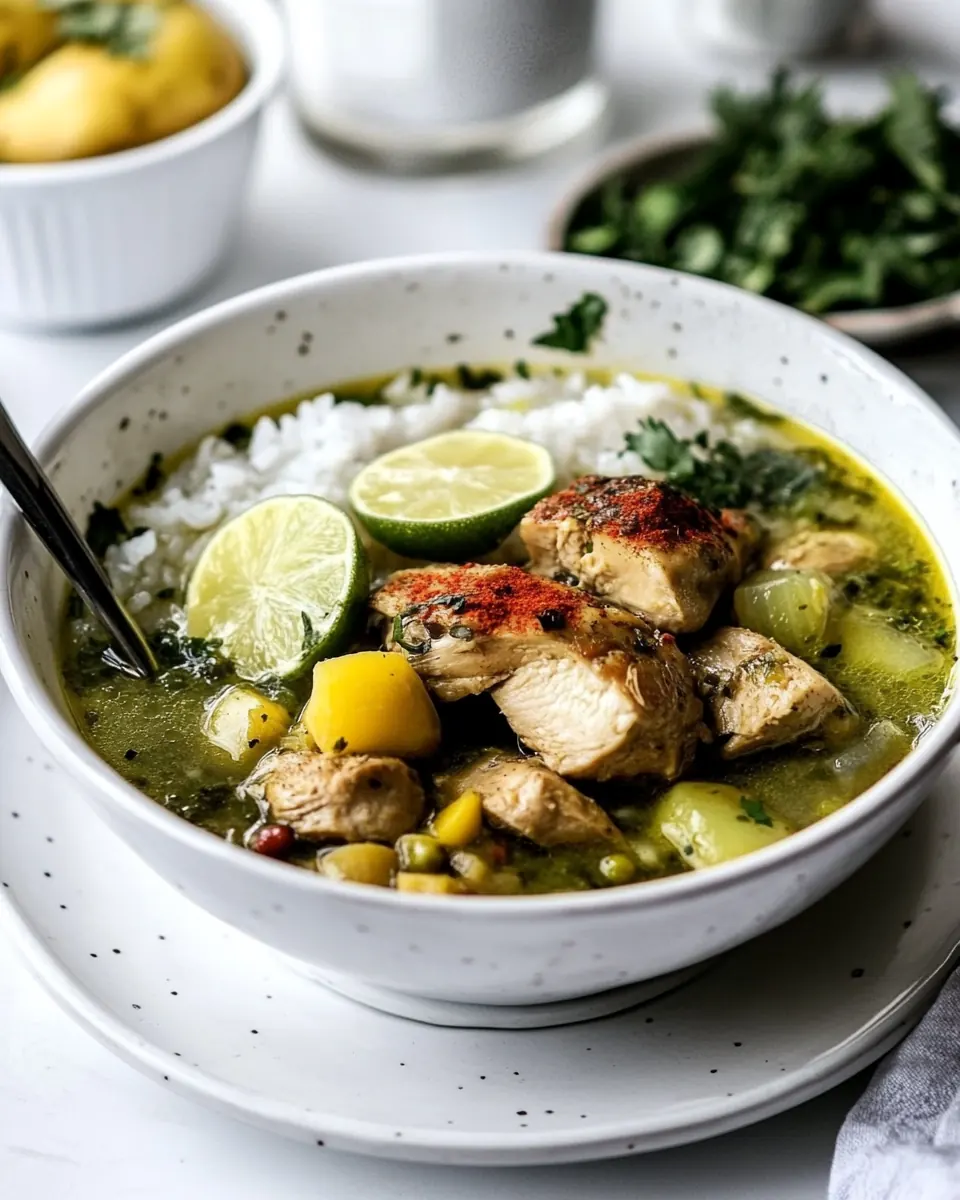
These steps will guide you through an easy but deliberate simmering process that layers flavor. Take your time with the initial saut, because the early aromas set the stage for a rich broth later. Keep the heat steady and pay attention to visual and aromatic cues.
- In a large pot, saute scallions and garlic in oil. Add tomatoes and saute another minute.: Warmth, sizzle and a bright aromatic burst greet you when the olive oil meets the chopped scallions and garlic . You should hear a gentle hiss and notice the pieces becoming translucent and fragrant, not brown, which means the heat is just right. The reason to start here is to build a base of flavors that will diffuse through the whole pot, lending nuance to otherwise simple ingredients. If you let the garlic brown, it will introduce a bitter note that competes with the delicate herb layers, so keep the flame moderate and stir frequently to avoid hotspots.
- Add chicken pieces and season with a little salt. Saute a few minutes, then add yucca and plantain and fill pot with 8 cups water.: As you fold in the chopped tomato , expect a softening and slight release of juices that mingle with the oil to form a gentle, savory paste. The scent shifts toward a rounded, slightly sweet acidity that brightens the pot. This quick saute helps break down the tomato so it integrates seamlessly with the upcoming broth, creating cohesion. A common mistake is overcooking the tomato until it evaporates entirely, which can leave the soup flat, so just a minute is enough to wake its flavors.
- Add chicken bouillion, cumin and half of the cilantro and cover pot.: When the chicken hits the pot, you will hear a satisfying contact and begin to notice savory steam rising as the meat seals. Seasoning early helps the flavors penetrate the flesh and the bones start releasing their richness. This technique matters because gentle browning and seasoning at this stage give the stock more complexity once liquid is added. Avoid crowding the pot into a vigorous boil, which can toughen the meat and cloud the broth; moderate heat is your ally.
- Simmer on low for about 40 minutes. After 40 minutes, adjust salt and add potatoes, cook an additional 15 minutes.: After briefly saut ing, adding the yucca and plantain introduces starchy companions that will soften and thicken the soup as they cook. Pouring in the measured water transforms the concentrated pan scents into a simmering broth, coaxing flavors out of the bones and vegetables. The visual change from little pools of oil to an entire simmering surface is a helpful cue that extraction has begun. A mistake here is adding too much water arbitrarily which dilutes the final taste, so stick to the specified amount for balanced intensity.
- Add corn and cook an additional 7 minutes or until corn is cooked.: Tossing in the bouillion cubes and cumin layers in savory seasoning and gentle earthiness, while the chopped cilantro stems add herbal brightness to the simmer. Covering the pot traps steam so the chicken and starches cook evenly, and the aromas concentrate within the liquid. This technique helps build body without aggressive boiling. Avoid over seasoning at this point; taste later because concentrated flavors can intensify as the stock reduces.
- Serve in large bowls, and top with cilantro.: A steady low simmer is where the magic happens, as the broth slowly extracts gelatins and flavors from the chicken bones producing a rounded, silky mouthfeel. You should see the surface occasionally ripple, not violently boil, and the scent will deepen into a warm, homey aroma. This slow approach yields tenderness and prevents the meat from tightening. A frequent error is cranking the heat to finish faster, but that results in tougher meat and a cloudier broth, so maintain a gentle bubble.
- After 40 minutes adjust salt and add potatoes cook an additional 15 minutes: At this point the pot smells richly developed, and tasting a spoonful will reveal how the seasonings have concentrated. Adjust salt carefully because the potatoes will absorb some seasoning while they cook. As the potatoes simmer, they release starch and mellow the broth, giving a creamy consistency. Watch for overcooking which will cause the pieces to disintegrate; they should be tender yet intact. If a potato starts falling apart, reduce heat slightly and shorten remaining cook time.
- Add corn and cook an additional 7 minutes or until corn is cooked: Adding the corn late preserves its sweet snap and prevents it from going mushy. As the kernels warm, they release a faint sugary perfume and the color brightens, signaling readiness. Texturally, the corn provides a pleasant contrast to the soft starches and tender chicken . Overcooking will dull the corn's freshness and make it sodden, so aim for tender crispness and test by piercing a kernel.
- Serve in large bowls and top with cilantro: Serving hot, spoonfuls should present a layered bowl of broth, chunky vegetables and tender chicken , finished with the bright burst of remaining chopped cilantro . The herb on top wakes the senses and contrasts with the warm, savory base. Take note of steam, color and aroma as you plate, because they indicate success. A common oversight is skipping the fresh herb finish, which reduces the lively top note that balances the stew.
Tips and Variations
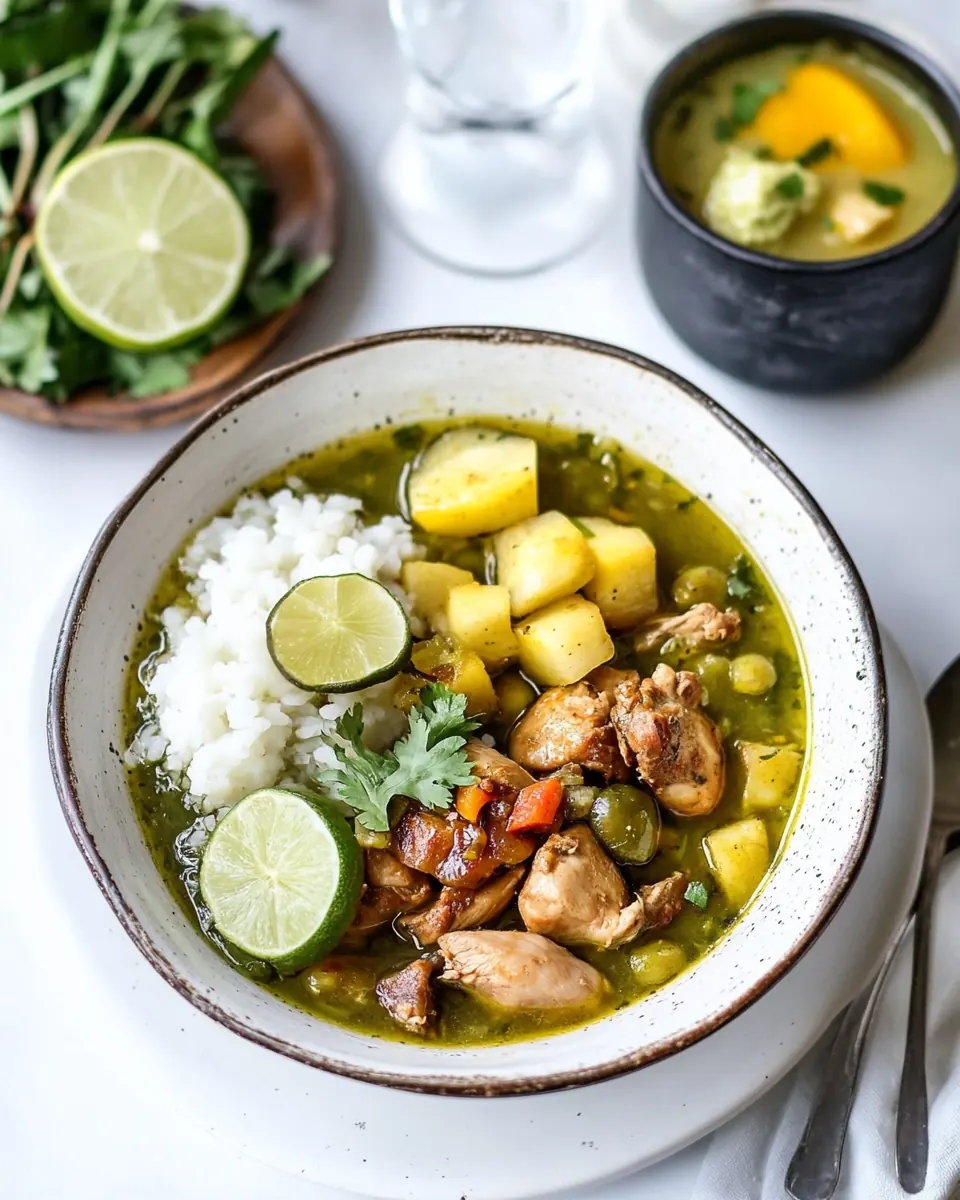
This section offers practical ideas to customize and troubleshoot your pot of Colombian Chicken Sancocho. Small adjustments can change texture and seasoning, so experiment thoughtfully and keep notes for next time.
- Adjust the cilantro intensity – If you prefer a more herbal note, increase the amount of fresh cilantro used at the end. Start with the recipe amount and add in small increments so the herb complements without overpowering.
- Control starch release – When the potatoes or yucca break down too much they can thicken the broth excessively, so add them later and monitor texture to keep a clear yet silky broth.
- Mind the salt from bouillon – Since bouillon cubes are concentrated, taste mid simmer and adjust other seasoning carefully to avoid over salting. Dilute with a bit of water if it becomes too intense.
- Keep heat low for tenderness – A low simmer yields the most tender chicken and clearest broth, resist the temptation to increase heat to speed things up, patience pays off in texture.
- Prep ingredients uniformly – Cutting vegetables into consistent sizes ensures even cooking, which is especially helpful when serving a crowd so nothing finishes too early or too late.
What Goes Well With This Colombian Chicken Sancocho
Serving suggestions focus on complementary textures and occasions where a hearty bowl fits naturally. This dish is versatile, and small accompaniments enhance the experience without complicating the preparation.
- Fresh bread or arepas – A crusty bread or warm arepas are excellent for soaking up the broth and make the meal feel more substantial for dinner or a casual gathering.
- Light green salad – A crisp salad with a simple vinaigrette brings a cooling, bright contrast to the warm, starchy bowl, ideal for balancing the meal on a dinner table.
- Occasions and timing – This soup is perfect for colder months or when you need a restorative bowl for family dinners, and it works well for weeknight meals or relaxed weekend lunches alike.
- Storage tips – Refrigerate leftovers in an airtight container for up to three days. Reheat gently on the stovetop to avoid breaking down the vegetables further, and add a splash of water if the broth has thickened.
- Seasonal pairing – In winter, pair with heartier sides like roasted vegetables; in milder months serve with lighter accompaniments for a balanced meal.
FAQ
Conclusion
Colombian Chicken Sancocho stands out for its comforting broth, layered textures, and honest flavors that come together with simple technique. Give it a try on a cool evening, and let the slow simmer reward you with a rich, homey bowl that warms both body and conversation. I hope this recipe becomes one of your go to comfort meals, bringing familiar aromas to your kitchen and creating small rituals around the dinner table.
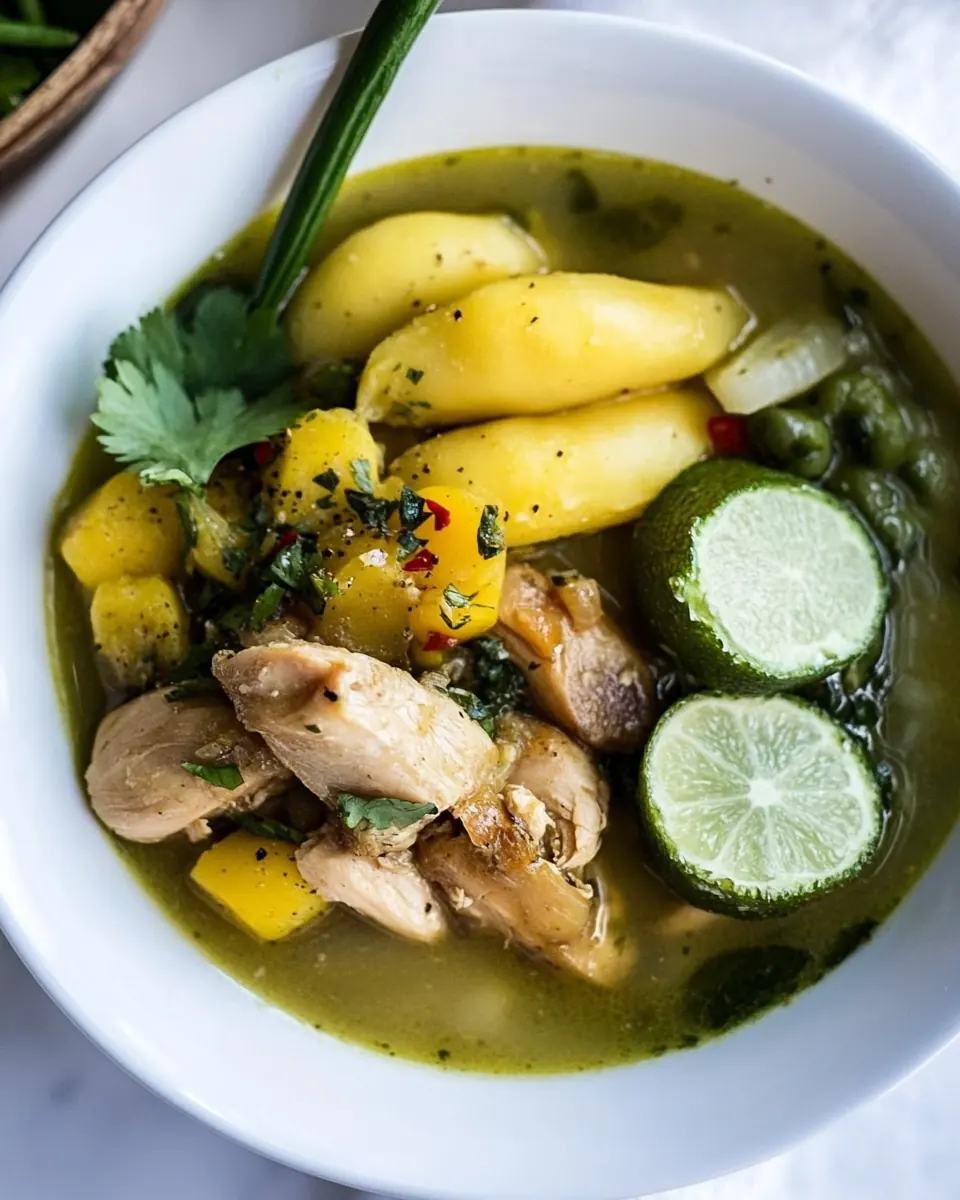
Colombian Chicken Sancocho
Ingredients
Equipment
Method
- In a large pot, saute scallions and garlic in oil. Add tomatoes and saute another minute.: Warmth, sizzle and a bright aromatic burst greet you when the olive oil meets the chopped scallions and garlic . You should hear a gentle hiss and notice the pieces becoming translucent and fragrant, not brown, which means the heat is just right. The reason to start here is to build a base of flavors that will diffuse through the whole pot, lending nuance to otherwise simple ingredients. If you let the garlic brown, it will introduce a bitter note that competes with the delicate herb layers, so keep the flame moderate and stir frequently to avoid hotspots.
- Add chicken pieces and season with a little salt. Saute a few minutes, then add yucca and plantain and fill pot with 8 cups water.: As you fold in the chopped tomato , expect a softening and slight release of juices that mingle with the oil to form a gentle, savory paste. The scent shifts toward a rounded, slightly sweet acidity that brightens the pot. This quick saute helps break down the tomato so it integrates seamlessly with the upcoming broth, creating cohesion. A common mistake is overcooking the tomato until it evaporates entirely, which can leave the soup flat, so just a minute is enough to wake its flavors.
- Add chicken bouillion, cumin and half of the cilantro and cover pot.: When the chicken hits the pot, you will hear a satisfying contact and begin to notice savory steam rising as the meat seals. Seasoning early helps the flavors penetrate the flesh and the bones start releasing their richness. This technique matters because gentle browning and seasoning at this stage give the stock more complexity once liquid is added. Avoid crowding the pot into a vigorous boil, which can toughen the meat and cloud the broth; moderate heat is your ally.
- Simmer on low for about 40 minutes. After 40 minutes, adjust salt and add potatoes, cook an additional 15 minutes.: After briefly saut ing, adding the yucca and plantain introduces starchy companions that will soften and thicken the soup as they cook. Pouring in the measured water transforms the concentrated pan scents into a simmering broth, coaxing flavors out of the bones and vegetables. The visual change from little pools of oil to an entire simmering surface is a helpful cue that extraction has begun. A mistake here is adding too much water arbitrarily which dilutes the final taste, so stick to the specified amount for balanced intensity.
- Add corn and cook an additional 7 minutes or until corn is cooked.: Tossing in the bouillion cubes and cumin layers in savory seasoning and gentle earthiness, while the chopped cilantro stems add herbal brightness to the simmer. Covering the pot traps steam so the chicken and starches cook evenly, and the aromas concentrate within the liquid. This technique helps build body without aggressive boiling. Avoid over seasoning at this point; taste later because concentrated flavors can intensify as the stock reduces.
- Serve in large bowls, and top with cilantro.: A steady low simmer is where the magic happens, as the broth slowly extracts gelatins and flavors from the chicken bones producing a rounded, silky mouthfeel. You should see the surface occasionally ripple, not violently boil, and the scent will deepen into a warm, homey aroma. This slow approach yields tenderness and prevents the meat from tightening. A frequent error is cranking the heat to finish faster, but that results in tougher meat and a cloudier broth, so maintain a gentle bubble.
- After 40 minutes adjust salt and add potatoes cook an additional 15 minutes: At this point the pot smells richly developed, and tasting a spoonful will reveal how the seasonings have concentrated. Adjust salt carefully because the potatoes will absorb some seasoning while they cook. As the potatoes simmer, they release starch and mellow the broth, giving a creamy consistency. Watch for overcooking which will cause the pieces to disintegrate; they should be tender yet intact. If a potato starts falling apart, reduce heat slightly and shorten remaining cook time.
- Add corn and cook an additional 7 minutes or until corn is cooked: Adding the corn late preserves its sweet snap and prevents it from going mushy. As the kernels warm, they release a faint sugary perfume and the color brightens, signaling readiness. Texturally, the corn provides a pleasant contrast to the soft starches and tender chicken . Overcooking will dull the corn's freshness and make it sodden, so aim for tender crispness and test by piercing a kernel.
- Serve in large bowls and top with cilantro: Serving hot, spoonfuls should present a layered bowl of broth, chunky vegetables and tender chicken , finished with the bright burst of remaining chopped cilantro . The herb on top wakes the senses and contrasts with the warm, savory base. Take note of steam, color and aroma as you plate, because they indicate success. A common oversight is skipping the fresh herb finish, which reduces the lively top note that balances the stew.
Notes
- Adjust the cilantro intensity - If you prefer a more herbal note, increase the amount of fresh cilantro used at the end. Start with the recipe amount and add in small increments so the herb complements without overpowering.
- Control starch release - When the potatoes or yucca break down too much they can thicken the broth excessively, so add them later and monitor texture to keep a clear yet silky broth.
- Mind the salt from bouillon - Since bouillon cubes are concentrated, taste mid simmer and adjust other seasoning carefully to avoid over salting. Dilute with a bit of water if it becomes too intense.
- Keep heat low for tenderness - A low simmer yields the most tender chicken and clearest broth, resist the temptation to increase heat to speed things up, patience pays off in texture.
- Prep ingredients uniformly - Cutting vegetables into consistent sizes ensures even cooking, which is especially helpful when serving a crowd so nothing finishes too early or too late.