Favorite Baked Spaghetti
Favorite Baked Spaghetti has been one of those comforting, stick to your ribs dishes that I reach for when I want everyone around the table to sigh contentedly after the first forkful.
I first made this recipe on a blustery winter evening when I had leftover spaghetti and an open jar of sauce, and the house smelled like toasted garlic and melted cheese for hours. My family gathered in the kitchen, trading stories while I assembled the layers, and by the time it came out of the oven the top was gloriously bubbling and golden, the edges crisped in a way that made everyone nod in approval. That night taught me how simple ingredients, treated with care, become something greater than the sum of their parts.
Over the years I’ve tweaked the textures, learning when to drain, when to stir, and how to coax the best melt from the cheeses so each bite has a mix of creamy, saucy, and slightly crisp notes. I like to think this version of Favorite Baked Spaghetti brings a balance of homestyle nostalgia and kitchen wisdom, the kind I enjoy sharing with friends when they want an easy weeknight favorite that still feels special.
Recipe Snapshot
1 hr 5 mins
15 mins
50 mins
Medium
400 kcal
Italian
Keto, Gluten-Free
Dinner
10 inch Skillet, Meat Masher Tool, 9×13 inch Baking Dish, Mixing Bowls, Rotary Cheese Grater
The Appeal of This Favorite Baked Spaghetti
Comfort Food That Feels Like Home
When I serve Favorite Baked Spaghetti I see faces relax, forks slow down, and plates get licked clean. This recipe taps into deep comfort, combining familiar textures so every bite is satisfying. I love that it reminds me of family dinners, and it’s the kind of dish that effortlessly feeds a crowd.
Layers of Texture and Flavor
What makes this stand out is the layering. The interleaving of spaghetti, meat sauce, and cheeses creates pockets of creamy and crispy contrast. I intentionally use both cottage cheese and shredded mozzarella so you get a smooth, rich base and a stretchy, bubbly top. That interplay keeps every bite interesting.
Easy to Scale and Prep Ahead
I often double or halve this casserole without fuss. It’s forgiving and stores well, which makes it perfect for busy weeks. I appreciate recipes that let me assemble early, refrigerate, or freeze, and this one holds up beautifully with minimal loss in quality.
Kid Friendly and Crowd Approved
Because the components are straightforward, picky eaters usually find something to love here. Kids often zero in on the cheesy top, while adults savor the seasoned Italian sausage in the sauce. I’ve served this for potlucks and weeknight dinners and it always gets requests for seconds.
Comfort Without Complexity
There’s no fancy technique required, yet the result feels indulgent. I like that you can rely on pantry staples and a little attention to layering to produce a dish that tastes like you spent all afternoon on it. That’s a chef’s little trick I’m always happy to share.
Ingredients to Make Favorite Baked Spaghetti
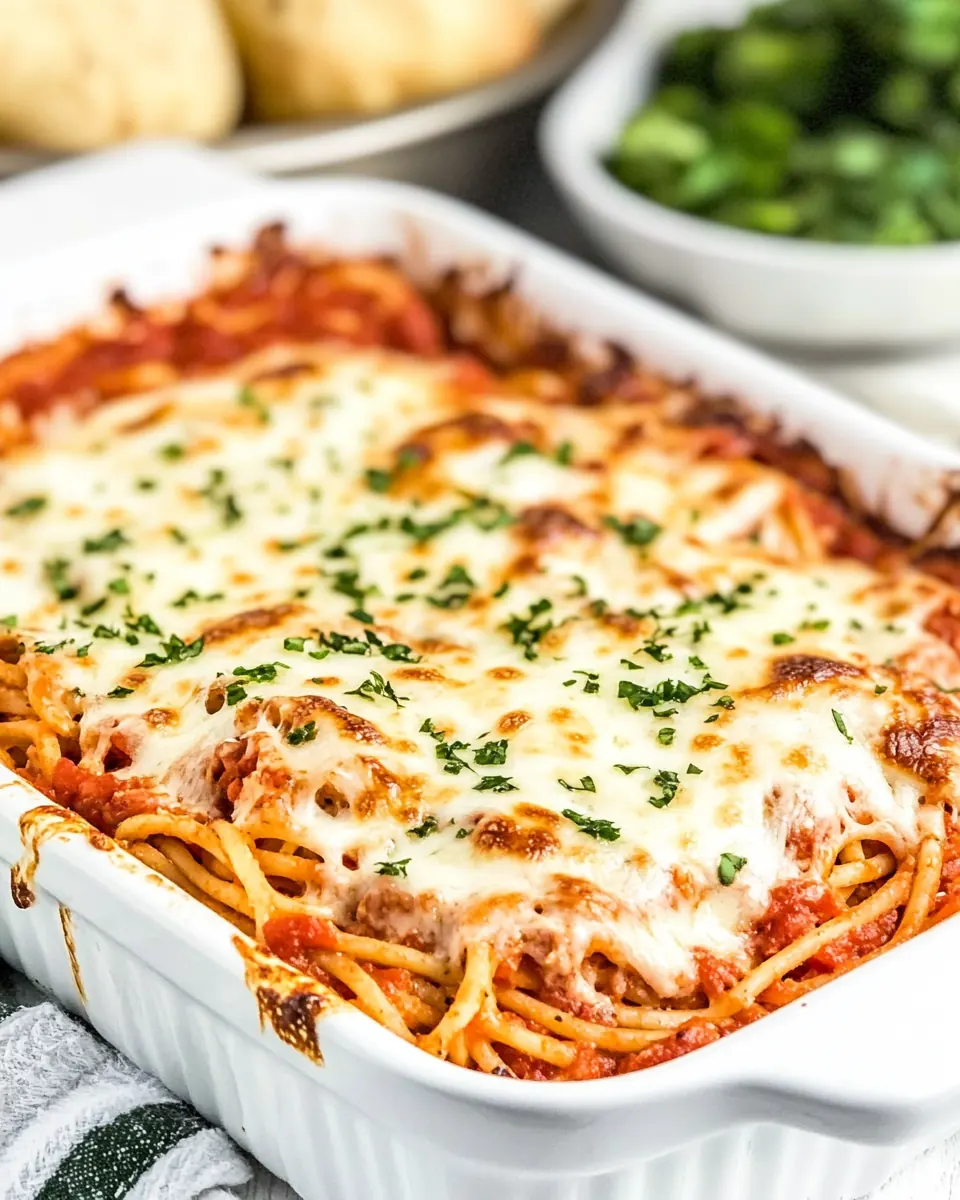
I think about this ingredient list as a tight team. The spaghetti forms the structure, the Italian sausage provides savory depth, and the trio of cottage cheese, parmesan cheese, and mozzarella cheese creates creaminess and melt. The sauces bind everything together so each forkful is saucy and comforting.
- 1 (16-oz) package spaghetti: Boil until al dente and serve as the starch base for the casserole, providing structure and texture to absorb sauces and cheeses. Rinse briefly if desired to stop cooking and prevent sticking, then toss with a little sauce to keep strands separated before baking.
- 1 lb Italian sausage: Brown over medium heat and crumble while cooking to render fat and develop savory depth, forming the primary protein and flavor element of the dish. Drain excess grease to avoid an overly oily casserole and mix into the sauce for even distribution.
- 1 (26-oz) jar spaghetti sauce: Pour straight from the jar to add a robust, seasoned tomato base and traditional spaghetti flavor, helping to coat the pasta and bind components together. Stir with other sauces and meats to ensure consistent seasoning throughout the bake.
- 1 (8-oz) can tomato sauce: Add to adjust the sauce consistency and intensify tomato richness, blending smoothly with jarred sauce to create a cohesive, saucy filling. Use to balance acidity and increase moisture so the casserole bakes without drying out.
- 1/3 cup grated parmesan cheese: Sprinkle in small amounts to introduce salty, umami-rich tang that enhances overall savory notes and complements the cheeses. Work into the cheese mixture or atop the casserole for a subtle, nutty finish after baking.
- 5 tbsp butter, melted: Melt and incorporate to provide richness and help bind the egg and cheese mixture, adding silkiness and flavor to the casserole. Brush some on top or mix into the filling so the bake achieves a golden, slightly crisp surface.
- 2 eggs: Whisk and combine to act as a binder that sets when baked, helping the cottage cheese and eggs form a custardy interior that holds the pasta together. Beat until smooth and integrate thoroughly with other wet ingredients for uniform texture.
- 2 cups cottage cheese: Mix until creamy and fold into the egg mixture to supply moisture, tang, and a soft, slightly lumpy texture that contrasts with melted mozzarella. Use full-fat cottage cheese for a richer mouthfeel and to reduce dryness in the final dish.
- 4 cups shredded mozzarella cheese: Layer generously to contribute stretchy, molten cheesiness and a melty, browned topping that defines the casserole’s appeal. Distribute evenly between layers and on top to ensure a uniformly cheesy, gooey result when baked.
- salt and pepper, to taste: Season lightly to balance flavors and enhance savory components, adding personal taste by adjusting salt and freshly ground pepper. Taste the combined sauce and cheese mixture before baking to avoid over- or under-seasoning.
Recipe Directions for Favorite Baked Spaghetti
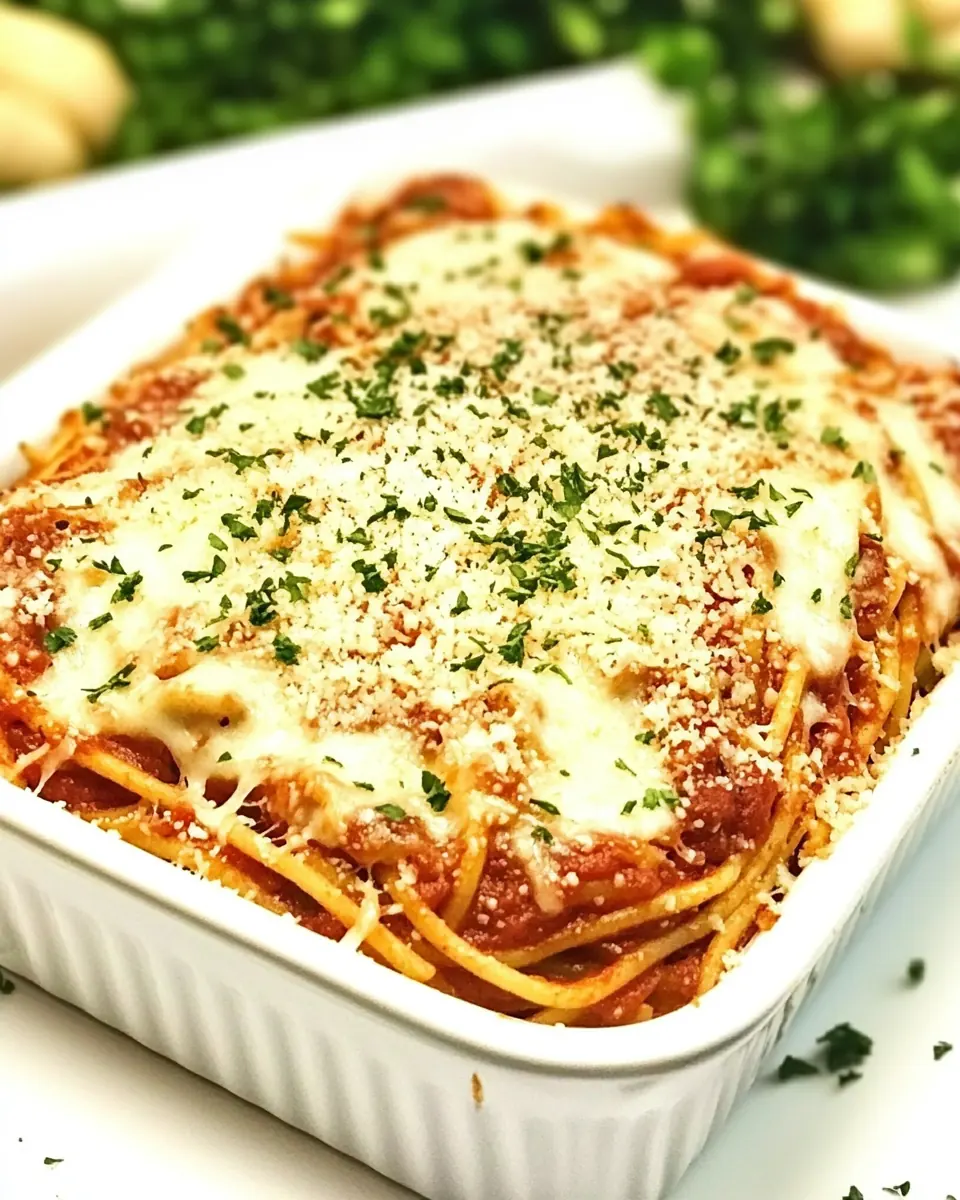
This is a hands on but straightforward bake. You’ll cook the pasta and sausage separately, combine the strands with a rich egg and butter mixture, then assemble in layers so each portion delivers sauce, cheese, and pasta evenly. Timing matters for texture, so keep an eye on the oven during the final bake.
- Preheat oven to 350ºF. Lightly spray a 9×13-inch baking dish with cooking spray. Set aside.: The moment you step into the kitchen you should notice the warmth from the oven as it comes up to temperature, a gentle hum and faint mechanical clunk that signals readiness. Preheating ensures the casserole starts baking immediately and the cheeses melt evenly rather than slowly which can make the dish soggy. A light spray on the dish prevents sticking and encourages those crisp edges that I love, and the 9×13 inch size gives the layers room to spread. One common mistake is putting the casserole into a cold oven which changes the bake time and may leave the cheese rubbery; always preheat first.
- Cook spaghetti according to package directions. Drain.: As the water reaches a rolling boil you’ll hear the vigorous bubbles and smell the faint wheat aroma of the pasta, signals that it’s time to add the spaghetti . Cook until just tender, then drain promptly so the strands do not soak up too much sauce and become limp. The goal is slightly firm pasta because it will continue to soften in the oven while absorbing sauce. A typical error is overcooking the pasta, resulting in a mushy texture in the finished casserole; check a strand a minute or two before the package time.
- While spaghetti cooks, cook Italian sausage in a skillet over medium-high heat until no longer pink. Drain fat. Stir in spaghetti sauce and tomato sauce. Check seasoning. Add salt and/or pepper to taste. Set aside.: As the Italian sausage sizzles you’ll hear pops and little crackles as the exterior browns, releasing savory aromas. Browning renders flavorful fats and creates browned bits that deepen the sauce, so let the meat develop color before breaking it up. After draining excess fat, folding in the jarred spaghetti sauce and tomato sauce creates a balanced, cohesive meat sauce. Taste for salt and pepper because jarred sauces vary, and adjust gently. A common pitfall is skipping the drain which can make the sauce greasy; remove excess fat for a cleaner finish.
- In a large bowl, whisk together eggs, parmesan cheese and melted butter. Add cooked spaghetti and toss to coat.: When you whisk the eggs with parmesan cheese and warm melted butter you’ll create a glossy, emulsified mixture that clings to the pasta, giving each strand a silky sheen. Tossing the hot, drained spaghetti with this mixture helps the pasta absorb some of the flavored fat, which keeps the bake creamy and prevents dryness. The texture should be glossy and slightly sticky, not greasy. Avoid under mixing which can leave some strands dry, and also avoid over mixing which can break the pasta into fragments.
- Place half of spaghetti mixture in bottom of baking pan. Top with half of cottage cheese, half of meat sauce and half of mozzarella cheese. Repeat layers.: As you layer, you should see distinct strata of pale spaghetti , speckled white cottage cheese , rich red meat sauce, and shredded mozzarella cheese . This alternation creates pockets of creamy and saucy texture, so every portion has balance. Press lightly to compact each layer but do not smash, preserving some air space for the cheese to bubble. A frequent misstep is piling everything unevenly which leads to slices that fall apart; distribute ingredients evenly across the pan.
- Cover with aluminum foil. Bake for 30 minutes. Uncover and bake an additional 20 to 25 minutes. Garnish with parsley, if desired.: The first covered stage traps steam and lets flavors meld, producing a tender interior while the uncovered finish encourages the top mozzarella cheese to brown and bubble. As it bakes you’ll hear a low, steady bubble and smell melted cheese and seasoned tomato lifting through the kitchen. Watch for the edges to brown and for a gentle boil near the center; that indicates doneness. One common error is removing the foil too early, which can dry out the top, or leaving it on too long which keeps the cheese pale; time the uncovered finish carefully.
- Garnish with parsley, if desired.: The final garnish adds a fresh, herbaceous note that contrasts the rich, cheesy casserole. A sprinkle of chopped parsley brightens the aroma and provides a visual pop against the golden top. If you skip the garnish the dish is still flavorful, but this small addition elevates the presentation. Avoid over garnishing because it can look messy and distract from the golden crust you worked to achieve.
Recipe Variations about Favorite Baked Spaghetti
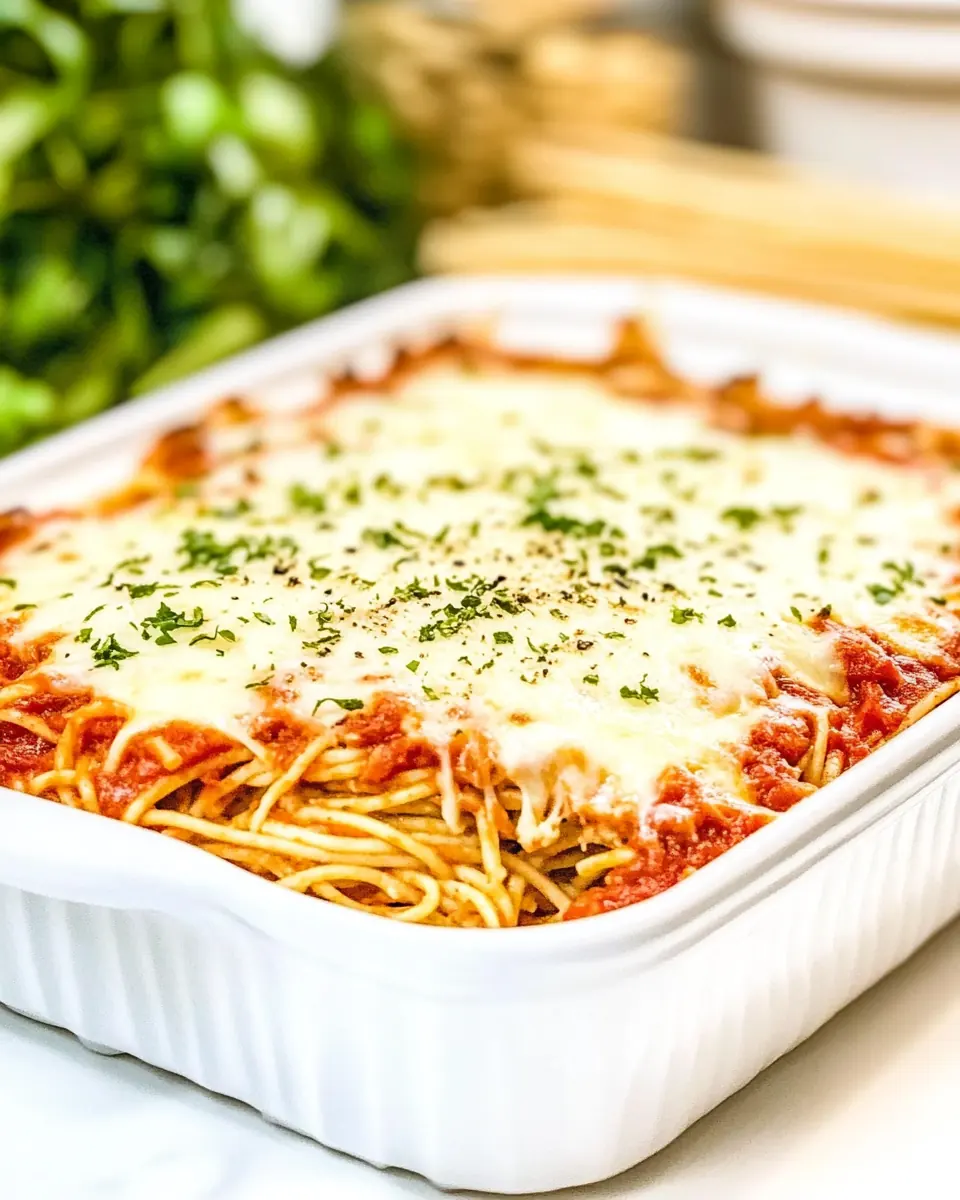
This casserole adapts well to small changes without losing its soul. Below are practical variations and suggestions to help you make the dish your own while preserving its comforting character.
- Swap the sausage for turkey sausage: For a lighter take, use turkey sausage, noting it may render less fat and have a milder flavor, so taste and adjust seasoning before assembling.
- Use ricotta instead of cottage cheese: Ricotta gives a silkier, richer interior texture; if you prefer a fluffier feel, ricotta will soften the bite compared to the slightly curdled texture of cottage cheese.
- Assemble ahead and refrigerate: You can build the casserole and keep it covered in the fridge for several hours; if baking cold, add a few minutes to the covered bake time to ensure it heats through.
- Freeze unbaked for later: Wrap well and freeze; when ready bake from thawed for best results, or if baking from frozen allow extra time at a lower temperature to heat through without over browning the top.
- Make two smaller pans: Halving the recipe into two 9 by 9 pans is a smart move for sharing, freezing, or gifting; one to enjoy now and one to freeze for busy nights later.
Serve This Favorite Baked Spaghetti With
Serve this casserole for family dinners, potlucks, or cozy winter nights. It pairs well with simple sides and holds up for leftovers, making it versatile for different occasions. Below are detailed serving ideas and storage notes to help you plan the meal.
- Simple green salad: A crisp salad with a light vinaigrette provides a refreshing counterpoint to the rich, cheesy casserole and balances the meal.
- Garlic bread or crusty loaf: Warm garlic bread or a crusty loaf is perfect for mopping up sauce, adding a crunchy contrast to the soft baked pasta.
- Occasions: This is ideal for weeknight dinners, casual gatherings, and winter comfort meals where hearty, shareable food is appreciated.
- Storage tips: Refrigerate leftovers in an airtight container for up to three days, reheat gently in the oven to preserve texture, or freeze portions for up to three months and thaw before reheating.
- Serving style: Offer hot from the oven in the casserole dish, and serve with grated parmesan cheese at the table so guests can add extra if they like.
FAQ
Conclusion
Favorite Baked Spaghetti stands out because it combines simple pantry ingredients into a richly layered, comforting casserole that feeds a crowd with minimal fuss. If you enjoy a dish that balances creamy cheeses, savory meat sauce, and tender pasta, this recipe answers that craving and brings a homestyle warmth to the table. Give it a try on a weeknight or for a gathering, and you’ll likely find it becoming one of your go to dishes for feeding family and friends with hearty, satisfying results.
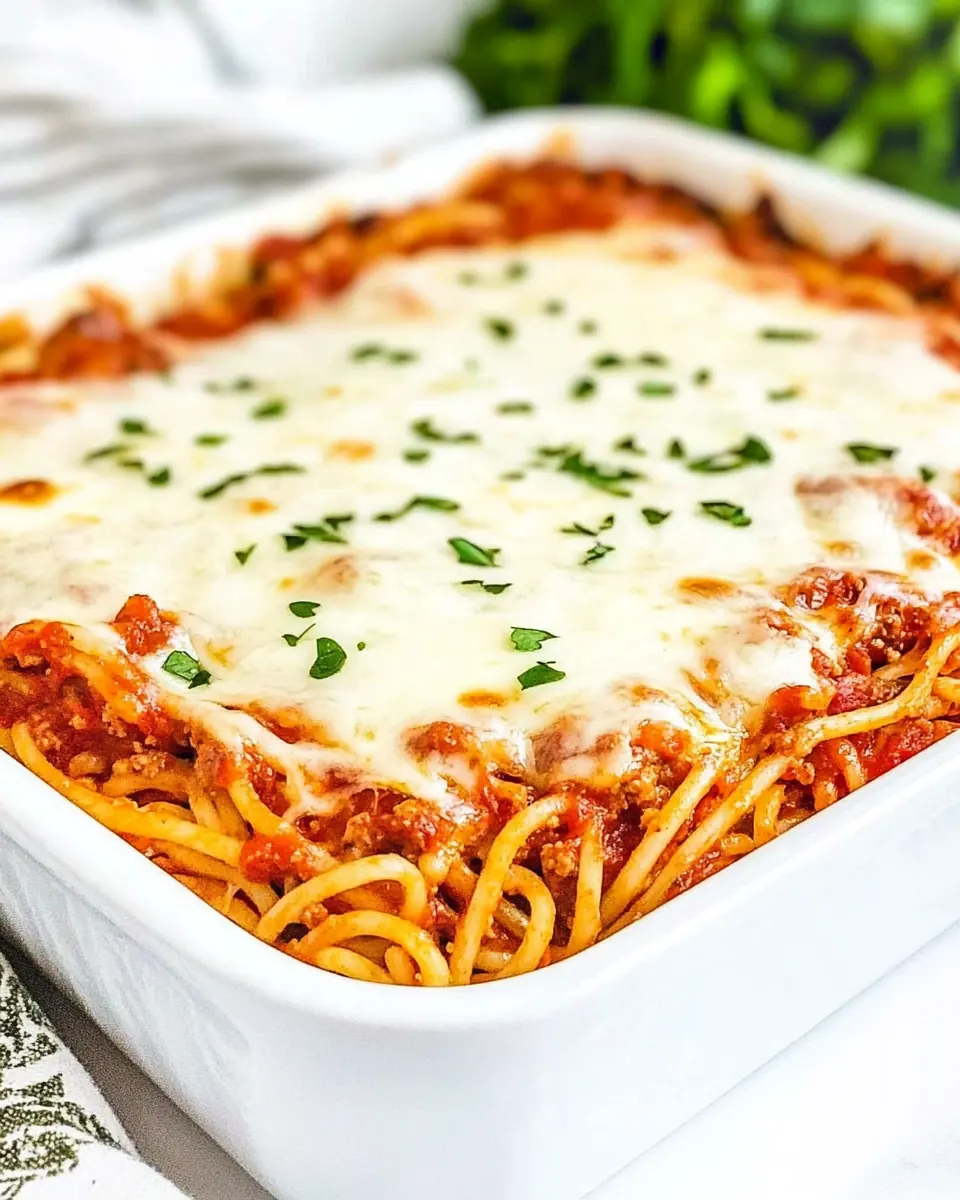
Favorite Baked Spaghetti
Ingredients
Equipment
Method
- Preheat oven to 350ºF. Lightly spray a 9×13-inch baking dish with cooking spray. Set aside.: The moment you step into the kitchen you should notice the warmth from the oven as it comes up to temperature, a gentle hum and faint mechanical clunk that signals readiness. Preheating ensures the casserole starts baking immediately and the cheeses melt evenly rather than slowly which can make the dish soggy. A light spray on the dish prevents sticking and encourages those crisp edges that I love, and the 9×13 inch size gives the layers room to spread. One common mistake is putting the casserole into a cold oven which changes the bake time and may leave the cheese rubbery; always preheat first.
- Cook spaghetti according to package directions. Drain.: As the water reaches a rolling boil you’ll hear the vigorous bubbles and smell the faint wheat aroma of the pasta, signals that it’s time to add the spaghetti . Cook until just tender, then drain promptly so the strands do not soak up too much sauce and become limp. The goal is slightly firm pasta because it will continue to soften in the oven while absorbing sauce. A typical error is overcooking the pasta, resulting in a mushy texture in the finished casserole; check a strand a minute or two before the package time.
- While spaghetti cooks, cook Italian sausage in a skillet over medium-high heat until no longer pink. Drain fat. Stir in spaghetti sauce and tomato sauce. Check seasoning. Add salt and/or pepper to taste. Set aside.: As the Italian sausage sizzles you’ll hear pops and little crackles as the exterior browns, releasing savory aromas. Browning renders flavorful fats and creates browned bits that deepen the sauce, so let the meat develop color before breaking it up. After draining excess fat, folding in the jarred spaghetti sauce and tomato sauce creates a balanced, cohesive meat sauce. Taste for salt and pepper because jarred sauces vary, and adjust gently. A common pitfall is skipping the drain which can make the sauce greasy; remove excess fat for a cleaner finish.
- In a large bowl, whisk together eggs, parmesan cheese and melted butter. Add cooked spaghetti and toss to coat.: When you whisk the eggs with parmesan cheese and warm melted butter you’ll create a glossy, emulsified mixture that clings to the pasta, giving each strand a silky sheen. Tossing the hot, drained spaghetti with this mixture helps the pasta absorb some of the flavored fat, which keeps the bake creamy and prevents dryness. The texture should be glossy and slightly sticky, not greasy. Avoid under mixing which can leave some strands dry, and also avoid over mixing which can break the pasta into fragments.
- Place half of spaghetti mixture in bottom of baking pan. Top with half of cottage cheese, half of meat sauce and half of mozzarella cheese. Repeat layers.: As you layer, you should see distinct strata of pale spaghetti , speckled white cottage cheese , rich red meat sauce, and shredded mozzarella cheese . This alternation creates pockets of creamy and saucy texture, so every portion has balance. Press lightly to compact each layer but do not smash, preserving some air space for the cheese to bubble. A frequent misstep is piling everything unevenly which leads to slices that fall apart; distribute ingredients evenly across the pan.
- Cover with aluminum foil. Bake for 30 minutes. Uncover and bake an additional 20 to 25 minutes. Garnish with parsley, if desired.: The first covered stage traps steam and lets flavors meld, producing a tender interior while the uncovered finish encourages the top mozzarella cheese to brown and bubble. As it bakes you’ll hear a low, steady bubble and smell melted cheese and seasoned tomato lifting through the kitchen. Watch for the edges to brown and for a gentle boil near the center; that indicates doneness. One common error is removing the foil too early, which can dry out the top, or leaving it on too long which keeps the cheese pale; time the uncovered finish carefully.
- Garnish with parsley, if desired.: The final garnish adds a fresh, herbaceous note that contrasts the rich, cheesy casserole. A sprinkle of chopped parsley brightens the aroma and provides a visual pop against the golden top. If you skip the garnish the dish is still flavorful, but this small addition elevates the presentation. Avoid over garnishing because it can look messy and distract from the golden crust you worked to achieve.
Notes
- Swap the sausage for turkey sausage: For a lighter take, use turkey sausage, noting it may render less fat and have a milder flavor, so taste and adjust seasoning before assembling.
- Use ricotta instead of cottage cheese: Ricotta gives a silkier, richer interior texture; if you prefer a fluffier feel, ricotta will soften the bite compared to the slightly curdled texture of cottage cheese.
- Assemble ahead and refrigerate: You can build the casserole and keep it covered in the fridge for several hours; if baking cold, add a few minutes to the covered bake time to ensure it heats through.
- Freeze unbaked for later: Wrap well and freeze; when ready bake from thawed for best results, or if baking from frozen allow extra time at a lower temperature to heat through without over browning the top.
- Make two smaller pans: Halving the recipe into two 9 by 9 pans is a smart move for sharing, freezing, or gifting; one to enjoy now and one to freeze for busy nights later.