Eggless French Toast
Eggless French Toast has been my go to when I want the warm comfort of classic breakfast without using eggs, and from the very first bite it felt like a small, cozy victory. I remember the afternoon I tested this version for the first time, juggling a sleepy inbox and a growling stomach, and how the simple, custardy notes of the batter calmed everything down. That first slice, topped with bright berries, tasted like a quiet Sunday, even though it was a hectic weekday.
Over the years I’ve adjusted the batter and the toasting technique so this Eggless French Toast reliably gives a tender interior and a golden exterior. I love how the corn starch helps the milk thicken just enough to mimic the richness usually provided by eggs, and how a hint of cinnamon and vanilla extract wakes up the aroma in the kitchen. When friends ask for a dairy forward, egg free breakfast, this is what I make, because it hits that cozy, nostalgic mark without fuss.
Recipe Snapshot
20 mins
5 mins
15 mins
Easy
250 kcal
American
Gluten-Free, Low FODMAP
Breakfast
Equipment, 101 Packed Lunches, Clean Treats Cookbook
What Sets This Eggless French Toast Apart
The custardy texture without eggs
I adore how this version creates a soft, almost custard like interior, thanks to the interaction between corn starch and milk. I find that whisking them well gives you body and silkiness without needing eggs, so the mouthfeel is satisfying and not watery.
Speed and simplicity
One reason I reach for Eggless French Toast is how quickly it comes together. With just a handful of pantry items you can be at the pan within minutes, and I always appreciate recipes that respect a busy morning while still feeling a bit indulgent.
Versatile toppings
Because the base is neutral and gently spiced, it plays beautifully with a range of toppings. I often serve it with fresh strawberries and a drizzle of Maple syrup, but it also pairs well with jam or a sprinkle of powdered sugar for a simple treat.
Perfect for picky eaters
I’ve found this version wins over people who might normally pass on eggy breakfast items. The flavor is familiar, the texture is comforting, and because it is eggless, it suits dietary preferences without compromising on what makes French toast feel like breakfast comfort food.
Reliable, repeatable technique
I love that the method is forgiving. By controlling soak time and pan temperature you can avoid a soggy or burnt result. Over time I learned exact visual cues to look for, so I can confidently serve consistently good slices every time.
What You Need for Eggless French Toast
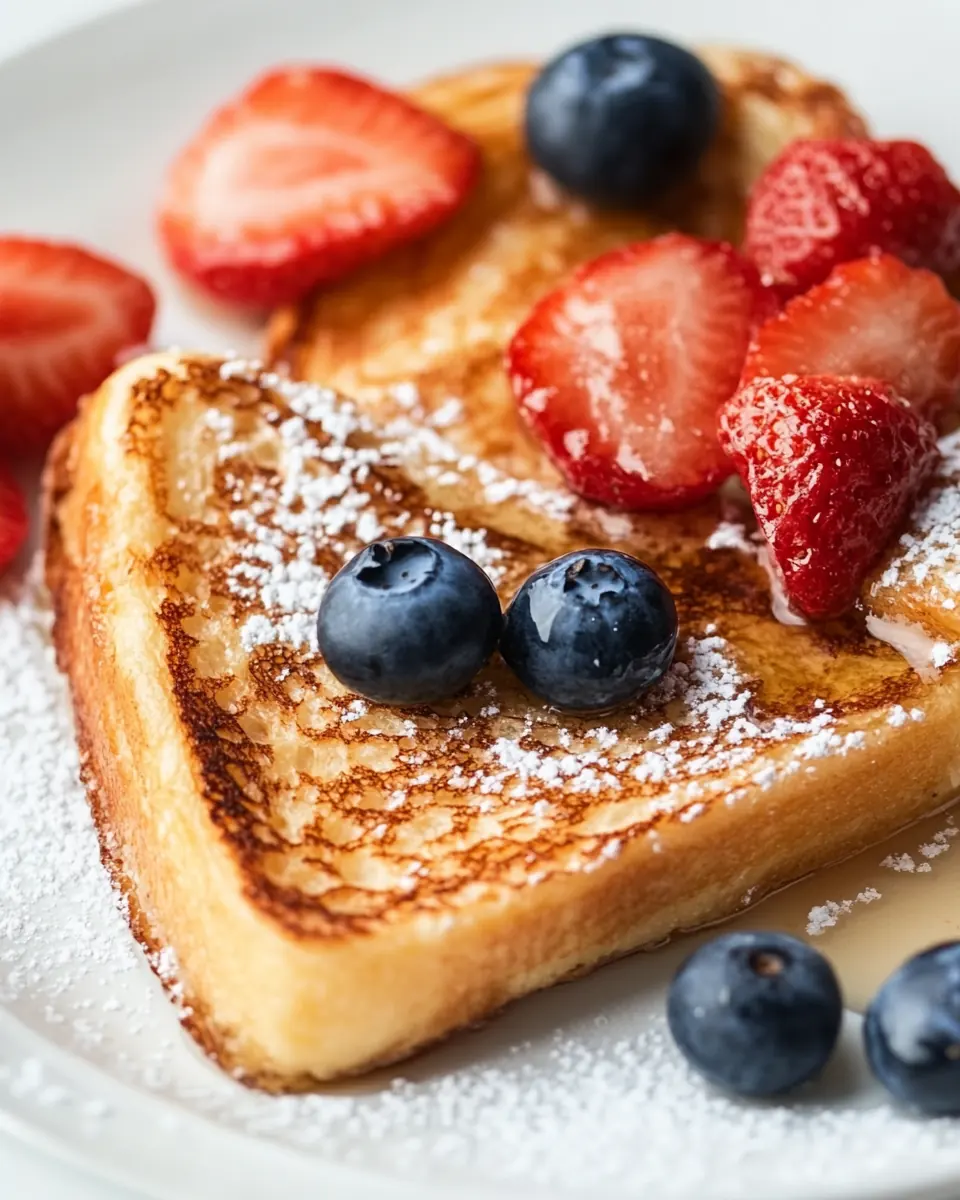
The philosophy here is simple, we replace egg with a thickening agent and let a few aromatic players do the heavy lifting. The combination of corn starch and milk creates a silky coating that clings to the bread, while vanilla extract and cinnamon add warmth and familiarity. Butter helps with browning and mouthfeel, and the finishing touches like strawberries and Maple syrup bring acidity and sweetness to balance the toast.
- 1/2 cup milk, your favorite: Provide a creamy liquid base that hydrates the bread and helps form a custard-like coating when combined with starch and flavorings; contributes to tenderness and richness without adding eggs.
- 1 tablespoon corn starch: Act as a thickening agent that helps the milk set into a custard-like texture when heated, improving the coating’s stability and preventing sogginess in the finished toast.
- 1 teaspoon vanilla extract: Impart a fragrant, sweet aroma and enhance other flavors in the custard; small quantity brightens the overall taste and balances richness.
- 1/4 teaspoon cinnamon (optional): Add warm, aromatic spice notes that complement the sweet and buttery flavors; optional quantity lets you control the intensity of spice in the dish.
- 2 slices bread, thicker is better: Serve as the main structure for the dish, absorbing the custard mixture and browning nicely when grilled; choosing thicker slices helps achieve a custardy center and crisp exterior.
- 2 tablespoons butter or spray, for grilling: Provide fat for frying and contribute to a golden, caramelized crust while preventing sticking; using spray offers a lower-fat alternative with easier control of coverage.
- 1/2 cup sliced strawberries, for serving: Offer fresh, juicy contrast and a bright, slightly tart flavor that balances richness; serve on the side or atop the toast for texture and color.
- Maple syrup, for serving: Deliver sweetness and moisture when drizzled over the grilled toast, enhancing flavor and creating a classic finishing touch that complements the custardy interior.
How to Prepare Eggless French Toast
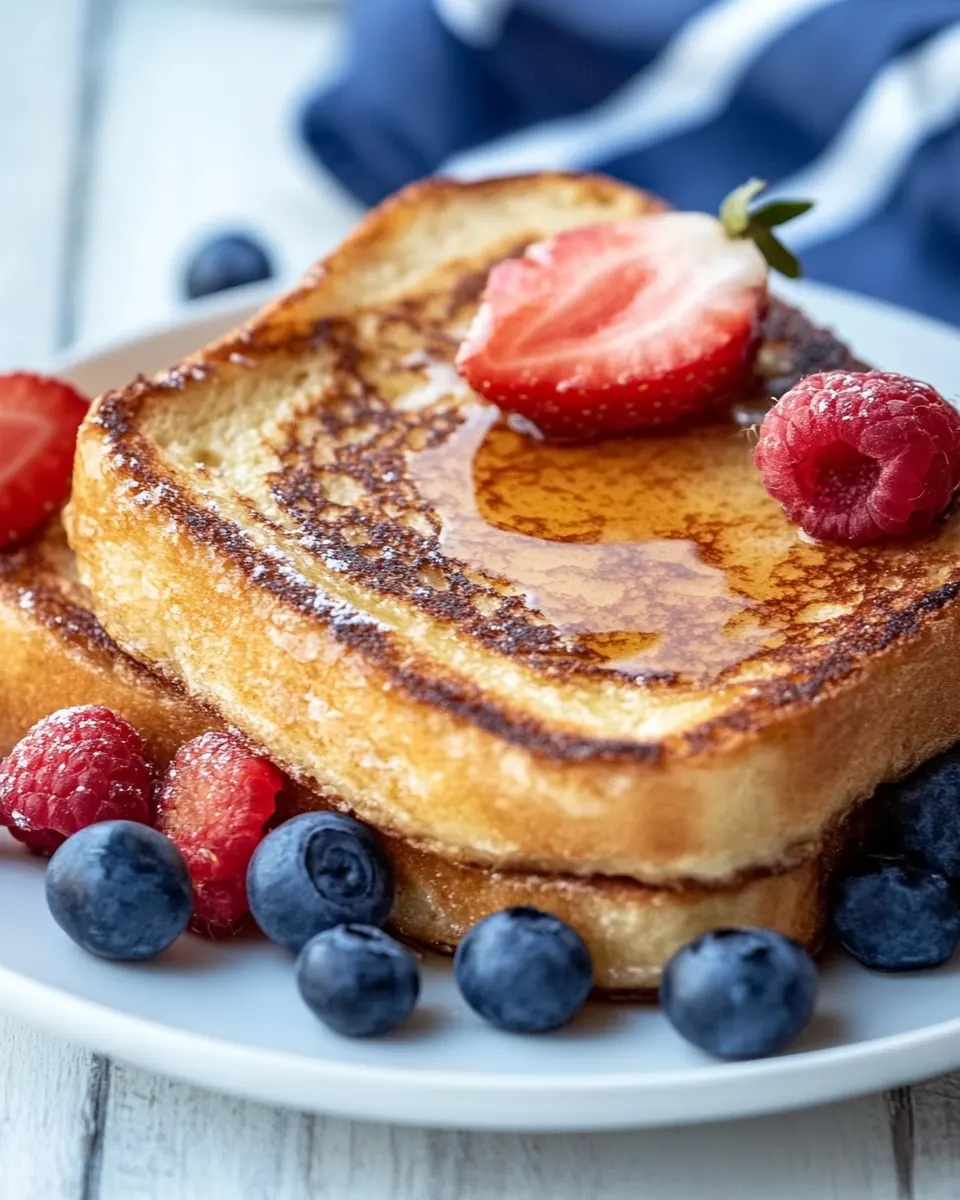
This method moves at a friendly pace, letting the batter thicken and the pan develop even heat so you get a golden, evenly cooked toast. Read each step so you know the visual and sensory cues to watch for, and plan to work with one or two slices in the pan at a time so you can control color and texture.
- In a shallow dish with sides combine the milk, cornstarch, vanilla, and cinnamon. Whisk until everything is combined and the cornstarch is dissolved.: The aroma at this stage is subtle, mostly sweet notes of vanilla extract with a faint whisper of cinnamon . Whisk vigorously until the mixture looks smooth and slightly thickened, it should feel silkier than plain milk. If you see specks or small lumps, keep whisking until they disappear, because lumps will create uneven pockets in the batter when you toast. A common mistake is under whisking, which leads to gritty spots, so take an extra 30 seconds here to ensure a perfectly smooth base.
- Place one slice of bread into the milk mixture long enough to soak the side then flip the bread and allow it to soak for an additional 3 seconds.: When you lay the bread in, you will see it darken as it absorbs the batter, the edges will look moistened but not falling apart. The second side only needs a few seconds to pick up the coating, otherwise the slice can become saturated and tear when you lift it. Avoid over soaking, which results in a gummy interior and difficulty flipping; if the bread feels floppy, it was in the liquid too long.
- Heat a large, nonstick pan over medium heat.: Listen for the slight hiss as the pan warms, and hold your hand a few inches above to sense the radiant heat. It should be hot enough to sizzle faintly when you add butter, but not so hot that the butter smokes. If the pan is not hot enough, the toast will soak up fat and become greasy, and if it is too hot you will burn the exterior before the center sets. Patience here ensures an even golden crust and a tender middle.
- Melt 1 tablespoon butter in the pan and place 2 slices of bread into the center of the pan. Cook for 3 to 4 minutes or until golden brown.: The butter will foam and begin to take on a nutty scent as it browns slightly, which adds fantastic flavor. Place the prepared slices carefully to avoid splatter, then you should hear a gentle sizzle. That sound tells you the exterior is starting to set. If the butter smokes immediately, reduce the heat, because burning will impart a bitter note to the toast.
- Using a spatula, flip the french toast pieces and brown the other side for an additional 3 to 4 minutes or until golden brown. Remove from the pan and repeat with remaining bread slice and butter.: Visually monitor the underside, you want a warm golden brown, not dark or charred. As it cooks, the surface will firm and slightly crisp while the interior becomes custardy. If you press gently with the spatula the center should feel springy, not soggy. Flip too soon and you risk tearing, flip too late and the color will be uneven; aim for the moment when the edges lift easily from the pan.
- Top the french toast with berries, syrup, or your favorite toppings.: After flipping, pay attention to the aroma, which should be richer and more toasted, and the color should match the first side. The interior is finishing its set, and any residual wetness should evaporate. If the interior is still cold or overly soft after browning, reduce heat and cook a bit longer, because a rushed high heat finish often leaves the center undercooked.
- Remove from the pan and repeat with remaining bread slice and butter: Move finished slices to a warm plate to rest briefly while you cook the rest. Resting lets the interior settle so each bite holds its shape when cut. Keep the pan at medium and add more butter as needed, watching that it does not burn between batches. A frequent mistake is crowding the pan, which causes uneven browning and steam, so cook in small batches for best results.
- Top the french toast with berries, syrup, or your favorite toppings: The finishing touch is all about contrast, the juicy strawberries and viscous Maple syrup complement the warm, slightly crisp toast. Spoon the berries gently so their juices mingle with the syrup and create little pools of flavor on the plate. If toppings feel too sweet, a squeeze of fresh citrus or a scattering of sliced fruit can add bright acidity to balance the richness.
Variations to Try
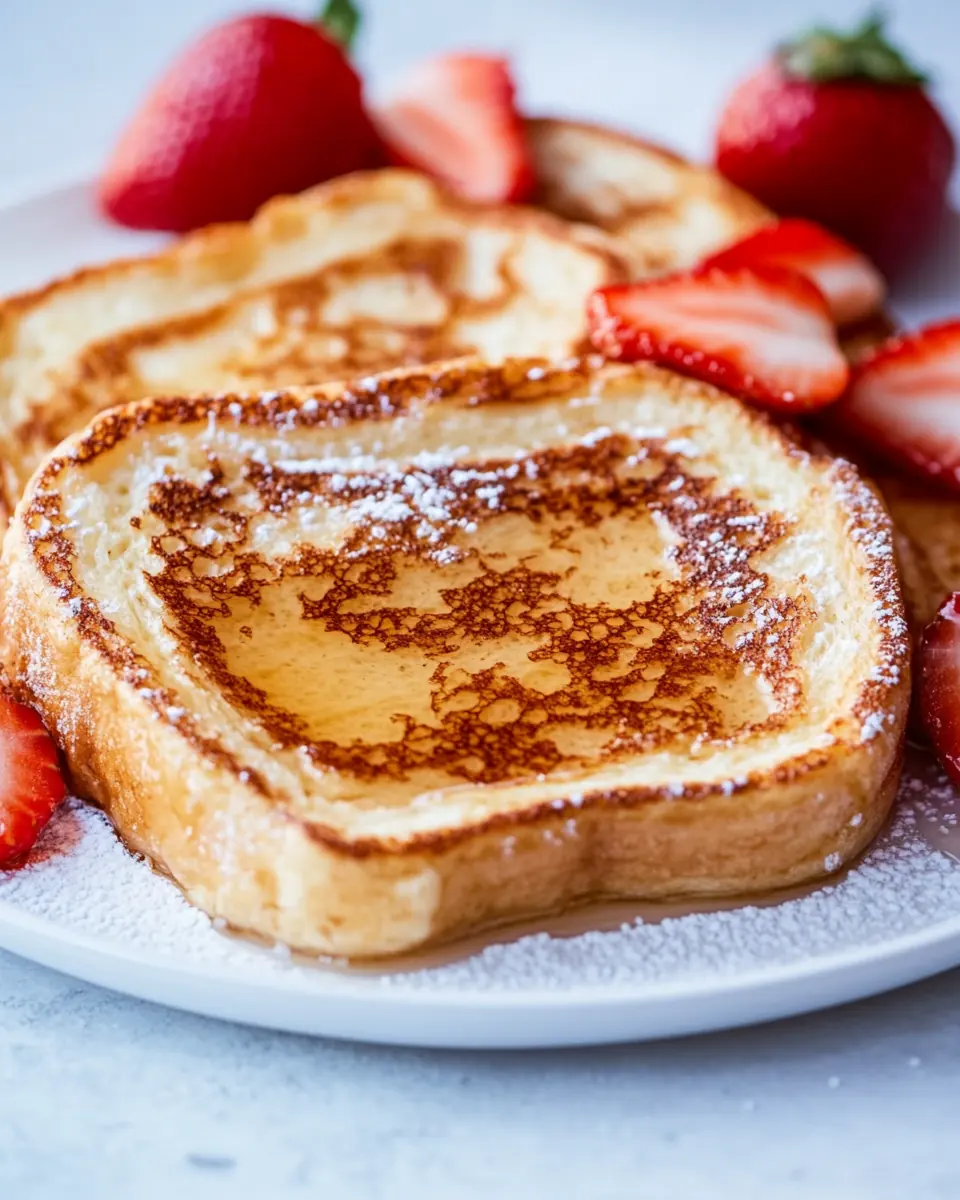
I like to experiment with small variations, and these ideas let you tailor Eggless French Toast to your mood or what you have on hand. Below are practical, tested suggestions that keep the core method intact while introducing subtle twists.
- Swap the milk for a plant milk – Try almond or oat milk for a dairy free option, noting that plant milks can be thinner so the batter may feel lighter; you can add a touch more corn starch for body if needed.
- Use thicker bread – Brioche or challah like textures work beautifully because they soak the batter and create a plush interior, but any sturdy sliced bread will do well.
- Adjust the spice level – Increase the cinnamon slightly or add a pinch of nutmeg for extra warmth, just be careful not to overpower the delicate custard note.
- Toast in butter for better browning – Browning butter adds a nutty depth and helps develop a crisp, caramelized surface that contrasts the tender inside.
- Serve with fresh fruit and syrup – A combination of sliced strawberries and warm Maple syrup balances texture and sweetness, and you can mix fruit varieties depending on seasonality.
Perfect Matches for Eggless French Toast
If you want a complete breakfast or brunch plate, consider pairing textures and flavors that complement the gentle custard like center and golden crust. Below are serving suggestions, timing notes, and occasion ideas that help you present this dish beautifully.
- Fresh fruit platter – Sliced strawberries, berries, or citrus segments add bright acidity and fresh texture to balance the richness of the toast.
- Warm syrup service – Offer warmed Maple syrup on the side so guests can control the sweetness; warm syrup melds into the toast and creates a glossy finish.
- Brunch occasions – This recipe is perfect for a cozy weekend brunch, a light celebratory breakfast, or when you want a comforting solo morning meal without eggs.
- Storage tips – Leftovers keep in the refrigerator for up to 2 days; reheat briefly in a warm pan to revive the exterior crispness rather than microwaving, which can make it soggy.
- Seasonal pairings – In spring and summer I pair with bright berries, while in cooler months I like stewed fruit to add warmth and deeper flavors.
FAQ
Conclusion
Eggless French Toast stands out for delivering the nostalgic comfort of classic French toast without eggs, relying on simple pantry ingredients to create a tender, custardy interior and golden exterior. Give it a try the next time you want a warm, comforting breakfast that is both quick and approachable, perfect for busy mornings or relaxed weekends. I hope you enjoy how easy it is to make this version part of your routine, topped with fresh fruit and a drizzle of syrup for a cozy, satisfying meal.
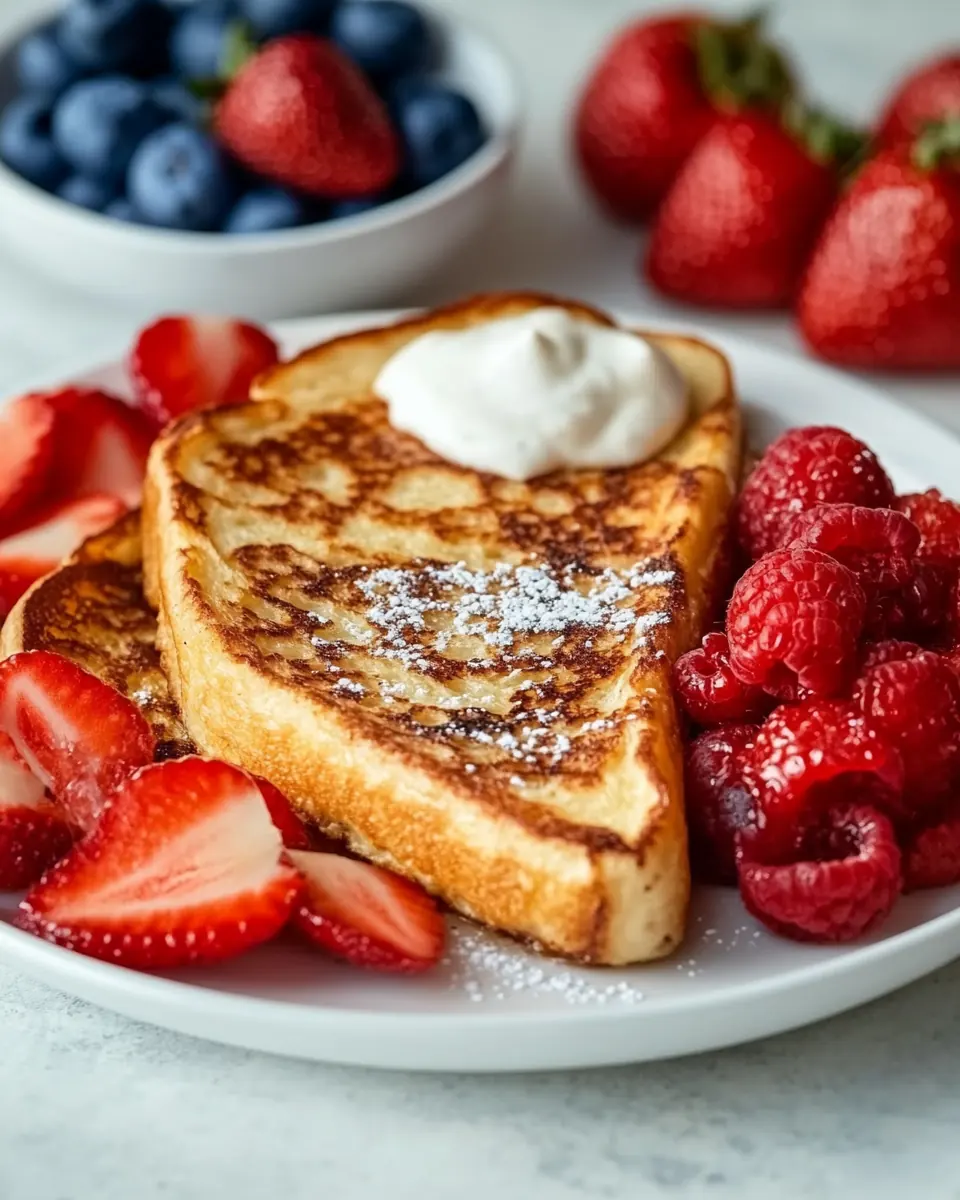
Eggless French Toast
Ingredients
Equipment
Method
- In a shallow dish with sides combine the milk, cornstarch, vanilla, and cinnamon. Whisk until everything is combined and the cornstarch is dissolved.: The aroma at this stage is subtle, mostly sweet notes of vanilla extract with a faint whisper of cinnamon . Whisk vigorously until the mixture looks smooth and slightly thickened, it should feel silkier than plain milk. If you see specks or small lumps, keep whisking until they disappear, because lumps will create uneven pockets in the batter when you toast. A common mistake is under whisking, which leads to gritty spots, so take an extra 30 seconds here to ensure a perfectly smooth base.
- Place one slice of bread into the milk mixture long enough to soak the side then flip the bread and allow it to soak for an additional 3 seconds.: When you lay the bread in, you will see it darken as it absorbs the batter, the edges will look moistened but not falling apart. The second side only needs a few seconds to pick up the coating, otherwise the slice can become saturated and tear when you lift it. Avoid over soaking, which results in a gummy interior and difficulty flipping; if the bread feels floppy, it was in the liquid too long.
- Heat a large, nonstick pan over medium heat.: Listen for the slight hiss as the pan warms, and hold your hand a few inches above to sense the radiant heat. It should be hot enough to sizzle faintly when you add butter, but not so hot that the butter smokes. If the pan is not hot enough, the toast will soak up fat and become greasy, and if it is too hot you will burn the exterior before the center sets. Patience here ensures an even golden crust and a tender middle.
- Melt 1 tablespoon butter in the pan and place 2 slices of bread into the center of the pan. Cook for 3 to 4 minutes or until golden brown.: The butter will foam and begin to take on a nutty scent as it browns slightly, which adds fantastic flavor. Place the prepared slices carefully to avoid splatter, then you should hear a gentle sizzle. That sound tells you the exterior is starting to set. If the butter smokes immediately, reduce the heat, because burning will impart a bitter note to the toast.
- Using a spatula, flip the french toast pieces and brown the other side for an additional 3 to 4 minutes or until golden brown. Remove from the pan and repeat with remaining bread slice and butter.: Visually monitor the underside, you want a warm golden brown, not dark or charred. As it cooks, the surface will firm and slightly crisp while the interior becomes custardy. If you press gently with the spatula the center should feel springy, not soggy. Flip too soon and you risk tearing, flip too late and the color will be uneven; aim for the moment when the edges lift easily from the pan.
- Top the french toast with berries, syrup, or your favorite toppings.: After flipping, pay attention to the aroma, which should be richer and more toasted, and the color should match the first side. The interior is finishing its set, and any residual wetness should evaporate. If the interior is still cold or overly soft after browning, reduce heat and cook a bit longer, because a rushed high heat finish often leaves the center undercooked.
- Remove from the pan and repeat with remaining bread slice and butter: Move finished slices to a warm plate to rest briefly while you cook the rest. Resting lets the interior settle so each bite holds its shape when cut. Keep the pan at medium and add more butter as needed, watching that it does not burn between batches. A frequent mistake is crowding the pan, which causes uneven browning and steam, so cook in small batches for best results.
- Top the french toast with berries, syrup, or your favorite toppings: The finishing touch is all about contrast, the juicy strawberries and viscous Maple syrup complement the warm, slightly crisp toast. Spoon the berries gently so their juices mingle with the syrup and create little pools of flavor on the plate. If toppings feel too sweet, a squeeze of fresh citrus or a scattering of sliced fruit can add bright acidity to balance the richness.
Notes
- Swap the milk for a plant milk - Try almond or oat milk for a dairy free option, noting that plant milks can be thinner so the batter may feel lighter; you can add a touch more corn starch for body if needed.
- Use thicker bread - Brioche or challah like textures work beautifully because they soak the batter and create a plush interior, but any sturdy sliced bread will do well.
- Adjust the spice level - Increase the cinnamon slightly or add a pinch of nutmeg for extra warmth, just be careful not to overpower the delicate custard note.
- Toast in butter for better browning - Browning butter adds a nutty depth and helps develop a crisp, caramelized surface that contrasts the tender inside.
- Serve with fresh fruit and syrup - A combination of sliced strawberries and warm Maple syrup balances texture and sweetness, and you can mix fruit varieties depending on seasonality.