Au Gratin Potatoes
Au Gratin Potatoes have been my go to when I want comfort with a touch of elegance, the kind of dish that keeps coming back to the table long after the main course is done. I still remember the first time I made this, the kitchen filling with a warm, milky aroma and the sound of cheese gently bubbling as I lifted the foil. That evening felt like a small celebration, simple yet memorable, and the dish has followed me to potlucks and quiet weeknight dinners ever since.
I often make Au Gratin Potatoes when friends drop by unexpectedly, because it scales well and feels special without fuss. I like how the thin potato slices nestle into a creamy sauce, and how the top browns into a slightly crisp, cheesy finish that invites everyone to dig in. When I plate a dish, I reach for chives to scatter on top, the pop of green making the whole pan look dressed up. Over time I learned small tweaks, like using a mix of cheeses for nuttiness and watching the oven closely during the final minutes to avoid burning the top.
Recipe Snapshot
1 hr 50 mins
20 mins
90 mins
Medium
300 kcal
American
Gluten-Free, Keto
Side Dishes
Oven, 3 quart casserole dish, Large pot, Whisk, Mandoline or food processor
Why You Need This Au Gratin Potatoes
Comforting, yet refined
I love Au Gratin Potatoes because it hits that sweet spot between everyday comfort and holiday worthy side. The texture contrast between silky layers and a golden top keeps everyone interested, and the flavors are familiar enough to please a crowd.
Easy to scale for company
This recipe adapts easily, so whether we are feeding a small family or a larger group, it holds up. I can double or halve quantities without losing the structure of the dish, which makes planning stress free.
Ingredient driven flavor
With a handful of pantry staples like butter, all purpose flour, milk, and Gruyere cheese, the sauce becomes the star. I appreciate how each ingredient plays a clear role, from body to seasoning to that toasty, savory finish.
Hands off baking time
Once assembled, most of the work is done. The oven takes over, letting you focus on a salad or main without hovering. I like recipes that let me be present with guests, and this is one of them.
Comfortable technique for home cooks
The methods here are forgiving. Even if your slices are not perfectly uniform, the final bake smooths things out. I always tell friends that a little imperfection makes it feel homemade, not clinical.
What to Buy for Au Gratin Potatoes
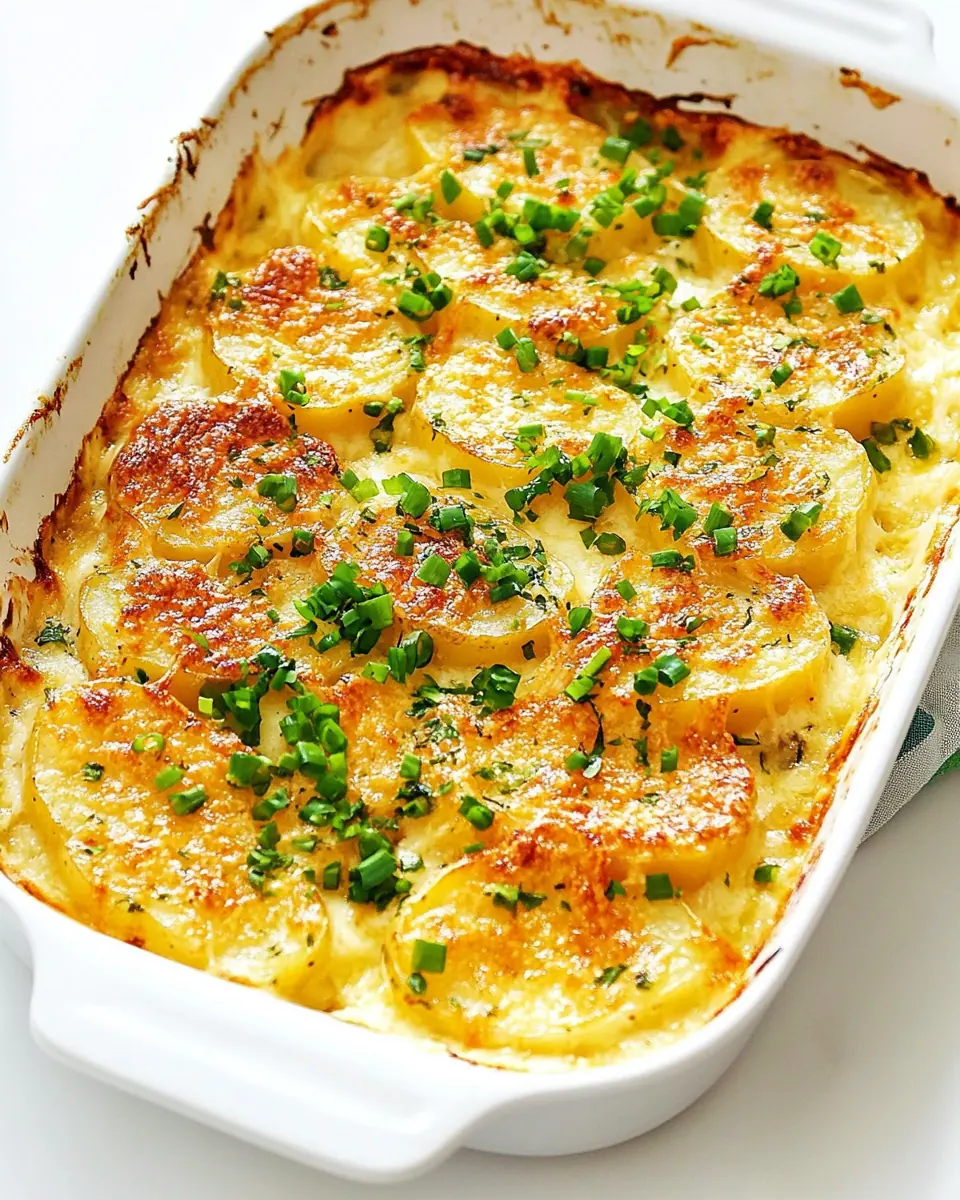
These ingredients form a simple, classic lineup that works together to create a rich, creamy, and slightly nutty au gratin. The starch from the potatoes provides structure, the roux made from butter and all purpose flour thickens the sauce, and the combination of milk, heavy whipping cream, and cheese gives luxurious mouthfeel and savory depth. Small seasonings like fine sea salt and freshly ground black pepper let the potato and cheese shine, while chives add a bright finishing note.
- 5 tbsp unsalted butter, divided: Melted and divided to allow browning and a silky sauce base; used first to make a roux with flour and later dotted over the potatoes for richness and a golden finish.
- 1/4 cup all-purpose flour: Whisked into melted butter to create a roux that thickens the milk and cream into a smooth, clingy sauce; ensures the gratin has a velvety texture that coats the potato slices.
- 2 1/2 cups milk, any kind: Heated with the roux to form the primary creamy liquid; provides body and moisture, balancing richness while helping the sauce penetrate the potatoes during baking.
- 1/2 cup heavy whipping cream: Added to the milk to increase fat and creaminess in the sauce; enriches mouthfeel and helps the gratin develop a luxurious, tender interior.
- 1 1/4 tsp fine sea salt, or to taste: Measured to season the dish evenly and enhance all flavors; added to the sauce and adjusted to taste to prevent blandness while complementing the cheese.
- 1/4 tsp freshly ground black pepper: Ground and used sparingly to give a mild bite and depth; balances richness and cuts through creaminess without overpowering delicate flavors.
- 1 tsp onion powder: Sprinkled into the sauce to add savory, aromatic notes reminiscent of onion without added texture; supports overall flavor complexity in a subtle way.
- 1/2 tsp garlic powder: Incorporated into the sauce for a gentle garlic presence without moisture; contributes background umami and warmth without fresh garlic’s stronger bite.
- 2 cups grated Gruyere cheese, from a 6 oz block or white cheddar cheese, divided: Shredded and divided so some melts into the sauce while more layers between potatoes add gooeyness and a nutty, salty finish; choice of Gruyere or white cheddar defines the gratin’s flavor profile.
- 3 lbs Yukon gold potatoes, scrubbed (peeled or unpeeled): Sliced thinly and layered to form the body of the dish; Yukon Golds offer a creamy, buttery texture and hold shape well after baking whether peeled or left with skins on.
- Chives, to garnish (optional): Chopped and sprinkled over the finished gratin for a bright, herbaceous finish and visual contrast; used optionally to add freshness and mild onion-like flavor.
Putting Together Au Gratin Potatoes
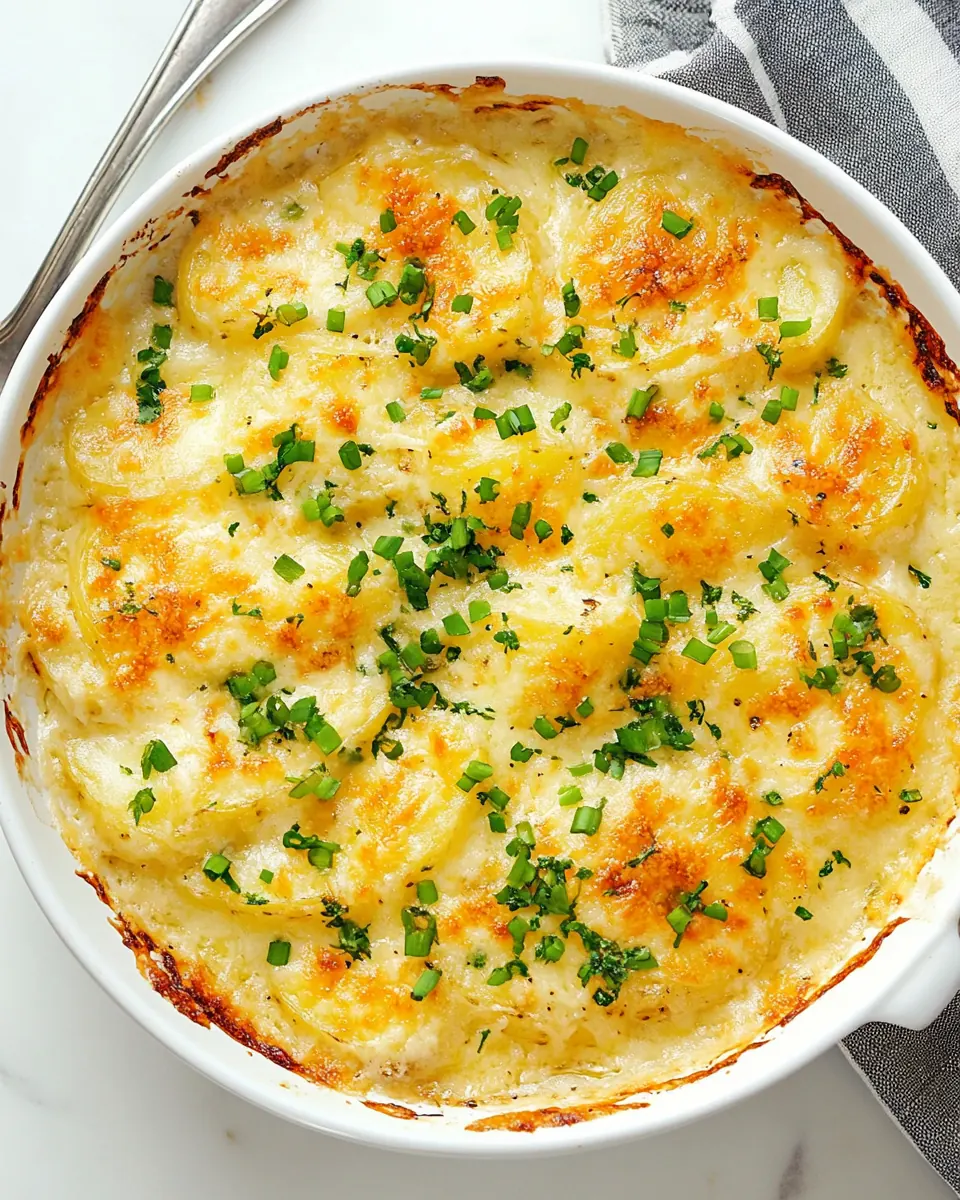
Assembling this gratin is a comforting, rhythmic process that rewards patience. Take your time with the sauce so it thickens properly, and arrange the potatoes so each slice is coated. The oven does a lot of work, transforming these simple elements into a cohesive, bubbling casserole.
- Preheat oven to 350 F. Use 1 Tbsp butter to grease a 3 quart (9×13) casserole dish.: The warm air of the oven should smell faintly of heat when ready, a subtle signal that browning will begin as soon as the dish goes in. Greasing the dish prevents sticking and helps the edges release cleanly when you serve. A common slip is skipping this step, which can make portions tear when lifted, so be sure the butter reaches corners and sides. If your dish is cold, allow it to warm slightly before adding the casserole to avoid thermal shock.
- In a large pot or dutch oven over medium heat, melt 4 Tbsp butter. Add flour whisk for 2 minutes to cook off the flour taste. Gradually pour in the milk then the cream while whisking. Add salt, pepper, onion powder and garlic powder then continue whisking until sauce has thickened. Add more seasonings to taste. Remove from heat and stir in half of the shredded cheese until melted.: As the butter melts, you will hear a gentle sizzle and smell nutty butter aroma, which becomes the base of the sauce. When you sprinkle in the flour and whisk, the mixture will foam slightly and thicken, transforming into a velvety roux; cooking it for the full two minutes removes any raw flour flavor. Slowly streaming in the milk and heavy whipping cream while whisking prevents lumps and yields a glossy sauce that slowly thickens, so watch for it to coat the back of a spoon. Once spices join the mix, you will notice the aroma deepen and the sauce profile shift from bland to savory. Stirring in half the cheese off the heat ensures smooth melting, creating silkiness without overcooking the dairy. If your sauce is thin, simmer gently on low while stirring; if it splits, a quick whisk off heat can sometimes bring it back. Avoid high heat which can scorch the bottom and ruin the flavor.
- Peel potatoes if desired and thinly slice to 1/8 inch thick (a food processor makes this quick and easy). Add potatoes to the cheese sauce and stir to coat, then spread the potatoes evenly in the prepared baking dish and top with the remaining grated cheese.: When slicing, the kitchen will smell faintly of raw potato, a clean vegetal scent, and you should see translucent thin rounds stack neatly. Evenness is key so each slice reaches tenderness at the same time, and a food processor or mandoline gives you consistent results quickly. Tossing the slices in the warm sauce helps them take on the creamy coating, and you should notice the sauce clinging to edges. Arrange the layers so air pockets are minimized, helping even baking, then blanket the top with remaining cheese to form that golden crust. A frequent mistake is piling slices too loosely, which can dry out interior pieces; press gently to compact layers without smashing them.
- Cover with aluminum foil and bake for 60 minutes. Remove foil and bake another 15-30 minutes or until top is golden brown and potatoes are tender and can be easily pierced with a fork. You can broil for 1-2 minutes at the end if more browning is desired but keep an eye on it so it doesn’t burn. Rest for 15 minutes before serving. Garnish with chives and freshly cracked black pepper if desired.: As the dish bakes under foil, the steam inside creates a humid environment that slowly cooks the potatoes through, softening them while keeping moisture locked in. You will hear faint bubbling and detect a warm, milky scent escaping when you lift the foil briefly. This covered stage prevents the top from browning too quickly and ensures tender interiors. Avoid leaving it uncovered too soon, which can dry the potatoes and lead to uneven doneness.
- Remove foil and bake another 15-30 minutes or until top is golden brown and potatoes are tender and can be easily pierced with a fork.: Removing the foil invites the heat to brown the cheese, and you will watch the surface go from pale to golden to deep brown in spots, accompanied by the pleasant crackle as crust forms. Test doneness by piercing a center slice with a fork, it should slide through without resistance. If the top is not browned enough, broil for 1 to 2 minutes with close attention to prevent burning, which happens fast under high heat. A common pitfall is overbaking during this stage, which dries the layers, so check early and often.
- You can broil for 1-2 minutes at the end if more browning is desired but keep an eye on it so it doesn’t burn. Rest for 15 minutes before serving. Garnish with chives and freshly cracked black pepper if desired.: The final broil gives a toasty finish and a burst of savory aroma, but it only takes moments to go from perfect to charred, so stand by the oven. Letting the gratin rest for 15 minutes allows the sauce to settle and thicken slightly, making clean slices and ensuring it holds together on the plate. During resting, the steam redistributes, and the surface cools just enough to be approachable. If you skip resting, the slices can collapse and the sauce will run; patience yields better presentation and texture. A light sprinkle of chives refreshes each forkful with color and a hint of brightness.
Recipe Notes about Au Gratin Potatoes
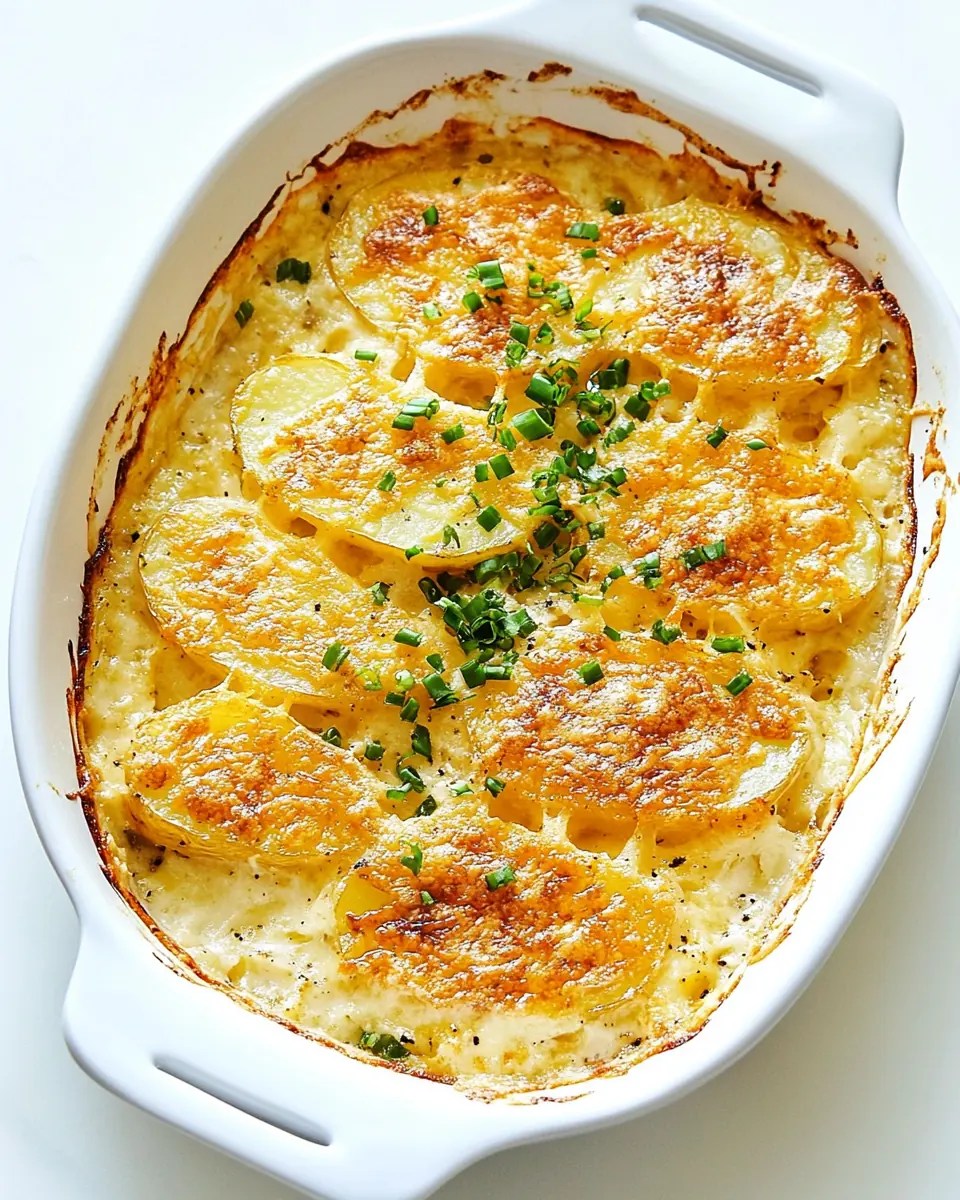
I like to keep a few practical notes close at hand when I make Au Gratin Potatoes. These tips help with timing, texture, and flavor balance so you get consistent results. Below are detailed notes I return to every time.
- Slice consistency is crucial. Aim for uniform 1/8 inch slices; uneven slices lead to mixed doneness. A mandoline or food processor attachment is a small investment that pays off in texture and presentation.
- Watch the roux closely. Cooking the flour in butter for the full two minutes removes rawness and gives the sauce structure. If you skip this, the sauce can taste floury and may not thicken properly.
- Use good melting cheese. Choosing Gruyere or a mild white cheddar gives nutty, savory depth and a smooth melt. Pre grating from a block melts better than pre shredded options that contain anti caking agents.
- Season gradually. Add salt and pepper in stages and taste the sauce before combining with the potatoes, remembering that the cheese adds saltiness too. This prevents over seasoning.
- Rest before serving. Let the dish sit for about 15 minutes after baking to firm up the sauce, which makes slicing easier and the presentation cleaner.
Serving This Au Gratin Potatoes
Au Gratin Potatoes pairs beautifully with a range of mains and occasions, from cozy family dinners to festive holiday spreads. The creamy texture and golden top make it both comforting and elegant. Below I outline serving styles, side ideas, and storage guidance so you can plan the full meal and keep leftovers tasting great.
- Classic holiday side. Serve alongside a roasted main for a comforting holiday plate. The richness of the gratin complements roasted proteins and tender vegetables, making it a natural choice for celebratory meals.
- Weeknight accompaniment. For an easy weeknight dinner, pair with a simple green salad and a lemony vinaigrette to cut through the creaminess. The contrast of crisp greens and silky potatoes is satisfying and balanced.
- Make ahead strategy. Assemble the gratin a day ahead, cover tightly, and refrigerate. When ready, bring it to room temperature for 30 minutes then bake, adding a few extra minutes if chilled through. This saves active time on the day you serve.
- Storing leftovers. Keep in an airtight container in the refrigerator for up to three days. Reheat gently in a low oven until warmed through to preserve texture, avoiding the microwave when possible to prevent rubbery spots.
- Portioning and presentation. Let the gratin rest before cutting tidy squares. Garnish each portion with a sprinkle of fresh chives and a crack of black pepper for contrast and color.
- Seasonal pairings. In winter, serve with roasted root vegetables and braised greens. The warm, comforting flavors of the gratin match seasonal produce and create a cohesive winter meal.
FAQ
Conclusion
This Au Gratin Potatoes recipe stands out for its creamy texture, golden cheese top, and comforting, crowd pleasing character. It’s an approachable dish that feels special enough for holidays yet simple enough for weeknight dinners, delivering a satisfying balance of rich sauce and tender potato. Give it a try when you want a dependable, delicious side that brings warmth to the table and invites seconds; you will likely find it becoming a regular in your rotation.
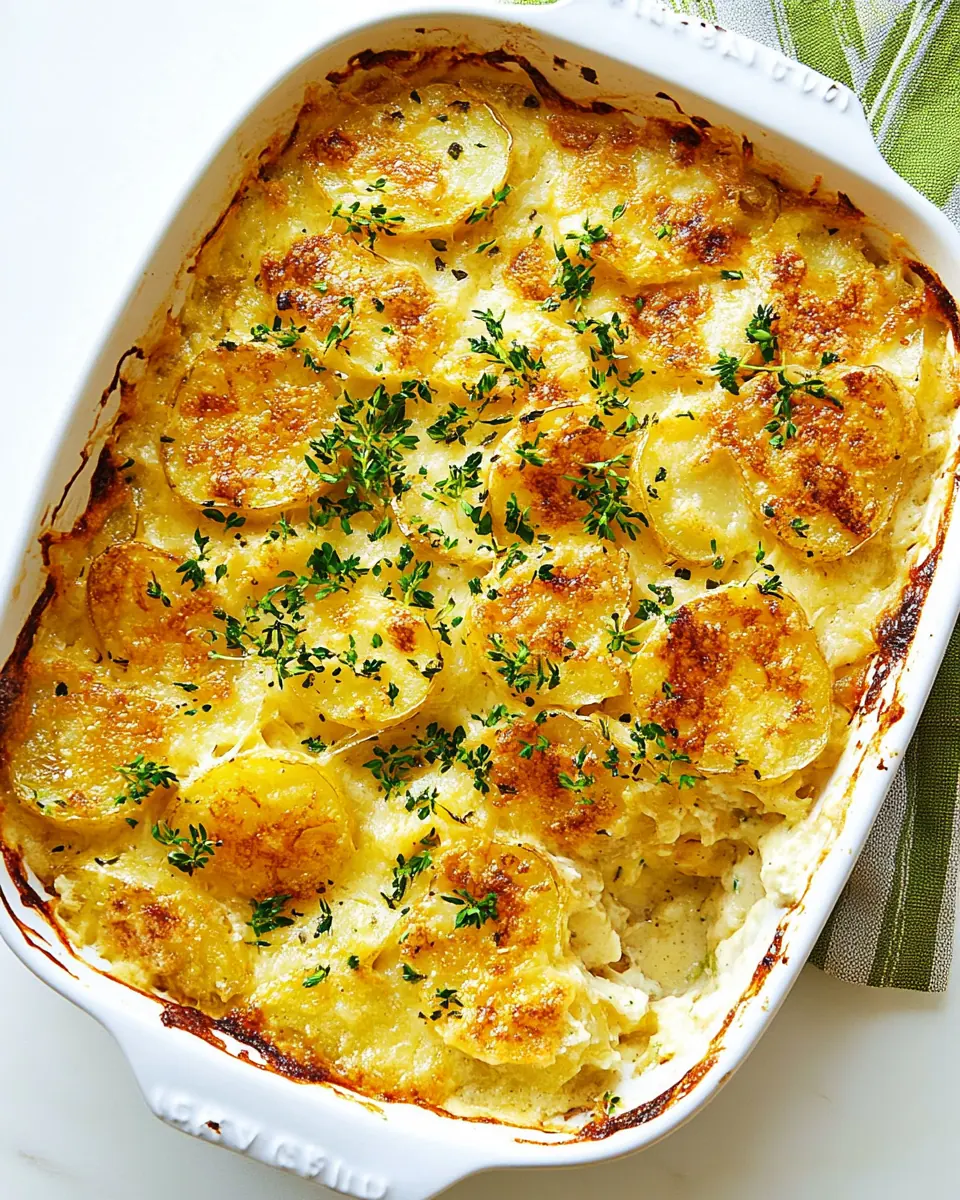
Au Gratin Potatoes
Ingredients
Equipment
Method
- Preheat oven to 350 F. Use 1 Tbsp butter to grease a 3 quart (9×13) casserole dish.: The warm air of the oven should smell faintly of heat when ready, a subtle signal that browning will begin as soon as the dish goes in. Greasing the dish prevents sticking and helps the edges release cleanly when you serve. A common slip is skipping this step, which can make portions tear when lifted, so be sure the butter reaches corners and sides. If your dish is cold, allow it to warm slightly before adding the casserole to avoid thermal shock.
- In a large pot or dutch oven over medium heat, melt 4 Tbsp butter. Add flour whisk for 2 minutes to cook off the flour taste. Gradually pour in the milk then the cream while whisking. Add salt, pepper, onion powder and garlic powder then continue whisking until sauce has thickened. Add more seasonings to taste. Remove from heat and stir in half of the shredded cheese until melted.: As the butter melts, you will hear a gentle sizzle and smell nutty butter aroma, which becomes the base of the sauce. When you sprinkle in the flour and whisk, the mixture will foam slightly and thicken, transforming into a velvety roux; cooking it for the full two minutes removes any raw flour flavor. Slowly streaming in the milk and heavy whipping cream while whisking prevents lumps and yields a glossy sauce that slowly thickens, so watch for it to coat the back of a spoon. Once spices join the mix, you will notice the aroma deepen and the sauce profile shift from bland to savory. Stirring in half the cheese off the heat ensures smooth melting, creating silkiness without overcooking the dairy. If your sauce is thin, simmer gently on low while stirring; if it splits, a quick whisk off heat can sometimes bring it back. Avoid high heat which can scorch the bottom and ruin the flavor.
- Peel potatoes if desired and thinly slice to 1/8 inch thick (a food processor makes this quick and easy). Add potatoes to the cheese sauce and stir to coat, then spread the potatoes evenly in the prepared baking dish and top with the remaining grated cheese.: When slicing, the kitchen will smell faintly of raw potato, a clean vegetal scent, and you should see translucent thin rounds stack neatly. Evenness is key so each slice reaches tenderness at the same time, and a food processor or mandoline gives you consistent results quickly. Tossing the slices in the warm sauce helps them take on the creamy coating, and you should notice the sauce clinging to edges. Arrange the layers so air pockets are minimized, helping even baking, then blanket the top with remaining cheese to form that golden crust. A frequent mistake is piling slices too loosely, which can dry out interior pieces; press gently to compact layers without smashing them.
- Cover with aluminum foil and bake for 60 minutes. Remove foil and bake another 15-30 minutes or until top is golden brown and potatoes are tender and can be easily pierced with a fork. You can broil for 1-2 minutes at the end if more browning is desired but keep an eye on it so it doesn’t burn. Rest for 15 minutes before serving. Garnish with chives and freshly cracked black pepper if desired.: As the dish bakes under foil, the steam inside creates a humid environment that slowly cooks the potatoes through, softening them while keeping moisture locked in. You will hear faint bubbling and detect a warm, milky scent escaping when you lift the foil briefly. This covered stage prevents the top from browning too quickly and ensures tender interiors. Avoid leaving it uncovered too soon, which can dry the potatoes and lead to uneven doneness.
- Remove foil and bake another 15-30 minutes or until top is golden brown and potatoes are tender and can be easily pierced with a fork.: Removing the foil invites the heat to brown the cheese, and you will watch the surface go from pale to golden to deep brown in spots, accompanied by the pleasant crackle as crust forms. Test doneness by piercing a center slice with a fork, it should slide through without resistance. If the top is not browned enough, broil for 1 to 2 minutes with close attention to prevent burning, which happens fast under high heat. A common pitfall is overbaking during this stage, which dries the layers, so check early and often.
- You can broil for 1-2 minutes at the end if more browning is desired but keep an eye on it so it doesn’t burn. Rest for 15 minutes before serving. Garnish with chives and freshly cracked black pepper if desired.: The final broil gives a toasty finish and a burst of savory aroma, but it only takes moments to go from perfect to charred, so stand by the oven. Letting the gratin rest for 15 minutes allows the sauce to settle and thicken slightly, making clean slices and ensuring it holds together on the plate. During resting, the steam redistributes, and the surface cools just enough to be approachable. If you skip resting, the slices can collapse and the sauce will run; patience yields better presentation and texture. A light sprinkle of chives refreshes each forkful with color and a hint of brightness.
Notes
- Slice consistency is crucial. Aim for uniform 1/8 inch slices; uneven slices lead to mixed doneness. A mandoline or food processor attachment is a small investment that pays off in texture and presentation.
- Watch the roux closely. Cooking the flour in butter for the full two minutes removes rawness and gives the sauce structure. If you skip this, the sauce can taste floury and may not thicken properly.
- Use good melting cheese. Choosing Gruyere or a mild white cheddar gives nutty, savory depth and a smooth melt. Pre grating from a block melts better than pre shredded options that contain anti caking agents.
- Season gradually. Add salt and pepper in stages and taste the sauce before combining with the potatoes, remembering that the cheese adds saltiness too. This prevents over seasoning.
- Rest before serving. Let the dish sit for about 15 minutes after baking to firm up the sauce, which makes slicing easier and the presentation cleaner.