Easy Creamy Cauliflower Soup
Easy Creamy Cauliflower Soup has been my cold weather comfort for years, the kind of bowl I reach for when I want something soothing yet simple. The first time I made this, I was coming in from a raw winter walk, fingers numb, hair stuck to my scarf, and the kitchen smelled like warm butter and toasted onion within minutes. That bowl of Easy Creamy Cauliflower Soup felt like a small, edible hug, so I started keeping cauliflower on hand through the season.
Over the next few winters I tweaked the seasonings, learned how a quick sauté builds depth, and discovered the quiet magic of a final splash of cream. Each version taught me something new about balance, and every time I ladle it into a bowl I remember those evenings when the soup fixed everything from a bad day to a late night. This recipe feels personal, because I often make it for friends who need a little comfort or for nights when I want a simple, nourishing dinner without fuss.
Recipe Snapshot
40 mins
10 mins
30 mins
Easy
220 kcal
American
Keto, Gluten-Free
Soups
Soup pot, Immersion blender, Wooden spoon
Why This Easy Creamy Cauliflower Soup Hits Different
Velvety texture that still feels light
I love how Easy Creamy Cauliflower Soup manages to be luxuriously creamy without weighing you down. The cauliflower purees into a silky base, and the splash of heavy/whipping cream ties everything together, giving you that indulgent mouthfeel while keeping the flavors delicate.
Layered savory notes from simple cooking
Starting with olive oil, butter, and a slow sauté of onion builds a sweet, caramelized backbone that lifts the whole bowl. A little smoked paprika and a pinch of cayenne pepper add warmth and complexity without stealing the show. I appreciate recipes that rely on technique rather than many ingredients, and this one is a perfect example.
Flexible and forgiving
This soup is kind to improvisation. If you choose vegetable broth you keep it vegetarian, while chicken broth adds extra depth. The recipe is forgiving on exact measurements, which makes it ideal for weeknights when you want a satisfying result without strict precision.
Comfort food that still feels wholesome
Cauliflower brings a subtle, nutty flavor and a good dose of fiber, so you get comfort without the heaviness of cream-first dishes. The addition of fresh thyme sprigs and a bay leaf during cooking introduces bright herbal notes that contrast beautifully with the creamy texture.
Easy to scale and serve
I often double this when friends drop by, and it travels well to a potluck. It reheats gently on the stove with a touch more liquid, and the flavors mellow and knit together overnight in a very satisfying way. For these reasons I keep this recipe in heavy rotation during colder months.
What Goes Into Easy Creamy Cauliflower Soup

These ingredients are intentionally simple, chosen to highlight the mild, nutty personality of cauliflower. The aromatic duo of onion and garlic provides the savory foundation, while a mix of spices and herbs brings warmth and depth. The broth and a touch of heavy/whipping cream create the luxurious body that makes the soup feel special, and a careful balance of salt and pepper finishes each bowl.
- 1 large head cauliflower cut into florets: Provide a mild, nutty base and bulk to the soup when broken into florets; cooks down to a silky texture that thickens the mixture naturally and absorbs surrounding flavors. Roast or simmer florets to develop sweetness and deepen the overall flavor profile before blending smooth for a creamy finish.
- 1 tablespoon olive oil: Sauté in the pot to lightly coat and flavor aromatics; adds a fruity, slightly peppery note and helps prevent sticking during initial cooking. Drizzle over vegetables before adding butter and liquids to promote even browning and richer mouthfeel.
- 2 tablespoons butter: Melt to enrich and add a round, creamy mouthfeel while carrying and melding the aromatics and spices; contributes to the luscious texture of the finished soup. Use with olive oil during sautéing to boost flavor and create a velvety base for blending.
- 1/2 medium onion chopped: Provide a sweet, aromatic backbone when chopped and softened in fat; releases natural sugars that balance the cauliflower’s subtle flavor. Cook gently until translucent to build depth without adding bitterness before adding garlic and liquids.
- 3 cloves garlic minced: Release pungent, savory aromatics when minced; intensifies the overall savory profile and pairs with other seasonings to create complexity. Add toward the end of the sauté step to avoid burning and to extract bright, mellow garlic flavor.
- 4 cups vegetable or chicken broth: Contribute the cooking liquid that infuses and concentrates flavor while allowing cauliflower to soften; choice between vegetable or chicken broth adjusts the soup’s overall richness and subtle savory notes. Add gradually to control consistency and simmer until ingredients are tender.
- 1/4 teaspoon Italian seasoning: Impart a Mediterranean herbaceous blend that subtly layers flavor into the broth; enhances warmth and complexity without overpowering the cauliflower. Add during simmering so the oils and aromatics have time to infuse the liquid.
- 1/2 teaspoon smoked paprika: Provide a smoky warmth and gentle sweetness that complements the mild cauliflower; deepens color and adds a savory edge to the soup. Sprinkle into the sauté or simmering liquid for consistent distribution of flavor.
- 1 pinch cayenne pepper: Add a hint of heat that lifts the overall flavor profile without overwhelming; a very small pinch brightens and balances richness and creaminess. Use sparingly to control spiciness and enhance the soup’s depth.
- 1 bay leaf (optional): Contribute subtle bay leaf aromatics when added during simmering; offers a soft, herbal note that rounds out the broth’s flavor over time. Remove before blending to avoid woody texture while retaining the infused essence.
- 2 3 sprigs fresh thyme: Provide fresh, citrusy-herb notes that bring brightness and lift to the soup; sprigs release essential oils during simmering that complement other seasonings. Tie together or remove ribs if preferred, and discard stems before serving for a clean finish.
- 1/2 cup heavy/whipping cream: Enrich the soup with luxurious creaminess and a silky mouthfeel while adding a touch of sweetness and fat that balances savory notes. Stir in near the end of cooking or after blending to preserve its texture and avoid curdling.
- Salt & pepper to taste: Season to taste with salt and pepper to enhance and balance all flavors; salt amplifies the natural sweetness while pepper adds a touch of sharpness. Add gradually and adjust at the end after blending to achieve the desired seasoning level.
Cooking Method for Easy Creamy Cauliflower Soup
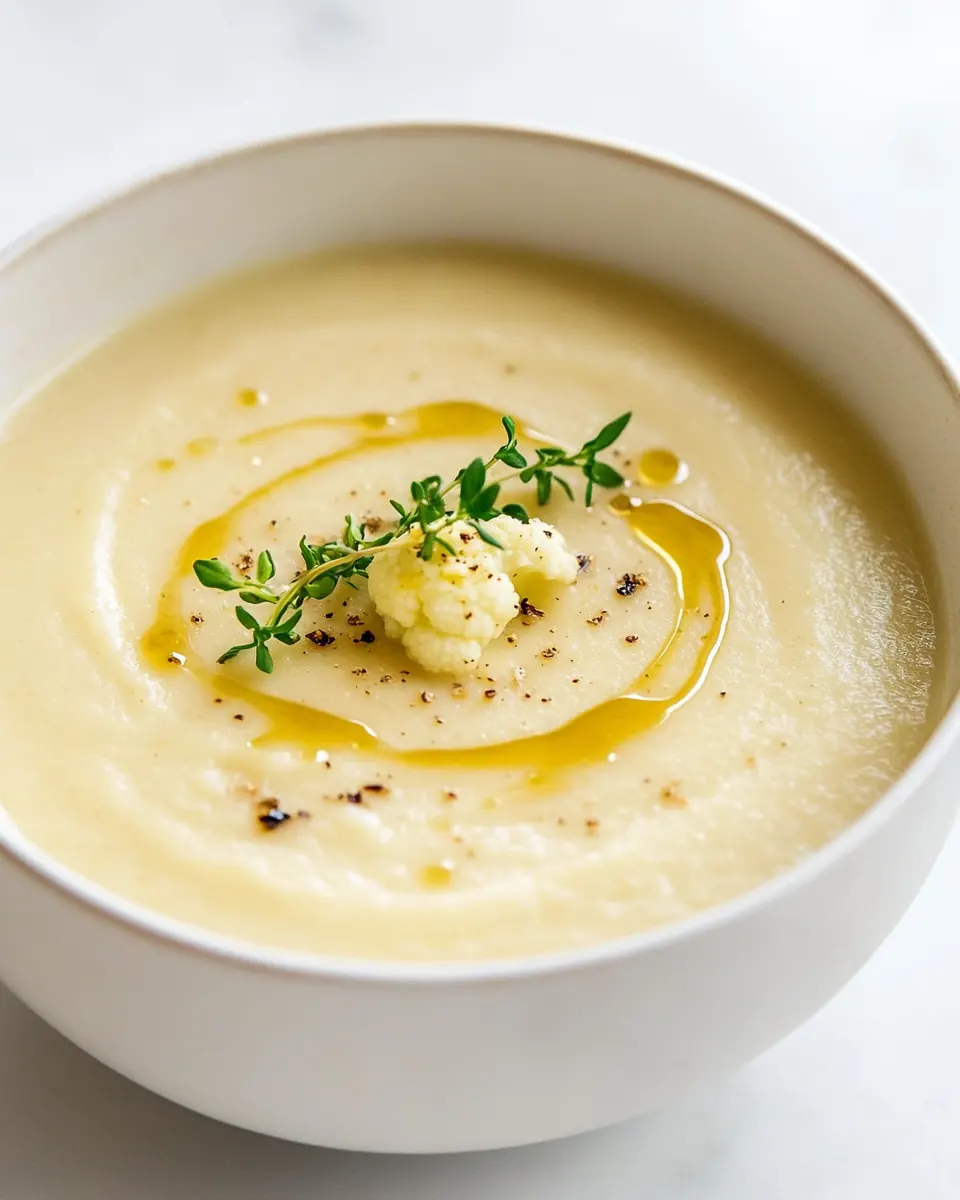
This is a hands on, comforting stovetop method that moves from saut to simmer to blend. Follow the steps in order and pay attention to the sensory cues, since they tell you when the flavors have developed and the cauliflower is ready for pureeing.
- Add the oil, butter, and onion to a soup pot over medium-high heat. Sauté the onion for 5 minutes or until it's starting to lightly brown.: You will notice the sound change from a bright sizzle to a gentler whisper as the moisture releases and the onion softens. The aroma will shift from sharp to sweet, with a nutty edge once it begins to color. This gentle browning builds the soup's backbone, creating savory complexity that a quick steam cannot provide. Avoid cooking too high, which can burn the edges and introduce a bitter note, and stir occasionally to prevent sticking. If your pan gets too hot, lower to medium to keep the butter from browning too quickly.
- Stir in the garlic and cook for 30 seconds.: The moment you add the minced garlic , the kitchen fills with a bright, fragrant pop. Garlic releases its oils quickly, so 30 seconds is enough to soften the raw edge and release aroma without letting it go bitter. Listen for a gentle hiss and watch for the garlic to become glossy, not browned. Overcooking here is a common mistake leading to bitterness, so have your next ingredient handy so you can move forward swiftly.
- Add in the broth, cauliflower, Italian seasoning, smoked paprika, cayenne pepper, bay leaf, and fresh thyme sprigs. Increase the heat to high and bring the soup to a boil. Cover the pot with the lid slightly ajar and reduce the heat so it's simmering for about 20 minutes (or until the cauliflower is very soft).: As you add the broth the pot will steam and the aromas will bloom, carrying the spices through the liquid. Bringing to a boil concentrates flavors briefly then reducing to a simmer allows gentle extraction from the cauliflower and herbs. You'll see small, steady bubbles and the florets soften and fall apart when pierced with a fork. Simmering too vigorously will evaporate the liquid and can toughen the cauliflower, so keep the lid ajar to maintain a gentle simmer. One common mistake is undercooking the florets, which leaves a grainy texture after blending, so ensure they are fork tender.
- Remove the bay leaf and thyme sprigs. You may want to let the soup cool a bit prior to blending it. I used my immersion blender, but feel free to use a regular blender and carefully blend it in batches.: After removing the herbs you'll smell the cleaner, herbaceous top notes. Letting the soup rest slightly reduces splatter and steam pressure when blending. Using an immersion blender offers control, letting you stop when you reach the desired silkiness, while a countertop blender yields a very smooth texture when done in small batches. Be cautious with hot liquids in a blender, vent the lid slightly and cover with a towel to avoid burns. A frequent error is overfilling the blender which can cause hot soup to forcefully escape, so work in batches with space for steam to expand.
- Stir in the cream and season with salt & pepper as needed (it definitely requires additional salt as cauliflower isn't super flavorful on its own).: Once your soup is velvety, the addition of heavy/whipping cream will round out the mouthfeel and mellow the spices. The aroma will soften and the surface becomes glossy. Seasoning at this stage lets you taste the concentrated flavors and add salt accordingly, because cauliflower can mask salt needs during cooking. Add salt in small increments, tasting after each pinch, and finish with freshly ground pepper for a bright note. A common oversight is underseasoning, leaving the soup flat, so always taste before serving.
Helpful Hints
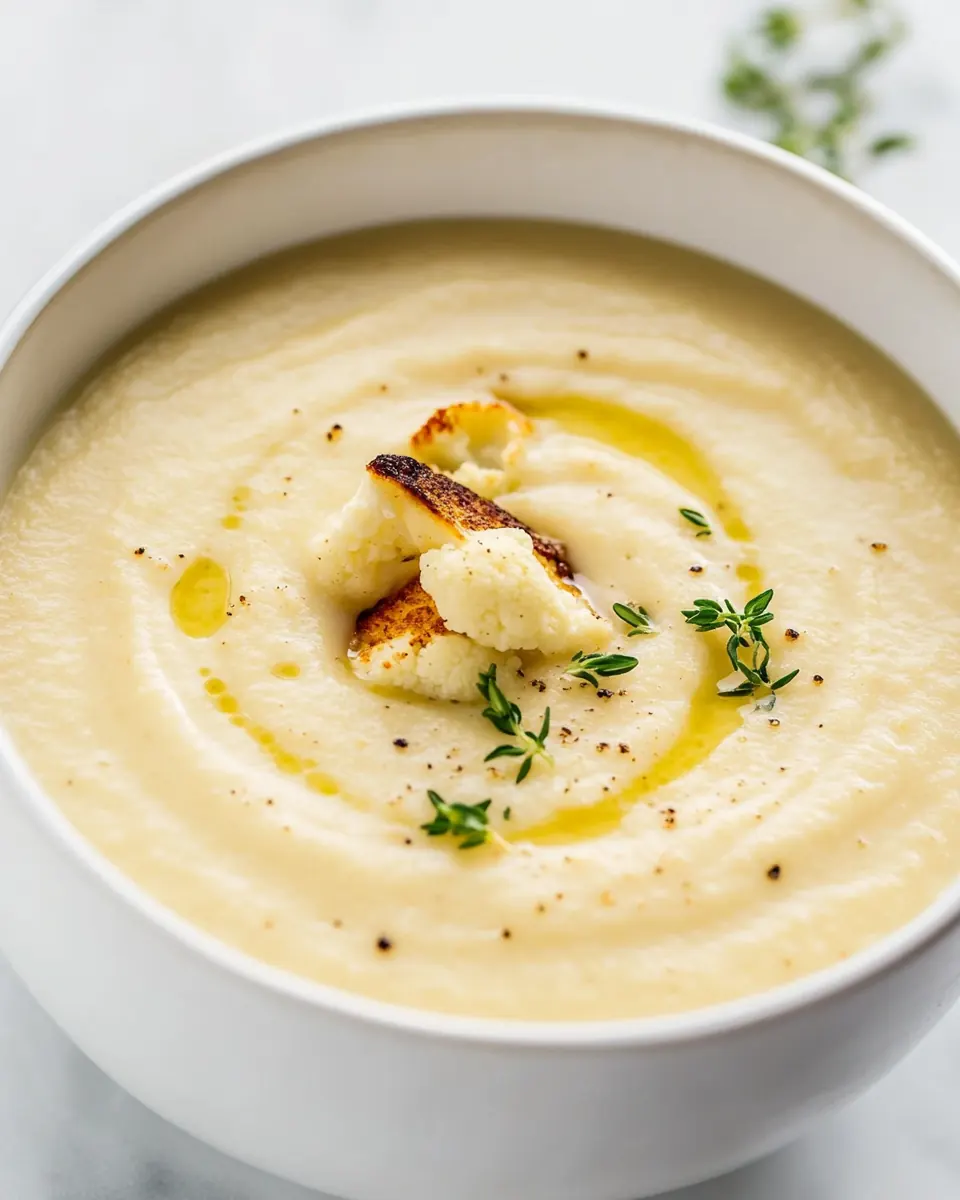
This section collects practical pointers I use every time I make Easy Creamy Cauliflower Soup. Small adjustments make a big difference, so I share techniques that protect texture and maximize flavor.
- Choose a firm head: Pick a fresh, dense cauliflower without brown spots for the best flavor and texture.
- Even chopping: Cut florets to similar sizes to ensure uniform cooking and a smooth puree.
- Control the heat: Keep the sauté at medium to avoid burning the onion and garlic, which would add bitterness.
- Blend safely: When using a countertop blender, fill it halfway and hold a towel over the lid to let steam escape safely.
- Adjust cream at the end: Stir in the heavy/whipping cream off heat to preserve its silky texture and avoid separation.
Perfect Matches for Easy Creamy Cauliflower Soup
This soup pairs wonderfully with fresh, simple accompaniments and adapts to different meals and seasons. Below I outline serving ideas, occasions, and storage tips that bring out the best in each bowl.
- Crusty bread: A thick slice of toasted bread or a baguette is perfect for scooping, and it adds a rustic contrast to the soup’s creaminess.
- Light salad: A crisp green salad with a bright vinaigrette balances the soup’s richness and works well for a light lunch.
- Weeknight dinner: Serve with a simple roasted vegetable or grain side for a complete, easy weeknight meal.
- Comfort food occasions: This recipe is ideal for chilly evenings, casual dinners with friends, or when you need a soothing, cozy bowl during winter months.
- Storage tips: Refrigerate leftovers in an airtight container for up to three days. Reheat gently on the stove, adding a splash of broth if it has thickened.
- Seasonal pairing: This soup shines during winter when cauliflower is at its best, and it pairs nicely with roasted root vegetables or a simple citrus salad for contrast.
FAQ
Conclusion
This recipe stands out for its easy approach to creating a luxurious, comforting bowl using simple pantry ingredients. Give Easy Creamy Cauliflower Soup a try on a chilly evening and you will likely find it becomes a winter staple. I hope the straightforward steps and sensory cues inspire you to make it your own and share it with friends who appreciate warm, nourishing food.
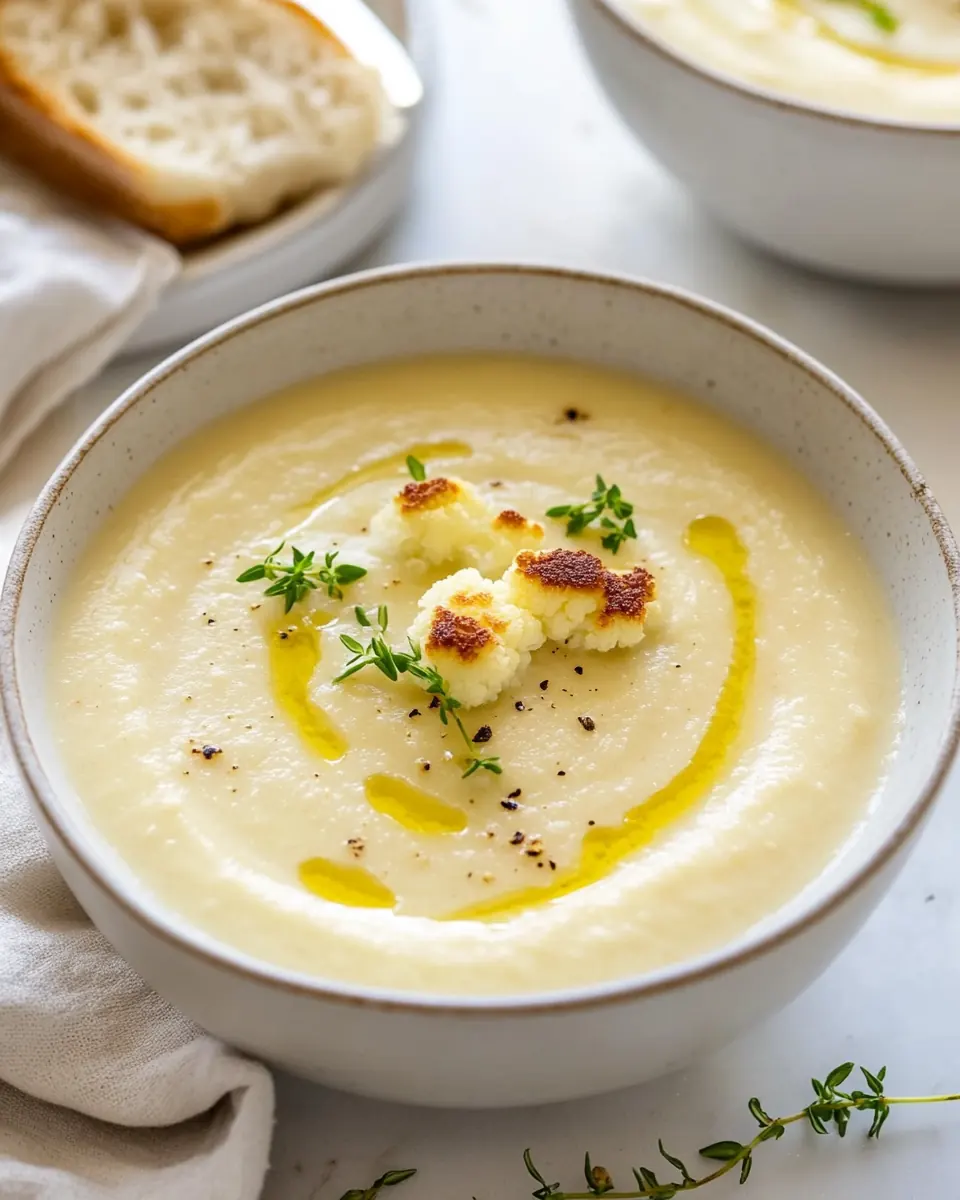
Easy Creamy Cauliflower Soup
Ingredients
Equipment
Method
- Add the oil, butter, and onion to a soup pot over medium-high heat. Sauté the onion for 5 minutes or until it's starting to lightly brown.: You will notice the sound change from a bright sizzle to a gentler whisper as the moisture releases and the onion softens. The aroma will shift from sharp to sweet, with a nutty edge once it begins to color. This gentle browning builds the soup's backbone, creating savory complexity that a quick steam cannot provide. Avoid cooking too high, which can burn the edges and introduce a bitter note, and stir occasionally to prevent sticking. If your pan gets too hot, lower to medium to keep the butter from browning too quickly.
- Stir in the garlic and cook for 30 seconds.: The moment you add the minced garlic , the kitchen fills with a bright, fragrant pop. Garlic releases its oils quickly, so 30 seconds is enough to soften the raw edge and release aroma without letting it go bitter. Listen for a gentle hiss and watch for the garlic to become glossy, not browned. Overcooking here is a common mistake leading to bitterness, so have your next ingredient handy so you can move forward swiftly.
- Add in the broth, cauliflower, Italian seasoning, smoked paprika, cayenne pepper, bay leaf, and fresh thyme sprigs. Increase the heat to high and bring the soup to a boil. Cover the pot with the lid slightly ajar and reduce the heat so it's simmering for about 20 minutes (or until the cauliflower is very soft).: As you add the broth the pot will steam and the aromas will bloom, carrying the spices through the liquid. Bringing to a boil concentrates flavors briefly then reducing to a simmer allows gentle extraction from the cauliflower and herbs. You'll see small, steady bubbles and the florets soften and fall apart when pierced with a fork. Simmering too vigorously will evaporate the liquid and can toughen the cauliflower, so keep the lid ajar to maintain a gentle simmer. One common mistake is undercooking the florets, which leaves a grainy texture after blending, so ensure they are fork tender.
- Remove the bay leaf and thyme sprigs. You may want to let the soup cool a bit prior to blending it. I used my immersion blender, but feel free to use a regular blender and carefully blend it in batches.: After removing the herbs you'll smell the cleaner, herbaceous top notes. Letting the soup rest slightly reduces splatter and steam pressure when blending. Using an immersion blender offers control, letting you stop when you reach the desired silkiness, while a countertop blender yields a very smooth texture when done in small batches. Be cautious with hot liquids in a blender, vent the lid slightly and cover with a towel to avoid burns. A frequent error is overfilling the blender which can cause hot soup to forcefully escape, so work in batches with space for steam to expand.
- Stir in the cream and season with salt & pepper as needed (it definitely requires additional salt as cauliflower isn't super flavorful on its own).: Once your soup is velvety, the addition of heavy/whipping cream will round out the mouthfeel and mellow the spices. The aroma will soften and the surface becomes glossy. Seasoning at this stage lets you taste the concentrated flavors and add salt accordingly, because cauliflower can mask salt needs during cooking. Add salt in small increments, tasting after each pinch, and finish with freshly ground pepper for a bright note. A common oversight is underseasoning, leaving the soup flat, so always taste before serving.
Notes
- Choose a firm head: Pick a fresh, dense cauliflower without brown spots for the best flavor and texture.
- Even chopping: Cut florets to similar sizes to ensure uniform cooking and a smooth puree.
- Control the heat: Keep the sauté at medium to avoid burning the onion and garlic, which would add bitterness.
- Blend safely: When using a countertop blender, fill it halfway and hold a towel over the lid to let steam escape safely.
- Adjust cream at the end: Stir in the heavy/whipping cream off heat to preserve its silky texture and avoid separation.