Blueberry Buckle
Blueberry Buckle started showing up in my kitchen the summer my neighbor handed me a bag of overripe blueberries from her backyard patch, and I could not let them go to waste. Right away I wanted something that felt homespun and comforting, something that smelled like a warm afternoon and tasted like the end of a picnic. So I reached for a simple batter, a handful of pantry staples, and set the oven to work while we chatted on the porch.
That first time I made Blueberry Buckle I learned how tiny adjustments change everything. Rubbing a touch of zest into the batter brightened the whole cake, and tossing the blueberries with cornstarch kept them from sinking into a dense puddle. I remember the bubbling edges and the soft center, and how the crumb gave just enough resistance when you dug a fork in. It felt like a secret handshake between summer and my kitchen.
Recipe Snapshot
60 mins
15 mins
45 mins
Medium
250 kcal
American
Gluten-Free, Low FODMAP
Desserts
8×8 inch baking pan, hand mixer, mixing bowls, spatula
What’s Great About This Blueberry Buckle
Comforting simplicity
I love Blueberry Buckle because it celebrates minimalism without skimping on flavor. With straightforward pantry items and fresh blueberries, this recipe produces a tender, slightly crumbly cake that feels like a warm hug. I always appreciate recipes that let the fruit sing, and here the fruit is the star.
Texture contrast
The way the tender cake meets the crumbly topping is why I keep coming back to Blueberry Buckle. The base is soft and cake like, while the streusel topping adds a crunchy, buttery counterpoint. I find that contrast delights every bite, and it makes for an engaging eating experience whether you serve it warm or at room temperature.
Easy to scale and forgiving
This recipe is wonderfully forgiving, which I adore when I am baking with kids or under time pressure. It tolerates slight variations in mixing and timing, and because the method is simple you can scale it up for more guests. I’ve adapted it to pans of different sizes with only minor tweaks, and it still turns out reliably.
Bright, balanced flavor
The addition of lemon zest and lemon juice lifts the whole cake, cutting through the sweetness and enhancing the blueberries. I often say that a hint of citrus is a baker’s best friend when working with berries, because it sharpens the fruit’s natural character without overpowering it.
Great for many occasions
I bring Blueberry Buckle to casual brunches, informal potlucks, and lazy weekend breakfasts. It travels well and keeps for a couple of days when stored properly, which makes it a reliable go to for hosting. I like that it feels special without being fussy.
What Goes Into Blueberry Buckle
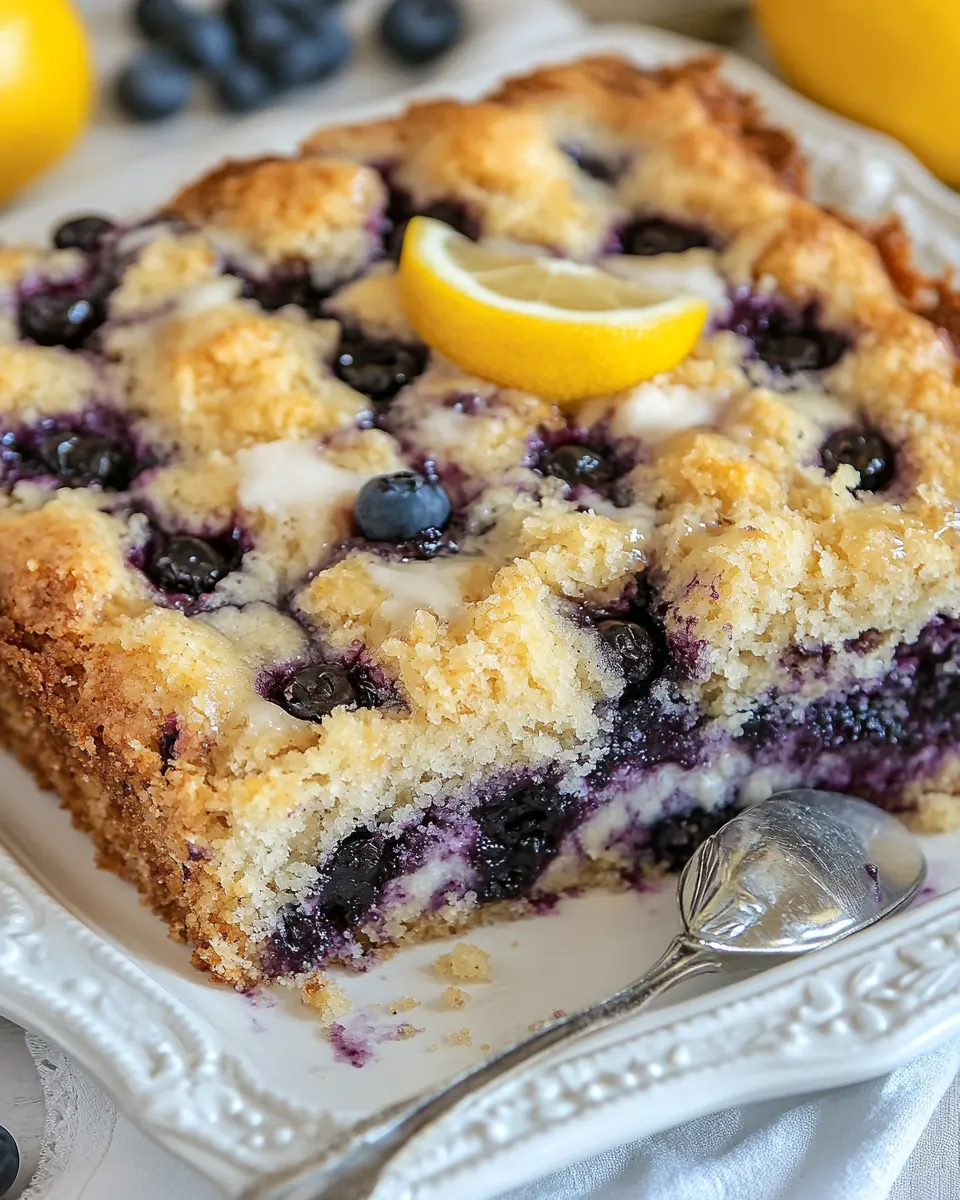
These ingredients work together to create a cake that is tender, fragrant, and studded with juicy pockets of fruit. The batter is a balanced mix of sugars and fats that provide moisture and lift, while the dry ingredients give structure. The topping adds sweetness and crunch, and the glaze brings a bright finish. The key players are the blueberries, the flour based batter, and the buttery topping, each contributing texture and flavor in its own way.
- 1/2 cup white granulated sugar: Sweeten the batter and help provide tenderness and structure by dissolving into the wet ingredients, balancing the tartness of blueberries and lemon while promoting browning during baking.
- 1/2 cup light brown sugar packed: Add deep molasses flavor and moisture to the cake while enhancing tenderness; help create a richer crumb and contribute to caramelized notes in the topping layer.
- 1/3 cup unsalted butter room temperature: Cream into the sugars to incorporate air and richness; provide fat for tender texture and help carry flavor while contributing to moistness and a fine crumb.
- 1 egg room temperature: Bind the batter and add structure through coagulation during baking; contribute moisture, richness, and help leavening agents perform for proper rise.
- 1 lemon zested: Provide bright citrus aroma and concentrated lemon oils that enhance overall flavor; add subtle acidic notes that balance sweetness and elevate blueberry flavor.
- 1 tablespoon lemon juice: Add fresh acidic brightness to activate baking powder and cornstarch, while enhancing the lemony profile and balancing sweetness throughout the cake.
- 1 1/2 cups all-purpose flour: Form the bulk of the cake’s structure by supplying gluten and starch; combine with leavening to determine crumb texture and overall density of the buckle.
- 2 teaspoons baking powder: Leaven the batter by releasing gas when heated, promoting rise and creating a light, tender crumb while counteracting the density of the flour.
- 1/2 teaspoon salt: Enhance flavor and control yeast or chemical leavening activity; regulate gluten formation and strengthen the structure to prevent overly dense results.
- 1/2 cup milk: Add moisture and help dissolve sugars and activate leavening, contributing to tenderness and yielding a smooth batter consistency for even baking.
- 1 tablespoon cornstarch: Thicken the blueberry juices and help the fruit maintain shape in the batter; prevent sogginess by absorbing free liquid when combined with berries.
- 1 1/2 cups fresh blueberries: Provide fresh fruity bursts, natural sweetness, and moisture; contribute texture and flavor contrast while providing visual appeal in the finished buckle.
- 1/4 cup unsalted butter room temperature: Enrich the streusel with fat for crumbly texture and flavor; help create tender, buttery topping pieces that brown attractively during baking.
- 1/4 cup light brown sugar packed: Sweeten and moisten the streusel, lending depth from molasses notes while helping the topping hold together and caramelize when baked.
- 1/4 cup white granulated sugar: Add granular sweetness and aid in creating a crisp, caramelized streusel exterior when combined with butter and flour for topping contrast.
- 1/4 cup all-purpose flour: Provide bulk and structure to the streusel, interacting with butter and sugars to form crumbly clumps that bake into a crunchy topping.
- 1/2 teaspoon ground cinnamon: Introduce warm, aromatic spice to the streusel, complementing the fruit and adding depth to the topping’s flavor profile.
- 1/2 teaspoon ground nutmeg: Lend earthy warmth and complexity to the streusel, enhancing overall spice character and balancing the sweetness of the topping.
- 1 cup powdered sugar: Sweeten and glazes the finished cake when mixed with lemon juice; provide smooth, powdery texture that sets into a tender, sweet icing.
- 2 tablespoons lemon juice: Offer concentrated acidity and bright citrus flavor to the glaze, thinning the powdered sugar while adding refreshing tang to enhance the buckle.
The Method for Blueberry Buckle
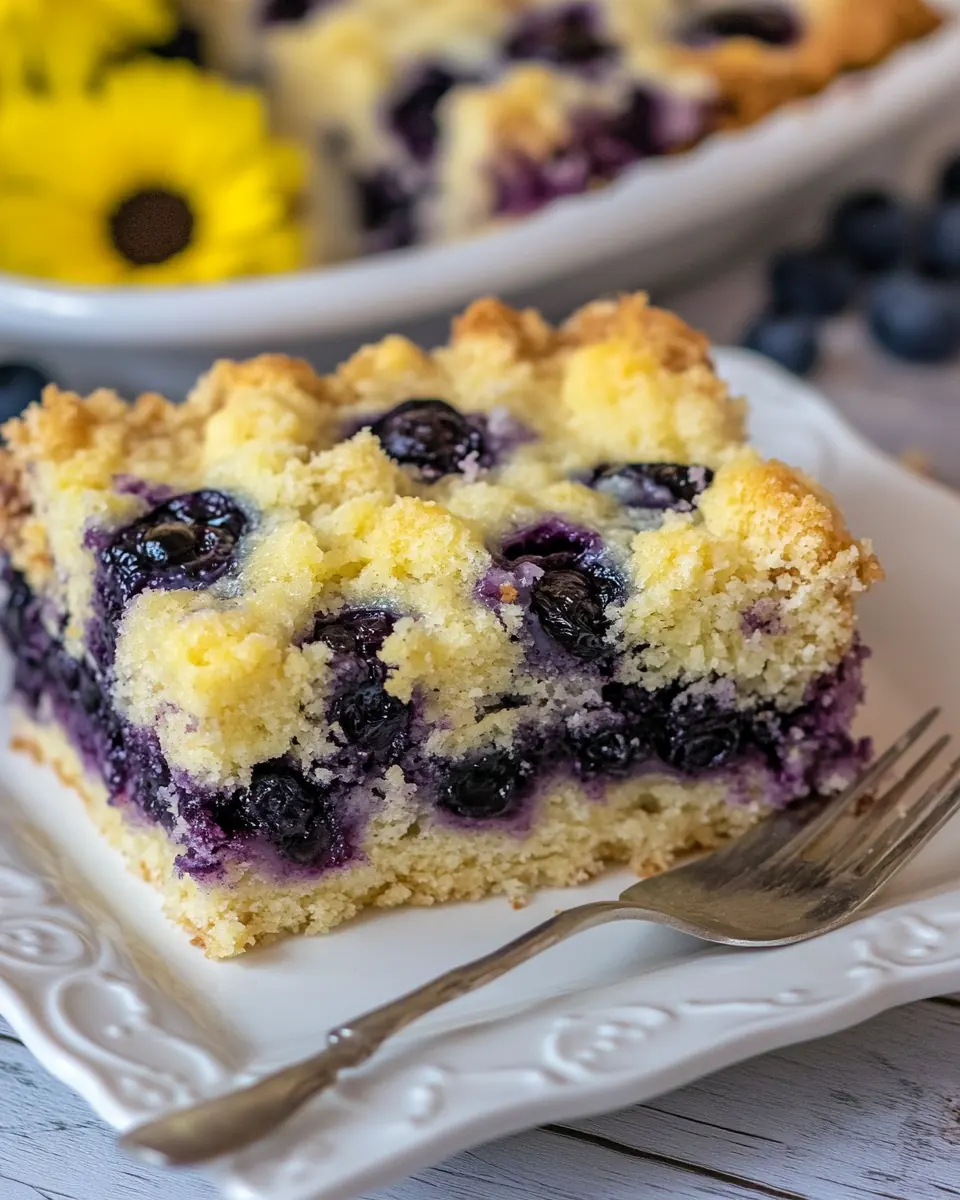
I like to approach the method with a calm rhythm, so each step becomes predictable and satisfying. I keep my tools and ingredients in order, and I pay attention to sensory cues instead of the clock alone. Below, the recipe lines are expanded into detailed guidance to help you nail each stage and understand why it matters.
- Preheat oven to 350°F.: The moment you preheat, notice the warm, dry air that develops when the oven reaches temperature, it primes the bake for even rising and prevent soggy centers. Preheating ensures the chemical reactions from the baking powder happen right away, giving you lift. A common mistake is sliding the pan in too early, which can lead to dense texture, so wait until the oven registers the full temperature.
- Grease an 8×8 pan with baking spray and set aside.: Greasing the pan creates a slight barrier so the cake releases cleanly after baking, and you will smell the faint, toasty butter note as the cake separates from the sides. I prefer a thin, even spray rather than heavy oil that can pool, which would create greasy spots. If you skimp on greasing, edges may stick and tear when you try to remove slices.
- Using a hand mixer, whip sugars, butter, egg, lemon juice, and zest together in a large bowl until fluffy.: As you whip, you should see the mixture lighten in color and become aerated, producing a pale, billowy texture that traps tiny air bubbles for a tender crumb. The scent of lemon will become bright and more pronounced, and the combined sugars will dissolve into the softened butter . Avoid over beating to the point where the mix becomes greasy, which can break down the structure and yield a heavy cake.
- Combine flour, baking powder, and salt in a separate medium bowl.: Whisking the dry ingredients together ensures even distribution of leavening and salt so every bite rises and tastes balanced. You may notice a faint floury aroma that signals everything is evenly dispersed. Skipping this step risks pockets of unblended baking powder, which can create uneven texture or metallic tangs in local spots.
- Add to the butter mixture, alternating with milk, and mixing just until combined.: Alternating additions helps maintain the batter’s emulsification and prevents overworking the flour , which can make the cake tough. You want a smooth, homogenous batter with no dry streaks, not a whipping rhythm that develops gluten. A common error is continuous mixing, which creates a dense crumb instead of the tender one you want.
- In a small bowl, toss blueberries with one tablespoon of cornstarch. Using a spatula, fold the blueberries into the batter and spread them into the prepared pan.: The cornstarch will thicken berry juices as they heat, so the cake does not become watery around the fruit. When folding, watch for blue streaks becoming pockets of color, and the batter should not deflate entirely. Gently spread the mixture into the pan with a spatula for an even surface, and avoid aggressive stirring that will bruise the blueberries .
- In a medium bowl, combine all the topping ingredients. Sprinkle on top of the batter.: As you rub the topping together, the texture should turn from powdery to coarse crumbs that cling together. The butter warms slightly from your hands, releasing a nutty butter scent, and the cinnamon aroma will lift. Ensure the streusel is scattered evenly to provide consistent crunch, and do not compact it into a solid layer which would prevent the topping from toasting properly.
- Bake for 40-45 minutes or until a toothpick comes out clean.: During baking you will notice a golden rim forming and a gentle doming in the center. The kitchen will fill with warm, fruity notes and a hint of caramel from the sugars. Use a toothpick in the center to check doneness, and avoid assuming time alone guarantees readiness because oven variances matter. If you under bake, the center will be gummy, and if you over bake, the cake will dry out.
- Mix the glaze ingredients until smooth, adding one tablespoon of lemon juice at a time.: Whisking the glaze brings the powdered sugar to a silky sheen, and the gradual addition of lemon juice ensures a balanced consistency that is pourable but not runny. Taste for brightness and adjust slowly, because too much liquid will make the glaze uncoupled and weepy. A common slip is adding all the acid at once, which can make the glaze overly thin.
- When the blueberry buckle is cold, drizzle the glaze on top. Slice and serve.: Cooling allows the crumb to set, and when you drizzle the glaze it will form delicate ribbons and glossy highlights over the streusel, enhancing presentation. Slice with a sharp knife and allow each square to rest briefly so the juices settle. Cutting while hot can create a loose, messy slice and compromise the texture.
Ways to Customize
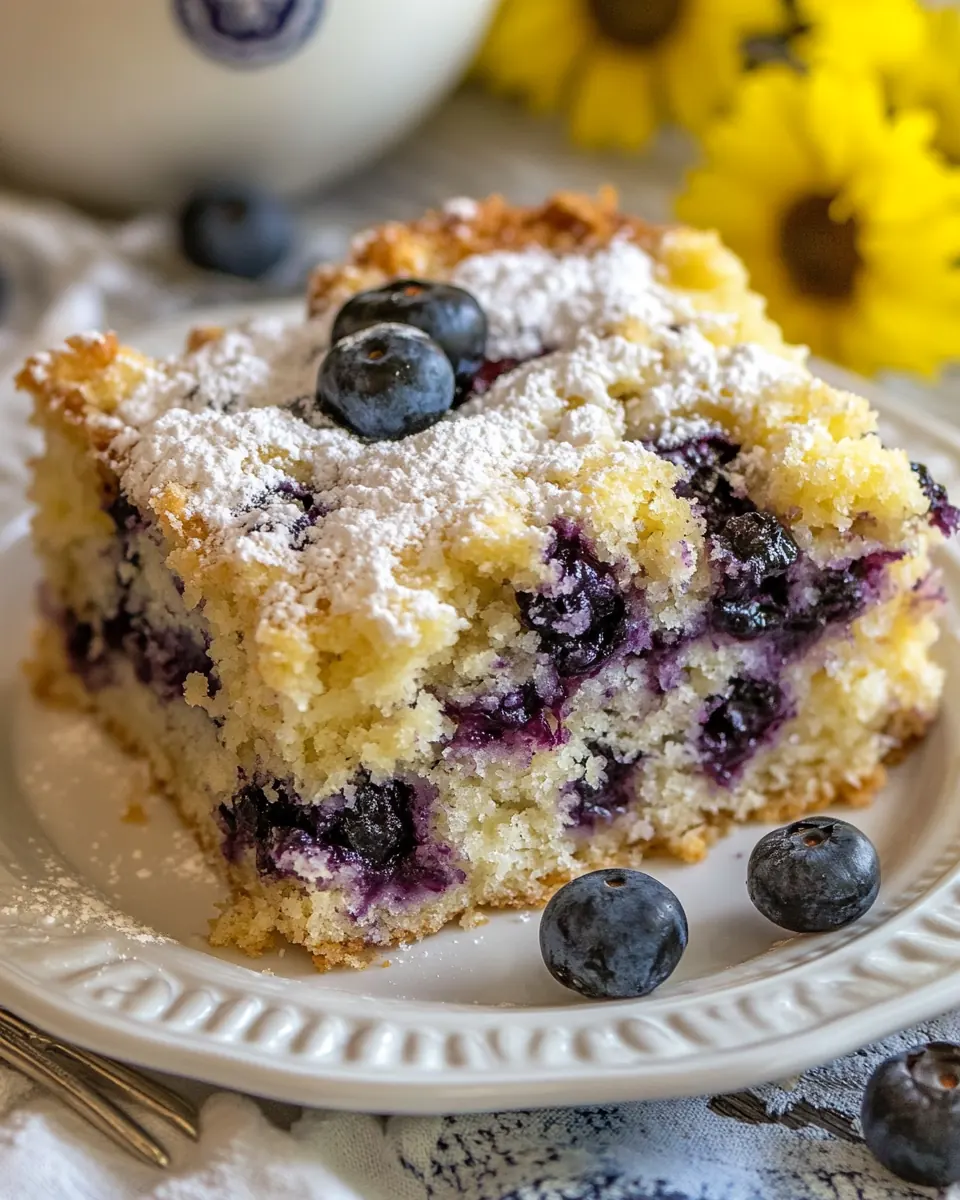
You can personalize Blueberry Buckle in many small ways that make it feel like your own. Below are practical ideas to tweak texture, flavor, and presentation while staying true to the original recipe’s spirit.
- Boost citrus notes: Grate additional lemon zest into the batter or the glaze for a more pronounced bright finish, which pairs especially well with tart blueberries.
- Streusel variation: Press a little more of the topping into clumps for chunkier, more textural bites if you prefer a pronounced crunch.
- Temperature play: Serve slices slightly warm to emphasize the gooey berry pockets, or at room temperature for a more set crumb that slices neatly.
- Glaze control: Adjust the glaze thickness by adding lemon juice one teaspoon at a time until you reach a drizzle consistency that stays put on the topping.
- Fruit handling: If using frozen blueberries, toss them briefly with cornstarch while still frozen to prevent color bleed and reduce moisture release.
Serving Ideas for Blueberry Buckle
Blueberry Buckle is versatile for casual and celebratory meals, and it pairs wonderfully with simple accompaniments. Below are detailed ways to present and serve it so each occasion feels considered.
- Brunch centerpiece: Serve warm squares of Blueberry Buckle alongside coffee and fruit, allowing guests to help themselves to warm slices that highlight the juicy blueberries.
- Afternoon tea: Plate small slices with a dollop of whipped cream for an elegant tea service, the light creaminess balances the sweet glaze and buttery topping.
- Casual dessert: Offer a scoop of vanilla ice cream beside a warm slice for a comforting contrast of temperatures, the melt mingles with berry juices for a lovely sauce.
- Picnic friendly: Cool completely and wrap individual bars for easy transport, the sturdy crumb makes them ideal for outdoor gatherings without fussy plating.
- Storage and make ahead: Keep leftover squares in an airtight container at room temperature for up to two days, or refrigerate for longer life; rewarm briefly before serving to revive the texture.
- Seasonal pairing: In summer, highlight the fresh blueberries by serving simply, while in cooler months, a warm cup of spiced tea complements the cake’s subtle cinnamon and nutmeg notes.
FAQ
Conclusion
Blueberry Buckle stands out for its perfect balance of tender cake, juicy blueberries, and a buttery, crunchy topping that makes each bite interesting. I encourage you to try it on a lazy weekend or for a small gathering, because the results feel both impressive and effortlessly familiar. This recipe rewards simple upgrades like fresh citrus and a careful toss of fruit with cornstarch, delivering a dessert that is reliably delicious, transportable, and warmly nostalgic.
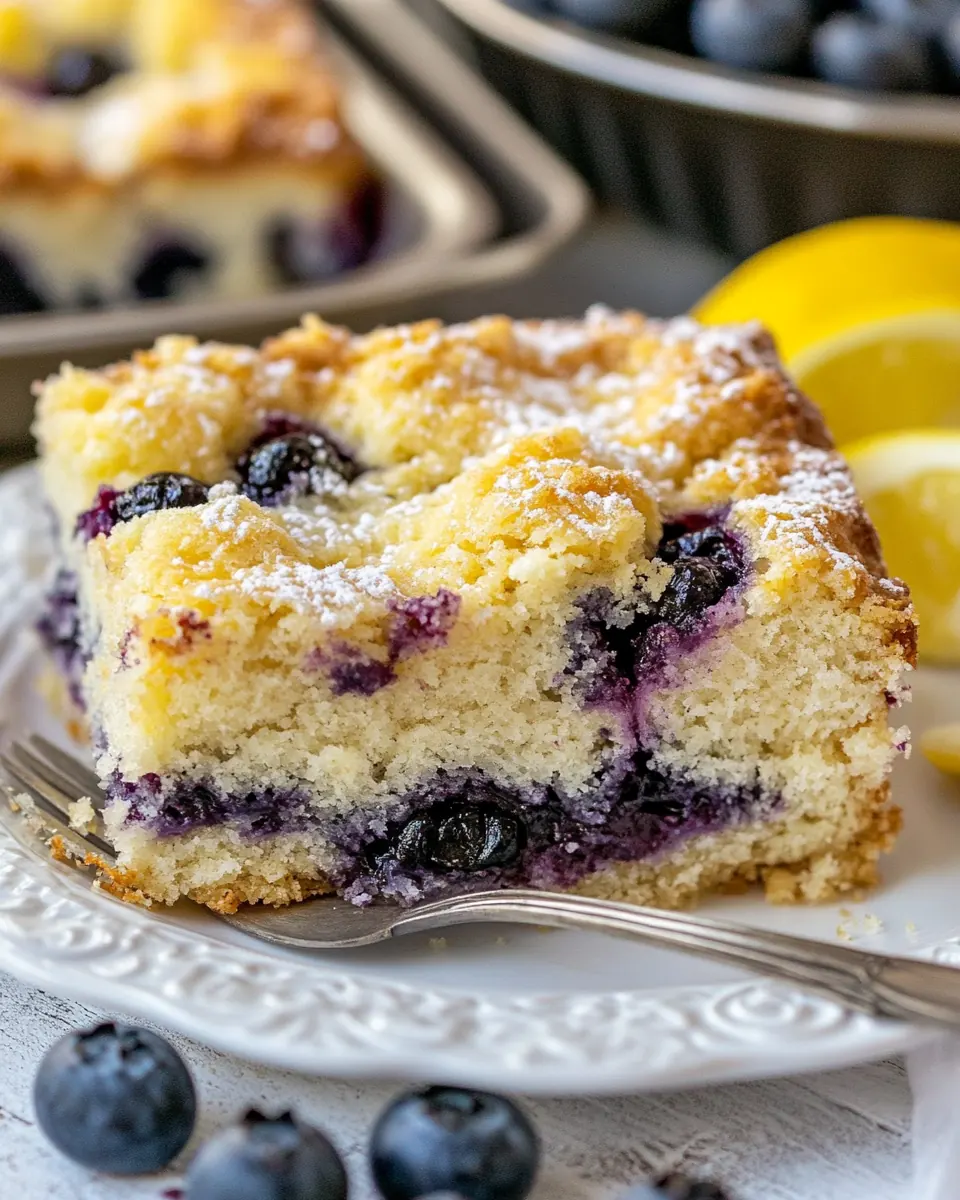
Blueberry Buckle
Ingredients
Equipment
Method
- Preheat oven to 350°F.: The moment you preheat, notice the warm, dry air that develops when the oven reaches temperature, it primes the bake for even rising and prevent soggy centers. Preheating ensures the chemical reactions from the baking powder happen right away, giving you lift. A common mistake is sliding the pan in too early, which can lead to dense texture, so wait until the oven registers the full temperature.
- Grease an 8×8 pan with baking spray and set aside.: Greasing the pan creates a slight barrier so the cake releases cleanly after baking, and you will smell the faint, toasty butter note as the cake separates from the sides. I prefer a thin, even spray rather than heavy oil that can pool, which would create greasy spots. If you skimp on greasing, edges may stick and tear when you try to remove slices.
- Using a hand mixer, whip sugars, butter, egg, lemon juice, and zest together in a large bowl until fluffy.: As you whip, you should see the mixture lighten in color and become aerated, producing a pale, billowy texture that traps tiny air bubbles for a tender crumb. The scent of lemon will become bright and more pronounced, and the combined sugars will dissolve into the softened butter . Avoid over beating to the point where the mix becomes greasy, which can break down the structure and yield a heavy cake.
- Combine flour, baking powder, and salt in a separate medium bowl.: Whisking the dry ingredients together ensures even distribution of leavening and salt so every bite rises and tastes balanced. You may notice a faint floury aroma that signals everything is evenly dispersed. Skipping this step risks pockets of unblended baking powder, which can create uneven texture or metallic tangs in local spots.
- Add to the butter mixture, alternating with milk, and mixing just until combined.: Alternating additions helps maintain the batter’s emulsification and prevents overworking the flour , which can make the cake tough. You want a smooth, homogenous batter with no dry streaks, not a whipping rhythm that develops gluten. A common error is continuous mixing, which creates a dense crumb instead of the tender one you want.
- In a small bowl, toss blueberries with one tablespoon of cornstarch. Using a spatula, fold the blueberries into the batter and spread them into the prepared pan.: The cornstarch will thicken berry juices as they heat, so the cake does not become watery around the fruit. When folding, watch for blue streaks becoming pockets of color, and the batter should not deflate entirely. Gently spread the mixture into the pan with a spatula for an even surface, and avoid aggressive stirring that will bruise the blueberries .
- In a medium bowl, combine all the topping ingredients. Sprinkle on top of the batter.: As you rub the topping together, the texture should turn from powdery to coarse crumbs that cling together. The butter warms slightly from your hands, releasing a nutty butter scent, and the cinnamon aroma will lift. Ensure the streusel is scattered evenly to provide consistent crunch, and do not compact it into a solid layer which would prevent the topping from toasting properly.
- Bake for 40-45 minutes or until a toothpick comes out clean.: During baking you will notice a golden rim forming and a gentle doming in the center. The kitchen will fill with warm, fruity notes and a hint of caramel from the sugars. Use a toothpick in the center to check doneness, and avoid assuming time alone guarantees readiness because oven variances matter. If you under bake, the center will be gummy, and if you over bake, the cake will dry out.
- Mix the glaze ingredients until smooth, adding one tablespoon of lemon juice at a time.: Whisking the glaze brings the powdered sugar to a silky sheen, and the gradual addition of lemon juice ensures a balanced consistency that is pourable but not runny. Taste for brightness and adjust slowly, because too much liquid will make the glaze uncoupled and weepy. A common slip is adding all the acid at once, which can make the glaze overly thin.
- When the blueberry buckle is cold, drizzle the glaze on top. Slice and serve.: Cooling allows the crumb to set, and when you drizzle the glaze it will form delicate ribbons and glossy highlights over the streusel, enhancing presentation. Slice with a sharp knife and allow each square to rest briefly so the juices settle. Cutting while hot can create a loose, messy slice and compromise the texture.
Notes
- Boost citrus notes: Grate additional lemon zest into the batter or the glaze for a more pronounced bright finish, which pairs especially well with tart blueberries.
- Streusel variation: Press a little more of the topping into clumps for chunkier, more textural bites if you prefer a pronounced crunch.
- Temperature play: Serve slices slightly warm to emphasize the gooey berry pockets, or at room temperature for a more set crumb that slices neatly.
- Glaze control: Adjust the glaze thickness by adding lemon juice one teaspoon at a time until you reach a drizzle consistency that stays put on the topping.
- Fruit handling: If using frozen blueberries, toss them briefly with cornstarch while still frozen to prevent color bleed and reduce moisture release.