German Chocolate Fudge
German Chocolate Fudge is one of those sweets that always takes me back to cozy afternoons in my grandmother’s kitchen, where the counter sticky with sugar felt like evidence of a day well spent. I remember her soft laugh as she stirred a bubbling pan, and the house filled with a warm, toasty aroma that seemed to hug you. That first sentence is honest because this fudge really is comfort in a square, and it’s where my fondest dessert memories start.
Over the years, I’ve made this fudge dozens of times for potlucks, holiday trays, and last minute gifts, and every time someone asks for the recipe I find myself smiling. The texture is reassuringly dense, with glossy chocolate and pockets of toasted nut crunch. I learned to respect the boil and to trust the sensory cues of smell and shine rather than the clock. That patience is what turns a good fudge into a lasting favorite.
Recipe Snapshot
33 mins
25 mins
8 mins
Easy
150 kcal
German
Gluten-Free, Low FODMAP
Desserts
Heavy skillet, Wooden spoon, Large heatproof bowl, 15 x 10 inch rimmed jelly roll pan, Spatula
What You’ll Enjoy About This German Chocolate Fudge
Rich, nostalgic flavor that feels homemade
I love how German Chocolate Fudge tastes like history and home in one bite. The combination of semi-sweet chocolate chips and sweet German chocolate creates a layered chocolate profile that is both deep and familiar. When I serve it, people always comment on how it tastes like an old family candy, even if it is the first time they try it.
Fast, forgiving technique
This recipe moves quickly during the cooking stage, yet it is forgiving if you stay attentive. Because the method relies on a short, controlled boil of the sugar and evaporated milk, you get predictable results without complicated equipment. I often say that a steady hand and a good wooden spoon are more valuable than an expensive gadget for this recipe.
Textural contrast that keeps each bite interesting
The addition of jarred marshmallow creme brings a silky, glossy body, while chopped pecans add crunch and toasty depth. I value that contrast because it prevents the fudge from feeling flat, and it lets different sensations unfold as you chew.
Great for big gatherings and gifting
Because this fudge portion scales into many pieces, it is ideal for parties or holiday trays. I love wrapping a handful in waxed paper for neighbors. The recipe yields a lot, so plan ahead for storage and presentation, but know that it will disappear fast if you bring it to the office.
Minimal ingredients, maximum impact
I appreciate recipes that deliver big flavor from a short ingredient list. With granulated white sugar, a bit of butter, and a touch of vanilla extract, the supporting cast elevates the chocolate and marshmallow into something truly special. For home cooks who want showstopping results without a long shopping list, this one rarely disappoints.
What You Need for German Chocolate Fudge
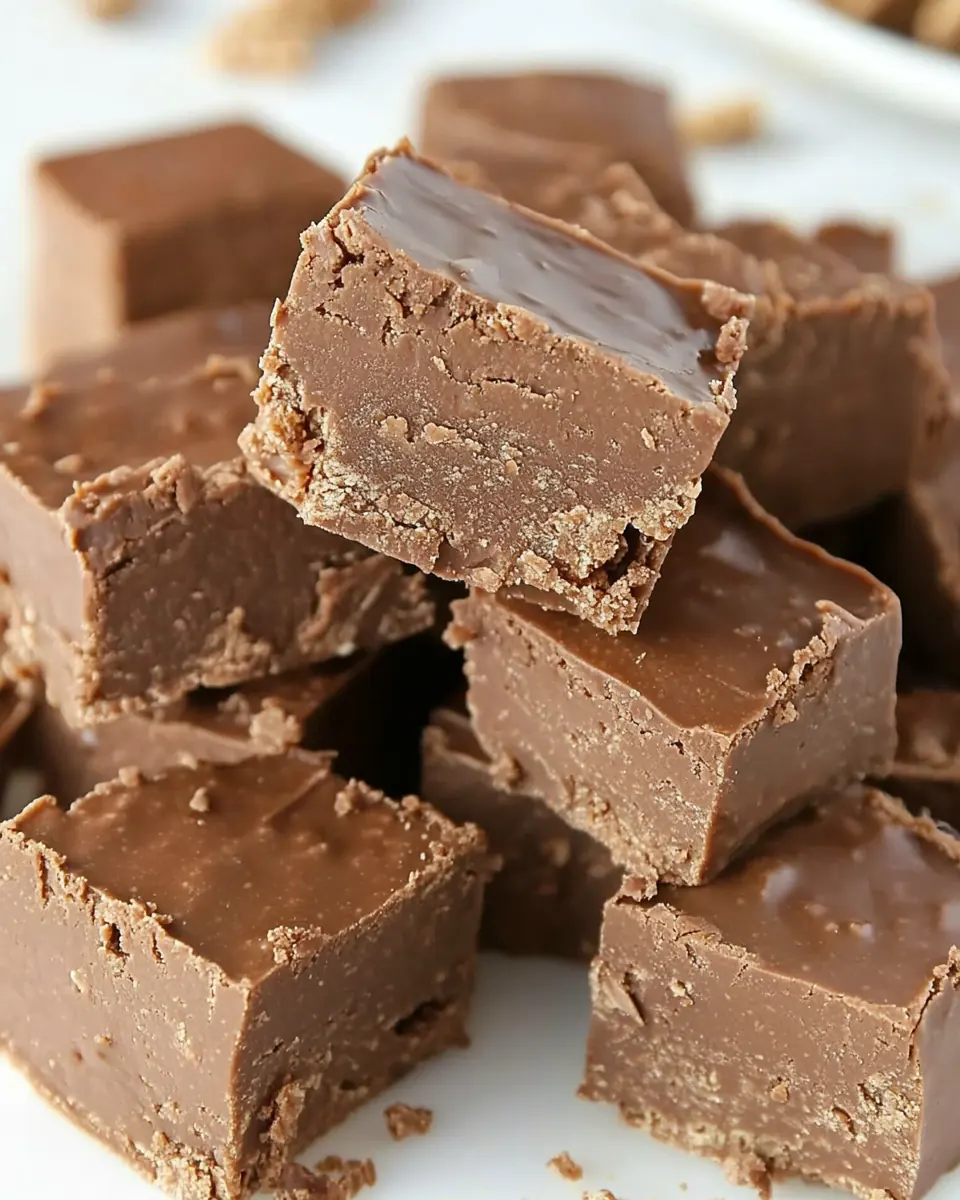
The philosophy behind these ingredients is simple: build a glossy, stable chocolate matrix and punctuate it with creaminess and crunch. The chocolate components form the rich body, the marshmallow creme helps create a silky texture, and the evaporated milk with sugar and butter cooks down to a fudgy base. Pecans provide a toasty counterpoint that balances sweetness.
- 12 ounces semi-sweet chocolate chips: Melting provides the rich chocolate base that gives the fudge its deep cocoa flavor and smooth texture; use semi–sweet chips for balanced sweetness and easy melting. Stir continuously while melting to prevent scorching and ensure a glossy finish that integrates with the other sugars and dairy.
- 12 ounces sweet German chocolate, chopped: Chopping adds an extra layer of concentrated, slightly sweeter German chocolate flavor and contributes to a varied chocolate texture; include it to complement the semi–sweet base. Fold the chopped pieces in while warm so they meld into the fudge and enhance the overall chocolate profile.
- 7 ounces jarred marshmallow creme or fluff: Pumping light, airy sweetness into the mixture, marshmallow creme contributes chewiness and helps stabilize the fudge's soft, spreadable consistency. Add near the end of cooking and stir until fully incorporated to prevent graininess and to create a tender, slightly sticky bite.
- 4 cups granulated white sugar: Caramelizing supplies bulk sweetness and structure by dissolving into a glossy sugar syrup that helps the fudge set once cooled. Cook sugar with the milk and butter to the proper temperature to achieve a stable, smooth fudge without a gritty texture.
- 2 tablespoons butter: Creaming provides richness and a silky mouthfeel while helping to emulsify the sugar and milk mixture for a smoother final product. Add butter off heat or near the end of cooking and stir thoroughly so it disperses evenly and enhances flavor.
- 12 ounces evaporated milk: Simmering introduces concentrated dairy solids and a slight caramel note that deepen the fudge's flavor while contributing to its creamy structure. Heat evaporated milk with sugar and butter to allow proper integration and to reach the necessary temperature for setting.
- pinch of salt: Seasoning enhances and balances the overall sweetness by highlighting chocolate and nut flavors; a small pinch of salt prevents the finished fudge from tasting flat. Add early in cooking so the salt dissolves completely and distributes uniformly throughout the batch.
- 1 teaspoon vanilla extract: Flavoring lifts and rounds out the chocolate profile with a warm, aromatic note that brightens the fudge; vanilla complements both chocolate and marshmallow flavors. Stir in near the end of cooking or after removing from heat to preserve its fresh aroma.
- 2 cups chopped pecans: Texturing adds crunch and nutty richness, providing contrast to the smooth, sweet base while contributing toasted flavor and visual appeal. Fold chopped pecans in after the fudge has thickened slightly so they remain distinct and evenly distributed.
Recipe Steps for German Chocolate Fudge
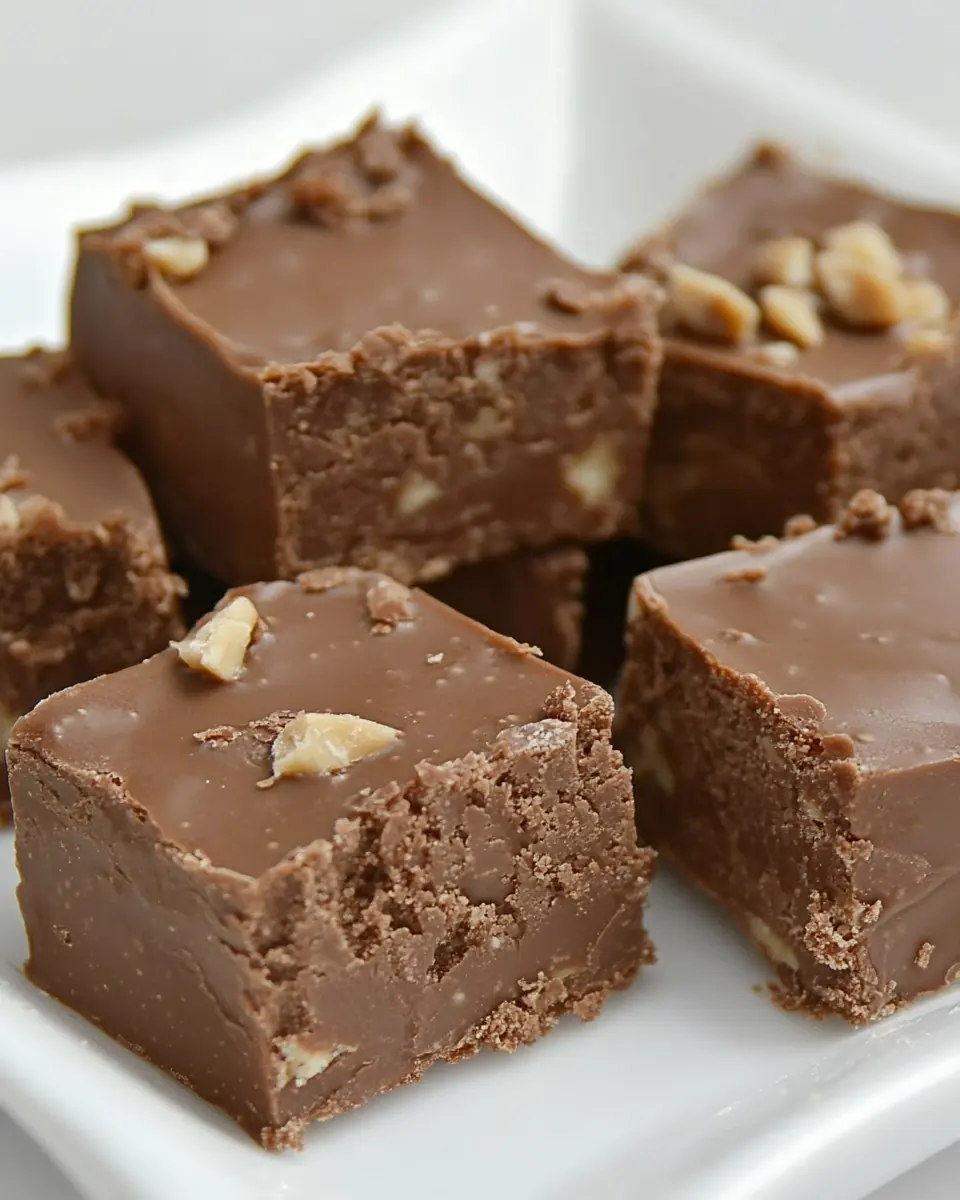
This fudge is straightforward, but success depends on close attention at the stovetop and quick, confident assembly. Below I expand each direction into detailed steps so you can sense when the mixture is right, avoid common errors, and understand the reasons behind each action.
- Butter a 15 x 10-inch (rimmed) jelly roll pan.: As you press a thin film of butter across the pan, you will notice the sheen and the faint, creamy aroma. That coating ensures the fudge releases cleanly, and it also provides a barrier so the set surface does not stick or tear. A common oversight is using too little fat, which causes the fudge to cling; avoid this by fully covering the base and slightly up the sides. If you see bare metal, rub a little more until the surface appears evenly glossy. Using a parchment sling is another option, but in this recipe I prefer the slight flavor exchange from the butter for the perfect finish.
- Combine the chocolate and marshmallow creme in a large bowl; set aside.: When you bring the two together dry, the visual is already comforting: the dark nuggets of semi sweet chocolate chips and the pale, cloudlike marshmallow creme . Placing them in a roomy bowl gives you space for vigorous stirring later without spills. Keep the bowl near the stove so you can pour the hot mixture immediately; delay can let heat escape and slow melting. Avoid using a glass bowl that will shock with sudden temperature change; a heatproof stainless or ceramic bowl works best.
- Combine the sugar, butter, milk and salt in a heavy skillet. Bring to a rapid boil, then boil 6 minutes, stirring constantly. Remove from heat and stir in the vanilla.: As the granulated white sugar , butter , and evaporated milk warm, the mixture will go from pale and milky to glossy and syrupy. Bring it to a rapid, rolling boil so the sugars reach the proper candy stage for fudge. You will hear the liquid roar and see vigorous bubbling; that sound signals evaporation and concentration. Stir constantly with a wooden spoon to prevent the sugars from caramelizing on the skillet sides and burning, which creates a bitter note. After maintaining the boil for six minutes, the mixture should thicken and coat the spoon. Remove from the heat promptly and fold in vanilla extract off the heat to preserve its aroma. A typical mistake is under boiling, which results in a too soft set, or over boiling, which makes the fudge grainy or too firm. If your mixture smells scorched, discard and start again to avoid bitter flavors.
- Pour the hot butter mixture over the chocolate mixture in the large bowl. Stir with a wooden spoon until smooth. Add the nuts and mix well.: Once the hot syrup hits the chocolate and marshmallow creme , you will hear a soft hiss and see glossy ribbons as the solids begin to melt. Stir patiently with a wooden spoon, feeling the resistance change from stiff to silky; that tactile feedback is crucial because it tells you the chocolate has fully melted and the texture is cohesive. The aroma will deepen into warm chocolate with toasted sugar notes. When smooth, fold in the chopped pecans , distributing them evenly without over mixing, which can deflate some of the marshmallow silkiness. A common misstep is pouring too slowly so the chocolate seizes; pour in one motion, then stir steadily. If you detect small unmelted flecks, continue gentle heat from a double boiler briefly, but be cautious not to overheat.
- Spread the fudge into the prepared pan. When cooled, cut into 1-inch squares.: Pouring the mixture into the buttered jelly roll pan, you will notice it hold together, glossy and heavy. Use a spatula to smooth the top; the surface should shine but not be runny. Let it cool at room temperature until it firms, the texture changing from glossy syrup to a dense, sliceable block. The cooling stage allows sugar crystals to stabilize and the fats to solidify, giving that classic fudge bite. Once set, cut into 1 inch squares, aiming for uniform pieces so they present nicely and store evenly. A typical error is slicing too soon while still warm, which yields messy shapes; patience gives clean edges. If you prefer neat, straight cuts, chill briefly and score with a warm knife between slices for tidy results.
Make It Your Own
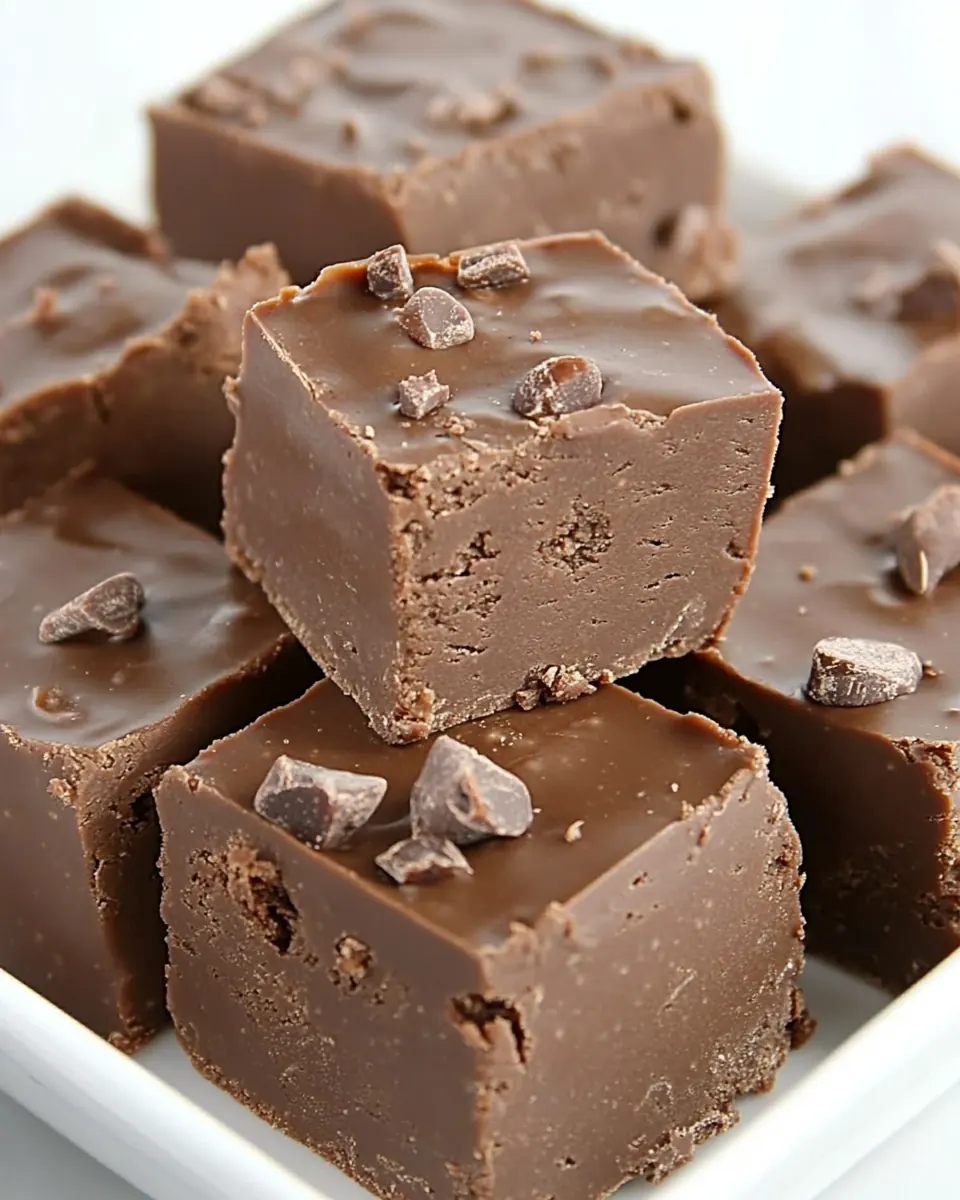
I like to offer a handful of simple ways to personalize this fudge without changing its spirit. Whether you prefer extra crunch, a glossier finish, or a specific presentation, these tips will help you tailor the recipe.
- Adjust the nut size by chopping the pecans finer for a more uniform texture or leaving larger chunks for a pronounced crunch and more contrast in each bite.
- Toast the nuts briefly in a dry skillet until fragrant to amplify their flavor, but remove them immediately once they smell toasty to prevent burning and bitterness.
- Mind the candy boil by keeping a steady, rolling boil for the full six minutes; this creates the concentration needed for a proper set and prevents a fudge that is too soft.
- Use a room temperature pan when spreading the fudge so the mixture cools evenly; a cold pan can cause uneven setting and top surface cracks.
- Slice with confidence by chilling the fudge slightly before cutting for cleaner edges, and wipe the knife between cuts to maintain presentation.
Perfect Matches for German Chocolate Fudge
Serving this fudge can be as simple or as curated as you like. Here are thoughtful pairings, occasions, and storage ideas to make every presentation feel intentional and suited to the moment.
- Holiday trays place German Chocolate Fudge among cookies and candies for holiday gatherings where small, rich bites are welcome.
- Gifting wrap individual squares in waxed paper and tie with ribbon for neighbor or host gifts during fall celebrations and festive events.
- Party platters arrange uniform 1 inch squares on a tiered tray so guests can easily sample without utensils, perfect for potlucks and receptions.
- Storage tips keep the fudge in an airtight container at room temperature for up to one week, or refrigerate for longer storage, bringing back to room temperature before serving for ideal texture.
- Seasonal pairings serve alongside warm coffee or hot chocolate during cooler months to complement the fudges rich chocolate and toasted pecans.
- Portioning label containers if making ahead for events so you can hand out pre measured servings without fuss, keeping presentation tidy and predictable.
FAQ
Conclusion
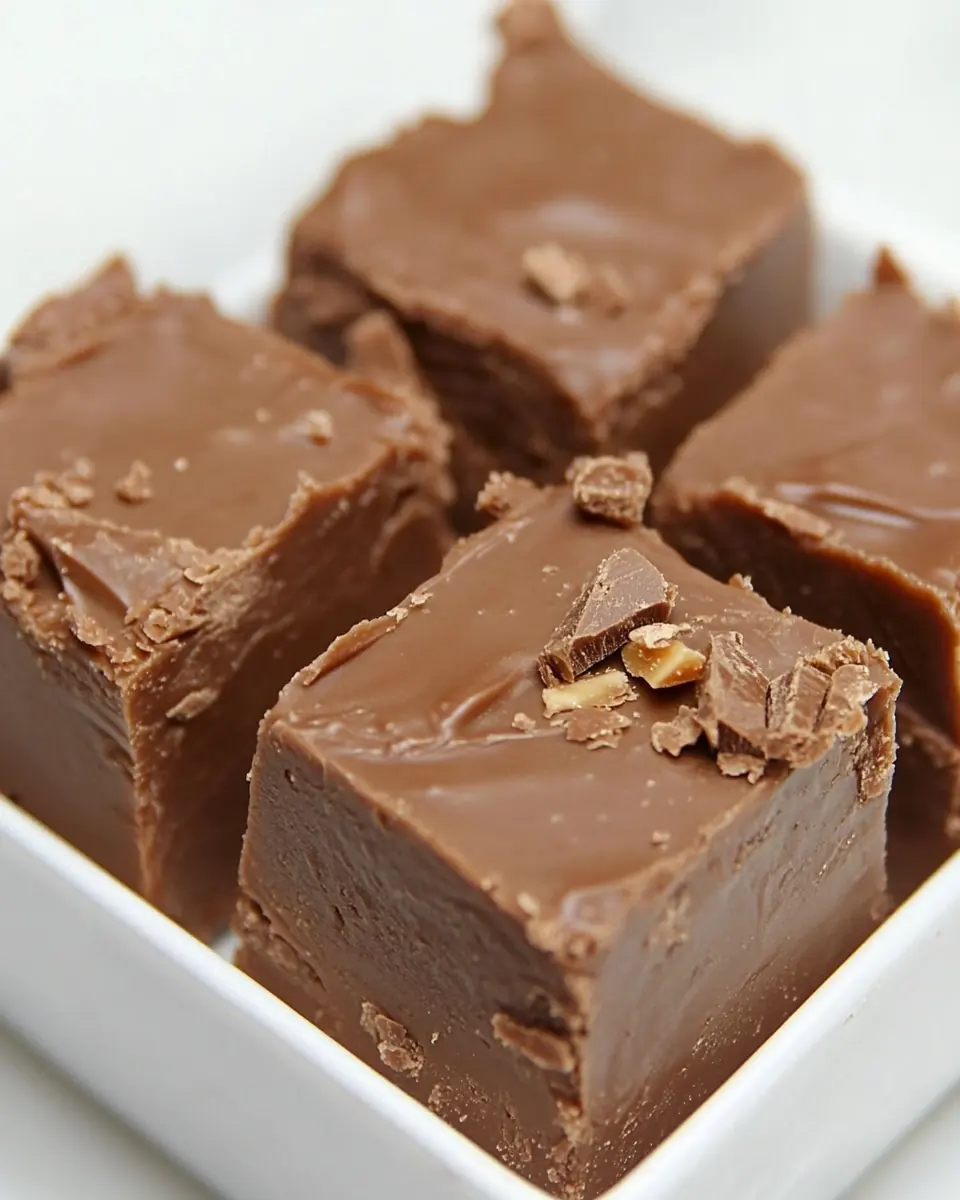
This recipe captures what makes German Chocolate Fudge feel special: a glossy chocolate base, marshmallow silkiness, and toasted pecan crunch that together create a comforting, memorable treat. I encourage you to give it a try whether you are prepping a holiday tray, assembling gifts, or simply craving a rich confection to share with friends. It rewards attention at the stove and delivers reliably delicious results, so enjoy the process and the smiles that follow when you pass out those little squares.
German Chocolate Fudge
Ingredients
Equipment
Method
- Butter a 15 x 10-inch (rimmed) jelly roll pan.: As you press a thin film of butter across the pan, you will notice the sheen and the faint, creamy aroma. That coating ensures the fudge releases cleanly, and it also provides a barrier so the set surface does not stick or tear. A common oversight is using too little fat, which causes the fudge to cling; avoid this by fully covering the base and slightly up the sides. If you see bare metal, rub a little more until the surface appears evenly glossy. Using a parchment sling is another option, but in this recipe I prefer the slight flavor exchange from the butter for the perfect finish.
- Combine the chocolate and marshmallow creme in a large bowl; set aside.: When you bring the two together dry, the visual is already comforting: the dark nuggets of semi sweet chocolate chips and the pale, cloudlike marshmallow creme . Placing them in a roomy bowl gives you space for vigorous stirring later without spills. Keep the bowl near the stove so you can pour the hot mixture immediately; delay can let heat escape and slow melting. Avoid using a glass bowl that will shock with sudden temperature change; a heatproof stainless or ceramic bowl works best.
- Combine the sugar, butter, milk and salt in a heavy skillet. Bring to a rapid boil, then boil 6 minutes, stirring constantly. Remove from heat and stir in the vanilla.: As the granulated white sugar , butter , and evaporated milk warm, the mixture will go from pale and milky to glossy and syrupy. Bring it to a rapid, rolling boil so the sugars reach the proper candy stage for fudge. You will hear the liquid roar and see vigorous bubbling; that sound signals evaporation and concentration. Stir constantly with a wooden spoon to prevent the sugars from caramelizing on the skillet sides and burning, which creates a bitter note. After maintaining the boil for six minutes, the mixture should thicken and coat the spoon. Remove from the heat promptly and fold in vanilla extract off the heat to preserve its aroma. A typical mistake is under boiling, which results in a too soft set, or over boiling, which makes the fudge grainy or too firm. If your mixture smells scorched, discard and start again to avoid bitter flavors.
- Pour the hot butter mixture over the chocolate mixture in the large bowl. Stir with a wooden spoon until smooth. Add the nuts and mix well.: Once the hot syrup hits the chocolate and marshmallow creme , you will hear a soft hiss and see glossy ribbons as the solids begin to melt. Stir patiently with a wooden spoon, feeling the resistance change from stiff to silky; that tactile feedback is crucial because it tells you the chocolate has fully melted and the texture is cohesive. The aroma will deepen into warm chocolate with toasted sugar notes. When smooth, fold in the chopped pecans , distributing them evenly without over mixing, which can deflate some of the marshmallow silkiness. A common misstep is pouring too slowly so the chocolate seizes; pour in one motion, then stir steadily. If you detect small unmelted flecks, continue gentle heat from a double boiler briefly, but be cautious not to overheat.
- Spread the fudge into the prepared pan. When cooled, cut into 1-inch squares.: Pouring the mixture into the buttered jelly roll pan, you will notice it hold together, glossy and heavy. Use a spatula to smooth the top; the surface should shine but not be runny. Let it cool at room temperature until it firms, the texture changing from glossy syrup to a dense, sliceable block. The cooling stage allows sugar crystals to stabilize and the fats to solidify, giving that classic fudge bite. Once set, cut into 1 inch squares, aiming for uniform pieces so they present nicely and store evenly. A typical error is slicing too soon while still warm, which yields messy shapes; patience gives clean edges. If you prefer neat, straight cuts, chill briefly and score with a warm knife between slices for tidy results.
Notes
- Adjust the nut size by chopping the pecans finer for a more uniform texture or leaving larger chunks for a pronounced crunch and more contrast in each bite.
- Toast the nuts briefly in a dry skillet until fragrant to amplify their flavor, but remove them immediately once they smell toasty to prevent burning and bitterness.
- Mind the candy boil by keeping a steady, rolling boil for the full six minutes; this creates the concentration needed for a proper set and prevents a fudge that is too soft.
- Use a room temperature pan when spreading the fudge so the mixture cools evenly; a cold pan can cause uneven setting and top surface cracks.
- Slice with confidence by chilling the fudge slightly before cutting for cleaner edges, and wipe the knife between cuts to maintain presentation.