Bang Bang Shrimp Pasta
Bang Bang Shrimp Pasta has been one of those recipes I turn to when I want big flavor without standing at the stove all night.
I first made Bang Bang Shrimp Pasta on a hot summer evening when friends dropped by unexpectedly. I had a jar of sweet chili sauce and some shrimp in the freezer, and I decided to toss together a creamy, spicy sauce with spaghetti. The moment the garlic hit the warm oil the kitchen filled with a bright, savory aroma that told me I was onto something. By the time the noodles were drained and the shrimp had taken on that perfect pink glow, everyone was hovering at the counter with forks in hand.
What I love about this dish is how effortlessly it balances creamy, sweet, and spicy all on one plate. The sauce clings to each strand of spaghetti noodles, and the toasted edges on the shrimp add a satisfying pop of texture. I remember one guest calling it an instant comfort classic, and since then it has become my go to for casual dinners and small gatherings. I often serve it when I want to impress without fussing, because the components are forgiving and come together quickly.
Over time I refined the proportions so the sauce is bright but not overpowering, and the garlic tempo during cooking prevents any bitterness while building depth. When you make Bang Bang Shrimp Pasta you will notice simple pantry ingredients performing like a band, each playing its part to create something memorable. I hope this version becomes a staple in your rotation as it did in mine.
Recipe Snapshot
20 mins
10 mins
10 mins
Easy
600 kcal
American
Keto, Gluten-Free
Dinner
Large skillet, Medium mixing bowl, Small mixing bowl, Pot for pasta
Why We Love This Bang Bang Shrimp Pasta
Bold Creamy Sauce That Actually Works
I love how the creamy combination of mayo and sweet chili sauce creates a silky coating that clings to the spaghetti noodles. It is rich but bright, and the squeeze of lime juice cuts through the richness so each bite feels balanced. I tested ratios until the sauce was tangy enough to wake up the palate, but not so fiery that it drowned the shrimp.
Quick Weeknight Friendly
One of the reasons I keep coming back to this recipe is how fast it is to pull together. With just about ten minutes of prep and ten minutes of cook time, you can have a full meal on the table. That speed does not sacrifice flavor, because the method focuses on high impact steps like toasting the garlic and finishing the dish in the pan so the hot pasta absorbs the sauce.
Textural Contrast
The recipe balances tender shrimp with springy spaghetti noodles. When the shrimp sears and releases some of its juices into the skillet it mingles with the sauce, creating pockets of concentrated flavor. I enjoy the little pops of texture when the shrimp hit the pan, and the red pepper flakes bring a gentle warmth that keeps every forkful interesting.
Family Friendly with an Edge
My family appreciates accessible flavors, and this dish delivers that while still offering a touch of edge from the sriracha sauce and red pepper flakes. You can serve it to kids by dialing back the heat, or present it as a lively adult meal by keeping the spice up. I like that flexibility because it means I do not need separate dishes for different tastes.
Minimal Ingredients, Maximum Flavor
The ingredient list is short and pantry friendly, which is a big draw for me when planning weeknight meals. With staples like olive oil, garlic, and a jarred sweet chili sauce, you get restaurant worthy results without exotic supplies. I especially appreciate how the lime juice lifts the whole plate, giving it freshness that makes leftovers feel new.
What You’ll Need for Bang Bang Shrimp Pasta
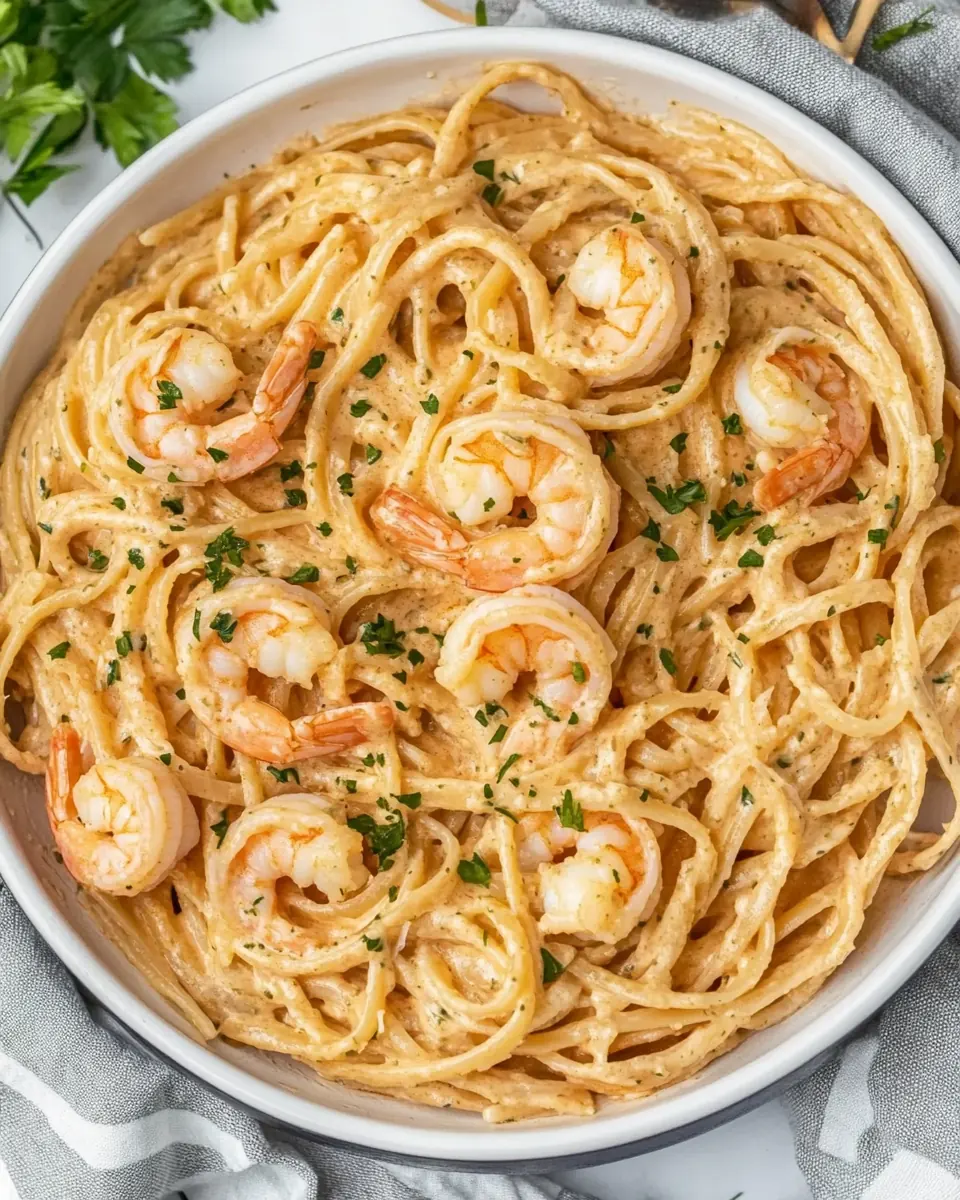
These ingredients work together to create a lively, creamy pasta that is anchored by sweet and spicy flavors. The sauce ingredients form a smooth, tangy base, while the shrimp and spices add texture and depth. The spaghetti noodles act as the canvas, soaking up the sauce so each forkful is cohesive and satisfying.
- 1/2 cup mayo: Creamy binder that brings richness and smooth texture to the sauce, helping it cling to the pasta and shrimp. Adds a mellow fat element that balances the heat and acidity, creating a luxurious mouthfeel. Works as the base for the bang bang flavor profile when combined with sweet and spicy components.
- 1/2 cup sweet chili sauce: Sweet-spicy sweetener that provides a glossy, slightly thick consistency and vibrant chili flavor to the sauce. Contributes balanced sweetness and subtle tang that tames heat while giving the dish a sticky, saucy coating. Marries well with mayo and sriracha to form the characteristic bang bang dressing.
- 1 lime juice: Brightener that injects sharp citrus acidity to cut through the richness and enhance overall brightness. Adds a hint of citrus aroma and helps lift flavor layers so the sauce tastes fresher and less heavy. Balances sweet and spicy elements for a more rounded flavor profile.
- 1 1/2 teaspoons sriracha sauce: Spicy hot sauce that delivers concentrated chili heat and umami depth to the sauce at a controlled intensity. Adds fermented chili complexity and a touch of vinegary tang that enhances the overall savory profile. Blends smoothly into the mayo–sweet chili base to create balanced spiciness.
- 8 ounces spaghetti noodles (cooked according to package directions and drained): Textural carbohydrate providing the main body and mouthfeel of the dish, holding sauce between its strands after cooking and draining. Serves as a neutral canvas that absorbs flavors and makes the meal substantial and filling. Cooking according to package instructions ensures proper doneness for best saucy coverage.
- 12 ounces medium shrimp (peeled and deveined): Protein component that offers tender, slightly sweet seafood flavor and pairs well with spicy and creamy sauces. Requires quick cooking to remain juicy and prevent toughness, absorbing seasonings and carrying the bang bang sauce. Acts as the primary savory focal point of the pasta dish.
- 1 1/2 tablespoons olive oil: Cooking fat used to sauté shrimp and aromatics, promoting even browning and flavor development. Adds subtle fruitiness and helps distribute heat for proper searing while preventing sticking. Supports the creation of a light pan sauce base before combining with the creamy dressing.
- 1 tablespoon fresh garlic (minced): Aromatic flavoring that lends pungent, savory depth and fragrance when minced and sautéed briefly. Enhances the overall umami of the dish and couples with oil to form a flavorful foundation for the shrimp. Prevents raw garlic bite by mellowing its sharpness through gentle cooking.
- 2 teaspoons smoked paprika: Warm, smoky seasoning that contributes depth, color, and a mild earthy sweetness to the shrimp. Enhances savory complexity and complements both the creamy and sweet-spicy elements in the sauce. Helps create a slightly charred, barbecue-like flavor profile when combined with sautéing.
- 1/2 teaspoon kosher salt: Salting agent that seasons ingredients to enhance and balance flavors throughout the dish. Draws out moisture from proteins for better texture and helps highlight the natural sweetness of shrimp. Used sparingly to avoid over-salting given other flavor components.
- 1/2 teaspoon fresh cracked black pepper: Pungent spice that provides aromatic peppery bite and bright contrast to creamy and sweet ingredients. Enhances savory notes and adds a mild heat that layers with sriracha and red pepper flakes. Fresh cracking preserves volatile oils for more lively flavor.
- 1/8 teaspoon red pepper flakes: Concentrated heat flake that adds an extra kick and lingering warmth to the sauce in small amounts. Provides controlled spiciness and visual flecks of color while complementing the sriracha. Useful for adjusting overall heat without altering texture or sweetness significantly.
- fresh chopped parsley (or fresh chopped cilantro ( garnish)) (optional): Herbal garnish that adds fresh green aroma, color, and a bright finish when chopped and sprinkled over the finished dish. Offers subtle herbal notes—either parsley’s clean, slightly peppery taste or cilantro’s citrusy, floral accent—depending on preference. Enhances presentation and provides a fresh contrast to rich, spicy sauce.
Step by Step Guide for Bang Bang Shrimp Pasta
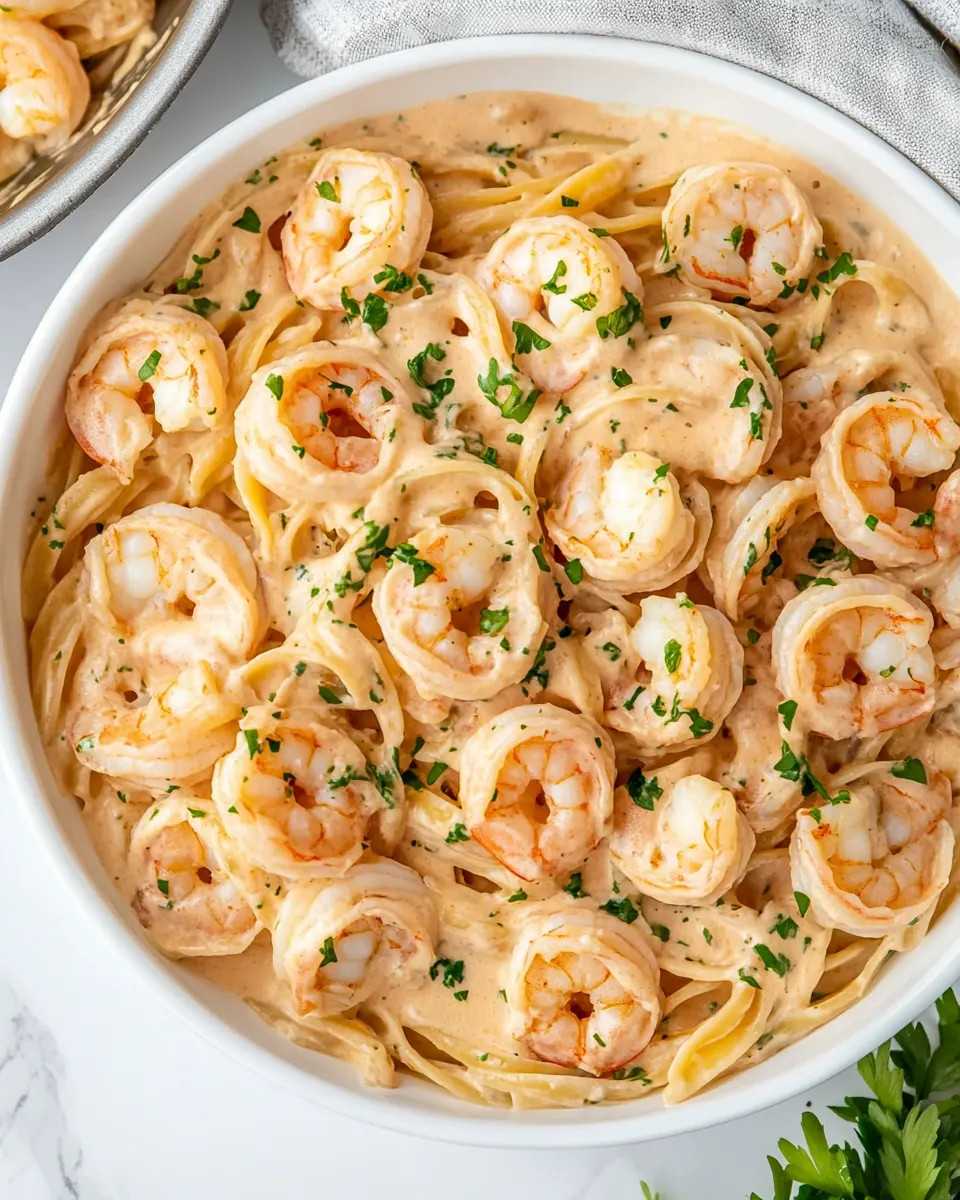
This method moves quickly, so set everything up before you heat the pan. I like to have the sauce ready, the pasta drained, and the shrimp seasoned so the cooking flow is uninterrupted. The goal is to build layers of flavor while keeping the textures lively.
- In a small mixing bowl whisk together the mayo, sweet chili sauce, lime juice, and sriracha sauce until it is smooth. Set it aside.: The moment you whisk these together you will notice a glossy, slightly thickened sauce with a balanced aroma of sweet and tangy notes, along with a subtle peppery lift from the sriracha sauce . This step matters because a smooth emulsion helps the sauce cling to the spaghetti noodles , ensuring each strand is evenly coated. A common mistake is under whisking which can leave the sauce slightly separated and less cohesive. If your sauce feels too heavy, add a tiny squeeze of extra lime juice to loosen it and sharpen the flavor profile.
- Using a medium-size mixing bowl toss together the shrimp, 1/2 tablespoon olive oil, fresh minced garlic, paprika, kosher salt, black pepper, and red pepper flakes.: As you toss, the oil helps the spices adhere to the surface of the shrimp , and the aroma of the fresh garlic will begin to bloom, giving off a warm, savory note. This seasoning step is crucial because it ensures each shrimp carries flavor through to the final bite. A typical error is overmixing with too much force which can bruise delicate shrimp , so toss gently but thoroughly. If your shrimp seems watery, pat it dry first so it sears instead of steaming.
- In a large 12 inch skillet over medium heat, add 1 tablespoon of olive oil.: When the oil warms you will notice it shimmer subtly, indicating it is ready. Heating the skillet first prevents the shrimp from sticking and promotes even browning, which adds flavor through caramelization. If the pan is too cool the shrimp will release liquid and stew rather than sear, producing a bland texture. A common oversight is using too high heat which can scorch the garlic ; aim for medium so the aromatics and proteins develop flavor without burning.
- Add in the coated shrimp, constantly stirring to ensure the garlic does not burn and the shrimp cooks evenly, about 8 to 10 minutes. The shrimp will turn pink when completely cooked. There will also be liquid in the pan that the shrimp releases during cooking. Turn off the stovetop.: As the shrimp hits the hot oil you will hear a gentle sizzle and smell the garlic toasting, which deepens the dish. The shrimp will change from translucent to an opaque pink, indicating doneness, and some juices will be released that mix with the pan fond to concentrate flavor. This pan release is important because it becomes part of the sauce, amplifying savory notes. Avoid overcooking which makes shrimp rubbery; remove from heat the moment they are just opaque and springy. Stirring frequently prevents hotspots and ensures the garlic does not brown too quickly, which would introduce bitterness.
- Leaving the skillet on the stovetop, add the cooked spaghetti and sauce on top of the cooked shrimp. Toss to completely coat the noodles and the shrimp.: When you add the hot spaghetti noodles and the prepared sauce, you will see the sauce slick across the pasta and the residual heat will marry everything together, creating a cohesive coating. The visual should be glossy strands of pasta with pink shrimp suspended throughout. This finishing step is key because the heat encourages the sauce to cling to the noodles rather than pool at the bottom. A mistake here is adding cold pasta which can cool the pan and make the sauce separate; always use hot, freshly drained noodles.
- Garnish with either the fresh chopped parsley or fresh chopped cilantro. Serve while hot.: As you toss, listen for the light clink of pasta against the pan and watch the sauce thicken slightly as it warms. Tossing ensures even distribution of sauce, so every bite has a balance of creamy spice and seafood flavor. This stage allows the flavors to meld briefly, so resist the urge to overwork it which can break the sauce. If the mixture seems dry, add a small splash of reserved pasta water to loosen the sauce and help it adhere.
- Garnish with either the fresh chopped parsley or fresh chopped cilantro: The final sprinkle of herb adds color and a fresh aromatic note that brightens the plate. Chopping the herb finely releases oils that perfume the dish right before serving. A common slip is adding the herb too early which causes it to wilt and lose vibrancy, so add it at the end for a lively finish. Serve immediately while the dish is hot for the best contrast of textures and flavors.
Tips and Variations
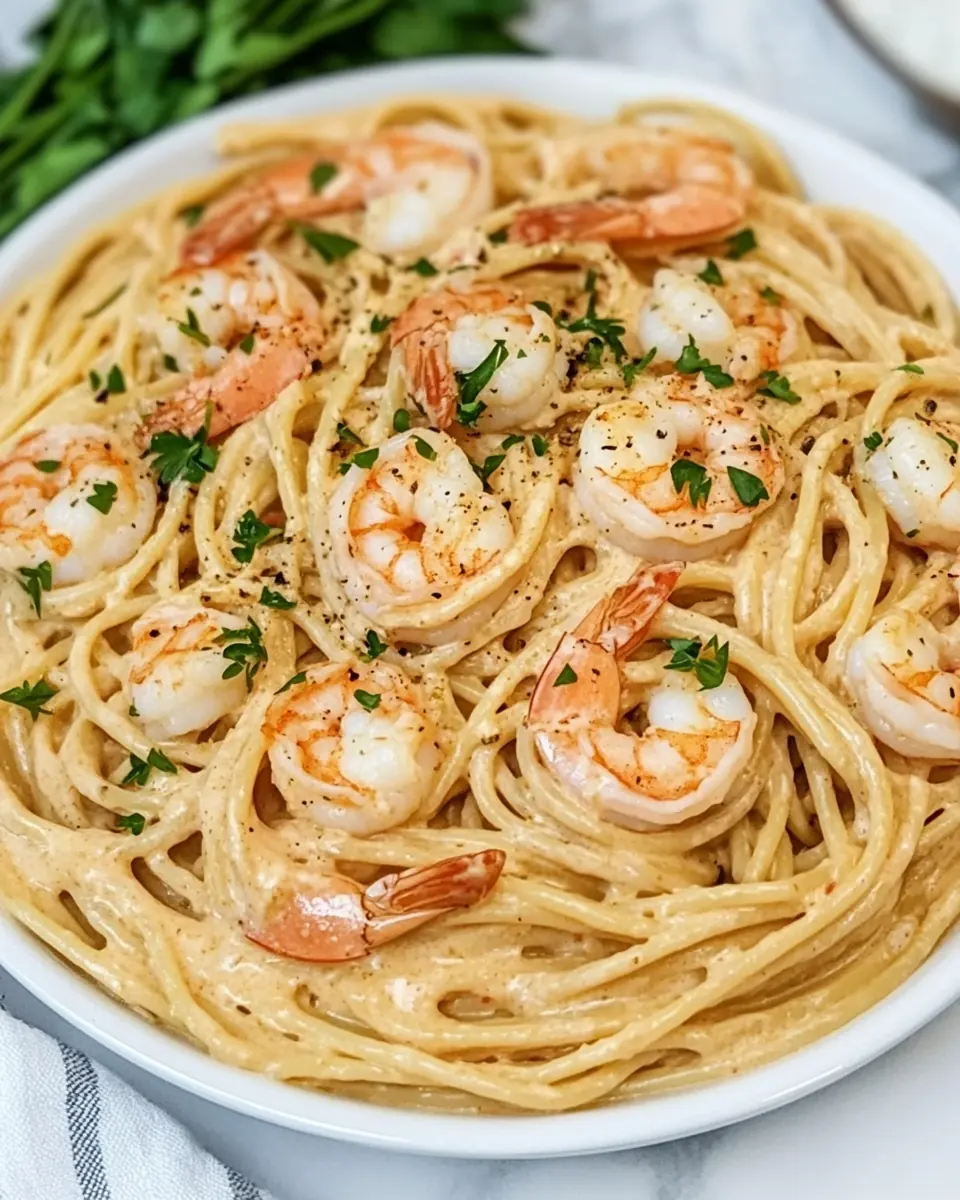
I like to think of these tips as small adjustments that make a big difference. They help you control texture, heat, and the final presentation, so you get reliably great results every time. Read through them before you start cooking.
- Use room temperature shrimp: Letting the shrimp sit at room temperature for a few minutes before cooking helps them cook evenly and reduces the chance of shocking them into a rubbery texture.
- Reserve pasta water: Save a little of the starchy cooking water to loosen the sauce if it becomes too thick, the starch helps the sauce cling and gives a silkier finish.
- Toast spices briefly: When you toss paprika with the shrimp the heat releases more aroma, amplifying the smoky notes in the finished dish without adding extra ingredients.
- Balance sweetness and acidity: If the sauce tastes too sweet, a tiny extra splash of lime juice will brighten it, if it is too tangy add a touch more mayo to smooth it out.
- Finish with fresh herbs: Adding chopped parsley or cilantro at the end preserves their brightness and gives the plate a fresh contrast to the creamy sauce.
Side Dish Ideas for Bang Bang Shrimp Pasta
This pasta pairs well with simple, crisp sides that complement the creamy spicy sauce. Choose lighter elements to balance richness, and think about occasions from casual weeknights to summer gatherings. These ideas include storage and serving notes so you can plan the full meal.
- Simple green salad: A crisp salad with a light vinaigrette provides a refreshing counterpoint to the creamy pasta, making it ideal for a weeknight dinner where you want contrast and quick prep.
- Steamed vegetables: Lightly steamed seasonal vegetables offer a healthy accompaniment that adds color and fiber, perfect for balancing the calorie density of the pasta.
- Garlic bread on the side: A small piece of crusty bread can be used to mop up any leftover sauce, though use sparingly if you want a lighter meal.
- Occasion pairing: Serve this dish for summer dinners or casual entertaining when you want bold flavors without a lot of fuss, it works well for outdoor dining and small dinner parties.
- Storage tips: Refrigerate leftovers in an airtight container for up to two days, reheat gently to avoid overcooking the shrimp. Add a splash of water or olive oil when warming to revive the sauce.
- Seasonal pairings: In summer, pair with bright citrus garnishes and chilled sides. In cooler months, add a heartier green salad to round out the meal.
FAQ
Conclusion
Bang Bang Shrimp Pasta stands out because it delivers creamy, sweet, and spicy flavors in a quick and satisfying package. It strikes a lovely balance between indulgence and approachability, making it an ideal choice for busy weeknights or casual entertaining. Give it a try and notice how simple pantry staples come together to create a memorable dish that still feels effortless. I hope it becomes a regular in your rotation, bringing bold flavor and easy preparation to your table.
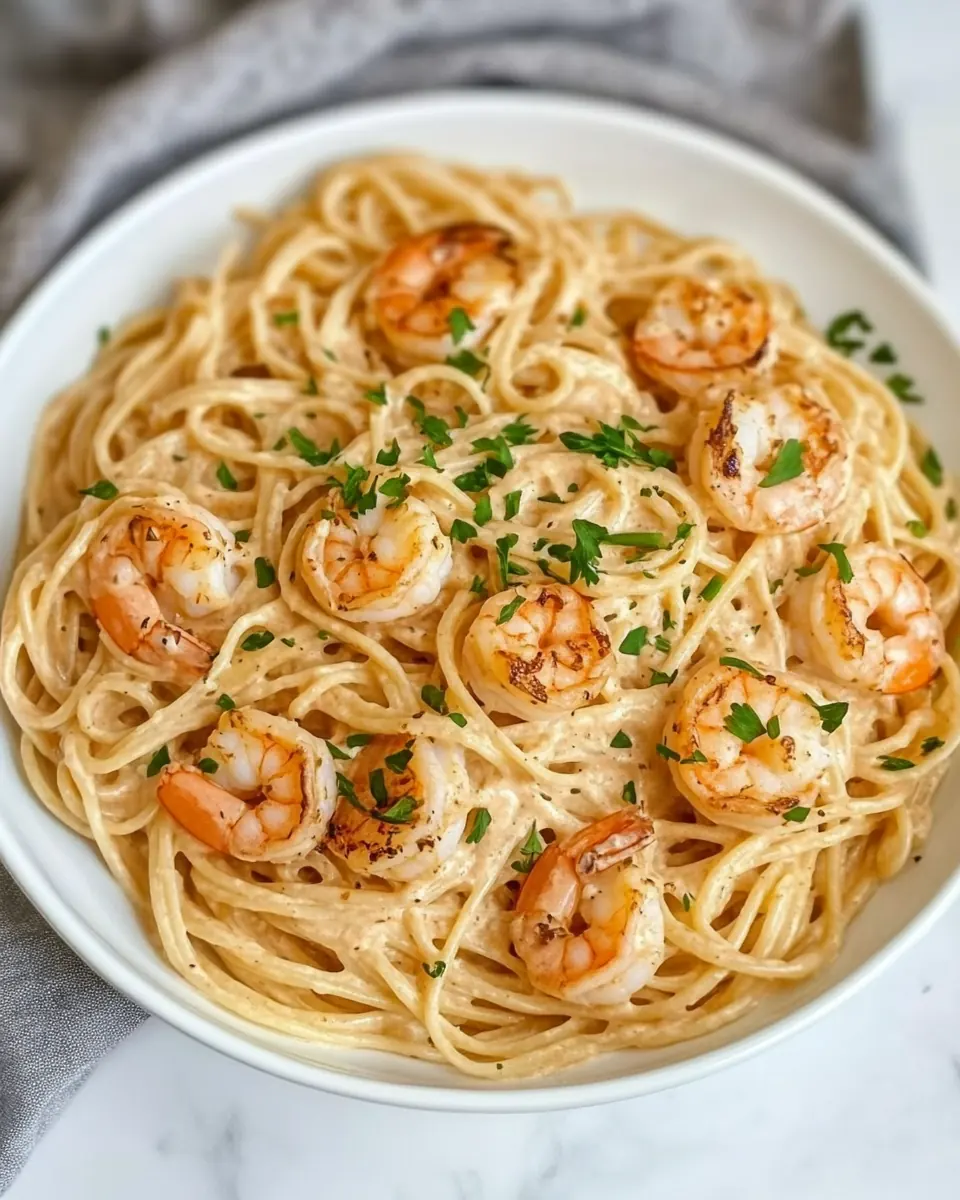
Bang Bang Shrimp Pasta
Ingredients
Equipment
Method
- In a small mixing bowl whisk together the mayo, sweet chili sauce, lime juice, and sriracha sauce until it is smooth. Set it aside.: The moment you whisk these together you will notice a glossy, slightly thickened sauce with a balanced aroma of sweet and tangy notes, along with a subtle peppery lift from the sriracha sauce . This step matters because a smooth emulsion helps the sauce cling to the spaghetti noodles , ensuring each strand is evenly coated. A common mistake is under whisking which can leave the sauce slightly separated and less cohesive. If your sauce feels too heavy, add a tiny squeeze of extra lime juice to loosen it and sharpen the flavor profile.
- Using a medium-size mixing bowl toss together the shrimp, 1/2 tablespoon olive oil, fresh minced garlic, paprika, kosher salt, black pepper, and red pepper flakes.: As you toss, the oil helps the spices adhere to the surface of the shrimp , and the aroma of the fresh garlic will begin to bloom, giving off a warm, savory note. This seasoning step is crucial because it ensures each shrimp carries flavor through to the final bite. A typical error is overmixing with too much force which can bruise delicate shrimp , so toss gently but thoroughly. If your shrimp seems watery, pat it dry first so it sears instead of steaming.
- In a large 12 inch skillet over medium heat, add 1 tablespoon of olive oil.: When the oil warms you will notice it shimmer subtly, indicating it is ready. Heating the skillet first prevents the shrimp from sticking and promotes even browning, which adds flavor through caramelization. If the pan is too cool the shrimp will release liquid and stew rather than sear, producing a bland texture. A common oversight is using too high heat which can scorch the garlic ; aim for medium so the aromatics and proteins develop flavor without burning.
- Add in the coated shrimp, constantly stirring to ensure the garlic does not burn and the shrimp cooks evenly, about 8 to 10 minutes. The shrimp will turn pink when completely cooked. There will also be liquid in the pan that the shrimp releases during cooking. Turn off the stovetop.: As the shrimp hits the hot oil you will hear a gentle sizzle and smell the garlic toasting, which deepens the dish. The shrimp will change from translucent to an opaque pink, indicating doneness, and some juices will be released that mix with the pan fond to concentrate flavor. This pan release is important because it becomes part of the sauce, amplifying savory notes. Avoid overcooking which makes shrimp rubbery; remove from heat the moment they are just opaque and springy. Stirring frequently prevents hotspots and ensures the garlic does not brown too quickly, which would introduce bitterness.
- Leaving the skillet on the stovetop, add the cooked spaghetti and sauce on top of the cooked shrimp. Toss to completely coat the noodles and the shrimp.: When you add the hot spaghetti noodles and the prepared sauce, you will see the sauce slick across the pasta and the residual heat will marry everything together, creating a cohesive coating. The visual should be glossy strands of pasta with pink shrimp suspended throughout. This finishing step is key because the heat encourages the sauce to cling to the noodles rather than pool at the bottom. A mistake here is adding cold pasta which can cool the pan and make the sauce separate; always use hot, freshly drained noodles.
- Garnish with either the fresh chopped parsley or fresh chopped cilantro. Serve while hot.: As you toss, listen for the light clink of pasta against the pan and watch the sauce thicken slightly as it warms. Tossing ensures even distribution of sauce, so every bite has a balance of creamy spice and seafood flavor. This stage allows the flavors to meld briefly, so resist the urge to overwork it which can break the sauce. If the mixture seems dry, add a small splash of reserved pasta water to loosen the sauce and help it adhere.
- Garnish with either the fresh chopped parsley or fresh chopped cilantro: The final sprinkle of herb adds color and a fresh aromatic note that brightens the plate. Chopping the herb finely releases oils that perfume the dish right before serving. A common slip is adding the herb too early which causes it to wilt and lose vibrancy, so add it at the end for a lively finish. Serve immediately while the dish is hot for the best contrast of textures and flavors.
Notes
- Use room temperature shrimp: Letting the shrimp sit at room temperature for a few minutes before cooking helps them cook evenly and reduces the chance of shocking them into a rubbery texture.
- Reserve pasta water: Save a little of the starchy cooking water to loosen the sauce if it becomes too thick, the starch helps the sauce cling and gives a silkier finish.
- Toast spices briefly: When you toss paprika with the shrimp the heat releases more aroma, amplifying the smoky notes in the finished dish without adding extra ingredients.
- Balance sweetness and acidity: If the sauce tastes too sweet, a tiny extra splash of lime juice will brighten it, if it is too tangy add a touch more mayo to smooth it out.
- Finish with fresh herbs: Adding chopped parsley or cilantro at the end preserves their brightness and gives the plate a fresh contrast to the creamy sauce.