Homemade Baked Tortilla Chips
Homemade Baked Tortilla Chips have become my go to snack when friends drop by or when I need something satisfyingly crunchy without a lot of fuss.
I remember the first time I tried making these, standing in a tiny kitchen with a stack of slightly stale corn tortillas and a bottle of olive oil that had been sitting in the pantry. I was short on time but wanted something better than store bought, so I decided to brush each tortilla with a little oil and pop them in the oven. As they baked, the house filled with a warm, toasty aroma, and I kept peeking through the oven window until the edges turned golden. When they came out, the sound they made as I shifted the baking sheet was pure joy, a crisp whisper that promised flavor.
Since then I tweak the process depending on my mood. Sometimes I use avocado oil for a neutral profile, other times I choose vegetable oil because it is what I have on hand. I rarely add more than a sprinkle of kosher salt, but that little seasoning punch makes all the difference. I like to serve these with a chunky guacamole or a bright salsa, but they are also perfect plain, with a satisfying crunch that turns movie night into something special.
Recipe Snapshot
15 mins
5 mins
10 mins
Easy
150 kcal
Mexican
Vegan, Gluten-Free
Appetizers
Oven, Baking sheet, Sharp knife, Pastry brush, Cooling rack
What We Adore About This Homemade Baked Tortilla Chips
Crunch with a clean conscience
I love Homemade Baked Tortilla Chips because they deliver that addictive crunch without deep frying. When I bite into one, I hear a crisp snap and taste a pure toasted corn note, and I feel a little proud that it came from my oven rather than a fryer. That texture is everything, and baking lets the chips lighten up while still getting that golden color I want.
Customizable and forgiving
One of the best parts is how forgiving this recipe is. I often experiment with oils or the thickness of the corn tortillas, and each variation yields a slightly different mouthfeel. If the tortillas are a little stale, they crisp faster and hold up well for dipping, which I appreciate on busy days when I grab what I have on hand.
Fast and sociable
We often need snacks that come together quickly, and this recipe does exactly that. From brushing to baking, it is a short, pleasant process that lets me chat with guests or finish a salad while the oven does the heavy lifting. People love something they can pick at, and these chips invite casual sharing and conversation.
Healthier than store bought alternatives
I prefer these when I want to control the oil and salt. Making them at home means I can brush lightly with olive oil or avocado oil, add only the salt I like, and avoid additives often found in packaged snacks. That makes them my choice for a lighter, still indulgent nibble.
Versatile pairing options
Finally, these chips are a dream with a variety of dips. I often serve them with guacamole, fresh salsa, or even a simple bean dip. Their sturdy, crisp texture stands up to chunkier toppings, and they hold their own on a snack board, making them an ideal addition whenever I want a crowd friendly finger food.
Recipe Ingredients for Homemade Baked Tortilla Chips
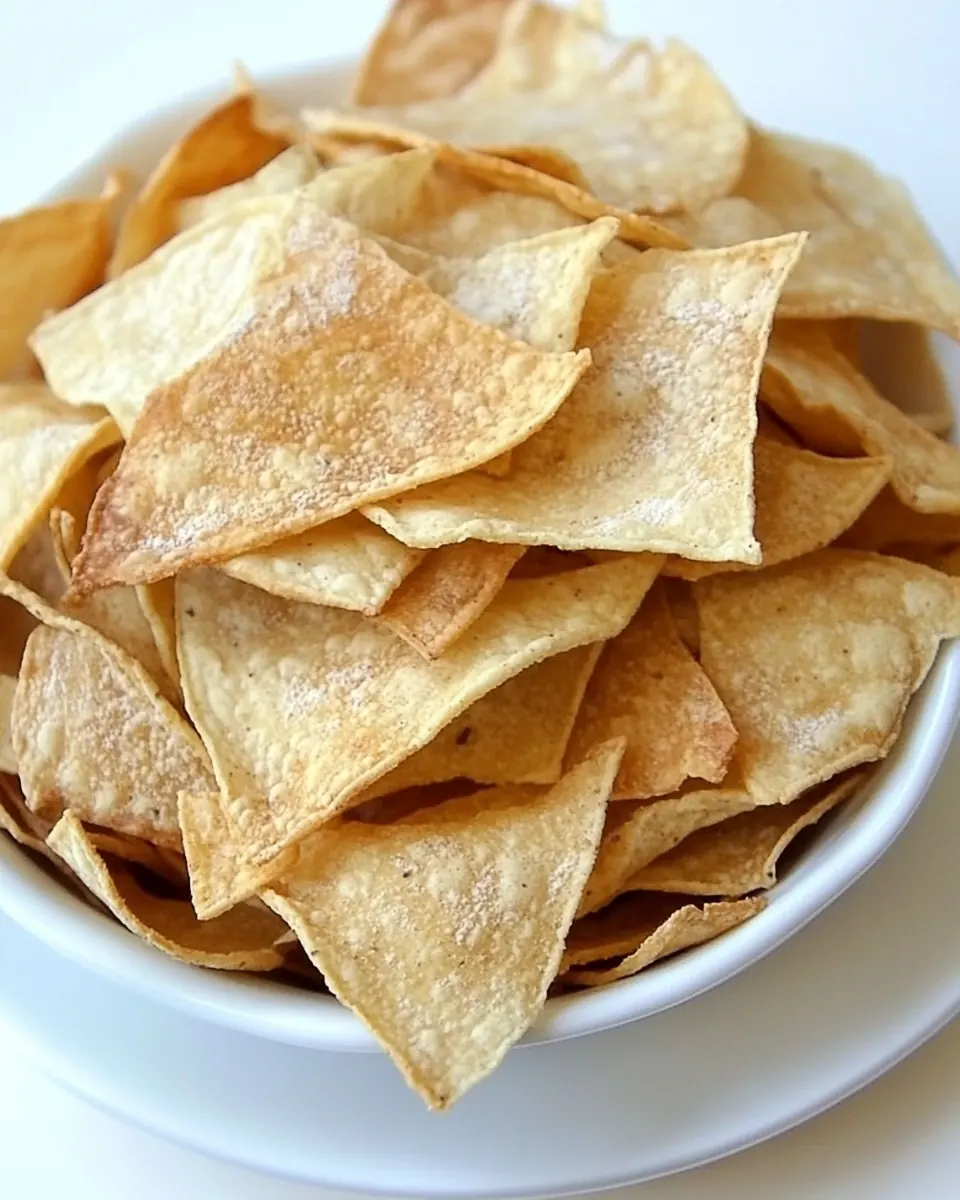
These ingredients are intentionally minimal and work in harmony. The corn tortillas provide the fundamental corn flavor and structure, while the chosen oil helps the surface crisp and brown. A final touch of kosher salt lifts the overall flavor. Together they create a straightforward formula where technique, not many seasonings, determines the best result.
- Corn tortillas: Provide flexible, sturdy wrappers for chip shapes and deliver authentic corn flavor; cut into wedges before baking to crisp evenly. Retain slight chewiness when underbaked and become crunchy when baked until golden, acting as the base for seasoning.
- Olive oil, avocado oil, or vegetable oil, for brushing on tortillas: Brush sparingly to promote even browning and crisp texture while preventing dryness; choose a neutral or fruity oil based on desired flavor notes. Help seasonings adhere to the surface and encourage uniform heat transfer during baking.
- Kosher salt, to taste: Enhance overall flavor by balancing natural corn sweetness and toasty notes; sprinkle to taste after oil application for best adhesion. Highlight savory qualities and elevate simple chips without overpowering their natural profile.
The Method for Homemade Baked Tortilla Chips
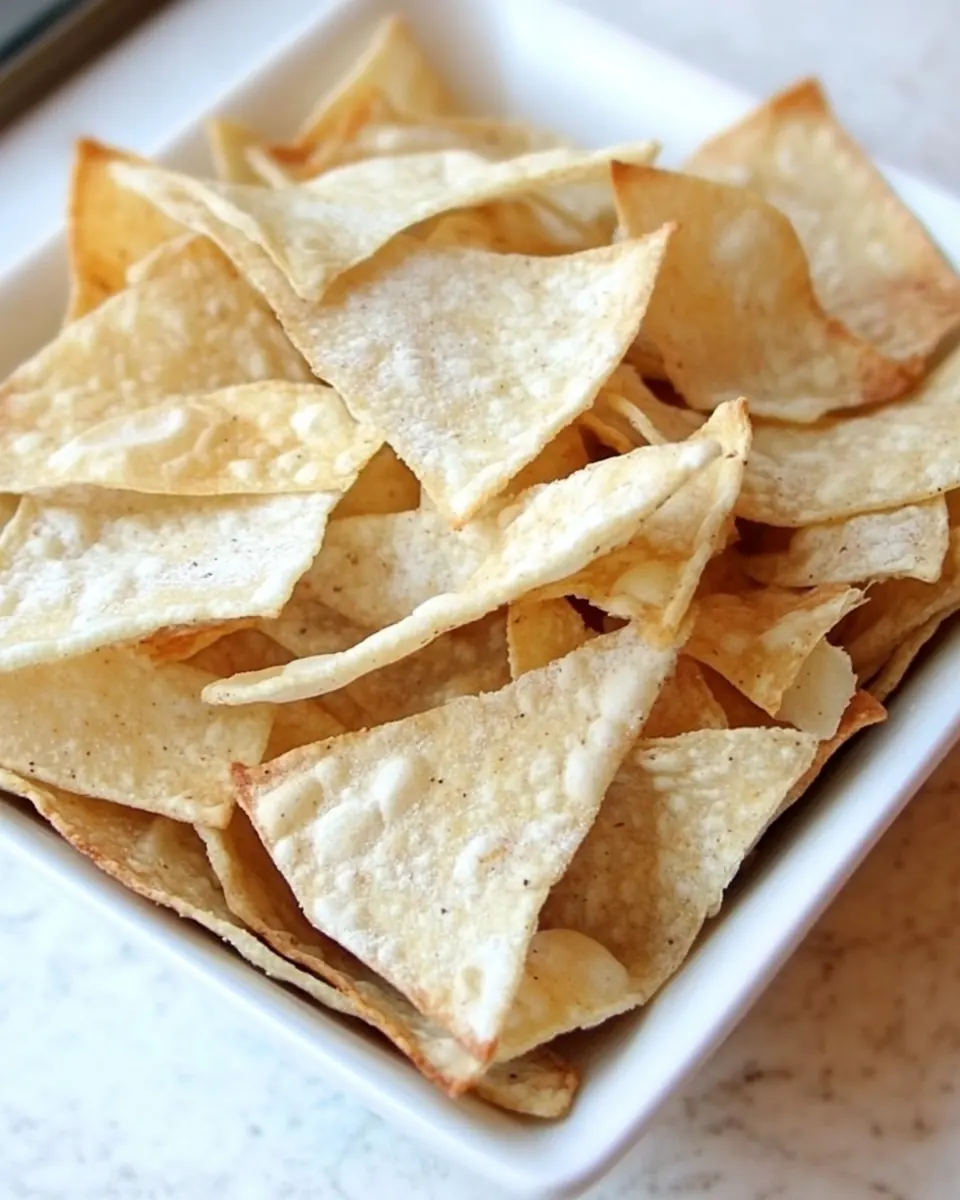
I like to keep the method conversational and grounded, so you know what to expect at each moment. The directions below are easy to follow, and I include sensory cues and troubleshooting tips so you can nail the texture and flavor. Keep your oven window in sight during the final minutes, because the difference between perfect and slightly overdone is subtle but noticeable.
- Preheat the oven to 400 degrees F. Brush the tortillas lightly with oil. Make sure both sides are brushed. Place the tortillas in a stack and cut into triangles with a sharp knife.: The oven should feel warm and steady, and you may notice a faint dry heat as you open and close the door. Preheating ensures that the chips begin to crisp immediately, promoting even browning rather than slow, soggy drying. If the oven is cooler than expected, the chips will take longer and may dry unevenly, so use an oven thermometer if you suspect your oven runs hot or cold. A common slip is putting chips into an oven that has not fully reached temperature, which leads to longer bake times and inconsistent results.
- Place the tortilla triangles on two large baking sheets. Make sure they are in an even layer and aren't overlapping. Sprinkle with salt, to taste.: Light brushing should leave a sheen without pooling, and the surface will look slightly glossy. The oil helps conduct heat and encourages caramelization of the tortilla surface, adding color and crunch. If you see puddles, you used too much oil, which can cause uneven frying instead of baking. To fix it, blot excess oil with a paper towel before cutting and baking.
- Bake until golden brown and crisp, rotating the baking sheets once, about 7 to 11 minutes. Watch closely because once they start to brown they will brown quickly.: Both sides should show an even coating, which promotes balanced browning as the chips bake and flip. When both faces get that oil, you will notice a more uniform golden color and a satisfying snap. Missing one side can lead to a chip that browns on one face but remains pale and limp on the other. If that happens, rotate and flip the chips earlier to encourage evenness.
- Cool completely, the chips will crisp up as they cool. Serve with guacamole, salsa, or eat them plain.: The sound of the knife through the stack is clean and decisive, and the triangles should have straight edges for even baking. A sharp blade ensures quick, neat cuts without compressing the tortillas. If your knife is dull, you may tear the tortillas, creating irregular pieces that bake unevenly. Use a steady, confident motion when cutting, and wipe the knife if it becomes gummy from oil.
- Place the tortilla triangles on two large baking sheets: Arrange the triangles in a single layer so they bake evenly, and space them so hot air circulates between pieces. When arranged well, the sheets will look airy, and each chip will brown uniformly. Overcrowding leads to steaming, which prevents crisping and yields limp chips. If your baking sheet is too small, work in batches rather than piling pieces together.
- Make sure they are in an even layer and aren't overlapping: An even layout allows consistent heat exposure, and you will notice that chips in the center of a crowded pan will often be paler and softer. Floating those triangles in a single layer keeps edges crisp and allows for predictable timing. A common mistake is overlapping, which traps moisture and results in soggy centers; remove overlaps before baking to correct this.
- Sprinkle with salt, to taste: The salt should glint on the surface, and a small sprinkle brings out toasted corn richness. I prefer to season lightly before baking so the salt adheres, but you can also finish after cooling for larger flakes. Over seasoning early can make chips overly salty; taste a single chip first before salting the entire batch more heavily.
- Bake until golden brown and crisp, rotating the baking sheets once, about 7 to 11 minutes: As they bake, the oven will produce a toasty aroma, and you should see edges turn a warm gold while centers become firmer. Rotating the sheets promotes uniform color because oven hot spots can brown one tray faster than another. Stay vigilant near the end, as they can go from golden to too dark quickly. A typical error is leaving them unattended during the final minutes, which often results in overbrowning; set a timer for the lower end of the range and check frequently.
- Watch closely because once they start to brown they will brown quickly: When the first chips show color, the pace accelerates, and you may hear tiny crackles as moisture leaves. This is the critical visual cue to check every minute or so. If you miss this stage, chips will move from perfectly toasted to bitter, so be attentive. If some pieces brown faster, remove them first and allow the others a bit more time.
- Cool completely, the chips will crisp up as they cool: After removing them, the chips will transform from warm and somewhat flexible to crisp and brittle as residual heat evaporates moisture. Lay them on a rack to cool evenly and prevent steam from softening the bottom. Stacking hot chips traps steam and leads to limpness, which is a common mistake. Let them rest until they snap audibly when bent.
- Serve with guacamole, salsa, or eat them plain: The final presentation invites dipping and sharing, and you will notice the contrast between the crunchy chip and creamy dips. Serving immediately ensures the best texture, though cooled chips store well for snacking. A frequent misstep is storing chips while still slightly warm in a closed container, which will create condensation and soften them; always cool fully before storing.
Customization Ideas
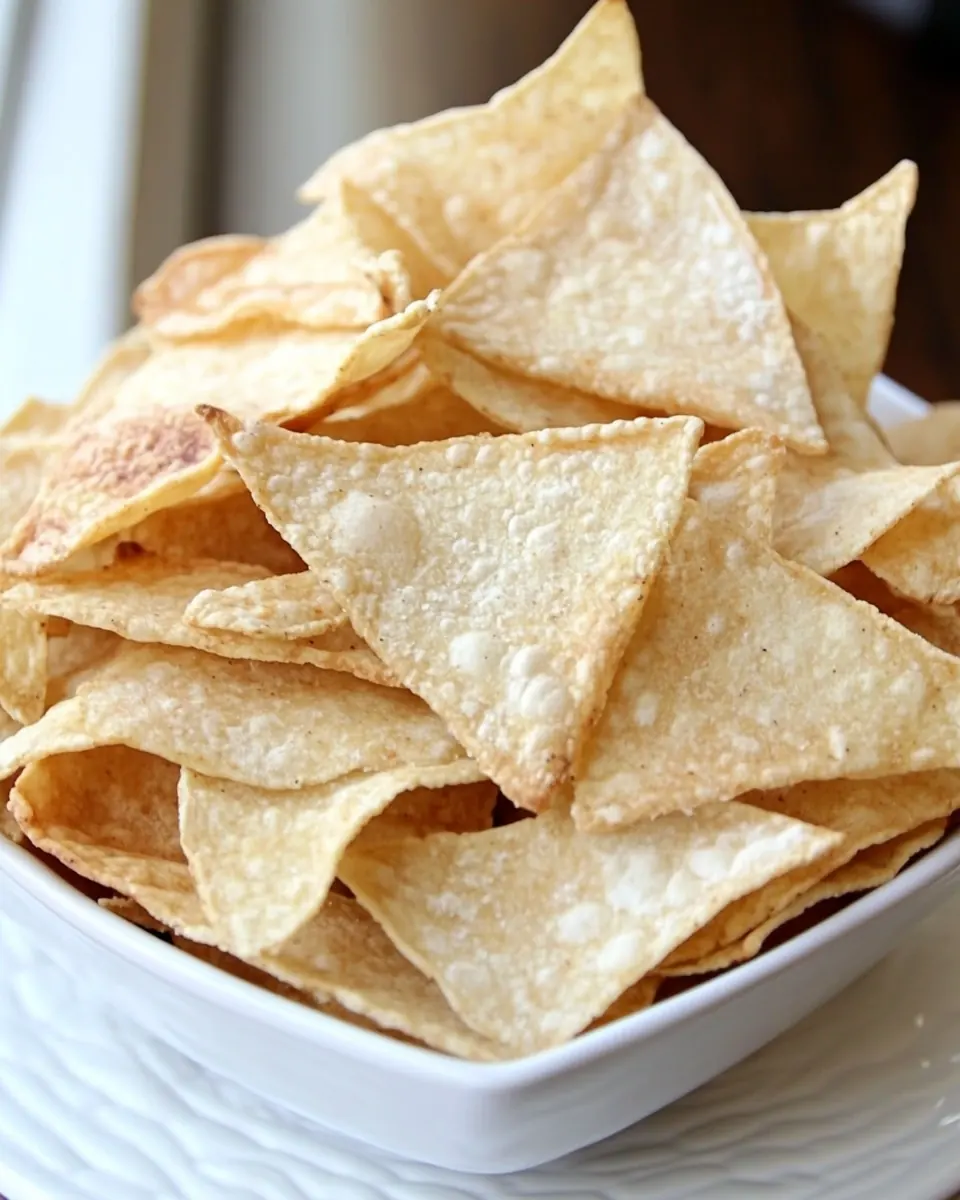
These simple chips are a perfect canvas for small changes that alter flavor and texture. Below are practical ideas you can try, each focused on an easy tweak. I highlight the first phrase of each tip so you can scan quickly and choose what appeals to you.
- Try different oils Use olive oil for a fruity note, avocado oil for a neutral taste, or vegetable oil for a classic profile, adjusting the flavor while keeping the crispness intact.
- Adjust thickness Thicker tortillas will be sturdier for heavy dips, while thinner ones become ultra crisp quickly, so pick based on your serving needs.
- Salt timing Sprinkle kosher salt before baking for adherence, or after baking for larger visible flakes and a punchier finish.
- Cut shapes Triangles are classic, but strips or wedges change the bite and make for fun presentation choices on a snack board.
- Bake in batches Work in single layers across two sheets so each chip gets even air circulation, avoiding steaming and limp centers.
- Storage method Once completely cooled, store in an airtight container with a paper towel to absorb any residual moisture and maintain the crunch.
Side Dish Ideas for Homemade Baked Tortilla Chips
These chips pair beautifully with an array of sides and suit many occasions from casual gatherings to fasting meals. Below are serving suggestions and pairing ideas to elevate your snack to a full experience.
- Classic pairings Serve with fresh salsa and a chunky guacamole for vibrant contrasts in texture and temperature, ideal for casual get togethers.
- Party boards Add the chips to a snack board with beans, cheese cubes, and sliced vegetables for variety, keeping the chips separate until guests arrive to preserve crunch.
- Meal accompaniment Use the chips as a crunchy side for tacos or salads, where their toasted corn flavor complements spiced mains and adds textural contrast.
- Occasion friendly They are great for game day, movie night, or Iftar during Ramadan when you want a shareable, quick snack that can be made ahead and reheated if needed.
- Storage tips Cool completely and store in an airtight container at room temperature for several days, checking to ensure they remain dry, and avoid refrigerating as it introduces moisture.
- Seasonal pairing In summer, pair with bright tomato and mango salsas, while in cooler months choose heartier bean dips or roasted vegetable salsas to match seasonal produce.
FAQ
Conclusion
These Homemade Baked Tortilla Chips stand out because they are simple, fast, and deliver a true crunchy bite with minimal ingredients. I encourage you to try them because they transform everyday corn tortillas into a snack that feels special, yet is effortless to make. Enjoy the process of brushing, baking, and listening for that perfect snap, then serve them warm with your favorite dip and watch how quickly they disappear around the table.
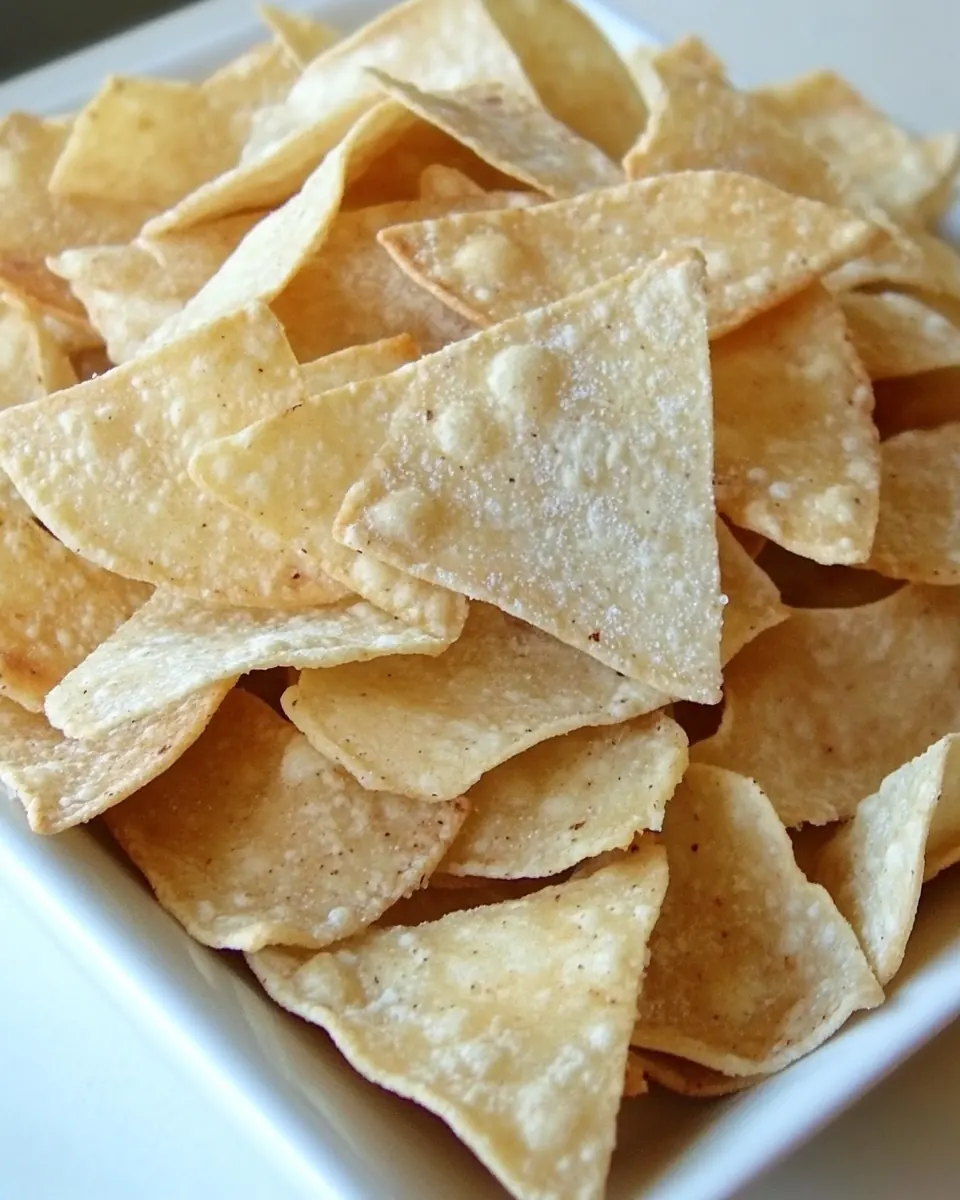
Homemade Baked Tortilla Chips
Ingredients
Equipment
Method
- Preheat the oven to 400 degrees F. Brush the tortillas lightly with oil. Make sure both sides are brushed. Place the tortillas in a stack and cut into triangles with a sharp knife.: The oven should feel warm and steady, and you may notice a faint dry heat as you open and close the door. Preheating ensures that the chips begin to crisp immediately, promoting even browning rather than slow, soggy drying. If the oven is cooler than expected, the chips will take longer and may dry unevenly, so use an oven thermometer if you suspect your oven runs hot or cold. A common slip is putting chips into an oven that has not fully reached temperature, which leads to longer bake times and inconsistent results.
- Place the tortilla triangles on two large baking sheets. Make sure they are in an even layer and aren't overlapping. Sprinkle with salt, to taste.: Light brushing should leave a sheen without pooling, and the surface will look slightly glossy. The oil helps conduct heat and encourages caramelization of the tortilla surface, adding color and crunch. If you see puddles, you used too much oil, which can cause uneven frying instead of baking. To fix it, blot excess oil with a paper towel before cutting and baking.
- Bake until golden brown and crisp, rotating the baking sheets once, about 7 to 11 minutes. Watch closely because once they start to brown they will brown quickly.: Both sides should show an even coating, which promotes balanced browning as the chips bake and flip. When both faces get that oil, you will notice a more uniform golden color and a satisfying snap. Missing one side can lead to a chip that browns on one face but remains pale and limp on the other. If that happens, rotate and flip the chips earlier to encourage evenness.
- Cool completely, the chips will crisp up as they cool. Serve with guacamole, salsa, or eat them plain.: The sound of the knife through the stack is clean and decisive, and the triangles should have straight edges for even baking. A sharp blade ensures quick, neat cuts without compressing the tortillas. If your knife is dull, you may tear the tortillas, creating irregular pieces that bake unevenly. Use a steady, confident motion when cutting, and wipe the knife if it becomes gummy from oil.
- Place the tortilla triangles on two large baking sheets: Arrange the triangles in a single layer so they bake evenly, and space them so hot air circulates between pieces. When arranged well, the sheets will look airy, and each chip will brown uniformly. Overcrowding leads to steaming, which prevents crisping and yields limp chips. If your baking sheet is too small, work in batches rather than piling pieces together.
- Make sure they are in an even layer and aren't overlapping: An even layout allows consistent heat exposure, and you will notice that chips in the center of a crowded pan will often be paler and softer. Floating those triangles in a single layer keeps edges crisp and allows for predictable timing. A common mistake is overlapping, which traps moisture and results in soggy centers; remove overlaps before baking to correct this.
- Sprinkle with salt, to taste: The salt should glint on the surface, and a small sprinkle brings out toasted corn richness. I prefer to season lightly before baking so the salt adheres, but you can also finish after cooling for larger flakes. Over seasoning early can make chips overly salty; taste a single chip first before salting the entire batch more heavily.
- Bake until golden brown and crisp, rotating the baking sheets once, about 7 to 11 minutes: As they bake, the oven will produce a toasty aroma, and you should see edges turn a warm gold while centers become firmer. Rotating the sheets promotes uniform color because oven hot spots can brown one tray faster than another. Stay vigilant near the end, as they can go from golden to too dark quickly. A typical error is leaving them unattended during the final minutes, which often results in overbrowning; set a timer for the lower end of the range and check frequently.
- Watch closely because once they start to brown they will brown quickly: When the first chips show color, the pace accelerates, and you may hear tiny crackles as moisture leaves. This is the critical visual cue to check every minute or so. If you miss this stage, chips will move from perfectly toasted to bitter, so be attentive. If some pieces brown faster, remove them first and allow the others a bit more time.
- Cool completely, the chips will crisp up as they cool: After removing them, the chips will transform from warm and somewhat flexible to crisp and brittle as residual heat evaporates moisture. Lay them on a rack to cool evenly and prevent steam from softening the bottom. Stacking hot chips traps steam and leads to limpness, which is a common mistake. Let them rest until they snap audibly when bent.
- Serve with guacamole, salsa, or eat them plain: The final presentation invites dipping and sharing, and you will notice the contrast between the crunchy chip and creamy dips. Serving immediately ensures the best texture, though cooled chips store well for snacking. A frequent misstep is storing chips while still slightly warm in a closed container, which will create condensation and soften them; always cool fully before storing.
Notes
- Try different oils Use olive oil for a fruity note, avocado oil for a neutral taste, or vegetable oil for a classic profile, adjusting the flavor while keeping the crispness intact.
- Adjust thickness Thicker tortillas will be sturdier for heavy dips, while thinner ones become ultra crisp quickly, so pick based on your serving needs.
- Salt timing Sprinkle kosher salt before baking for adherence, or after baking for larger visible flakes and a punchier finish.
- Cut shapes Triangles are classic, but strips or wedges change the bite and make for fun presentation choices on a snack board.
- Bake in batches Work in single layers across two sheets so each chip gets even air circulation, avoiding steaming and limp centers.
- Storage method Once completely cooled, store in an airtight container with a paper towel to absorb any residual moisture and maintain the crunch.