Gingerbread Cookies
Gingerbread Cookies have been my cozy go to whenever the air turns crisp and the kitchen calls for warm spices. The moment I opened the jar of molasses the first time I made these, the scent wrapped around me like a soft blanket, and I knew I had a keeper. Baking them became a small ritual, something I do while putting on a record, sipping tea, and letting the day slow down.
Some afternoons I bring out the mixing bowl just to stir memories into the batter, thinking of the first batch that disappeared in under an hour. Other times I make a double batch to share with neighbors, because the recipe feels like a giving thing. I love how the dough is forgiving, so even a novice baker can get a warm tray of cookies that taste like holiday mornings.
When kids come to help, they always want to roll the dough into balls and press them flat with their little palms, and it never fails to make me smile. On quieter nights I’ll shape a few cookies into stars using a cookie cutter, and that extra step transforms the cookies into something festive without much fuss. These cookies are simple, honest, and comfortingly spiced, the kind of treat that fills both the room and the memory bank.
Recipe Snapshot
25 mins
15 mins
10 mins
Easy
150 kcal
American
Vegan, Paleo
Desserts
Mixing bowl, Cookie sheet, Rolling pin, Cooling rack
The Charm of This Gingerbread Cookies
Comforting, straightforward flavor
I adore how the Gingerbread Cookies balance molasses warmth with a gentle spice profile, creating that classic bite that brings me back to childhood kitchens. The blend of ginger, cinnamon, and cloves is assertive but not overpowering, so every cookie tastes familiar yet nuanced.
Healthier ingredient choices
Using coconut oil and whole wheat flour gives these cookies a nutty depth and slightly denser crumb that I prefer over an overly sweet, flakey version. I appreciate recipes that swap to better pantry choices without sacrificing that iconic gingerbread character.
Flexible and forgiving dough
One reason I keep this recipe on repeat is how adaptable the dough is. If it feels sticky, you can add a touch more whole wheat flour to reach the right texture, which makes it perfect for bakers who like to improvise. That margin of error takes the pressure off.
Kid friendly and festive
These cookies invite creativity, whether you let kids roll walnut sized balls or press shapes with cookie cutters. They are an easy way to include little helpers, and I often find that the simplest hands on tasks make the most joyful memories.
Great for gifting and gatherings
Because they keep well and travel nicely, I often bake a batch for friends during the holidays. The combination of sturdy texture and warming spice makes them ideal for packing into tins and sharing, which is why they remain a go to during festive seasons.
What to Gather for Gingerbread Cookies
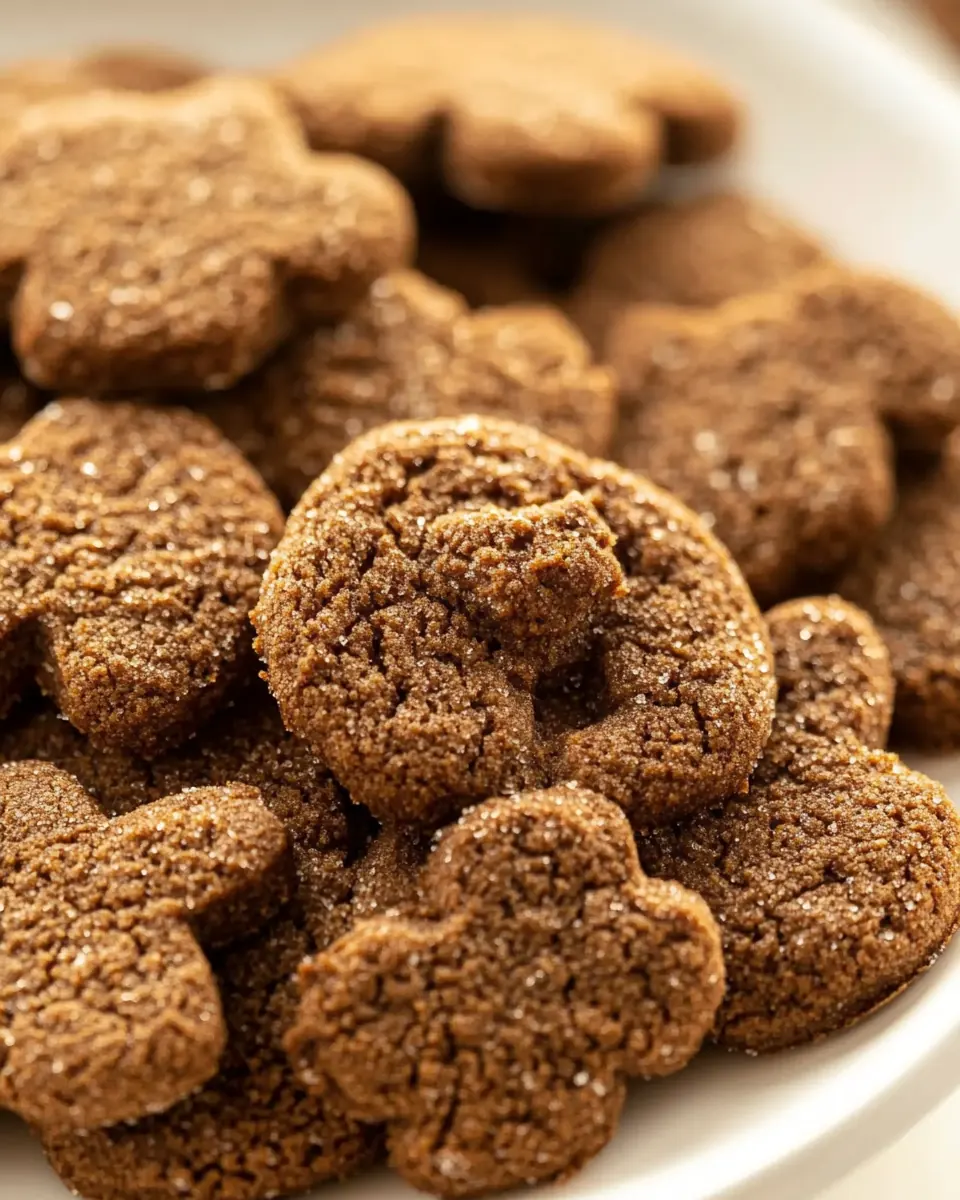
These ingredients are chosen to create a chewy, warmly spiced cookie that holds its shape while staying tender. The key players are the sweet, binding molasses, the tenderizing coconut oil, and the wholesome structure from whole wheat flour. Spices bring the signature aroma, and the leavening gives the cookies just enough lift.
- 3/4 cup coconut oil melted: Melted provides liquid fat that tenderizes the dough and helps create a soft, slightly chewy texture in each cookie; it also aids in incorporating dry ingredients smoothly when creamed with sweetener. Measure at a warm liquid state to ensure even mixing and to prevent re-solidification that can cause uneven pockets of oil in the dough.
- 1 cup sucanat: Unrefined sweetener supplies caramel-like sweetness and a deep, molasses-like flavor that complements the spices while contributing moisture and chewiness to the cookies. Use full measure to balance acidity from molasses and to promote browning during baking for an attractive color.
- 1 egg or egg replacer: Egg or replacer binds ingredients together and contributes structure and moisture, helping cookies hold their shape while remaining tender. Choose an appropriate replacer to mimic binding and leavening properties if avoiding eggs for dietary reasons.
- 1/4 cup blackstrap molasses: Blackstrap molasses provides robust, bittersweet depth and characteristic gingerbread flavor while contributing moisture and acidity to react with baking soda for lift. Use measured amount to avoid overpowering sweetness while enhancing color and spice notes.
- 1 teaspoon ginger: Ginger adds warm, sharp, and slightly spicy flavor that defines the classic gingerbread profile; it also pairs well with molasses and cinnamon to create layered spice notes. Use ground ginger for even distribution throughout the dough and to ensure consistent flavor in every bite.
- 1 teaspoon cinnamon: Cinnamon supplies sweet warmth and aromatic depth that enhances the overall spice blend and complements ginger and cloves; it also contributes subtle sweetness perception without extra sugar. Use measured amount to avoid dominating the other spices while providing balance.
- 1/2 teaspoon ground cloves: Ground cloves offers intense, pungent spice with peppery and slightly sweet notes that add complexity to the cookie’s flavor profile; a small amount goes a long way in rounding out the spice blend. Incorporate sparingly and evenly to prevent an overly astringent taste.
- 1/2 teaspoon nutmeg: Nutmeg provides warm, nutty, and slightly sweet spice that enhances the complexity of the cookie’s aroma and pairs smoothly with cinnamon and cloves. Grated or ground nutmeg disperses flavor evenly and brightens the overall spice mix without overwhelming it.
- 2 teaspoons baking soda: Baking soda acts as the leavening agent that reacts with acidic molasses to produce carbon dioxide, helping cookies spread and rise slightly for a tender texture. Measure precisely to ensure proper rise and to avoid metallic or soapy off-flavors from overuse.
- 1/2 teaspoon salt: Salt enhances and balances the sweetness and spice, rounding out flavors while strengthening gluten structure slightly for better texture control. Even in small quantities, it brightens all other flavors and prevents the cookies from tasting flat.
- 2 cups whole wheat flour (I use soft white wheat): Whole wheat flour provides bulk, nutty flavor, and structure while contributing more fiber and a denser crumb than white flour; soft white wheat yields a lighter texture suitable for cookies. Sift or spoon into the cup for accurate measurement and avoid overmixing to prevent toughness.
Instructions for Gingerbread Cookies
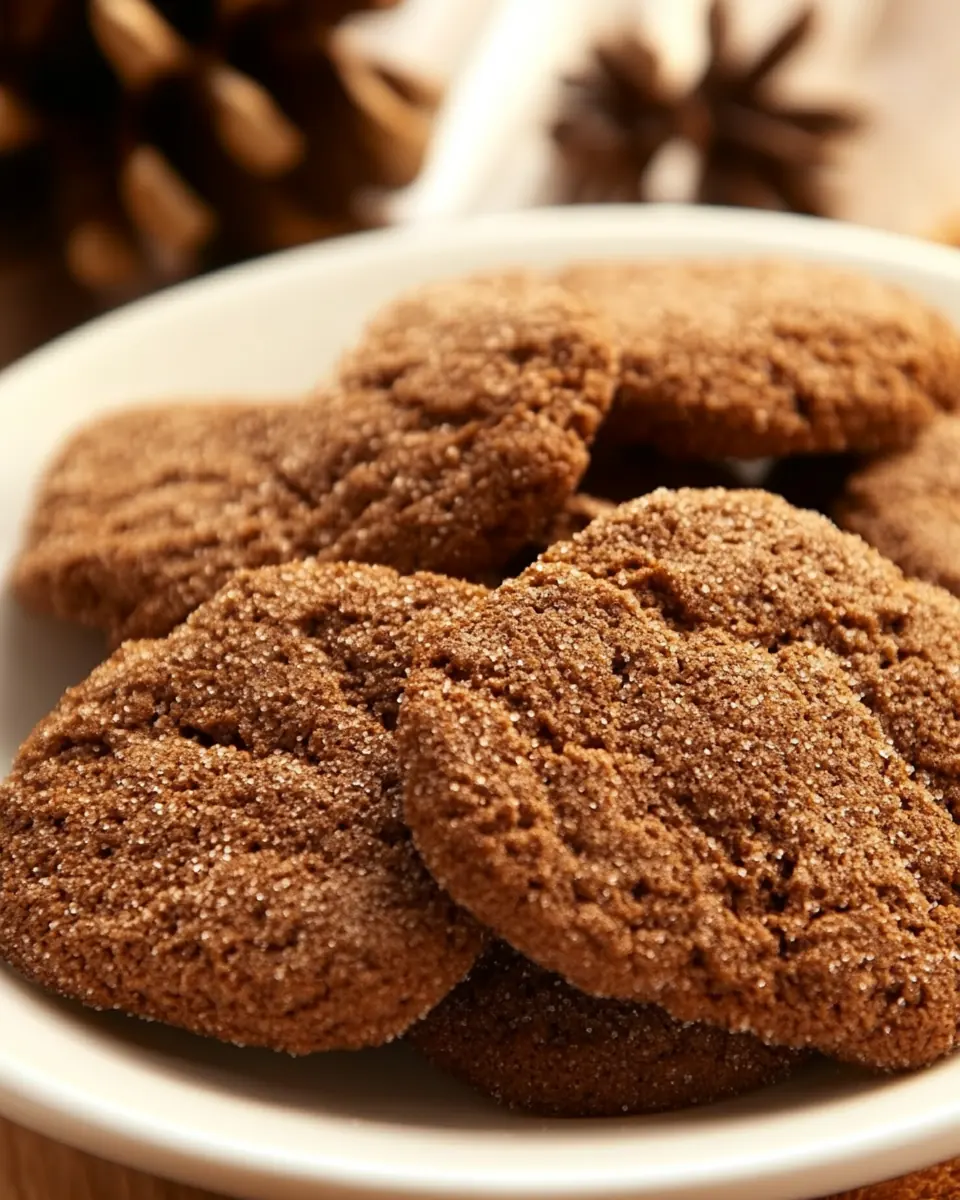
These directions walk you through each stage with the kind of sensory cues I rely on when baking. Read them through once so you know how the dough should feel and what you ll watch for in the oven.
- Cream together oil and sucanat. Add egg or replacer and molasses then mix in spices, soda and salt. Add flour last mix well if needed you may add up to 1/2 cup more flour to get a good dough consistency.: You should feel the mixture become homogenous and slightly glossy, with the coconut oil fully incorporated into the sucanat . This step develops texture and ensures even sweetness. It will smell faintly sweet and coconutty, and the grain of the sugar should soften against the oil. If you skip thorough mixing, pockets of sugar can remain, creating uneven texture in the baked cookies. A common error is using oil that is too hot, which can melt the sugar instead of creaming it, so let the oil cool a bit before starting.
- Roll into walnut-sized balls. May roll in raw sugar if you want. Place on cookie sheet press down gently with hand to flatten. Alternately, flatten all of the dough together with a rolling pin on wax paper and use cookie cutters to make shapes such as stars.: At this point, the aroma shifts as the robust blackstrap molasses and spices mingle, releasing warm, molasses heavy scents. Stir until everything looks uniform and the liquid is fully worked in, creating a darker, glossy batter. The spices should be evenly dispersed, so each bite has a consistent flavor. If you notice streaks of molasses, continue mixing gently; an uneven blend will cause flavor pockets. Avoid overbeating, which can make the dough dense and tough.
- Bake at 350 degrees for 8-10 minutes longer if you like crunchy ginger snaps. Let cool for 3-5 minutes before removing from pan to cooling rack.: When the whole wheat flour goes in, the mixture will thicken and become dough like, with a slightly tacky feel that holds together. You want a pliable dough that is not overly sticky, so add extra flour in tablespoon increments only if needed. The scent will deepen into a toasty wheat aroma, and the dough should pull away from the bowl sides when ready. A common pitfall is dumping in too much extra flour at once, which can dry the dough and yield crumbly cookies — add slowly and test by hand.
- Roll into walnut sized balls: Rolling releases a faint warmth from your hands into the dough and smooths surfaces so cookies bake evenly. If you choose to roll in raw sugar, you ll get a sparkling exterior and a pleasant crunch. Place them on a cookie sheet with space to spread; they should be evenly sized for uniform baking. If they flatten unevenly in the oven, it usually means the dough was too warm or the balls were inconsistent in size. Chill briefly if dough feels too soft before rolling to maintain shape.
- Place on cookie sheet press down gently with hand to flatten: Pressing creates a uniform thickness so cookies bake at the same rate, yielding edges that caramelize and centers that stay tender. You should feel slight resistance as you press, and the surface will show gentle cracks that bloom into that classic cookie look. If you press too hard, the cookies can become too thin and crisp; too light and they ll remain overly domed. Aim for even pressure and check a test cookie early to adjust technique.
- Alternately flatten all of the dough together with a rolling pin on wax paper and use cookie cutters to make shapes such as stars: Rolling the dough between sheets keeps it from sticking and gives clean edges for cutters. Look for a consistent thickness across the sheet, and you ll hear a soft, flour dusted scrape as the pin moves. When cutting shapes, press straight down and lift carefully to avoid distortions. A frequent mistake is trying to reroll scraps too many times, which can make later cookies tougher; try to limit re rolling to preserve tenderness.
- Bake at 350 degrees for 8 to 10 minutes longer if you like crunchy ginger snaps: The oven will transform the dough, releasing a warm, spiced perfume. Watch for edges to set and the tops to develop small cracks, which signal doneness. For chewier cookies aim for the shorter time, and for crispier cookies extend toward the longer time while checking often. An oven that runs hot can burn edges quickly, so rotate pans if your oven has hot spots and consider using an oven thermometer for accuracy.
- Let cool for 3 to 5 minutes before removing from pan to cooling rack: Allowing the cookies to rest lets them finish setting and reduces the risk of breaking when transferring. You ll notice the cookies firm up slightly and become easier to lift, while the aroma continues to deepen. If you try to move them too soon, they may tear or deform. Use a thin spatula and work gently for best results.
Make It Your Own
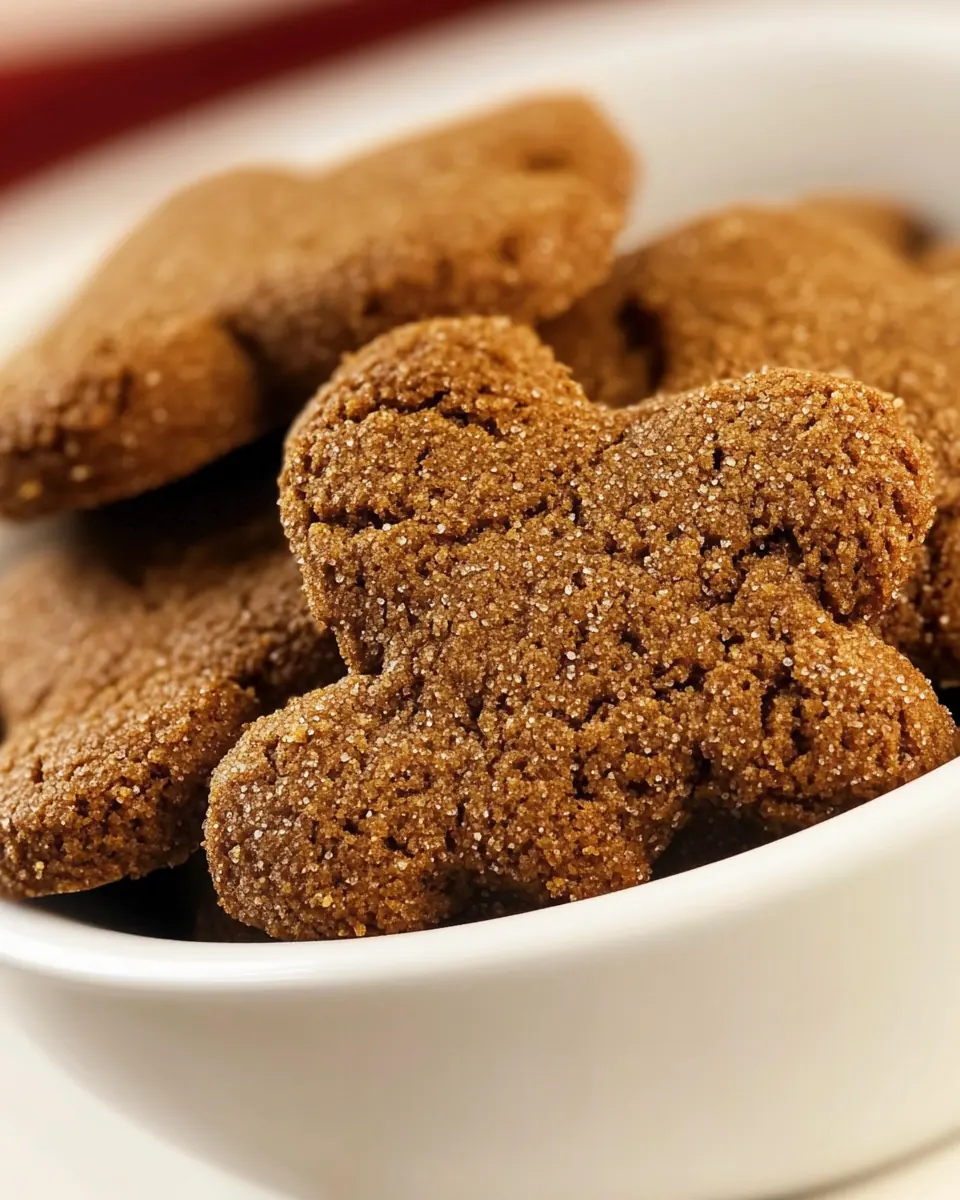
These tips will help you tailor the cookies to your texture and presentation preferences. Pick a few to match how you like your cookies, whether chewy, crisp, or decorated for holiday gifting.
- Adjust chewiness gently by shortening the bake time by a minute if you prefer a softer center, which preserves moisture and gives a tender bite.
- Make them crisp by adding up to two extra minutes in the oven, focusing on the edges, to deepen browning and create a satisfying snap.
- Roll in raw sugar before baking to add a sparkling, crunchy coating that contrasts nicely with the soft interior.
- Chill for cleaner shapes when using cookie cutters, as cold dough cuts more cleanly and keeps designs sharp.
- Store properly in an airtight container with a slice of bread to keep cookies soft for several days, replacing the bread as it dries out.
How to Serve Gingerbread Cookies
Serving these cookies can be casual or festive depending on the occasion. They pair well with warm beverages and make lovely gifts when packaged thoughtfully.
- Casual snack arrange cookies on a simple plate alongside tea or coffee for an everyday treat.
- Holiday platter combine with other spiced cookies on a decorative board for gatherings or as a centerpiece snack during celebrations.
- Gift packing layer cookies in a tin with parchment for presents, adding a ribbon for a personal touch that holds up well in transit.
- Serving for kids let little helpers top cookies with a light dusting of sugar or simple icing for a fun activity and sweet presentation.
- Storage keep baked cookies in an airtight container at room temperature for up to a week, or freeze baked cookies for longer keeping.
FAQ
Conclusion
These Gingerbread Cookies stand out because they combine wholesome ingredients with that unmistakable spiced molasses flavor. Give them a try for a cozy afternoon bake or a festive batch to share, and you ll likely find they become part of your seasonal routine. They re forgiving, adaptable, and wonderfully aromatic, so I hope you enjoy making them and sharing the warmth they bring.
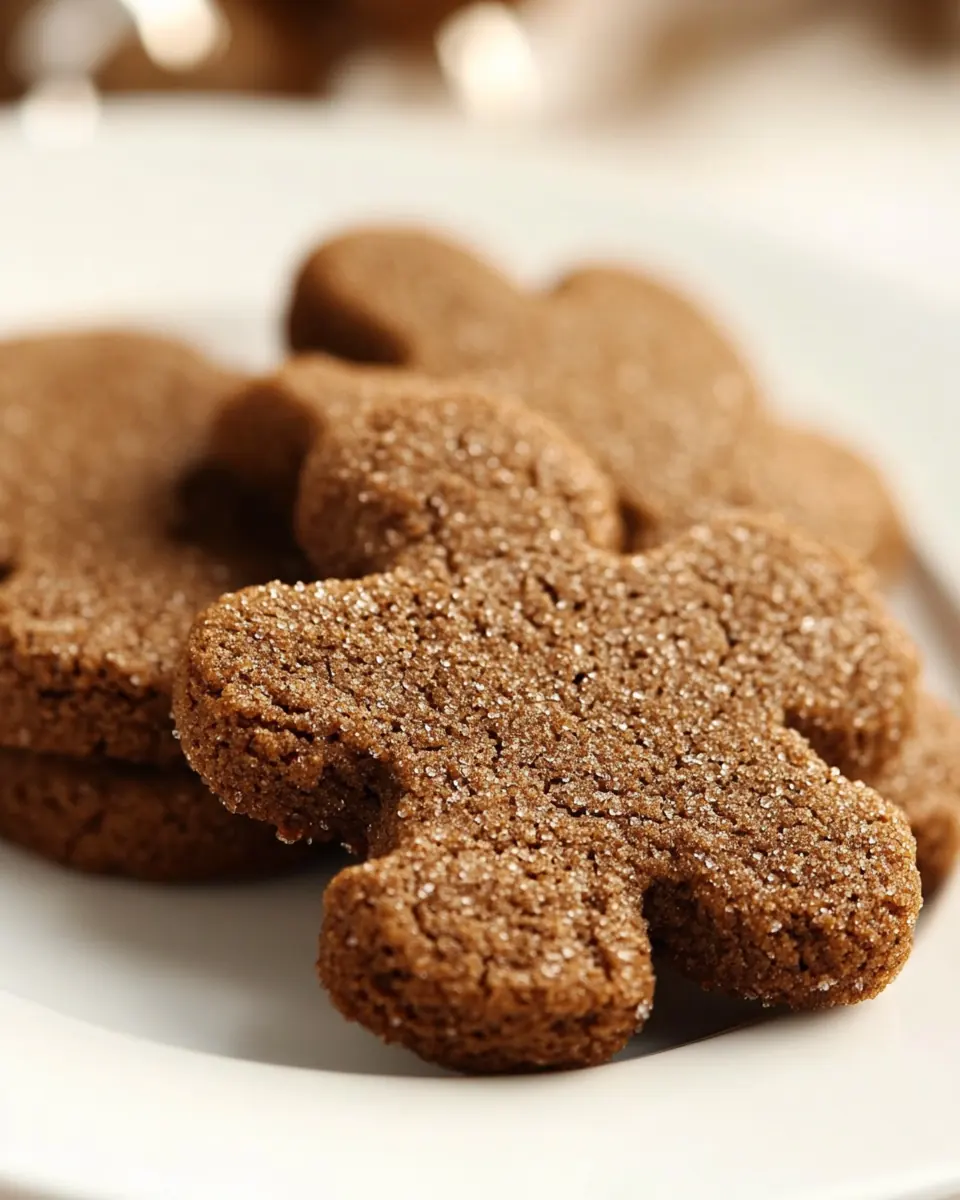
Gingerbread Cookies
Ingredients
Equipment
Method
- Cream together oil and sucanat. Add egg or replacer and molasses then mix in spices, soda and salt. Add flour last mix well if needed you may add up to 1/2 cup more flour to get a good dough consistency.: You should feel the mixture become homogenous and slightly glossy, with the coconut oil fully incorporated into the sucanat . This step develops texture and ensures even sweetness. It will smell faintly sweet and coconutty, and the grain of the sugar should soften against the oil. If you skip thorough mixing, pockets of sugar can remain, creating uneven texture in the baked cookies. A common error is using oil that is too hot, which can melt the sugar instead of creaming it, so let the oil cool a bit before starting.
- Roll into walnut-sized balls. May roll in raw sugar if you want. Place on cookie sheet press down gently with hand to flatten. Alternately, flatten all of the dough together with a rolling pin on wax paper and use cookie cutters to make shapes such as stars.: At this point, the aroma shifts as the robust blackstrap molasses and spices mingle, releasing warm, molasses heavy scents. Stir until everything looks uniform and the liquid is fully worked in, creating a darker, glossy batter. The spices should be evenly dispersed, so each bite has a consistent flavor. If you notice streaks of molasses, continue mixing gently; an uneven blend will cause flavor pockets. Avoid overbeating, which can make the dough dense and tough.
- Bake at 350 degrees for 8-10 minutes longer if you like crunchy ginger snaps. Let cool for 3-5 minutes before removing from pan to cooling rack.: When the whole wheat flour goes in, the mixture will thicken and become dough like, with a slightly tacky feel that holds together. You want a pliable dough that is not overly sticky, so add extra flour in tablespoon increments only if needed. The scent will deepen into a toasty wheat aroma, and the dough should pull away from the bowl sides when ready. A common pitfall is dumping in too much extra flour at once, which can dry the dough and yield crumbly cookies — add slowly and test by hand.
- Roll into walnut sized balls: Rolling releases a faint warmth from your hands into the dough and smooths surfaces so cookies bake evenly. If you choose to roll in raw sugar, you ll get a sparkling exterior and a pleasant crunch. Place them on a cookie sheet with space to spread; they should be evenly sized for uniform baking. If they flatten unevenly in the oven, it usually means the dough was too warm or the balls were inconsistent in size. Chill briefly if dough feels too soft before rolling to maintain shape.
- Place on cookie sheet press down gently with hand to flatten: Pressing creates a uniform thickness so cookies bake at the same rate, yielding edges that caramelize and centers that stay tender. You should feel slight resistance as you press, and the surface will show gentle cracks that bloom into that classic cookie look. If you press too hard, the cookies can become too thin and crisp; too light and they ll remain overly domed. Aim for even pressure and check a test cookie early to adjust technique.
- Alternately flatten all of the dough together with a rolling pin on wax paper and use cookie cutters to make shapes such as stars: Rolling the dough between sheets keeps it from sticking and gives clean edges for cutters. Look for a consistent thickness across the sheet, and you ll hear a soft, flour dusted scrape as the pin moves. When cutting shapes, press straight down and lift carefully to avoid distortions. A frequent mistake is trying to reroll scraps too many times, which can make later cookies tougher; try to limit re rolling to preserve tenderness.
- Bake at 350 degrees for 8 to 10 minutes longer if you like crunchy ginger snaps: The oven will transform the dough, releasing a warm, spiced perfume. Watch for edges to set and the tops to develop small cracks, which signal doneness. For chewier cookies aim for the shorter time, and for crispier cookies extend toward the longer time while checking often. An oven that runs hot can burn edges quickly, so rotate pans if your oven has hot spots and consider using an oven thermometer for accuracy.
- Let cool for 3 to 5 minutes before removing from pan to cooling rack: Allowing the cookies to rest lets them finish setting and reduces the risk of breaking when transferring. You ll notice the cookies firm up slightly and become easier to lift, while the aroma continues to deepen. If you try to move them too soon, they may tear or deform. Use a thin spatula and work gently for best results.
Notes
- Adjust chewiness gently by shortening the bake time by a minute if you prefer a softer center, which preserves moisture and gives a tender bite.
- Make them crisp by adding up to two extra minutes in the oven, focusing on the edges, to deepen browning and create a satisfying snap.
- Roll in raw sugar before baking to add a sparkling, crunchy coating that contrasts nicely with the soft interior.
- Chill for cleaner shapes when using cookie cutters, as cold dough cuts more cleanly and keeps designs sharp.
- Store properly in an airtight container with a slice of bread to keep cookies soft for several days, replacing the bread as it dries out.