Butter Pecan Pie
Butter Pecan Pie has been my go to dessert when I want something comforting yet show stopping, and the first time I served it everyone asked for the recipe before they left. I remember the afternoon I learned to toast pecans properly, the whole kitchen filling with a warm, nutty perfume while I nervously watched the skillet, thinking I could ruin the moment with a single scorched nut. That nervousness turned into delight the moment I poured the glossy filling over the toasted nuts and the crust crimped up like a golden crown.
Over the years I have turned this into my signature for family gatherings, swapping store bought conveniences for thoughtful little touches that make a big difference. I love the ritual of scraping a vanilla bean, the patience of letting the pie set so the center firms up just enough, and the comfort of a slice served with a cloud of whipped cream. When I bring out Butter Pecan Pie everyone leans in, and that shared silence as forks find the filling is one of my favorite parts of hosting.
Recipe Snapshot
1 hr 25 mins
30 mins
55 mins
Medium
350 kcal
American
Gluten-Free, Low FODMAP
Desserts
Skillet, Mixing bowl, Whisk, Slotted spoon, Baking sheet, Oven
Why You Need This Butter Pecan Pie
Deep, toasted nut flavor
I adore how the toasting step turns plain pecans into something aromatic and rich, bringing forward oils that make the filling sing. When I toast them in butter you get a warm brown sugar like aroma that feels almost caramelized, and that scent alone sells the first slice. This is not just aroma, it gives layers of texture and a satisfying bite that contrasts with the custardy center.
Buttery, glossy filling that holds together
The combination of corn syrup, brown sugar, and beaten eggs creates a silky, glossy filling that sets firmly without becoming rubbery. I love that the filling is forgiving, it still jiggles a touch when done, which tells me the texture will be luscious rather than dry. I believe this balance is why guests keep coming back for seconds.
Easy to personalize and plan ahead
You can absolutely make parts of this ahead of time, and I often prepare a frozen pie crust or toast the pecans a day early. That planning makes serving to a crowd effortless, and the end result feels homemade but not frantic. For holidays I value recipes that allow me to be present with guests rather than stuck at the oven, and this one fits the bill.
Classic, familiar crowd pleaser
I reach for Butter Pecan Pie when I want something nostalgic and reliably loved, especially during autumn gatherings. It hits the comforting notes of caramel and nuts that many people associate with seasonal treats, and it pairs beautifully with simple accompaniments like whipped cream or ice cream. I find it bridges generations, pleasing both those who grew up on old fashioned pies and those discovering them anew.
Minimal fuss, maximum reward
From my point of view this pie rewards simple technique more than complicated components, so a little care in toasting and timing yields a spectacular result. It is forgiving if you keep an eye on the oven and allow adequate cooling, and that makes it approachable for cooks of all skill levels. I always tell friends that respect for the small steps is what gives this pie its charm.
Ingredients to Make Butter Pecan Pie
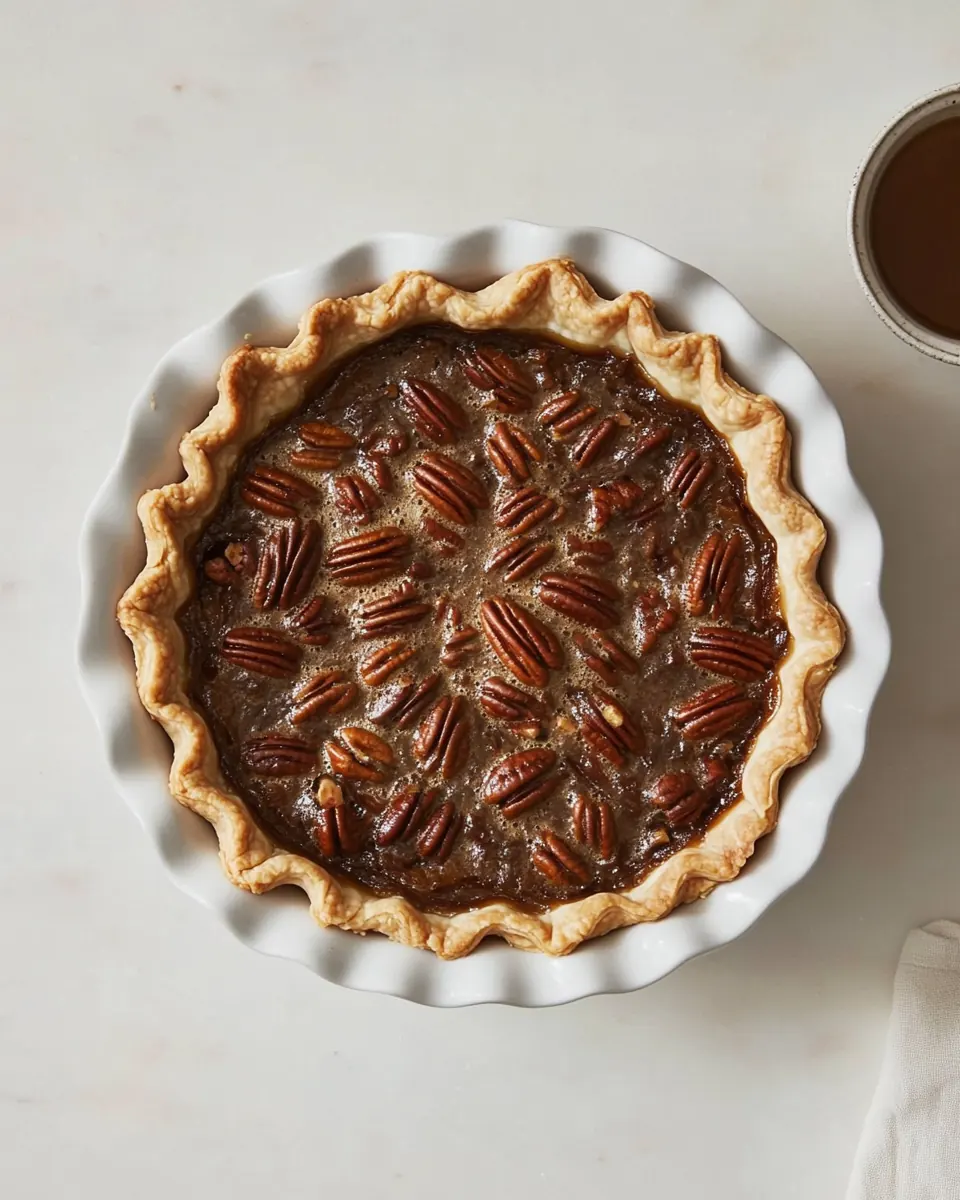
These ingredients come together in a straightforward, classical way, each one playing a specific role. The single pie crust forms the crisp, flaky base, while toasted pecans provide texture and deep nutty flavor. The sweetener and egg mixture creates the custardy, glossy filling that binds everything, and a little salt brightens the overall profile. Every component is necessary to achieve that perfect balance of crunch and silky sweetness.
- 1 single pie crust, homemade or store-bought: Line and chill the pie crust to form the base and flaky container for the filling; blind-bake if recipe requires to prevent sogginess. Provide structure and crisp edges that contrast the gooey pecan filling and hold slices neatly.
- 6 tablespoons unsalted butter, melted: Melt and enrich the filling with a nutty, silky fat that helps create a glossy, cohesive filling; pour evenly into the sugar and egg mixture. Contribute richness and flavor while aiding in the setting of the custard-like texture during baking.
- 3 cups pecans, (wholes and halves): Toast and scatter the pecans throughout the filling to supply crunch, warm flavor, and visual appeal; chop or leave halves depending on desired texture. Deliver signature buttery, toasted notes and textural contrast that define a classic butter pecan pie.
- 1 vanilla bean, scraped: Scrape and infuse the filling with deep floral and sweet vanilla seeds for concentrated aroma; mix seeds into liquid sugars to distribute flavor evenly. Provide fragrant complexity and complementary sweetness that elevates the overall flavor profile of the pie.
- 3/4 cups corn syrup: Sweeten and bind the filling with a viscous sugar syrup that creates a caramel-like texture as it bakes; combine with butter and eggs to form a cohesive custard. Add chewiness and a glossy sheen while helping the filling set with a tender, tender bite.
- 3 large eggs: Whisk and thicken the filling by providing structure and stability through coagulation of proteins during baking; beat gently before combining with sugars. Ensure a custardy, sliceable texture while helping the pie set without becoming rubbery when cooked properly.
- 1 cup light or dark brown sugar: Sweeten and deepen the caramel flavor of the filling with molasses-rich brown sugar; dissolve fully into the syrup and eggs for consistent sweetness. Add moisture, color, and a subtle toffee-like complexity that balances the nuts and vanilla.
- 1/2 teaspoon kosher salt: Season and balance the overall flavor by cutting through sweetness and enhancing other tastes; sprinkle into the filling mixture to taste. Help round out the richness and intensify the perceived flavors while preventing the pie from tasting cloying.
- 1 large egg, beaten, for egg wash: Brush and glaze the crust to promote even browning and a glossy finish; apply beaten egg before baking for an attractive golden sheen. Form a thin protective layer that helps prevent soggy edges and gives the pie a bakery-quality appearance.
Step by Step Guide for Butter Pecan Pie
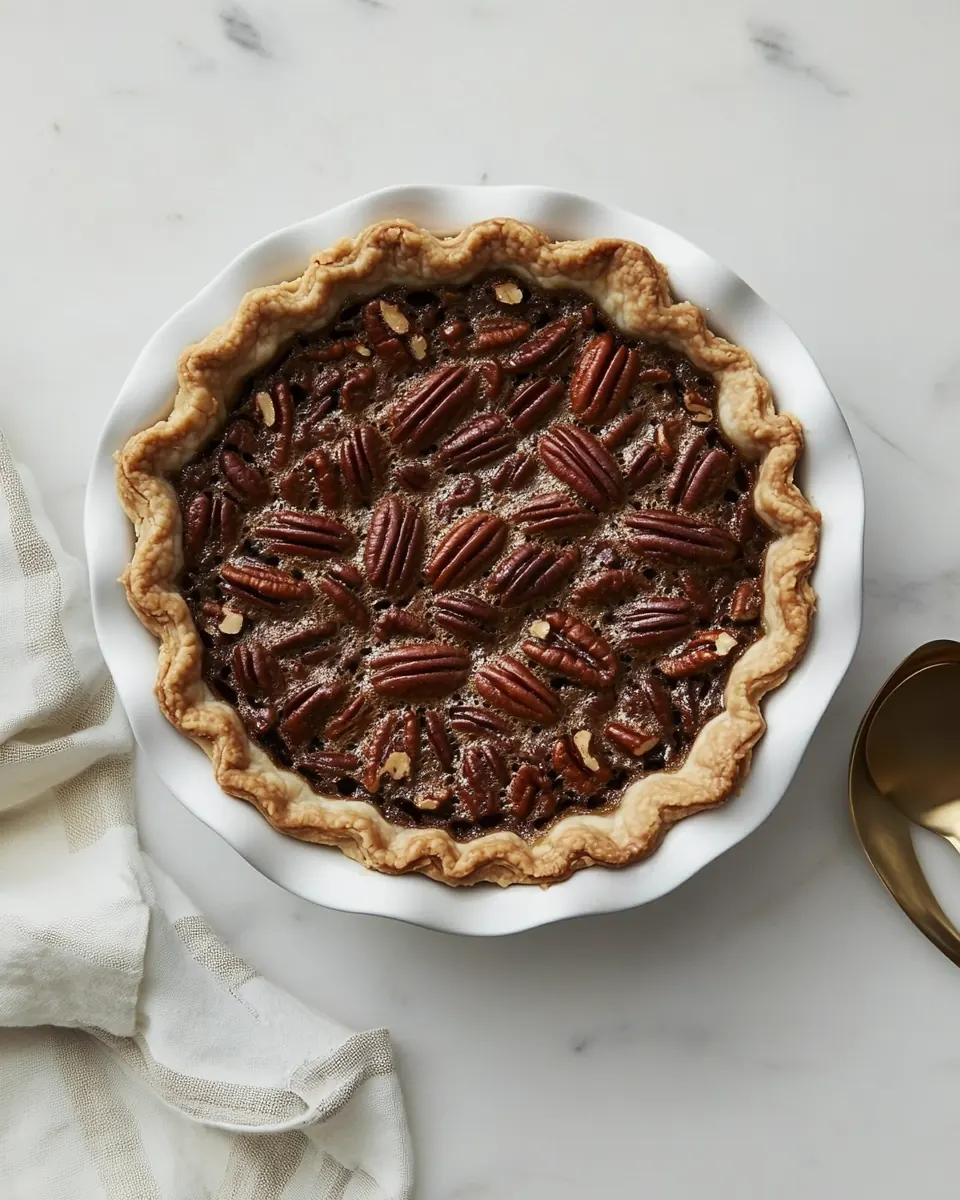
This pie is approachable if you walk through the steps slowly and pay attention to sensory cues. Below I break down each action so you know what to look for, smell for, and how to recover if things go sideways. Keep tools close and be patient during cooling for the best texture.
- Roll out your pie crust, crimp the edges and transfer to the freezer to chill.: Warm pastry is often sticky and difficult to shape, so you'll notice the dough firms as it chills, and the surface becomes matte rather than glossy, which is a good visual cue. The cold crust keeps its shape in the oven and prevents the edges from slumping; when you crimp, listen for a slight tackiness rather than sogginess, which indicates proper hydration. Common mistake to avoid is overworking the dough, which makes it tough rather than tender, so rest briefly if it feels elastic and resisting your roll.
- In a large skillet, set over medium heat, add the butter and melt. When the butter has melted, add the vanilla bean seeds and pods, along with the pecans; toss until combined. And then toast until fragrant, about 5 to 7 minutes, tossing them every minute or so to ensure even browning and toasting.: Right away you'll smell a warm dairy note as the butter liquefies and begins to foam slightly, that tiny sizzle signals the pan is hot enough. Melt until the foaming subsides and the butter turns a light golden hue; this prevents burning the butter solids when you add the vanilla and pecans . A common mistake is heating too high, which will quickly brown and scorch the butter , leaving a bitter taste, so keep the heat moderate and stir gently.
- Meanwhile, in a bowl whisk together the corn syrup, eggs, brown sugar and salt.: As you stir the scraped vanilla bean into the melted butter the kitchen fills with a heady perfume, and coating the pecans in fat helps them toast evenly and gain a glossy sheen. Keep moving them in the pan so they brown uniformly, use a wooden spoon to scrape up any vanilla flecks that cling to the pan, and aim for an even, warm brown color. Avoid overcrowding the skillet, which can steam rather than toast the nuts, yielding a muted flavor.
- Allow the pecans to cool for about 10 minutes. We’re doing this so they won’t be hot when we add them to the pie crust. When the pecans have cooled, remove them, using a slotted spoon and place them in the chilled pie crust shell. There will be some leftover melted butter. Pour that leftover melted butter into the bowl with the egg mixture and whisk it until smooth and combined.: You will first hear a gentle crackle as the nuts release oils, then the scent will deepen to a rich, toasty note; visually they should deepen in color but not blacken. The transformation is subtle so use both smell and sight, and remove them promptly when they hit a golden brown to avoid bitterness. A typical pitfall is leaving them unattended, which can cause localized burning, so keep a steady rhythm of tossing every minute.
- Pour the egg mixture over the pecans. Brush the edges of the pie crust with egg wash and place on a baking sheet. This pie has a tendency to overflow with a bit of butter so I always place it on a lined baking sheet to avoid a mess in my oven.: As you whisk, the mixture will become glossy and homogenous, with the sugar beginning to dissolve into the syrup creating a slightly thickened texture; you should not see dry granules. This step matters because a smooth emulsion ensures the filling bakes evenly and sets uniformly, delivering a custard that slices cleanly. Avoid underwhisking which can leave pockets of sugar that affect texture, so whisk until silky and cohesive.
- Preheat the oven to 350 degrees F. Transfer to the oven to bake for 50 to 55 minutes, until the edges of the pie crust are golden brown and the center is mostly set. It will jiggle and that is ok!: Cooling brings the pecans to a temperature that will not melt the filling or over soften the crust when combined, and you will feel the pan cool as the oils settle back into the nuts. If you add them hot they can continue releasing heat and create a loose filling, so this pause is important for structure. A common mistake is skipping the wait, which often leads to a runnier filling and a compromised set.
- Allow to cool to room temperature and set for about 3 to 4 hours. Serve with whipped cream or ice cream for full butter pecan vibes.: The sensible pause also prevents trapped steam from making the crust soggy; when you drop the warm nuts into the chilled shell you'll see them nestle and maintain crisp outlines. The tactile cue is the nuts feeling warm rather than hot to touch, and visually they'll glisten without steam escaping. Avoid placing them while still steaming, which can create pockets of moisture beneath the nuts.
- When the pecans have cooled, remove them, using a slotted spoon and place them in the chilled pie crust shell: Using a slotted spoon leaves behind excess butter in the pan, preventing an overly greasy filling, and when you arrange the pecans you will hear a light clink as they settle into place, creating a pleasing mosaic. A key visual cue is an even layer of nuts without large gaps, helping the filling distribute uniformly. A common misstep is packing them too densely, which can inhibit even baking of the custard between the nuts.
- There will be some leftover melted butter: That residual butter is concentrated with vanilla and toasty flavor, so pour it into the bowl with the egg mixture rather than discarding it; you will see the liquid shimmer as it hits the bowl and emulsify into the custard base. This step enhances mouthfeel and ties the nut flavor into the filling, creating a cohesive flavor profile. Avoid leaving the butter behind in the pan, which wastes that toasty richness.
- Pour that leftover melted butter into the bowl with the egg mixture and whisk it until smooth and combined: As you whisk the warm butter into the cooler egg mixture it will temper the eggs slightly and create a velvety, homogeneous filling; the surface becomes glossy and slightly thicker. This technique helps incorporate fat uniformly and prevents curdling, producing a silky set. A mistake to avoid is adding very hot fat too quickly, which can scramble the eggs; add gradually while whisking to keep the texture smooth.
- Pour the egg mixture over the pecans: When the custard hits the nuts you may hear a soft settling sound and see the liquid seep into gaps among the pecans , coating them without washing them away; the contrast of glossy filling and textured nuts is pleasing to the eye. This step matters because even coating ensures consistent sweetness and texture in every bite. Avoid overpouring from too great a height which can splash and create uneven distribution.
- Brush the edges of the pie crust with egg wash and place on a baking sheet: The egg wash gives the crust a luminous, golden finish and brushing produces a uniform sheen; visually the edges should look wet and glistening before baking. Placing the pie on a lined baking sheet catches any overflow, keeping your oven clean when the filling bubbles. A common oversight is skipping the lined sheet, which leads to a messy oven and stubborn burned drips.
- Preheat the oven to 350 degrees F: You will notice the kitchen warming as the oven reaches temperature, and preheating ensures the pie starts baking immediately and the crust begins to set, creating that desirable crisp barrier between filling and crust. Accurate oven temperature helps the center set without overbaking the edges. Avoid putting an unpreheated pie in a cold oven, which can cause the filling to bubble irregularly and the crust to be underdone.
- Transfer to the oven to bake for 50 to 55 minutes, until the edges of the pie crust are golden brown and the center is mostly set: During baking you will hear a quiet set of small pops as the filling consolidates, and the aroma will become deeply caramel like; visually the edges should be a clear golden brown while the center retains a slight jiggle. That wobble ensures a creamy center rather than a dry one, and testing by a gentle nudge is a reliable cue. A common mistake is overbaking until completely firm, which yields a stiff, dry filling instead of smooth custard.
- It will jiggle and that is ok: Embrace the gentle movement, because residual heat will finish the set as it cools; the texture will transition from glossy and wobbly to sliceable and luscious as the pie rests. Cutting too early risks a loose, runny slice, so patience is rewarded. Avoid slicing while it is still actively bubbling or piping hot, which makes a mess and ruins presentation.
- Allow to cool to room temperature and set for about 3 to 4 hours: Cooling transforms the pie, and over hours the center firms and the flavors meld; you will notice the filling tightening gradually and the surface losing its initial shine. This rest period is crucial for clean slices and a fully developed texture, and I often leave it undisturbed on the counter covered lightly. A common error is rushing this rest, which yields sloppy slices and a less harmonious mouthfeel.
- Serve with whipped cream or ice cream for full butter pecan vibes: When plated, the contrast of the warm nutty crust and the cool topping elevates the experience, and the interplay of temperatures accentuates the pie's richness. I like a modest spoon of whipped cream to let the pie sing rather than mask it. Avoid heavy sauces that overpower the delicate toasty notes of the pecans and butter .
Tips and Variations
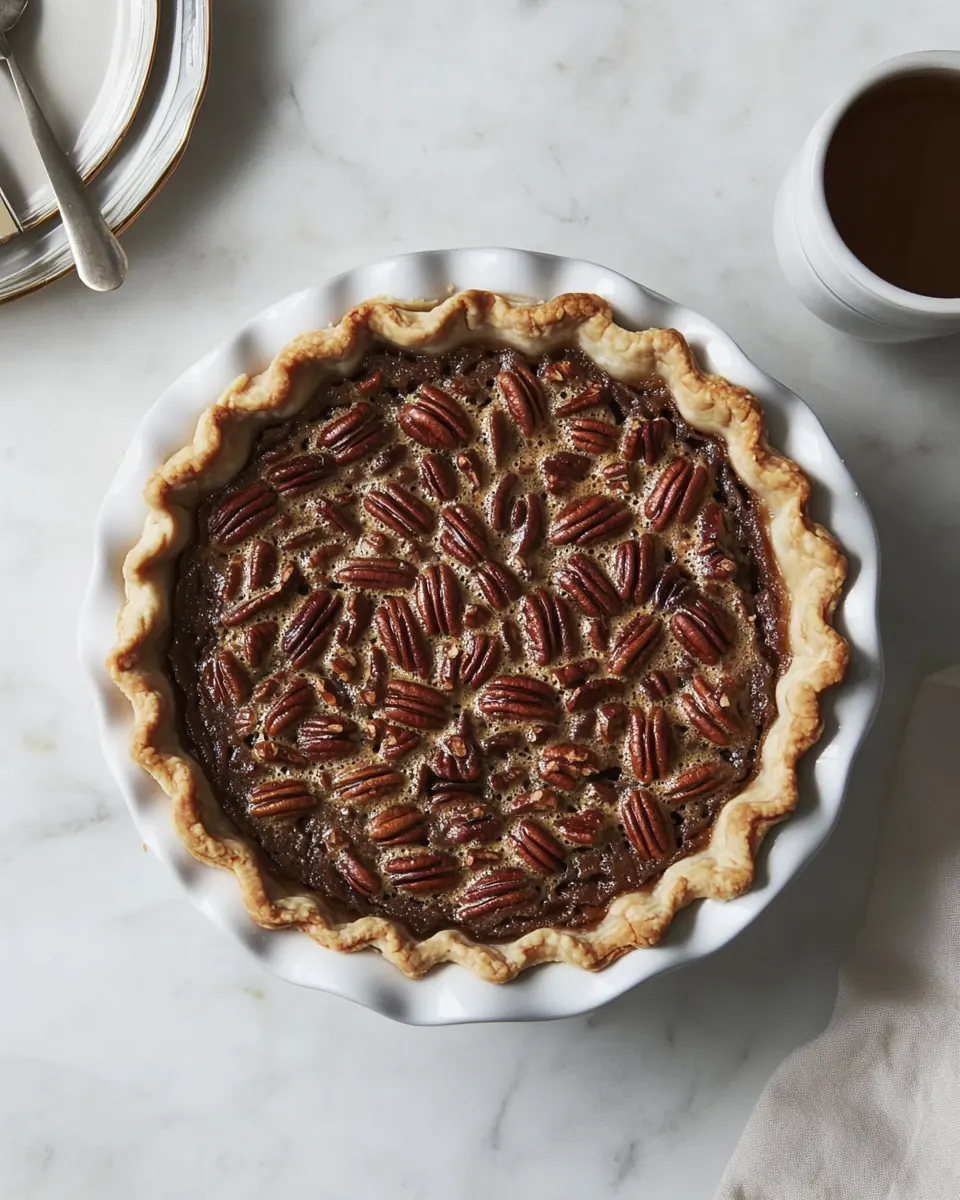
I like to think of these tips as small changes that yield big improvements, and they are based on years of making this pie for friends and family. Below are focused suggestions and variations to suit timing, texture preferences, and presentation.
- Make ahead: You can prepare the pecans and toast them a day or two ahead, storing them in an airtight container to save time on the day you bake.
- Crust options: Use a frozen single pie crust for convenience, or a homemade crust for a flakier, more tender base; both will produce excellent results if chilled before baking.
- Vanilla intensity: Scrape a full vanilla bean for the most aromatic profile, or omit the pod but keep the seeds for subtle sweetness.
- Prevent overflow: Bake the pie on a lined baking sheet to catch any drips from the filling, this prevents burned spills and simplifies cleanup.
- Serving temperature: Serve at room temperature after the 3 to 4 hour rest for the best texture, or slightly warm with a scoop of ice cream if you prefer a contrast of temperatures.
Accompaniments for Butter Pecan Pie
This pie pairs warmly with simple accents that highlight its nutty, buttery character. Think creamy, lightly sweet additions and seasonal drinks that complement rather than compete. Below I outline pairing ideas, occasions, and storage suggestions so you can present it beautifully and plan ahead.
- Classic topping: A dollop of lightly sweetened whipped cream adds airiness and a pleasing temperature contrast to each slice.
- Ice cream pairing: Vanilla ice cream provides a creamy, cooling counterpoint that plays nicely with the warm toasted notes of the pecans and butter.
- Holiday centerpiece: Serve this at Thanksgiving or fall gatherings as a comforting dessert that feels traditional yet special, and it pairs well with festive table settings.
- Storage tips: Cover the cooled pie lightly with a kitchen towel and keep at room temperature for up to two days, or refrigerate for longer storage; when refrigerated allow to come to room temperature before serving for the best texture.
- Seasonal pairings: In autumn serve with spiced coffee or warm cider, both of which echo the pie’s cozy nutty and caramel notes and make it feel more seasonal.
- Serving style: For a party, pre slice and place on a platter with small spoons of whipped cream so guests can serve themselves; for intimate dinners present on a warmed plate with a single scoop of ice cream.
FAQ
Conclusion
Butter Pecan Pie stands out because it balances toasted nut crunch with a glossy, custardy filling that feels both nostalgic and refined. Make it when you want a dessert that is comforting yet impressive, and allow those key resting and toasting moments to do the heavy lifting. Give the pie time to cool so the center firms and the flavors meld, and you will be rewarded with clean slices and layered flavors that guests will remember. I hope you give this recipe a try at your next gathering, and that it becomes a dessert you reach for when you want warm, crowd pleasing comfort.
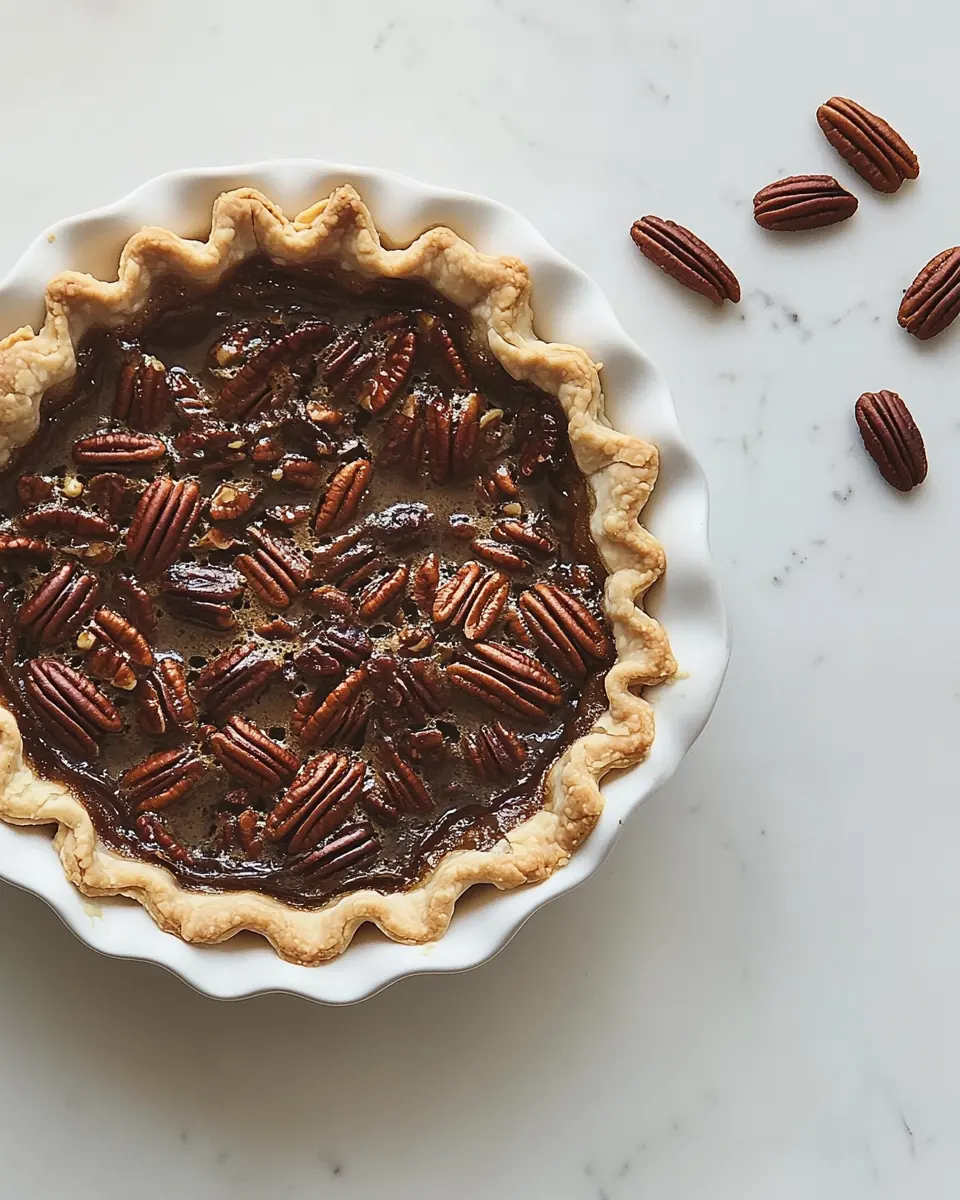
Butter Pecan Pie
Ingredients
Equipment
Method
- Roll out your pie crust, crimp the edges and transfer to the freezer to chill.: Warm pastry is often sticky and difficult to shape, so you'll notice the dough firms as it chills, and the surface becomes matte rather than glossy, which is a good visual cue. The cold crust keeps its shape in the oven and prevents the edges from slumping; when you crimp, listen for a slight tackiness rather than sogginess, which indicates proper hydration. Common mistake to avoid is overworking the dough, which makes it tough rather than tender, so rest briefly if it feels elastic and resisting your roll.
- In a large skillet, set over medium heat, add the butter and melt. When the butter has melted, add the vanilla bean seeds and pods, along with the pecans; toss until combined. And then toast until fragrant, about 5 to 7 minutes, tossing them every minute or so to ensure even browning and toasting.: Right away you'll smell a warm dairy note as the butter liquefies and begins to foam slightly, that tiny sizzle signals the pan is hot enough. Melt until the foaming subsides and the butter turns a light golden hue; this prevents burning the butter solids when you add the vanilla and pecans . A common mistake is heating too high, which will quickly brown and scorch the butter , leaving a bitter taste, so keep the heat moderate and stir gently.
- Meanwhile, in a bowl whisk together the corn syrup, eggs, brown sugar and salt.: As you stir the scraped vanilla bean into the melted butter the kitchen fills with a heady perfume, and coating the pecans in fat helps them toast evenly and gain a glossy sheen. Keep moving them in the pan so they brown uniformly, use a wooden spoon to scrape up any vanilla flecks that cling to the pan, and aim for an even, warm brown color. Avoid overcrowding the skillet, which can steam rather than toast the nuts, yielding a muted flavor.
- Allow the pecans to cool for about 10 minutes. We’re doing this so they won’t be hot when we add them to the pie crust. When the pecans have cooled, remove them, using a slotted spoon and place them in the chilled pie crust shell. There will be some leftover melted butter. Pour that leftover melted butter into the bowl with the egg mixture and whisk it until smooth and combined.: You will first hear a gentle crackle as the nuts release oils, then the scent will deepen to a rich, toasty note; visually they should deepen in color but not blacken. The transformation is subtle so use both smell and sight, and remove them promptly when they hit a golden brown to avoid bitterness. A typical pitfall is leaving them unattended, which can cause localized burning, so keep a steady rhythm of tossing every minute.
- Pour the egg mixture over the pecans. Brush the edges of the pie crust with egg wash and place on a baking sheet. This pie has a tendency to overflow with a bit of butter so I always place it on a lined baking sheet to avoid a mess in my oven.: As you whisk, the mixture will become glossy and homogenous, with the sugar beginning to dissolve into the syrup creating a slightly thickened texture; you should not see dry granules. This step matters because a smooth emulsion ensures the filling bakes evenly and sets uniformly, delivering a custard that slices cleanly. Avoid underwhisking which can leave pockets of sugar that affect texture, so whisk until silky and cohesive.
- Preheat the oven to 350 degrees F. Transfer to the oven to bake for 50 to 55 minutes, until the edges of the pie crust are golden brown and the center is mostly set. It will jiggle and that is ok!: Cooling brings the pecans to a temperature that will not melt the filling or over soften the crust when combined, and you will feel the pan cool as the oils settle back into the nuts. If you add them hot they can continue releasing heat and create a loose filling, so this pause is important for structure. A common mistake is skipping the wait, which often leads to a runnier filling and a compromised set.
- Allow to cool to room temperature and set for about 3 to 4 hours. Serve with whipped cream or ice cream for full butter pecan vibes.: The sensible pause also prevents trapped steam from making the crust soggy; when you drop the warm nuts into the chilled shell you'll see them nestle and maintain crisp outlines. The tactile cue is the nuts feeling warm rather than hot to touch, and visually they'll glisten without steam escaping. Avoid placing them while still steaming, which can create pockets of moisture beneath the nuts.
- When the pecans have cooled, remove them, using a slotted spoon and place them in the chilled pie crust shell: Using a slotted spoon leaves behind excess butter in the pan, preventing an overly greasy filling, and when you arrange the pecans you will hear a light clink as they settle into place, creating a pleasing mosaic. A key visual cue is an even layer of nuts without large gaps, helping the filling distribute uniformly. A common misstep is packing them too densely, which can inhibit even baking of the custard between the nuts.
- There will be some leftover melted butter: That residual butter is concentrated with vanilla and toasty flavor, so pour it into the bowl with the egg mixture rather than discarding it; you will see the liquid shimmer as it hits the bowl and emulsify into the custard base. This step enhances mouthfeel and ties the nut flavor into the filling, creating a cohesive flavor profile. Avoid leaving the butter behind in the pan, which wastes that toasty richness.
- Pour that leftover melted butter into the bowl with the egg mixture and whisk it until smooth and combined: As you whisk the warm butter into the cooler egg mixture it will temper the eggs slightly and create a velvety, homogeneous filling; the surface becomes glossy and slightly thicker. This technique helps incorporate fat uniformly and prevents curdling, producing a silky set. A mistake to avoid is adding very hot fat too quickly, which can scramble the eggs; add gradually while whisking to keep the texture smooth.
- Pour the egg mixture over the pecans: When the custard hits the nuts you may hear a soft settling sound and see the liquid seep into gaps among the pecans , coating them without washing them away; the contrast of glossy filling and textured nuts is pleasing to the eye. This step matters because even coating ensures consistent sweetness and texture in every bite. Avoid overpouring from too great a height which can splash and create uneven distribution.
- Brush the edges of the pie crust with egg wash and place on a baking sheet: The egg wash gives the crust a luminous, golden finish and brushing produces a uniform sheen; visually the edges should look wet and glistening before baking. Placing the pie on a lined baking sheet catches any overflow, keeping your oven clean when the filling bubbles. A common oversight is skipping the lined sheet, which leads to a messy oven and stubborn burned drips.
- Preheat the oven to 350 degrees F: You will notice the kitchen warming as the oven reaches temperature, and preheating ensures the pie starts baking immediately and the crust begins to set, creating that desirable crisp barrier between filling and crust. Accurate oven temperature helps the center set without overbaking the edges. Avoid putting an unpreheated pie in a cold oven, which can cause the filling to bubble irregularly and the crust to be underdone.
- Transfer to the oven to bake for 50 to 55 minutes, until the edges of the pie crust are golden brown and the center is mostly set: During baking you will hear a quiet set of small pops as the filling consolidates, and the aroma will become deeply caramel like; visually the edges should be a clear golden brown while the center retains a slight jiggle. That wobble ensures a creamy center rather than a dry one, and testing by a gentle nudge is a reliable cue. A common mistake is overbaking until completely firm, which yields a stiff, dry filling instead of smooth custard.
- It will jiggle and that is ok: Embrace the gentle movement, because residual heat will finish the set as it cools; the texture will transition from glossy and wobbly to sliceable and luscious as the pie rests. Cutting too early risks a loose, runny slice, so patience is rewarded. Avoid slicing while it is still actively bubbling or piping hot, which makes a mess and ruins presentation.
- Allow to cool to room temperature and set for about 3 to 4 hours: Cooling transforms the pie, and over hours the center firms and the flavors meld; you will notice the filling tightening gradually and the surface losing its initial shine. This rest period is crucial for clean slices and a fully developed texture, and I often leave it undisturbed on the counter covered lightly. A common error is rushing this rest, which yields sloppy slices and a less harmonious mouthfeel.
- Serve with whipped cream or ice cream for full butter pecan vibes: When plated, the contrast of the warm nutty crust and the cool topping elevates the experience, and the interplay of temperatures accentuates the pie's richness. I like a modest spoon of whipped cream to let the pie sing rather than mask it. Avoid heavy sauces that overpower the delicate toasty notes of the pecans and butter .
Notes
- Make ahead: You can prepare the pecans and toast them a day or two ahead, storing them in an airtight container to save time on the day you bake.
- Crust options: Use a frozen single pie crust for convenience, or a homemade crust for a flakier, more tender base; both will produce excellent results if chilled before baking.
- Vanilla intensity: Scrape a full vanilla bean for the most aromatic profile, or omit the pod but keep the seeds for subtle sweetness.
- Prevent overflow: Bake the pie on a lined baking sheet to catch any drips from the filling, this prevents burned spills and simplifies cleanup.
- Serving temperature: Serve at room temperature after the 3 to 4 hour rest for the best texture, or slightly warm with a scoop of ice cream if you prefer a contrast of temperatures.