Apple Sausage Stuffing Bites
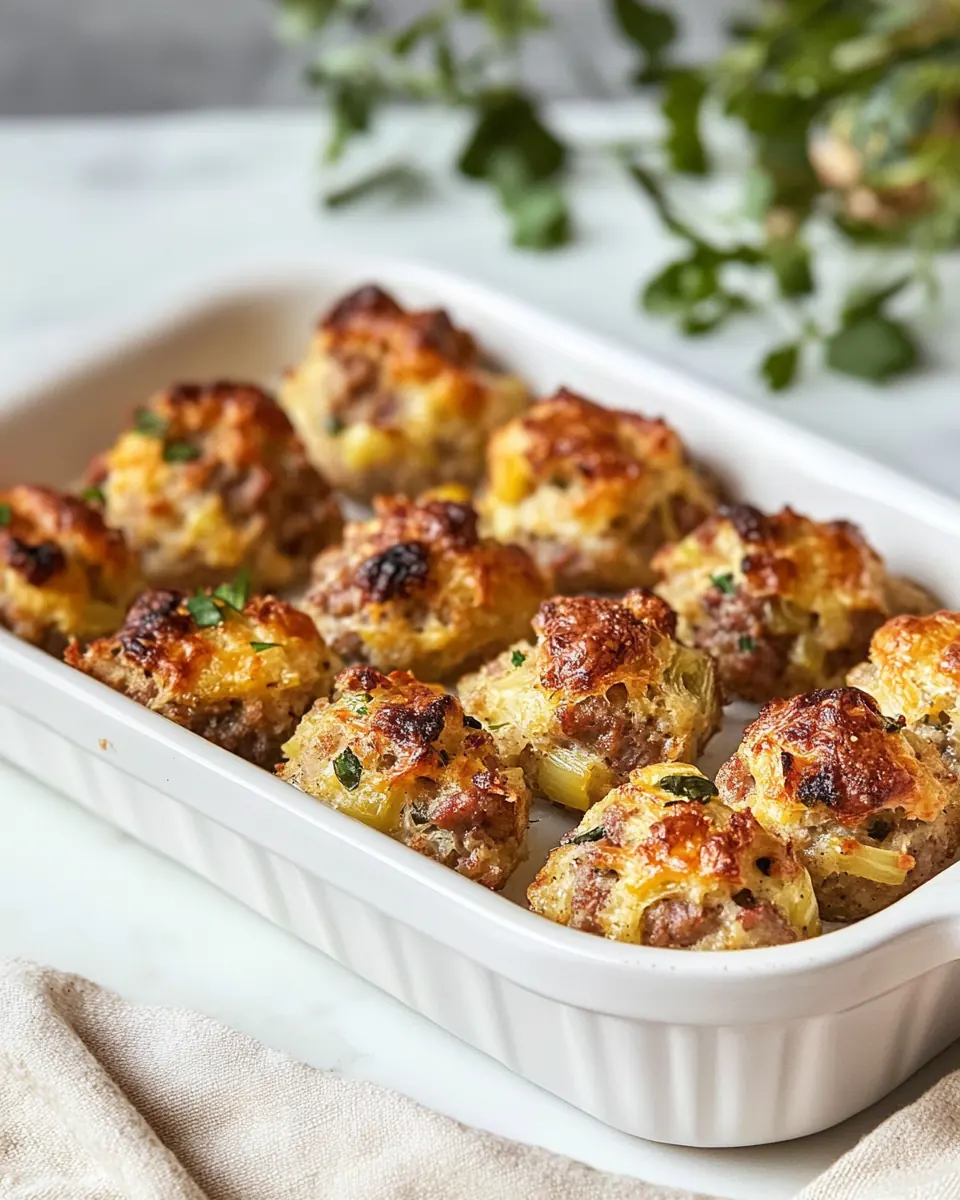
Apple Sausage Stuffing Bites have been a fall staple in my kitchen for years, the kind of recipe that makes the whole house smell like comfort and keeps guests sneaking back for more. I first made these on a blustery afternoon when I had extra baguette and a couple of sweet apple sausage links in the fridge, and the combination just clicked. The first bite, warm and slightly crisp at the edges, felt like the best part of a holiday table compressed into a single, joyful mouthful.
Every time I bring out a tray of these, someone asks how I managed to get the centers so tender while keeping the tops golden and slightly crisp. I tell them it is all about balancing moisture, temperature, and the little tricks of cooling the filling before adding the eggs. Over the years I’ve tweaked the sauté times for the onion, celery, and apple until their textures harmonize with the cubed baguette, and that playful sweetness from the sausage keeps each bite interesting.
What I love about these muffins is how flexible they are. I’ve made them for casual brunches, packed them for potlucks, and served them as a side on holiday buffets. They’re convenient to prep ahead, and they travel well. When friends ask for the recipe, I always describe my approach as intuitive and sensory driven, encouraging them to listen for sizzles and watch for color shifts more than obsessing over the clock. Still, there’s comfort in a dependable method, and that’s what I’ll share with you here, step by step, with the small chefly notes that turned a leftover rescue into a family favorite.
Recipe Snapshot
55 mins
10 mins
45 mins
Medium
150 kcal
American
Gluten-Free, Paleo
Appetizers
Oven, Sauté pan, Mixing bowl, Muffin tin
The Best Thing About This Apple Sausage Stuffing Bites
1. Comforting, familiar flavors
When I serve Apple Sausage Stuffing Bites, people immediately recognize and gravitate toward the classic stuffing notes, but in a fun, handheld form. The combo of soft baguette and warm sausage creates the nostalgic backbone you expect, while the apple adds that bright, sweet counterpoint. I love that this riff preserves the essence of traditional stuffing, but makes it more approachable for mingling and sharing.
2. Textural play that delights
I’m always chasing contrasts, and these bites deliver. The interior is pillowy and moist thanks to the beaten eggs and chicken stock, while the tops crisp up in the oven into a satisfying surface. The chopped apple and celery provide little pops of freshness, and the browned bits of sausage bring chew and savory depth. That layering of textures keeps people coming back for several more.
3. Make ahead friendly
One thing I consistently recommend is preparing the mixture a day in advance. I often mix everything, chill it overnight, and then bake just before guests arrive. That timing flexibility is a lifesaver, because it means you can focus on other dishes. I also find flavors knit together better when they rest, so a little patience rewards you with depth in every bite.
4. Crowd pleasing and portable
These muffins are perfect for holiday spreads because they’re easy to pass around and don’t require a fork. I’ve packed them for potlucks and brought them to tailgate tables; they travel and reheat well. I like serving them hot, but they’re also lovely at room temperature, which makes them practical for buffet settings and busy schedules.
5. Simple yet refined ingredient synergy
The ingredient list reads straightforward, but each element has a role. The baguette soaks up flavor without collapsing, the sausage lends sweet savory notes, and the thyme ties everything together aromatically. Because the components are familiar, this recipe is easy to scale or tweak gently, while still delivering a refined result that feels intentional and homey.
What Goes Into Apple Sausage Stuffing Bites

The philosophy behind these ingredients is straightforward, purposeful, and all about balance. I aim for a harmony of starch, savory, sweet, and aromatics. The cubed baguette forms the structure, the sausage and eggs bind and flavor, and the apple, onion, and celery offer brightness and texture. Each player complements the others without stealing the spotlight.
- 1/2 baguette, cut into 1/2 inch cubes (about 4 cups): Provide a crisp, chewy base for stuffing by contributing toasted texture and absorbency; cut into 1/2 inch cubes to allow even browning and uniform soaking of liquids. Encourage a mix of crusty exterior and tender interior when baked, helping the bites hold together without becoming mushy.
- 2 tablespoons unsalted butter: Add a rich, creamy flavor and help sauté aromatics by melting smoothly; use unsalted butter to control overall seasoning. Promote golden browning and a silky mouthfeel that enriches the stuffing mixture.
- 1 tablespoon oil: Provide a neutral, high-heat fat to prevent sticking and aid in browning during sautéing; combine with butter to raise the smoke point. Help quickly cook sausage and vegetables while imparting subtle savory notes without overpowering other flavors.
- 2 sweet apple sausage links, chopped (about 1 cup): Contribute savory, seasoned meatiness and a slightly sweet apple flavor that complements the fruit; chop into bite-sized pieces to distribute through the stuffing. Release flavorful fat during cooking that enhances overall depth and creates appealing texture contrast.
- 1 medium apple, chopped (gala, fuji, or golden delicious): Bring fresh sweetness, slight acidity, and juicy bite that contrasts with savory sausage; chop to similar size as sausage for balanced texture. Add natural moisture and fruity aroma that brightens the rich components of the stuffing.
- 1 small yellow onion, diced (about 1 cup): Introduce a mild, sweet onion flavor and soft texture when sautéed; dice finely to meld with other ingredients and release savory sweetness. Provide aromatic complexity that forms the flavor base alongside celery and thyme.
- 2 stalks celery, diced (about 3/4 cup): Offer a crisp, slightly bitter vegetal note and aromatic base when diced; contribute moisture and structural texture. Complement the onion and thyme while enhancing overall complexity and mouthfeel of the stuffing.
- 1 teaspoon minced fresh thyme: Impart herbaceous, citrusy aroma and subtle savory depth when minced fresh; use to lift and balance the richness of butter and sausage. Add a bright, fragrant layer that ties the ingredients together without overpowering them.
- 1/2 teaspoon kosher salt: Season the mixture to enhance and balance flavors; use kosher salt for clean, even seasoning that dissolves well into the stuffing. Help draw out moisture from vegetables and promote proper flavor development throughout the dish.
- 1 cup low sodium chicken stock: Provide savory moisture and a gentle chicken flavor that binds ingredients while adding juiciness; use low sodium stock to better control overall saltiness. Ensure the bread cubes absorb liquid to create a cohesive, moist stuffing texture without being soggy.
- 2 large eggs, beaten: Act as a binder to help hold the stuffing bites together and add richness; beat thoroughly before mixing to ensure even distribution. Contribute a tender, custard-like interior once baked, improving structure and mouthfeel.
Step by Step Guide for Apple Sausage Stuffing Bites

These instructions will walk you through every stage, with sensory cues and troubleshooting so you can achieve reliably tender centers and crisp tops. I explain why each action matters, and what to listen and look for as you go.
- Preheat oven to 300°F.: When you feel the warmth in the kitchen as the oven begins to hum, you are setting the stage for even toasting. This lower initial temperature helps gently remove moisture from the cubed baguette without browning it too quickly, which would make the interior tough later. A common mistake is preheating to a higher temperature and risking a crust that forms too fast, locking moisture inside.
- Toast the bread cubes for 8-10 minutes to dry them out. Alternatively, you can use day old bread that is already dried out.: As the baguette cubes toast, listen for a faint crackle and watch the edges just begin to pale gold, not deep brown. The reason we dry the bread is to give it the capacity to absorb chicken stock without turning soggy, creating that perfect tender but structured interior. Avoid leaving them in until they brown deeply, because that will produce a crunchier, drier texture in the final muffins.
- Increase oven temperature to 350°F.: Bumping up the heat ensures the final bake will set the muffins and brown the tops to that desirable golden hue. The hotter oven creates the gentle crust on top while finishing the interior evenly. If you forget to increase the oven temp, the baking time will extend and the texture may remain too soft or slightly wet in the center.
- Heat oil in a sauté pan. Add the sausage and cook for 4-5 minutes, stirring occasionally, or until slightly golden. Remove sausage to a large mixing bowl to cool.: As the sausage sizzles, smell the sweet spice and rendered fats, and watch the bits take on a light golden color. Browning builds flavor through Maillard reaction, elevating the savory backbone of the bites. Transfer the pieces to cool so residual pan heat does not overcook the eggs later. A frequent error is crowding the pan, which causes steaming instead of browning, leaving the sausage pale and less flavorful.
- In the same sauté pan, add the butter and sauté the onions for 3 minutes. Add the celery, apples, and thyme and sauté for an additional 5 minutes, until everything is heated through and the veggies are tender. Allow to cool a few minutes before continuing.: When you add the butter , it should melt and foam slightly, coating the pan. The onion will soften and become translucent, the celery will lose its raw edge while retaining slight bite, and the apple will warm and yield a fragrant sweetness. These aromas are your cue that flavors are marrying. Letting the mixture cool prevents premature cooking of the eggs . Rushing this step risks releasing too much moisture, which can make your stuffing dense.
- Place the bread cubes, cooled sautéed vegetables and remaining ingredients into the large mixing bowl with the sausage and toss to thoroughly combine. (It's important that your ingredients are cool to the touch before adding the eggs so that they don't scramble.): As you toss, feel the texture shift, ensuring baguette cubes are uniformly coated with bits of apple , onion , and rendered sausage fat. Add the chicken stock slowly and notice the bread soften without collapsing, then pour in the beaten eggs to create a homogeneous mixture. The why here is structure and moisture balance: eggs set in the oven and bind the components, while the stock adds succulence. A mistake is adding hot liquid or warm mix to eggs, leading to scrambled texture rather than a smooth custard-like binder.
- Spoon the stuffing mixture into greased muffin tins, filling all the way to the top. Pat the mixture down to pack it well.: When you fill the tins, press gently so each cavity is compact yet not overly compressed; you want space for air pockets that will yield a tender crumb. The tops should be level so they brown evenly. If you underpack, the muffins can crumble on removal. Overpacking makes them dense and heavy.
- Bake for 45 minutes or until the tops are just golden.: In the oven you will hear a soft settling and see the tops turn golden and fragrant, with edges crisping slightly. The internal aroma will shift from raw egg to savory baked bread and pastry notes. Baking until just golden ensures the interior is set but still moist. A common pitfall is underbaking, leaving a wet center, or overbaking, which dries them out. Use a toothpick in the center of one to test for a slightly moist but not wet crumb.
Tips for Success
Small adjustments can make or break these stuffing bites, so here are practical tips that I use every time. Each one is meant to help you control texture, flavor, and timing so you can relax a bit at the table.
- Use fully cooked sausage to avoid undercooked meat in the final muffins, since the total bake time is designed for setting the custard rather than cooking raw meat thoroughly.
- Dry the bread properly by toasting for 8 to 10 minutes or using day old bread, so the cubes absorb chicken stock without turning gummy.
- Cool ingredients before adding eggs to prevent the eggs from scrambling and to ensure a uniform, custardy texture inside each muffin.
- Dice ingredients uniformly so each bite has balanced texture, and so the apple, onion, and celery cook evenly during the sauté step.
- Pack the muffin tins firmly to help the bites hold together during baking and removal, but avoid over compression which yields a dense result.
- Rest the muffins after baking for about 10 minutes so they set and lift out cleanly, keeping their shape and avoiding crumbling.
What to Serve Alongside Apple Sausage Stuffing Bites
These little stuffing muffins are versatile and can be styled to suit many menus, from casual brunch to a formal holiday table. They pair especially well with simple, bright sides and are excellent for potlucks, Thanksgiving, or cozy family dinners.
- Roasted vegetables such as carrots and Brussels sprouts, which bring earthy sweetness and contrasting textures to the plate.
- Cranberry relish or a tart fruit sauce, offering a bright counterpoint to the savory sweet notes of the sausage and apple.
- Fresh green salad dressed lightly with vinaigrette to cut richness and add crispness to the meal.
- Warm gravy spooned lightly for those who enjoy a more traditional stuffing experience, keeping it optional for different palates.
- Occasion notes such as Thanksgiving, fall gatherings, and brunches, where handheld savory bites are particularly welcome.
- Storage tips include refrigerating in an airtight container for up to three days and reheating in a 350°F oven for 10 to 15 minutes to restore crisp edges.
FAQ
Conclusion
Apple Sausage Stuffing Bites are special because they condense the heartiness of classic stuffing into a portable, crowd pleasing bite. I encourage you to try them the next time you want something nostalgic with a portable twist, because they are forgiving, make ahead friendly, and full of layered textures. Serve them warm from the oven, let them rest briefly so they hold together, and watch how quickly they disappear at any gathering. These are the kind of small, satisfying recipes that become go to options for gatherings and weeknight comforts alike.

Apple Sausage Stuffing Bites
Ingredients
Equipment
Method
- Preheat oven to 300°F.: When you feel the warmth in the kitchen as the oven begins to hum, you are setting the stage for even toasting. This lower initial temperature helps gently remove moisture from the cubed baguette without browning it too quickly, which would make the interior tough later. A common mistake is preheating to a higher temperature and risking a crust that forms too fast, locking moisture inside.
- Toast the bread cubes for 8-10 minutes to dry them out. Alternatively, you can use day old bread that is already dried out.: As the baguette cubes toast, listen for a faint crackle and watch the edges just begin to pale gold, not deep brown. The reason we dry the bread is to give it the capacity to absorb chicken stock without turning soggy, creating that perfect tender but structured interior. Avoid leaving them in until they brown deeply, because that will produce a crunchier, drier texture in the final muffins.
- Increase oven temperature to 350°F.: Bumping up the heat ensures the final bake will set the muffins and brown the tops to that desirable golden hue. The hotter oven creates the gentle crust on top while finishing the interior evenly. If you forget to increase the oven temp, the baking time will extend and the texture may remain too soft or slightly wet in the center.
- Heat oil in a sauté pan. Add the sausage and cook for 4-5 minutes, stirring occasionally, or until slightly golden. Remove sausage to a large mixing bowl to cool.: As the sausage sizzles, smell the sweet spice and rendered fats, and watch the bits take on a light golden color. Browning builds flavor through Maillard reaction, elevating the savory backbone of the bites. Transfer the pieces to cool so residual pan heat does not overcook the eggs later. A frequent error is crowding the pan, which causes steaming instead of browning, leaving the sausage pale and less flavorful.
- In the same sauté pan, add the butter and sauté the onions for 3 minutes. Add the celery, apples, and thyme and sauté for an additional 5 minutes, until everything is heated through and the veggies are tender. Allow to cool a few minutes before continuing.: When you add the butter , it should melt and foam slightly, coating the pan. The onion will soften and become translucent, the celery will lose its raw edge while retaining slight bite, and the apple will warm and yield a fragrant sweetness. These aromas are your cue that flavors are marrying. Letting the mixture cool prevents premature cooking of the eggs . Rushing this step risks releasing too much moisture, which can make your stuffing dense.
- Place the bread cubes, cooled sautéed vegetables and remaining ingredients into the large mixing bowl with the sausage and toss to thoroughly combine. (It's important that your ingredients are cool to the touch before adding the eggs so that they don't scramble.): As you toss, feel the texture shift, ensuring baguette cubes are uniformly coated with bits of apple , onion , and rendered sausage fat. Add the chicken stock slowly and notice the bread soften without collapsing, then pour in the beaten eggs to create a homogeneous mixture. The why here is structure and moisture balance: eggs set in the oven and bind the components, while the stock adds succulence. A mistake is adding hot liquid or warm mix to eggs, leading to scrambled texture rather than a smooth custard-like binder.
- Spoon the stuffing mixture into greased muffin tins, filling all the way to the top. Pat the mixture down to pack it well.: When you fill the tins, press gently so each cavity is compact yet not overly compressed; you want space for air pockets that will yield a tender crumb. The tops should be level so they brown evenly. If you underpack, the muffins can crumble on removal. Overpacking makes them dense and heavy.
- Bake for 45 minutes or until the tops are just golden.: In the oven you will hear a soft settling and see the tops turn golden and fragrant, with edges crisping slightly. The internal aroma will shift from raw egg to savory baked bread and pastry notes. Baking until just golden ensures the interior is set but still moist. A common pitfall is underbaking, leaving a wet center, or overbaking, which dries them out. Use a toothpick in the center of one to test for a slightly moist but not wet crumb.
Notes
- Use fully cooked sausage to avoid undercooked meat in the final muffins, since the total bake time is designed for setting the custard rather than cooking raw meat thoroughly.
- Dry the bread properly by toasting for 8 to 10 minutes or using day old bread, so the cubes absorb chicken stock without turning gummy.
- Cool ingredients before adding eggs to prevent the eggs from scrambling and to ensure a uniform, custardy texture inside each muffin.
- Dice ingredients uniformly so each bite has balanced texture, and so the apple, onion, and celery cook evenly during the sauté step.
- Pack the muffin tins firmly to help the bites hold together during baking and removal, but avoid over compression which yields a dense result.
- Rest the muffins after baking for about 10 minutes so they set and lift out cleanly, keeping their shape and avoiding crumbling.