Artichoke Pasta
Artichoke Pasta is the kind of dish I turn to when I want something that feels both comforting and a little bright, a meal that hits savory and fresh notes at the same time.
I remember the first time I made Artichoke Pasta on a rain-soaked spring evening. I had a jar of roasted baby artichokes tucked in the fridge and a lemon begging to be used. I wanted dinner to be effortless but interesting, so I pulled out spaghetti, whisked together a quick lemon butter sauce, and let the aroma of warm citrus and butter fill the kitchen. As I tossed the strands with the artichokes and a splash of reserved pasta water, the sauce clung to the pasta in silky ribbons, and I felt that small, satisfying chefly triumph.
Another night, I served Artichoke Pasta to friends who expected something heavy, and they were surprised at how light and bright it tasted, yet completely satisfying. The toasted pine nuts added a toasty crunch that contrasted with the tender artichokes, and little mint leaves on top brought unexpected perfume. That balance between creamy sauce and herbaceous lift is what keeps me coming back to this recipe over and over.
Recipe Snapshot
45 mins
15 mins
30 mins
Medium
450 kcal
Italian
Gluten-Free, Low FODMAP
Dinner
Large pot, Skillet, Tongs
What Makes This Artichoke Pasta Special
Bright yet comforting
I love that Artichoke Pasta manages to be simultaneously comforting and vibrant. The lemon butter sauce gives the dish a silky mouthfeel, while the artichokes bring a vegetal, slightly smoky depth. Together they create layers of flavor that feel more sophisticated than the effort invested.
Fast weeknight winner
We can get this on the table quickly, which is why I pull it out for busy evenings. With just a handful of pantry and fridge items, it turns into an easy weeknight dinner that reads like something from a trattoria. The technique of reserving pasta water makes the sauce come together effortlessly.
Textural contrast
I always highlight the crunchy elements. Toasted pine nuts add a pleasant pop against the tender roasted baby artichokes and al dente pasta. That contrast lifts the dish and keeps each bite interesting, so every forkful feels intentional.
Flexible and forgiving
This recipe is forgiving if you need to tweak amounts or substitute similar shapes of pasta. The sauce is easy to loosen with reserved pasta water, so only a minor adjustment gets you back on track. I like recipes that let me recover gracefully from small mistakes.
Looks and smells like spring
The aroma of lemon, butter, and fresh herbs makes this a perfect springtime plate. Serving it with mint leaves and lemon wedges finishes the experience with fresh green notes, and it always feels like a seasonal celebration without fuss.
Ingredients Required for Artichoke Pasta
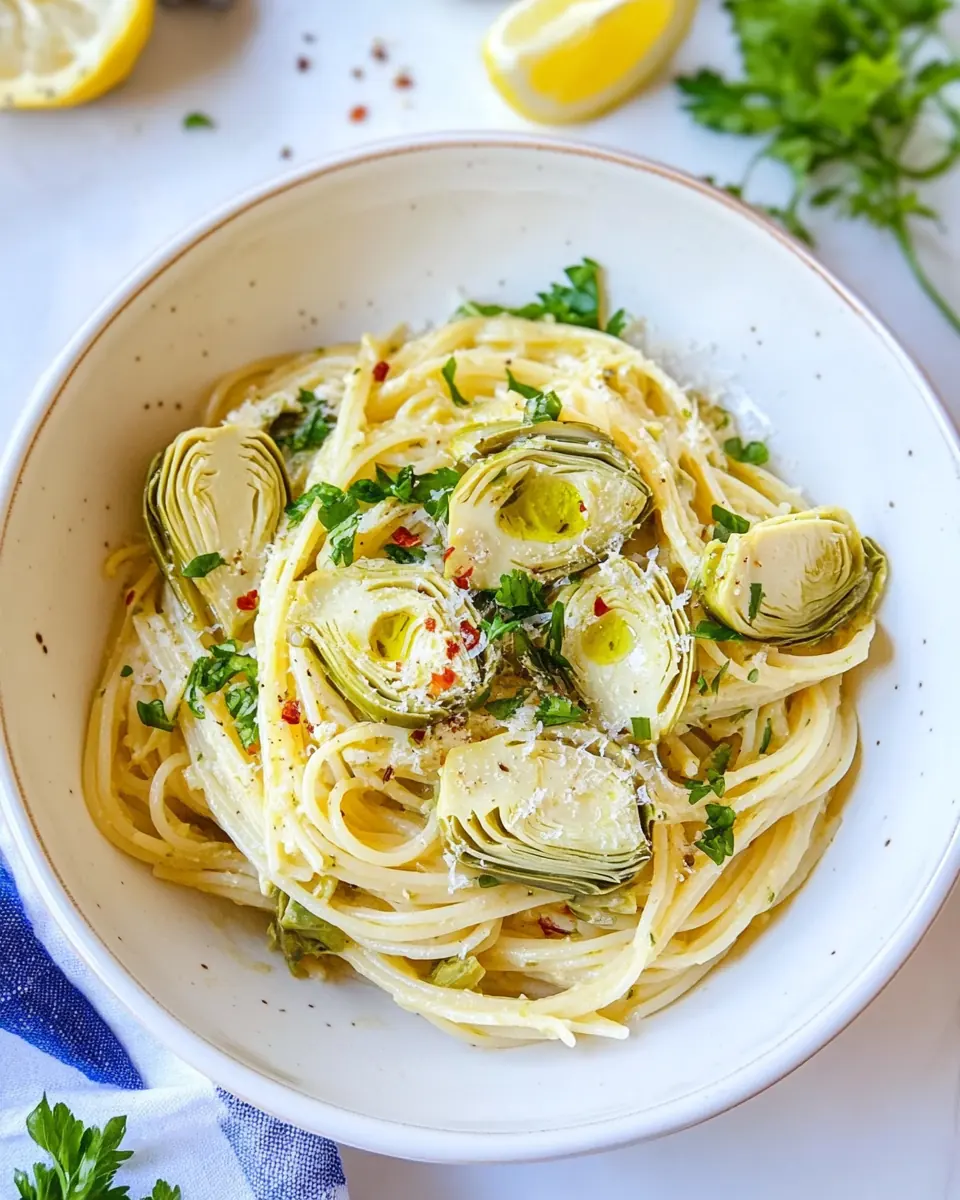
These ingredients are simple, yet each one plays a clear role in building the final dish. The pasta is the backbone, the artichokes supply body and savory interest, while the lemon butter sauce creates a silky coating. Pine nuts and mint provide contrasting texture and aromatic lift, and finishing with cheese or lemon wedges lets you tailor each bowl to taste.
- 8 roasted baby artichokes, halved or quartered: Roasted and halved or quartered to add tender, smoky artichoke bites that provide texture and a pronounced Mediterranean flavor to the pasta; contributes heartiness and visual appeal while soaking up the sauce.
- Lemon Butter Sauce: Zesty, creamy lemon butter sauce brings bright acidity and rich mouthfeel to coat the pasta and bind the ingredients; balances the earthy artichokes and enhances overall flavor cohesion.
- 8 ounces spaghetti or linguine pasta: Cooked until al dente to form the carbohydrate base of the dish, offering a neutral canvas that carries sauce and flavors; ideally uses spaghetti or linguine for long strands that twirl with artichokes.
- 2 tablespoons chopped parsley: Chopped finely to introduce a fresh, herbaceous lift and a mild onion-like bite; sprinkled near the end of cooking to preserve color and aromatic freshness.
- 1/4 teaspoons ea salt, more to taste: Measured precisely to season the dish, adding necessary salinity to enhance and balance all flavors; quantity can be adjusted to taste but serves as the baseline for seasoning.
- Freshly ground black pepper: Freshly ground to provide bright, sharp heat and an aromatic finish that complements the lemon and butter; added to taste to avoid overpowering the delicate artichoke and pasta.
- 1/2 cup reserved pasta water: Reserved from the pasta cooking pot to emulsify with sauce, adding starchy body and helping the sauce cling to the noodles; used sparingly to adjust sauce consistency and silkiness.
- 1/4 cup pine nuts: Toasted or lightly warmed to contribute a nutty crunch and deepen the flavor profile; scattered over the finished dish for contrasting texture and a subtle buttery note.
- 1/3 cup fresh mint leaves, for garnish: Fresh leaves used as a garnish to impart cool, aromatic mint brightness and lift heavier flavors; added at the end to preserve delicate color and fragrance.
- Lemon wedges, for serving: Served alongside to provide extra acidity and a bright finish when squeezed over the plated pasta; wedges allow diners to customize brightness to taste.
- Pecorino cheese, for serving (optional): Grated at the table as an optional savory, salty finishing touch that adds umami and creamy saltiness; used sparingly to complement the lemon and artichoke flavors without overwhelming them.
How to Assemble Artichoke Pasta
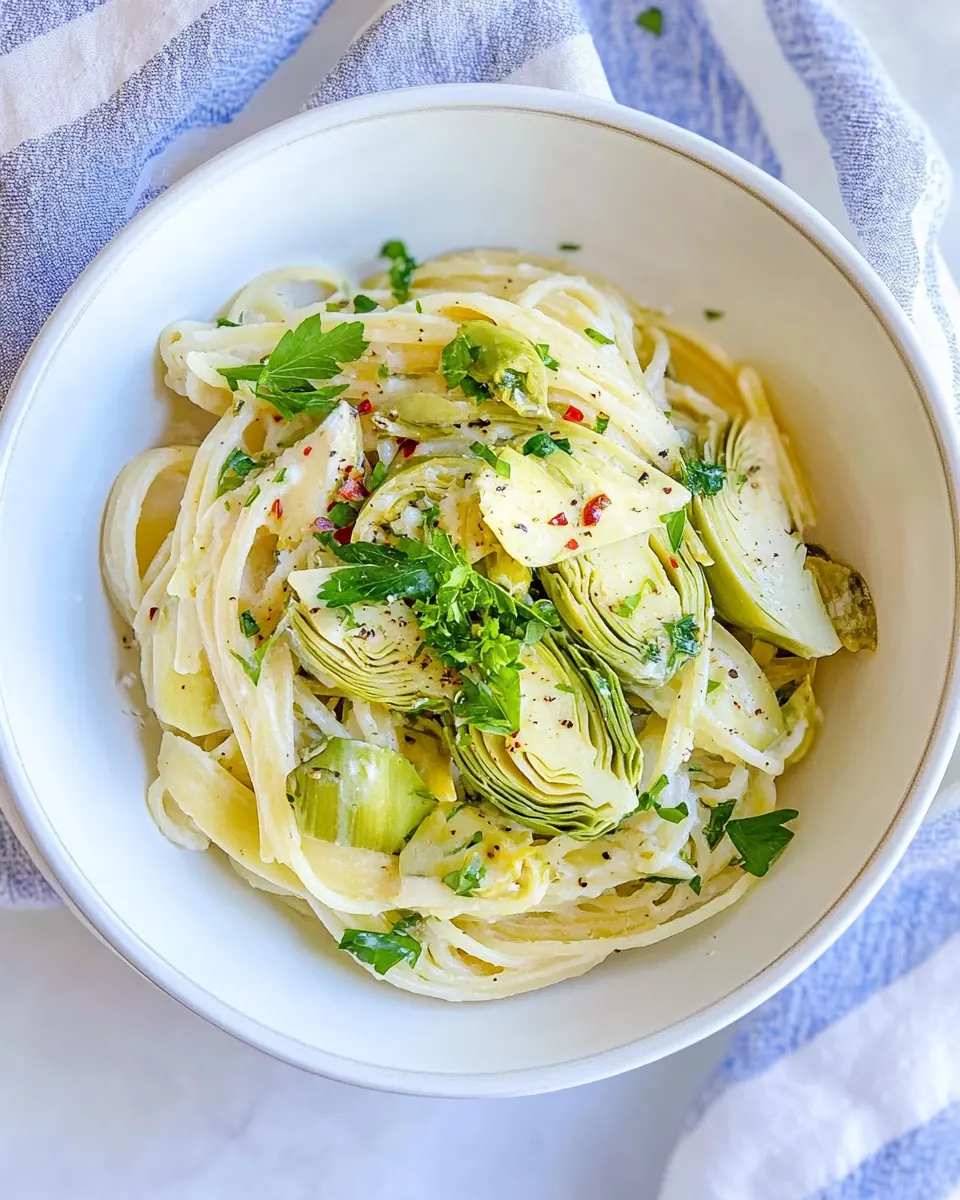
This recipe comes together in the pot and in the pan, and it is all about timing and gentle technique. Keep your tools within reach so you can move quickly when the pasta is ready, and use the reserved pasta water to coax the sauce to the perfect silkiness.
- Prepare the artichokes and the lemon butter sauce.: The kitchen will fill with a warm, citrusy aroma as you melt butter and finish it with lemon. Use a small whisk or spoon to combine until the sauce is glossy, and taste for balance between buttery richness and bright acidity. The goal here is an emulsified, silky sauce that will cling to the pasta. Common mistake to avoid is overheating the butter so it separates, which makes the sauce greasy rather than silky. If your sauce breaks, add a splash of warm reserved pasta water and whisk vigorously to bring it back together.
- Cook the pasta in a large pot of boiling salted water according to the package directions, or until al dente. Reserve 1/2 cup of the starchy pasta water before draining.: You will hear a steady, lively simmer as the pasta cooks and smell the salted water, which seasons the pasta from within. Aim for al dente so the strands retain a bit of bite, and stir occasionally to prevent clumping. When you drain, leave behind the starchy liquid needed for emulsifying the sauce. A common error is overcooking the pasta, which yields a limp texture; undercook slightly if you plan to finish the pasta in the sauce.
- Drain and return the pasta back to the pot. Add the artichokes, lemon butter sauce, parsley, salt, and several grinds of pepper and toss to coat. If the pasta looks too dry, add the reserved pasta water, 1/4 cup at a time, until lightly saucy. Portion into bowls and top with the pine nuts and mint leaves. Serve with lemon wedges and pecorino cheese, if desired.: The reserved water should be warm and slightly cloudy, with a light starchy sheen. It will act as a binder, helping the lemon butter sauce coat the pasta evenly. Measure it immediately so you do not accidentally pour it away. A mistake to avoid is reserving cold water, which will cool the sauce and hinder emulsification; always reserve warm water right before draining.
- Drain and return the pasta back to the pot: Returning the pasta to the pot keeps the heat contained and allows you to fold in other components efficiently. The pot will retain residual steam that helps the sauce absorb into the pasta. Use tongs or a pasta fork to transfer without breaking the strands. Avoid rinsing the pasta, which removes the starch needed for saucing and results in a slick, uncoated final dish.
- Add the artichokes, lemon butter sauce, parsley, salt, and several grinds of pepper and toss to coat: As you toss, you should see the sauce cling to each strand and coat the artichoke pieces, creating a glossy finish. The sound is gentle, a soft clinking of utensils as ingredients amalgamate. Tossing helps distribute flavors evenly so every bite has artichoke and sauce. Do not dump everything in at once and then stop mixing, because uneven coating and clumps of seasoning can result; take your time to gently toss until uniform.
- If the pasta looks too dry, add the reserved pasta water, 1/4 cup at a time, until lightly saucy: Adding a little warm starchy water will loosen the mixture and transform it into a velvety sauce that adheres to the pasta. You should see the sauce become glossy and just cling to the strands, not pool at the bottom. Add gradually so you do not overshoot the consistency. A typical pitfall is adding too much water at once, which makes the sauce watery; correct by simmering briefly to reduce or adding a touch more butter and tossing.
- Portion into bowls and top with the pine nuts and mint leaves: Plating releases the final aroma of warm butter and fresh herbs, and the toasted pine nuts add an audible, pleasant crunch. Arrange the mint so it sits on top, releasing fragrance as people approach the bowl. The contrast in textures is a big part of the satisfaction here. Avoid chopping the mint too finely, which can cause it to wilt immediately under the heat; add it last for a bright finish.
- Serve with lemon wedges and pecorino cheese, if desired: A final squeeze of lemon brightens the whole dish and a light grating of Pecorino introduces tangy umami. Encourage diners to add these elements to taste so each bowl can be personalized. Be careful not to overdo the cheese, as it can dominate the lemon notes. A common misstep is coating everything in cheese, which masks the delicate interplay between artichoke and lemon.
Tips for Success
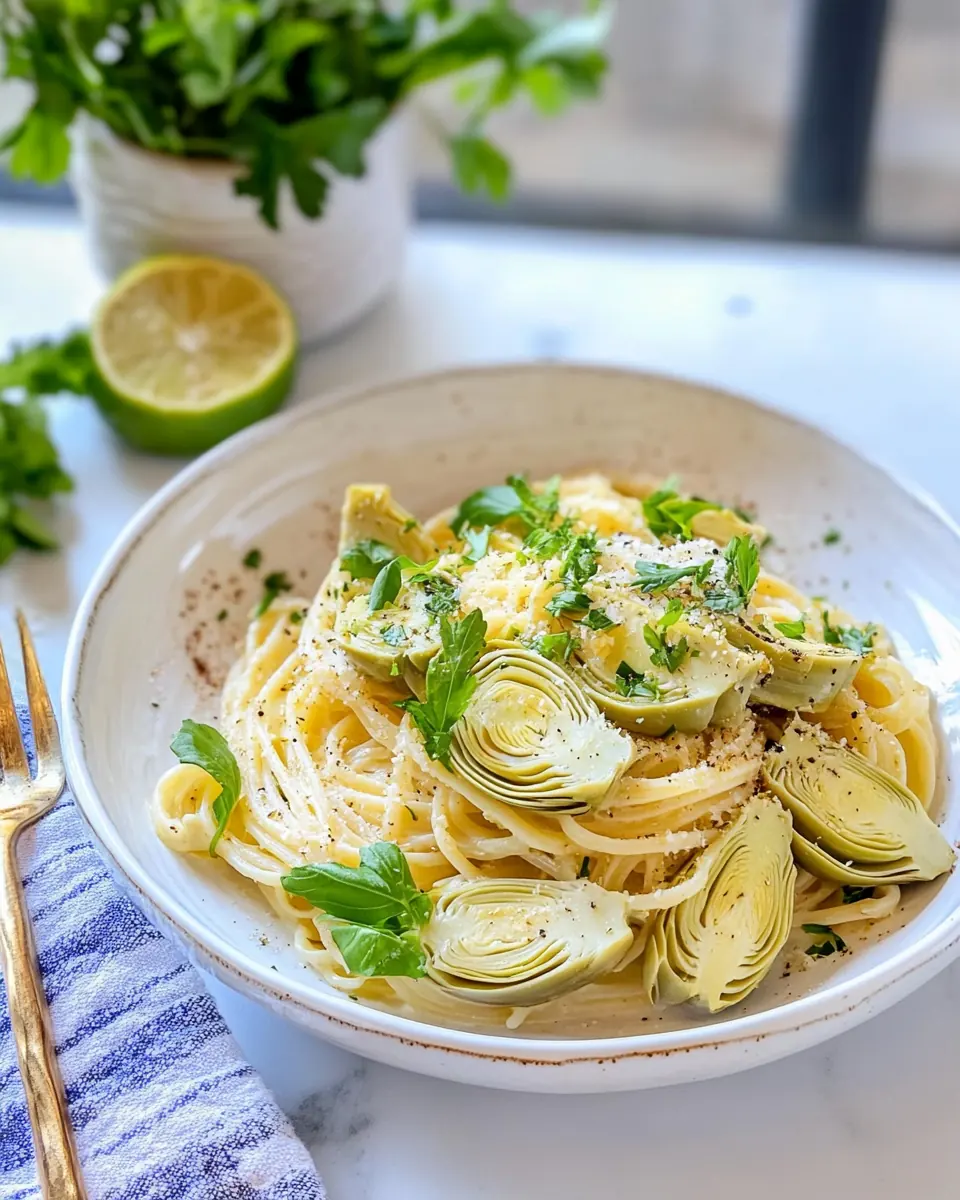
I like to give a few practical pointers so you can make this recipe shine every time. These tips expand on small techniques that make a big difference, from toasting nuts to rescuing a broken sauce.
- Toast pine nuts carefully Turn a dry skillet to medium and stir constantly until the nuts are golden and aromatic, removing them immediately to a cool plate to stop carryover cooking.
- Keep pasta water warm Reserve the water just before draining and keep it in the pot so it integrates smoothly with the hot sauce and helps form a silky emulsion.
- Control lemon intensity Add lemon juice gradually to the butter sauce, tasting as you go, since too much acid can flatten the butter richness rather than brighten it.
- Add salt in stages Salt the cooking water, season the assembled pasta lightly, then adjust after tasting because Pecorino and reserved pasta water will further influence final salt levels.
- Add mint last Scatter fresh mint leaves at the end to preserve their perfume and color, avoiding wilting from residual heat.
- Use high quality jarred artichokes If buying jarred roasted baby artichokes, pick ones packed in oil with good flavor, and drain them well so they do not make the sauce oily.
Great Combinations for Artichoke Pasta
This dish pairs well with simple sides and occasions that let its fresh notes shine. Below are ideas for serving, occasions, and storage that fit the character of Artichoke Pasta.
- Light green salad for contrast A crisp salad of mixed greens dressed with a lemon vinaigrette complements the richness of the butter sauce and enhances the springlike quality of the meal.
- Simple crusty bread Serve warm crusty bread to soak up any remaining lemon butter sauce, which is always appreciated and makes the meal more communal for a casual dinner.
- Lunch or easy dinner occasions This recipe works well for an easy weeknight dinner or a casual lunch with friends because it is quick and satisfying without being heavy.
- Seasonal pairing Spring menus are ideal, when fresh herbs like mint and parsley are at their peak and the bright flavors feel in tune with the season.
- Storage tips Store leftovers in an airtight container in the fridge for up to two days; reheat gently in a skillet with a splash of water to loosen the sauce and preserve texture.
- Serving style Present in shallow bowls with lemon wedges and grated Pecorino on the side, allowing guests to customize acidity and saltiness to their taste.
FAQ
Conclusion
Artichoke Pasta stands out for its graceful balance of silky lemon butter sauce, tender roasted artichokes, and toasty nutty crunch. It feels both fresh and comforting, making it ideal for quick spring dinners or casual entertaining. I encourage you to give it a try, experiment with the lemon and mint to suit your taste, and enjoy how little effort yields a memorable, bright pasta dish.
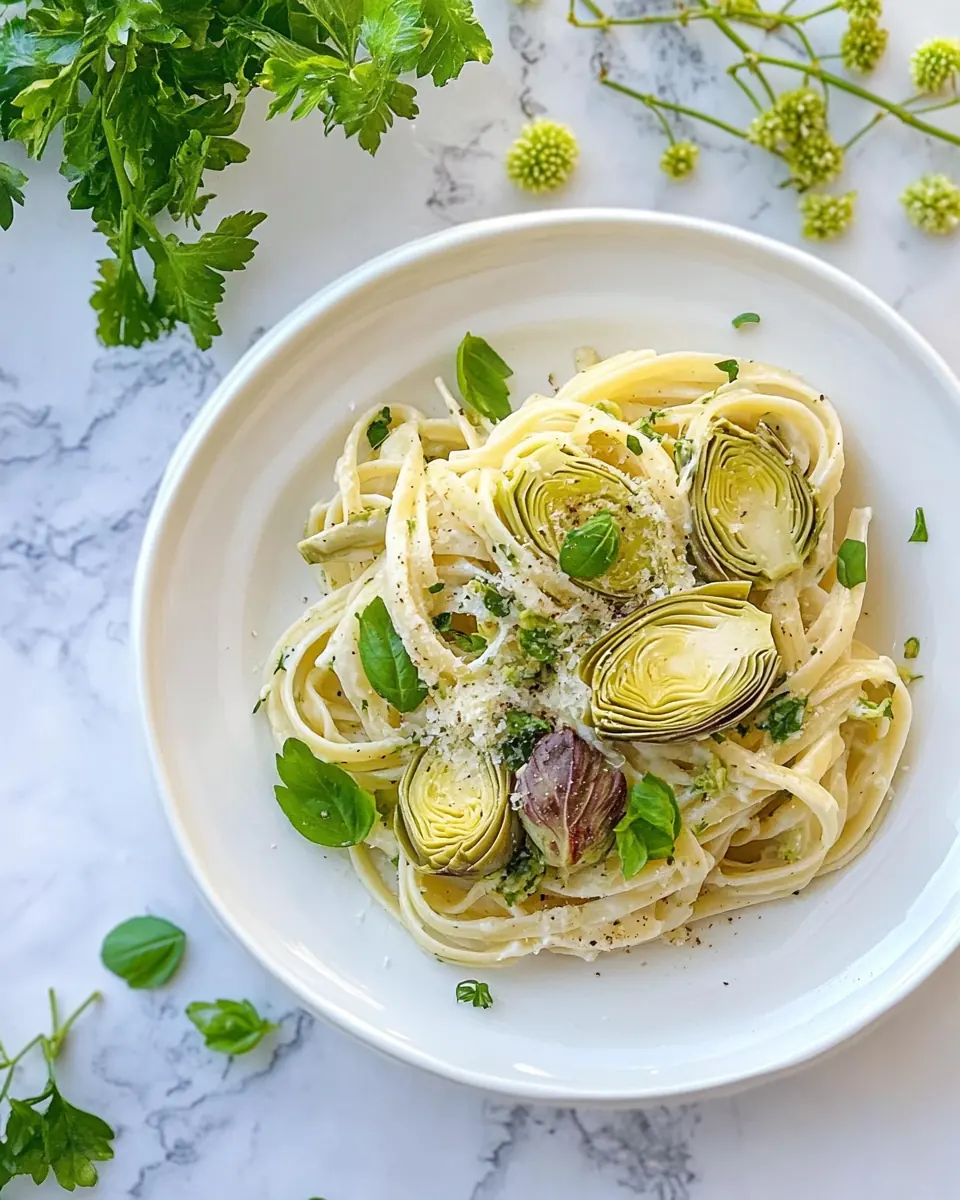
Artichoke Pasta
Ingredients
Equipment
Method
- Prepare the artichokes and the lemon butter sauce.: The kitchen will fill with a warm, citrusy aroma as you melt butter and finish it with lemon. Use a small whisk or spoon to combine until the sauce is glossy, and taste for balance between buttery richness and bright acidity. The goal here is an emulsified, silky sauce that will cling to the pasta. Common mistake to avoid is overheating the butter so it separates, which makes the sauce greasy rather than silky. If your sauce breaks, add a splash of warm reserved pasta water and whisk vigorously to bring it back together.
- Cook the pasta in a large pot of boiling salted water according to the package directions, or until al dente. Reserve 1/2 cup of the starchy pasta water before draining.: You will hear a steady, lively simmer as the pasta cooks and smell the salted water, which seasons the pasta from within. Aim for al dente so the strands retain a bit of bite, and stir occasionally to prevent clumping. When you drain, leave behind the starchy liquid needed for emulsifying the sauce. A common error is overcooking the pasta, which yields a limp texture; undercook slightly if you plan to finish the pasta in the sauce.
- Drain and return the pasta back to the pot. Add the artichokes, lemon butter sauce, parsley, salt, and several grinds of pepper and toss to coat. If the pasta looks too dry, add the reserved pasta water, 1/4 cup at a time, until lightly saucy. Portion into bowls and top with the pine nuts and mint leaves. Serve with lemon wedges and pecorino cheese, if desired.: The reserved water should be warm and slightly cloudy, with a light starchy sheen. It will act as a binder, helping the lemon butter sauce coat the pasta evenly. Measure it immediately so you do not accidentally pour it away. A mistake to avoid is reserving cold water, which will cool the sauce and hinder emulsification; always reserve warm water right before draining.
- Drain and return the pasta back to the pot: Returning the pasta to the pot keeps the heat contained and allows you to fold in other components efficiently. The pot will retain residual steam that helps the sauce absorb into the pasta. Use tongs or a pasta fork to transfer without breaking the strands. Avoid rinsing the pasta, which removes the starch needed for saucing and results in a slick, uncoated final dish.
- Add the artichokes, lemon butter sauce, parsley, salt, and several grinds of pepper and toss to coat: As you toss, you should see the sauce cling to each strand and coat the artichoke pieces, creating a glossy finish. The sound is gentle, a soft clinking of utensils as ingredients amalgamate. Tossing helps distribute flavors evenly so every bite has artichoke and sauce. Do not dump everything in at once and then stop mixing, because uneven coating and clumps of seasoning can result; take your time to gently toss until uniform.
- If the pasta looks too dry, add the reserved pasta water, 1/4 cup at a time, until lightly saucy: Adding a little warm starchy water will loosen the mixture and transform it into a velvety sauce that adheres to the pasta. You should see the sauce become glossy and just cling to the strands, not pool at the bottom. Add gradually so you do not overshoot the consistency. A typical pitfall is adding too much water at once, which makes the sauce watery; correct by simmering briefly to reduce or adding a touch more butter and tossing.
- Portion into bowls and top with the pine nuts and mint leaves: Plating releases the final aroma of warm butter and fresh herbs, and the toasted pine nuts add an audible, pleasant crunch. Arrange the mint so it sits on top, releasing fragrance as people approach the bowl. The contrast in textures is a big part of the satisfaction here. Avoid chopping the mint too finely, which can cause it to wilt immediately under the heat; add it last for a bright finish.
- Serve with lemon wedges and pecorino cheese, if desired: A final squeeze of lemon brightens the whole dish and a light grating of Pecorino introduces tangy umami. Encourage diners to add these elements to taste so each bowl can be personalized. Be careful not to overdo the cheese, as it can dominate the lemon notes. A common misstep is coating everything in cheese, which masks the delicate interplay between artichoke and lemon.
Notes
- Toast pine nuts carefully Turn a dry skillet to medium and stir constantly until the nuts are golden and aromatic, removing them immediately to a cool plate to stop carryover cooking.
- Keep pasta water warm Reserve the water just before draining and keep it in the pot so it integrates smoothly with the hot sauce and helps form a silky emulsion.
- Control lemon intensity Add lemon juice gradually to the butter sauce, tasting as you go, since too much acid can flatten the butter richness rather than brighten it.
- Add salt in stages Salt the cooking water, season the assembled pasta lightly, then adjust after tasting because Pecorino and reserved pasta water will further influence final salt levels.
- Add mint last Scatter fresh mint leaves at the end to preserve their perfume and color, avoiding wilting from residual heat.
- Use high quality jarred artichokes If buying jarred roasted baby artichokes, pick ones packed in oil with good flavor, and drain them well so they do not make the sauce oily.