Creamy Lemon Zucchini Bucatini
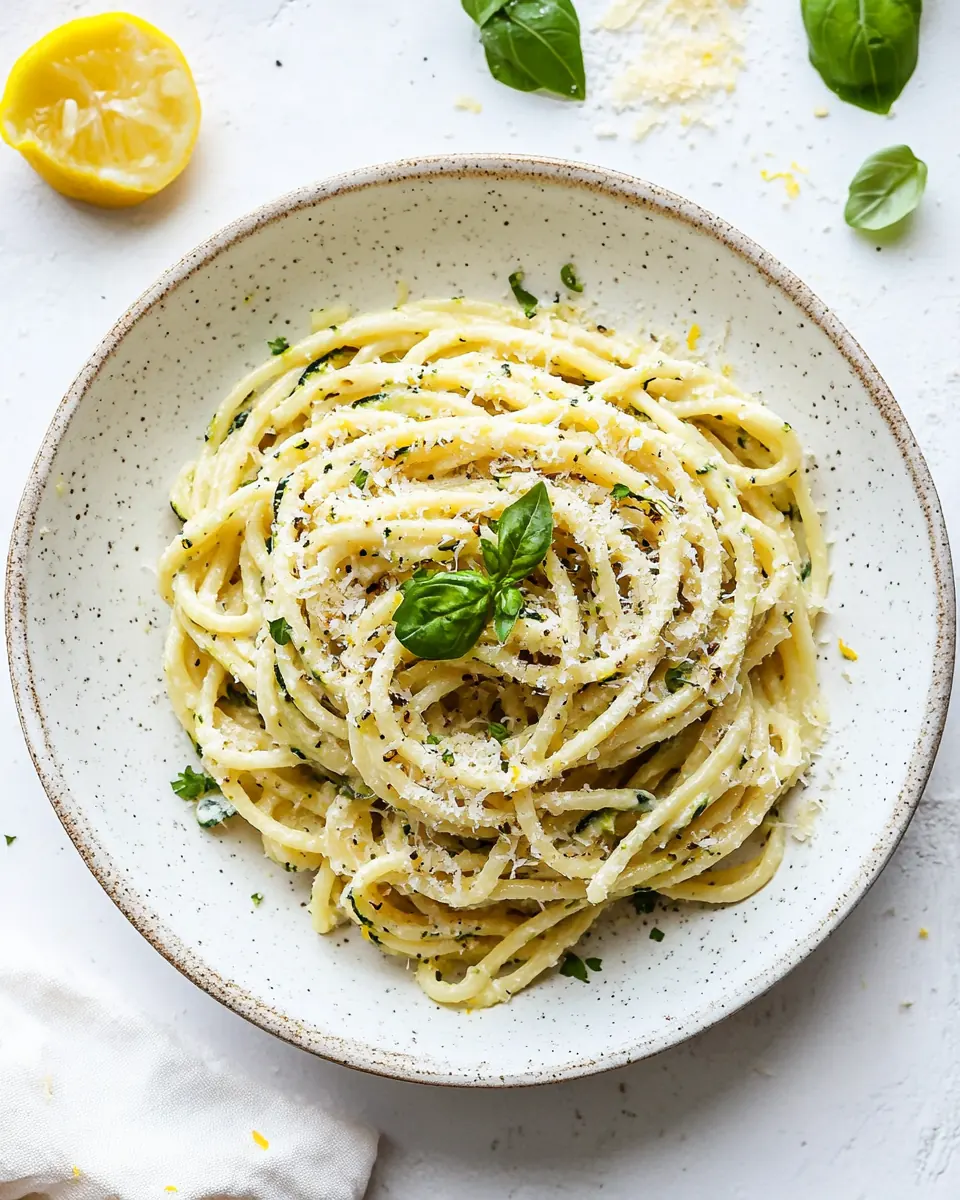
Creamy Lemon Zucchini Bucatini is one of those recipes I reach for on warm nights when the market is full of glossy squash and my kitchen smells like citrus. The first time I made it, I was juggling bags of groceries, a buzzing phone, and a curious neighbor who poked their head in to ask what I was cooking. The moment the zucchini hit the hot pan and began to sing in butter and olive oil, I knew this combination was going to become a staple in my rotation.
I remember sitting down at the counter with a forkful, noticing how the bright lemon zest cut through the richness of the cream while the shredded zucchini melted into silky ribbons that clung to every strand of bucatini. It felt like comfort food that had learned to be elegant. Over the months I fine tuned the balance of salt, pepper, and grated parmesan so each bite hits savory, herbal, and citrusy notes without one overpowering the others.
When guests come by unexpectedly, this dish is quick enough to prepare while still feeling special. The combination of simple pantry ingredients and a short list of fresh add ins makes it a dependable choice for weeknight dinners or casual weekend lunches. I love how the shaved parmesan on top provides a final burst of salty crunch, and the chopped chives add a fresh onion like lift without being heavy handed.
Recipe Snapshot
60 mins
25 mins
35 mins
Medium
450 kcal
Italian
Gluten-Free, Low FODMAP
Dinner
Large skillet, Dutch oven or large pot, Box grater, Kitchen towel, Tongs
Why Try This Creamy Lemon Zucchini Bucatini
Bright, balanced flavor
What I adore most about Creamy Lemon Zucchini Bucatini is the way the lemon zest lifts the whole dish. The citrus gives a clean, vibrant counterpoint to the heavy cream and parmesan cheese, making it feel lively rather than cloying. I find that a little zest goes a long way, and it transforms a simple pasta into something that feels celebratory without fuss.
Vegetable forward, yet indulgent
This recipe showcases the zucchini as a real star. By grating and cooking it down, the vegetable releases a gentle sweetness and body that melds with the sauce. I like that you get a hearty serving of zucchini and fresh herbs, while still enjoying a luscious, creamy texture that feels indulgent but not heavy.
Comforting texture that clings
The choice of bucatini matters. Its hollow center holds onto the starchy, lemon kissed sauce so each bite is saucy and satisfying. I appreciate the contrast between the silky sauce and the toothsome pasta, it makes the dish feel thoughtfully composed, even when made quickly.
Simple technique, big payoff
There is no complicated maneuver here, just patient cooking of the zucchini until it caramelizes, and smart use of reserved pasta water to build an emulsion. I always tell friends that cooking slowly and tasting as you go is what makes the difference. A pinch more salt, a touch more lemon, or a handful of basil can elevate the plate instantly.
Versatile and approachable
I love recommending this recipe because it works for many occasions. It is unfussy enough for a midweek supper, yet pretty enough for company. The fresh herbs make it seasonal, and the pantry items keep it accessible. I often double the basil and chives when I want a brighter finish, it never disappoints.
Ingredients Required for Creamy Lemon Zucchini Bucatini
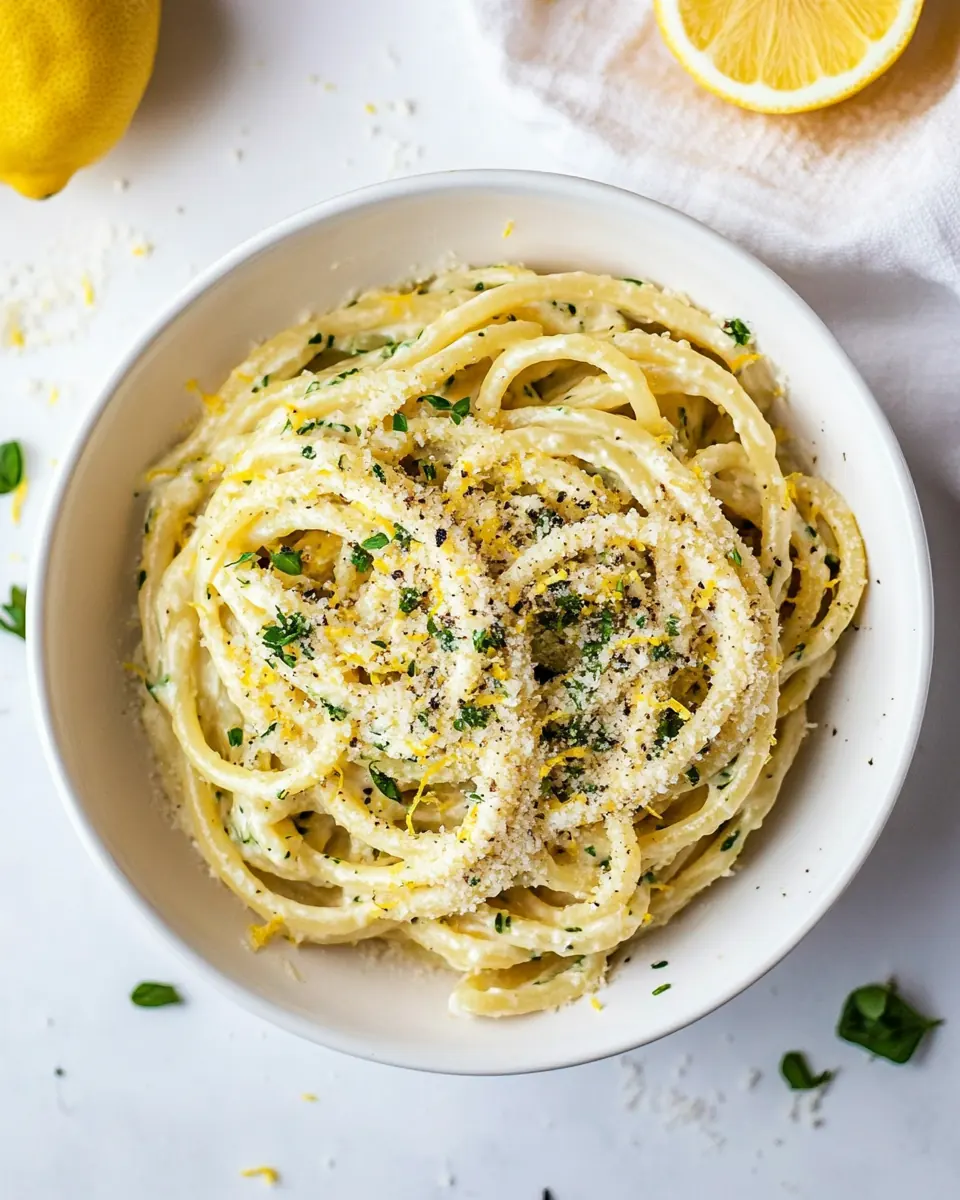
These ingredients are purposefully simple, and they all play clear roles. The zucchini provides volume and a tender, vegetal body. The combination of unsalted butter and olive oil gives fat for flavor and helps the zucchini caramelize. Bucatini holds the sauce beautifully, while heavy cream and parmesan cheese marry into a silky finish. Fresh herbs and lemon zest brighten each bite, creating balance between richness and freshness.
- 3 to 4 cups freshly grated zucchini, before squeezing: Grated and used for moisture and texture in the sauce; squeeze lightly after grating if needed to avoid excess water and ensure the zucchini integrates smoothly with the cream for a silky consistency.
- 2 tablespoons unsalted butter: Melted to provide a rich, buttery base for sautéing aromatics and zucchini; helps carry flavor and adds a smooth mouthfeel to the finished sauce.
- 1 tablespoon olive oil: Added for a lightly fruity, savory cooking fat to sauté garlic and zucchini; complements butter and prevents sticking while contributing subtle olive-forward notes.
- kosher salt and pepper: Seasoned to enhance and balance all flavors throughout the dish; sprinkled to taste during cooking and again at the end to highlight the lemon and cheese.
- 4 garlic cloves, minced: Minced and sautéed until fragrant to build aromatic depth; contributes sharp, savory notes that lift the creamy lemon zucchini sauce.
- 1 pound bucatini pasta: Cooked until al dente and served as the vehicle for the sauce; bucatini’s hollow shape captures the creamy sauce and shredded zucchini for balanced bites.
- 1/2 cup heavy cream: Poured into the pan to create a rich, velvety sauce base; tempers acidity from lemon zest and binds grated zucchini and cheese together.
- 2 tablespoons freshly grated lemon zest: Zested fresh to add bright, citrusy fragrance and tang; stirs into the cream mixture to provide lively contrast to the rich dairy and zucchini.
- 1/3 cup finely grated parmesan cheese: Finely grated and stirred into the sauce to thicken and add savory umami; melts smoothly to give the pasta a cohesive, cheesy finish.
- 1/2 cup chopped fresh basil, plus more for topping: Chopped and folded into the finished pasta to add herbaceous freshness and color; provides a basil-scented lift that complements lemon and zucchini.
- 3 tablespoons chopped fresh chives: Chopped and sprinkled in for a mild oniony-sweet garnish and fresh bite; adds subtle green color and delicate chive aroma to the dish.
- 1/3 cup shaved parmesan cheese: Shaved and scattered over each serving for a decorative, textural finishing touch; melts slightly into the warm pasta while offering concentrated parmesan flavor.
Creamy Lemon Zucchini Bucatini Instructions
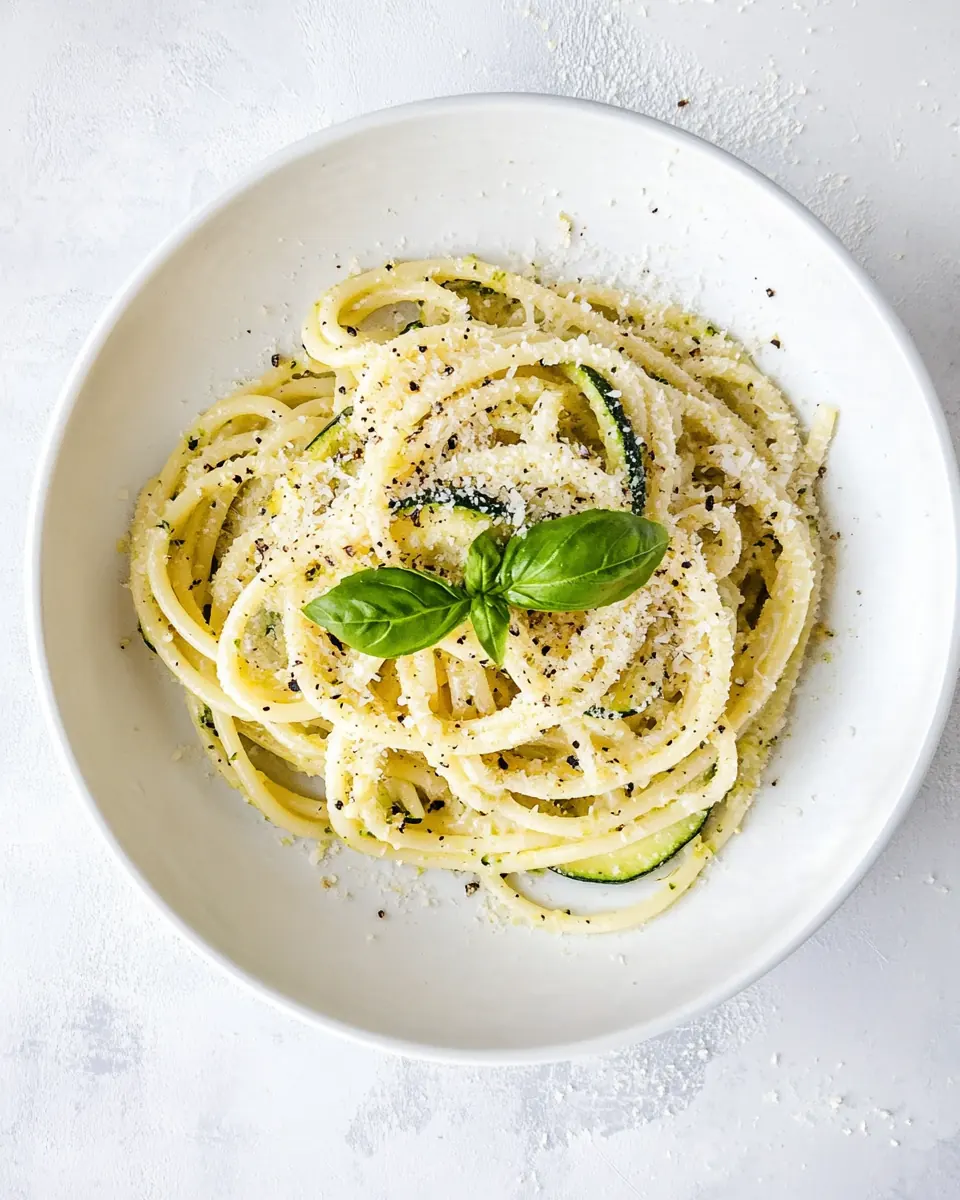
This recipe moves from grating to caramelizing to a final toss of pasta and sauce, and the rhythm is satisfying. I like to prep my zucchini and herbs first, then get the pasta water boiling so everything comes together without rush. Keep tasting, and rely on visual cues like color and gloss to know when you are done.
- Freshly grate the zucchini. Place it in a large kitchen towel and squeeze out as much of the liquid as possible.: The moment the grated zucchini falls into your bowl you will notice a fresh, green scent and a wet weight that signals juice to be released. Squeezing the grated pieces in a towel removes excess water so the final sauce is creamy instead of watery. If you skip squeezing, the pan will steam rather than caramelize, producing a dull texture. A common mistake is over squeezing and losing too much green flavor, so aim for firm pressure that removes most, but not all, moisture.
- Heat the butter and olive oil in a large skillet or dutch oven over medium heat. Add the zucchini with a big pinch of salt and pepper. Stir to toss. Cook, stirring over, until the zucchini melts down and becomes caramelized, about 20 to 25 minutes. Stir in the garlic.: As the unsalted butter melts into the olive oil , watch for a gentle shimmer on the oil surface and a faint nutty aroma from the butter. This combination creates a stable cooking fat and helps the zucchini develop color. If the pan is too hot, the butter will brown too quickly, creating bitter notes, so keep the heat steady. Stirring occasionally encourages even contact and prevents sticking, but avoid constant stirring which prevents browning.
- While the zucchini cooks, bring a pot of salted water to a boil and cook the bucatini. When it’s finished, reserve 2 cups of the starchy pasta water.: When the zucchini meets the pan you should hear a soft sizzle and begin to smell a vegetal sweetness. The salt draws moisture out, helping the shreds to collapse and caramelize. Patience is key here as the zucchini will reduce dramatically; rushing by increasing heat can cause uneven browning. One trap is under seasoning early, which results in a bland final sauce, so season confidently.
- Transfer the pasta to the pan with the zucchini – you can take it right from the pot and place it in the zucchini skillet. Add 1 cup of the reserved water and the heavy cream. Stir and toss until combined. Stir in the lemon zest and the finely grated parmesan.: Gentle tossing integrates the fat and ensures each shred touches the hot surface, promoting even color and a silky mouthfeel. As you cook you will see the zucchini go from bright and wet to glossy and tender, and its aroma will shift toward toasted sweetness. Avoid vigorous stirring which will break the shreds apart and create a mushy texture; instead, use turning motions so pieces keep some structure.
- Add another 1/2 cup of the starchy water, stirring to combine. Add in the fresh basil and chives. Taste and if needed, add in more salt, pepper or lemon zest or parmesan.: Over the course of cooking the zucchini will darken at the edges and develop a concentrated, almost jam like scent that signals deep flavor. This slow transformation builds complexity and avoids a raw vegetal taste. If you notice the pan drying too much, add a splash of reserved pasta water later to rescue the texture. A frequent misstep is impatience, ending the step early and missing the depth that caramelization provides.
- Top the pasta with the shaved parmesan and a bunch of fresh basil. Serve immediately!: When you add the minced garlic the air will fill with sharp, savory notes that mellow as it cooks. Garlic should be added late so it softens without turning bitter; five to sixty seconds of gentle cooking is often sufficient. If garlic is added too early or the heat is too high it can char and impart a burnt flavor, which is hard to mask later. Keep the garlic moving in the pan so it cooks evenly.
- While the zucchini cooks, bring a pot of salted water to a boil and cook the bucatini: The sound of water rolling into a boil and the scent of salt remind you that good pasta begins with seasoned water. As the bucatini cooks, it will release starch that becomes crucial for the sauce. Timed properly, the pasta will be al dente, offering slight resistance and a tender interior. Overcooking the pasta results in loss of structure and prevents the sauce from clinging properly, so test a strand a minute or two before the package time suggests.
- When it’s finished, reserve 2 cups of the starchy pasta water: The reserved pasta water will appear slightly cloudy and fragrant with starch, and it is essential for creating an emulsion that binds sauce to bucatini . Use this water gradually to loosen the pan mixture while preserving creaminess. A common error is discarding this water; without it your sauce can feel flat or separate when mixed with heavy cream and cheese.
- Transfer the pasta to the pan with the zucchini: Moving the hot bucatini directly into the zucchini pan lets the starch mingle immediately with the caramelized vegetables, creating a cohesive base for the sauce. The steam and pan juices will marry into the pasta as you toss. Do not rinse the pasta, rinsing removes the starch that helps the sauce cling. If space is tight in your pan, use tongs to guide strands while preserving the reserved water.
- Add 1 cup of the reserved water and the heavy cream: The first addition of starchy water and heavy cream will transform the pan into a glossy, silky sauce. You should see a gentle gloss form as the starch and cream combine. Stirring at this stage encourages emulsion and prevents the cream from breaking. If the sauce seems too thin, let it reduce slightly on low heat; if it looks grainy, a splash more warm water and vigorous stirring will smooth it out.
- Stir and toss until combined: As you toss the pasta with the sauce you'll notice the bucatini become coated in a silky film and the aroma will be rich with lemon and cheese. This action helps the pasta absorb flavor while keeping the sauce cohesive. Forceful tossing can fracture the pasta, so be gentle and rhythmic. If the sauce separates, a small addition of warm reserved water and steady stirring usually brings it back together.
- Stir in the lemon zest and the finely grated parmesan: The grated lemon zest releases bright oils and elevates the sauce, while finely grated parmesan cheese melts quickly to add umami and thickness. Add the cheese off heat or on low to prevent graininess, and fold in zest toward the end for maximum fragrance. Overheating after adding cheese can cause it to clump, so moderate temperature control is important.
- Add another 1/2 cup of the starchy water, stirring to combine: The additional pasta water fine tunes the sauce consistency, making it silky enough to cling without puddling. Watch how the sauce gloss increases with each splash, and stop when you reach a ribbon like coating on the pasta. A typical mistake is adding too much water at once; add gradually so you can control texture precisely.
- Add in the fresh basil and chives: When you fold in the chopped basil and chives , expect a rush of herbaceous aroma and a bright green color contrast. These herbs bring freshness that balances the richness. Add them at the end so they retain fragrance and some texture. If added too early, they will wilt and lose their vibrant flavor.
- Taste and if needed, add in more salt, pepper or lemon zest or parmesan: This final seasoning stage is where the dish finds its voice. Tasting will reveal whether the sauce needs a touch more salt to brighten, or extra lemon zest for lift. Adjust in small increments and taste between additions to avoid oversalting. A pitfall here is relying only on salt when acidity or herb freshness could provide the needed balance.
- Top the pasta with the shaved parmesan and a bunch of fresh basil: The finishing touches add texture and perfume, with ribbons of shaved parmesan cheese melting slightly into warm nooks and fresh basil leaves offering aromatic bursts. This final presentation step elevates the plate visually and in flavor. If the cheese melts away entirely, add a few fresh shavings at the table for contrast.
- Serve immediately: Serve the dish hot so the sauce feels glossy and the herbs remain vibrant. As it cools, the sauce will thicken and the herbs will wilt, so prompt serving preserves the intended experience. Reheating gently with a splash of reserved water can revive leftovers, but fresh is best.
Make It Your Own
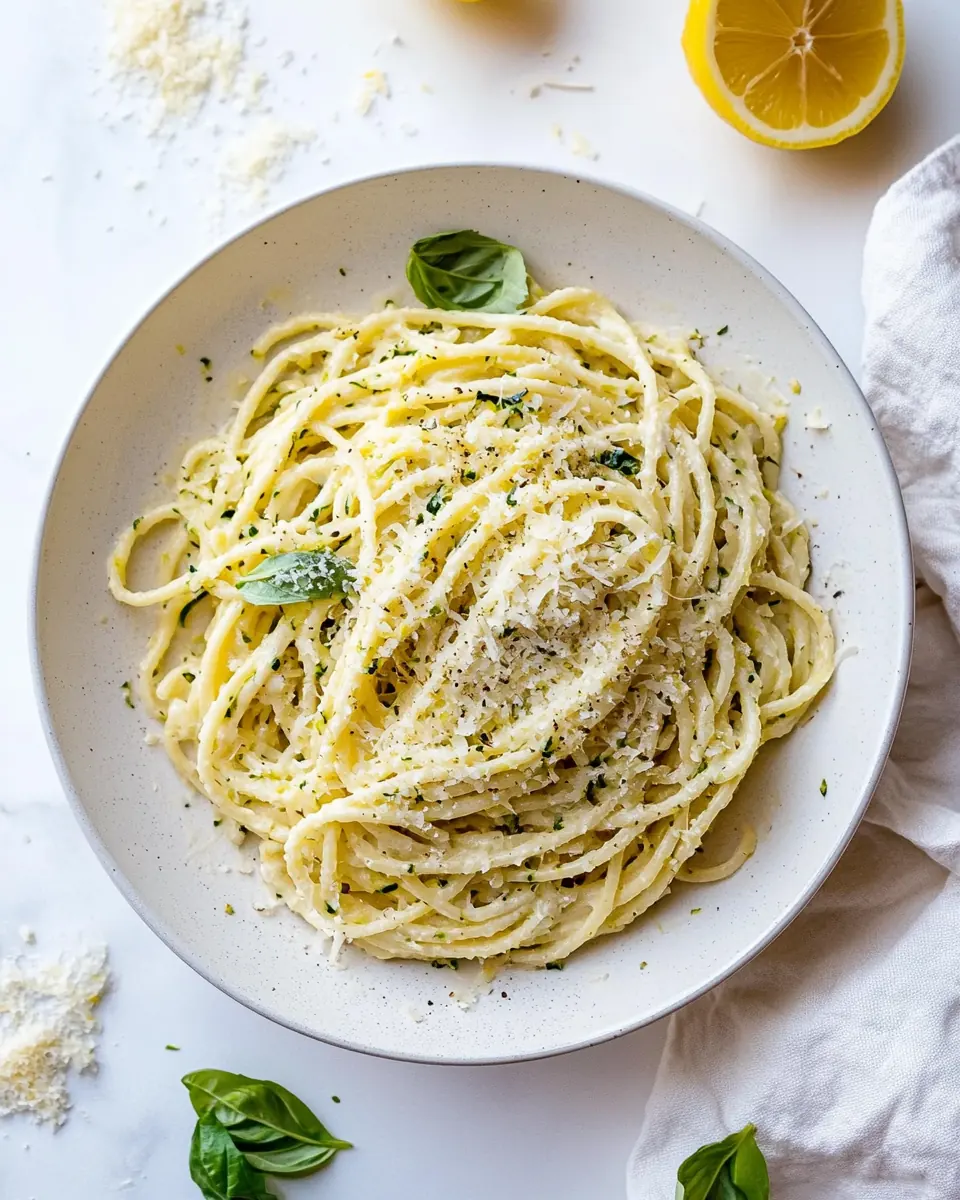
I like to think of these tips as small experiments that lead to big results. Try one or two when you make the dish to discover your favorite balance of cream, lemon, and herbs. Each tweak changes the personality of the plate in a delightful way.
- Boost herb brightness by doubling the chopped basil if you prefer a greener, more aromatic finish that cuts through the cream.
- Adjust creaminess by using slightly less heavy cream and more reserved pasta water to make a lighter but still silky sauce.
- Enhance lemon lift by adding a touch more freshly grated lemon zest just before serving, it brightens every bite without adding acidity.
- Control salt by using unsalted butter and tasting before adding extra parmesan cheese, that way you avoid oversalting the final plate.
- Make ahead strategy involves cooking the pasta slightly under al dente and storing sauce and pasta separately, then finishing together with a splash of hot reserved water when ready to serve.
- Presentation trick is to shave extra parmesan cheese over each plate at the table, it melts just enough to create an inviting glossy finish.
What Complements This Creamy Lemon Zucchini Bucatini
This pasta benefits from light, crisp accompaniments that contrast its creamy texture. I like to serve it with a simple green salad and something crunchy on the side for balance. It is versatile for many meals and seasons, especially when zucchini is at its peak.
- Fresh green salad with lemon vinaigrette offers a bright, acidic partner that cuts through the richness and refreshes the palate between bites.
- Grilled vegetables such as asparagus or bell peppers provide smoky contrast and pair well in summer when produce is abundant.
- Crusty bread for sopping up the silky sauce turns the meal into a more casual, family style experience and is perfect when serving guests.
- Occasions this fits well for easy weeknight dinners, casual weekend gatherings, and summer lunches when zucchini and basil are plentiful.
- Storage tips store pasta and sauce separately in airtight containers for up to two days, reheat gently with a splash of warm water to restore silkiness.
- Seasonal pairing in summer pair with chilled white beans or a light tomato salad, while in early fall add extra herbs for warmth.
FAQ
Conclusion
This recipe stands out because it balances creamy richness with bright lemon and fresh herbs to create a comforting yet lively pasta. I encourage you to try it when zucchini is at its peak, because those fresh flavors make all the difference. Give it a go on a weeknight or for a small gathering; it comes together with approachable steps and rewards you with a dish that feels both homey and sophisticated. Let the caramelized zucchini and fragrant basil win you over, and enjoy the simple pleasure of a well made pasta.
Creamy Lemon Zucchini Bucatini
Ingredients
Equipment
Method
- Freshly grate the zucchini. Place it in a large kitchen towel and squeeze out as much of the liquid as possible.: The moment the grated zucchini falls into your bowl you will notice a fresh, green scent and a wet weight that signals juice to be released. Squeezing the grated pieces in a towel removes excess water so the final sauce is creamy instead of watery. If you skip squeezing, the pan will steam rather than caramelize, producing a dull texture. A common mistake is over squeezing and losing too much green flavor, so aim for firm pressure that removes most, but not all, moisture.
- Heat the butter and olive oil in a large skillet or dutch oven over medium heat. Add the zucchini with a big pinch of salt and pepper. Stir to toss. Cook, stirring over, until the zucchini melts down and becomes caramelized, about 20 to 25 minutes. Stir in the garlic.: As the unsalted butter melts into the olive oil , watch for a gentle shimmer on the oil surface and a faint nutty aroma from the butter. This combination creates a stable cooking fat and helps the zucchini develop color. If the pan is too hot, the butter will brown too quickly, creating bitter notes, so keep the heat steady. Stirring occasionally encourages even contact and prevents sticking, but avoid constant stirring which prevents browning.
- While the zucchini cooks, bring a pot of salted water to a boil and cook the bucatini. When it’s finished, reserve 2 cups of the starchy pasta water.: When the zucchini meets the pan you should hear a soft sizzle and begin to smell a vegetal sweetness. The salt draws moisture out, helping the shreds to collapse and caramelize. Patience is key here as the zucchini will reduce dramatically; rushing by increasing heat can cause uneven browning. One trap is under seasoning early, which results in a bland final sauce, so season confidently.
- Transfer the pasta to the pan with the zucchini - you can take it right from the pot and place it in the zucchini skillet. Add 1 cup of the reserved water and the heavy cream. Stir and toss until combined. Stir in the lemon zest and the finely grated parmesan.: Gentle tossing integrates the fat and ensures each shred touches the hot surface, promoting even color and a silky mouthfeel. As you cook you will see the zucchini go from bright and wet to glossy and tender, and its aroma will shift toward toasted sweetness. Avoid vigorous stirring which will break the shreds apart and create a mushy texture; instead, use turning motions so pieces keep some structure.
- Add another 1/2 cup of the starchy water, stirring to combine. Add in the fresh basil and chives. Taste and if needed, add in more salt, pepper or lemon zest or parmesan.: Over the course of cooking the zucchini will darken at the edges and develop a concentrated, almost jam like scent that signals deep flavor. This slow transformation builds complexity and avoids a raw vegetal taste. If you notice the pan drying too much, add a splash of reserved pasta water later to rescue the texture. A frequent misstep is impatience, ending the step early and missing the depth that caramelization provides.
- Top the pasta with the shaved parmesan and a bunch of fresh basil. Serve immediately!: When you add the minced garlic the air will fill with sharp, savory notes that mellow as it cooks. Garlic should be added late so it softens without turning bitter; five to sixty seconds of gentle cooking is often sufficient. If garlic is added too early or the heat is too high it can char and impart a burnt flavor, which is hard to mask later. Keep the garlic moving in the pan so it cooks evenly.
- While the zucchini cooks, bring a pot of salted water to a boil and cook the bucatini: The sound of water rolling into a boil and the scent of salt remind you that good pasta begins with seasoned water. As the bucatini cooks, it will release starch that becomes crucial for the sauce. Timed properly, the pasta will be al dente, offering slight resistance and a tender interior. Overcooking the pasta results in loss of structure and prevents the sauce from clinging properly, so test a strand a minute or two before the package time suggests.
- When it’s finished, reserve 2 cups of the starchy pasta water: The reserved pasta water will appear slightly cloudy and fragrant with starch, and it is essential for creating an emulsion that binds sauce to bucatini . Use this water gradually to loosen the pan mixture while preserving creaminess. A common error is discarding this water; without it your sauce can feel flat or separate when mixed with heavy cream and cheese.
- Transfer the pasta to the pan with the zucchini: Moving the hot bucatini directly into the zucchini pan lets the starch mingle immediately with the caramelized vegetables, creating a cohesive base for the sauce. The steam and pan juices will marry into the pasta as you toss. Do not rinse the pasta, rinsing removes the starch that helps the sauce cling. If space is tight in your pan, use tongs to guide strands while preserving the reserved water.
- Add 1 cup of the reserved water and the heavy cream: The first addition of starchy water and heavy cream will transform the pan into a glossy, silky sauce. You should see a gentle gloss form as the starch and cream combine. Stirring at this stage encourages emulsion and prevents the cream from breaking. If the sauce seems too thin, let it reduce slightly on low heat; if it looks grainy, a splash more warm water and vigorous stirring will smooth it out.
- Stir and toss until combined: As you toss the pasta with the sauce you'll notice the bucatini become coated in a silky film and the aroma will be rich with lemon and cheese. This action helps the pasta absorb flavor while keeping the sauce cohesive. Forceful tossing can fracture the pasta, so be gentle and rhythmic. If the sauce separates, a small addition of warm reserved water and steady stirring usually brings it back together.
- Stir in the lemon zest and the finely grated parmesan: The grated lemon zest releases bright oils and elevates the sauce, while finely grated parmesan cheese melts quickly to add umami and thickness. Add the cheese off heat or on low to prevent graininess, and fold in zest toward the end for maximum fragrance. Overheating after adding cheese can cause it to clump, so moderate temperature control is important.
- Add another 1/2 cup of the starchy water, stirring to combine: The additional pasta water fine tunes the sauce consistency, making it silky enough to cling without puddling. Watch how the sauce gloss increases with each splash, and stop when you reach a ribbon like coating on the pasta. A typical mistake is adding too much water at once; add gradually so you can control texture precisely.
- Add in the fresh basil and chives: When you fold in the chopped basil and chives , expect a rush of herbaceous aroma and a bright green color contrast. These herbs bring freshness that balances the richness. Add them at the end so they retain fragrance and some texture. If added too early, they will wilt and lose their vibrant flavor.
- Taste and if needed, add in more salt, pepper or lemon zest or parmesan: This final seasoning stage is where the dish finds its voice. Tasting will reveal whether the sauce needs a touch more salt to brighten, or extra lemon zest for lift. Adjust in small increments and taste between additions to avoid oversalting. A pitfall here is relying only on salt when acidity or herb freshness could provide the needed balance.
- Top the pasta with the shaved parmesan and a bunch of fresh basil: The finishing touches add texture and perfume, with ribbons of shaved parmesan cheese melting slightly into warm nooks and fresh basil leaves offering aromatic bursts. This final presentation step elevates the plate visually and in flavor. If the cheese melts away entirely, add a few fresh shavings at the table for contrast.
- Serve immediately: Serve the dish hot so the sauce feels glossy and the herbs remain vibrant. As it cools, the sauce will thicken and the herbs will wilt, so prompt serving preserves the intended experience. Reheating gently with a splash of reserved water can revive leftovers, but fresh is best.
Notes
- Boost herb brightness by doubling the chopped basil if you prefer a greener, more aromatic finish that cuts through the cream.
- Adjust creaminess by using slightly less heavy cream and more reserved pasta water to make a lighter but still silky sauce.
- Enhance lemon lift by adding a touch more freshly grated lemon zest just before serving, it brightens every bite without adding acidity.
- Control salt by using unsalted butter and tasting before adding extra parmesan cheese, that way you avoid oversalting the final plate.
- Make ahead strategy involves cooking the pasta slightly under al dente and storing sauce and pasta separately, then finishing together with a splash of hot reserved water when ready to serve.
- Presentation trick is to shave extra parmesan cheese over each plate at the table, it melts just enough to create an inviting glossy finish.