Crunchwrap Casserole
Crunchwrap Casserole has been my go to for hectic weeknights when I want something that feels fun, comforting, and a little bit indulgent.
I first made Crunchwrap Casserole the night a friend crashed on my couch after a late flight and we had nothing but pantry staples and takeout dreams. Instead of ordering, I turned on some music, grabbed a skillet, and started browning ground beef with onion. By the time the apartment smelled of toasted spices and sizzling meat, we were both smiling. What struck me was how a handful of simple moves transformed ordinary components into layers of texture, from soft tortillas to the faintly crunchy center. That first bite felt like a hug folded into a square.
Since then, I make Crunchwrap Casserole whenever I want something that feeds a crowd without fuss. It reheats beautifully, which means leftovers get claimed fast the next day. I love that it’s easy to customize if someone prefers a milder bite or more chew, and it always arrives at the table looking impressive, even if it began on a tired weeknight. The ritual of assembling the layers is oddly calming, and the payoff is reliably satisfying. Every time I slice through the golden top and reveal the gooey, cheesy center, I remember that first impromptu dinner and feel glad I didn’t order in.
Recipe Snapshot
45 mins
15 mins
30 mins
Medium
400 kcal
Mexican
Gluten-Free, Low FODMAP
Dinner
Large Skillet, 9 x 13 Baking Dish, sandwich bag, serrated knife
Why We Love This Crunchwrap Casserole
Comfort in Every Bite
I adore how Crunchwrap Casserole delivers a familiar comfort food experience, with the cozy nostalgia of a handheld crunch, but served family style. The combination of cheddar cheese and warm nacho cheese creates a creamy, melty center that keeps everyone coming back for more. This dish bridges convenience and home cooking, which is exactly why I make it when time is tight but I still want a memorable meal.
Texture Play That Wins
The textural contrast is the real secret. I love placing crisp tostada shells in the middle for crunch, or swapping in soft corn tortilla shells for a creamier result. The outer layer of baked flour tortillas becomes golden and slightly crisp at the edges, while the heart remains oozy and tender thanks to layers of sour cream, cheddar cheese, and seasoned ground beef. That interplay is what makes this recipe feel elevated even though it uses everyday ingredients.
Scales Easily for a Crowd
I often double this casserole for potlucks, because the structure holds up and feeding a group is effortless. You can proportionally increase the amounts, and it still bakes evenly in a 9 x 13 baking dish. I appreciate recipes that translate without drama, and this one does exactly that, delivering consistent results whether it’s a small family meal or a casual gathering.
Customizable and Forgiving
One reason I keep coming back to Crunchwrap Casserole is how forgiving it is. Swap the ground beef for a leaner protein if you want, or mix cheeses for a different flavor profile. Additions like extra diced tomatoes or a sprinkle of chopped black olives can be mixed in or used as a garnish. The foundation is flexible, so you can tune it to your household’s tastes without losing what makes it special.
Weekend Friendly and Weeknight Ready
It feels special enough for a relaxed weekend dinner, yet practical for a busy weekday. I love making a simple salad or a platter of extra toppings to serve alongside, turning a single casserole into a full dinner spread. The convenience of assembly and the satisfying payoff make this a reliable staple in my rotation.
Ingredients Overview for Crunchwrap Casserole
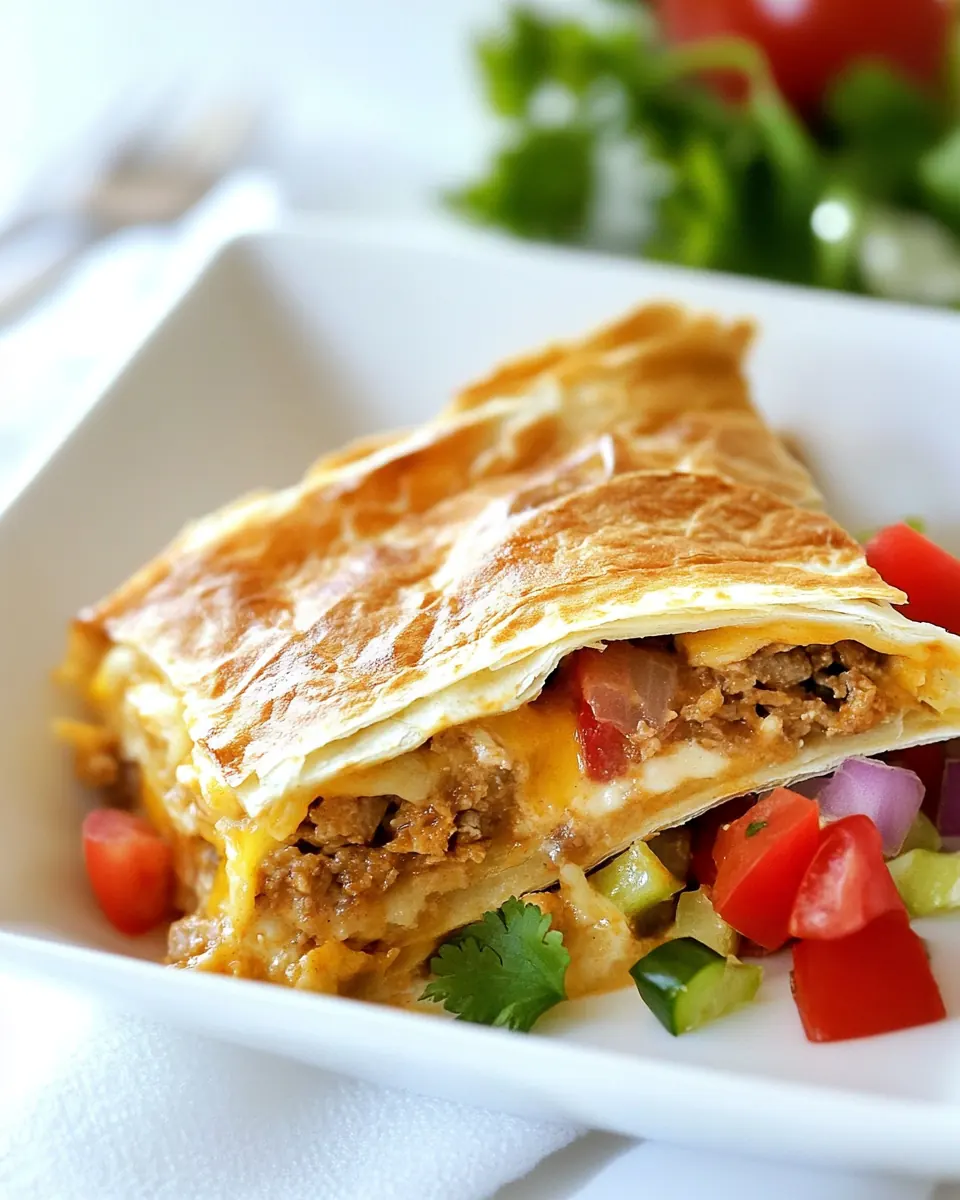
These ingredients work together to build layers of savory richness and contrasting textures. The key players are the seasoned ground beef for meaty depth, the melty cheddar cheese and nacho cheese for creamy cohesion, and the tortillas for structure. Fresh tomatoes and shredded lettuce add brightness at the end, creating balance against the richness.
- 1 lb ground beef: Brown and crumble to provide rich, savory protein that forms the casserole's hearty base; season and drain any excess fat before combining with other fillings.
- 1 cup onion chopped: Sauté until translucent to add sweet, aromatic depth and a mild crunch contrast to the meaty filling; chop uniformly for even distribution throughout the casserole.
- 1 oz dry taco seasoning rec. – taco bell seasoning: Season and flavor the beef with concentrated Mexican-inspired spices to give the dish tangy, smoky heat; dissolve into the meat together with water to create a cohesive sauce.
- 1/3 cup water: Simmer with the taco seasoning to loosen and meld spices into a saucy mixture that helps bind the beef and prevents dryness; adjust simmer time until flavors concentrate.
- 2 tablespoons butter melted: Brush or drizzle over tortillas to promote browning and a slight crispness when baked; melt fully so it distributes evenly and enhances mouthfeel.
- 6 burrito-size flour tortillas 10 inch: Layer as pliable wraps that form the casserole structure and hold fillings together; warm slightly if needed to make folding easier and avoid tearing.
- 2 cups shredded cheddar cheese: Sprinkle between layers and on top to deliver creamy, sharp, melty cheesiness that binds ingredients and adds gooey texture when baked.
- 1 cup diced tomatoes seedless, plus extra for serving: Fold or sprinkle throughout to introduce fresh, juicy acidity and bright flavor; seedless dice keeps moisture in check and avoids soggy layers.
- 8 oz sour cream (plus extra for serving): Spoon dollops or mix in to contribute cool creaminess and tang that balances spicy and savory components; reserve extra for serving to add freshness.
- 6 crispy tostada shells or corn tortilla shells (see note in footer): Crumble or nestle into the casserole for crunchy contrast and authentic tostada texture; break into pieces if needed to fit layers evenly.
- 10.5 oz nacho cheese canned, can heat for easy spread if desired: Heat and spread as a smooth, velvety sauce to provide indulgent, savory cheesiness that fills gaps and enhances overall creaminess; warm gently if thick.
- Shredded lettuce for serving: Shred and serve atop to supply crisp, fresh greenery and a light, cool counterpoint to the warm, rich casserole components.
- Hot sauce , for serving (optional): Drizzle sparingly at serving to introduce sharp, piquant heat for those who want an extra kick; offer on the side for individual preference.
- nacho cheese for dipping: Serve as an extra dipping option to amplify cheesy, savory flavor alongside bites of the casserole; keep warm for easy dipping.
- black olives: Slice and scatter for briny, salty pops of flavor and visual contrast; rinse and drain if packed in brine to control saltiness.
How to Assemble Crunchwrap Casserole
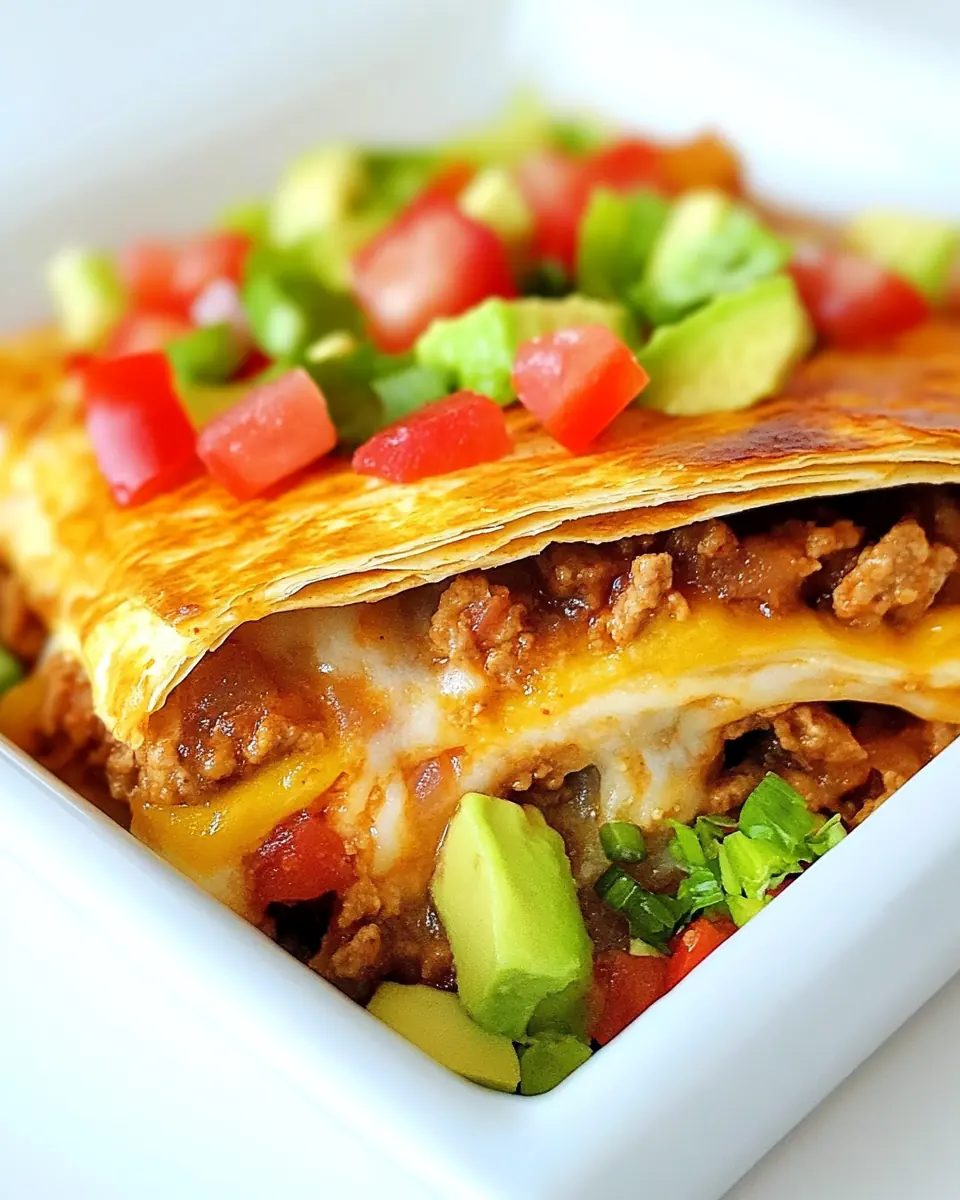
Assembling this casserole is part choreography and part intuition, and I like to think of it as building a layered savory cake. Keep your tools within reach and focus on the sensory cues: the sizzle of meat, the shine of melted butter, and the way the top browns in the oven.
- Cook the Beef: In your large skillet, cook the ground beef and chopped onion over medium-high heat. Stir frequently until the beef is browned and the onion is tender. Then, drain any excess grease from the skillet.: The kitchen will fill with the rich, meaty aroma as the ground beef and onion sizzle in the large skillet, creating a warm, savory scent that tells you the Maillard reactions are happening. Listen for a steady, energetic sizzle that mellows as the meat browns and the onion becomes translucent and tender, releasing a gentle sweetness. Browning the meat properly builds depth and prevents a flat flavor profile, so don’t rush this step by cranking the heat too high or crowding the pan. If the skillet steams instead of sizzles, the meat will stew and lose its browned edges, which will reduce flavor. A common mistake is adding seasoning too early; wait until most moisture has evaporated to let the beef caramelize, then drain excess grease before moving on.
- Season the Beef: Add the taco seasoning and water to the skillet with the beef. Continue to cook over medium heat for 3-5 minutes, stirring often, until the seasoning is well mixed and the water has evaporated. Remove the skillet from heat.: You will notice the aroma shift when you add the dry taco seasoning and the 1/3 cup water, a fragrant burst of cumin, chili, and garlic notes that bloom as the water helps release the spice oils. As the mixture simmers for 3 to 5 minutes, the liquid should reduce and cling to the ground beef , coating each piece with flavor. This step is critical because it ensures an even distribution of spice, otherwise you risk patches of underseasoned meat. Stir frequently so the seasoning does not settle or burn, and remove from heat once the water has mostly evaporated. A mistake people make is leaving the mixture too wet, which can make the casserole soggy; aim for a glossy, thickened coating on the meat.
- Preheat and Prep Pan: Turn your oven on to preheat at 375°F. Use half of the melted butter to grease the bottom and sides of your 9×13 inch baking pan.: The moment you set the oven to 375°F, the kitchen begins to feel purposeful, and using half of the melted butter to grease the 9 x 13 baking dish gives the tortillas a chance to brown evenly and prevents sticking. The scent of warm butter is subtle but inviting, and a well greased pan makes the final inversion clean and intact. Greasing also contributes to the golden top you see after baking, so brush thoroughly into the corners. Avoid skimping, or the outer tortillas may adhere to the pan and tear when you invert the casserole, which is a common frustration.
- Layer Tortillas: Arrange the flour tortillas in the greased pan. Each tortilla should hang over the edge of the pan a bit, with them overlapping in the center.: As you arrange the six burrito size flour tortillas in the greased pan, overlapping them so they hang slightly over the edge, you can feel the pliable sheets conforming to the dish. The visual cue of a well covered bottom with overlapping edges tells you the structure will hold once folded. Ensure the tortillas overlap in the center, creating a canvas for the fillings. Press them gently so there are no large air pockets, which can cause uneven baking. A typical error is folding tortillas that are cold and stiff; warm them briefly if needed to make them more flexible and avoid tearing.
- Add Cheese and Tomatoes: Sprinkle the shredded cheddar cheese over the tortillas, then add the diced tomatoes.: Sprinkling the shredded cheddar cheese over the tortilla base introduces sharp, milky aromas that will melt into gooey pockets in the oven, while the diced tomatoes add a burst of freshness and slight acidity. The contrast between molten cheese and bright tomatoes is crucial for balancing richness. Distribute them evenly so each slice gets an even mix of melt and brightness. Watch out for overly watery tomatoes which can release liquid during baking; seedless tomatoes reduce this risk.
- Drizzle Sour Cream: Put the sour cream into a resealable sandwich bag and cut off one corner of the bag. Squeeze the bag to drizzle sour cream over the tomatoes.: When you put the sour cream into a sandwich bag and snip a corner, the controlled drizzle lets you create an even, silky layer that melds with the cheese and tomatoes. The tang of the sour cream cuts through the heavy cheeses and provides a creamy mouthfeel. Start with a light hand so the layer is thin and cohesive rather than puddled, which can make the center too wet. A common slip is over drizzling, which dilutes the texture; aim for a delicate lattice of cream instead.
- Add inner shells and toppings: Place either crunch tostada shells (for a middle crunch) or soft corn tortilla shells (for a creamy center with no crunch) on top of the sour cream layer, making sure they stay inside the center of the dish. It is OK to overlap the flat shells. Then, spread the canned nacho cheese over the center and add the seasoned beef mixture on top.: Placing the crunchy tostada shells or soft corn tortilla shells into the center introduces that deciding factor between a crunchy or creamy heart, and spreading the warmed nacho cheese over them creates a molten core that anchors the seasoned ground beef on top. The contrast between textures is enhanced here, and the nacho cheese helps the beef adhere to the shell, preventing slippage. If you choose crisp shells, expect a satisfying crackle when you bite in; with soft shells, the center will be smoother and more uniform. Avoid over stacking shells which can prevent even heating and lead to a cold center.
- Fold and Butter: Fold the overhanging flour tortillas over the beef layer, overlapping them. Brush the top with the remaining melted butter.: Folding the overhanging flour tortillas over the meat layer transforms the assembly into a sealed pie, and brushing the top with the remaining melted butter gives you that gorgeous golden sheen in the oven. As you work, the tactile act of tucking the edges creates a neat package and helps trap steam, which warms the center without drying the exterior. An even butter coat ensures browning; too little and the top will remain pale, too much and it can become greasy. A practical error is uneven folding that leaves gaps, which can cause filling to leak during baking.
- Bake the Casserole: Bake in the oven for 30 minutes or until the casserole is golden brown.: As the casserole bakes for 30 minutes at 375°F, the kitchen fills with a toasty, cheesy aroma and the top turns a warm, golden brown, signaling readiness. The internal cheeses should be bubbling gently, and the edges of the tortillas will crisp slightly. Baking at this temperature allows the filling to heat through without burning the top; higher heat risks over browning before the center is warm. A common mistake is pulling it out too early, resulting in a cold center, or leaving it too long which can dry out the edges.
- Serve: After removing the casserole from the oven, let it stand for 5 minutes. Then, invert the casserole onto a cutting board or large platter, remove the baking dish, and use a serrated knife to cut the casserole into 8 large squares. Serve with additional chopped tomatoes, black olives, shredded lettuce, sour cream, and hot sauce if you like.: Letting the casserole stand for 5 minutes after removing it from the oven helps it settle, making the inversion clean and the interior less likely to ooze out. When you invert onto a cutting board and remove the dish, the reveal should show distinct layers, and cutting into eight large squares gives a satisfying, structured portion. Serve with extra chopped tomatoes , black olives , shredded lettuce , additional sour cream , and optional hot sauce so everyone can customize their bite. Avoid cutting immediately out of the oven, which often leads to an unruly, falling apart casserole; patience pays off here.
Ways to Adapt This Recipe
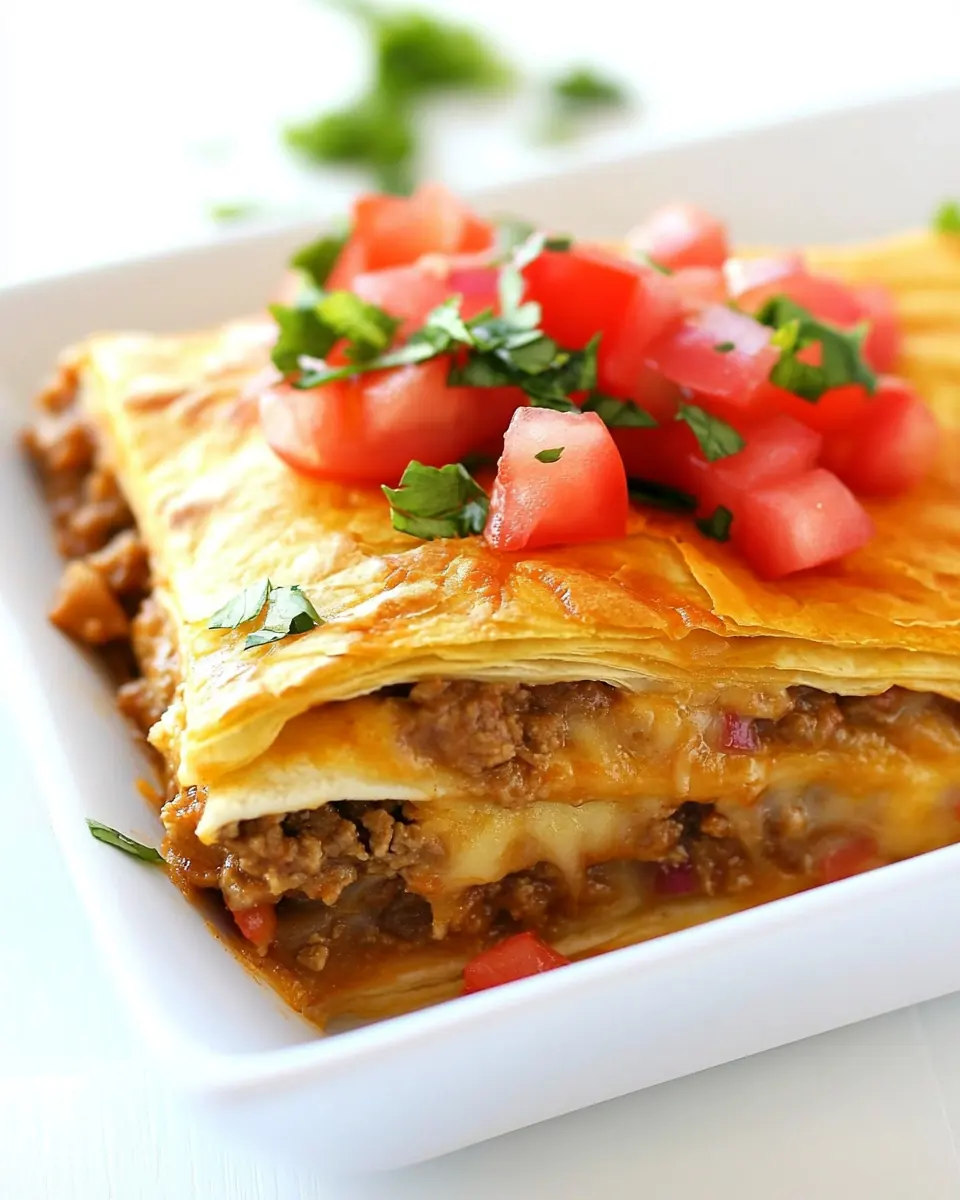
This casserole is adaptable to many preferences, and small changes can shift the profile from extra creamy to extra crunchy without changing the method. Below are practical ways I adjust the recipe depending on mood, guest list, or pantry contents.
- Swap Proteins: Substitute the ground beef with ground turkey or chicken for a lighter option, keeping the same seasoning and cooking method to maintain texture and flavor.
- Cheese Blends: Mix cheddar cheese with Monterey Jack or a Mexican blend to change melt and flavor characteristics while preserving the gooey center.
- Veggie Boost: Fold in chopped bell peppers or additional black olives into the seasoned ground beef before layering to add color and nutrients without altering assembly.
- Spice Level: Add chopped jalapeños or chili flakes into the ground beef while seasoning to dial up heat, and offer extra hot sauce on the side for guests who like more fire.
- Crunch vs Cream: For a crunchy heart use crispy tostada shells, or choose soft corn tortilla shells for a creamier center, depending on the texture you prefer.
- Make Ahead: Assemble the casserole up to the folding and refrigeration step, then cover and bake within 24 hours; allow an extra 10 minutes in the oven if baking from cold.
Great Combinations for Crunchwrap Casserole
This casserole pairs well with simple, fresh sides and works for many occasions, from casual weeknights to relaxed gatherings. Think crisp textures and bright flavors to offset the richness.
- Fresh Salad: A crisp green salad with a light vinaigrette offers a refreshing counterpoint to the warm, cheesy casserole, making it ideal for a balanced dinner.
- Extra Toppings Station: Lay out bowls of chopped tomatoes, shredded lettuce, sliced black olives, and additional sour cream so guests can customize their slices, perfect for casual entertaining.
- Occasion Fit: Serve this at a game night or family dinner; it’s hearty and informal, making it great for relaxed gatherings or a comforting Ramadan Iftar when you want something shareable.
- Storage Tips: Store leftovers in an airtight container for up to three days in the fridge, and reheat gently in an oven or air fryer to retain texture rather than microwaving which can make it soggy.
- Seasonal Pairings: Add a side of lightly dressed greens in spring or a simple tomato salsa in summer to match seasonal produce and brighten the plate.
FAQ
Conclusion
Crunchwrap Casserole stands out because it turns humble pantry ingredients into a shareable, layered meal that balances creamy cheese, seasoned meat, and contrasting textures. You’ll love how easy it comes together and how impressive it looks on the table, perfect for feeding a family or a crowd. Give it a try on a night when you want a comforting, hands off bake that still delivers big on flavor and fun, and don’t be surprised if it becomes a requested staple.
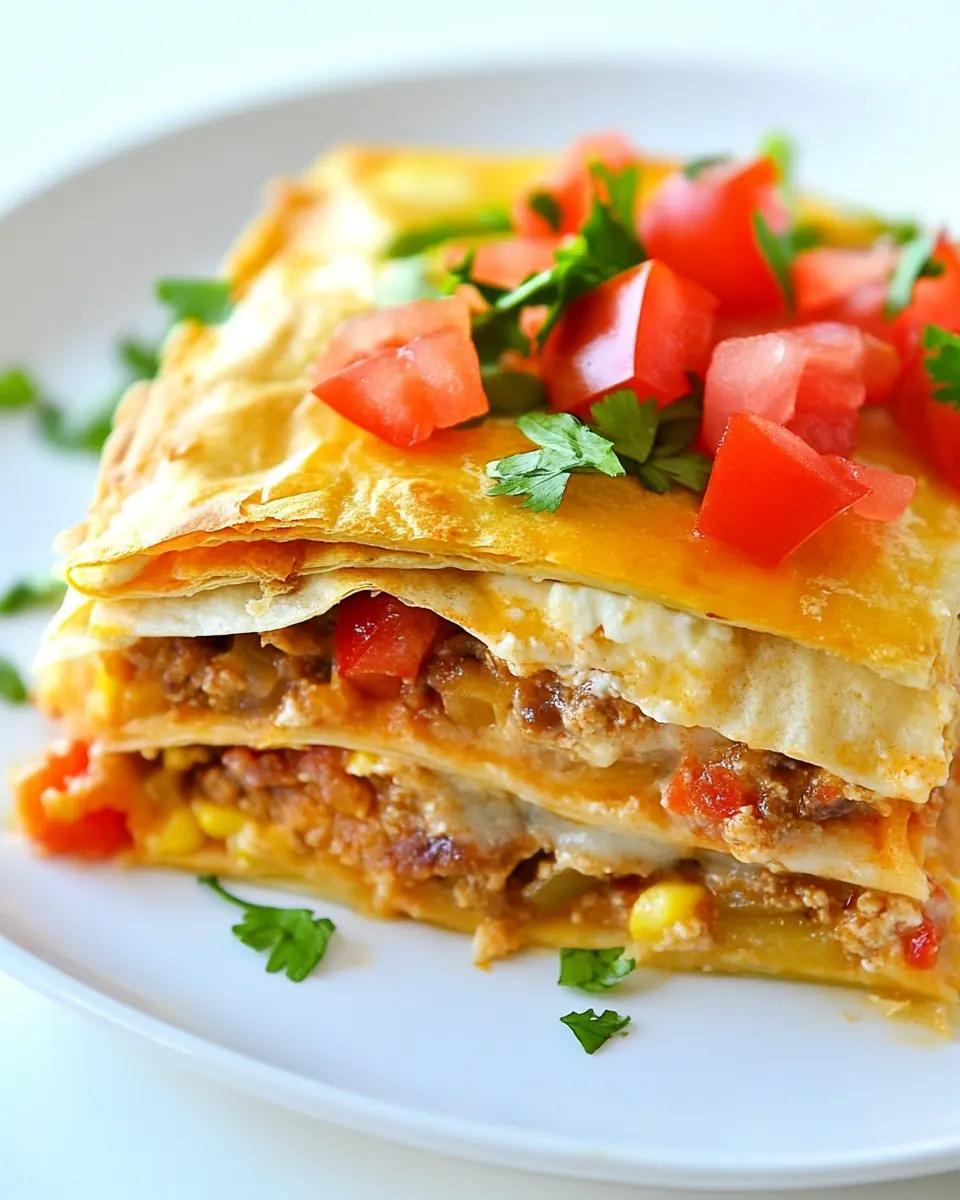
Crunchwrap Casserole
Ingredients
Equipment
Method
- Cook the Beef: In your large skillet, cook the ground beef and chopped onion over medium-high heat. Stir frequently until the beef is browned and the onion is tender. Then, drain any excess grease from the skillet.: The kitchen will fill with the rich, meaty aroma as the ground beef and onion sizzle in the large skillet, creating a warm, savory scent that tells you the Maillard reactions are happening. Listen for a steady, energetic sizzle that mellows as the meat browns and the onion becomes translucent and tender, releasing a gentle sweetness. Browning the meat properly builds depth and prevents a flat flavor profile, so don’t rush this step by cranking the heat too high or crowding the pan. If the skillet steams instead of sizzles, the meat will stew and lose its browned edges, which will reduce flavor. A common mistake is adding seasoning too early; wait until most moisture has evaporated to let the beef caramelize, then drain excess grease before moving on.
- Season the Beef: Add the taco seasoning and water to the skillet with the beef. Continue to cook over medium heat for 3-5 minutes, stirring often, until the seasoning is well mixed and the water has evaporated. Remove the skillet from heat.: You will notice the aroma shift when you add the dry taco seasoning and the 1/3 cup water, a fragrant burst of cumin, chili, and garlic notes that bloom as the water helps release the spice oils. As the mixture simmers for 3 to 5 minutes, the liquid should reduce and cling to the ground beef , coating each piece with flavor. This step is critical because it ensures an even distribution of spice, otherwise you risk patches of underseasoned meat. Stir frequently so the seasoning does not settle or burn, and remove from heat once the water has mostly evaporated. A mistake people make is leaving the mixture too wet, which can make the casserole soggy; aim for a glossy, thickened coating on the meat.
- Preheat and Prep Pan: Turn your oven on to preheat at 375°F. Use half of the melted butter to grease the bottom and sides of your 9×13 inch baking pan.: The moment you set the oven to 375°F, the kitchen begins to feel purposeful, and using half of the melted butter to grease the 9 x 13 baking dish gives the tortillas a chance to brown evenly and prevents sticking. The scent of warm butter is subtle but inviting, and a well greased pan makes the final inversion clean and intact. Greasing also contributes to the golden top you see after baking, so brush thoroughly into the corners. Avoid skimping, or the outer tortillas may adhere to the pan and tear when you invert the casserole, which is a common frustration.
- Layer Tortillas: Arrange the flour tortillas in the greased pan. Each tortilla should hang over the edge of the pan a bit, with them overlapping in the center.: As you arrange the six burrito size flour tortillas in the greased pan, overlapping them so they hang slightly over the edge, you can feel the pliable sheets conforming to the dish. The visual cue of a well covered bottom with overlapping edges tells you the structure will hold once folded. Ensure the tortillas overlap in the center, creating a canvas for the fillings. Press them gently so there are no large air pockets, which can cause uneven baking. A typical error is folding tortillas that are cold and stiff; warm them briefly if needed to make them more flexible and avoid tearing.
- Add Cheese and Tomatoes: Sprinkle the shredded cheddar cheese over the tortillas, then add the diced tomatoes.: Sprinkling the shredded cheddar cheese over the tortilla base introduces sharp, milky aromas that will melt into gooey pockets in the oven, while the diced tomatoes add a burst of freshness and slight acidity. The contrast between molten cheese and bright tomatoes is crucial for balancing richness. Distribute them evenly so each slice gets an even mix of melt and brightness. Watch out for overly watery tomatoes which can release liquid during baking; seedless tomatoes reduce this risk.
- Drizzle Sour Cream: Put the sour cream into a resealable sandwich bag and cut off one corner of the bag. Squeeze the bag to drizzle sour cream over the tomatoes.: When you put the sour cream into a sandwich bag and snip a corner, the controlled drizzle lets you create an even, silky layer that melds with the cheese and tomatoes. The tang of the sour cream cuts through the heavy cheeses and provides a creamy mouthfeel. Start with a light hand so the layer is thin and cohesive rather than puddled, which can make the center too wet. A common slip is over drizzling, which dilutes the texture; aim for a delicate lattice of cream instead.
- Add inner shells and toppings: Place either crunch tostada shells (for a middle crunch) or soft corn tortilla shells (for a creamy center with no crunch) on top of the sour cream layer, making sure they stay inside the center of the dish. It is OK to overlap the flat shells. Then, spread the canned nacho cheese over the center and add the seasoned beef mixture on top.: Placing the crunchy tostada shells or soft corn tortilla shells into the center introduces that deciding factor between a crunchy or creamy heart, and spreading the warmed nacho cheese over them creates a molten core that anchors the seasoned ground beef on top. The contrast between textures is enhanced here, and the nacho cheese helps the beef adhere to the shell, preventing slippage. If you choose crisp shells, expect a satisfying crackle when you bite in; with soft shells, the center will be smoother and more uniform. Avoid over stacking shells which can prevent even heating and lead to a cold center.
- Fold and Butter: Fold the overhanging flour tortillas over the beef layer, overlapping them. Brush the top with the remaining melted butter.: Folding the overhanging flour tortillas over the meat layer transforms the assembly into a sealed pie, and brushing the top with the remaining melted butter gives you that gorgeous golden sheen in the oven. As you work, the tactile act of tucking the edges creates a neat package and helps trap steam, which warms the center without drying the exterior. An even butter coat ensures browning; too little and the top will remain pale, too much and it can become greasy. A practical error is uneven folding that leaves gaps, which can cause filling to leak during baking.
- Bake the Casserole: Bake in the oven for 30 minutes or until the casserole is golden brown.: As the casserole bakes for 30 minutes at 375°F, the kitchen fills with a toasty, cheesy aroma and the top turns a warm, golden brown, signaling readiness. The internal cheeses should be bubbling gently, and the edges of the tortillas will crisp slightly. Baking at this temperature allows the filling to heat through without burning the top; higher heat risks over browning before the center is warm. A common mistake is pulling it out too early, resulting in a cold center, or leaving it too long which can dry out the edges.
- Serve: After removing the casserole from the oven, let it stand for 5 minutes. Then, invert the casserole onto a cutting board or large platter, remove the baking dish, and use a serrated knife to cut the casserole into 8 large squares. Serve with additional chopped tomatoes, black olives, shredded lettuce, sour cream, and hot sauce if you like.: Letting the casserole stand for 5 minutes after removing it from the oven helps it settle, making the inversion clean and the interior less likely to ooze out. When you invert onto a cutting board and remove the dish, the reveal should show distinct layers, and cutting into eight large squares gives a satisfying, structured portion. Serve with extra chopped tomatoes , black olives , shredded lettuce , additional sour cream , and optional hot sauce so everyone can customize their bite. Avoid cutting immediately out of the oven, which often leads to an unruly, falling apart casserole; patience pays off here.
Notes
- Swap Proteins: Substitute the ground beef with ground turkey or chicken for a lighter option, keeping the same seasoning and cooking method to maintain texture and flavor.
- Cheese Blends: Mix cheddar cheese with Monterey Jack or a Mexican blend to change melt and flavor characteristics while preserving the gooey center.
- Veggie Boost: Fold in chopped bell peppers or additional black olives into the seasoned ground beef before layering to add color and nutrients without altering assembly.
- Spice Level: Add chopped jalapeños or chili flakes into the ground beef while seasoning to dial up heat, and offer extra hot sauce on the side for guests who like more fire.
- Crunch vs Cream: For a crunchy heart use crispy tostada shells, or choose soft corn tortilla shells for a creamier center, depending on the texture you prefer.
- Make Ahead: Assemble the casserole up to the folding and refrigeration step, then cover and bake within 24 hours; allow an extra 10 minutes in the oven if baking from cold.