Chicken Florentine Casserole
Chicken Florentine Casserole has been my go to for busy evenings when I want comfort food that still feels a bit elevated. The first time I made it I remember juggling a tired weeknight and a hungry family, and this dish folded together everything I love about creamy, cheesy bakes into one reassuring pan. From the moment I stirred the warm, garlicky filling I knew this would be a repeat request.
Every spoonful balances shredded chicken with tender, spinach flecks and a lush, creamy sauce. I like how the casserole travels from stovetop to oven with almost no fuss, and how the melted mozzarella on top gives that pull and gloss that gets everyone leaning in. Over time I learned little tricks that keep it from becoming watery or bland, and those small adjustments really change the texture and flavor.
When guests arrive unannounced I often slide this into the oven, and the house quickly fills with aromas of roasted garlic and bubbling cheese. It pairs well with simple sides and feels special without requiring a culinary marathon, which is exactly the sort of thing I love to cook on weeknights. If you enjoy hearty, creamy casseroles, this one rewards patience with comforting layers of savory goodness.
Recipe Snapshot
40 mins
10 mins
30 mins
Easy
450 kcal
Italian
Keto, Gluten-Free
Dinner
Casserole dish, Mixing bowl, Rubber spatula, Oven, Kitchen towel
What We Adore About This Chicken Florentine Casserole
Comforting, Yet Light
I adore how Chicken Florentine Casserole manages to be both comforting and surprisingly light. The combination of shredded chicken and thawed spinach keeps the dish substantial, while the dairy elements add creaminess without heaviness when balanced correctly. I often tell friends that you get the soul of a gratin without the leaden feeling some casseroles can bring.
Minimal Fuss, Maximum Flavor
One of the things that sold me on this recipe was how little hands on time it asks for. Mixing the filling is straightforward, yet the layering of flavors from garlic, parmesan cheese, and cream of mushroom soup creates depth. I especially appreciate recipes that let you walk away for a bit without worrying about stirring constantly or babysitting a pan.
Family Friendly Crowd Pleaser
We’ve served Chicken Florentine Casserole to picky eaters and to food obsessives, and both groups come back for more. The creamy texture and melted mozzarella on top offer that universal appeal, while the hidden spinach is an easy way to fold in greens. In my house, casseroles that disappear quickly are winners, and this one vanishes every time.
Flexible and Forgiving
I love that this recipe adapts to what you have on hand. The structure tolerates small swaps and still ends up delicious. I’ve swapped brands and dairy ratios and each time the result stayed reliably creamy and satisfying. That flexibility makes it a go to when the pantry is not perfectly stocked.
Great Make Ahead Option
Another reason I recommend Chicken Florentine Casserole is how well it can be prepared in advance. Assemble it earlier in the day and pop it in the oven when you are ready, or bake it ahead and rewarm for gatherings. That hands off convenience is a lifesaver when you want to focus on guests rather than the stove.
Chicken Florentine Casserole Shopping List
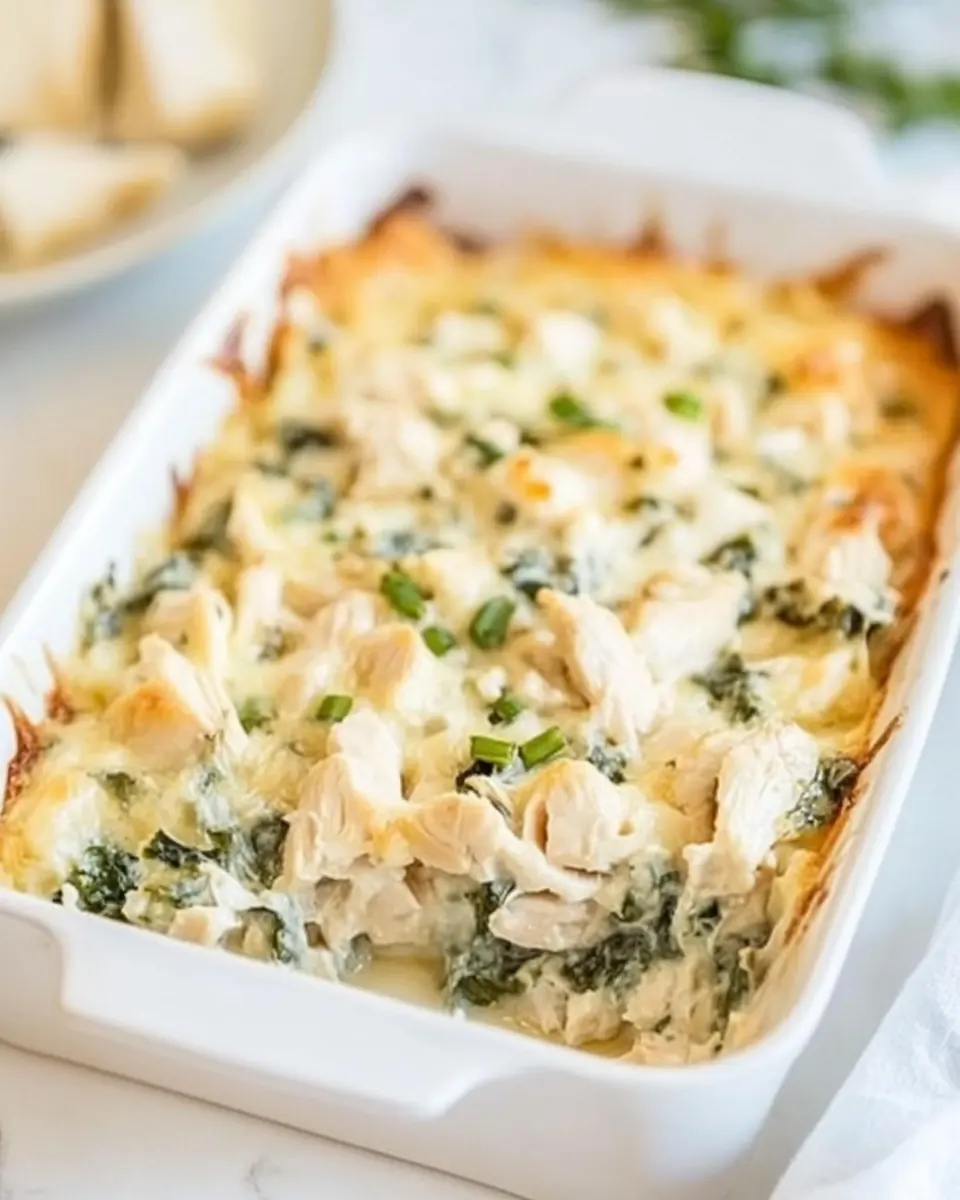
These ingredients are a study in balance. Each item plays a clear role, from the hearty base of shredded chicken to the binding cream elements that give the casserole its signature silky texture. The combination of salty cheeses and savory soup creates depth, while the spinach provides color and subtle vegetal notes, so the whole dish feels complete and harmonious.
- 4 cups shredded chicken: Shredded and cooked to provide hearty protein and bulk, contributes the primary savory component and texture to the casserole. Absorbs flavors from sauces and seasonings, helping bind the dish together for a cohesive bite.
- 12 oz frozen chopped spinach, thawed: Chopped and thawed to add tender leafy greens and a mild earthy flavor, contributes moisture and nutrients without overpowering other elements. Squeezed or drained as needed to prevent excess liquid, it blends smoothly into the creamy filling.
- 10.5 oz cream of mushroom soup, (1 can) *See note: Canned condensed soup used to create a creamy, savory base and add body and umami to the mixture. Blends easily with dairy and seasonings to form a cohesive sauce that helps bind other ingredients during baking.
- 1/2 cup sour cream: Creamy and tangy to lighten and enrich the sauce, adds softness and a slight acidity that balances richer components. Incorporates smoothly into the mixture to enhance mouthfeel and create a silkier texture.
- 1/4 cup milk: Poured in sparingly to adjust consistency, thins the filling so it coats ingredients evenly and bakes to a smooth casserole. Helps achieve the desired creaminess without diluting the overall flavor profile.
- 1/2 cup parmesan cheese, shredded: Finely shredded to contribute a sharp, salty, and nutty dimension while enhancing savory depth. Sprinkled into the mixture and on top to encourage a golden, flavorful finish during baking.
- 4 cloves garlic, pressed: Pressed to release pungent, aromatic flavor that brightens and defines the savory profile, infusing the casserole with garlicky warmth. Cooked briefly with other ingredients to mellow raw harshness and integrate fully into the sauce.
- 1 tsp chicken bullion: Powdered seasoning added for concentrated savory and salty notes, boosting overall meatiness and depth without adding extra liquid. Dissolved into the mixture to evenly distribute chicken-like umami throughout the dish.
- 1/2 cup mozzarella: Melted on top or mixed in to create a stretchy, mild, and creamy cheese layer that promotes browning and a pleasing texture. Complements other cheeses by adding gooey richness and a smooth finish when baked.
How to Cook Chicken Florentine Casserole

I like to walk into this part of cooking with a relaxed mindset, because the recipe rewards steady, confident moves. Take a moment to assemble your ingredients nearby so transitions are smooth. Below I expand each direction into sensory rich steps to guide you through the process.
- Squeeze all water possible out of the spinach.: You will feel the weight of the thawed spinach change as you wring it, and the pile will become noticeably drier and denser. This matters because excess moisture will steam the casserole and prevent a creamy texture, instead making it soggy. A tip I use is wrapping the spinach in a clean kitchen towel and twisting firmly until very little water remains, the towel will feel warm and damp. If you skip this the filling may separate while baking, causing a watery gap at the edges. Common mistake, especially when rushed, is squeezing only a little and assuming it is fine, which leads to a runny bake.
- Mix chicken, spinach, cream of mushroom soup, sour cream, milk, parmesan cheese, garlic, and chicken bullion together until combined.: As you stir the mixture the aroma of pressed garlic and the savory note from the soup will bloom, and the texture should become uniformly creamy with flecks of green and striations of shredded chicken . This step builds the flavor base, and thorough mixing ensures each bite carries the same balance. Use a rubber spatula and fold gently until you no longer see pockets of dry ingredients, the surface should look glossy and cohesive. If the mixture seems overly thick add a touch more milk to reach a spoonable consistency. A frequent error is under mixing, leaving clumps of sour cream or cold pockets, which results in uneven texture after baking.
- Spread evenly in a medium casserole dish.: When you transfer the filling, press it into a level layer so the heat distributes evenly during baking, and you will see small air pockets flatten out into a smooth plane. An even surface encourages uniform browning and prevents edges from drying faster than the center. Use the back of a spoon to smooth the top, and the dish should feel balanced when you move it. If you pile the center higher than the edges the middle may stay softer and need extra time. A common mistake is not centering the dish in the oven, which causes uneven browning and melting.
- Bake covered at 375˚F for 30 minutes. Uncover, then add mozzarella cheese and bake an additional 5-10 minutes or until the cheese melts.: As the casserole heats you will notice a gentle bubbling and the scent of roasted garlic deepening, and the sides will quietly thicken as the sauce sets. Covering traps steam, allowing the interior to cook through without over browning the top, which keeps the filling moist and cohesive. The temperature should be steady, and the center will begin to feel set when you gently jiggle the dish. Avoid opening the oven repeatedly, or heat will escape and extend cooking time. A typical pitfall here is baking uncovered from the start, which can dry out the surface before the center cooks.
- Garnish with parsley if desired and serve warm. Enjoy!: Once uncovered you will hear a soft, excited bubbling as moisture escapes and the top readies itself for browning, then after sprinkling the mozzarella it will melt into an inviting glossy sheet. Watch for the cheese to become uniformly molten and to develop faint golden spots, which signal the perfect finish. This final brief blast of heat brings textural contrast, the gooey melt against the creamy base. Overbaking at this stage will brown the cheese too much and dry the surface, so plan to check at the five minute mark and adjust as needed.
- Garnish with parsley if desired and serve warm. Enjoy!: The garnish will add a fresh scent and a pop of color that brightens each serving, and when you spoon out the casserole you should see ribboned chicken and verdant flecks of spinach surrounded by a silky sauce. Serving warm helps the texture hold, and the contrast between the bubbling interior and slightly cooled top is lovely. One common mistake is letting it sit too long before serving, which can cause the texture to firm up and lose its lusciousness.
Tips and Tricks about Chicken Florentine Casserole
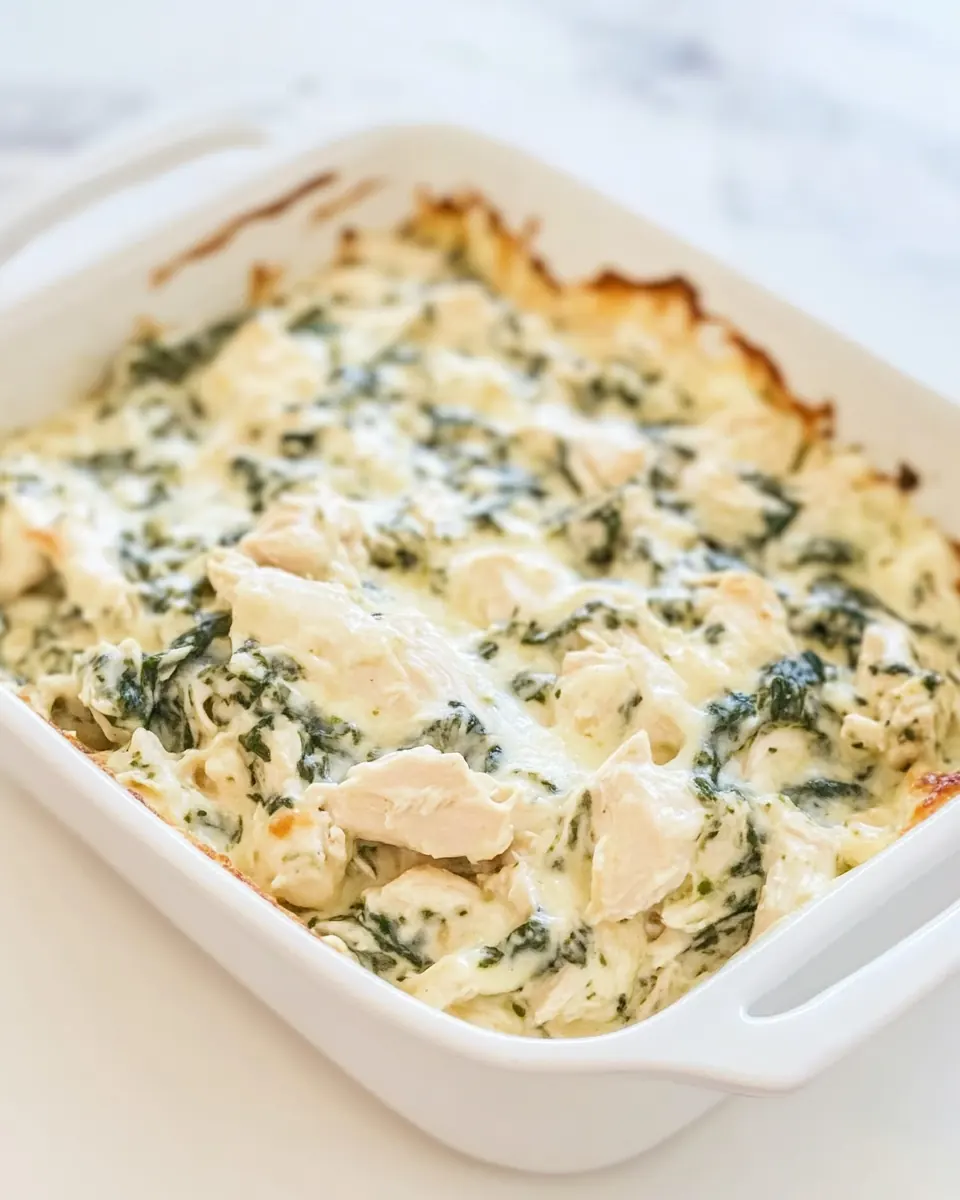
This casserole rewards small attentions that keep the texture creamy and the flavor balanced. Below are practical, experience tested tips to help you get consistent results each time you make Chicken Florentine Casserole.
- Drain the spinach completely, using a towel to squeeze out moisture ensures the filling is rich rather than watery, and it prevents the oven from steaming the casserole instead of setting it.
- Shred instead of chop the chicken, hand shredding keeps fiber and bite, and it helps the meat integrate into the sauce so every forkful has pleasing texture.
- Let sour cream come to room temperature to make blending simpler and avoid lumps in the filling, giving a uniformly smooth sauce.
- Grate parmesan fresh, freshly grated parmesan melts better and offers a brighter, nuttier flavor than pre grated options that can contain anti caking agents.
- Add mozzarella at the end so the top becomes glossy and stretchy without drying out, check it at five minutes to catch the perfect melt.
How to Serve Chicken Florentine Casserole
This casserole is versatile enough for weeknight dinners and casual gatherings. Serve it warm so the texture stays creamy, and consider light, fresh accompaniments to balance the richness. Below I outline serving ideas, storage guidance, and occasions where this dish shines.
- Serve with a crisp green salad to cut through the richness, choose a simple vinaigrette for a lively contrast.
- Offer crusty bread so guests can scoop up the creamy filling, the bread adds a satisfying crunch to the soft casserole.
- Plate for family dinner by making generous scoops, it’s ideal for communal serving where everyone can take what they like.
- Bring to potlucks because it travels well and stays warm in a covered dish, it’s an easy crowd pleaser for gatherings.
- Store leftovers properly in an airtight container in the refrigerator for up to three days, reheat gently to maintain creaminess.
- Reheat slowly in a low oven so the filling warms through without the top drying out, cover if the surface begins to brown too quickly.
- Occasions, great for weeknight dinners, casual gatherings, and cozy winter meals when you want something warming and filling.
FAQ
Conclusion
Chicken Florentine Casserole stands out because it brings together shredded chicken, spinach, and a creamy, cheesy sauce for an easy, comforting meal. Give it a try when you want a satisfying, low fuss dish that still feels special; the simple prep and crowd pleasing finish make it perfect for busy nights or casual gatherings. I hope you enjoy how the flavors come together and that it becomes a reliable favorite in your rotation.

Chicken Florentine Casserole
Ingredients
Equipment
Method
- Squeeze all water possible out of the spinach.: You will feel the weight of the thawed spinach change as you wring it, and the pile will become noticeably drier and denser. This matters because excess moisture will steam the casserole and prevent a creamy texture, instead making it soggy. A tip I use is wrapping the spinach in a clean kitchen towel and twisting firmly until very little water remains, the towel will feel warm and damp. If you skip this the filling may separate while baking, causing a watery gap at the edges. Common mistake, especially when rushed, is squeezing only a little and assuming it is fine, which leads to a runny bake.
- Mix chicken, spinach, cream of mushroom soup, sour cream, milk, parmesan cheese, garlic, and chicken bullion together until combined.: As you stir the mixture the aroma of pressed garlic and the savory note from the soup will bloom, and the texture should become uniformly creamy with flecks of green and striations of shredded chicken . This step builds the flavor base, and thorough mixing ensures each bite carries the same balance. Use a rubber spatula and fold gently until you no longer see pockets of dry ingredients, the surface should look glossy and cohesive. If the mixture seems overly thick add a touch more milk to reach a spoonable consistency. A frequent error is under mixing, leaving clumps of sour cream or cold pockets, which results in uneven texture after baking.
- Spread evenly in a medium casserole dish.: When you transfer the filling, press it into a level layer so the heat distributes evenly during baking, and you will see small air pockets flatten out into a smooth plane. An even surface encourages uniform browning and prevents edges from drying faster than the center. Use the back of a spoon to smooth the top, and the dish should feel balanced when you move it. If you pile the center higher than the edges the middle may stay softer and need extra time. A common mistake is not centering the dish in the oven, which causes uneven browning and melting.
- Bake covered at 375˚F for 30 minutes. Uncover, then add mozzarella cheese and bake an additional 5-10 minutes or until the cheese melts.: As the casserole heats you will notice a gentle bubbling and the scent of roasted garlic deepening, and the sides will quietly thicken as the sauce sets. Covering traps steam, allowing the interior to cook through without over browning the top, which keeps the filling moist and cohesive. The temperature should be steady, and the center will begin to feel set when you gently jiggle the dish. Avoid opening the oven repeatedly, or heat will escape and extend cooking time. A typical pitfall here is baking uncovered from the start, which can dry out the surface before the center cooks.
- Garnish with parsley if desired and serve warm. Enjoy!: Once uncovered you will hear a soft, excited bubbling as moisture escapes and the top readies itself for browning, then after sprinkling the mozzarella it will melt into an inviting glossy sheet. Watch for the cheese to become uniformly molten and to develop faint golden spots, which signal the perfect finish. This final brief blast of heat brings textural contrast, the gooey melt against the creamy base. Overbaking at this stage will brown the cheese too much and dry the surface, so plan to check at the five minute mark and adjust as needed.
- Garnish with parsley if desired and serve warm. Enjoy!: The garnish will add a fresh scent and a pop of color that brightens each serving, and when you spoon out the casserole you should see ribboned chicken and verdant flecks of spinach surrounded by a silky sauce. Serving warm helps the texture hold, and the contrast between the bubbling interior and slightly cooled top is lovely. One common mistake is letting it sit too long before serving, which can cause the texture to firm up and lose its lusciousness.
Notes
- Drain the spinach completely, using a towel to squeeze out moisture ensures the filling is rich rather than watery, and it prevents the oven from steaming the casserole instead of setting it.
- Shred instead of chop the chicken, hand shredding keeps fiber and bite, and it helps the meat integrate into the sauce so every forkful has pleasing texture.
- Let sour cream come to room temperature to make blending simpler and avoid lumps in the filling, giving a uniformly smooth sauce.
- Grate parmesan fresh, freshly grated parmesan melts better and offers a brighter, nuttier flavor than pre grated options that can contain anti caking agents.
- Add mozzarella at the end so the top becomes glossy and stretchy without drying out, check it at five minutes to catch the perfect melt.